Biblical era ring of the Roman Goddess Minerva (Greek Athena) found on the Carmel Mountain in Israel. It probably belonged to a woman or a child.
Israel is a land of ancient and Biblical-era antiquities shedding light on our past. There is no place richer for archeological evidence of the past as Israel, an area located in the Fertile Crescent. A recent archeological find was discovered by a child hiking on the Carmel Mountains in Haifa. Yair Whiteson found an ancient bronze ring carve with the image of Minerva, the Roman Goddess of War. The ring was handed over to Israel’s Antiquity Authority.
“I am curious about fossils and rocks and love to collect them,” said Whiteson: “While hiking I noticed a small green item and picked it up. It was corroded, and at first, I thought it was just a rusty bolt. I thought about heating it, but then fortunately I understood it was a ring. At home, I saw it had an image on it. At first glance, I thought it
was a warrior.”
HIs family contacted Nir Distelfeld, Inspector at the theft Prevention unit of the Israel Antiquities Authority, who transferred the ring to the National Treasures Department. It was examined and researched by the Israel Antiquities Authority with the assistance of Prof. Shua Amorai-Stark, an expert on ancient rings and amulets.
“On this beautiful ring, preserved in its entirety, is the image of a helmeted naked figure. In one hand she holds a shield, and a spear in the other,” said Distelfeld.
The figure is the goddess Minerva from Roman mythology, known also as Athena in Greek mythology. This goddess, who was very popular during the Roman period in the Land of Israel, was considered, among other things, as the goddess of war and military strategy, and also as the goddess of wisdom.
The small ring probably belonged to a woman or girl during the Late Roman Period (2nd to 3rd Century CE) and its location was below Khirbet Shalala on a hilltop where there are Roman period farmstead remains – and near
an ancient rock quarry. There are two burial caves on the quarry’s edge.
“The ring may have belonged to a woman who lived on this farm. Or, it might have fallen from a quarry
worker, or it may have been a burial offering from these nearby graves. There are many
possibilities,” say the researchers.
Khirbet Shalala, the archaeological site near to where the ring was found, sits on a hilltop in the center of the Carmel Mountains. On three sides it is bounded by Nahal Oren, and nearby is Ein Alon, an ancient water source.
The ring will be displayed to visitors as part of archeology summer tours at the Jay and Jeanie Schottenstein National Campus for the Archaeology of Israel, in
Jerusalem.
May 2024, the 12th consecutive month of record high temperatures, reminds us of the pressing need to address global warming. As consumers are already on the “green side of the force”, sustainability becomes essential to business success, and eco-friendly cloud computing is emerging as a key player. In this article, we examine how cloud solutions provide a green, flexible, and powerful way for you to thrive in a climate-conscious landscape.
Cloud computing vs. sustainable cloud computing
“Traditional” cloud computing allows you to effortlessly access on-demand infrastructure without the need for on-site installation and maintenance, easing the transition of IT services from conventional desktop deployments to decentralized data centers.
Green cloud computing extends this concept by using renewable energy to minimize energy consumption, significantly reducing carbon footprints.
How sustainable cloud and data centers go hand in hand
Data centers are fundamental to cloud computing, providing the crucial hardware and software resources necessary for optimal cloud service performance. This dynamic infrastructure delivers computational capabilities over the Internet, revolutionizing business operations.
Notably, studies reveal a remarkable trend: while computing output surges exponentially, energy consumption in data centers increases more slowly. This contrast underscores the efficiency gained through sustainable practices in cloud computing.
However, with the current rise of generative AI, the sustainability challenge is only going to get bigger. Models like ChatGPT are trained on massive amounts of data to create new content. This process of learning and inference requires significantly more computing power than the simpler Google searches of the past. This means that cloud and data centers need to be even greener than we are trying to make them now.
What is the ecological impact of cloud storage?
An examination of cloud sustainability and energy use reveals that global data center energy consumption is nearly equivalent to the annual consumption of Spain. Global CO2 emissions could be significantly reduced by moving to a green cloud model. Accenture says this shift could reduce overall IT emissions and carbon footprint by 5.9%, equivalent to the removal of 22 million vehicles.
Best strategies for achieving green cloud sustainability targets
Providers use a variety of methods to minimize the ecological impact of cloud services:
1. Utilizing renewable energy
Providers are utilizing renewable energy sources such as solar, wind, and hydroelectric power to reduce their carbon footprint. Notably, in May 2023, solar and wind energy surpassed fossil fuels for the first time in a full month in the European Union, highlighting a significant shift toward sustainable energy.
2. Enhancing infrastructure efficiency
Data centers are using AI and ML to optimize energy consumption. This includes reusing excess heat for nearby buildings, deploying advanced hardware, and locating in colder climates to reduce energy use.
3. Streamlining workflows
By automating routine tasks, balancing loads across servers, and optimizing mobile storage and network connections, resource utilization is maximized while energy consumption is minimized.
4. Promoting recycling and reducing waste
Recycling is critical in the digital age. Zero waste programs help reduce contributions to landfills, particularly through the responsible disposal of dangerous electronic waste.
5. Ensuring transparency and accountability
Vendors publicly share information and updates on their sustainability efforts to maintain accountability and demonstrate their commitment to environmental stewardship.
How to start your migration to a sustainable cloud?
Transitioning to green cloud computing presents several challenges, including migration complexity, data transfer issues, and regulatory concerns. Achieving sustainability goals requires careful management and strategic thinking. It’s good to find an IT partner you can trust to provide more than just the cloud itself, such as support and advice at every stage of this green journey.
The use of technology tools can facilitate a successful transition to green cloud technologies:
Virtualization and containerization
The use of virtual machines and containers allows several operating systems to run on the same hardware, reducing the number of servers needed and thus reducing energy consumption.
AI-based resource scheduling
Intelligent resource allocation based on historical usage data helps save energy.
IaaS optimization
Optimizing Infrastructure as a service includes efficient management of virtual machines and containers, which reduces the overall need for servers and data centers and promotes green IT practices.
What is the greenwashing trap and how to navigate it?
As the need for sustainable business practices grows, it is crucial to avoid greenwashing, which means claims of sustainability without meaningful action. There are some important steps you can take to not fall into this trap. First and foremost, choose vendors who openly communicate their sustainability efforts and show measurable results. Careful evaluation helps avoid deceptive claims and supports genuine environmental initiatives.
To thoroughly assess your provider’s cloud computing sustainability efforts, understand their measurement and reporting practices. Ensure they use diverse energy sources and examine how they address unforeseen environmental impacts. This alignment of cloud services with sustainability goals is essential.
Summary
With the increasing urgency to combat climate change, businesses face growing pressure to contribute. Adopting sustainable cloud computing leads the way in green IT solutions. Making thoughtful choices fosters a greener planet and spurs ongoing innovation. Vendors committed to cloud computing sustainability pursue advanced solutions, providing an ongoing stream of innovation and technological improvements for their clients and end users. In this path, modern enterprises are steering through an evolving landscape, aiming to reduce the environmental impact of cloud services and other IT solutions.
Prepared by: Comarch
About Comarch: Comarch is one of the largest IT companies in Europe, carrying out projects for leading brands from Poland and around the world in the most important economic sectors. With 16 data centers, 6 cloud regions, and 25+ years of experience, Comarch is the leading expert in data center, cloud, and IT services.
Milk can come in many alternatives: lab-made, almond, oat, camel or from cows. What’s your favorite?
Are you among those who have a love-hate relationship with cow’s milk? From childhood memories of milk mustaches to adult debates over health impacts, cow’s milk has been a staple in many diets. But how beneficial is it for human consumption? Let’s break down the pros and cons so you can make an informed choice. The team at Mike Hammer Moving swears by it, but is it the right choice for you?
Nutritional Benefits
Cow’s milk is packed with essential nutrients. It’s a rich source of calcium, which is vital for strong bones and teeth. Additionally, it provides protein, which is crucial for muscle growth and repair. The vitamins in cow’s milk, such as vitamin D, vitamin B12, and riboflavin, contribute to overall health and wellness.
But that’s not all. Cow’s milk also contains potassium, which helps regulate blood pressure, and phosphorus, which plays a role in energy production. These nutrients make cow’s milk a powerhouse for those looking to maintain a balanced diet.
However, it’s essential to consume it in moderation. While these nutrients are beneficial, too much of anything can be harmful.
Bone Health
One of the primary benefits of consuming cow’s milk is its positive impact on bone health. Calcium and vitamin D, found abundantly in cow’s milk, are critical for maintaining bone density and preventing osteoporosis.
Regular consumption of cow’s milk during childhood and adolescence can lead to stronger bones in adulthood. This is particularly crucial for individuals at risk of bone-related issues, such as the elderly or those with a family history of osteoporosis.
But remember, while cow’s milk can support bone health, it should be part of a varied diet that includes other calcium-rich foods like leafy greens and fortified plant-based milk.
Convenience and Availability
Cow’s milk is widely available and affordable. It’s a staple in grocery stores, making it easy for consumers to incorporate it into their diets. Whether you’re looking for whole milk, skim milk, or lactose-free options, there’s something for everyone.
The convenience of cow’s milk extends beyond just drinking it. It’s a versatile ingredient used in cooking and baking, from creamy soups to fluffy pancakes. Its availability and versatility make it a go-to choice for many households.
However, the convenience of cow’s milk should not overshadow the importance of considering individual dietary needs and preferences.
Lactose Intolerance and Digestive Issues
Not everyone can enjoy cow’s milk without experiencing discomfort. Lactose intolerance is a common condition where individuals lack the enzyme lactase, needed to digest lactose, the sugar found in milk. This can lead to symptoms like bloating, gas, and diarrhea.
For those with lactose intolerance, consuming cow’s milk can be a challenging experience. Fortunately, there are lactose-free options available, which provide the same nutritional benefits without the digestive discomfort.
It’s crucial to listen to your body and choose alternatives if cow’s milk doesn’t agree with you. Plant-based milk, such as almond, soy, or oat milk, can be excellent substitutes.
Health Concerns
While cow’s milk offers numerous benefits, there are potential health concerns to be aware of. Some studies suggest that high consumption of cow’s milk may be linked to an increased risk of certain health conditions, such as heart disease and certain cancers.
The saturated fat content in whole milk can contribute to elevated cholesterol levels, which is a risk factor for heart disease. Additionally, some research indicates that excessive dairy intake might be associated with an increased risk of prostate and ovarian cancers.
However, it’s important to note that these studies are not conclusive. Moderation and a balanced diet are key to minimizing potential health risks.
Environmental and Ethical Considerations
Slow Food cows make milk using regenerative agriculture.
The environmental impact of dairy farming is another factor to consider. Dairy farming contributes to greenhouse gas emissions, water usage, and land degradation. The carbon footprint of producing cow’s milk is significantly higher than that of plant-based milk alternatives.
Ethical concerns related to animal welfare are also prevalent in the dairy industry. Issues such as the treatment of cows and the separation of calves from their mothers raise questions about the ethical implications of consuming cow’s milk.
Additionally, water pollution is a significant environmental issue linked to dairy farms. Dairy farms generate large volumes of wastewater containing manure, chemicals, and other pollutants that can contaminate local water supplies if not properly managed. This pollution can lead to the degradation of aquatic ecosystems, harm to wildlife, and potential health risks to humans. To address these issues, dairy farms can adopt several strategies for effective wastewater treatment. For more detailed information and solutions tailored to dairy farms, read this article on Dairy Wastewater Treatment.
For environmentally conscious and ethically minded individuals, exploring plant-based milk alternatives can be a way to align dietary choices with personal values.
Conclusion
The debate over cow’s milk is multifaceted, with strong arguments on both sides. From its nutritional benefits and positive impact on bone health to potential health risks and environmental concerns, cow’s milk presents a complex picture.
Ultimately, the decision to consume cow’s milk should be based on individual needs, preferences, and values. Whether you’re a fan of traditional cow’s milk or prefer plant-based alternatives, there’s no one-size-fits-all answer.
Next time you’re sipping on your favorite beverage, remember to consider what’s best for you. The team at Mike Hammer Moving might love their daily dose of cow’s milk, but your choice should reflect your unique dietary needs and lifestyle.
As the European Commission prepares for a new term beginning in November, a seismic shift in the distribution of power among its directorates-general looms large. The draft proposal seen by Euronews reveals that the Directorate-General for Health and Food Safety (DG SANTE) stands to lose significant authority over food safety, transferring crucial responsibilities to other departments. This reorganization is set to reshape the landscape of food policy in the EU, with potentially many positive outcomes given the diffused responsibilities in the sector and its societal importance.
Under the proposed changes, DG SANTE would cede control over pesticide approval, animal welfare, plant health, plant varieties, and new genomic techniques to the Directorate-General for Agriculture and Rural Development (DG AGRI). Furthermore, other food safety concerns would shift to the Directorate-General for Justice and Consumers (DG JUST), effectively decentralizing DG SANTE’s extensive influence over food-related issues.
Shifting battlegrounds
Currently, DG AGRI oversees the EU’s substantial farm subsidies program, the Common Agricultural Policy (CAP), which constitutes a third of the EU budget. Enhancing DG AGRI’s mandate could transform it into a comprehensive food department, managing the entire food system rather than merely agricultural production. This expansion would allow DG AGRI to address food security, agricultural trade, food waste, and other agri-food industry policies more cohesively.
The proposed shift in responsibilities is not merely administrative but could reignite contentious debates, particularly around the Front-of-Pack (FOP) label requirement laid out under the Farm to Fork strategy. This debate, highly contentious and political, has been dominated by those in support of Nutri-Score, a colour-coded label created by France, and those who oppose it. With an empowered DG AGRI, the creation of a senior official dedicated to the food system becomes a distinct possibility. Such a position could be particularly appealing to Italy, which, like other Member States, must appoint a Commissioner for the upcoming five-year term. Italy, among other countries of South Europe, notably Portugal but also Romania and Bulgaria, has vocally opposed the Nutri-score label, arguing that it unfairly discriminates against the Mediterranean diet and traditional foods.
Nutri-Score malaise
Nutri-score has faced persistent criticism since its introduction, one of the primary ones being that it grossly oversimplifies nutritional information and thereby potentially misleading consumers. By grading foods from A to E based on their nutritional profile, the system fails to account for the complexities of diet and nutrition. Critics argue that it penalizes traditional and artisanal foods, which might have higher fat or sugar content but are consumed in moderation as part of a balanced diet.
Additionally, there are concerns about the bias inherent in the Nutri-score system. Southern European countries, in particular, contend that the label is skewed against their culinary traditions. Foods like olive oil and certain cheeses, staples of the Mediterranean diet known for their health benefits, receive lower scores despite their nutritional value when consumed as part of a holistic diet. This has led to accusations that Nutri-score tends to favour industrial, processed foods that can be reformulated to achieve better scores, rather than whole, natural products.
Although Nutri-score will remain under DG SANTE’s jurisdiction for the moment, this could change if DG AGRI were to evolves into a comprehensive, centralised food authority. In that case, the FOP debate could shift to a department prepared to overthrow the entire FOP label debate to start from fresh and thus sparking fresh controversies. The reshuffle as a great opportunity
Despite the turbulence, this restructuring presents several opportunities that could greatly improve the division of power, functioning and effectiveness of the European Commission. For DG SANTE, the streamlined portfolio allows a sharper focus on core public health issues, enabling it to play a significant role in global health initiatives such as the World Health Organisation’s pandemic accord and the rollout of new health data legislation. A more concentrated mandate could ensure that DG SANTE addresses public health concerns with greater efficiency and precision, potentially leading to more informed decisions in areas including the FOP label and much beyond.
Regarding DG AGRI, the consolidation of agriculture and food system responsibilities under one roof promises enhanced decision-making efficiency and effectiveness. The agri-food sector, currently embroiled in protests over low food prices, environmental regulations, and non-EU agricultural trade, could benefit from a more holistic approach. Farmers across Europe have voiced concerns about the bureaucratic complexities of the CAP, which has recently leaned towards greener policies.
Case in point are the farmer protests ongoing since late 2023 sparked by frustration by the pressures on their livelihoods. A restructured DG AGRI, equipped with broader powers, could address these grievances more effectively. The potential to streamline policies and reduce bureaucratic hurdles could alleviate some of the sector’s burdens, fostering a more sustainable and economically viable agricultural landscape. Indeed, a more unified DG AGRI might strike a better balance between farmer needs, consumer demands, and sustainability as the new European Commission begins its new mandate later this year.
As the European Commission moves towards this significant reshuffle, the implications for food safety, agricultural policy, and public health are profound. Whether these changes will lead to improved efficiency and effectiveness or spark new conflicts remains to be seen. However, the stakes are undeniably high, and the outcomes will shape the future of Europe’s food system for years to come.
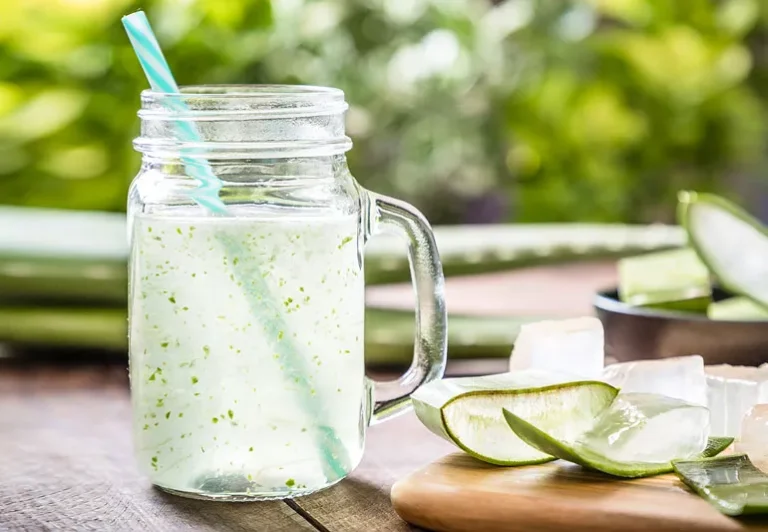
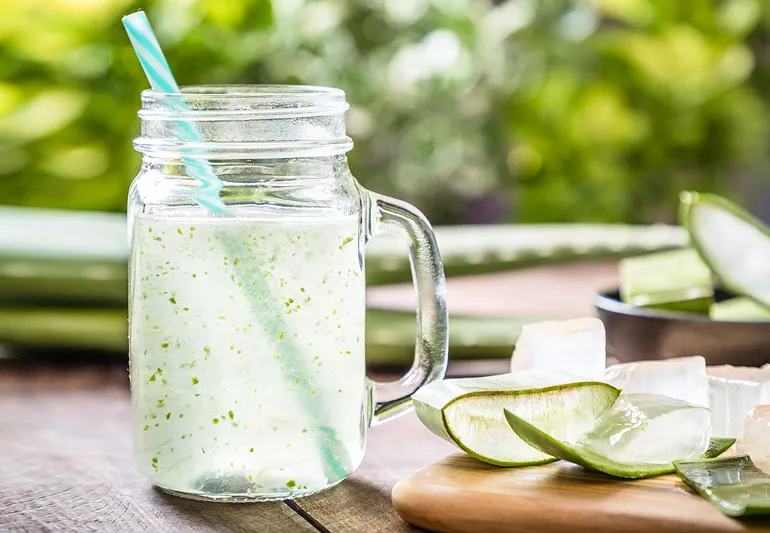
This common potted plant can now become part of your daily diet. Naomi offers 4 recipes for taking advantage of this healthful plant, which offers more than just sunburn relief.
Growing up, my mother was always interested in natural remedies to mild health issues, whether it was burns, cuts or the flu. Aloe vera being so versatile was one of her favourites, but as much as we used it externally, aloe vera juice was never on the menu, it turns out that it can be a great addition to your diet.
There are many plants, like roses, which can be used in more than just one way and aloe vera – native to the Mediterranean region where it grows like a weed – is one of them. We discussed previously some of the uses of aloe vera (like in ice-cream!) however the next step, beyond buying the potted plant, is to be able to make your own aloe vera drink. Granted this doesn’t sound very palatable but the benefits are significant to one’s health.
Your body has the tendency to hang onto food residues, various toxins and bacteria all of which block the intestinal lining of your digestive tract and prevent nutrients from being absorbed properly. Drinking aloe vera juice regularly can help get rid of all the junk your body no longer needs which in turn prevents various digestive problems such as indigestion, colitis, ulcers and irritable bowel syndrome (IBS).
Some recipes for aloe vera juice: Your aloe vera drink will actually turn out different colours depending on the fruit you use, since the pulp of the plant itself is colourless
Recipe 1 – virgin juice
The most effective way to get the medical benefits is to drink the pure juice, so if you are game, this is the recipe for you:
1. You take a few leaves of aloe vera and cut them into pieces of a few centimetres long and put this in a pot to boil.
2. Let it boil for a few minutes, but make sure it doesn’t boil over.
3. Take it off the flame and let it cool for about an hour, sitting in the water.
4. Then take out the plant pieces and drink only the liquid.
If you are looking for something a little tastier, we have some other options:
Recipe 2 – light and lemony
Ingredients:
1 Cucumber
1 Apple
1 Lemon
2 tbsp Aloe vera pulp
Method:
1. Blend the apple and the cucumber
2. Add the lemon juice
3. Cut open an aloe vera leaf and scoop out 2 tbsp of the pulp and add it to the mixture
Recipe 3 – health
Ingredients:
2 Carrots
2 Green apples
1 Orange, peeled
1 tbsp of aloe vera pulp
Method:
1. Cut the apples, carrots and orange into pieces
2. Blend them into a juice
3. Then add the aloe vera
Recipe 4 – exotic aloe vera
For something a little more exotic you can try this one.
Ingredients:
1-2 cup Fresh pineapple
1 Carrot
1 Green apple
1 tbsp Aloe vera pulp
A few tbsp of coconut milk is optional
Method:
Basically blend all the ingredients together, adding the pulp of the aloe vera leaf. The coconut milk more than being a tasty addition, will actually increase the anti-bacterial and anti-viral qualities of this drink.
All of these recipes are simple and quick, but remember the same doesn’t apply to the results of drinking aloe vera. Like most things natural, it takes time until you see and feel the benefits of adding this to your diet, but it will be well worth the effort.
A Tesla Cybertruck is powered using lithium ion batteries
A novel sub-class of per- and polyfluoroalkyl (PFAS) in lithium ion batteries is a growing source of pollution in air and water.The findings were published in a peer-reviewed study in Nature Communications this week.
Testing by the research team further found these PFAS, called bis-perfluoroalkyl sulfonimides (bis-FASIs), demonstrate environmental persistence and ecotoxicity comparable to older notorious compounds like perfluorooctanoic acid (PFOA).
Lithium ion batteries are a key part of the growing clean energy infrastructure, with uses in electric cars and electronics, and demand is anticipated to grow exponentially over the next decade.
“Our results reveal a dilemma associated with manufacturing, disposal, and recycling of clean energy infrastructure,” said Texas Tech University’s Jennifer Guelfo an associate professor of environmental engineering: “Slashing carbon dioxide emissions with innovations like electric cars is critical, but it shouldn’t come with the side effect of increasing PFAS pollution.
“We need to facilitate technologies, manufacturing controls and recycling solutions that can fight the climate crisis without releasing highly recalcitrant pollutants.”
The researchers sampled air, water, snow, soil and sediment near manufacturing plants in Minnesota, Kentucky, Belgium and France. The bis-FASI concentrations in these samples were commonly at very high levels. Data also suggested air emissions of bis-FASIs may facilitate long-range transport, meaning areas far from manufacturing sites may be affected as well.
Analysis of several municipal landfills in the southeastern U.S. indicated these compounds can also enter the environment through disposal of products, including lithium ion batteries.
Toxicity testing demonstrated concentrations of bis-FASIs similar to those found at the sampling sites can change behavior and fundamental energy metabolic processes of aquatic organisms. Bis-FASI toxicity has not yet been studied in humans, though other, more well-studied PFAS are linked to cancer, infertility and other serious health harms.
Treatability testing showed bis-FASIs did not break down during oxidation, which has also been observed for other PFAS. However, data showed concentrations of bis-FASIs in water could be reduced using granular activated carbon and ion exchange, methods already used to remove PFAS from drinking water.
“These results illustrate that treatment approaches designed for PFOA and PFOS (perfluorooctanesulfonic acid) can also remove bis-FASIs,” said study author Lee Ferguson, associate professor of environmental engineering at Duke University. “Use of these approaches is likely to increase as treatment facilities are upgraded to comply with newly enacted EPA Maximum Contaminant Levels for PFAS.”
Guelfo and Ferguson emphasize this is a pivotal time for adoption of clean energy technologies that can reduce carbon dioxide emissions.
“We should harness the expertise of multi-disciplinary teams of scientists, engineers, sociologists, and policy makers to develop and promote use of clean energy infrastructure while minimizing the environmental footprint,” Ferguson said.
“We should use the momentum behind current energy initiatives to ensure that new energy technologies are truly clean,” Guelfo added.
A solar energy plant in Turkey: Record growth in renewables must be significantly topped up in the remaining 7 years to meet the UAE Consensus energy target set at COP28
The Renewable Energy Statistics 2024 report released by the International Renewable Energy Agency (IRENA) based in the UAE shows that despite renewables becoming the fastest growing source of power, the world risks missing the tripling renewables target pledged at the UN conference COP28.
To stay the course, the world will now have to grow renewables capacity at a minimum 16.4% rate annually through 2030.
The unprecedented 14% increase of renewables capacity during 2023 established a 10% compound annual growth rate (2017 to 2023). Combined with the constant decreasing additions of non-renewable capacity over the years, the trend sees renewable energy on its way to overtake fossil fuels in global installed power capacity.
However, if last year’s 14% increase rate continues, the tripling target of 11.2 Terawatts (TW) in 2030 outlined by IRENA’s 1.5°C scenario will fall 1.5 TW short, missing the target by 13.5%.
Furthermore, if the world keeps the historic annual growth rate of 10%, it will only accumulate 7.5 TW of renewables capacity by 2030, missing the target by almost one-third.
“Renewable energy has been increasingly outperforming fossil fuels, but it is not the time to be complacent,” says IRENA Director-General, Francesco La Camera.
“Renewables must grow at higher speed and scale. Our new report sheds light on the direction of travel; if we continue with the current growth rate, we will only face failure in reaching the tripling renewables target agreed in the UAE Consensus at COP28, consequently risking the goals of the Paris Agreement and 2030 Agenda for Sustainable Development.”
“As custodian agency tasked with monitoring the progress, IRENA is committed to support countries in their pathways to meet the target, but we need concrete policy actions and massive mobilisation of finance at full speed to reach our destination together. Consolidated global figures conceal ongoing patterns of concentration in geography. These patterns threaten to exacerbate the decarbonisation divide and pose a significant barrier to achieving the tripling target,” he added.
COP28 President Dr Sultan Al Jaber said, “Today’s report is a wake-up call for the entire world: while we are making progress, we are off track to meet the global goal of tripling renewable energy capacity to 11.2 TW by 2030.
A meeting of IRENA folks in Abu Dhabi, 2019
“We need to increase the pace and scale of development. That means increasing collaboration between governments, the private sector, multilateral organisations, and civil society. Governments need to set explicit renewable energy targets, look at actions like accelerating permitting and expanding grid connections, and implement smart policies that push industries to step up and incentivise the private sector to invest.
“Additionally, this moment provides a significant opportunity to add strong national energy targets in NDCs to support the global goal of keeping the 1.5°C target within reach. Above all, we must change the narrative that climate investment is a burden to it being an unprecedented opportunity for shared socio-economic development.”
In terms of power generation, the latest data available for 2022 confirmed yet again the regional disparity in renewables deployment.
Who is leading renewable energy growth?
Asia holds its position as leader in the global renewable power generation with 3 749 Terawatt hours (TWh), followed for the first time by North America (1 493 TWh). The most impressive jump occurred in South America, where renewable power generation increased by nearly 12% to 940 TWh, due to a hydropower recovery and a greater role of solar energy.
With a modest growth of 3.5%, Africa increased its renewable power generation to 205 TWh in 2022, despite the continent’s tremendous potential and immense need for rapid, sustainable growth.
Acknowledging the urgent need for support and finance, IRENA is advancing the Accelerated Partnership for Renewables in Africa (APRA) initiative and is preparing an investment forum focused on APRA’s member countries later this year.
Read the full Renewable Energy Statistics 2024 including the highlights, here.
Masdar’s new solar energy park in Sharjah breaks ground in cooperation with French energy company EDF.
The Emirate of Sharjah oil and gas industry leader, Sharjah National Oil Corporation (SNOC) of the United Arab Emirates, and Emerge Limited, a joint venture between Masdar and the EDF Group, celebrated a significant milestone today with the groundbreaking ceremony for the largest solar installation in Sharjah to date. EDF is for Électricité de France SA, commonly known as EDF, a French multinational electric utility company owned by the government of France.
The 60MWp ground-mounted solar PV plant, located at SNOC’s Sajaa Gas Complex, will generate enough clean energy to offset 66,000 tons of CO2 emissions annually, equivalent to removing more than 14,600 cars from the road each year.
The project supports SNOC’s commitment to decarbonization and its goal of achieving net-zero emissions by 2032. It will significantly decrease SNOC’s dependence on traditional fossil fuels for its operations and provide a cost-effective source of clean energy.
The project aligns with the United Arab Emirates’ ambitious Net-Zero 2050 strategy. By promoting renewable energy sources, this initiative contributes to the UAE’s transition towards a more sustainable, environmentally conscious future for Sharjah and the wider region.
The UAE Net Zero by 2050 strategic initiative is a national drive to achieve net-zero emissions by 2050, making the Emirates the first Middle East and North Africa (MENA) nation to do so. The initiative aligns with the Paris Agreement, which calls on countries to prepare long-term strategies to reduce greenhouse gas (GHG) emissions and limit the rise in global temperature to 1.5 C compared to pre-industrial levels.
SNOC Chief Executive Officer, Hatem Al Mosa, said “SNOC is happy to witness this significant milestone on its path to achieve Net-Zero by 2032 across its own operations and to support the Emirate of Sharjah’s sustainability agenda and commitment to protecting the environment.”
Michel Abi Saab, Emerge General Manager, said: “This project will empower SNOC to achieve its decarbonization goals, and also to secure a more cost-effective energy future for the Emirate as a whole.”
Emerge will handle the entire project lifecycle under a Build-Own-Operate-Transfer (BOOT) agreement. This includes financing, design, procurement, construction, operation, and maintenance of the solar modules for a period of 25 years.
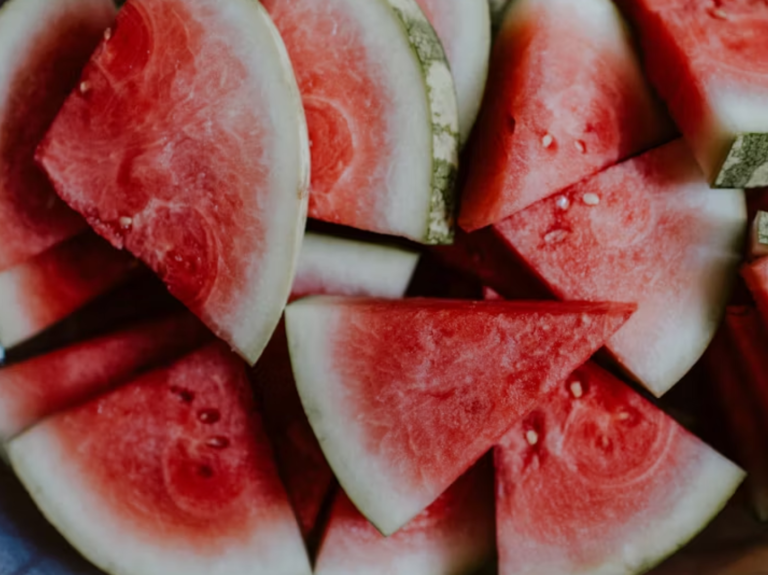
Summer means it’s watermelon time! This juicy, fruity, vitamin-packed superfruit not only quenches thirst but also tastes great. It’s an easy snack to bring along in packed lunches to the beach or on a picnic. And if you find yourself with extra watermelon and don’t want to waste any, you can even make jam from the rind.
Readers of Green Prophet have made note that watermelon rinds, particularly the white parts, may function as a natural Viagra. We turned to published literature to investigate. While it’s not marketed as a natural Viagra, some research indicates that watermelon may act as a mild aphrodisiac, potentially helping men with mild to moderate erectile dysfunction.
Watermelon’s libido-boosting properties are attributed to an amino acid called citrulline, which is concentrated in the rind.
According to this 2023 study, watermelon may plays a role in treating male infertility and improving sexual function. This popular fruit, enjoyed worldwide for its nutritional and health-promoting qualities, has been linked to biological mechanisms that enhance aphrodisiac and fertility effects.
The overview study suggests that watermelon can improve semen quality, reverse erectile dysfunction, enhance testicular redox status, and improve gonadotropin secretion.
Watermelon ice is nice and sexy
“These effects are linked to its constituents, including vitamins and phytochemicals such as phenols and flavonoids, which contribute to its antioxidant properties,” the researchers reported in their summary.
“Watermelon has also been noted for its antimicrobial, anti-helminthic, antioxidant, antidiabetic, anti-inflammatory, and antihypertensive properties, which may support its therapeutic use.”
If you’re not already enjoying watermelon regularly, consider trying these recipes to increase your intake naturally.
Kongō Gumi is a Japanese construction company, purportedly founded in 578 A.D., making it the world’s oldest documented company. What can we learn about building sustainable businesses from them?
A friend recently asked me how to build a 100-year-old sustainable company. I thought about it for a while and decided to invoke the assistance of my trusty googlizer to look up the oldest business in the world. Kongo Gumi, the oldest, continuously operating corporation in the world came up.
Established in 578 AD in Osaka Japan, this construction company remained in family hands for 40 generations. Certainly, I could glean some insight from this success story. But alas, the story had an unhappy ending. Kongo Gumi dissolved into bankruptcy in 2006.
After considering all the textbook methods of analysing company success from strong competitive advantage, to erecting and fortifying barriers to entry, investing in better ways of producing your goods and services, establishing a strong brand or reputation and focusing on growing markets, I had generated a list in my head of rather un-instructive dribble.
According to leading investors, the keys to building a long-term successful business revolve around building something you understand, that you do better than the competition and that your market wants, needs and is able to pay for, at a price level that generates profits for you. Simple. But Kongo Gumi did all this for many generations. They built the first Buddhist temple in Japan. They were the first Japanese construction firm to use cement in their buildings. They were first to use CAD/CAM technology in Japan. So, what went wrong?
Why did Kongo Gumi die after hundreds of years?
There may be all kinds of operational, market and or management issues that complicate the picture. Throughout the whole 1,400 years of this company with hundreds of leaders, not one of which had an MBA, some added value and others detracted. Some left the company stronger than when they started and some left the company weaker. That could be measured in dollars and sense by the ledger or stacks of cash in the safe. But the company survived. It was sustainable.
What was critical, throughout these years, was that cash flow had to be positive, more often than not, or management would begin to eat into reserves previously built up. Throughout these years, there must have been periods of great abundance and periods of great scarcity. And in the end, what we know, is that cash flow was sacrificed enough that they were running out of reserves.
The owners were motivated to gamble the company’s future on excessive, unsustainable and unsupportable debt. When tough market conditions hit in 2006 the company was forced to declare bankruptcy and be taken over by another construction company. The company had survived 1,300 years of poor market conditions by focusing on cash flow. And in the midst of the greatest building boom in Japan, Kongo Gumi did not focus on the cash flow.
Cash flow is the common variable among all companies that must be positive, more than negative, to ensure survival. This might be the most important variable to monitor to ensure long-term viability of an organization. When cash flow is declining, work backward to figure out why and how to improve or your company will not be sustainable and thrive.
Michael Cooper offers a research service to help people invest in 100-year-companies. To learn more about his research newsletter email [email protected]
China makes a $1 billion deal with Turkey to build EVs in Turkey circumventing EU tariffs imposed on Chinese electric cars.
The Chinese electric vehicle (EV) company BYD just signed a $1 billion USD promise with Turkey’s Industry and Technology Ministry to open a plant in the country. This is a historic deal for the Turkish automotive sector which needs the jobs and which serves as an easy bridge to Europe.
The agreement is for BYD to set up a manufacturing plant and an electric and rechargeable hybrid car production facility to manufacture f 150,000 vehicles a year. There will also be an R&D center for sustainable mobility technologies set up in Turkey.
Given the latest war between the Ukraine and Russia Turkey has made its side clear by aligning with China, Russia and Iran. This may prevent imports to Europe, setting up the Turkish car plants to export to Asian countries nearby.
The plant will is expected to employ up to 5,000 people and will start production at the end of 2026.
“Thanks to Turkey’s unique advantages such as its developing technology ecosystem, strong supplier base, extraordinary location and qualified workforce, BYD’s investment in this new production facility will further improve the brand’s local production capabilities and improve logistics efficiency,” the Chinese automaker said in a statement.
“We aim to reach consumers in Europe by meeting the increasing demand for new energy vehicles in the region,” it added.
Turkey is the third largest automobile manufacturer in the Europe area although the EU has been clear that it will not accept Turkey into the EU. It exports an annual amount of over $35 billion in cars.
The new plant will be built in the western Manisa province.
Just after the news went live the the EU increased tariffs of up to 38% on Chinese EVs to combat undermining European rivals.
Turkish-made cars enter an EU customs union that dates to 1995. Carmakers like Fiat and Renault opened plants there in the 1970s, with Ford, Toyota and Hyundai.
The new deal between Turkey and China will circumvent the high tariffs on Chinese-made cars.
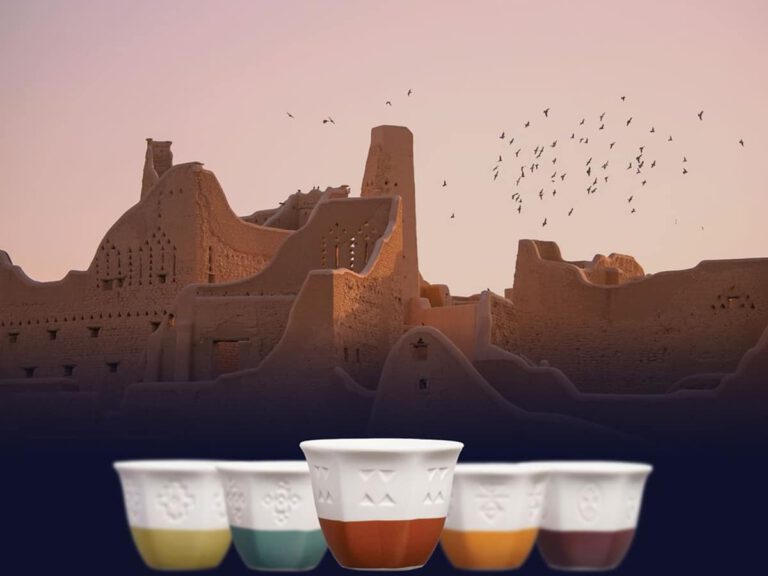
Finjal collection from Saudia airline to celebrate Saudi Arabian coffee culture.
If you have ever travelled to Turkey or anywhere in the Middle East you will learn that hospitality centers around a small but strong cup of coffee. A sign of Arabian hospitality is sitting guests down with a special coffee pot called a dallah, where dark coffee is boiled, sometimes with cardamon pods and then poured into tiny finjal cups from which you sip the sweet black magic.
Saudi Arabia is wanting to show the world a taste of Saudi Arabia culture by showcasing five collectable coffee cups called finjals that include signs that reflect a certain region in Saudi Arabia. Ceramic vessels and pottery are having a moment as more people yearn for the local and the handmade. Hamada, a Japanese potter and Bernard Leech, a British one, explored this need more than a 100 years ago – as a means to get away from the mechanical and industrial soulless items we bring into our lives.
Karin Kloosterman, Green Prophet founder, has also done a lot of work in pottery and ceramics and recently developed AI prompts to create pottery glazes that could be made using materials on Mars. Eventually as people settle the Red Planet, they will seek out handmade, local items that will need to be made from scratch on Mars. Spaceships can only carry so much.
So sit back and enjoy a finjal that reflects Saudi history and culture.
Saudia, the national carrier of Saudi based in Jeddah, created the Saudia Saudi Coffee Finjal collab with the Saudi Culinary Arts Commission.
Want to make some Arabian coffee? We have an expert-level recipe here. More expert advice? Never say no when you are offered coffee in the Middle East.
A lone yacht in the middle of the sea. Are top paid CEOs out of touch with people and our planet?
Tomorrow’s quintessential question; How do we share the wealth? Should it all go to one person? Or one trust fund? In the extreme, this is where the trends indicate we are going.
According to Bernie Sanders, 4 hedge fund managers make more than 120,000 kindergarten teachers, today. The trend toward extreme inequality is unrelenting and affects everyone.
The top 10 US-based CEO‘s generated $1,563 million in personal compensation 2022. Nine of 10 of these CEO’s led companies which generated less than 10% increase in shareholder wealth.
Seven CEO’s oversaw billions in shareholder declines throughout the year. But this did not stop the CEOs from collecting. Admittedly, 2022 was a tough year for the stock market in general. But what does this say to other employees about paying for performance?
The message to other executives and middle managers is to take what you can while the taking is available. For the rest of us, this is the time to apply pressure for change.
Top 10 US-based CEO Pay in 2022
Larry Fink, the CEO of Blackrock
Blackrock CEO $253 million
Alphabet CEO $226 million
Hertz CEO $182 million
Peloton CEO $168 million
Live Nation CEO $ 139 million
Oracle CEO $ 138 million
Sarepta Therapeutics $ 125 million
Pinterest $123 million
CS Disco $ 110 million
Apple $ 99 million
Source: c-Suite Comp via CNBC
How do you profit from this? Use it as a benchmark of honesty. When a company says in bold print, “we value our employees” and then pays its CEO a gross amount for non-performance and pays employees a living wage, you can understand the limits of his/her words.
Although the issues are more nuanced than one simple calculation, it definitely indicates the issues deserve our attention.
Does Elon Musk deserve a 56 billion USD pay package? Does this make a sustainable company?
First let’s define excess pay. Excess pay is when you pay for something that you do not receive. When hiring executives to run your company, you are right to expect a certain level of performance excellence. When you don’t receive that performance excellence you might feel cheated.
When you get the performance you expect you may be very happy to pay absolutely large compensation if it is a small percentage of the value created.
Top Paid CEOS in the US, via Equilar
Elon Musk who led the development of a $500 billion company, Tesla, may rightly deserve his $56 billion USD compensation package while another CEO who generated no value in 10 years is not worth his $600k annual compensation package. We can debate how much value Elon actually oversaw and when that value was created. But the basic premise of shareholders earning $1.00 and offering a slice to the top dog in the organization seems reasonable.
If the $1.00 is followed by a billion zeros then I expect the captain of the ship to have earned a princely sum for guiding the enterprise to safe lucrative shores.
How do these pay packages affect workers and shareholders?
1. Extreme excess pay changes CEO decision making – perpetuates losing businesses which over-compensate the CEO and under-compensate everyone else such as employees and shareholders.
2. Dilutes shareholders’ position – if the executives issue themselves 1% of the company every year it starts to add up over 10 years. I have seen small companies issue 4% of shares annually.
3. Reduces cash that otherwise could be used to fund growth and enterprise development. 4. Demoralizes workers and investors and can create envy.
5. Motivates other executives and middle managers to request more and create a new escalation of unnecessary expense.
The effects of over-paying become dramatic over a lifetime for any company trying to create a sustainable business of any kind. Real effects include reduction in workers wages compounding into lower savings compounding into lower investment levels and compounding into generating lower income from investments.
Ouch that all hurts the common man, woman, and their children. And what can we do to change this inequality as individual investors looking to create prosperity for all? We can attempt to cap the run away compensation packages, but the resistance will be relentless.
Or we can learn to leverage our knowledge and profit by it. That is my approach. I supply information so people can invest in companies that will last 100 years or more.
Subscribe to Green Prophet to get my free generational wealth tips that help promote financial equality.
Email me: [email protected] to join my investment newsletter subscription.
About investment researcher Michael Cooper
A contrarian with an even temperament. These characteristics are useful in investment markets when coupled with a Western University (Canada) economics degree, CFA designation, years of finance and investment industry experience and most importantly, access to the teachings of Warren Buffett and Charlie Munger.
My career started in 1990 working with a couple second rate Toronto-based finance boutiques and a couple first rate investment firms. I was involved in private equity and venture capital, financing approximately $50 million worth of transactions, finding target companies, performing valuation analysis and documentation, negotiating terms and pitching deals to institutional investors.
In 2015 Cooper Financial Research was refocused toward the DIY investor. A successful track record based on my personal portfolio was developed. New investors were provided with access to replicate my allocations through a weekly newsletter service.
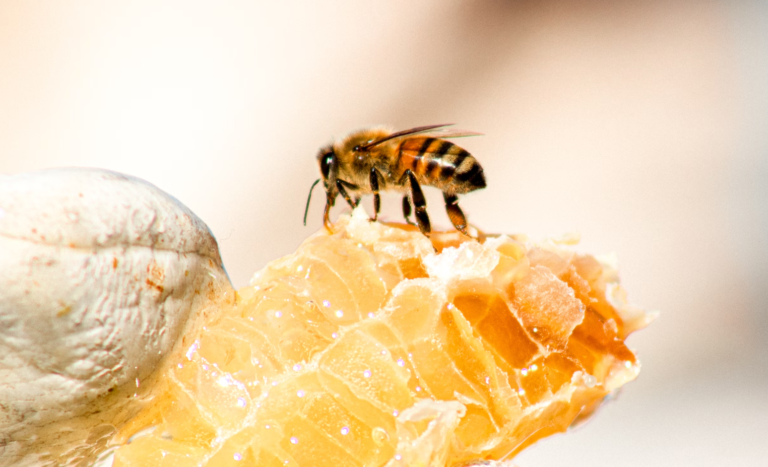
Can you eat honeycomb? Are there any dangers or health benefits?
With the proliferation of urban beekeepers I asked myself: Is it safe to eat beeswax from the honeycomb? I told some friends I had a hive and several of them asked specifically for the honeycomb with living, raw honey in it. Commercial honey, we know is pasteurized, so the healing enzymes in honey are killed. But honeycomb is “just wax” I thought. Won’t it get stuck in my intestines or merge with my teeth? Surely they just mean to chew on it like bubblegum?
But, no. Several people I spoke with said that honeycomb is good for you and it’s sought out as a natural medicine. Beekeeping expert, Yossi Oud, from Bees for Peace, Israel told me that beeswax is good for your teeth and your throat and you should it with natural honey. Scientific studies (linked below) confirm this.
Yossi Oud, a biodynamic beekeeper teaches Palestinian women how to keep bees
For centuries, bee-derived products such as propolis, honey and beeswax from the honeycomb have been used as natural therapies in folk medicine due to their properties and their high content of bioactive compounds. Today, there is renewed interest in apitherapy due to its preventing and healing properties for wounds, rheumatism, and gastrointestinal disorders.
Is there any scientific research out there to support any of these heath claims? In a recent study from Egypt published in Veterinarian Medicine sheep were fed beeswax as part of their diet and the results were impressive and included reduced carbon emissions and better health outcomes for the animals:
The researchers write that beeswax inclusion in the feed formulation is good for sustainable farming. Beeswax in feed “enhanced the nutrient digestibility by enhancing rumen fermentation and decreasing the ammonia emissions,” they wrote.
Adrian Pepe, an artist who works with sheep in Lebanon. Beeswax has a place in regenerative farming, along with artists like Pepe.
Feeding farm animals beeswax is regenerative farming
The use of 4 g/day of beeswax supplementation in growing Assaf lambs could promote zootechnical performance, nutrient digestibility, rumen fermentation and thus lower the cost of feed formulation and support the sustainability of lamb farming.
In this study researchers investigated pesticide residues in honey and beeswax. As bees forage miles away from the hive, it is hard to create 100% ecological honey unless you live in a forest with a large organic buffer.
The scientists concluded in the Journal of Agriculture and Food Chemistry that “the food consumption of honey and beeswax contaminated with these residues considered separately does not compromise the consumer’s health, provided proposed action limits are met. In regard to residues of flumethrin in honey and in beeswax, “zero tolerance” should be applied.”
How can consumers check for contamination? How can you know flumethrin wasn’t used?
Flumethrin is a pyrethroid insecticide. It is used externally in veterinary medicine against parasitic insects and ticks on cattle, sheep, goats, horses, and dogs, and against the treatment of parasitic mites in honeybee colonies. It is commonly used to treat varoa mites.
According to Merck who makes the product, flumethrin is toxic to organs, should not contact your skin, eyes, or be breathed. It may damage an unborn child. According to the Government of Canada, this material isn’t a danger to health if used correctly. But how many beekeepers might make a mistake and contaminate a hive and all the honey with the material?
What does it do to the fitness of the hive?
Whenever we ask a question, we find so many more questions waiting to be solved.
If your honey is organic, you might be spared from potential toxins. You can treat mites with natural formulations from chamomile tea, salt and honey, to dusting with organic demerrara sugar and using oxalic acid vapors.
Eat beeswax with honey and olive oil
Some studies suggest that beeswax might help lower cholesterol levels, it may prevent infections, and help protect the stomach from ulcers caused by non-steroidal anti-inflammatory drugs.
This review of existing studies on eating beeswax or honeycomb showed an antimicrobic effect of beeswax against Staphylococcus aureus, Salmonella enterica, Candida albicans and Aspergillus niger: “these inhibitory effects are enhanced synergistically with other natural products such as honey or olive oil.”
Beeswax can be used for a variety of other natural uses. I made sunscreen using beeswax honeycomb and tea. You can cut it with a seed oil that’s low on flavor and use it as a wood polish. It’s great for kitchen tables that get a lot of wear and tear. And you can make natural candles from beeswax. Most candles you buy today are parafin and derivatives of fossil fuels. Better to have some natural wax in your life.
So what are you waiting for? Miriam visited a beehive and got swarmed. I started a beehive and it’s been an ever-ending discovery into nature, the environment, and to myself.
And yes, the honey test works. Want to know if your honey is real or fake? Try this test.
Want to try to eat other non-organic food to see if it helps your health? Have you tried charcoal in your ice-cream or diatomaceous earth?