
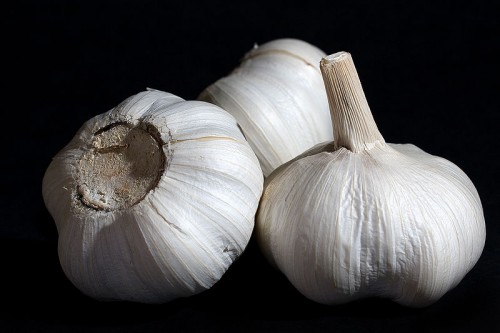
 Imported garlic looks beautiful, but locally grown is healthier.
Contaminated garlic from China was a scandal in the late 1990s and up till 2009. Fueled by anger over tainted pet food, toothpaste, and medicines from China, health-conscious consumers were outraged at the huge quantities of cheap Chinese garlic that were being “dumped” – sold for less than production costs – into US, European, and Australian/New Zealand markets. Garlic lovers were worried about the cloud of health issues around the beloved bulb. And garlic farmers took a major economic blow.
Are those issues still active? Talk has died down. Maybe it’s because China’s garlic exports slowed down significantly in the last year. This is due to increased domestic garlic consumption, which rocketed with the appearance of swine flu. The Chinese believe garlic’s anti-viral properties are strong enough to prevent the virus.
There’s less publicity about the hazards of Chinese garlic from local growers. No recent outcry in the press. But there’s been no proof that conditions have improved, either.
The problems with Chinese garlic
Charges against Chinese garlic included:
- Use of sewage to fertilize the soil in garlic farms;
- Presence of nematodes, fungus, and other agricultural pests in the bulbs, which contaminate soil where cloves taken from them are planted, as in home gardens. Importing countries therefore mandated…
- Fumigation with the toxic, ozone-depleting pesticide, methyl bromide, upon arrival at the importing country;
- The use of chlorine to bleach the bulbs an attractive white color;
- Use of chemicals to prevent the vegetable from sprouting during the months of travel from China to the importing country.
- American garlic farmers argued that their prices were high compared to the Chinese because they paid fair wages and gave workers benefits, while Chinese producers have a dependable source of cheap labor too ignorant to demand basic rights.
Our question is, has any of that changed? The fat, white bulbs with all the stringy roots cut away, packaged in plastic mesh bags, are still in markets everywhere. Before you reach for that convenient little bundle, ask yourself if you’re easy in mind, eating and serving that garlic. Isn’t it worth the time to buy locally grown?
Right now is fresh garlic season in the Middle East, soon in colder climates too. We recently bought fresh, purple-striped garlic at NIS6. per kilo – $1.60 for 2.2 lbs. At that price, it wasn’t hard to buy 10 kgs of the pungent stuff, which should last our family of busy cooks for almost the whole next year. Apart from anything else, local garlic is juicy and tastes as it should: fresh.
You can hang the bulbs up to dry in loose bunches, or buy some already braided and ready to hang. If you prefer, cut the mild-tasting stalks off and eat them as greens, leaving the bulbs to dry separately.
How to eat the greens? Strip off the tough, dirty outer leaves and wash the stalks well. Then you can:
- Chop them into finger lengths and stir-fry them
- Stew them with carrots and potatoes
- Drop them into your next pot of soup
- Roll them in olive oil, season with salt and pepper, and grill them
- Blend them with toasted almonds, salt, pepper and olive oil for a seasonal pesto
 A vendor braids fresh, local garlic at an Israeli open market.
Photo by Miriam Kresh.
Photo of white garlic bulbs by NoodleSnacks, via WikiMedia.
More on eating locally from Green Prophet:


 Burj towers over Dubai. The environmentally-wasteful building will turn its lights off on Earth Hour. (Image via


 Miriam continues the fourth part of her series on medicinal herbs from the Middle East.

 An impressive aerial shot of Israel’s garbage mountain – site of new ecological activity – for Passover.


 Hungry? Run on down to your local

 A new study finds that smokers tend to have lower IQs.