“In the midst of uncertain time, renewable energy remains consistent and steadfast in its expansion,” said Francesco La Camera, IRENA’s Director-General. “A more decentralised energy system, with a growing share of renewables and more market players, is structurally more resilient.”
Health insurance is a regulated financial product. Insurers operate under binding contracts, overseen by state insurance commissioners, that legally obligate them to pay claims meeting policy terms. Policyholders who believe a covered claim was wrongfully denied have legal recourse through state regulatory channels.
The New Zealand Merino Company, now rebranded as Zentera, has quietly removed the phrase “world’s leading ethical wool brand” from its website, a notable change that comes after a disturbing investigation by PETA Asia-Pacific into the company’s ZQ-certified wool supply chain, PETA reports to Green Prophet.
Somehow vegetables with short seasons excite the imagination and appetite more sharply than produce that’s available all year around. Good Middle Eastern cooks have many recipes for delicate fava beans, and this turmeric-fragrant soup is one.
“In the midst of uncertain time, renewable energy remains consistent and steadfast in its expansion,” said Francesco La Camera, IRENA’s Director-General. “A more decentralised energy system, with a growing share of renewables and more market players, is structurally more resilient.”
Health insurance is a regulated financial product. Insurers operate under binding contracts, overseen by state insurance commissioners, that legally obligate them to pay claims meeting policy terms. Policyholders who believe a covered claim was wrongfully denied have legal recourse through state regulatory channels.
The New Zealand Merino Company, now rebranded as Zentera, has quietly removed the phrase “world’s leading ethical wool brand” from its website, a notable change that comes after a disturbing investigation by PETA Asia-Pacific into the company’s ZQ-certified wool supply chain, PETA reports to Green Prophet.
Somehow vegetables with short seasons excite the imagination and appetite more sharply than produce that’s available all year around. Good Middle Eastern cooks have many recipes for delicate fava beans, and this turmeric-fragrant soup is one.
“In the midst of uncertain time, renewable energy remains consistent and steadfast in its expansion,” said Francesco La Camera, IRENA’s Director-General. “A more decentralised energy system, with a growing share of renewables and more market players, is structurally more resilient.”
Health insurance is a regulated financial product. Insurers operate under binding contracts, overseen by state insurance commissioners, that legally obligate them to pay claims meeting policy terms. Policyholders who believe a covered claim was wrongfully denied have legal recourse through state regulatory channels.
The New Zealand Merino Company, now rebranded as Zentera, has quietly removed the phrase “world’s leading ethical wool brand” from its website, a notable change that comes after a disturbing investigation by PETA Asia-Pacific into the company’s ZQ-certified wool supply chain, PETA reports to Green Prophet.
Somehow vegetables with short seasons excite the imagination and appetite more sharply than produce that’s available all year around. Good Middle Eastern cooks have many recipes for delicate fava beans, and this turmeric-fragrant soup is one.
“In the midst of uncertain time, renewable energy remains consistent and steadfast in its expansion,” said Francesco La Camera, IRENA’s Director-General. “A more decentralised energy system, with a growing share of renewables and more market players, is structurally more resilient.”
Health insurance is a regulated financial product. Insurers operate under binding contracts, overseen by state insurance commissioners, that legally obligate them to pay claims meeting policy terms. Policyholders who believe a covered claim was wrongfully denied have legal recourse through state regulatory channels.
The New Zealand Merino Company, now rebranded as Zentera, has quietly removed the phrase “world’s leading ethical wool brand” from its website, a notable change that comes after a disturbing investigation by PETA Asia-Pacific into the company’s ZQ-certified wool supply chain, PETA reports to Green Prophet.
Somehow vegetables with short seasons excite the imagination and appetite more sharply than produce that’s available all year around. Good Middle Eastern cooks have many recipes for delicate fava beans, and this turmeric-fragrant soup is one.
“In the midst of uncertain time, renewable energy remains consistent and steadfast in its expansion,” said Francesco La Camera, IRENA’s Director-General. “A more decentralised energy system, with a growing share of renewables and more market players, is structurally more resilient.”
Health insurance is a regulated financial product. Insurers operate under binding contracts, overseen by state insurance commissioners, that legally obligate them to pay claims meeting policy terms. Policyholders who believe a covered claim was wrongfully denied have legal recourse through state regulatory channels.
The New Zealand Merino Company, now rebranded as Zentera, has quietly removed the phrase “world’s leading ethical wool brand” from its website, a notable change that comes after a disturbing investigation by PETA Asia-Pacific into the company’s ZQ-certified wool supply chain, PETA reports to Green Prophet.
Somehow vegetables with short seasons excite the imagination and appetite more sharply than produce that’s available all year around. Good Middle Eastern cooks have many recipes for delicate fava beans, and this turmeric-fragrant soup is one.
“In the midst of uncertain time, renewable energy remains consistent and steadfast in its expansion,” said Francesco La Camera, IRENA’s Director-General. “A more decentralised energy system, with a growing share of renewables and more market players, is structurally more resilient.”
Health insurance is a regulated financial product. Insurers operate under binding contracts, overseen by state insurance commissioners, that legally obligate them to pay claims meeting policy terms. Policyholders who believe a covered claim was wrongfully denied have legal recourse through state regulatory channels.
The New Zealand Merino Company, now rebranded as Zentera, has quietly removed the phrase “world’s leading ethical wool brand” from its website, a notable change that comes after a disturbing investigation by PETA Asia-Pacific into the company’s ZQ-certified wool supply chain, PETA reports to Green Prophet.
Somehow vegetables with short seasons excite the imagination and appetite more sharply than produce that’s available all year around. Good Middle Eastern cooks have many recipes for delicate fava beans, and this turmeric-fragrant soup is one.
“In the midst of uncertain time, renewable energy remains consistent and steadfast in its expansion,” said Francesco La Camera, IRENA’s Director-General. “A more decentralised energy system, with a growing share of renewables and more market players, is structurally more resilient.”
Health insurance is a regulated financial product. Insurers operate under binding contracts, overseen by state insurance commissioners, that legally obligate them to pay claims meeting policy terms. Policyholders who believe a covered claim was wrongfully denied have legal recourse through state regulatory channels.
The New Zealand Merino Company, now rebranded as Zentera, has quietly removed the phrase “world’s leading ethical wool brand” from its website, a notable change that comes after a disturbing investigation by PETA Asia-Pacific into the company’s ZQ-certified wool supply chain, PETA reports to Green Prophet.
Somehow vegetables with short seasons excite the imagination and appetite more sharply than produce that’s available all year around. Good Middle Eastern cooks have many recipes for delicate fava beans, and this turmeric-fragrant soup is one.
“In the midst of uncertain time, renewable energy remains consistent and steadfast in its expansion,” said Francesco La Camera, IRENA’s Director-General. “A more decentralised energy system, with a growing share of renewables and more market players, is structurally more resilient.”
Health insurance is a regulated financial product. Insurers operate under binding contracts, overseen by state insurance commissioners, that legally obligate them to pay claims meeting policy terms. Policyholders who believe a covered claim was wrongfully denied have legal recourse through state regulatory channels.
The New Zealand Merino Company, now rebranded as Zentera, has quietly removed the phrase “world’s leading ethical wool brand” from its website, a notable change that comes after a disturbing investigation by PETA Asia-Pacific into the company’s ZQ-certified wool supply chain, PETA reports to Green Prophet.
Somehow vegetables with short seasons excite the imagination and appetite more sharply than produce that’s available all year around. Good Middle Eastern cooks have many recipes for delicate fava beans, and this turmeric-fragrant soup is one.
Afghanistan is not Pandora, but the tribal exploitation concept is similar Maurice argues.
Now that American forces in Afghanistan are commemorating the longest period of any war that America has been involved in, including the 1965-73 Vietnam War, the recent discoveries of large and extremely valuable mineral and metal deposits may finally bring to light a reason to continue the presence of US fighting forces in this war torn and backward country.
As we pointed out in the Afghan lithium piece top US Government officials are estimating that these mineral deposits may be worth between $1 and 3 trillion USD, and that they may change the market of electric cars.
Breastfeeding a baby is not only good for the baby, but can go a long way to “greening” Islam.
If you are breastfeeding a baby, some Muslim American bloggers recommend buying a special coverup. Here in the Middle East, modesty among religious Christians, Moslems, and Jews is often associated with inhibitions about nursing in public. But that isn’t necessarily true.
In my years counseling nursing mothers, I’ve found that modest dress and nursing in public are separate issues. Women covered from head to toe can be seen nursing their babies on a park bench, while some mothers in halter tops wouldn’t dream of nursing in public. In countries like the US, where babies are primarily bottle-fed, breastfeeding mothers are frequently asked to leave public places or cover up while billboards with exposed breasts are everywhere.
Breastfeeding is an important part of greening the planet. Manufacture, transport and disposal of formula, containers, and bottles create pollution and use extra water resources. Breastfeeding, and supporting breastfeeding mothers, is one of the greenest things you can do. But in many parts of the world, discomfort about public breastfeeding remains a significant barrier to higher breastfeeding rates.
If a mother needs to find a private place to feed her baby every time she goes out of the house, she’s likely to wean early. One mom told me that when her oldest nursed every three hours, she was able to do errands in between feedings. Her second child nursed more often, so she weaned him to formula to avoid nursing in public.
There is a wide range of attitudes about public breastfeeding in Middle Eastern countries. In traditional societies, breastfeeding is generally the norm. Islamic law requires feeding until age two, and some interpret Jewish law to require it as well. In Jordan, women stay inside with their babies for close to a year.
There may be other reasons that public breastfeeding is rarely seen. In many traditional cultures, women are segregated to begin with so the issue of public breastfeeding does’t come up. In some cultures it’s acceptable to nurse in front of male relatives but not strangers. In stricter Islamic regimes, like Iran and Saudi Arabia, women are never seen breastfeeding in public, whereas in Jordan it is fairly common.
There are many products designed to help a mother nurse discreetly including aprons, cover-ups, and clothing with special openings. But if the mother wears a loose shirt that can be pulled up, or a sleeveless t-shirt under a button-down shirt or jacket, the baby will cover any exposed parts of the mother’s breast and torso.
Not all babies like to nurse with something over their head. Of course mothers can nurse privately if they choose, but they shouldn’t be required to. Offended bystanders are free to move or look away, instead of disturbing the mother and baby. Since a mother’s first priority is to protect her child, she is not in a position to defend herself if attacked or criticized while feeding.
June 21 marks a celebration that mankind and paganic traditions have noted for eons: The Summer Solstice.
Your green love columnist at Green Prophet wants to give readers a simple gift this year: a recipe for an eco-sexy lip balm you can make in your own kitchen.
All you need is sweet almond oil, rose petals, rose absolute and beeswax. Choose organic ingredients if you can and prepare your lips for healthy and sweet kisses.
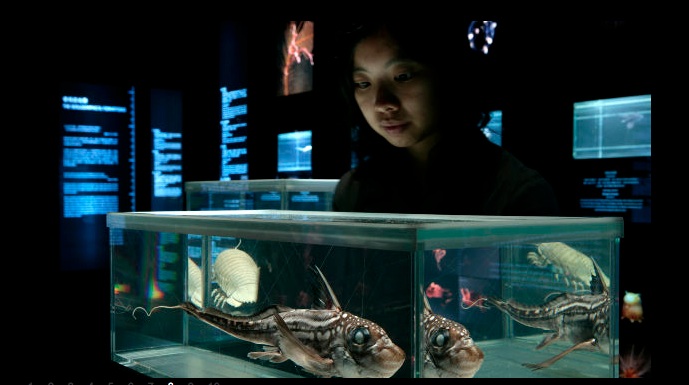
A visit to The Deep, an exhibition now appearing at Jerusalem’s Bloomfield Science Museum is an educational foray into the planet’s least known repository of biological resources. Instituted in commemoration of the International Year of Biodiversity, The Deep focuses on the other-worldly forms of life that exist in conditions of “perpetual darkness, bone-chilling cold, crushing pressure and jaw-dropping geology,” and that attests to the “infinite mystery if our planet’s last true frontier.”
Visitors to The Deep are introduced to the realms of oceanography and marine biology – disciplines further from the limelight than those dealing with that better known frontier – outer space. While life elsewhere in the cosmos has yet to be found, the exhibit reveals that “the [ocean] depths make up the greatest reservoir of life on the planet,” with an estimated “10 million species still to be discovered. Despite that “the high seas cover 60% of the Earth’s surface and represent 98% of its volume, they are one of the least protected zones on the planet.”
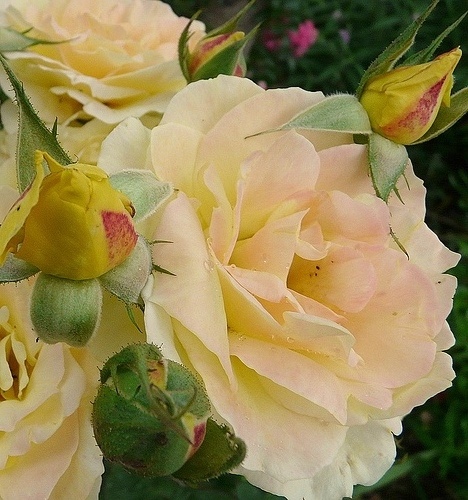
The fragrance of roses is a Middle Eastern favorite for pastries and delights. This old-fashioned recipe shows how to make it yourself.
In the Middle East, rose water scents pastries like Ma’amoul cookies, puddings, and clothes. It comes in tiny glass bottles if it’s concentrated, and in larger plastic bottles if it’s not so strong. But there are other uses for rose fragrance.
Aromatherapists consider rose essence effective for calming a troubled mind, and as an aphrodisiac. Soothing and sensual, good for the skin and the spirit, why not make your own from fresh, organic roses?
Finally environmental and cultural preservers, not destroyers, receive recognition [image by Brood_wich via flickr]
UNESCO has ordained 890 world heritage sites around the world, one-third of which belong in the Middle East. While admiring Seville, Spain during a trip roughly two years ago, HRH Sultan Bin Salman bin Abdulaziz Al-Saud, from the country that is doing a lot to green the Middle East, conceived an idea to write about the top 100 stories from “the Heritage front lines.” And they are front lines, because the process of saving our heritage from the clutches of runaway development is as brutal as any war zone. Al-Saud’s worthy germ evolved into a 7-part BBC series that will be viewed by 300 million households.
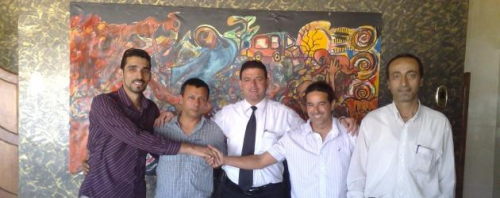
Representatives of Israeli and Palestinian partner companies pose after reaching agreement on joint venture for wind power. (Courtesy photo)
Cynics might say that diplomatic attempts to foster Palestinian-Israeli relations are too often “full of hot air.” But a new green Israeli-Palestinian initiative aims to put politics aside and harness the winds blowing across the Green Line to generate electricity for factories, offices and private homes in the West Bank.
According to a joint press release, the Israel Wind Powercleantech company and the Bethlehem-based Brothers Group Engineeringcompany will form a joint venture to manufacture, market and install wind turbines capable of independently generating 2 to 50 kW.
“Business collaboration in the area of wind energy is something which will be for the benefit of everyone. It will serve as a bridge of peace for the Israeli-Palestinian conflict,” declared Dr. Mohammed Salem, CEO of the Palestinian partner company.
Can Mr. Potatohead outrun the Energizer Bunny? Researchers in Israel and California develop a potato battery, 50 times cheaper than the Energizer equivalent.
Here’s one for potato lovers: the Hebrew University in Jerusalem has developed a solid organic electric battery that uses potatoes for energy. The simple, sustainable device, they say in a press announcement, could provide an immediate electricity solution in off-grid locations in the developing world.
Scientific backing for the invention was published in this month’s issue of the Journal of Renewable and Sustainable Energy: “The ability to provide electrical power with such simple and natural means could benefit millions of people in the developing word, literally bringing light and telecommunication to their life in areas currently lacking electrical infrastructure,” said Yaacov Michlin, CEO of Yissum, the University’s tech transfer arm.
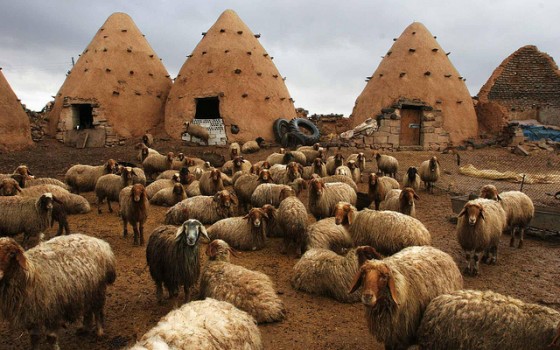
Poor management and water intensive crops to blame for what could be an irreversible desert in Syria.
“If desertification is not controlled, it threatens the land and our heritage,” Abdulla Tahir Bin Yehia, head of FAO in Syria, said. “The situation is terrible in Syria and has been worsened by the past years of low rainfall.”
According to the United Nations, 80 percent of Syria is susceptible to desertification, defined by FAO as “the sum of the geological, climatic, biological and human factors which lead to the degradation of the physical, chemical and biological potential of lands in arid and semi-arid zones, and endanger biodiversity and the survival of human communities.”
Three years of drought have destroyed crops and livestock, ruining the livelihoods of thousands of farmers and displacing some 300,000 rural families to cities. This year, however, there has been enough rainfall for the FAO to stop describing the situation as a drought, but uneven rainfall distribution has caused continued, widespread crop failure, putting the more than one million people already bordering on the poverty line into further jeopardy.
The World Food Programme (WFP) on 13 June said it had begun distributing food rations to 190,000 people in the eastern provinces of Hasakah, Deir al-Zor and Raqqa, but that another 110,000 people also required emergency food aid. WFP said a lack of funds was preventing it from distributing rice, oil, flour, chickpeas and salt rations.
Causes for drought man-made
Syria’s drought over the past three years and its increasing desertification is due to a combination of man-made and natural factors, experts say.
“There are natural causes beyond anyone’s control, as well as man-made causes,” said Douglas Johnson, a desertification expert at Clark University in the US. “In the Middle East the cause is almost entirely human activity. But that’s a simplistic statement because there is almost always an interaction with the natural environment. It is normal for the environment to fluctuate; some areas of desert may have no rain for four years, for example,” he said.
This has been the case in Syria, but has been compounded by poor water planning and management, wasteful irrigation systems, over-grazing, water-intensive wheat and cotton farming and a rapidly growing population.
Agriculture accounts for almost 90 percent of the country’s water consumption, according to the government and private sector, so the policies governing it are critical to the preservation of the land and efficient use of water.
“Traditionally, communities had methods to avoid desertification, such as rotation or leaving an area unused. This allowed the vegetation to grow back,” said Bin Yehia. “But modernization and centralization takes the decision out of their hands.”
He said rising demand for meat from a growing and increasingly affluent population was also contributing to land degradation.
“Syria’s estimated livestock stands at 14-16 million. But it is only that low because many died during the drought. Prior to this the national herd stood at around 21 million. We need to study how much livestock the land can take,” said Bin Yehia.
Desertification can be irreversible, such as when an aquifer dries out and the land sinks in on itself, destroying the structure. Flora and fauna species that lose their natural habitat can become extinct.
Bin Yehia is optimistic that much of Syria’s desertification can be reversed – but only if action is taken now.
“It is possible to reclaim pasture and on a large scale. But it is a long-term project that would take five to 10 years,” he said, adding that it needed more funding, studies and awareness-raising.
An experimental drip?
As well as reclaiming pasture, experts suggest local communities should be more involved in making land use and herd size decisions. An experimental drip irrigation project in the central district of Salamieh has spread to 52 villages as farmers realized they could use 30 percent less water to produce 60 percent more output.
Syria, a signatory to the 1994 UN Convention to Combat Climate Change, has drawn up a National Programme to Combat Desertification with the support of the UN Development Programme.
The country designates its land according to five zones, where zone five is the driest. Since the early 1990s, cultivation of land in zone five has been banned.
With the support of FAO, protected areas have been created around the eastern settlement of Palmyra, but the pilot project has not been rolled out on a large scale. A future plan, for which FAO is seeking funding, aims to claim back pasture in Homs governorate.
The Mecca of green? “Green” activism has defined Jewish and Christian culture for decades already. Now, Muslim leaders in Saudi Arabia keen to “green” the annual Hajj pilgrimage.
Yussif Osman sits quietly by his desk, a framed piece of cloth behind him next to a picture of his father who died just a few years ago. The cloth is a piece of the sacred shroud that covers Islam’s holiest shrine, the Qa’aba in Mecca: “This was a testament to my late father and what he stood for,” says Osman as he rifles through his desk to dig up some environmental journals he has been reading over the past few months.
Osman believes it is time for a change. The change he is talking about does not concern religion specifically, but relates to how Muslims journey to Mecca for the annual pilgrimage, or Hajj, and the environmental impact they have on their surroundings.
It’s Slow Food defined, but worth it. Miriam winds down the sourdough series with a plan.
It’s true, sourdough takes time. So do all good things. But once you’ve established your starter, a world of delicious home-made breads opens up to you. And the good news is that sourdough also makes quicker breads like muffins, cornbread, pizza dough and biscuits.
Now the moment of truth, the moment you’ve been waiting for: this post winds up the sourdough series. Baking sourdough bread is not easy, but it’s worth it. Now, to help organize your sourdough baking, I’ve provided a schedule.
Loving wild places gives us the impetus to protect them
Before I started writing about green building and eco-tourism in Israel and the Middle East, I was a tour guide in North America. For three years I taught foreigners about camping, ecology, geography, and history in National Parks throughout the lower 48, Alaska, and Canada. We met the first day in the lobby of a base hotel, filled out the “if I die it’s not your fault” forms, and then packed the pax and their bags into my van and trailer. I’d warn them, “remember, I’m deaf. If I can’t see you, I can’t hear you!” While true, this also gave me the excuse to play music louder than socially acceptable.
Be an alternative tourist with one of GoEco‘s volunteer eco-tourism programs this summer.
Earlier this week we wrote about an alternative to the normal ways of spending the summer, in the form of an eco-touristic organic goat cheese farm in northern Israel. Good for your tummy and good for the environment, that’s definitely one of the more delicious eco-tourism options out there. But for those of you who really like to get your green thumbs dirty, there are many volunteer eco-tourism programs operated in Israel – many of which are organized by GoEco.
Considered the most polluted river in Israel, the Kishon River struggles with water quality. But now, cormorants on the river can eat the fish they catch.
The Kishon River, a 75 km long stream that begins in the Western Galilee and ends when emptying into Haifa Bay at the Mediterranean Sea in Israel, was until recently considered a “dead river” according to Sharon Nissim, General Director of the Kishon River Authority. It was heavily polluted from 40 years worth of mercury, heavy metals and organic chemicals dumped by chemical plants nearby.
Besides being a receptacle for raw sewage and other wastes from villages along its banks, this “dumping ground” for industrial wastes from factories and industrial sites in the Haifa Bay Industrial area resulted in the controversy surrounding Israel Navy sea commandos. Allegedly, they contracted cancer from being exposed to the stream’s polluted waters during military exercises. But now the river is on the way to rehab.


 Afghanistan is not Pandora, but the tribal exploitation concept is similar Maurice argues.

 June 21 marks a celebration that mankind and paganic traditions have noted for eons: The Summer Solstice.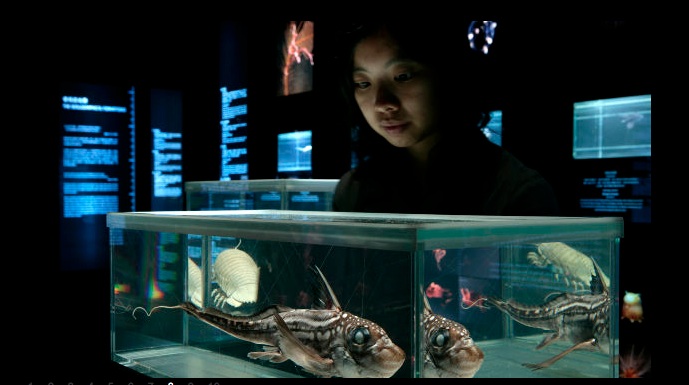
 The fragrance of roses is a Middle Eastern favorite for pastries and delights. This old-fashioned recipe shows how to make it yourself.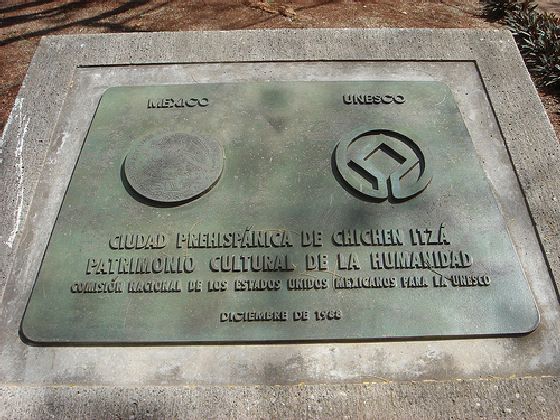
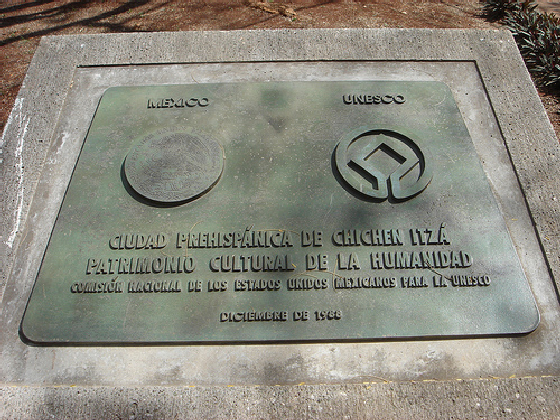 Finally environmental and cultural preservers, not destroyers, receive recognition [image by



 Can Mr. Potatohead outrun the Energizer Bunny? Researchers in Israel and California develop a potato battery, 50 times cheaper than the Energizer equivalent.
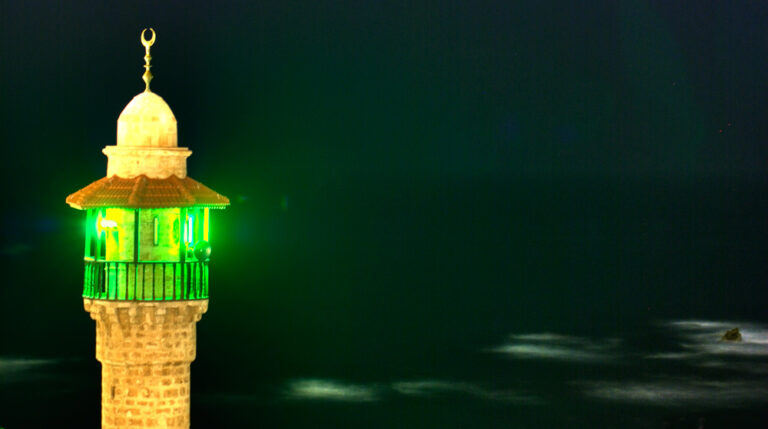
 The Mecca of green? “Green” activism has defined Jewish and Christian culture for decades already. Now, Muslim leaders in Saudi Arabia keen to “green” the annual Hajj pilgrimage.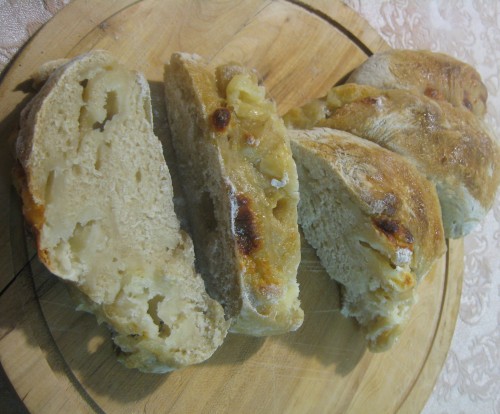
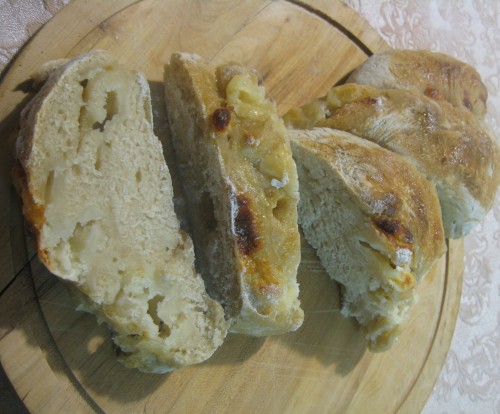 It’s Slow Food defined, but worth it. Miriam winds down the sourdough series with a plan.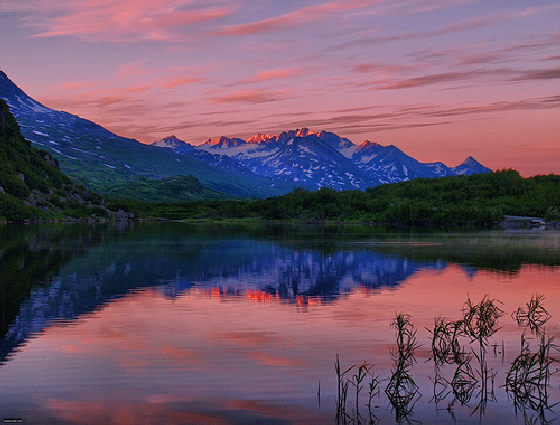
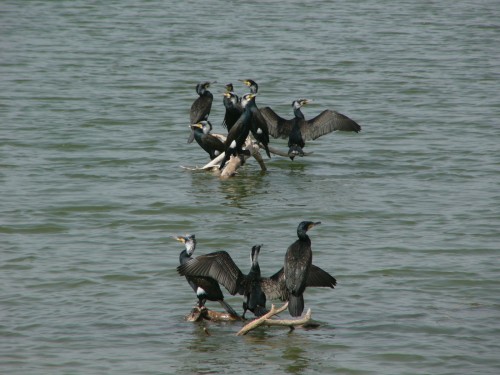
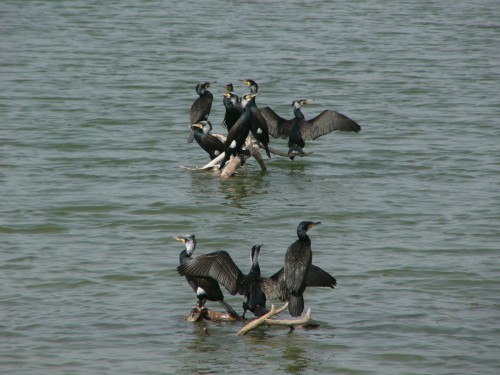 Considered the most polluted river in Israel, the Kishon River struggles with water quality. But now, cormorants on the river can eat the fish they catch.