Home Blog Page 638

Tafline Laylin: From Tour Guide To Green Prophet

1

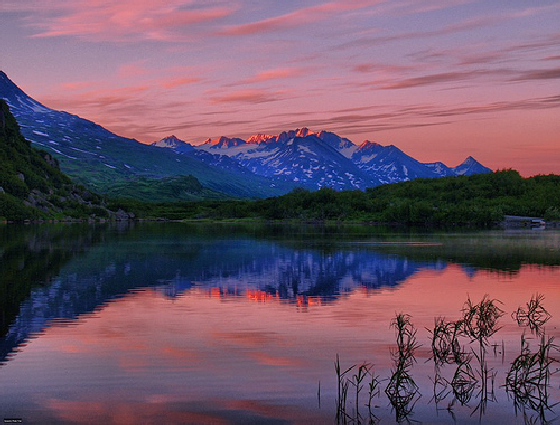
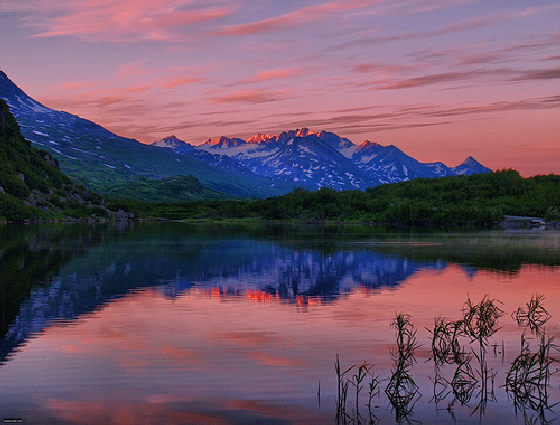
alaska-landscapeLoving wild places gives us the impetus to protect them

Before I started writing about green building and eco-tourism in Israel and the Middle East, I was a tour guide in North America.  For three years I taught foreigners about camping, ecology, geography, and history in National Parks throughout the lower 48, Alaska, and Canada.  We met the first day in the lobby of a base hotel, filled out the “if I die it’s not your fault” forms, and then packed the pax and their bags into my van and trailer.  I’d warn them, “remember, I’m deaf.  If I can’t see you, I can’t hear you!”  While true, this also gave me the excuse to play music louder than socially acceptable.  

GoEco on a Volunteer Eco-Tourism Adventure in Israel

0

Be an alternative tourist with one of GoEco‘s volunteer eco-tourism programs this summer.

Earlier this week we wrote about an alternative to the normal ways of spending the summer, in the form of an eco-touristic organic goat cheese farm in northern Israel.  Good for your tummy and good for the environment, that’s definitely one of the more delicious eco-tourism options out there.  But for those of you who really like to get your green thumbs dirty, there are many volunteer eco-tourism programs operated in Israel – many of which are organized by GoEco.

The Kishon River Goes from Sewage and Industrial Waste Canal to Nature Park in Only a Decade

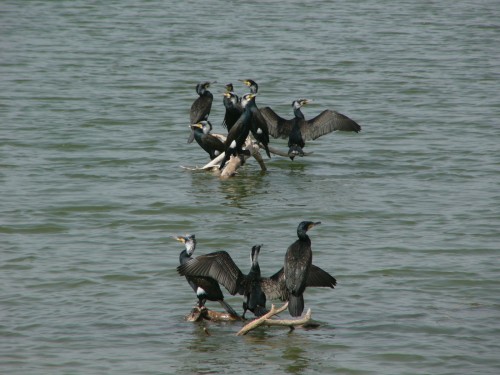
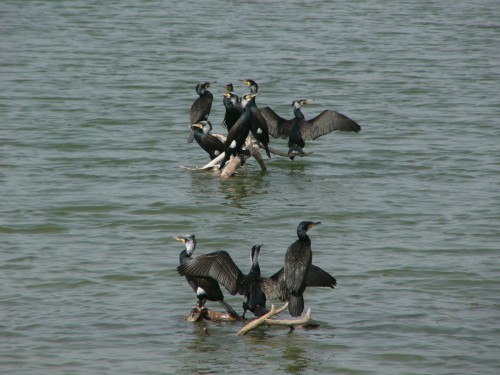
kishon river rehab israelConsidered the most polluted river in Israel, the Kishon River struggles with water quality. But now, cormorants on the river can eat the fish they catch.

The Kishon River, a 75 km long stream that begins in the Western Galilee and ends when emptying into Haifa Bay at the Mediterranean Sea in Israel, was until recently considered a “dead river” according to Sharon Nissim, General Director of the Kishon River Authority. It was heavily polluted from 40 years worth of mercury, heavy metals and organic chemicals dumped by chemical plants nearby.

Besides being a receptacle for raw sewage and other wastes from villages along its banks, this “dumping ground” for industrial wastes from factories and industrial sites in the Haifa Bay Industrial area resulted in the controversy surrounding Israel Navy sea commandos. Allegedly, they contracted cancer from being exposed to the stream’s polluted waters during military exercises. But now the river is on the way to rehab. 

Jordan Society for Renewable Energy's Eco-House Education

1

amman-jordan-ecohouseJRES plans to make learning about renewable energy a reality for all citizens

Though not everyone in Jordan has an eco-conscience, such as the local thieves who are scheming ways to divert water, the country’s conferences and other initiatives suggest that the environmental movement is finally gaining ground.  And the Jordanian Society for Renewable Energy (JRES) is doing their part to ensure that everyday people have access to the necessary tools to make natural living a part of their daily dialogue.

Dumping by Construction Crews Killing Bahrain Coral

0

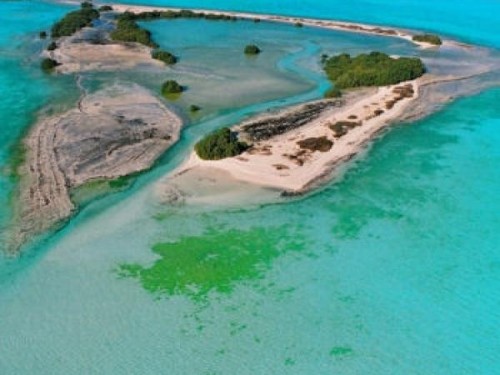
dump coral reefs bahrain A death trap for corals: Is Abu Dhabi’s Bu Tinah island atoll next in line for dumping?

We have heard this issue before: corals are being killed from human caused environmental damage. We’ve heard this in a lot of places, especially in the areas like the Persian Gulf; where large scale construction projects in Dubai, Abu Dhabi, and Bahrain are causing serious damage to the Gulf’s very fragile ecological infrastructure. After finding many examples of this problem, especially in regards to Dubai’s mega artificial island project, The World, the nearby United Arab Emirates state of Bahrain is now facing a serious problem to its coral formations due to the dumping of construction waste into the sea. These incidents, reported in the Gulf Daily News, include everything from truck tires, to concrete cinder blocks and other building materials, as well as old fishing nets, are found lying in the Gulf seabed.

The debris is becoming a “death trap” for various forms of marine life that become trapped in it and die. Corals, which depend on a very fragile natural ecosystem, are changing color from their normal blue and orange to shades of grey and are dying; according to Bahrain-based environmentalist Dutchman, Ben van Hoogen:

“This is damage you can’t ever express in amounts of money. It’s robbing the resources of fishermen, the environment, tourism; and this pollution will backfire on the water we take from the sea.”

van Hoogan, who also works for an environmental NGO, the Seal Rehabilitation and Rescue Center in Holland, is now organizing a project to remove parts of this debris by monthly “clean up dives” to try to save what is left of the corals not already damaged beyond repair.

“The coastguard doesn’t have time to do this work, as they need to concentrate on catching and arresting vessels that are doing the actual dumping,” he added.

Persian Gulf marine life includes that found in very unique natural areas such as Abu Dhabi’s Bu Tinah island atolls. It also comprises one of the worlds’ largest populations of dugongs; a large marine mammal that was once mistaken by sailors as being mermaids.

van Hoogen says that before all the current commercialism, Bahrain was an island inhabited by fishermen; many of whom lost their livelihood when the recent construction boom began to destroy the marine environment upon which the fishermen depended upon to make a living. He continued by saying that “you can kill a coral reef in a month, but it takes hundreds of years for it to grow back.”

If ever.

The problem of the destruction of Persian Gulf marine life is not going to be solved as long as construction companies continue to dump their wastes into the waters around Bahrain and other Gulf locations. “Many marine species depend on (coral) reefs for their existence. When the reefs go, so does the marine life,” van Hoogan added.

Photo: Seven Wonders

Read up on threats to Persian Gulf marine life:
Persian Gulf  “Mermaids” Face Uncertain Future Due to Man-made Threats
Dubai Artificial “The World” Islands Threatening Coral and Other Marine Life
Rare Sea Turtiles and Other Marine Life Living Happily on Persian Gult Atoll

Goats with the Wind Farm is Delicious Eco-Tourism in Israel

3

goats with the wind cheese farm israel photoA visit to Israel’s Goats with the Wind organic farm is delicious and not at all baa-d for the environment.

With the summer months upon us, some of you may be looking for an alternative activity to beach volleyball, matkot and tanning in the sun. For those of you living in or visiting Israel this summer (or any other season), here’s a delicious and eco-friendly option: volunteering or dining at Goats with the Wind, an organic goat cheese and wine-producing farm in the Galilee region.

Operated by Amnon and Dalia, a couple who has been running the farm for several years, Goats with the Wind welcomes families, couples, children, and single volunteers.  (The cheeses are welcoming as well – check out their “Isabella” half hard organic goat cheese above.)

As Amnon and Dalia so eloquently describe their farm:

“Somewhere in the Galilee,

Among the hills of Har Hashabi,

Is a place of harmony,

And cheese making goats roaming free.”

In addition to being delicious, nutritious, and friendly to its goats, the farm is operated with solar power.

goat cheese and lavendar
Goats with the Wind cheese

The farm boasts the diversity of its previous volunteers, which has included monks, poets, Olympic poets and ping pong champions.  But Amnon and Dalia will welcome all volunteers (provided approximately one week’s notice) who will perform tasks such as cleaning, gardening, feeding the animals, milking the goats, decorating, or constructing walls.

In their own words, “volunteers don’t need any particular skills except to be willing to work hard.”

goat cheese organic restaurant in Israel karen chernickIn exchange, volunteers receive simple accommodations and meals with Amnon and Dalia.

(And considering the fact that Dalia operates the restaurant at the farm, this could be quite a delicious deal.)

Not interested in volunteering but still want to see the farm?  The aforementioned restaurant, located under the branches of carob trees, is a good way to experience the products of the farm.  The restaurant offers standard, organic, and meat menus and is reasonably priced.

Baaaa. But not humbug.

:: Goats with the Wind

Updated 2024

Read more about organic farming:
Putting On the Organic Ritz at “Mitzpe Hayamim” Organic Restaurant, Hotel and Spa
A Farmer’s Story on Natural Sheep Grazing for the Jericho Date Company
Old MacDonald Gets Farmingo Software to Manage His Organic Farm

Clean Rivers and 8 Israel-Related Headlines, Week of June 8, 2010

0

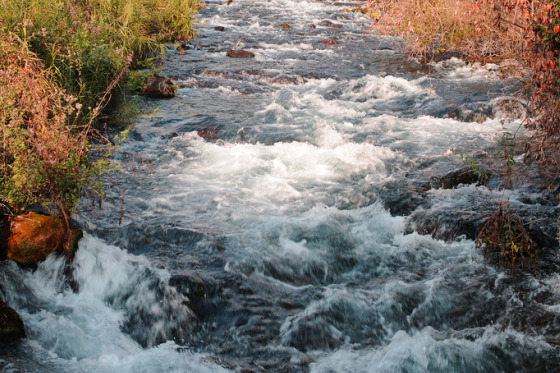
Tel-Dan-Stream

Clean rivers in Israel, youth environmental projects, Israel’s upcoming greenhouse gas registry and more headlines related to Israeli cleantech and the environment. Image by Or Hiltch.

During the week of June 8, 2010, Israel’s Ministry of Tourism announced that it will be investing $30 million into making Israel a top cycling destination for tourists. Würth Solar entered the Israeli market and high school students focused on the environment in an engineering contest. For these stories and more, see this week’s headlines below.

Increase in Water Theft in Jordan Has Broad Implications for Middle East

0

jordan-water-theftThieves divert public water in Jordan for greenhouses and swimming pools.

With the Middle East facing a severe water shortage, government efforts to desalinate sea water, regulate usage and prevent waste are being undermined by a growing problem: theft. Thieves have gotten creative about diverting water from public pipes for private or business purposes, bypassing the water authority’s meters and ending up with free, unrestricted amounts of high-quality water.

Lots of ‘Ifs’ – But Afghan Mineral Reserves Offer Hope for the War-torn Country (and for the Electric Car Industry)

0

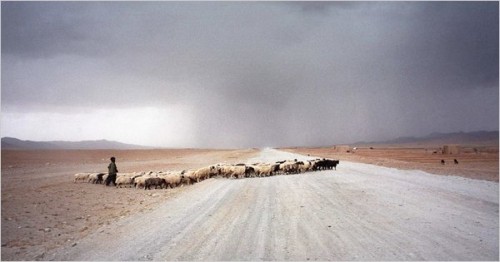
Afghanistan's Ghazni Province may hold world’s largest deposits of lithiumAfghanistan’s desolate Ghazni Province may hold the world’s largest deposits of lithium. (Image: Tyler Hicks/The New York Times)

Just days after the Afghan War became the longest war in US history – 104 months, surpassing the 103-month American engagement in Vietnam – the New York Times, quoting top US government officials, reported the discovery of near $1 trillion in untapped mineral deposits in Afghanistan.

In addition to huge finds of iron, copper, cobalt and gold, Afghanistan could potentially rival Bolivia as the world’s largest source of lithium, a key material for green technologies, including batteries for electric vehicles. In fact, the NYT cites an internal Pentagon memo stating that Afghanistan could become the “Saudi Arabia of lithium.”

The report quotes US officials who claim that these mineral deposits have the potential to “fundamentally alter the Afghan economy and perhaps the Afghan war itself ,” but also notes that “the Obama administration is hungry for some positive news to come out of Afghanistan.”

Linum Systems Makes Cool from the Heat of the Sun

sun hot cold drawingAir conditioning powered by the sun, which bypasses the electricity grid? Perfect for the Middle East.

It’s perfectly logical: When the thermostat rises on scorching hot days, the air conditioners kick in, causing a massive electricity surge that strains the grid. Summer blackouts and brownouts are already occurring in the US and in the Middle East. If mismanaged, they may cripple cities and damage local economies.

In April 2006, for instance, parts of Texas experienced rolling blackouts lasting as long as five hours that were caused by air conditioner use. Blackouts from air con use in California were first experienced in early 2000 and continue to be a major priority on the California utility companies’ list of problems. Blackouts happen regularly in Israel in the summer; Lebanon suffers blackouts daily, and they loom in Kuwait as summer sets in.

Heat pumps and cleantech in Helsinki, Finland

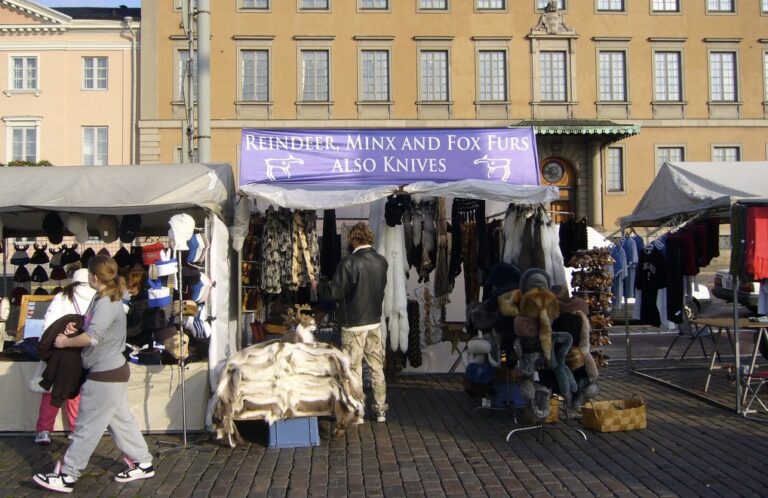
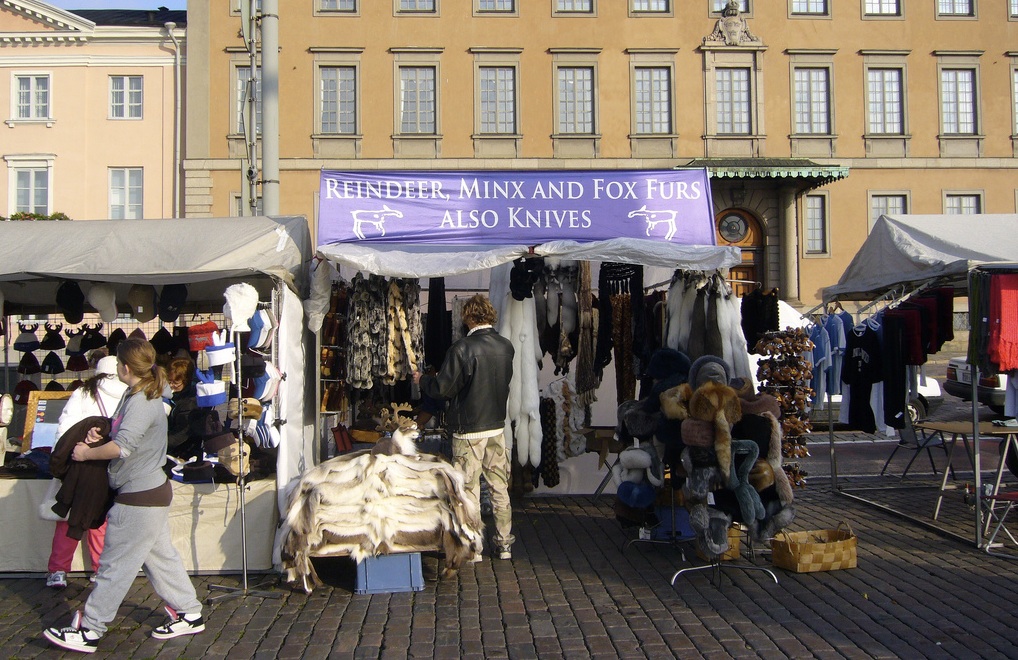
helsinki craft market port fur knives photoA market in Helsinki shows the “nature” of this cold country. Can Finland translate to the Middle East? Karin, in Finland, asks.

“Wear underwear over your eyes,” suggested Michael Kanellos’ daughter. Kanellos from Greentech Media is one of the sleep-deprived bloggers Green Prophet is with on a clean tech tour of Finland –– along with other green writers and reporters from sites like TreeHugger and Grist.

While gloomy and dark and cold for months in the winter, it’s as though the sun never sets in Finland in Summer. (I went to bed at 11 with the sun still “on” and was up at 4:30 am, somewhat sleep deprived from the light, though not intense).

A group of us are in Helsinki meeting some of the companies behind the country’s IT sector in clean technology, like Nokia; and lesser known companies such as BaseN, an international measurement service provider setting up a clean energy heat pump harvesting system for servers in a cave (and past bomb shelter), underneath the Uspenski Cathedral in Helsinki’s city center.

Propelled into what’s more like a Middle East winter in this Scandinavian country’s summer (temperatures are around 10 degrees C with cloud cover, and an ever-present spittle-like rain), I am curious about what Middle East energy and infrastructure companies, as well as entrepreneurs and investors can learn from this Nordic country. Do opposites attract?

So far I’ve learned that Finland is setting up an office in Masdar City –– according to Cleantech Finland’s Santuu Hulkkonen.

Hulkkonen’s organization operates like a chamber of commerce connecting international industry, innovators and investors to Finland and vice versa: “We were one of the first to sign up for that,” he says of the office being built in Abu Dhabi. So far none of the companies I’ve met seem to have much business in the Mideast region.

But like some Middle Eastern countries, such as Jordan, Yemen, Israel and Lebanon, there are no appreciable natural energy resources in Finland: “We have nothing in Finland, we sometimes say,” comments Hulkkonen bluntly, pointing out energy efficiency as being the cornerstone for the country’s clean tech economy. “Natural conditions forced us to develop our industry,” he adds.

Local products laid out at a Helsinki arts, crafts, and food market at the port (see above) suggest just how cold it can get in Finland: for sale are knitted slippers and thick scarves; huge fur hats, reindeer pelts a-plenty (for curling up with at the fire probably – though birth rates appear to be low here), fox fur stoles (heads included), canned bear meat, dried jerky of all kinds –– and various products made for a long winter hibernation. Knives. These and the ubiquitous talk about saunas: some from the clean tech companies we meet talk about energy units in terms of “saunas.”

The Finnish sauna is a fond memory of mine, growing up in Canada, where one my best friends Karita (half-Finnish) introduced me to the past-time. You get really hot, and then jump in the cold lake, or roll in the snow –– depending on the season.

Saunas are not at all common where I live now in the Middle East. But built by a country who against the odds had to stave off the winter’s cold and harsh elements, much can be learned from Finland. Strong in making use of nature’s elements, Finland offers opportunities in green IT and Smart Grid (several companies are now involved in building concept communities around smarter and greener energy use – “Scandanavia’s Masdar?”); among the country’s top clean tech companies, 90% of them are in energy efficiency, Hulkkonen tells us.

clean tech finland karin kloostermanKarin (far right) and Pablo from Treehugger (beside her) touring Metso’s biofuel reactor (Day 3).

Other areas for business development, partnership and expertise? Processing forest product waste (which comes from the pulp and paper industry) –– in bio-diesel, Finland’s Neste has built the biggest renewable energy plant in Singapore for certified palm oil. And st1, another company, can efficiently create bio-ethanol from the food industry with end products going to farms as feedstock.

We also learn that Finland has some lithium resources (although not quite as much as Afghanistan’s latest bonanza), important for developing electric car batteries, and it has expertise in wind turbine components. About 50% of all large turbine companies around the world combine Finnish engineering and parts, much like Israeli high-tech ingenuity is incorporated into big name chips, processors and telecom products.

Finland may not seem like a huge player in the clean tech market, but opposites do attract. According to the blog Arctic Startup, in 2008 Finnish cleantech companies posted a total of €139.5 million in investments, which represented the highest proportion (37%) of total investments (€372m) in all Nordic countries.

While it may be most natural for innovators, investors and infrastructure companies to look far to the east or to strain their necks to superpowers in the west like the US, Finland could be a new avenue for interest and cooperation. Necessity is the mother of invention for cold and isolated Finland. Their technologies matched with the people’s warm, hearty, inviting and casual nature could be a good fit for warm-spirited people of the Middle East.

More updates on that come, of course. Meanwhile, I am looking forward to a hearty breakfast that will stick to my ribs. Reindeer ragout?

Egyptians Question the Health of Their Tap Water

With an abundant Nile flowing through it, people in Cairo wonder about industrial pollution dumping affecting their health, and future.

A common question asked by visitors to Cairo is “can I drink the tap water?” Many Cairenes have no problems with drinking the water. The Nile River is Cairo’s main source of water and begins in Burundi and Uganda passing through the Sudan, where it joins up with the Blue Nile, whose origins are in Ethiopia before flowing onto Egypt.

How pure is the water once it reaches Cairo?

“Of course I drink the tap water at home,” 21-year-old student Esra Mohamed, a resident of Giza said, surprised at the question.

Some travel websites report Cairo’s water is over chlorinated, while others say it has a high concentration of bacteria. What’s going on?

Preserving Acre's History, Heritage and People

0

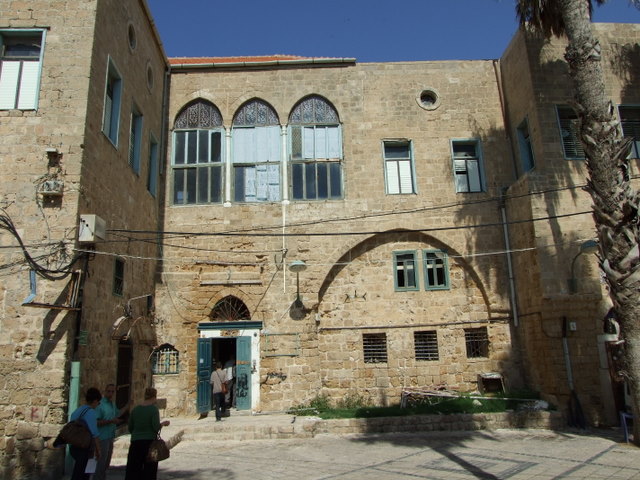
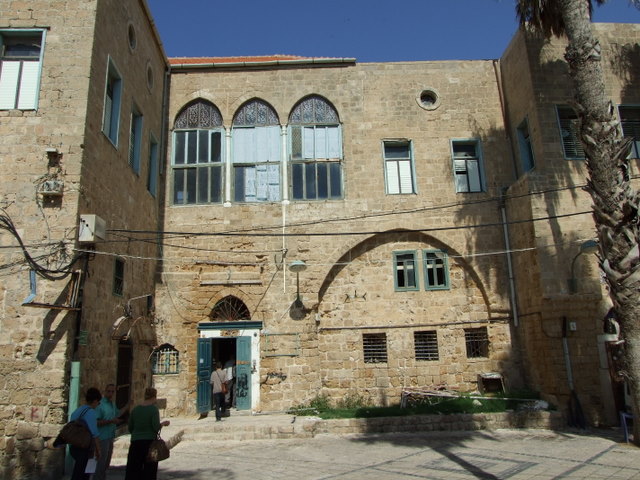
acre conservation center photoA living conservation laboratory (above): a new partnership with Rome will boost Acre’s efforts to protect its ancient history, making it more sustainable architecturally and for its residents and visitors.


Declared a World Heritage site by the United Nations (UNESCO), for more than 20 years the Israeli city of Acre (pronounced “Akko” by the locals) has been a living conservation laboratory. Its history is apparent in its citadels and fortresses, churches and mosques, all of which tell a story about the people who came, conquered, ruled and then glorified this Mediterranean port town, once considered the key to the Levant.

A new partnership with the City of Rome will give a boost to Acre’s efforts to protect its unique history, making the city a more sustainable one.

MENA Geothermal Powers West Bank Palestine Geothermally

0

MENA-Geothermal-Madaba-Jordan With a burgeoning population and no natural resources to provide energy, Palestine has found a hero in MENA Geothermal.

In a world where natural gas is diminishing and oil spills spoil our oceans, we would think there is no better means to generate energy.  Because if there were, surely we, intelligent beings that we are, would pounce at the opportunity to incorporate them.   Finally, MENA Geothermal has done just that.  In addition to its renewable, sustainable, zero emission heating and cooling systems for various commercial and residential applications, the company’s President, Khaled Al-Sabawi, recently signed an agreement with the US Consul General in Jerusalem to provide clean geothermal energy for the 522 unit Kober Affordable Housing Project near Ramallah.

Cycling for Peace as Israeli Arabs, Jews and Bedouins Kids Get Free Bikes and Clubs

1

[youtube width=”560″ height=”400″]http://www.youtube.com/watch?v=E43mUeMB_Go&feature=player_embedded[/youtube]

The Bedouin village of Um Bateen, just outside Beersheba in southern Israel, has no paved roads – which makes it the perfect place for a new mountain bike club. Now the Bikes4All project sponsored by the Israel Cycling Federation and funded by the International Fellowship of Christians and Jews, has distributed free bikes to more than 1,400 Jewish, Arab, Druze and Christian kids throughout Israel. Fifty of them were donated to two schools in Um Bateen. (See above video).