Home Blog Page 624

4 Israeli Car Technologies Volkswagen Should Consider Buying

Hybrid car engineVolkswagon Group, the world’s third largest car manufacturer is looking to Israel for cutting-edge technologies for its cars. We take a look at four technologies Volkswagon should consider. Image via Mike Babcock.

Ynet is reporting that the Volkswagon Group, made up of SEAT, Skoda and Lamborghini and others, has hired an Israeli company founded by former minister Yossi Beilin to assist it in its search for Israeli tech companies to work with.

According to the article, Volkswagon, which is the third largest car manufacturer in the world after General Motors and Toyota, is presumably looking at Israeli companies that can help it develop an electric car: “One of the areas in which the technology industries in Israel could aid The Volkswagen Group is in developing the electric car. On Tuesday, Volkswagen announced plans to launch sites around the world to develop electric cars, at an investment of five billion euro.”< Here's four Israeli technologies that can help Volkswagon with its electric car and other green efforts:

Givot's Premature Oil Production Near Rosh Ha'Ayin, Israel

0

burning-man-rigGivot Olam Oil Exploration LP push to production without reservoir report or stable production rates.

In the face of serious climate change, Israel’s Petroleum Law (1952) encourages haste where oil is concerned. We’ve seen it at Adullam, where IEI plans to rake up the earth for oil shale, and now we’re getting another taste of it just outside of Tel Aviv. Givot Olam Oil Exploration LP has discovered oil near Rosh Ha’Ayin, and plan to begin assembly of production facilities by August 15, 2010.

According to a recent Globes report, “Givot Olam Oil Exploration LP (TASE:GIVO.L) announced at the close of trading yesterday that there were commercial quantities of oil at its Meged 5 well, and that the partnership intended to prepare for production at the well.”

Register Early For the "Smart Grids" Middle East Conference

0

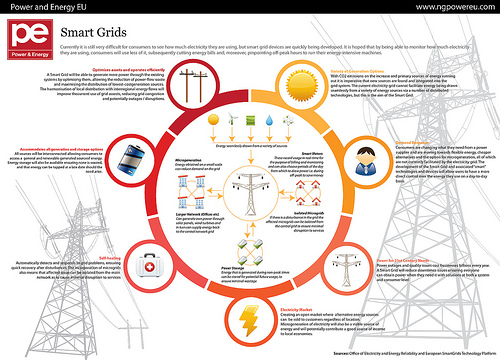
smart-grid-graphicSmart Grids are redefining the electricity future. Worldwide experts in the field will gather to share their know-how with the Middle East in Dubai this December. [image via GDS digital]

When temperatures soar, so does electricity consumption. At the peak of a scorcher day, everyone at home or in their offices hikes up their air-conditioning units at the same time, putting enormous pressure on regional and national grids. Another challenge that utilities face is incorporating renewable sources of energy, such as solar power, into the same electricity network. An emergent solution to both problems? Smart grids.

Pollution, Nature Reserve and Sea Turtle Estuary All in One (The Poleg Stream)

0

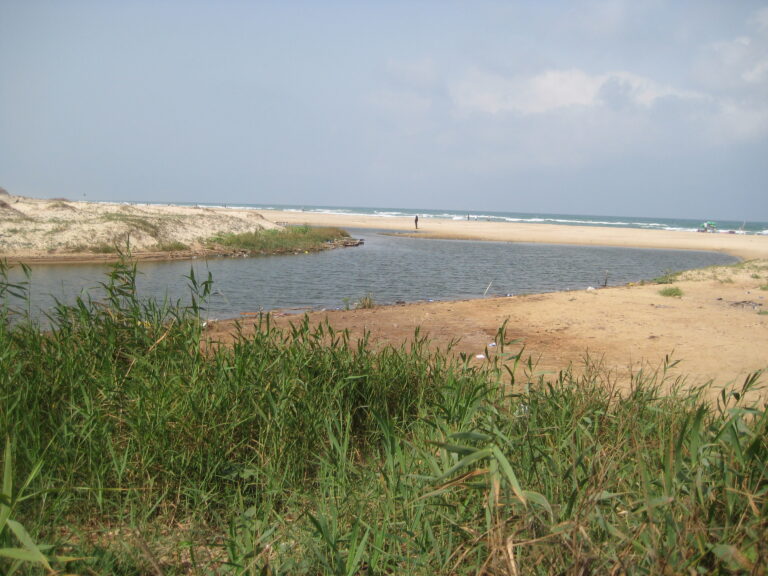
poleg streamStream to nowhere: The Poleg stops short of the sea during summer months

Flowing with our series of Israel’s coastal rivers and streams –– which has included the Kishon River, the Alexander and Yarkon rivers –– we travel to Poleg Stream (or Nahal Poleg), a small stream located by the coastal city of Netanya, 30 km north of Tel Aviv.


Originating also in the West Bank, the Poleg Stream is now in the process of being turned into a nature reserve, the Poleg Stream Estuary. It runs between the Wingate Sports Institute and one of  the City of Netanya’s most upscale neighborhoods Ramat Poleg.Until recently, the stream was extremely pollutedand still has a long way to go before being considered to be a truly living stream again – as anyone living in the area can testify.

The stream only flows into the Mediterranean during the winter rainy months, when there is enough fresh water flowing through it to enable the water to reach the sea. During heavy rain storms, the stream also carries large amounts of debris and rubbish from destinations upstream, including citrus orchards from area industries and settlements, as well as pollution from Arab cites on the West Bank.

British Jews get dirty down at the allotment

1

More Jews in Britain are finding spiritual and culinary inspiration by growing their own food.

Jews are known for their love of food, but less so for their love of farms. Most Jews in Britain live in big cities where, like many urban-dwellers, they are detached from the people and places producing their nosh. But the sterile fruit and veg in supermarkets and the economic pressure of the recession are inspiring more Brits to grow their own.

uk allotment green jewishIn Israel, allotments are few and far between (probably owing to the fact that land is scare, water is scarcer and quality local produce is abundant).

But in Britain, there are around 330,000 allotments – with some cities having a waiting list of several years.

The Big Green Jewish website has an allotment blog following the sowing, composting and pruning habits of north Londoner, Alexei Charkham, and his green-fingered family.

Last week, the Jewish Chronicle reported on the “grow-your-own revolution” which is inspiring everyone from suburban families to rabbis to work the land. With the help of local volunteers, Rabbi Natan Levy recently converted the backyard of the London School of Jewish Studies into a mini-farm as part of a “living Judaism” course:

“I have found it very therapeutic. First of all I like that gardening requires emunah – you have to have a lot of faith. You put these seeds in the ground, water them and pray like crazy,” says Rabbi Levy. “We live in a world that is very disconnected from what we eat and how it is produced. It helps me on many different levels to see where a carrot comes from. It just takes a little bit of that initiative, which gives a lot of empowerment.

In the west of the city, the post-denominational Jewish community, Moishe House, has launched a box scheme, delivering fresh produce from local green grocers, as well as piloting raised bed horticulture in its back yard.

This spring, I decided to try growing my own veg for the first time. With a few pots filled with compost, my small patio has been transformed into a thriving horticultural plot. I’m not giving up my day job yet, but the satisfaction of seeing a seed I planted with my own hands spiral into 10-foot runner bean is priceless.

::Allotment blog

More farming articles:
Farmigo Software to Manage the Organic Farm
Keep Food Safe from Farm to Fork
A Halal’s Day Work for Organic Muslims

Male Sexual Stimulants: Eco-Sexy Libido Enhancers or Dodgy Gimmicks?

4

sexy yoga man poseDo sexual stimulants really enhance a man’s libido?

Sexual stimulants are popular in the Middle East. When doing research for our recent article on the topic of Halal sexual aids geared to the Muslim communities, we noticed an emphasis on libido enhancers for both males and females on the sites we reviewed.

These came with a variety of claims: Such intimacy aids were said to ensure overall health, enhance libido, increase mental and sexual energy, etc. Nothing novel here: the idea of boosting sexual wellbeing with natural foods is an ancient one, and aphrodisiacs have a long and venerated, sometimes controversial, history (and reputation).

That is why we consulted various sources to find out about the most commonly listed ingredients in supplements geared towards men (Don’t worry ladies – we’ll get to your needs in the next installment of Green Love).  Which herbs, vitamins and minerals really compliment a man’s vitality, or are the benefits all in his head?

Energy Giant BP Signs Gas Deal With Egyptian Government

0

mediterranean-sea-laylinIs the Mediterranean Sea fated to end up like the Gulf of Mexico?

Like a giant herd of marauding elephants pounding through the forest, BP destroys everything in its wake. Despite the international outcry against one of the world’s worst human-induced environmental disasters, the Deepwater Horizon spill that leaked 92 million barrels of oil into the Gulf of Mexico, or the company’s tar-sands ambitions in Canada, considered the biggest environmental crime in history, BP keeps on going. Their next target: the Mediterranean.

Make summer sing with fresh figs, arak and cream

0

image-baked-figsLight, fresh fruit is the sweet of choice to round off summer meals. Here’s a fresh fig dessert for adults to savor, and one that will delight children too.

Figs come into Middle Eastern markets twice a year, in July and in September, but their seasons are always short. There are about 750 kinds of figs in Syria, Lebanon, Israel, Turkey and Iran. Read all about figs here. We rush to get some organic ones when they appear, and love eating them out of hand, savoring their subtle tones of vanilla and cinnamon and, well, figgyness. But for a treat, or for guests, we buy a boxful and prepare them in one of these two quick and easy ways.

Chilled Figs Drizzled with Frozen Arak

figs drying on a tray in Lebanon
Figs drying on a tray in Lebanon

2 figs per individual serving (4 halves)

The title says it all. But words won’t prepare you for the surprising combination of sweet figs and anise flavor from the arak (like ouzo in Greece). Even people who don’t like arak like these figs.

  • Put your bottle of arak (the Middle East’s favorite distilled spirit) in the freezer for an hour.
  • Chill your figs for the same length of time.
  • Split the figs in halves, arrange the halves on a platter,  and drizzle them with the thick, semi-frozen arak – just a drizzle does it.
  • Serve immediately.

Don’t have arak in the house? Try gin instead!

Baked Figs and Honey

2 figs per serving

  • Split each fig in half.
  • Drizzle each half with 1/2 teaspoon honey.
  • Dust with cinnamon.
  • Bake the figs for 1/2 hour at 350°F – 180°C.
  • Top the baked halves with slightly sweetened whipped cream – serve either warm or cold.

More summertime recipes:

Tomato Confit

Shakshouka: Tunisian Eggs Poached in Tomato Sauce

Baba Ghanoush: Eggplant Dip

Is the Middle East taking Climate Change Seriously?

0

Despite facing issues such as water scarcity and pollution at poisonous levels, the Middle East is still sending mixed message about climate change. Image of Mideast and earth Courtesy of NASA.

There is a constant debate in green circles over whether the Middle East is really taking climate change seriously. Some days the Arab world seems busy installing solar panels, planting trees, planning green cities and the next they are expanding airports, driving species to extinction and spending billions on the defense rather than the environment. So what is really going on?

Well, the only honest answer is that its complicated. For one, there is the whole issue of the difference in attitudes between the numerous governments, businesses and the average person who is just trying to make a living. To me, it seems that against a backdrop of ignorance and lack of interest, there is real progress being made by innovative groups, individuals and government plans. But like in many countries, there is a lot of people who just don’t get it.

Why 27 People A Day Die From Air Pollution in Tehran

7

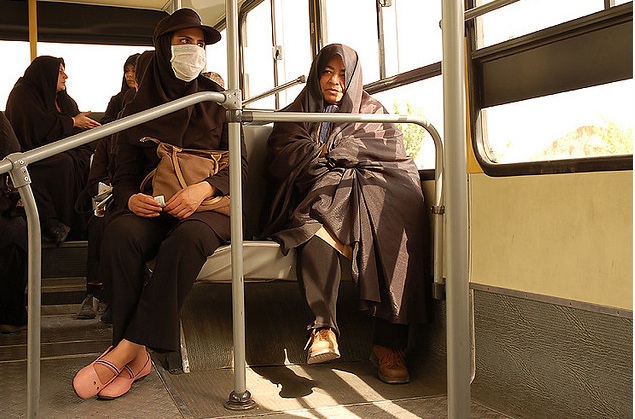
iran air pollutionLack of urban planning around its natural landscape keeps air pollution locked into the city of Tehran, Iran – one of the most polluted cities in the world.

Tehran is one of the most polluted cities of the world –– with higher levels of sulfur dioxide than India and Bangladesh. Air pollution in the Iranian city of Tehran is not new. In the 50s, 60s and 70s, along with a rapid population growth of Tehran, automobile ownership raised dramatically. Establishment of Iranian car production factories like Iran Khodro and Pars Khodro, and also foreign car import caused massive inflow of cars into the streets of Tehran.

On the other hand, many industrial factories were established in the same period of time around Tehran, especially in south, south west, and west of the city. Cars and factories have a major role in the dangerous pollution in Tehran. However, some other factors like land-use planning, urban form and weak public transit encourage residents to use personal automobiles.

Clean Tech Investment Between Texas and Israel

Texas sign with a cactus in bloomThe Texas Star meets the Star of David: Two Lone Star states have a history of doing business together. They now look for clean tech opportunities.

While at first glance Israel and Texas may seem worlds apart culturally and in their approaches to business, consultant Arie Brish, an Israeli-American businessman who has spent more than two decades in the State of Texas, doesn’t see any dissonance. He sees tremendous potential for business deals between the two, especially in the emerging field of clean tech.

“There are cowboys in Texas and it’s very casual. Like in Texas and in Israel you don’t have to wear a suit and tie, and this combination fits the Israeli culture,” says Brish, who built his career and raised his family in the oil state after growing up in Israel.

He has spent more than two decades in the second-largest US state, working at Israeli high-tech companies, and later at his own company, and five years ago he was one of the founders of the Texas-Israel Chamber of Commerce.

In February, the chamber had a big success, when it organized a delegation of 25 Israeli clean tech companies to Texas. It was the largest delegation of its kind to reach American shores expressly to coincide with a local conference. Brish says that deals are already in the works with the US state, which is number one in wind energy in America.

Although Texans are known for extravagant living, fueled by their lucrative oil industry, they are similar to Israelis in their keen interest in developing renewable energy, Brish says, adding that “Texas now produces enough wind power to power the state of Israel – about nine gigawatts.”

Personally representing Israeli clean tech companies, Leviathan Energy, and WindSL, the Israeli clean tech companies and their Texan matches are currently going through what Brish describes as a “pregnancy.” While they aren’t prepared to announce any deals, he says that they are in the works.

Connecting through clean tech and bio tech

Many of the Israeli companies that caught the eyes of Texan investors and strategic partners specialize in water technology, like metering company Arad Technologies (a smart grid like Greenlet) and wind and solar companies such as Interdan, which four years ago, in conjunction with the Ministry of National Infrastructure and the Negev Development Authority made the Palestinian Arab village of Drijat in southern Israel the first town in the world to be outfitted with a multipurpose solar electricity system that provides power to the entire village.

Notable speakers at the conference included Israel’s chief scientist Eli Opper, the lieutenant Governor of Texas, and the head of the Land Office of Texas.

Clean tech is still only a recent focus. The chamber has hundreds of members from both sides of the pond, comprising large Texan or Texas-based companies, organizations and individuals in various fields.

Beyond their mutual interests in developing clean technology partnerships and businesses, the two states share much in the biotech business in pharmaceuticals and medical devices, says Brish.

“The goal of our organization is for Israeli companies to open their US offices in Texas or create their US headquarters in Texas and there are a lot of good reasons for doing so,” he declares. “Of course it depends on the technology. Energy, oil and gas, now clean tech and water are big in Texas, as well as its medical business. The industry is advanced in Texas and it’s a good location for Israeli companies to do clinical trials,” he states.

Lone Star States are kindred spirits

Texas Governor Rick Perry told the chamber: “I want Texas to become the preferred location for Israeli companies doing business in the US. Like Texas, Israel has a long history of growing new technology companies through partnerships that include universities, government and private investors and entrepreneurs. Strengthening relationships between these two ‘Lone Star States’ will benefit our respective economies and increase understanding.”

The relationship is already two-way, with Texas exports to Israel totaling about $1 billion each year Brish says, mainly in high-tech exports from Dell, IBM and HP all of which have major facilities in Texas. “There is lots of military and defense [business] in Texas that goes to Israel,” he adds.

Interestingly, some American companies with a significant presence in Texas can also be found in Israel. Semiconductor Motorola spinoff Freescale has a large R&D center in Israel and Intel does, too. “All the big high-tech companies that have a big presence in Texas are also found in Israel,” Brish relates.

For that reason it’s not uncommon to see high-tech executives at Intel in Texas hailing from Israel. This is true for Freescale, Alon and Delek, the gas companies from Israel which have a major presence in Texas with their oil refineries and gas stations. Brish also mentions Elbit Systems, the Israeli defense company whose headquarters are in Texas.

Not to mention that the latest natural gas discovery in Israel was made in partnership with Texas energy company Noble Energy.

Twenty-one years ago when Brish first moved to Texas, there was virtually no activity between Texas and Israel. He says he watched the relationships developing over the past 10 or 15 years, but that since the creation of the chamber there’s been a surge in business cooperation. The opening of an Israeli economic consulate in Texas has been very helpful as well.

Informal, affordable networking

Brish estimates the number of Israelis living in Texas as being in the thousands, with many of them starting out at the massive University of Texas at Austin. “Younger people are coming to study and stay; they don’t go back,” he says.

His own involvement with Texas began when he worked for Motorola Semiconductors and moved to Texas with his Israeli wife. After leaving Motorola, he began his own startup and then become the CEO of an Israeli chip firm, Tehuti Networks.

Moving beyond the mindset of the Israeli who thinks that to do business in America you have to be in Silicon Valley, Brish managed to convince many of his high tech colleagues that Texas is the place to be. Now, with a clear business pipeline in place, doing business with Texas can include working with partners in Mexico, which he says can be a big bonus.

There are also political and religious explanations for the mutual attraction between Texas and Israel, according to Brish: “From a political point of view, Texans think like Israel in terms of homeland security; the culture of it. We talk to Texans and they understand our problems and why we do the things we do.

“Other angles that are less known, perhaps, are that the south in general is very religious; there are Christians, and they adore Israel,” he continues.

Brish who confesses to owning a cowboy hat that he doesn’t often wear, says that joining the chamber is an affordable and informal way to network with Israeli and Texan businesses and stresses that his door and email box are always open to new ideas and proposals.


Geotectura's Residential Building Set to Sail

0

geotectura-sun-sail1Is Geotectura’s Sun Sail just another clever design, or is it redefining Israel’s building policy?

Bold and innovative, the Israel-based firm Geotectura produces otherworldly designs with a social conscience that even Bill McKibben might endorse. Their CT-cubes and hovering high-rises rival any science fiction graphic, while the X2S shelter, designed to provide physical and medical refuge in disaster zones, is nothing short of genius. But can their fancy become sustainable reality?

Israel Cleantech Intelligence: Motorized Bikes and 9 More Headlines

Top-Israeli-Beaches-Israeli-Environment

New water conservation faucets, solar-powered residential construction, Red-Dead Canal protests and more headlines related to Israeli cleantech and the environment. Image via n0nick.

During the week of July 13, 2010, researchers from Ben-Gurion University received the first US – Israel energy independence grant for their light water reactor research. Motorized bikes are catching on in Israeli cities and a new estimate places the potential electricity demand that wind turbine usage can meet at two-thirds overall. For these stories and more, see this week’s headlines below.

Making "Green" Peace In The Office

3

green office space computer birds windowsGreening your office space is also about creating the right “peace” of mind. Read on for tips and inspiration.

Why is it that your office colleague, once so sweet, now grates on your nerves? How could it be the long bus ride to the office, which used to be a relaxing hour to catch up on reading, is now your biggest waste of time? Why did the last staff meeting end in tears? You wonder, “Is it me, them or just the office?”

There are things you can do on both the physical and mental levels to connect the spirit, mind and body at work to effect positive change – which can lead to us treading gentler on Planet Earth. Life is precious and everyone wants their work hours (usually most of your day) to be filled with love, compassion, respect and fulfillment. It can be hard sometimes though. Working with spirit and keeping peace in the office can be like walking a tightrope, especially in the Western world where work is associated with ‘having to do…’ or just as a means to make money.

5 Good Reasons to Eat Watermelon this Summer

1

watermelon painted nailsJust can’t wait to get your hands on some watermelon this summer? Well all for good reason. Image via dreamglow pumpkincat210

Summer is here, we are all melting in the heat and humidity of the Middle East, with our skin drying up so one of the main things on everyone’s mind is cooling down. And then out comes the watermelon, no matter how it is cut or presented this is a popular dessert being both sweet and refreshing. But did you know that it is also incredibly nutritious?

We are all well aware of the fact that watermelons are over 90% water with the remaining less than 10% being sugar. Like many other types of fruit, is a great source of Vitamin C, but there is a lot more to this melon which you might not be aware of, like Vitamin B6 and potassium. Read on.