Five wind turbines have collapsed at Missouri's High Prairie wind farm since 2024. What caused these failures, and what does research reveal about wind turbine safety?
Romanian designer Alexandra Sipa transforms discarded electrical wires into intricate couture lace, combining sustainable fashion, Romanian heritage and traditional craftsmanship.
A new study from Finland reveals how climate change is shifting groundwater levels and seasonal water cycles. What does this mean for water-rich countries like Canada and Finland, and drought-stricken regions like the Middle East?
A supposedly safer plastic chemical used in food packaging, toys and medical equipment has been linked to lower birth weight. A study of more than 6,600 pregnancies raises new concerns about DINCH, a replacement for harmful phthalates.
At COP31 in Türkiye, a new climate checklist challenges cities to prove their net-zero promises with measurable action, transparent reporting and real emissions cuts.
There are more reasons than ever to attend MENASOL 2011, with the current unrest raising questions
One particular – and now very topical – public presentation at MENASOL should prove very popular, this year. A group of over 22 government officials representing Egypt and other Middle Eastern and North African nations has been convened to provide some clarity in a round-table discussion on what the future will bring for renewable energy – now that dictators are toppling.
A survey of key solar players by CSP Today found that the biggest uncertainty for solar development in the Middle East comes from the current unrest.
Ever brush your teeth with a stick from a tree? This brother shows how it’s done
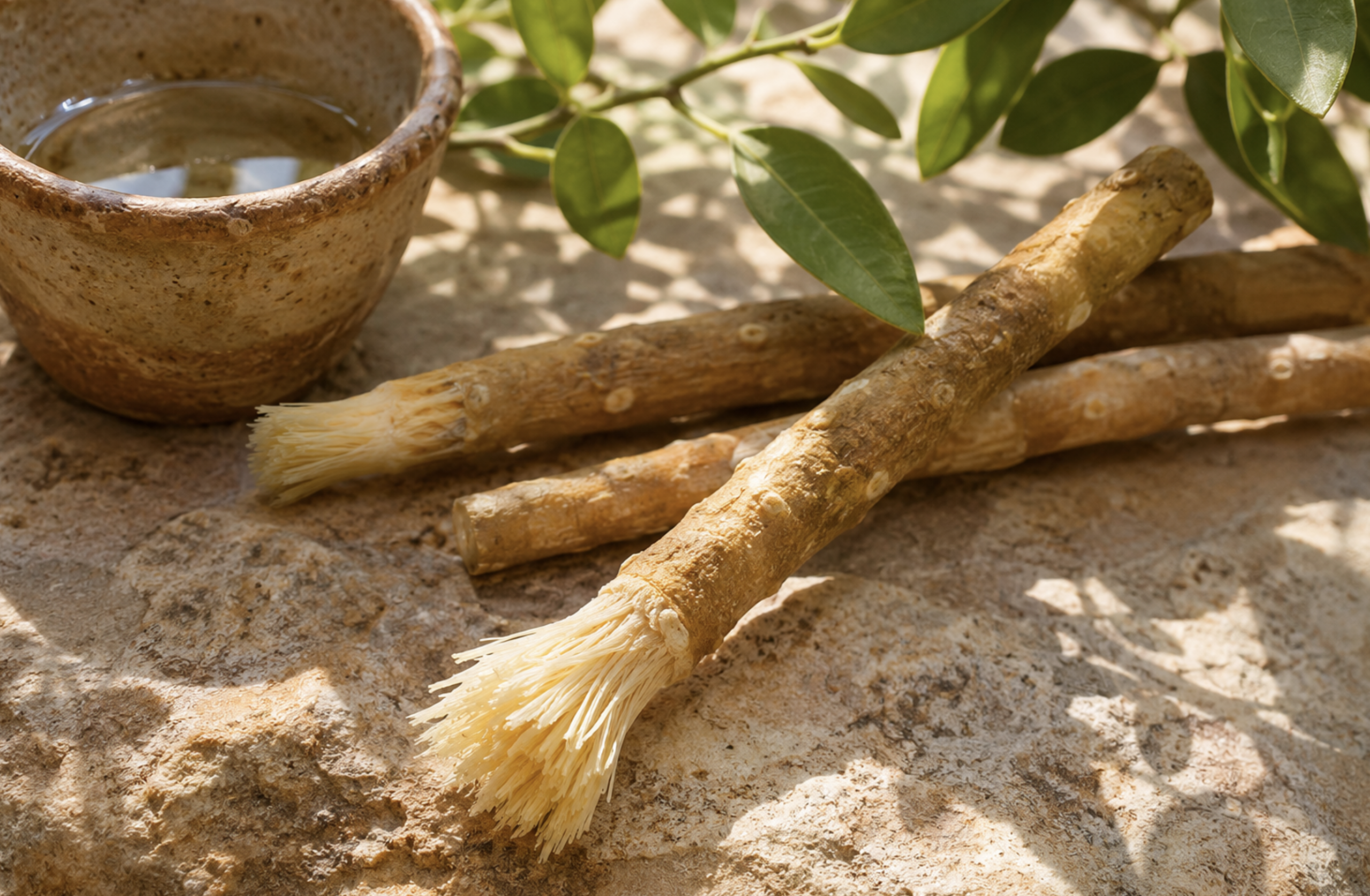
Twigs for oral hygiene may seem like a curious idea, better suited for the holistic type than today’s modern lifestyle. However, before the advent of the ubiquitous plastic toothbrush, miswak, a natural alternative made from the Salvadora persica tree was the traditional way for cleansing teeth. Although still popular in many areas of the Middle East, those from Western cultures have little or no knowledge of miswak, relying mostly on the conventional methodology recommended by Dental Associations.
For centuries miswak was known to be affective against tooth caries yet scientific research has only recently validated this age-old tradition.
How do you miswak?
Miswak has been found to inhibit bacterial growth and retard the buildup of plaque, helping to improve oral health and freshen the breath.
A research group from Sweden concluded that miswak is “as effective as toothbrushing for reducing plaque and gingivitis, and that the antimicrobial effect of S. persica is beneficial for prevention and treatment of periodontal disease.”
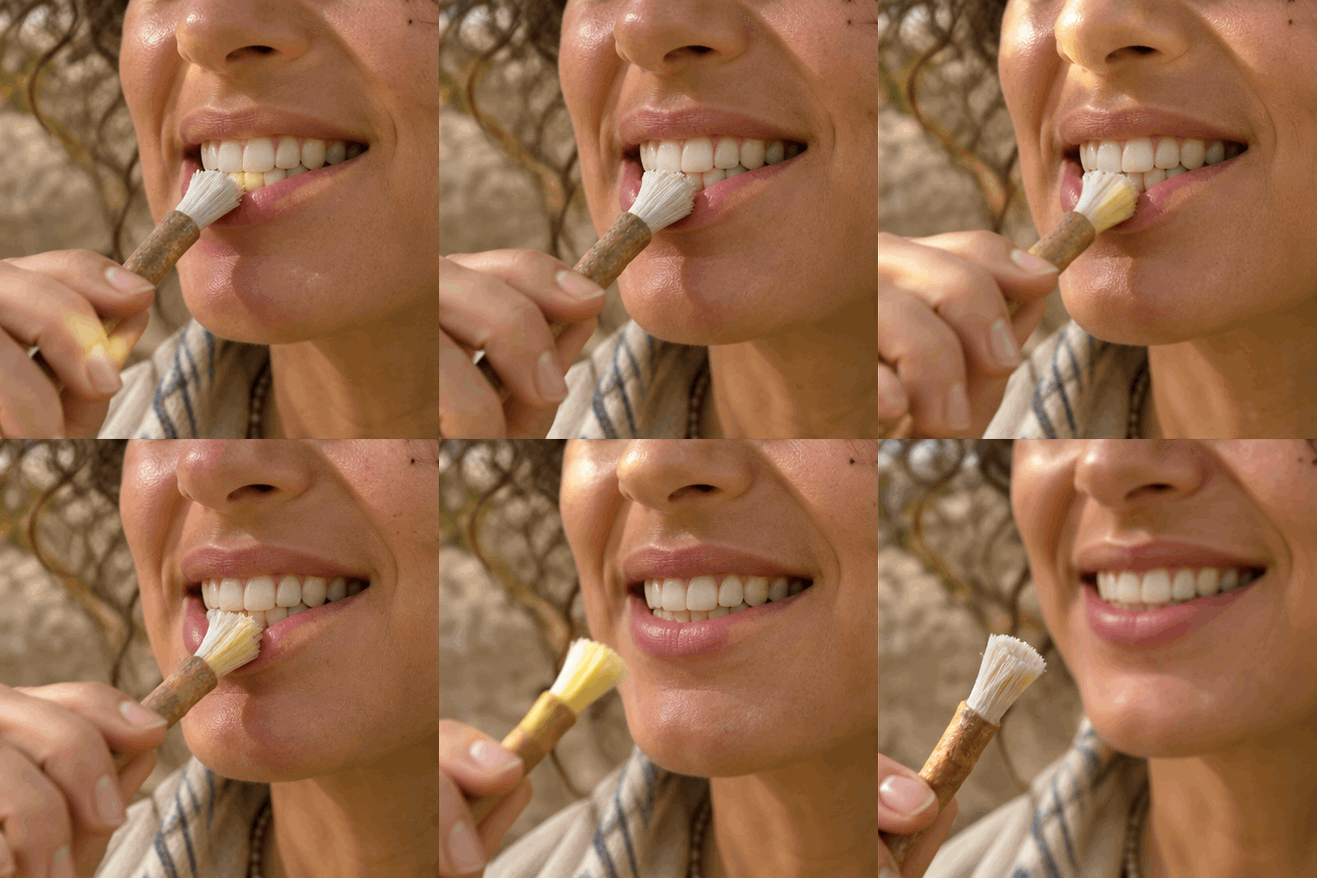
To make a miswak, the bark around one end of a twig is chewed off, breaking down the fibers to form bristles. This is dipped in water to soften and then used to brush the teeth.
For Muslims it has religious significance, recommended by the Prophet Muhammad for cleansing and purification before prayer and during the holy month of Ramadan. It is therefore not surprising that Muslims are the biggest advocated of miswak, especially among the male community.
For those who prefer conventional toothbrushes, some manufactures have formulated toothpaste with miswak extract.
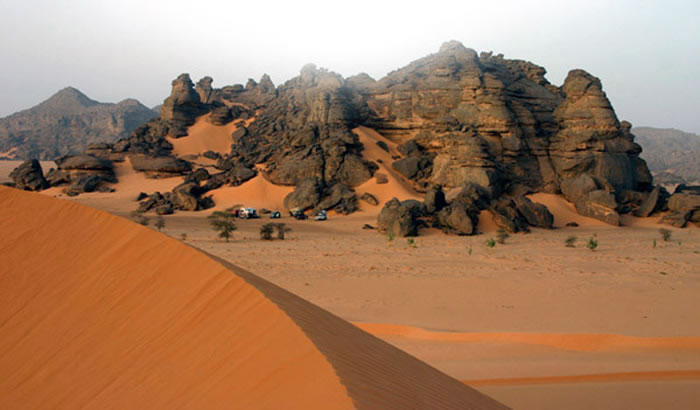
This toothbrush is natural, biodegradable and with proven ability to reduce tooth decay. In addition, the Salvadora persica trees (pictured below) are indigenous to arid regions and planting them reduces desertification in areas where little else is capable of growing. This helps communities develop a sustainable income while preserving an important part of their cultural heritage.
This desolate part of Libya contains some of the world’s most unique primitive rock art
The civil war now in progress in Libya is threatening everything there – especially the country’s historical sites that go back more than 3,000 years. The somber news of what is happening there was conveyed by what was the last archeological team, who left the country for Italy, and reported this to the Nature Middle East news site on March 3. The eleven Italian archeologists who were evacuated from a combined archeological project at Acacus and Messak where some of the best examples of prehistoric rock art are found. Some of the paintings in caves from this region date back more than 12,000 years and was shown graphically to movie audiences in the 1996 Oscar winning film The English Patient.
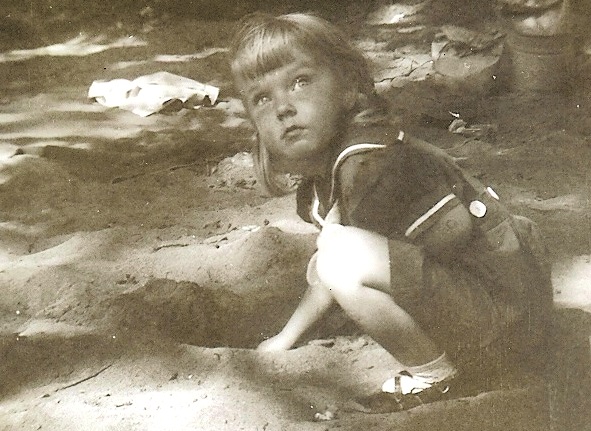
Teach your child individual responsibility giving them a patch of “earth”.
I am not by nature a whole-wheat, Earth Mother, organic fabric, cloth diaper kind of person. I love to consume and I have a taste for the good life. I would rather wear designer clothes and own a Lexus than grow my hair long, go barefoot, and attend a love-in. In short, an adult hippie, I am not. Not that I do wear designer clothes or own a Lexus. I’m much too thrifty, and er, middle class for that. After all, I’m the child of parents who lived through the Depression. Even if I could afford that kind of lifestyle, I probably wouldn’t live it: I am cautious to the bone, and conserve wherever and whenever possible.
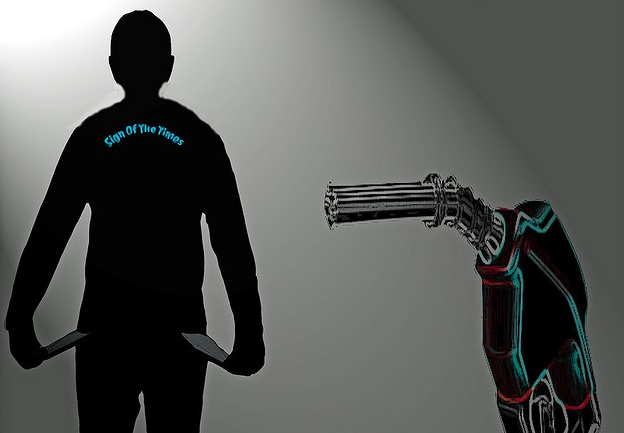
Petrol and electricity are considered birth-rights, even God-sent in the Arab world. How can this reality compete with the use of renewables?
Grid parity, the point when the cost of power generated from renewable energy resources become equal or cheaper than conventional power costs, is around the corner for many countries. In the Arab world however, the gap between fossil-based and renewable generated power is wider than anywhere. Parity is therefore likely to be several decades away.
In 2006, Abu Dhabi initiated a commitment to sustainability and embraced renewable and sustainable energy solutions. As part of its bold vision, Abu Dhabi announced a target to generate seven percent of its electricity from renewable energy sources by 2020. Since then, it made some steps to build towards its 1,500 MW target capacity by inviting bidders for developing and co-owning solar power plants like Shams 1 (100 MW) and more recently its twin project Shams 2. However, in spite of much hyped mega projects like Desertec and Masdar, the region is not getting any closer to reaching grid parity any time soon.
Read Green Prophet’s Top Ten Tips to food management from a Muslim perspective
A Muslim’s diet is above ordinary – we are “meat-eating vegetarians” which means if it’s not organic or halal food (lawful in Islam), we practice temporary vegetarianism. Muslims are blessed with grocery stores and local markets therefore life in Britain does not require us to grow our own crops – although, if we did, that would be exciting and nurturing. As an eco-Muslim I have learned to grow my own tomatoes and other herbs, which, with a little know-how is a productive step to improving our lifestyle.
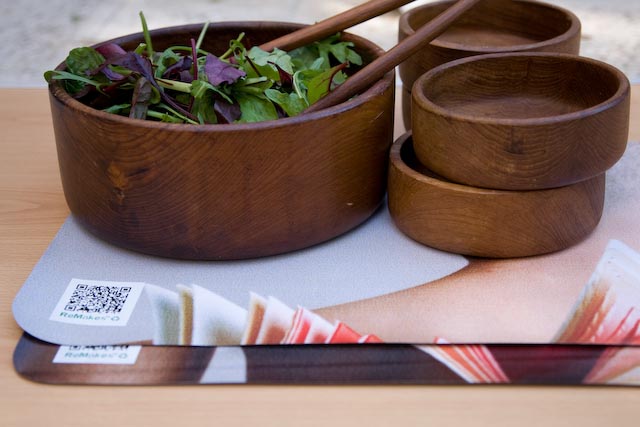
We’ve seen billboards turned into handbags, now they’re being upcycled into placemats. Chew on that.
The ubiquitous billboards that we routinely see during our everyday lives are made out of PVC, some pretty nasty stuff. Due to the nature of billboards being hung outdoors and subjected to weather, they are made of out a fairly indestructible material. Sadly, this also means that they are not biodegradable or even degradable. Items made out of PVC retain their form for decades and decades, and eventually just granulate (breaking down into smaller pieces of the same substance).
Increased flooding and temperatures could increase our exposure to chemicals kept in check according to the terms of the Stockholm Treaty.
In 2004, the Stockholm Treaty was established to manage exposure to 21 dangerous chemicals. The Jerusalem Post reports that a recently-published United Nations document shows that climate change could undermine the ability of 172 parties to uphold that treaty’s terms. Increased flooding and other freak weather has the potential to leak contaminants stored in stockpiles, while higher temperatures could increase emissions of volatile gases. While Israel does not officially use any of the chemicals listed in the report, the Environmental Ministry is investigating to ensure that none exist and will create a national plan to discontinue any discovered.
Now continues Part 3 where we give our readers 4 tips
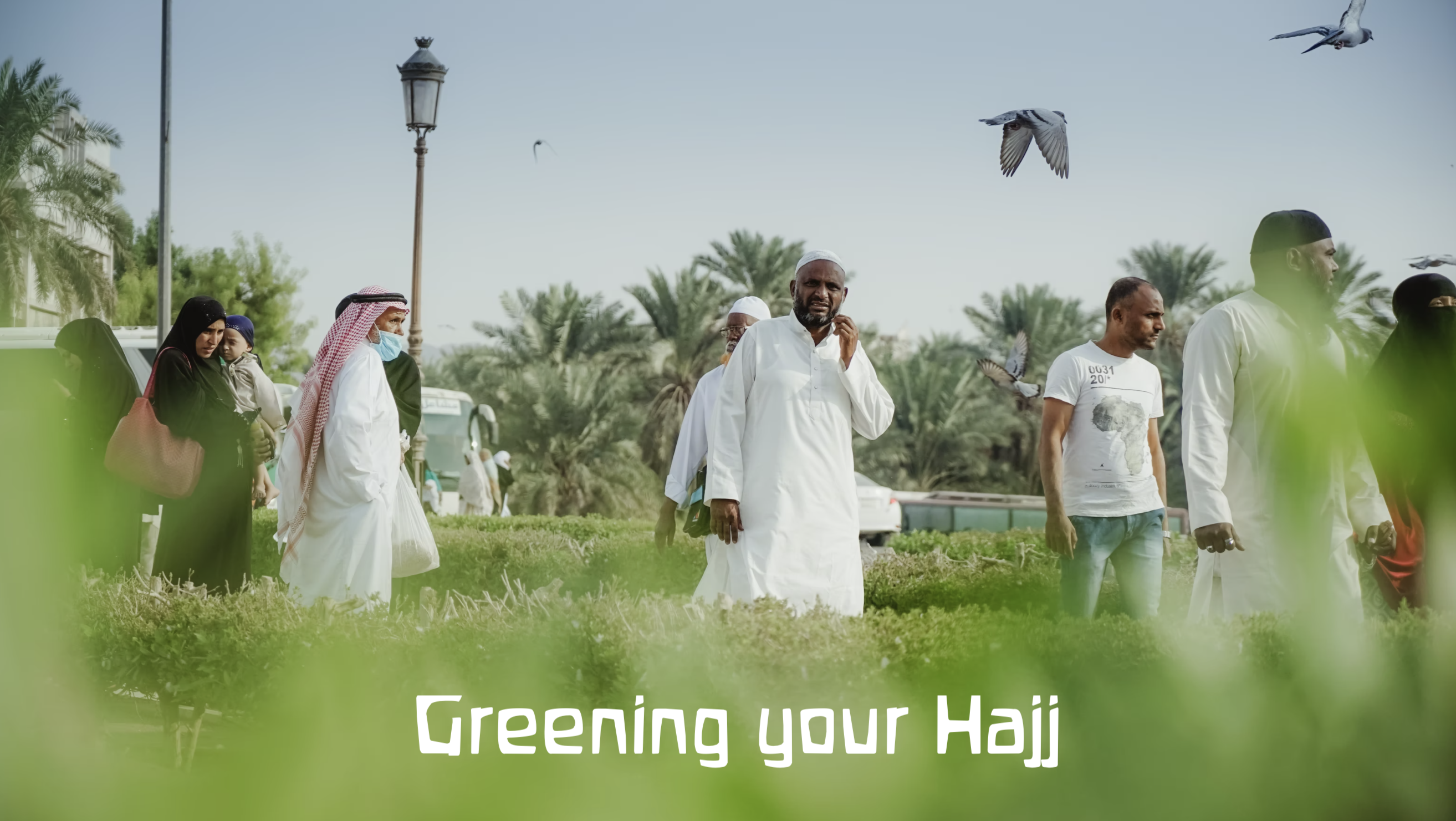
1. Embrace Slow Travel– There is a hadith that a Muslim is rewarded for every step they take to the mosque to pray- apply that concept to hajj and slow travel (using trains or even buses) makes a lot sense. As air travel contributes a big chunk of the carbon footprint this would definitely help make Hajj more eco. If you particularly ambitious you could even cycle to Mecca like two pilgrims from South Africa did this year!
3. Waste Less Electricity by going Solar: There is no getting around the fact that in Mecca it is hot but that doesn’t mean that we should rely on electricity from earth-destroying fossil fuels for our A/C. Solar power has taken off in the Middle East as countries finally realise that it can make the most of all that heat to create green electricity and energy. Now, some may get all sacrosanct about solar panels in Mecca and how it would look- to that I only have one thing to say: Mekkah Clocktower. The hideous building, which boasts posh hotels and shopping malls, has absolutely NO redeeming features and in my mind solar panels would be a marked improvement.
4. Start Recycling! This suggestion seems as old as time, don’t just throw away things. Re-use them and make the most of everything. Although the pilgrims do come from vary diverse places if there are clear and abundant recycling facilities, I don’t see why they won’t be utilised. Another way to reduce waste in the first place is to hand out a reusable bottle, cup, plate and cutlery to every pilgrim to reuse and simply not provide any harmful throwaway plastics that end up in landfills.
As author of ‘Green Deen’ Ibrahim Abdul Matin said in an interview for Green Prophet: “Every person that goes to Hajj gets a Qur’an when leaving, how about everyone gets a reusable water bottle when arriving? I think that would be amazing.”
Again I just want to re-iterate that I am no carbon expert. In fact, I welcome any offers from experts to assess the carbon footprint of the average Hajj pilgrim properly as it was the lack of any data, which led me to this rather slapdash effort.
Spring is just around the corner – time to prepare your balcony or window box for crops of leafy greens
City folk with just a little sunny space can start growing herbs for salads, and even a few quick-growing vegetables, now. I cultivate a “vanishing garden – ” herbs and vegetables in balcony window boxes that will make way for the sukkah in the fall. But all summer long I’ll have coriander, rocket, chives, young Swiss chard and tomatoes to eat within minutes of picking.
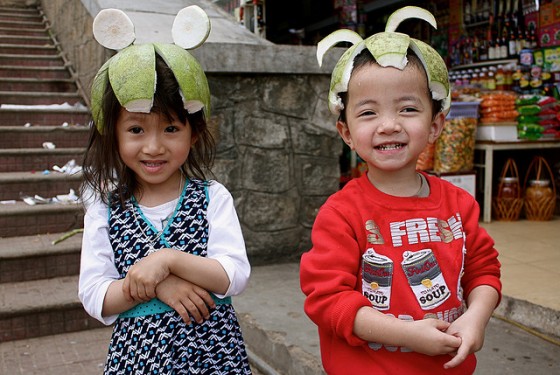
Design your own environmentally-friendly Purim costume this year.
For kids, the most important part of the upcoming Jewish holiday of Purim is the costume. There’s no shortage of stores trying to sell the latest superhero trend to your child. But why buy something that’s likely to end up in a landfill?
Fortunately, young kids usually don’t care how perfect the costume is—they just want to feel like they are whatever it is they want to be. So before you go shopping, ask your child what he wants. When mine asked to be a frog, it turned out that meant wearing green clothes and not much else.
Here are some tips for creating an original costume for you or your child with minimal effect on the environment.
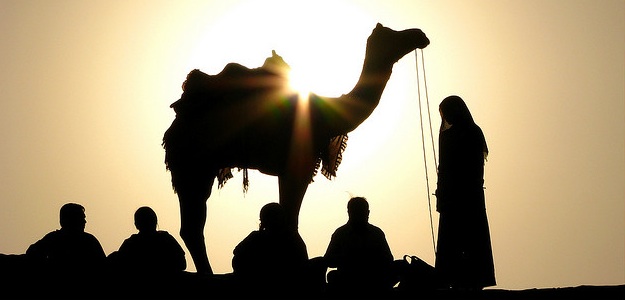
Arab world “green” announcements seem to fade in the sands. Can we believe new renewable energy goals?
Over the past three years, we have read about many ambitious renewable energy plans or projects coming from the Arab world. Most notably, Qatar’s announcement in Feb 2008 to launch 3,500 MW of solar capacity or the Saudi Minister’s declaration in September 2009 that Saudi Arabia will match solar with oil outputs, all of which have faded in the sands. Just how genuine are the intentions and motivations of Arab states to commit to renewable energy and deliver on set targets is now questionable.
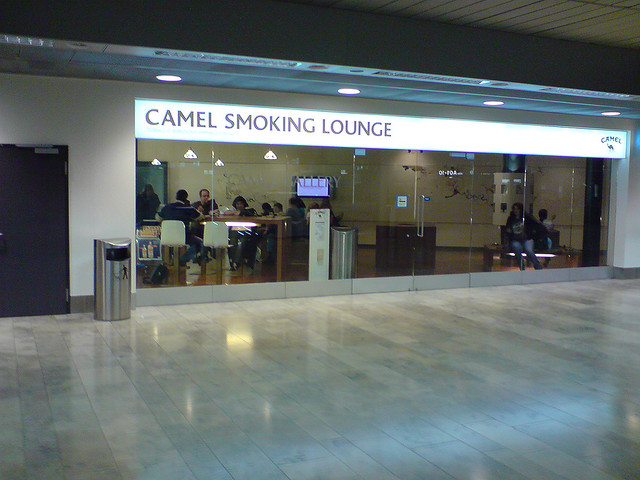
Bahrain is set to become a smoker’s haven; no matter where they go, smokers will have their own little cabin.
When I used to smoke, a long long time ago, every so often I’d find myself jonesing in an airport. I’d look over at the glass-encased smoking cabins with dread. Was it really worth subjecting myself to that, just to have a cigarette? Invariably, the nicotine addict in me defeated all reason and I’d open the door and gag at the incredible stench. But hey, the smokers get to smoke and the non-smokers don’t have to breathe it. That is the reasoning behind one company’s mission to take the smoking cabin beyond the airport and incorporate it into just about every aspect of Bahrain’s civic life (except the kindgergarten).
Is the Better Place Renault Fluence worth EURO 27,500? The highly taxed Danes may think so.
As we get closer to spring, we may also be getting closer to some actual launchings of electric car networks, including that of the much talked about Better Place EV company, headed by Shai Agassi, who recently remarked that electric cars are not getting a good enough tax incentive in the UK. They appear to be getting a much better one in Denmark, which is about to begin selling the Renault Fluence electric model using Better Place’s battery exchange technology. A recent article in Globes financial news site, reported that the Better Place cars will be selling in Denmark for 27,500 Euro, which is virtually a “tax free” price for Danish purchasers.
Lithium-iron-phosphate batteries being built in Israel by the two year-old battery start-up EVida will power small but practical and freeway-capable electric cars built in China by the French-German EV manufacturer Mia Electric for sale in Europe, a competitive market for electric vehicles.
The order represents a triumph for Terra Venture Partners, one of Israel’s leading cleantech funds, that had invested half of EVida’s start-up money from private investors – $1 million – in the start-up.

 There are more reasons than ever to attend MENASOL 2011, with the current unrest raising questions

 For Muslims it has religious significance, recommended by the Prophet Muhammad for cleansing and purification before prayer and during the holy month of Ramadan. It is therefore not surprising that Muslims are the biggest advocated of miswak, especially among the male community.

 Teach your child individual responsibility giving them a patch of “earth”.
 Petrol and electricity are considered birth-rights, even God-sent in the Arab world. How can this reality compete with the use of renewables?




 Arab world “green” announcements seem to fade in the sands. Can we believe new renewable energy goals?