Home Blog Page 532

Nature Iraq Promotes World Migratory Bird Day

7

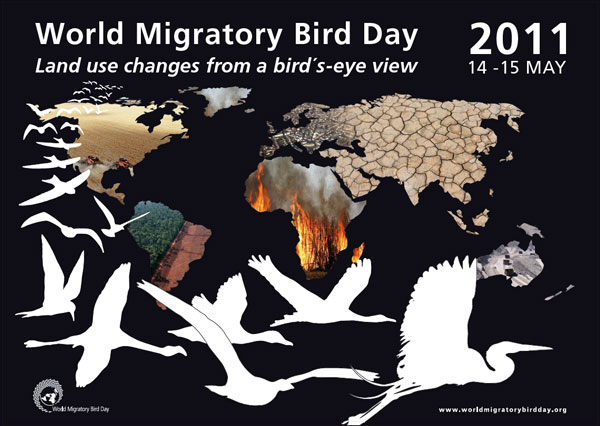
bird migration poster iraq
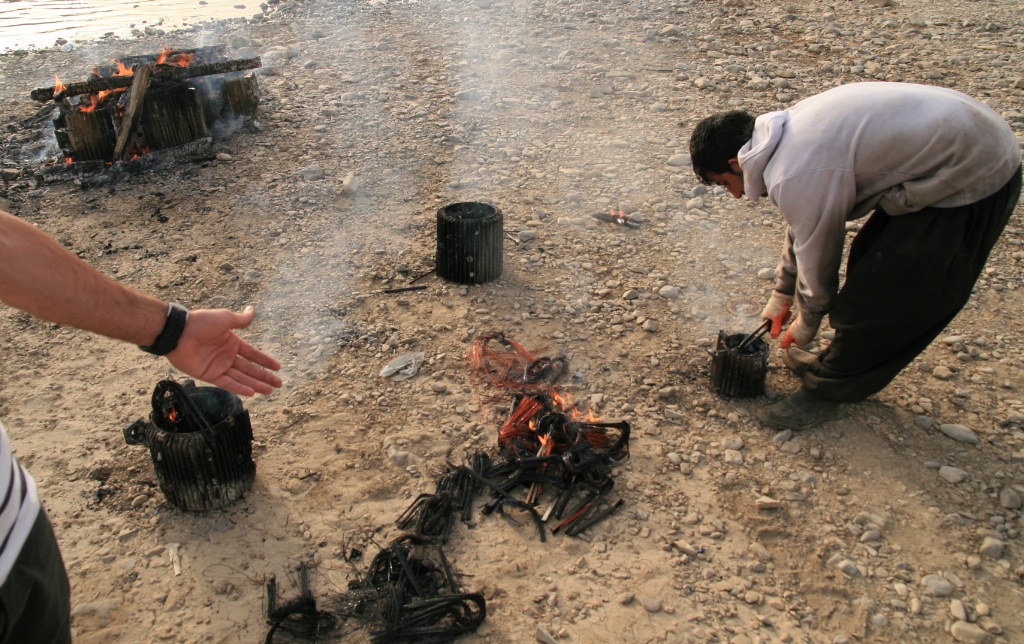
Iraq is rife with environmental woes, as Arwa points out in her survey. And some of the most endangered animals are migratory birds: the Basra Reed Warbler (found in the southern Marshlands) and the Egyptian Vulture (found in the Kurdistan-Iraq Mountains) are especially at risk.

To honor World Migratory Bird Day May 14-15 this year, the nature conservation group, Nature Iraq will be participating with the French Cultural Center in Erbil to highlight the migratory routes through Iraq and its marshlands, stressing the importance sites like the marshlands for migratory birds. See below for some of the activities planned.

As part of the group’s activities, Richard Porter, adviser to BirdLife International and author of Birds of the Middle East, will be visiting Nature Iraq’s Sulaimani office to provide input on eco-tourism and protected area development.

Additional activities are planned in Baghdad and Chibaish where Iraq’s southern marshes are arguably the most important site in the whole of the Middle East as a stop-over site for migratory birds. (Some also say Israel is, as the migratory birds travel along the Syrian-African rift, stopping off at the Hula Valley for a drink.)

To this end, Nature Iraq has been working with the Iraqi Ministry of Environment to develop protected areas throughout the country including a National Park in the Central Marshes near Chibaish, Southern Iraq, and a number of pilot projects are underway in that area.

The organization also starts its new project “Iraq Upper Tigris Waterkeeper” in May as the new Waterkeeper, Nabil Musa, begins his work to advocate for rivers and the communities that depend upon them – including birds.

::Nature Iraq (in Arabic and English)

For more on Iraq and its environmental concerns see:
Iraqi Sheikh Threatens to Demonstrate If Kurds Don’t Share Water
US Leaves Iraq with a Legacy of Waste
Peak Wheat? One Tenth of Iraq’s Wheat Attacked by Killer Fungus
Climbing God’s Mountain for EcoTourism in Egypt

4

god's mountain  mount sinaiSunrise from summit of Mt. Sinai – some say “God’s Mountain”.  The peninsula offers more than just pristine beaches.

Following Egypt’s recent revolution resulting in the Mubarek family being ousted from power,  the country’s lucrative tourism industry has been struggling to find ways to entice foreign tourists to return. One Egyptian Hisham Nessim, a businessman and mountain climbing enthusiast, is trying to promote mountain climbing tourism adventures to one of the most historical places on earth: the mountain ranges of the Sinai Peninsula – sometimes known as God’s Mountain. No one is exactly sure where the mountain that Moses climbed to return with the 10 Commandments is, but some believe it is in this mountain range. While Israelis and other foreigners, including many Scandinavians would travel to Sinai for its vistas and laid-back eco-tourism (and toilets!), tourists have been staying away for fear of terrorism threats. Would a climb up God’s Mountain lure them back?

How Saudi Arabia Plans To Win The Food War

2

saudi arabia, food imports, land grabsSaudi spends billions to win the food war.

Without its oil wealth, Saudi Arabia’s 27 million inhabitants would eventually starve. At a recent social event, the country’s Minister of Agriculture Fahd Balghunaim warned that the ratio of food and water in the kingdom is perilously out of balance.

But oil wealth currently ensures that its own population will be fed in the decades to come, as it enables the kingdom to invest huge sums to develop agriculture projects in Africa, Turkey, and elsewhere. By 2100, at least 10,ooo,ooo,ooo people will be jostling for food and other natural resources. As long as it continues to earn money from oil exports, Saudi will not get left behind.

Persepolis Horse Remains Found Buried Alongside Humans

0

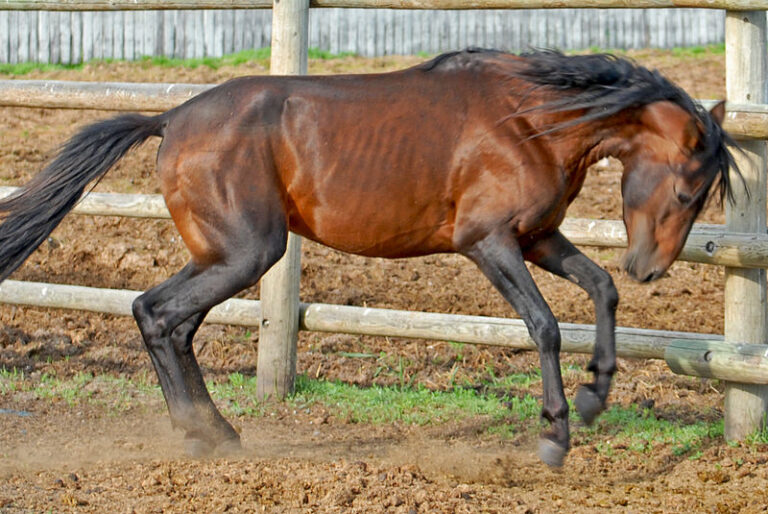
caspian horse, louise firouz, iran, persepolis, royal horseAbout 2/3 the size of most horses, the Caspian was used to draw ancient chariots into battle.

Louise Firouz loved her Caspians, a small horse that was thought to have gone extinct 1,300 years ago. After marrying into an aristocratic family, the American Cornell graduate took up her love of horses anew by establishing a riding academy in Iran. Then in the 1960s, Louise learned about the existence of smaller horses in the north and ventured for three months into the Elburz mountains to find them.

The bedraggled horses she discovered there turned out to be the Caspians so revered by Persian royals. Captivating equine enthusiasts around the world, including Prince Phillip, Louise subsequently developed a breeding program that revived this species, which a recent finding shows may have existed for more than 3,000 years.

Abu Dhabi Cyclists Are A Riding Target

4

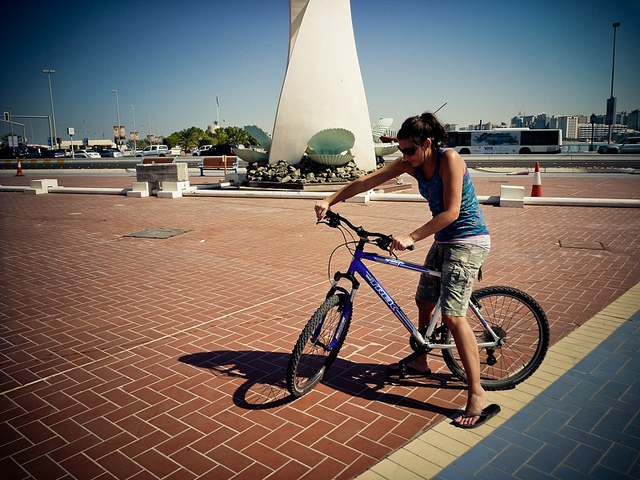
abu dhabi, cycling, uae, bicycleA tourist takes to Abu Dhabi’s safe biking area – a smart choice!

Cycling culture in Abu Dhabi is not well understood. Although it is hot, hot, hot four months out of the year, a growing number of people are parking their cars and traveling on two wheels instead. These intrepid adventurers constitute a minority in the richest emirate (where things like solid gold cars exist).

Unless people take to desert hiking (which isn’t really viable in the summer), there are few opportunities to breath fresh-ish air. Walking and biking on the Corniche creates one such opportunity, but some cyclists want to take their training to the next level. But they have to compete with Abu Dhabi’s drivers, who we have seen texting at the wheel, and who demonstrate outright hostility towards them.

Post-Revolution Egypt Wants New Wind Farms

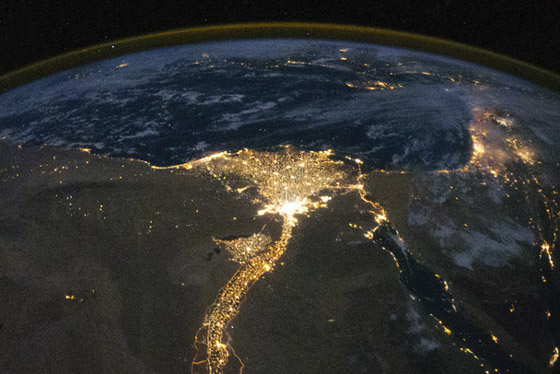
egypt at night imageMake wind power? Egypt wants to talk to you about its electricity needs.

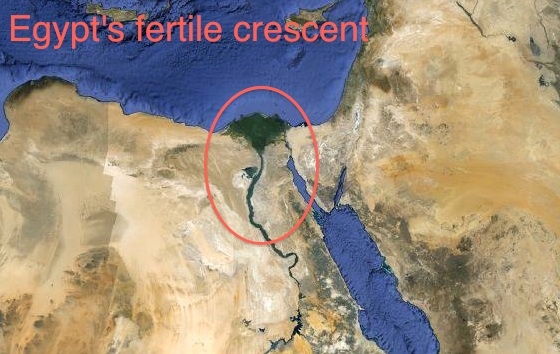
In a summary of the policy environment for wind power in Egypt completed after the revolution earlier this year, Reve sums up the policy background to Egypt’s dramatic new post-revolution energy and environmental tenders plan, which we have covered at Green Prophet too.

They’re big plans, appropriately, for an energy-hungry nation that has been prone to blackouts, . (Egyptian Energy Crisis Sends Protesters into the Streets) If successful, Egypt will get 12% of its energy from wind power.

Hidden Costs of Constructing Wind Farms in Turkey Include Many New Roads

1

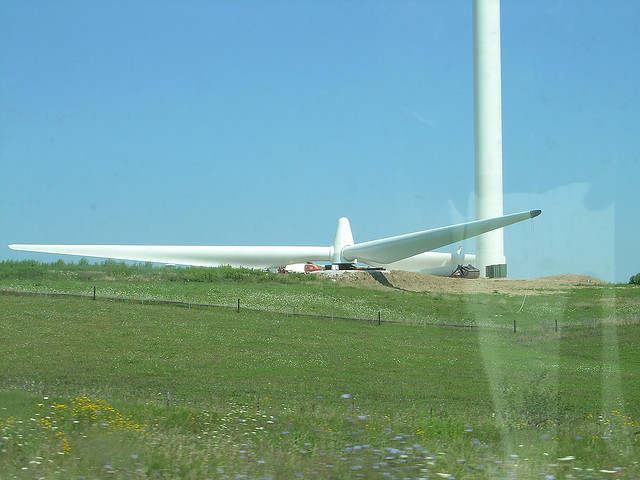
turkey wind farmsThe new roads required to transport wind turbines to installation sites in Turkey can delay projects and add to their costs, but also create hundreds of new construction jobs.

An anonymous representative from one of Turkey’s largest wind energy companies says that every new wind project requires new access roads, because the best wind is found in relatively remote, inaccessible terrain, according to the Hurriyet Daily News. Even main roads sometimes need to be rebuilt, because the trucks bringing the wind turbine equipment cannot maneuver sharp curves.

As a result, the extra costs of road construction are often figured into the projected costs of wind energy companies. Local authorities, the Ministry of Environment and various NGOs must also be consulted when planning any wind project, to ensure that local communities and ecosystems won’t be too disrupted by the new roads.

But so far, these roads’ biggest effect on local communities seems to be the new construction jobs they create.

Zam Zam Holy Water Is ‘Unsafe for Human Consumption’

52

A recent report by the BBC has revealed that holy water from Mecca known as ‘Zam Zam’ is contaminated with high levels of arsenic

It seems that these days nothing is holy. First the holy waters of the River Jordan were found to be sewage infested and now the ‘Zamzam’ holy waters of a sacred well in Mecca have tested high in arsenic, which is a poisonous carcinogenic. An undercover investigative report by the BBC has revealed that Zamzam water sold in the UK and also bottled at source in Mecca were poisonous and not safe for human consumption.

Genuine Zamzam water comes from a sacred well in Mecca in Saudi Arabia. It is illegal to export the water or to sell it commercially, therefore any water outside Saudi Arabia which claims to be Zamzam water should be treated with suspicion.

However, the BBC report found that large quantities of the water were being sold to the Muslim communities in east and south London and also in Luton in the UK. Dr Duncan Campbell, president of the Association of Public Analysts noted that the water was poisonous, particularly if consumed regularly.

Zamzam water is believed to be sacred as it is taken from a well discovered by the prophet Ismail when he was a baby when his mother, Hajar, the wife of the Prophet Ebrahim, was desperately searching for water in the desert.

It is believed that the water has healing properties and it is drunk by Muslims across the world. Many pilgrims returning from hajj, the Muslim pilgrimage in Mecca, will usually bring small amounts of Zamzam water as gifts for their friends and family.

Reports from the UK’s Food Standards Agency has been warning Muslim consumers not to drink bottled ‘Zamzam’ water since 2005 due to concerns over the high levels of arsenic found in the water.

During Ramadan in 2010, the Agency told Muslims to consider avoiding all drinking bottle water described or labelled as Zamzam water as “tests carried out on water described as Zam Zam in the UK over the past few years, including water brought into the country for personal consumption, have indicated the presence of arsenic at almost three times the legal limit.”

The Food Standards Agency also highlighted the health implications of continuing to consume contaminated Zamzam water:

“Drinking ‘Zam Zam’ water that is contaminated with arsenic could contribute to increasing people’s risk of cancer. People should consider avoiding drinking any water described as Zam Zam because there is no completely safe level of arsenic in water – and the more arsenic consumed the greater the risk.”

Although most Muslims tend to only drink small amounts of Zam Zam water during Hajj or from water brought home from Mecca by Pilgrims, more transparency is needed to explain why there is such a high level of arsenic in Zamzam water.

It appears that both ‘dubious’ and genuine Zamzam water is contaminated and so Saudi Arabia (which has failed to comment on the BBC report) needs to take on board this information and tackle the source of the contamination- for the safety and health of all those Muslims who consume it.

Read More on Hajj:

Swine Flu and Other Challenges of Hajj Pilgrimages to Saudi Arabia in 2009

Case Study: We Measure One Family’s Hajj Carbon Footprint

Four Steps to A Greener Hajj

The Latest Most Urgent Reason To Breed And Consume Less

population growth, united nations, ants

By 2100, at least ten billion people will devour the planet.

At a recent film screening in Al Ain, one female student asked: “what’s the point of changing if nobody listens to us?” It is a powerful question and it is a powerful obstacle that becomes mute in the face of this: 10,000,000,000 (billion) people will have to compete with one another and other species for energy, food, space, and water in 2100.

This projection comes from the United Nations World Population Prospects 2010 Revision. Even more explosive, this number represents a median projection based on past fertility behavior. Adjusting the graphs by just half a child, the UN established that there could be as many as 15,800,000,000 people literally devouring the planet by the century’s end.

Ethiopia Gives Revolutionary Egypt A Break Over Nile River

nile river, ethiopia dam, egyptEthiopia has agreed to hold off on an agreement that could dispossess Egypt of its historical monopoly of the Nile River.

In order to give Egypt time to elect a new parliament following the revolution that toppled President Mubarak, Ethiopian Prime Minister Melis Zenawi has agreed to postpone the Nile Basin Agreement. The agreement will dramatically change Egypt’s Nile river water rights, divesting the country of its longstanding monopoly.

The two countries have been locked in a struggle after Ethiopia began construction on the massive Millennium Dam Project earlier this year. An expensive endeavor that one of the world’s poorest nations can scarcely afford, if completed the new Nile dam could provide Ethiopians with 5,250MW of energy.

US Study: Toxins in Kids Costing the Economy Billions

children pollution disease
Thanks to a new US study, the world has a benchmark on how environmental pollution is toxic to our babies.

Green Prophet’s Sophie had her own nightmare come to life when her son was almost poisoned by bleach during Passover cleaning in Israel. In light of the scary risks of poisoning, a new US study has released the cost of environmental pollution in kids.

We can only imagine what’s happening in the Middle East where polluters go on polluting without reprimand, like in Iraq’s rivers. Scary stuff people. Read on if you have kids, or care about tomorrow’s generation. The report is talking about lead, mercury, and connections to diseases and disorders such as autism, asthma, and childhood cancer.

Hope Amidst Dubai’s Marine Destruction

0

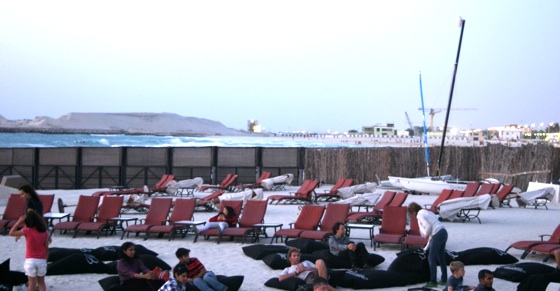
jumeirah beach, dubai, marine conservation, environmental destruction, constructionMostly concerned expatriates snag bean bags ahead of The End of the Line screening outside the Pavilion Dive Center in Dubai.

A dead dugong was found floating in the Gulf waters near the artificial island development Palm Jebel Ali in Dubai on 2 May, 2011. Listed as vulnerable on the International Union of Conservation’s (IUCN) list of endangered species, it is unknown what killed the juvenile male sea cow, though piles of construction materials and half-built towers hint at the dangers marine life face along Dubai’s glittering shoreline. More than twenty concerned people attended Global Ocean’s screening of The End of the Line, a documentary about overfishing held at the Pavilion Dive Center a day after the dugong was discovered, pointing to a potential changing tide of environmental awareness in the Emirate.

Mining Silt, Sewage and Transformer Waste Streaming Into Iraq Rivers

tanjero river iraq

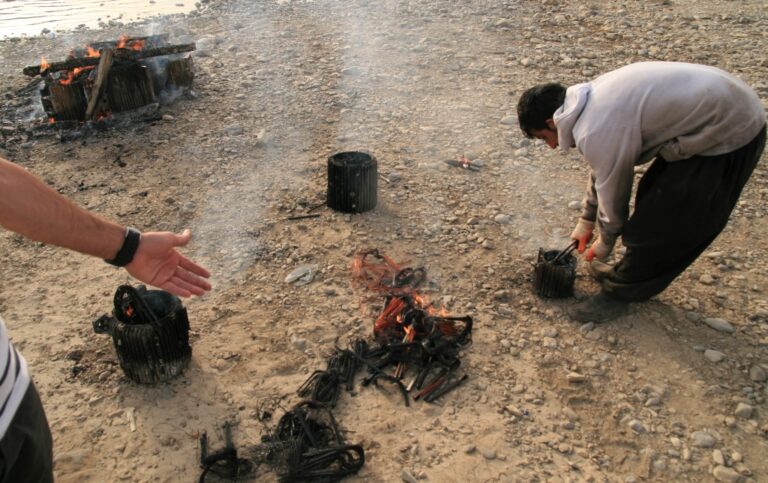
The Tanjero River that flows southwest of the city of Sulaimani in Iraq, is remembered by many to be a sizeable and beautiful river. It might not be the Euphrates, the great biblical river which allowed for the growth of civilization, but today it is reduced to a polluted and sewage filled stream. In a recent visit to the river conducted by Nature Iraq, the organization found extensive damage caused by in-stream gravel-mining, a common occurrence throughout Iraqi river systems. Such practices destroys habitats and fisheries and leads to erosion (read here why erosion is bad). According to Nature Iraq, in a report they sent to Green Prophet, the entire sewage load of the city is dumped into the river and then it is used to irrigate agricultural fields and water livestock around Sulaimani, Arbat, Said Sadiq and New Halabja, with each town and village adding their own contribution to the sewage and toxic load that the river carries.

Why Finnish Tap Water Is Shipped to Saudi Arabia

nord water saudi arabiaRola asks why the Middle East is consuming so much bottled water. Time to fix the tap?

In his recently released book, The Big Thirst: The Secret Life and Turbulent Future of Water, Charles Fishman explains that while the US has among the safest, most monitored water system in the world, consumers are still choosing bottled water over using a faucet that dispenses potable water.

The same paradox applies for most countries in the developed world as they continue to pay for something they can get for close to free. The situation is different for most consumers in the Middle East and North Africa, where clean safe water often only comes in bottles. But does it have to be that way?

The bottled water business is huge, and growing. According to the latest Beverage Marketing Corporation, bottled water accounted for more than 29 percent of total volume of liquid refreshment beverages in 2009 with the global rate of consumption increasing  by 2.7 percent in 2009.

Israel Animals Killed By Economic Development

2

porcupine israel animals economic developmentOnce common, animals and porcupines like this one are now becoming rare in Israel as development surges, and open spaces diminish.

Israel’s birds and other wildlife are threatened with extinction due to over development of the country’s open spaces, according to an article in Haaretz. According to a new study on Israel’s nature situation, it was found that almost 60 percent of mammals in the country are at risk of extinction, with over 80 percent of amphibians facing a similar threat. In addition, of the 206 species of birds that nest in Israel, over 20 percent are also in danger of extinction.