 A new scientific breakthrough at Tel Aviv University is changing the conversation about what it means to be a “natural human being.”
With 7 billion people consuming the earth’s dwindling natural resources, a rising number that is rapidly reaching proportions that could collapse the planet, the question of artificially prolonging human life with technology remains a sticky one. If given the choice between letting a loved-one die in the face of a devastating accident or illness, or saving them with some kind of technological intervention, most sentient people would choose the latter. That’s human.
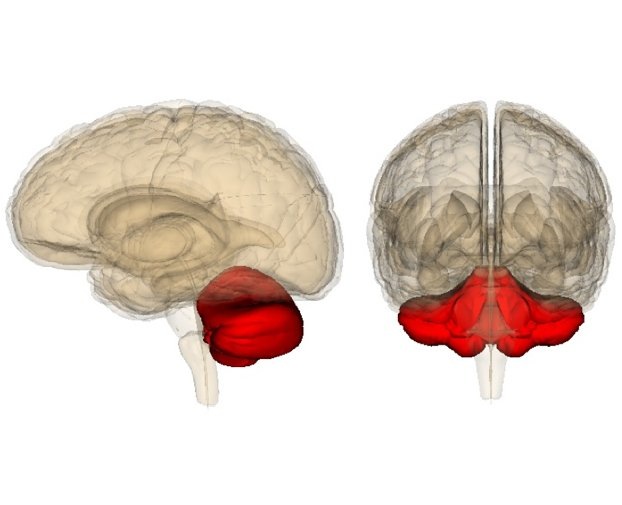
But where do we draw the line? Tel Aviv University researchers have created a technology that allows two-way brain to computer interaction – when previously only one-way communication was possible – taking the conversation to a whole new level. Matti Mintz successfully got a rat’s damaged brain to communicate with an artificial cerebellum, restoring the rodent’s disabled motor function and ushering in the possibility that a similar gadget could restore brain function to stroke victims or people with other brain injuries. This makes us wonder: in what way is technology changing what is means to be a “natural human being.”
 I speak to the recently arrested environmental author Bill McKibben, who insists that campaigners need to be more confrontational about their demands (and start wearing ties)






 Shop till you “drop” at the Jerusalem bus station.