Home Blog Page 457

McDonald’s Drops Pink Slime But Questionable Products Remain

3

pink slime mcdonaldsThis is not bubble gum or cotton candy folks; this is pink slime in all its glory! Photo via US News

Following McDonald’s announcement that they are no longer using pink slime in their hamburger patties, news of this issue has been spreading around the world. Since McDonald’s can be found from Israel to the United Arab Emirates, we have also addressed the issue. Such postings, including our meat glue article which was picked up on Snopes, are not intended to raise public hysteria but to fact find.  Similar topics have included possible ceramic coated cookware dangers and meat products containing the substance transglutaminse otherwise known as meat glue.

New El Mandara Eco-Haven Pops up in Fayoum, Egypt

0

eco-tourism, travel, nature, Fayoum Oasis, Cairo, tourism, eco-lodge, eco-resort, green building, local materials

This new eco-resort in the Fayoum Oasis offers tourists and locals respite from Egypt’s ongoing chaos.

Without the steady influx of tourists and constant political trouble, Egyptians are wondering when their lives will ever return to normal. But the folks at El Mandara eco-resort in Fayoum promise that visitors to their new facility will experience the “real” Egypt and become re-acquainted with their inner selves. Sitting astride Lake Qarun in the Fayoum Oasis just one hour and fifteen minutes drive from Cairo, this tranquil eco-haven was built with environmentally-friendly building materials and pays deep respect to its incredible natural surroundings.

Is Light Pollution The End of Arabian Nights?

5
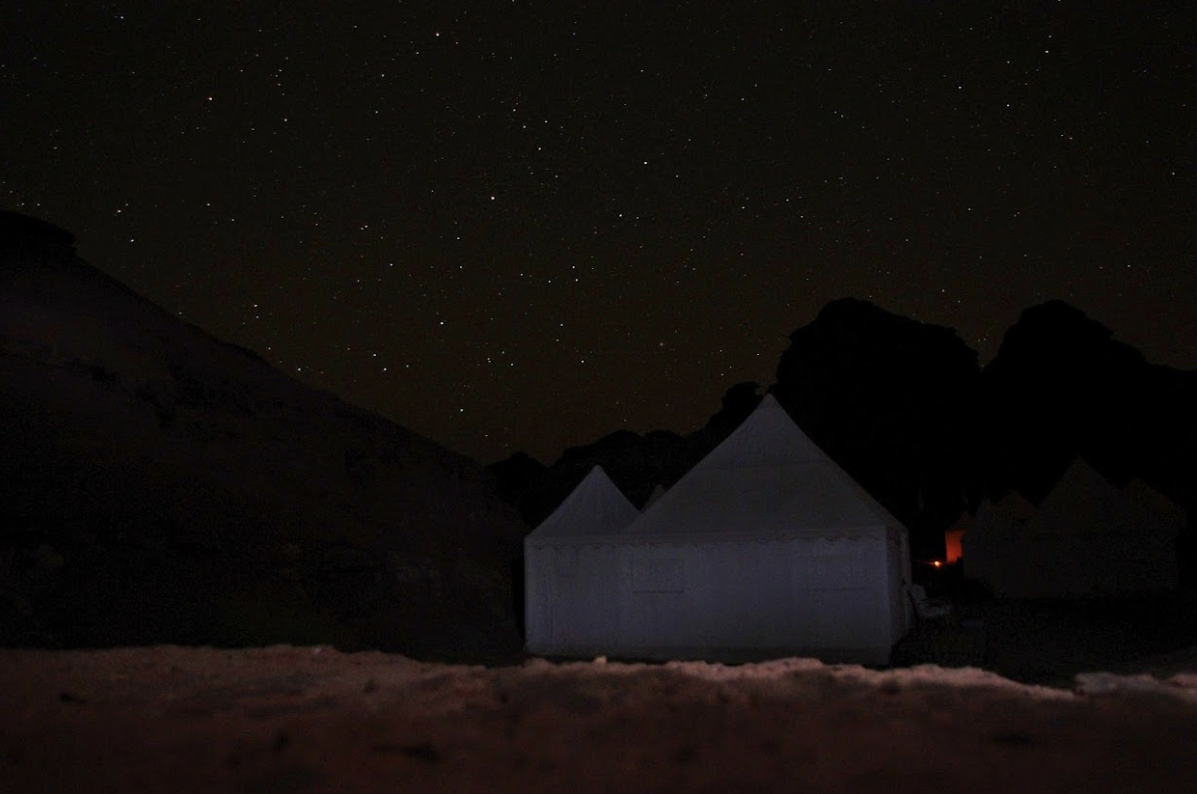
Wadi Rum camp and stars
The stars come out in Wadi Rum at night

What if no one had ever witnessed the beauty of a dark night sky?  The ancient light of distant stars inspired Middle Eastern art, mythology and science. While Medieval European leaders shunned astronomical observances which challenged our place in the universe, Middle Eastern civilizations embraced the night sky.  It told them when they should plant, when they should harvest and when they should pray.  It was nature’s calendar and clock.

When the ancient Egyptians saw Sirius rise with the sun, they knew the Nile would soon overflow its banks at Memphis. Egyptian builders aligned the great pyramids at Giza with the three bright stars in Orion’s belt.

Aldebaran, Algor, Altair, Betelgeuse, Mizar and many more of the brightest stars in the sky bear Arabic names.  The stars tested our vision and gave us something to strive for.

The same winter constellations, this time the lights of Dubai blot out all but the brightest stars.Here you see the same winter constellations, this time the lights of Dubai blot out all but the brightest stars. The same constellations as those seen in Wadi Rum. Only the moon and a few stars are visible over Dubai’s glare.

But even as our civilization reaches for the stars, we are becoming increasingly detached from the night sky.  International organizations are considering whether to disconnect human time from the stars.  Christian Easter, Jewish Passover and the Muslim calendar maintain alignment with the phases of the moon, but will it soon be impossible to see the new moon in the glare of cities such as Dubai, which some astronomers consider to be the most light-polluted city on earth?

See NASA’s light pollution of the Middle East:

This video above taken from the International Space Station shows the extent of the light pollution problem across the Middle East.

All of the lights in this video represent wasted energy.  Millions of barrels of oil are burned to generate electricity to power lights whose energy escapes into outer space. In a bold attempt to glorify ourselves and our cities, we’re washing out the gift of the night sky.  Human insecurity also contributes to light pollution.  This ranges from misdirected home security lights to India’s terrible plan to illuminate 1248 miles of the India-Pakistan border with floodlights.

The first step in in solving the problem of light pollution in the Middle East is to recognize that it is a problem.  Dubai’s Environmental Protection and Safety Section  released a report indicating that light pollution is a problem.

Imagine if One Thousand and One Arabian Nights had ended on the third page with King Shahryar telling Scheherazade:

“The sun has risen.  I must fulfill my oath and execute my wife before she betrays me.”

And Schedherazade replies with her final words, “But master, that is not the sunrise. It is merely the lights of a new shopping center.”

Iraqis love Valentine’s Day. We don’t love new consumerism

0

Valentine's Day, Iraq, consumer culture, environment, green issues,

As it turns out, I haven’t received a Valentine’s Day gift since 2006, but even when I wasn’t single and out saving the world, I never encouraged my boyfriends to give me chocolates or flowers. A book? A sweet card? Maybe. But since anyone can go out and buy a box of chocolates at the last minute without putting any real heart into it, having red gifts never appealed to me.

So when I read that Iraqis are celebrating a surge of red-lined shelves this Valentine’s Day after enduring war for so long all kinds of complicated thoughts arose. On the one hand, I rue this wasteful “holiday:” chocolate production and cut flowers are often associated with human rights violations and environmental devastation, but on the other hand, how can I begrudge Iraqis a bit of lighthearted fun?

Valentine’s Day is for everybody

“Valentine’s Day is for everybody — not only for lovers,” an Iraqi school administrator named Lina told the Jordan Times, adding that, “It’s for you and I, for me and my brother, even for someone on the street. It’s not just about me and my fiancé… Iraqis need happy moments to make them forget what they have been through — we have had enough sadness.”

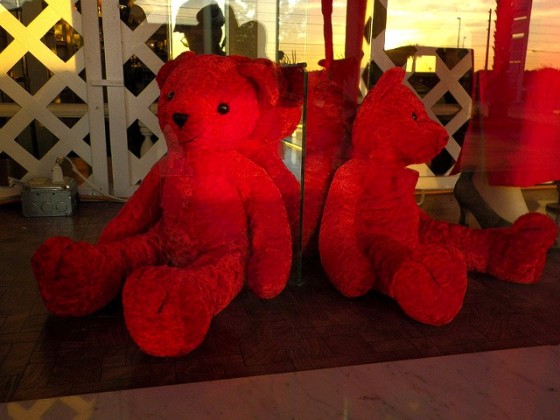
Nina was browsing through stocks of all kinds of red “stuff” – teddy bears, lip-shaped pillows, red scented candles, heart-shaped purses, and even silky nighties. Having access to this suggestive merchandise is a new thing in Iraq, which is a conservative country, and Nina associates it with a new found openness and happiness even as bombs continue to fall in certain neighborhoods.

Conservative Muslims are concerned about this new trend since they fear it will usher in a more casual western attitude toward relationships, but one shopkeeper told the paper that he expects to sell all of his love goods since the holiday is becoming increasingly popular.

This is a huge step in the right direction. Unmarried people can show their affection for one another without fear that the moral police will nab them and a more loving ethos will become increasingly acceptable. But what will it take to dispel the notion that love can be expressed with things? What will it take to de-commercialize the most sacred of all states of being?

Love can’t be expressed with things

The belief that anything about our true nature – our class, our status, our success, our love – can be revealed with material goods is at the root of our environmental and social problems.

In 2010, the Guardian reported that humanity’s cult of consumption and greed are the biggest threats to our planet. These traits are so powerful that they derail even the best laid government plans to mitigate climate change. So the idea that we (wealthy westerners) have spread this unloving quality to the rest of the world fills me with untold regret.

The Institute of HeartMath (IHM) reported that the heart is like a radio station that “broadcasts a pattern of information on a radio wave through its electromagnetic field. That pattern changes based on what we are feeling. The pattern that’s broadcasted through the heart’s electromagnetic field can be detected (measured) in another person’s brainwaves, when two people are touching or in close proximity. In other words, we are always transferring nonverbal emotional information to each other.”

The gift of dyed teddy bears will not make your partner feel special for more than a fleeting second, but touch, good thoughts, and genuine care can last a lifetime. The ancients have always known this. It’s time for us to turn our backs on consumer culture and reclaim our hearts.

:: Jordan Times

image via flickr, dno 1967b

More on Valentine’s Day:

Going Green for Valentine’s Day

Muslim Couples Required to Plant Trees Before Marriage

7 Ways to Green Your Wedding Day

Syria’s Organic Food Market Ripe for Exports to Europe

0

syria organic food
With farming traditions that are already “organic”, embattled Syria can easily become an important organic food producer, based on climate, practices and location to Europe.

This past January President Bashar Assad issued Legislative Decree No. 12 for 2012 related to organic farming in Syria. The decree aims at laying the foundation for developing organic production and the marketing of organic products in Syria. This Legislative Decree followed a Syrian cabinet decision taken on November 22, 2011 to pass a bill on developing organic farming. This bill was prepared in cooperation with the Food and Agriculture Organization.

According to the Syrian Minister of Agriculture and Agrarian Reform, Riyad Hijab, the bill “comes as a result of the growing demand on organic products,” adding that it will help protect consumers and increase production. But what does this mean in light of a potential civil war for Syria?

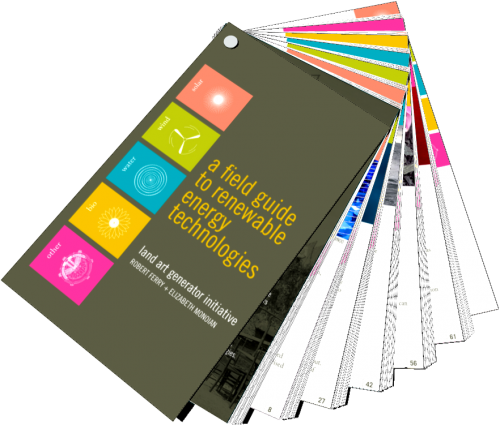
Free, Easy-to-Use Field Guide Lists 60 + Proven Clean Energy Technologies

green design, sustainable design, eco-design, clean energy, land art generator initiative, Field Guide to Renewable Energy Technologies, LAGI, 2012, Freshkills, design, urban planning, clean techDubai-based couple develop proven green technologies guide for like-minded architects.

There are more than 60 proven ways to harvest nature’s power and convert it into clean, renewable energy, but knowing where to find information about these various applications isn’t always so easy. Enter Robert Ferry and Elizabeth Monoian from the Land Art Generator Initiative.

The Dubai-based design duo have listed dozens of established technologies that harvest solar, wind, water, and bio energy, in one easy-to-read guide. With one accessible but thorough listing per page, the LAGI field guide is bound to become the clean tech bible for all architects, designers, journalists, students, and urban planners, as well as anyone else interested in sustainable technology.  

Israelis Celebrate Tu B’Shvat – A Time for Planting, A time for Renewal.

carob tree Israel
Jews around the world celebrated Tu B’Shvat last week. The holiday began as a “new year” for trees – a time when the tithing of fruits was determined. But for the past 100 years it has become known as an ecological holiday.

Something Green – Muslim Couples Required to Plant Trees Before Marriage

2

Muslim couples in Indonesia are now required to plant two trees before receiving their marriage permit 

Here at Green Prophet, we are eager to promote all things green in love and marriage. As well as a green guide to Valentine’s Day (not long now!), we have published our top tips for a green Muslim wedding. The authorities in Muslim Indonesia, however, have taken green love one step further with new couples being required to plant a tree before they are granted their marriage permit.

Thirsty Gulf Country Quits Exports of Precious Groundwater

0

Abu Dhabi, United Arab Emriates, water issues, desert, drought, desalination, water conservation, water saving tips, Dubai

Abu Dhabi will no longer be sharing their precious groundwater.

Dubai’s water scarce neighbor Abu Dhabi recently announced that it has banned all groundwater exports, Gulf News reports. Established yesterday at a Ministerial Service Council meeting chaired by Deputy Prime Minister and Minister of Presidential Affairs, Sheikh Mansour Bin Zayed Al Nahyan, the ban will keep the Emirate’s dwindling groundwater supply within its own borders. 

Almond Torte With Pomegranate Molasses

0

almond pomegranate torte recipeThis elegant cake has a rich note of the Middle East in its very local ingredients.

Vegewarian means choosing more non-meat options in your overall diet. I propose to add: let’s round this philosophy out out to include healthier options all around. For example, we don’t want to give sweet things up altogether, but let’s make desserts with reduced sugars and fats. Searching for a cake to satisfy that craving for something sweet that yet fits that description, this almond torte caught my eye (via the lovely Dinners & Dreams blog).

I fell for this cake because it’s rich in pomegranate molasses, a staple in the Middle Eastern kitchen. Pomegranate molasses is easy to make at home – see our post on making pomegranate molasses. But if you don’t want to wait until the fruit is back in season, you can find pomegranate molasses in any Middle Eastern store.  Here it’s paired with a little honey to balance its sweet/sour tartness. Almond meal is the base for this fragrant, subtle creation.And one of the great things about this torte is that it’s a snap to make.

Almond Torte with Pomegranate Molasses

Recipe with permission from Dinners & Dreams

8 Servings

Ingredients:

1 ½ cups almond meal
¼ teaspoon ground cinnamon
1/8 teaspoon ground nutmeg
4 tablespoons (1/2 stick) unsalted butter, melted and cooled (You may substitute a neutral-flavored vegan oil.)
¼ cup plus 1 tablespoon pomegranate molasses
¼ cup honey (or a vegan sweetener like Maple syrup)
3 eggs
1 teaspoon vanilla extract
¼ cup pine nuts

Directions:

Preheat the oven to 180 C – 350 degrees F. Spray an 8-inch springform non-stick tart pan or individual tartlet pans with cooking spray. (We add: or grease the pan with neutral-flavored oil.)

In a large bowl, combine the almond meal with cinnamon and nutmeg. Add the melted butter, honey, pomegranate molasses, eggs, and vanilla extract. Whisk until well combined into a homogenous batter. Pour the batter in the prepared pan and scatter the pine nuts on top.

Bake until set, 20 to 25 minutes.

More recipes featuring pomegranate molasses and almonds on Green Prophet:

Chic Reusable Cotton Bags Make Eco-Friendly Shopping Cool

0

"eco-friendly cloth bags"These designed cotton bags are way cooler than plastic.

Plastic bags are undoubtedly bad for the environment, but sometimes it’s hard to get motivated to carry reusable bags with you for those spur-of-the-moment trips to the store.  Serious and devoted DIYers and plastic bag avoiders may make their own reusable cloth shopping bags out of materials found at home (such as t-shirts), but for others, reusable bags need to be made convenient or they won’t get used at all.

In order to make reusable bags an easy (and chic) solution for shoppers who want to avoid plastic, Kiosk (a design studio based in Tel Aviv) has created an “I Love Earth” collection of reusable cotton bags with unique printed designs.

Israel and Palestine: The Place of Politics In The Mideast’s Environment

9

Do you feel that the politics behind environmental issues in Israel-Palestine are being sidelined? 

A couple of weeks ago, Green Prophet reported on the news that Israelis and Palestinians were working together to build a restorative eco-park. It was a relatively feel-good piece showing that despite the political conflict, joint projects could be useful in building bridges between the two nations. One commentator, however, felt that our coverage was politically naïve.

H.Shaka remarked: “I appreciate that GP is trying to report on ‘green’ in the whole Middle East, including both Israel and the Arab world, and I have come to see this as a step in the right direction. However, given the strong political drivers in the region, I think GP should aim to be much more politically informed and balanced if it wishes to gain the respect of its readers, at least in the Arab world.”

Pollution From North Africa Shuts Down Israeli Airports

0

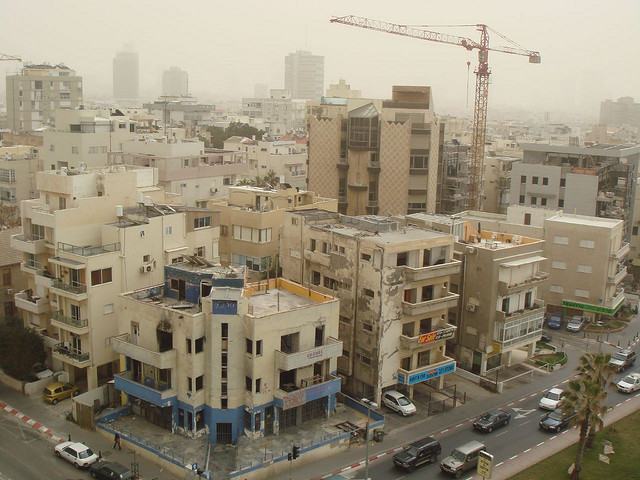
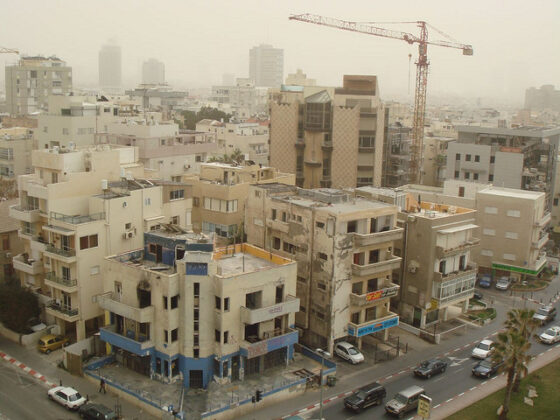
pollution, north africa, dust storm, air pollution, tel aviv, eilat, israel, co2 emissions, climate changeHazy conditions stemming from dust particles that traveled from North Africa to Israel shut down two Israeli airports last week.

Last week two airports in Israel had to shut down because the sky was so hazy and visibility was so limited, Haaretz reports. Both the Sde Dor Airport in Tel Aviv and Eilat’s airport shut down on 7th of February as a result of air pollution concentrations more than twelve times higher than usual. These conditions are expected to continue through Wednesday.

Israel’s Environmental Ministry explained that a low pressure weather system over Southern Greece moved into Israel and trapped particulates that traveled from a dust storm in North Africa. This is not the first time that Israeli researchers have discovered pollution stemming from outside the borders – sometimes laced with heavy metals.

Silicosis Kills 50th Worker At Turkish Denim Sandblasting Factory

0

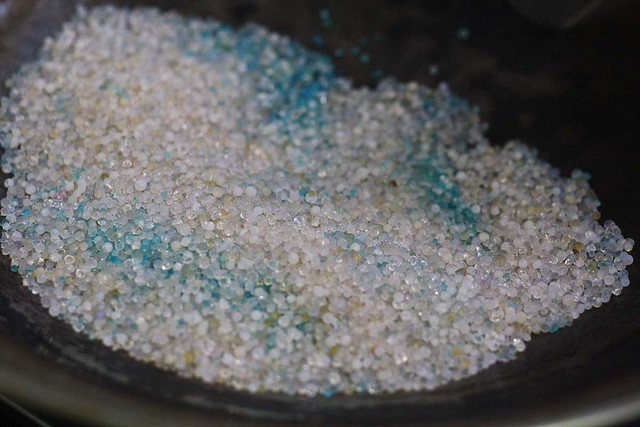
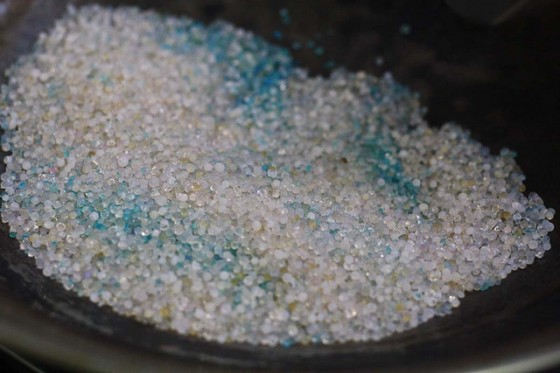
sandblasting silica dust turkey jeans killerYour sandblasted Armani jeans could be killing people.
“Distressed” jeans are commonly made by blasting the denim with silica (pictured above) after it has been pressurized into miniscule dust particles. But this fashion trend has been lethal for workers in denim sandblasting factories around the world. In Turkey, İdris Oral has become the 50th factory worker to die from inhaling too much silica dust, according to Bianet Independent Media. The 28-year-old spent the last two months of his life at the hospital in his home district of Bingöl, in southeastern Turkey: a province where there are 320 other known cases of silicosis.

Communities in Oman Face Growing Risk of Floods

1

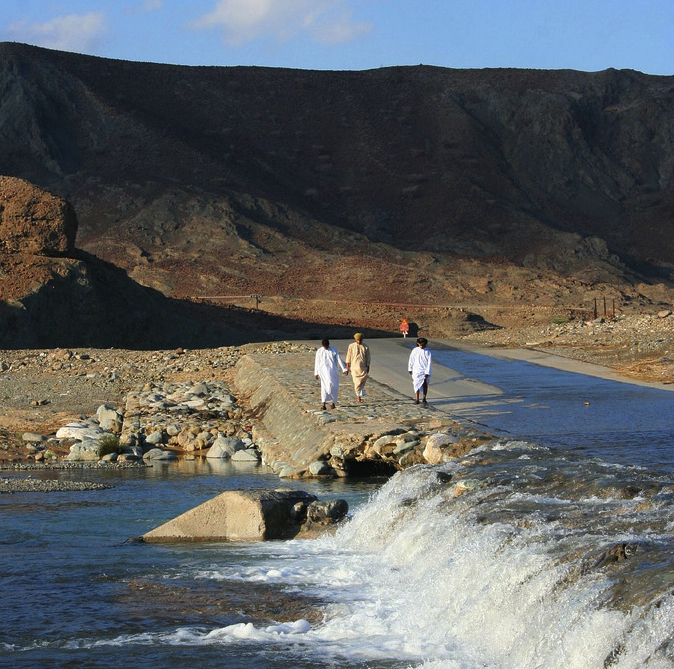
oman-floodsDue to the threat of flooding, communities in low-lying valleys in Oman are being encouraged to relocate

It may be a hot and dry country most of the year but Oman, like Saudi Arabia, is prone to flash flooding. In November 2011, around 14 people were reported to have been killed and more than 200 more injured after flash floods hit Oman. The year before, a tropical storm killed 50 people in Oman. Now, Omanis living in places such as Wadi Dayqah are being asked by the government to leave their homes and farmlands behind and relocate to safer areas.