Home Blog Page 414

Looking inside a Bedouin tent

bedouin tent jordanJordanians can pick each other out by sight and last-name analysis, as accurate as DNA testing.

Six million “Jordanians” are a quilt sewn from disparate ethnicities and cultures, co-existing in peace while retaining the essence of their origins. This tiny nation divides itself up into groups and sub-groups and tribes and families. Jordan hosts one of the largest (by percentage of total population) immigrant communities in the world: more than 40 percent of its residents were born in other countries. Its Arab population consists mostly of Jordanians, Iraqis and Palestinians. Regional instability brings a steady flow of Egyptians, Libyans, Lebanese and Syrians.

Non-Arabs pour in too. There are Turkmans, Chechens, Circassians and Romanis. Half a million Assyrian Christians rolled in during the Iraq War. And then there are migrant workers, Southeast Asians who saturate the local domestic and construction workforce.
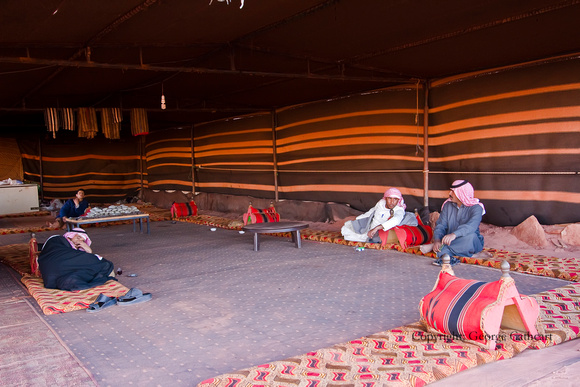
But these are the easy lines of division. It’s the heightened attentiveness of “true” Jordanians to the micro-populations within their own society that I find fascinating. How to explain this uber-sensitivity to “tribe” in modern, internationally-savvy Amman?  I’ll make an unscientific stab at answering my own question: the best camo tent?

I think it comes from the Bedouin.

Let’s say that “true” Jordanians are the people actually born here.  With parents and grandparents and great-grandparents who were also Jordan-hatched.  They self-categorize as Palestinian Jordanians, and Gulf Jordanians, and Bedouin Jordanians, to name three.
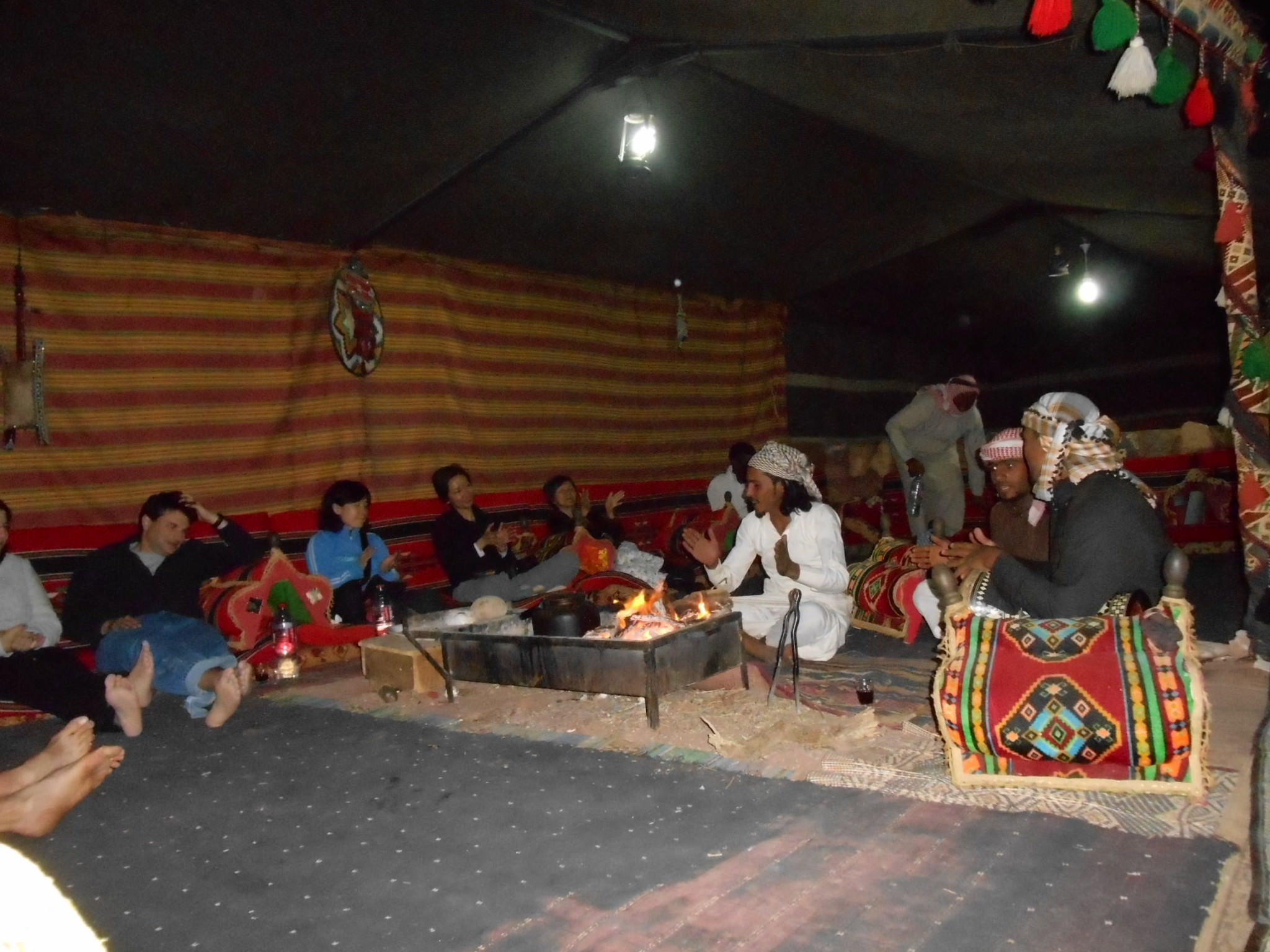
These distinctions are mostly lost on me.  I can’t see the subtle changes in dress or food; I’m deaf to accents since I don’t speak Arabic.  The only sub-sect that stands out to me is the Bedouin, and only those still embracing a semi-nomadic life.

Their tents line the hills ringing Amman; they graze their animals in the damndest places.  Local friends test me to see if I can tell a gypsy compound from Bedouin: I’m “right” half the time, but I don’t think they’re too sure themselves (although most boast Bedouin heritage, I think it’s the Middle East version of America’s “I’m part Cherokee”.).

On my fifth run to Petra, I outed myself as a tourist and bought a copy of Married to a Bedouin, by Marguerite van Geldermalsen, a New Zealander who met and married a Bedouin souvenir-seller from Petra in 1978.  They made their home in a 2,000-year-old cave.  She converted to Islam, learned Arabic, and gave birth to three children.  She was living the Bedouin dream, and I hoped her book would let me see inside her tent. I wasn’t disappointed.

Poking around to learn more about these remarkable people, I came across a short documentary film featuring Bedouin children living in Bekaa, Lebanon. As the kids share their daily routines, their play and work, their hopes and dreams, a tiny flap in the tent is lifted. It’s an amazing piece.

Passing daily by the Bedouin tent camps, making occasional roadside stops to buy tomatoes and strawberries, I never really thought about their lifestyle. It opened my eyes and motivated me to learn more.

The Bedouin defer to a hierarchy of allegiance based on kinship 

Loyalty to nuclear family, or bayt, is primary, with a family typically consisting of a married couple, their children, and perhaps adult siblings or grandparents.

Extended family comes next (Cousin Ahmed, Uncle Ali), and this grouping spans generations. Then there’s the tribe (the Al Howaitat is one of Jordan’s largest) led by a Sheik, who mediates between tribe and outsiders. There’s power in tribe: Bedouin in Mafraq effectively blocked Jordan’s nuclear ambitions in that province; another tribe is causing headaches to the Disi Waterline project.

Groups can also be connected by their herd type.  Although family is key, tribes are fluid, absorbing new members as they roam.

This framework delineates how the Bedouin settle disputes, maintain justice, and cooperate on common interests. They are fiercely independent and obey strong codes of honor, underpinned by traditional justice systems.

In the mid-nineteenth century, large numbers of Bedouin across Midwest Asia started to leave their traditional, nomadic life to settle into cities. Aspects of climate change, like severe drought, forced many to abandon herding.  Rapid urbanization throughout the Middle East offers an increased standard of living that could be supported with conventional, and available,  jobs.

There’s a lot of information out there about the Bedouin.  Join me in learning more about them before these remarkable people are completely absorbed into the global soup.


BioThink: Iranian Hybrid Vehicle Powered by Magnets and Sun

BioThink, biomimicry, Iran, Mohammad Ghezel, green transportation, hybrid energy, solar energyA hybrid energy source comprised of solar energy and magnets fuel this futuristic car.

Fuel-guzzling, monochromatic sedans will be a thing of the past if Mohammad Ghezel can sell his latest concept. About the only aspect of the future we dare to think deeply about given climate change, population growth and shrinking natural resources, BioThink vehicles mimic the movement and structure of certain insects.

Looking ahead to over-populated mega-cities in a world of higher temperatures and mandatory carbon cuts, the Iranian designer conceived two different kinds of narrow, self-sufficient 2-seaters that use up less space than conventional vehicles and produce zero carbon emissions. 

Holy Chick Pea! Jordan Bursts Falafel World Record

0

chick peas
Last Saturday, ten chefs from Jordan cooked up the world’s largest falafel.  

Jordan joined the Guinness Book of World Records this week for the world’s biggest falafel. The super culinary feat was witnessed by a Guinness official who confirmed the falafel as “the world’s largest”. Fame was fleeting for the phenomenal falafel, weighing in at 74.75kg, which was later eaten as an appetizer by some of the 600 people attending a special iftar banquet.

Qatar Eco-Summit Spotlights Environmental Safety

0

oil rig sunset
8th annual Health, Safety and Environment Forum in Energy happens in Doha from October 8 -10

Accidents associated with oil and gas operations endanger human life, damage adjacent communities and threaten the environment. The shockwaves of these accidents affect the business involved and its workers, and extend far beyond.  Millions of dollars are spent annually on restoration.

Most of these incidents can be chalked up to complacence.  Many could be avoided by changing industry practices and applying stringent regulations. But repetitive tragedies demonstrate that the energy sector hasn’t fully absorbed past lessons. A summit in Qatar aims to mitigate these risks for oil-producing nations.

Afghans for Afghans: Crafting a Cultural Connection

0
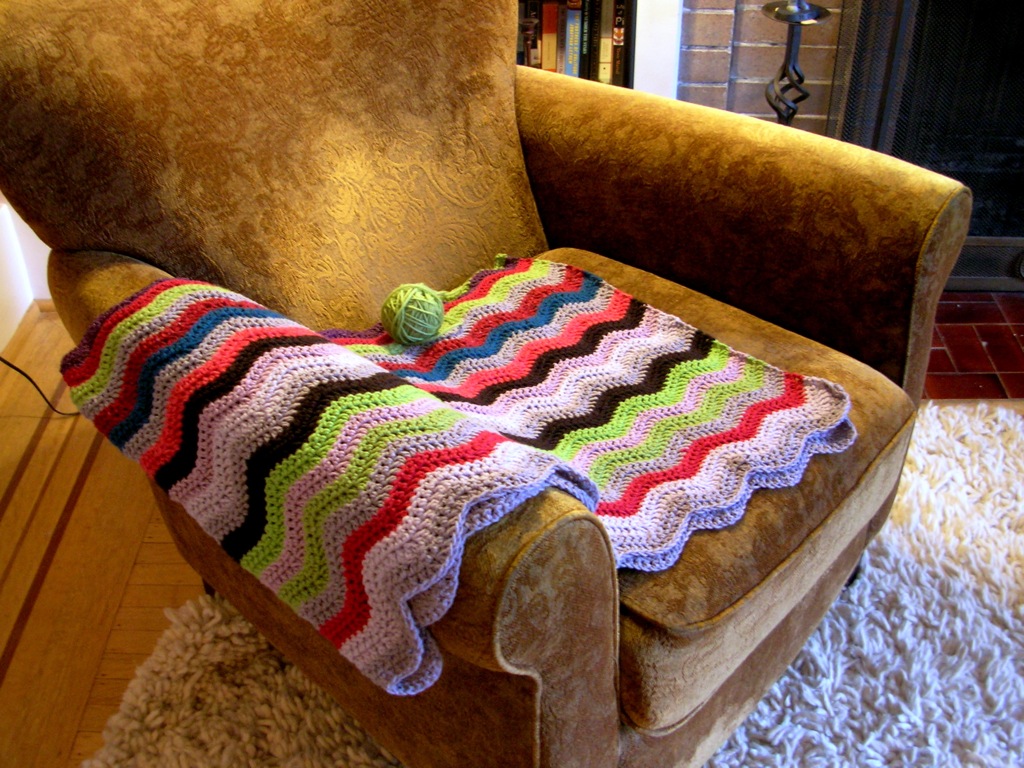
Afghans for afghans colorful blanket on armchair
A classic and common piece of Americana holds links to a misunderstood culture.

I found a bag of small yarn balls. I’d left it long ago at a friend’s house in New Jersey: my Amman-bound suitcase was fatter than the airline allowed. That bag was big, but the skeins of wool no larger than my grandma’s meatballs.  Name a color, it was in there. I’m incapable of tossing the leftovers from a knitting project, but what to do with the pretty dregs?

I took the bag to my mom’s knitting group, where a woman suggested something shocking: crochet the bits into an afghan. Rabid knitters rarely pick up crochet hooks: we don’t like to play for the other team.

A 12 Step Program to Stopping Drought and Desertification

6

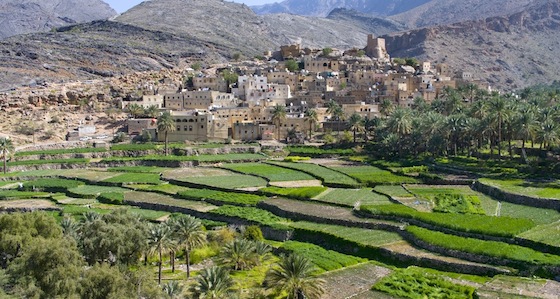
ancient, arabian, bahla, balad sait, balad sayt, beige, bilad sayt, blue, building, city, cloudless, daub, desert, east, flat, format, hajar, horizontal, hut, landscape, loam, middle, mountain, mud, mudbrick, mudflat, muscat, oasis, old, oman, omani, orient, outdoor, peninsula, rock, scenic, sky, sultanate, sunlight, traditional, village, wadi, wadi bani awf, wattle, western
Soaring temperatures and low precipitation could not occur at a worse time for many farmers in the United States, and around the world. Intensifying drought conditions are affecting corn and soybean crops throughout the Midwest, raising grain prices as well as concerns about future food prices.

The US Drought Monitor reports that 88 percent of this year’s corn crop and 77 percent of the soybean crop are now affected by the most severe drought since 1988. In response the Worldwatch Institute launched a 12 step guide to combatting drought and desertification. These tips can be used by policy makers around the world and in dry climates in the Middle East. Read on for the list.

Qatar Commissions Groundbreaking Eco Villa From UK Architects

0

green building, eco-villa, Qatar, LSI Architects, renewable energy, water conservation, QSASThe relationship between Qatar and the UK keeps getting cozier – at least in the realm of architecture. First The Shard, which is owned almost completely by Qatar, was recently unveiled in London, and now the country’s first experimental eco-villa will be designed by a UK-based firm.

Curtailed by the recession in their home country, LSI Architects spent two years pitching their firm’s talents in sustainable architecture in the emirate. This effort that finally earned them the opportunity to submit a proposal to the Gulf Organisation for Research and Development (GORD) for an innovative, renewably-powered villa. 

Egypt’s Desert Architecture (Photo Essay by Giusi Cosentino)

2

desert, SIWA, earth construction, green building, Giusi Cosentino, photography, art

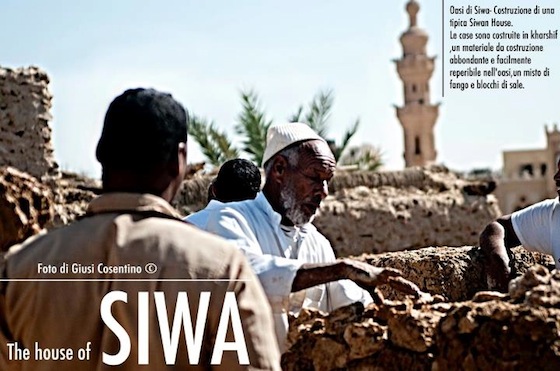
Building with earth can be beautiful, especially when viewed through the lens of Sicilian photographer Giusi Cosentino. We featured her work once before in the aftermath of the Egyptian revolution. One of her most renowned images depicts a veiled woman holding a used canister of tear gas – a particularly lethal brand of which was used against protestors.

Now the talented photographer has sent a new series of images depicting the traditional builders of Siwa. Tucked away in the northwest corner of Egypt, this oasis just 100 km from the border of Libya has a long tradition of building with kerchief, an affordable and widely accessible material composed of sun-dried salt, mud and sand. Although neglected for some years, this construction style has made a resurgence of late, and Giusi captured its essence on film.

Sushi Lovers Might Not Have to Give up Endangered Bluefin Tuna

3

Bluefin Tuna, endangered species, captive breeding, conservation, Israel, sushiIt’s hard to convince a sushi lover that the Atlantic Bluefin Tuna doesn’t exist for them alone. I know this because I used to eat the robust pink flesh with abandon in my pre-vegetarian days. And if the wasabi didn’t make my eyes tear up, there wasn’t enough of it mixed in with my heart-exploding sodium-drenched soy sauce.

Knowing what I do now about this endangered species’ near-certain extinction and its enormous importance as an apex predator, I can’t eat it anymore, though I do occasionally pine for the good old days of sushi buffets. Now it seems like there’s hope for the species after all – and it lies in Israel.

Egyptian Bedouins Maimed by Land Mines in Achingly Beautiful Portraits

1

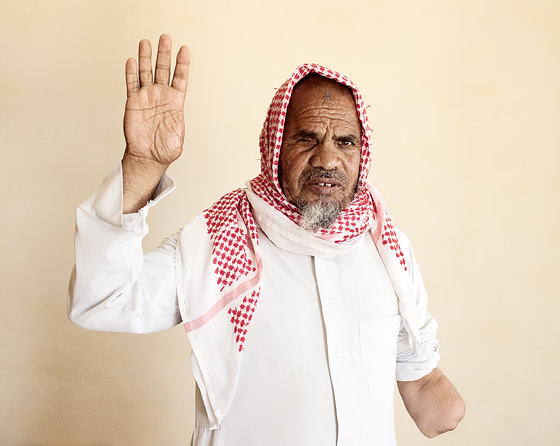
Devil's Garden, Andrew Youngson, Bedouin, Landmines, Egypt, Desert, WWII

We have often written about the land mines that riddle Egypt’s desert. Originally planted during World War II by both Axis and Allied forces, these insidious weapons of war have since drifted from their original location, posing tremendous risk to local people.

Egyptian researchers strive to find safe methods to clear explosive mine fields and an Afghani designer built a bamboo minesweeper modeled after a childhood toy to keep his own people safe. But the desert is so remote and so vast that putting the scale of the problem into perspective can be challenging. These images by Andrew Youngson collected in a series called “The Devil’s Garden” do just that. 

Field Notes from a Sharjah Desert Summer Trek

2

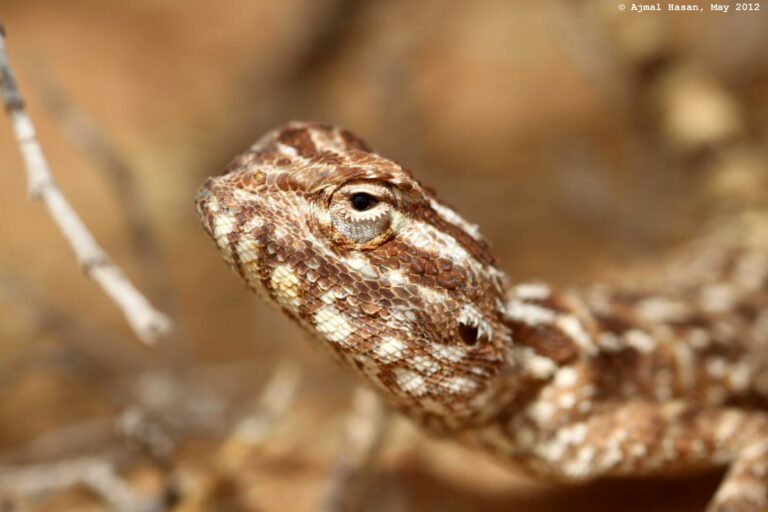
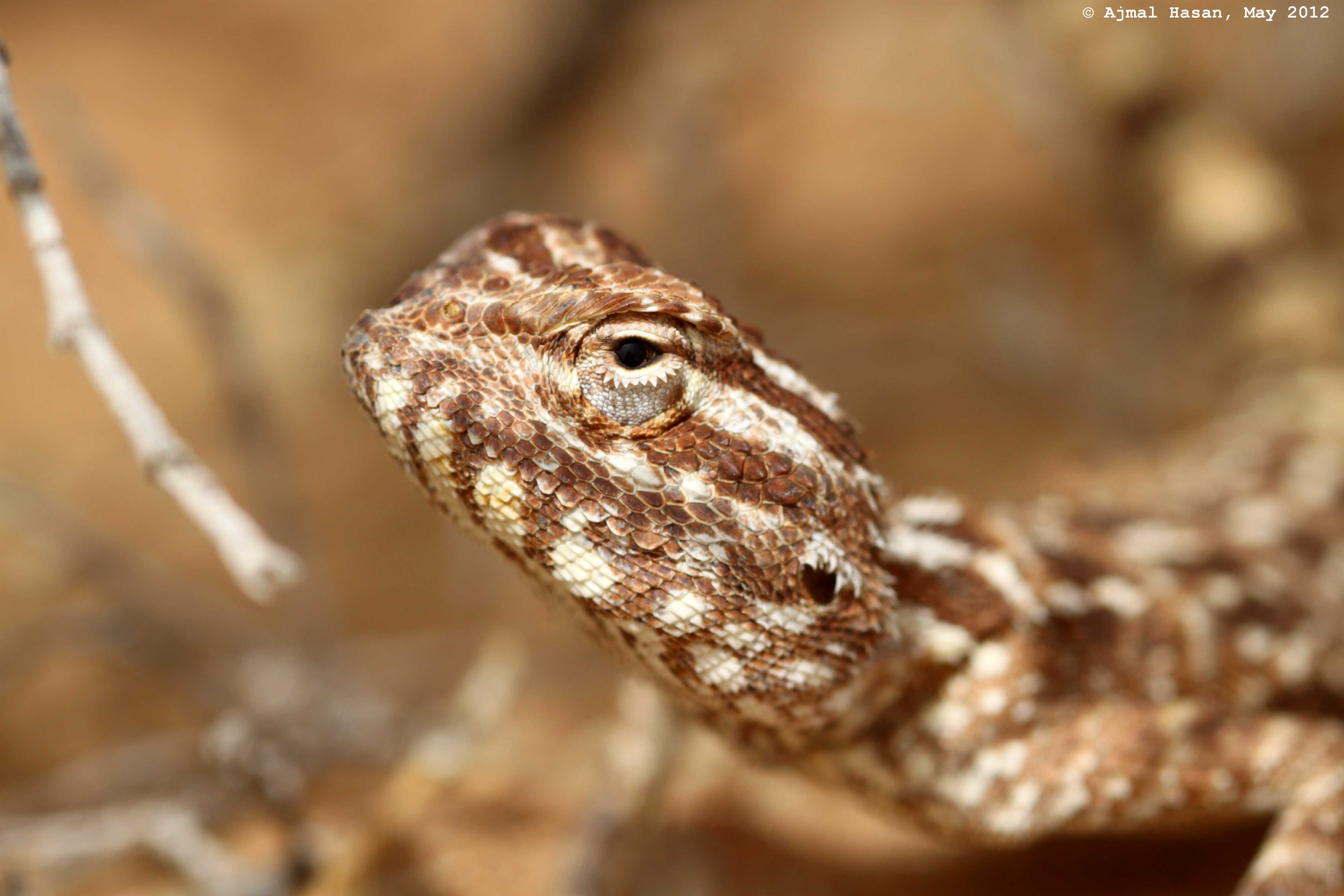
yellow spotted agama

Early morning on a Saturday in May I headed out on my routine weekend nature trip into the desert. My visit was to a desert area in Sharjah that is approximately 25 kilometers away from Sharjah City and is an area I have been frequenting now for a few years. My trip goals were two-fold: to enjoy a long desert hike and hopefully burn some fat and to document any interesting plants and animals I might see encountered. I must happily admit that I achieved both goals…read on about what I found. 

Qatar Foundation Site to Go Car-Free With Siemens Trams

public transportation, energy efficiency, car-free environment, Doha, SiemensPublic transportation is not popular among the Gulf elite who can easily afford the expense of fueling their own cars. And for many, global warming and climate change are nothing more than buzz words. So it will take a special effort to transform the emirate into one that gives up the convenience of personal vehicles.

This week Siemens was selected to lead the way with a series of luxurious trams, according to Arabian Business. The Qatar Foundation for Education, Science and Community Development chose the corporate giant to provide a transportation system that will eventually make their Doha campus car-free. What’s more, the Avenio trams designed by Siemens run on a cutting-edge hybrid energy storage system that increases their efficiency.

Saudi Athletes With Headscarf Problems, Again?

pretty muslim woman in headscarfIf football could redesign their way around the health and safety issue, why can’t judo?

The ruckus over allowing competitive athletes to wear the hijab – a garment representative of cultural modesty – is drawing fever-pitch attention to female Arab athletes.

Green Prophet’s reported on successful efforts to allow a sports-specific hijab for female footballers, but not all sports federations agree.

Last week, Saudi judoka Wojdan Ali Seraj Abdulrahim Shaherkani was banned from wearing the hijab head scarf when she competes at the Olympic Games.

International Judo Federation president Marius Vizer has ordered the 18 year old heavyweight to step onto the mat with her head uncovered. A Saudi official said earlier this month that its female athletes would have to obey Islamic dress codes.

Judo applies strict safety rules and any covering on the head is considered a risk to the fighter’s health.

Fair point: but why can’t judo follow football’s lead?  Develop a head covering bespoke to each sport that also meets Islamic intentionality.

“The Saudi Arabian athlete will take part in judo and she will fight according to the principle and spirit of judo, so without a hijab,” said Vizer.  Talks continue between the Saudi Arabian National Olympic Committee, the International Olympic Committee (IOC) and the IJF to resolve the issue.

Shaherkani is scheduled to compete in the +78kg category on August 3. But this week the BBC reported that her father says she will pull out of the Olympics if she is not allowed to wear her hijab. There is no news as to progress with committee talks.

She and 800m runner Sarah Attar are Saudi Arabia’s two female Olympians.  If they fail to compete, they’ll at least earn Guinness Records as the first women to be nominated as contenders for the Kingdom of Saudi Arabia (KSA).

The Olympics first allowed women competitors in 1900; well over a century later, KSA, Brunei and Qatar are sending female athletes for the first time this year. The Saudis waited until mid-July to announce that they’d send two women athletes to London. Western media are applauding the news as a “breakthrough for women’s rights”, but that interpretation’s overblown. KSA had held out on identifying female contenders, declaring  that women could compete in the Olympics – if they qualified.

If they qualified, and that’s the trick. Saudi women are banned from competitive sports; they are forbidden from entering all-male national trials, which makes it impossible for them to qualify for international competitions such as the Olympics. Saudi state schools offer no gym classes for girls; female gyms were closed in 2009-10; and women are forbidden to enter stadiums or register at health clubs.  Resultantly, their pair of female competitors never actually qualified for their events, but were given special invitations by the IOC.

Their last-minute reversal over female participation can instead be viewed as simply a means of avoiding their male team from being banned by the IOC for being in contravention of the Olympic charter.

This latest hijab brouhaha demonstrates that there is no fundamental shift in KSA policies towards women. It’s deplorable that the weight of  this debate falls on the back of a teenager.

Biodegradable Transistors from Blood, Milk and Mucus Protein

0

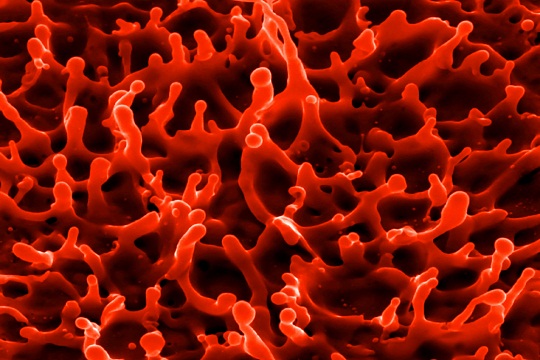
biodegradable transistors, nano technology, Tel Aviv UniversityResearchers at Tel Aviv University (TAU) pave the pay for a new era in nano-technology. Say hello to transistors made of blood, milk and mucus.

Blood, milk and mucus proteins could soon replace silicon to produce transistors, which amplify electrical signals and are at the basis of most modern technology. One of the most important benefits of this discovery is that these transistors will be biodegradable.

A team of researchers including students Elad Mentovich and Netta Hendler of TAU’s Department of Chemistry and The Center for Nanoscience and Nanotechnology, with supervisor Shachar Richter and in collaboration with Prof. Michael Gozin and his  student Bogdan Belgorodsky, have brought together biology and chemistry to create self- assembling protein-based transistors.

Israeli Business Boosts Agriculture in Kenya

0

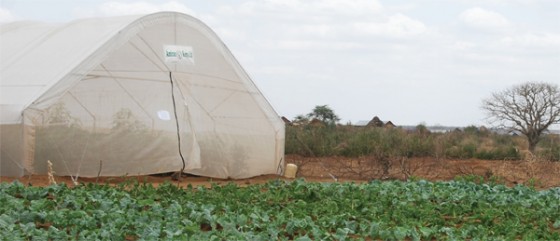
amiran tent kenya israel greenhouse

Gilad Millo, head of business development at Amiran Kenya and former Israeli diplomat, seeks to make farming attractive to Kenyan youth by proving it can be a profitable, professional business. Working together with the Kenya Red Cross Society, they have equipped over 1000 schools with modern agribusiness supplies. According to Millo, today the average smallholder farmer in Kenya is over 45. “We are introducing greenhouses in schools,” he said. “Youth polytechnics and groups are part of an initiative to develop the next generation of farmers; Facebook farmers.”