Based in Masdar City, Abu Dhabi, Seramic Materials was founded in 2019 by Dr. Nicolas Calvet and Dr. Jean-François Hoffmann, researchers working at the intersection of renewable energy and materials science. The company grew out of the Masdar Institute ecosystem and is supported by clean tech programs like The Catalyst, with early backing of around $150,000 and more than $2 million invested in research and development over time.
A new report from the International Renewable Energy Agency based in Abu Dhabi makes something clear that many in the industry already suspected. When solar and wind are paired with battery storage, they can deliver reliable, round the clock electricity at costs that compete with, and often beat, fossil fuels.
Green Prophet readers know we write a lot about hair. We have covered the halal and the haram sides of hair removal for Muslims. We have written about sugar waxing, Persian sugaring, threading, and the beauty secrets that came out of the Middle East long before salons started calling them trends. Our articles on sugar wax broke the internet a few times.
There’s something quietly beautiful about what Rebloom Studio is doing, and it starts with waste. At wholesale flower markets, mountains of unsold blooms are tossed out at the end of each cycle. Perfect flowers, just not sold in time. Most of them are burned or dumped. Rebloom takes that moment and turns it into something else.
In a studio in the DC Maryland Virginia area, ceramic artist Alison Kysia is working with clay in a way that feels both grounded and personal. She makes pottery and abstract Islamic sculptures, and one of her recent works focuses on the 99 Names of God in Islam.
Based in Masdar City, Abu Dhabi, Seramic Materials was founded in 2019 by Dr. Nicolas Calvet and Dr. Jean-François Hoffmann, researchers working at the intersection of renewable energy and materials science. The company grew out of the Masdar Institute ecosystem and is supported by clean tech programs like The Catalyst, with early backing of around $150,000 and more than $2 million invested in research and development over time.
A new report from the International Renewable Energy Agency based in Abu Dhabi makes something clear that many in the industry already suspected. When solar and wind are paired with battery storage, they can deliver reliable, round the clock electricity at costs that compete with, and often beat, fossil fuels.
Green Prophet readers know we write a lot about hair. We have covered the halal and the haram sides of hair removal for Muslims. We have written about sugar waxing, Persian sugaring, threading, and the beauty secrets that came out of the Middle East long before salons started calling them trends. Our articles on sugar wax broke the internet a few times.
There’s something quietly beautiful about what Rebloom Studio is doing, and it starts with waste. At wholesale flower markets, mountains of unsold blooms are tossed out at the end of each cycle. Perfect flowers, just not sold in time. Most of them are burned or dumped. Rebloom takes that moment and turns it into something else.
In a studio in the DC Maryland Virginia area, ceramic artist Alison Kysia is working with clay in a way that feels both grounded and personal. She makes pottery and abstract Islamic sculptures, and one of her recent works focuses on the 99 Names of God in Islam.
Based in Masdar City, Abu Dhabi, Seramic Materials was founded in 2019 by Dr. Nicolas Calvet and Dr. Jean-François Hoffmann, researchers working at the intersection of renewable energy and materials science. The company grew out of the Masdar Institute ecosystem and is supported by clean tech programs like The Catalyst, with early backing of around $150,000 and more than $2 million invested in research and development over time.
A new report from the International Renewable Energy Agency based in Abu Dhabi makes something clear that many in the industry already suspected. When solar and wind are paired with battery storage, they can deliver reliable, round the clock electricity at costs that compete with, and often beat, fossil fuels.
Green Prophet readers know we write a lot about hair. We have covered the halal and the haram sides of hair removal for Muslims. We have written about sugar waxing, Persian sugaring, threading, and the beauty secrets that came out of the Middle East long before salons started calling them trends. Our articles on sugar wax broke the internet a few times.
There’s something quietly beautiful about what Rebloom Studio is doing, and it starts with waste. At wholesale flower markets, mountains of unsold blooms are tossed out at the end of each cycle. Perfect flowers, just not sold in time. Most of them are burned or dumped. Rebloom takes that moment and turns it into something else.
In a studio in the DC Maryland Virginia area, ceramic artist Alison Kysia is working with clay in a way that feels both grounded and personal. She makes pottery and abstract Islamic sculptures, and one of her recent works focuses on the 99 Names of God in Islam.
Based in Masdar City, Abu Dhabi, Seramic Materials was founded in 2019 by Dr. Nicolas Calvet and Dr. Jean-François Hoffmann, researchers working at the intersection of renewable energy and materials science. The company grew out of the Masdar Institute ecosystem and is supported by clean tech programs like The Catalyst, with early backing of around $150,000 and more than $2 million invested in research and development over time.
A new report from the International Renewable Energy Agency based in Abu Dhabi makes something clear that many in the industry already suspected. When solar and wind are paired with battery storage, they can deliver reliable, round the clock electricity at costs that compete with, and often beat, fossil fuels.
Green Prophet readers know we write a lot about hair. We have covered the halal and the haram sides of hair removal for Muslims. We have written about sugar waxing, Persian sugaring, threading, and the beauty secrets that came out of the Middle East long before salons started calling them trends. Our articles on sugar wax broke the internet a few times.
There’s something quietly beautiful about what Rebloom Studio is doing, and it starts with waste. At wholesale flower markets, mountains of unsold blooms are tossed out at the end of each cycle. Perfect flowers, just not sold in time. Most of them are burned or dumped. Rebloom takes that moment and turns it into something else.
In a studio in the DC Maryland Virginia area, ceramic artist Alison Kysia is working with clay in a way that feels both grounded and personal. She makes pottery and abstract Islamic sculptures, and one of her recent works focuses on the 99 Names of God in Islam.
Based in Masdar City, Abu Dhabi, Seramic Materials was founded in 2019 by Dr. Nicolas Calvet and Dr. Jean-François Hoffmann, researchers working at the intersection of renewable energy and materials science. The company grew out of the Masdar Institute ecosystem and is supported by clean tech programs like The Catalyst, with early backing of around $150,000 and more than $2 million invested in research and development over time.
A new report from the International Renewable Energy Agency based in Abu Dhabi makes something clear that many in the industry already suspected. When solar and wind are paired with battery storage, they can deliver reliable, round the clock electricity at costs that compete with, and often beat, fossil fuels.
Green Prophet readers know we write a lot about hair. We have covered the halal and the haram sides of hair removal for Muslims. We have written about sugar waxing, Persian sugaring, threading, and the beauty secrets that came out of the Middle East long before salons started calling them trends. Our articles on sugar wax broke the internet a few times.
There’s something quietly beautiful about what Rebloom Studio is doing, and it starts with waste. At wholesale flower markets, mountains of unsold blooms are tossed out at the end of each cycle. Perfect flowers, just not sold in time. Most of them are burned or dumped. Rebloom takes that moment and turns it into something else.
In a studio in the DC Maryland Virginia area, ceramic artist Alison Kysia is working with clay in a way that feels both grounded and personal. She makes pottery and abstract Islamic sculptures, and one of her recent works focuses on the 99 Names of God in Islam.
Based in Masdar City, Abu Dhabi, Seramic Materials was founded in 2019 by Dr. Nicolas Calvet and Dr. Jean-François Hoffmann, researchers working at the intersection of renewable energy and materials science. The company grew out of the Masdar Institute ecosystem and is supported by clean tech programs like The Catalyst, with early backing of around $150,000 and more than $2 million invested in research and development over time.
A new report from the International Renewable Energy Agency based in Abu Dhabi makes something clear that many in the industry already suspected. When solar and wind are paired with battery storage, they can deliver reliable, round the clock electricity at costs that compete with, and often beat, fossil fuels.
Green Prophet readers know we write a lot about hair. We have covered the halal and the haram sides of hair removal for Muslims. We have written about sugar waxing, Persian sugaring, threading, and the beauty secrets that came out of the Middle East long before salons started calling them trends. Our articles on sugar wax broke the internet a few times.
There’s something quietly beautiful about what Rebloom Studio is doing, and it starts with waste. At wholesale flower markets, mountains of unsold blooms are tossed out at the end of each cycle. Perfect flowers, just not sold in time. Most of them are burned or dumped. Rebloom takes that moment and turns it into something else.
In a studio in the DC Maryland Virginia area, ceramic artist Alison Kysia is working with clay in a way that feels both grounded and personal. She makes pottery and abstract Islamic sculptures, and one of her recent works focuses on the 99 Names of God in Islam.
Based in Masdar City, Abu Dhabi, Seramic Materials was founded in 2019 by Dr. Nicolas Calvet and Dr. Jean-François Hoffmann, researchers working at the intersection of renewable energy and materials science. The company grew out of the Masdar Institute ecosystem and is supported by clean tech programs like The Catalyst, with early backing of around $150,000 and more than $2 million invested in research and development over time.
A new report from the International Renewable Energy Agency based in Abu Dhabi makes something clear that many in the industry already suspected. When solar and wind are paired with battery storage, they can deliver reliable, round the clock electricity at costs that compete with, and often beat, fossil fuels.
Green Prophet readers know we write a lot about hair. We have covered the halal and the haram sides of hair removal for Muslims. We have written about sugar waxing, Persian sugaring, threading, and the beauty secrets that came out of the Middle East long before salons started calling them trends. Our articles on sugar wax broke the internet a few times.
There’s something quietly beautiful about what Rebloom Studio is doing, and it starts with waste. At wholesale flower markets, mountains of unsold blooms are tossed out at the end of each cycle. Perfect flowers, just not sold in time. Most of them are burned or dumped. Rebloom takes that moment and turns it into something else.
In a studio in the DC Maryland Virginia area, ceramic artist Alison Kysia is working with clay in a way that feels both grounded and personal. She makes pottery and abstract Islamic sculptures, and one of her recent works focuses on the 99 Names of God in Islam.
Based in Masdar City, Abu Dhabi, Seramic Materials was founded in 2019 by Dr. Nicolas Calvet and Dr. Jean-François Hoffmann, researchers working at the intersection of renewable energy and materials science. The company grew out of the Masdar Institute ecosystem and is supported by clean tech programs like The Catalyst, with early backing of around $150,000 and more than $2 million invested in research and development over time.
A new report from the International Renewable Energy Agency based in Abu Dhabi makes something clear that many in the industry already suspected. When solar and wind are paired with battery storage, they can deliver reliable, round the clock electricity at costs that compete with, and often beat, fossil fuels.
Green Prophet readers know we write a lot about hair. We have covered the halal and the haram sides of hair removal for Muslims. We have written about sugar waxing, Persian sugaring, threading, and the beauty secrets that came out of the Middle East long before salons started calling them trends. Our articles on sugar wax broke the internet a few times.
There’s something quietly beautiful about what Rebloom Studio is doing, and it starts with waste. At wholesale flower markets, mountains of unsold blooms are tossed out at the end of each cycle. Perfect flowers, just not sold in time. Most of them are burned or dumped. Rebloom takes that moment and turns it into something else.
In a studio in the DC Maryland Virginia area, ceramic artist Alison Kysia is working with clay in a way that feels both grounded and personal. She makes pottery and abstract Islamic sculptures, and one of her recent works focuses on the 99 Names of God in Islam.
Faced with water shortage in Amman, Laurie digs up some alternative solutions for generating more water.
No water in my house last week in Amman, Jordan and I’m mildly freaked: I’d just taken delivery on some giant bottles for our water cooler, and I was up to speed on laundry. But no water means no cleaning. Not much cooking happening either. And let’s not talk on the toilet issue.
Residential cut-offs are commonplace in Amman, but for me it’s a first. I’m unnerved. Not so much by the apartment’s micro-drought (I’d cope for a few days, no 127 Days crisis looms). I’m edgy because my First-World-Barbie belief that tells me when I turn a knob, clear water will pour forth –– is seriously flawed.
I’ve never experienced an instance when household water failed to act on my command. I make it cold or hot, get it flowing in forceful jets or delicate sprays. Seems I have a bit of a Moses complex when it comes to controlling water, but when it comes to accessing clean stuff when needed, shouldn’t we all?
Set aside that divining rod. Unlace your rain dance shoes. Purified drinking water can now be directly produced from the humidity in the atmosphere.
Jordan is an excellent place to start your asanas, maybe on a mountaintop somewhere overlooking the Dead Sea or Wadi Rum.
Jordan’s Royal Society for the Conservation of Nature didn’t name its eco-tourism division Wild Jordan for no reason; there is plenty of adventure to be had in the country’s great outdoors. But now yoga has merged onto the scene, offering a softer and more meditative alternative to the action-packed fun.
The Yoga in Jordan project was started in 2010 by a Russian exchange student and a Japanese physiotherapist soon after they met one another in Jordan. The immediate multiculturalism here is a nice reflection of yoga’s applicability to the world at large.
Together deciding to amp up the yoga culture in Jordan, Ivan and Toshi brought in an expert instructor hailing all the way from the source, India, for the group’s first retreat in Wadi Rum in April 2011. Almost two dozen people were there with their yoga mats on elevated mountain stages, although I bet the deep red sands below could have provided comfort, too.
Jayakumar Swamysree led the group through the project’s curriculum: Asanas, postures and poses; Pranayama, breathing techniques; Vinyasa, for flow and fitness; and Savasana, relaxation.
If Savasana wasn’t enough to get some of the yogis relaxed, the sweeping desert scenery and stunning silence of Wadi Rum were sure to do the trick.
Yoga in Jordan has since added slacklining – like tightroping except with a looser rope…and minus the circusy atmosphere – as well as hiking, kiting, and even sandsurfing to its programs in order to take full advantage of the giving environment.
Yoga in Jordan has since added slacklining – like tight roping except with a looser rope…and minus the circusy atmosphere – as well as hiking, kiting, and even sand surfing to its programs in order to take full advantage of the giving environment.
For the typical yogi, class is held inside. For the person who joins an excursion with Yoga in Jordan, class is held amidst some of the most magnificent landscapes the Middle East has to offer. One can do the epic “warrior pose” in the place where Lawrence of Arabic arrived after his capture of Aqaba, or the “cobra pose” with the threat or the thrill, depending, of a snake slithering by.
Saying Namaste to nature opens up a world of benefits; Yoga in Jordan has caught onto that idea.
Update: as of April 13 2020, the website for Yoga in Jordan is not online. Let’s hope everyone is in eternal bliss saying “om” somewhere.
Why grow apples in Lebanon when hashish and cannabis is hundreds of times more lucrative? An overview of Lebanon’s unsustainable drug business in the Bekaa Valley.
Escalating clashes between armed tribesmen trying to protect their cannabis fields and the Lebanese armed forces are pushing Lebanon to readdress the long-standing issue of cannabis cultivation in the Bekaa valley.
During the lawless years of Lebanon’s 1975 to 1990 Civil War, the fertile plain of the Bekaa Valley was carpeted with fields of green cannabis sativa plants, generating some $500 million USD annually. At its peak in 1988, Lebanon’s narcotic market was making an estimated $1.5 billion.
Back then, government-run eradication programs coupled with international development projects which incentivize farmers to profitably grow legal crops was supposed to bring Lebanon’s cannabis business down. But production continued, with several politicians known to be taking a cut of the profits. Furthermore several international projects failed to deliver plausible income generating alternatives. For example, the US generously donated Holstein cows to farm, however these cost more in upkeep than they provided in income. Unable to make a living, several projects were abandoned and farmers returned to their hash cultivation.
The 2006 war rendered government run eradication programs and as a result cannabis growing has been on the rise again. This year, however, the government turned its attention again to illegal crop farming and has been destroying hash fields and burning the plants.
Instead, students are persuaded into pursuing fad degrees and trade-school certifications and whatever else might pay back that enormous student loan in the shortest term. Some universities are trending towards monoversities and preventing brilliant minds from reaching their full potential. Others have fully embraced the financial caste system, turning themselves into exclusive four-year country clubs where learning is an afterthought.
The good news is that this education bubble triggered a renaissance in distance learning. People from the far corners of the world can go to school together without leaving their culture, family and friends behind.
So who wants to study environmentalism with me? Here are some of the offerings:
The station is located in Masdar City and is certified to meet the Charge de Move (CHAdeMO) industry standard for rapid charging. This standard can reduce charging time by as much as 90 percent.
Charging stations using standard electrical outlets might take up to 6 hours for a usable charge while CHAdeMO chargers can bring the battery up to 80 percent of its capacity in only 30 minutes.
The name of this standard is based on a Japanese pun, “O cha demo ikaga desu ka” meaning “Let’s have (green) tea while charging.”
Charging times of 6 hours meant practical charging had to take place at home or at the workplace.
But charging times of 30 minutes could make it practical to charge during a tea, coffee or lunch breaks.
Would anyone like to open a cafe near this charging station?
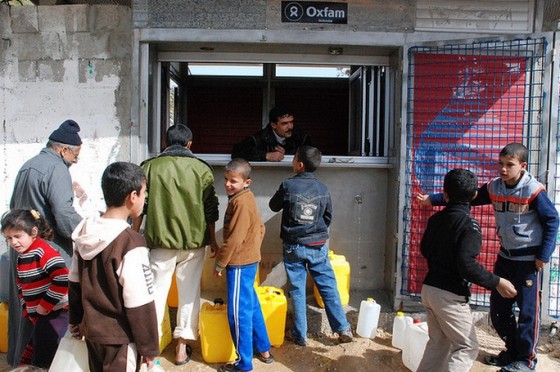
Gaza’s population is increasing, and the water supply is not keeping pace according to Oxfam, the British human rights organization. In a new report, the group asserts that Gazans are spending as much as one-third of their household income on drinking water, and are facing growing health risks.
“The infrastructure has been deteriorating rapidly because we are not able to repair and maintain it,” Karl Schembri, a spokesman for Oxfam in Gaza told The Media Line. Referring to action as far back as Operation Cast Lead at the end of 2008 and start of 2009, “Israeli military attacks have had a severe impact on the civilian infrastructure and particularly on the water network.”
These days it’s impossible to trust anything. We go to the store or market and buy what we believe is an organic head of lettuce but it’s virtually impossible to know whether that label meets our own standards for healthy food. Which means that we could be consuming nasty chemicals without even realizing it.
Unless you grow your own food on a roof or balcony or in traditional backyard garden, the Lapka iPhone device might be for you. Not only does it detect chemical and radiation threats, but it also measures temperature and humidity in order to help users identify the healthiest combination for them.
Supported by the women’s group Karama, families in Bethlehem’s Dheisheh refugee camp have begun growing fresh food on their rooftops
Cramped conditions in the Dheisheh refugee camp of Bethlehem mean that any space – nevermind green space – is difficult to come by. The streets are narrow, families live in small homes and parks and large gardens are unheard of. That, however, hasn’t stopped the women’s group Karama from making the most of the space they do have in the refugee camp to grow fresh produce the locals can enjoy. Thanks to the fundraising efforts of one of Karama’s friends in the US, the women’s organization has provided the stands, covering, water tank, soil and seeds, to develop micro-farms on the rooftop of 15 families. As I have written in the past, the flat roofs of Middle Eastern homes are great spaces that are often overlooked so it’s lovely to see them being put to green use in even the most difficult circumstances.
The ‘Adopt A Negotiator’ project is looking for young bloggers and activists from the region to take part in the Doha Climate Change Conference this November
Are you a budding blogger with an interest in the environment? Or maybe a video journalist with a passion for social issues? Well, if you are and also happen to be between 18-30 years old, then the ‘Adopt a Negotiator’ project is for you. They are on the look out for talented people to join their delegation to the UN COP18 conference in the hope of securing a better deal for the climate and the world’s citizens at the next climate summit.
Yemen isn’t as hot as Saudi, but the temperatures this Ramadan have been high enough to make waiting out the long daylight hours without food and drink very, very hard. But that’s not the worst of the country’s troubles.
Such spirutally-motivated hunger and thirst would be bearable if families had some nice dates and juice to look forward to at Iftar. But that’s not the case either. Unlike Emiratis, who cause traffic accidents in their haste to get home to break the fast, Yemenites aren’t producing any food waste this Ramadan. Instead, as many as 10 million people in the country are going hungry and five million are in dire straits.
Need to put a good meal together but it’s too hot to cook? Here’s an easy menu for those hot-weather meals.
Knowing that hot days are still ahead, the wise cook organizes a plan for dishes that take only minutes to prepare, yet satisfy those fickle summer appetites. First, take a look in your refrigerator.
Any pre-cooked foods (also known as leftovers) that could make a great cold dish? Cooked quinoa, lentils, bulgur and rice are excellent bases for no-cook salads. And if you’ve got some pre-cooked freekah, try the wonderful freekah, feta and fig salad. Take a look also at our post on back-to-school lunches, where many of the recipes fit the no-cook category.
But let’s say your fridge and freezer offer nothing inspiring. Get ready to make a shopping list, and take note of the following appetizer, cold soup, sandwich, salad, and dessert. None of them require more than boiling water.
1 Appetizer: Fruity Bulgur Salad. Half the recipe will make appetizers for four people.
8 cups finely diced seedless watermelon, about 6 pounds with the rind
1 medium cucumber, peeled, seeded and finely diced
1/2 red bell pepper, finely diced
1/4 cup chopped fresh basil
1/4 cup chopped parsley
3 tablespoons red-wine vinegar
2 tablespoons minced shallot
2 tablespoons olive oil
3/4 teaspoon salt
Mix watermelon, cucumber, bell pepper, basil, parsley, vinegar, shallot, oil and salt in a large bowl. Puree 3 cups of the mixture in a blender or food processor to the desired smoothness. Transfer to another large bowl. Puree another 3 cups and add to the bowl. Stir in the remaining diced mixture. Serve at room temperature or chilled.
4. Salads: Try our Vegan Chickpea and Artichoke Salad. You can use canned chickpeas and artichoke hearts from a jar. With good bread and a dip, this hearty salad becomes a main dish.
Well, it turns out that the Ministry of Environment has recently committed just over USD17 million to help biogas innovators turn organic waste into energy within the next three years. Which means that if more families make the effort to donate their organic waste, then the country can produce more energy to power their homes and appliances.
We continuously shine a bright light on the issue of food waste during Ramadan and have provided tips for keeping it down, but throwing away perfectly good food is not something that only happens during the holy month or in the MENA region. It is a global phenomenon.
Even though roughly 925 million people throughout the world go hungry every year, in that same time, we throw away up to 220 million tons of food. Moved to end this shocking waste in Lebanon at least, Lamia El-Sayed, a graphic designer based in Beirut, did what many forward thinking people do these days and started a Facebook cause page. It is called “Save the Grace.”
Usually new developments seeking LEED certification have to “prove themselves” – so to speak – before they can achieve any kind of certification. However, in order to recognize the division between owners and tenants of new developments, the United States Green Building Council (USGBC) makes an exception for core and shell buildings that are designed to be especially energy and resource-efficient.
This is how it’s possible that the Mubadala real estate company has been awarded LEED-CS Gold for Sowwah Square – a 450,000 sqm mixed-use development on Al Maryah Island in Abu Dhabi that is still under construction.
An epidural could be the key to reducing PTSD in new mothers
Before I gave birth, I was sure it would be all-natural. For the sake of my baby, and my back, I decided to not take an epidural. The tune changed when the contractions attacked me like a lion, giving me no-where to run. Was this a smart decision to take the epidural, and do the short-term effects of it outweigh the other problems, like difficulties in breastfeeding, or lower back pain? According to a new study from Tel Aviv University, women who opt for the natural, pain-relief-free birth are at a much higher risk of developing full blown post-traumatic stress disorder (PTSD). It’s no trivial matter as PTSD is associated with serious health effects like depression and in the worst cases suicide. This news will no doubt get the La Leche League women fired up. Read on.


 Faced with water shortage in Amman, Laurie digs up some alternative solutions for generating more water.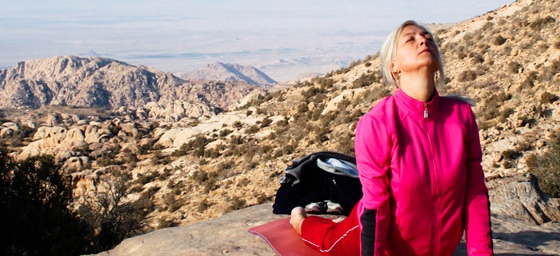

 Why grow apples in Lebanon when hashish and cannabis is hundreds of times more lucrative? An overview of Lebanon’s unsustainable drug business in the Bekaa Valley.




 Need to put a good meal together but it’s too hot to cook? Here’s an easy menu for those hot-weather meals.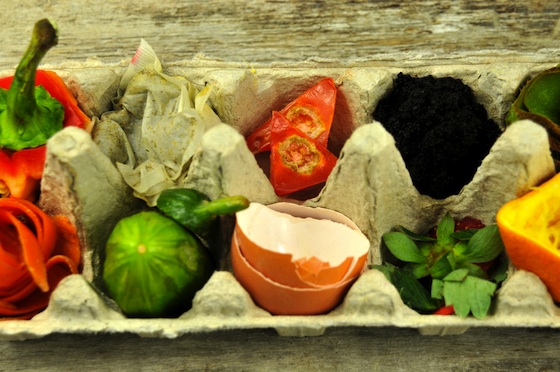



 An epidural could be the key to reducing PTSD in new mothers