Home Blog Page 411

BADIR Offers Young Jordanians a Shot at Social Change

1

coffee pictures, business plan
Are you a social entrepreneur in Jordan? Do you want to see positive change in your community? Here’s your shot to take your “green” project to the next level.

Green Prophet loves to broadcast the exploits of emerging social and environmental leaders.  Our writer Arwa introduced Karim Elgendy, creator of the influential LinkedIn group Carboun, focused on sustainable building in the Middle East. Tafline told of Turkey’s tree-hugging blogger, Jennifer Hattam.   And I reported on Jordan’s youngest activists, encouraged to grow into better global citizens by visionary school curricula.  Now there’s a limited-time opportunity for youth activists to grab some game-changing support.

July marks the beginning of BADIR, a promising new initiative that aims to equip young Jordanian leaders with the skills and know-how to strengthen and scale up their social change ambitions. Launched by the International Youth Foundation (IYF) with support from Starbucks, BADIR is part of a global network of youth leadership development programs.

Sustainable Ramadan how-to guide

green guide ramadan

Green iftars, and sustainable ways Muslims can approach the holy month of Ramadan.

The holiest month of the Islamic year, Ramadan, occurs in a new month every year because the Muslim calendar follows the lunar cycle, not the sun. This Ramadan, many Muslims are looking at a new dimension of the month: our impact on the earth.

This is particularly important as we learn more about the effects of climate change, dwindling resources and, most importantly, decreasing access to fresh water around the world, which is a growing concern in many Muslim communities and countries.

Muslims believe that God has asked them to abstain from food and drink from sunrise to sunset during Ramadan. In addition to fasting, Muslims around the world aspire to attain spiritual contentment and come closer to God through increased prayer, meditation, helping others and self-reflection.

While fasting is the most well known aspect of the month, it is also a time to be more aware of the universal principles of mercy, compassion and respect for the Earth that our faith teaches.

In the Quran, God states that he has placed humanity as a “vicegerent on Earth” (2:30). Accordingly, Muslims believe that humans are called to protect, cherish, care for and respect the Earth and all of God’s creation within it. This theme was echoed in the life of the Prophet Muhammad. In one of his famous sayings, he states that even if the end of the world comes when you are in the middle of planting a tree, you should continue to plant it.

Sustainable iftars and mosques

During Ramadan, Muslims in the United States have been finding ways to make Ramadan more “green”, or environmentally sustainable, and reduce their impact on the earth. Nightly iftars, when Muslims break the fast, play an especially important role in this.

Throughout Ramadan Muslims gather for community iftars every night, with larger gatherings usually held at local mosques, sometimes with hundreds of individuals in attendance. Many Muslims have begun holding “Green Iftars,” also referred to as “Zero Trash Iftars”, which provide an alternative to discarding hundreds of pieces of disposable plates, cups, utensils and even food. Groups that implement the practice of “Green Iftars” make use of reusable or recyclable materials and aim to avoid any waste.

Some mosques, like Dar Al Hijrah and Adams Center, both located in Northern Virginia, educate their congregates on the importance of environmental sustainability and have set up recycling programmes to educate their members.

Other Muslims take a more personal route, striving to incorporate sustainable practices into their daily lives. Many individuals follow the Prophet’s advice that Muslims should only fill one-third of their stomachs with food, with one-third reserved for liquid and the final one-third for air, minimising the amount they consume.

Many also make conscious efforts to conserve water to the last drop, especially during the ritual ablution (called wudu) that Muslims perform before prayer. The conservation of water is a recurring theme within Islamic teachings.

In addition to avoiding wasteful practices regarding food and water, many Muslims also take stock of material possessions, reflecting on what is really needed and how our consumption patterns affect the world around us.

The Prophet emphasised to his followers that the act of giving up food and drink loses its significance without personal evaluation. Essentially, Muslims are encouraged to reflect on this question: what is the point of the physical act of fasting if our actions and words go unchanged?

While there are many higher values that Muslims strive to adhere to in their daily lives, the values of environmental consciousness and stewardship are particularly relevant during this month.

Now is the time for us to encourage ourselves, and those around us, to be the best possible stewards of the earth and to live as individuals who are compassionate and respectful toward the diverse and beautiful aspects of God’s creation. As humans, we are responsible for the world around us and we have a duty to strive to make the changes we wish to see.
Wapping Woman's Centre

If all of us, regardless of our faith tradition, were able to take stock of our personal connection with nature, and our consumption patterns, surely the world would be a different and much better place.

This article was written in 2012 by Ryan Strom, then the Communications Manager for Green Muslims, a DC-based organisation that seeks “to provide a unique and organic source of environmental leadership, inspiration, awareness, and direct action within Muslim communities.” 

Update by Green Prophet editors 2023: this calendar from Green Muslims in 2022 lists some ideas for each day of the month. Not much has changed in the world with what we can do, since then. A few we pulled out:

  • Green your investment portfolio – invest in companies that create renewable energy, for instance.
  • Plant a vegetable garden, or start a community garden.
  • Join your mosque’s green team or start one.
  • Eat less
  • Look for more natural home cleaning projects.

Israel’s Water-free Miracle Toilet Wins a Bill & Melinda Gates Foundation Grant

sanitation, clean tech, Bill & Melinda Gates, green design, sustainable design, eco-design, waste water treatment

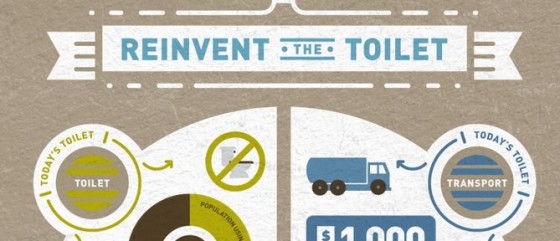
Flush toilets create a real stink in slum communities. Not only do they require often non-existent sewage connections for safe disposal of waste, but they also drain already scarce water resources – no matter where they are. So the Bill and Melinda Gates Foundation launched the “Reinvent the Toilet Challenge.”

This initiative aims to reward innovators who design a modern system that requires no water or energy, leaks zero pollutants but recovers nutrients, and which costs no more than 5 cents per person per day to run. Sound impossible? Not for the developers of Ashpoopie – a secret formula that turns dog poop into ash within seconds.

6 Ways to Make Your Conference Go “Green”

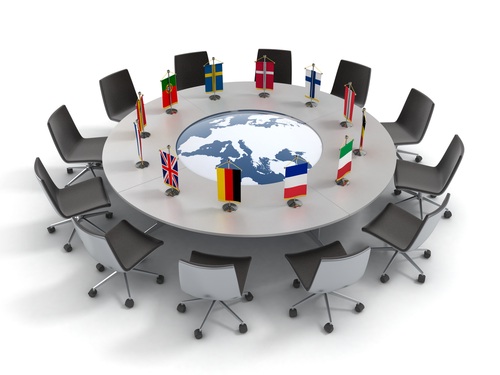
green environment roundtable image conference picture
All conferences, regardless of their topic, are inherently unsustainable. International events with attendees and speakers from around the world often leave an enormous carbon footprint before they even begin, mostly due to guests’ air travel. And, when the events do begin, their operations often consume enormous amounts of energy and produce massive quantities of waste.

Take the 2009 United Nations Climate Change Conference in Copenhagen as an example. Despite its noble mission to decrease the effects of climate change and promote sustainability, according to estimates gathered by the UN Framework Convention on Climate Change, the conference actually generated a larger carbon footprint than any previous climate summit: 42,000 tons of carbon mostly due to air travel.

The event had to also provide several units of temporary housing, which wasted energy due to poor insulation and the use of oil heaters. Furthermore, most of the conference’s power was derived from coal, one of the world’s least sustainable energy sources.

Overcoming these environmental challenges is not easy, but can demonstrate a conference’s commitment to responsible action (and save on several key costs).

Lebanon’s Severe Pollution Contaminates Cheese and Meat – Watch What You Eat!

2

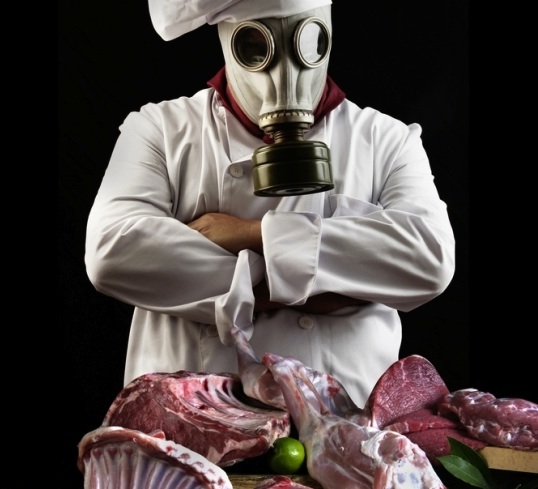
Lebanon is suffering from a serious crisis of E. Coli and listeria contamination thanks to unhygienic conditions and polluted waterways.

Following the national uproar in Lebanon when large amounts of rotten meat and dairy were found at some of Beirut’s top restaurants and supermarkets, researchers at the American University of Beirut (AUB) carried out a study on levels of bacterial contamination in Lebanon’s meat and dairy products. The lead researcher and environmentalist Rabih Kamleh explains how the findings reveal worrying levels of harmful pathogenic microorganisms such as Salmonella , Listeria and Escherichia Coli in Lebanese food. As far as dangers go, cheese “smells” the worst. 

Break Your Ramadan Fast With Fair Trade

2

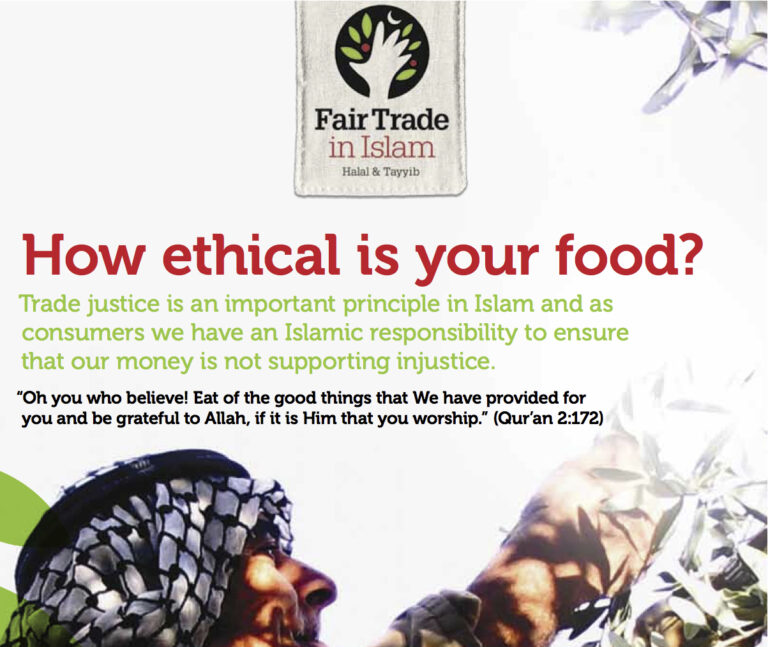
ramadan-fairtrade-food-ethical-made-UK-palestine fair trade, islam, muslimsMADE is encouraging Muslims to embrace ethical living this Ramadan and to break their fast with Fair-trade

A UK-based organisation called MADE is asking Muslims to look again at the way that their food is traded and to consider going Fair-trade this Ramadan. As they explain, whilst many Muslims are concerned about whether their food is halal or not very few investigate whether it has been ethically traded. And yet, trade justice is an important principle in Islam and Muslims have a responsibility to ensure that they do not consume products that contribute towards injustice.

Cardboard Bike from Israel Makes Cycling Even Greener

15

cardboard bike israelIzhar Gafni makes a bike from cardboard for $9.

Engineers told Izhar Gafni that a cardboard bike was impossible. But he went ahead and made one anyway. An ardent cyclist and skilled mechanic, Gafni found a cardboard bicycle taking shape in his mind. American engineers he consulted solemnly nay-sayed, but he couldn’t let go of the idea, he told the Israeli tech blog NewsGeek (in Hebrew).

The burly man’s eyes twinkle under his mop of curly hair as he tells what made him push it forward.

“My wife told me, ‘If you’re not going to try it, you’re going to drive yourself crazy. Then you’re going to drive me crazy, then drive the entire family crazy. So just go ahead and try it!'” Encouraged by domestic support, inspired by origami, and remembering the success of another “impossible” project  – the creation of jumbo jets – Gafni took his skills and built a road-worthy bicycle out of corrugated cardboard sheets.

Bananas to Cure Our Minds and Bodies?

0

banana tree blossoms middle east
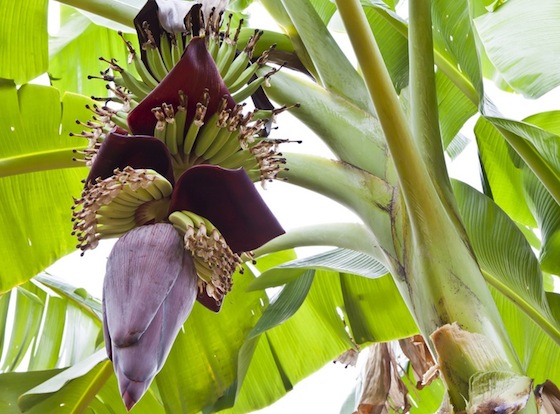
With the Muslim holy period of Ramadan now here and the Jewish fast day of Tisha b’Av (Ninth of Av) just around the corner, eating better and more healthy meatless food is on many peoples minds. In addition to frequent meatless recipes on Green Prophet, including one on special foods for the period leading up to the Ninth of Av fast day;  and  another  with  tips on 10 Best Ways to Eat More Halal, our food tips have called on eating plenty of bananas, a so-called ‘miracle fruit’ that is said to help cure many ailments in both mind and body.  Bananas are featured in an informative article by Ibn Al Qwaim in his web blog, HealthyMuslim.com.

Iran Considers Censoring Films Depicting Chicken Meals

1

sanctions, Iran, food, oil, inflation, censorship, chickenUS sanctions are putting such a strain on Iran’s poor that the government wants to censor films depicting hearty chicken meals, The Telegraph reports.

Worried that the image of their favorite dish (like this mouth-watering Maklubah) will be so incendiary that people who can’t afford to buy it will be inclined to attack the rich, Mr Ahmadi-Moghaddam, brother-in-law of Iran’s president Mahmoud Ahmadinejad, told a law enforcement officers at a recent conference in Tehran these films should be restricted.

EU Upgrades Relations with Israel, Energy Over Politics

EU, European Union, Israel, upgrade, relations, partnership, water, sustainability, energy, agriculture

In advance of the annual EU-Israel Association Council meeting on Tuesday, the European Union stated it will offer Israel upgraded trade and diplomatic relations in over 60 areas, including energy and agriculture. This offer will also grant Israel access to European government-controlled markets and enhance Israel’s co-operation with nine EU agencies.

This announcement came almost a week after the European Commission and Israel announced they are increasing cooperative efforts to develop sustainable water supplies and energy-efficiency, including oil fuel alternatives. Israeli Prime Minister Benjamin Netanyahu referred to the latter agreement as an important milestone between Israel and the EU.

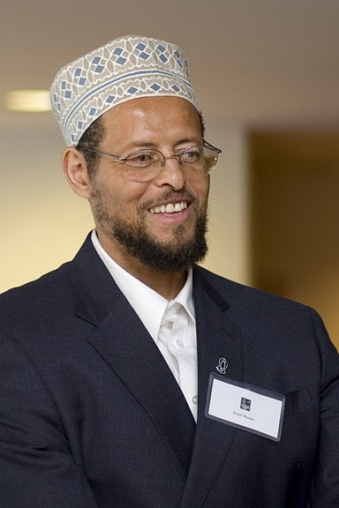
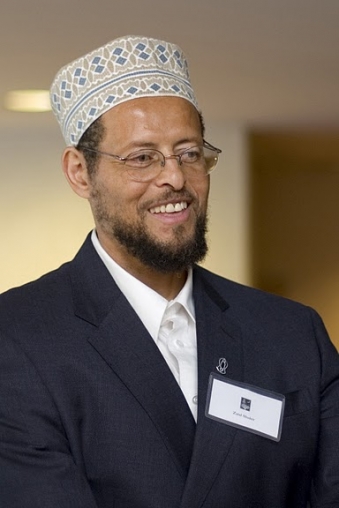
“Host Greener Iftars At Mosques” Is The Green Ramadan Message From Imam Zaid Shakir (VIDEO)

0
green ramadan green iftar

American Muslim scholar Imam Zaid Shakir encourages the Muslim community across the world to support their nation’s “Green Ramadan Initiative” by cultivating Green Iftars at your mosques.

The inter-faith organisation Green Faith are also hosting a Green Ramadan webinar later this July in which the eco-Imam Zaid Shakir will share just how to make fasting more environmentally friendly.

The importance of the community is the foundation to Islāmic society. The Prophet Muhammad is reported to have said each believer is like a brick, one supporting the other, in turn creating solid walls and together forming a sound structure that is resistant to shakes and changes. These changes also come in the form of climate change, pollution, toxins and harmful gases and acres of chemical compost.

Turning back to the beginning of faith is the root to finding solutions for our environmental downfalls. Many times, the most active of eco-campaigners criticise the faith groups for only talking about sustainability and green living with ‘hot air’. But this is a putative judgement.

Like Imam Zaid Shakir encourages, if one cannot walk the walk of green action, one should at least support those who do take the greener deen (path) and share the prophetic foundations of that lifestyle.

I have transcribed the video to capture the main points and for those short of time.

Egypt Resists Monsanto’s Genetically-Modified Maize

1

GMO, Monsanto, Egypt, transgenic crops, genetically modified foodWhen an insect feeds on Monsanto’s genetically-modified MON810 maize plant, it is in for a nasty surprise. Encoded within the seed’s DNA is an especially insidious insecticide called cry1Ab that causes the insect’s stomach to explode after ingestion. Given its brutal assault on pests, the modified crop is pitted by the agri-giant as the cure-all solution to international food shortages.

But an increasingly loud fervor has rung out across the globe against both Monsanto and their GMOs. Citing risks to biodiversity and super-bugs that require even more pesticide to control, some governments are resisting GM crops – including Egypt.

LEGO Mania Spreads to Lebanon’s Crumbling Capital

1

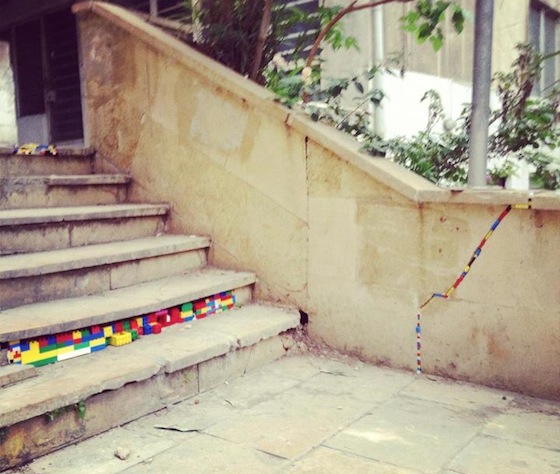
LEGO, Beirut, urban intervention, design, pollution, artWe are in the midst of a global obsession with LEGO building blocks. No longer strictly a childhood toy, these colorful plastic blocks designed by Denmark’s Kristiansen family in the 1930s are popping up everywhere: corporations are building the tallest this and that in order to market their products and artists are using them to revitalize decaying urban environments.

Now the phenomenon has reached Beirut – that sprawling concrete jungle populated by precarious buildings. One such structure collapsed earlier this year, killing more than a dozen people. Clearly this is more than just a cosmetic issue, and the street art collective Dispatch Beirut has decided to do something about it.

Dinner in the Blue Sky: But is it Green?

0

dinner in the skyThis venue offers dining that’s head and shoulders above the rest, literally.

Dinner in the Sky is a self-contained “restaurant” comprised of  tables, seats and kitchen on a platform that’s lifted skywards by a construction crane. Restaurant lifespan is fleeting, usually commissioned as part of a special promotion or business event. The system has also been used as a sky-box overlooking concerts, sports events and some of the world’s most splendid skylines.

So, who’d fork over the “green” to eat in mid-air?  Mostly companies aiming to stage unique events for VIP clients, but also plain old folks with money to burn. I heard of the installation when it popped up in Dubai’s Habtoor Grand Resort in 2009.  Crazy friends sent even crazier pictures of their feet dangling 55 yards above the beachfront. Habtoor was the world’s first 5-star hotel to feature the venue.

Last year in Beirut, Dinner in the Sky hosted ten celebrity chefs in a five-day culinary summit, which Forbes Magazine voted one of the world’s most extravagant meals. The company has had successful installations in Riyadh, Jaffa, Jerusalem, and Istanbul. One is now happening in Jeddah.

Nuclear Updates from Jordan, Egypt and the UAE

2

nuclear-protest-jordan-egypt-uaeFrom growing protests in Jordan and Egypt to the first ever approved plant in UAE – we have the latest on nuclear from the region

Jordan’s nuclear ambitions, which have faced a particularly rocky time over the years, encounters more drawbacks. Not only was the nuclear programme declared ‘hazardous and costly’ by a parliamentary committee last month, there is now a growing wave of protest against the nuclear plant. A petition was delivered to the South Korean embassy in Amman asking the South Korean business consortium tasked with building the nuclear reactor to stop work. Protestors insist that the nuclear reactor jeopardises public safety and ignores international regulation.