Home Blog Page 399

Are LED lights a health hazard?

5

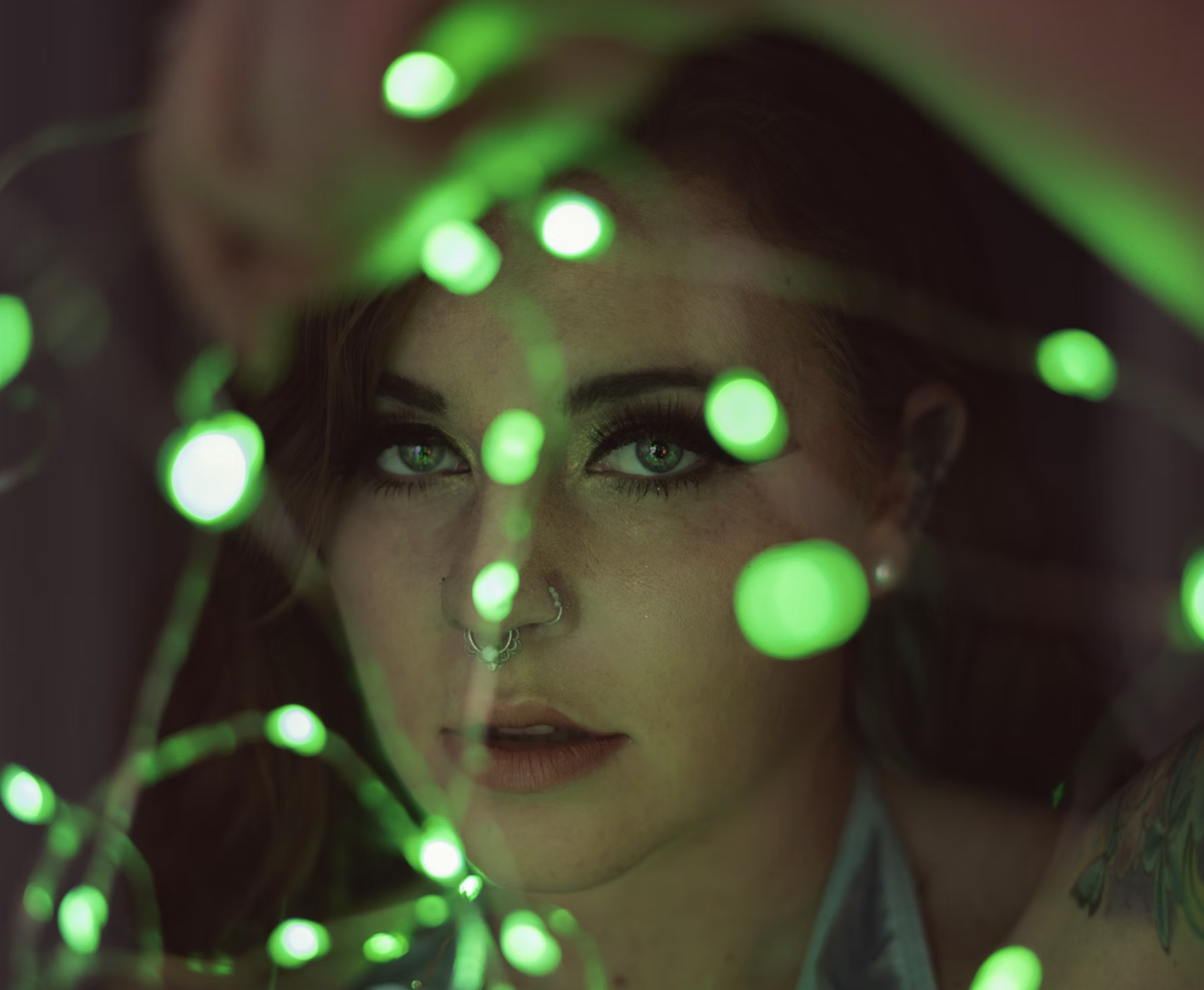
LED lights on a woman's face, green lights, nose piercing

In teddy bears, iPhones and baby sleep monitors: turn off those LED lights at night before they affect your sleep cycles and health!

Professor Abraham Haim, an authority on the biological effects of light pollution, presented his findings at the International Congress of Zoology (ICZ) in Haifa Israel.

World experts discussed, “Light Pollution and its Ecophysiological Consequences” and came to a consensus that light pollution does have health consequences.

Professor Haim’s team studied the effect of night light on blind mole rats and seeing rats.  He presented his research findings indicating that the biological effects of nocturnal lights included damage to metabolic rates, body mass, oxygen consumption and the level of certain hormones including melatonin– which is known to impact sleep cycles and mood and is believed to suppress some cancers and tumors.

Studies seemed to indicate that the short-wavelength blueish light emitted by Light Emitting Diodes (LEDs) has an especially strong effect. Ever since humans brought light into their homes in the form of candles and oil lamps, we’ve considered artificial lights to be a positive influence in our lives.  World religions reinforced this belief with the miracles of menorahs, eternal flames and the light of the world.

Up through the invention of incandescent bulbs indoor lights had a color which was warmer (redder) than natural sunlight.  This changed somewhat with the advent of greenish florescent lights.  But a more dramatic change came very recently with the invention of efficient white light Light Emitting Diodes (LEDs).

The history of LED lights

H.J. Round was working in the UK’s Marconi labs when he noticed electroluminescence of a cat’s-whisker silicon carbide diode in 1907.

LEDs which followed in 1927 were so dim as to be impractical until Biard and Pittman of Texas Instruments made the first practical red LED in 1961.  The color of an LED is proportional to the bandgap voltage which is proportional to energy which is proportional to the chances of burning out your LED before you can say, “Hey, look what I invented!”

Decades passed with only dim red and yellow-green LEDs commercially available.  Finally in 1993 Shuji Nakamura worked for Nichia Corporation in Japan and combined blue LEDs with a yellow-white phosphor to produce the first white light LEDs.  He moved to the University of Santa Barbara and won the millennium prize for inventing brighter green, blue and white LEDs as well as the blue lasers which make blue-ray video players possible.

The problem with LED lights

We may have learned this in grade school, a perfect mix of the primary colors red, blue and green will make white. Existing red LEDs along with Nakamura’s bright green and blue LEDs finally made this possible.

Only that’s not how most white LEDs work.  After years hovering just the other side of impossible, blue LEDs became more efficient than their red and green grandparents.  So most white LEDs are actually deep blue LEDs with Nakamura’s yellow-white phosphor coating.  Yellow-white + blue = white.

But even though our eyes try to average it out, the strong blue spectral component remains.  And that’s where the trouble comes from.  It seems that the human biological clock evolved around fire so isn’t as easily fooled by reddish-yellow incandescent lights. Blue light is different: As soon as it hits our pineal gland, our melatonin levels fade and our biological clocks are reset to wake-up time. That’s all fine if you’re only exposed to blue light shortly before sunrise.

But blue-white LEDs aren’t just inside eco-efficient LED fixtures. They’re in your television and the mobile phone you use to checked your Facebook status and the iPad you use to read your bedtime novel. My son’s teddy bear, baby monitor and night light all contained blue or blue-white LEDs. And all of these devices emit enough blue light to potentially effect hormone levels and sleep patterns or cause other biological effects.

Alternatives to LED lights?

Electron Stimulated Luminescence (ESL) lights are one alternative which can replace both mercury-laden CFLs and expensive blue-white LEDs but they aren’t yet easy to find and their bulky shape makes them a poor fit for many of the tight spots where LEDs shine.  It is possible that by refining LED composition and control circuits, an efficient white LED will be invented which does make use of a warmer balance of red, green and blue LEDs.  LEDs are rugged, efficient, long-lasting and very bright but nearly every new technology has a hidden downside which must be studied and balanced against the advantages.  LEDs are no different.

Saudi Oil Wells May Run Dry By 2030

4

saudi-oil-well-run-dry-2030According to a 150-page report by Citigroup, Saudi Arabian oil could dry up as early as 2030 which is a lot sooner than previously thought

The high consumption of oil in the Gulf nations for air-conditioning and desalination means that oil wells are likely to run dry a lot sooner than expected. That’s the news coming from a report by Citigroup which states that Saudi Arabia could be an oil importer by 2030. Local Saudi consumption is skyrocketing with residential use making up 50 percent of demand and over two thirds of that goes to air-conditioning. Saudis are also consuming 250 litres of water per person per day – that makes them (rather shockingly) the world’s third largest water consumer – and most of that water is from energy intensive desalination plants.

Rosh Hashanah recipes for vegan, veggie and aware people

4
Apples Jewish new year
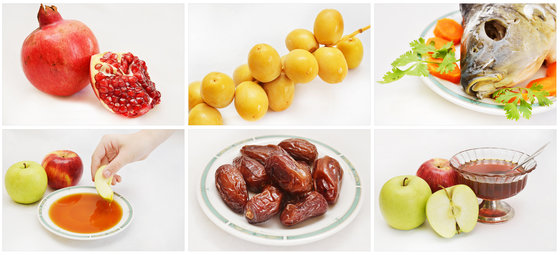
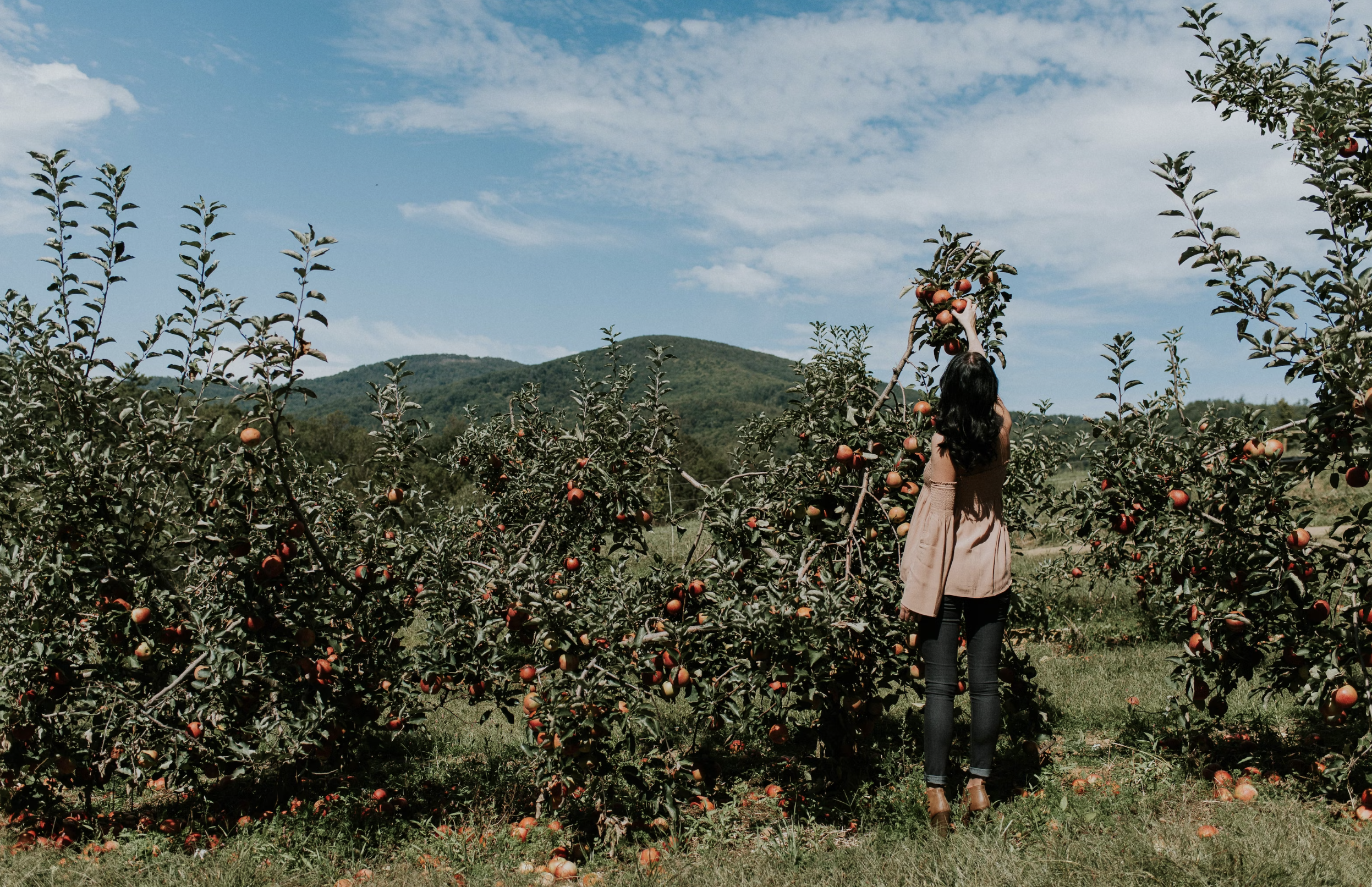
Apples picked by hand is a good way to start the Jewish New Year. Add some honey and voila. Rosh HaShanah’s Symbolic Foods are only the start of the Jewish New Year’s feasting. Apples are a big part of the deal.

While the Jewish new year is a time for contemplation and prayer, there’s nothing sparse about the festivities. Families gather together to feast in the late morning and again in the evening, after blessing the day with wine. The family cook often starts feeling overwhelmed with the quantity of cooking that takes place. To help plan menus, view our roundup of festive recipes for some splendid holiday meals.

For vegetarians

For vegetarians, or for a dairy break in the middle of the two-day round of fancy meals, try some of these meat-free ideas:

food, health, freekeh, grain, quinoa, slow food, sustainable food, ancient middle eastern grain

5 Fresh Fig and Cheese Recipes

A medley of links to recipes featuring super-food Freekeh

Salads for Rosh Hashannah:

Pomegranate-Nut Salad

Chickpea and Artichoke Salad

Easy Moroccan Orange Salad

Freekah, Feta and Fig Salad

For those who eat a bit of meat, try these poultry dishes:

Poussins Stuffed with Pine Nuts and Rice

Makluba, Arabic Upside-Down Chicken and Rice

Persian Chicken in Walnut Sauce

Desserts for Rosh Hashannah:

image-honey-cookies

Honey Cake

Honey Cookies

Silky Malabi pudding: keep malabi dairy-free by substituting coconut  or almond milk.

A Condiment, a  Dip, and a Spread:

image-pomegranate-molasses

Home-Made Pomegranate Molasses

Baba Ganoush

Pesto

Beverages:

Almond Milk

Honey Beer

Make Turkish Coffee Like a Native

More  Rosh HaShannah Goodies on Green Prophet:

Clothing Laced With Live Bacteria is Weirdly Cool

0

bacteria, eco-couture, israel, design, fashion, green design, sarine zakenSarine Zaken is the world’s first designer to incorporate living bacteria into clothing and jewelry that people can actually wear! A third year student at Shenkar College of Engineering and Design, the young Israeli fantasized about incorporating something alive into her final project.

While that may seem a bit creepy at first, a chance encounter led her to Professor Eshel Ben Jacob, whose work with a unique bacteria called Paenibacillaceae completely revolutionized her design approach.

Solar-Powered Doomsday Clock Counts Down to 12-21-2012

1

solar power, cleantech, 2012, Mayan calendar, end of times, Times Square, New York, Doomsday Clock, O*GEDesigners from Israel hope to install a solar-powered doomsday clock in Times Square, where it will count down to 12-21-2012. Using cutting-edge technology, including concentrated photovoltaic power and LED lights, the glowing four meter globe is designed to harness humanity’s attention in the lead up to the so-called end of times.

But there’s a twist. The creative might behind O*GE are smart, reasonable people who aren’t going to blow their life-savings before the Mayan calendar ends. They’re not drafting goodbye texts because the sun’s December solstice is due to align with the center of our galaxy. Instead, they’re planning to stage a massive party to usher in the seconds, minutes and hours expected to follow 21h12, 12-21-2012. 

Jordan Websites Go Black to Protest Pending Censorship

2

jordan
Within 24 hours Jordan may become the latest Arab nation to muzzle media freedom if Parliament passes a bill to censor internet access in Kingdom.

New amendments to the Press and Publications Law would require online news sites to register with the government, obtain costly operating licenses from the Ministry of Information, become members of the press association, appoint a chief editor and pay annual membership fees.

According to Avaaz,  a global web movement dedicated to bringing  “people-powered politics to decision-making everywhere”,  the expanded ministerial powers could gag Jordanian bloggers, restrict or block public access to international sites and allow governmental monitoring and potential restriction of individual blog comments.

Activists conducted SOPA-inspired website blackouts last week and they’re staging sit-ins today and tomorrow to halt the censorship.  Participating websites include JeeranJo24Wamda, and BeAmman, and a few hundred others. The goal of #BlackoutJo is to attract sufficient attention from mainstream media outside of Jordan to convince the government to withdraw its draft bill.

Will Building Catastophes Make Smarter Occupants?

0

beirut building collapse
Laurie escaped from the Trade Towers 11 years ago and as a building expert looks critically at standards in the Middle East. 

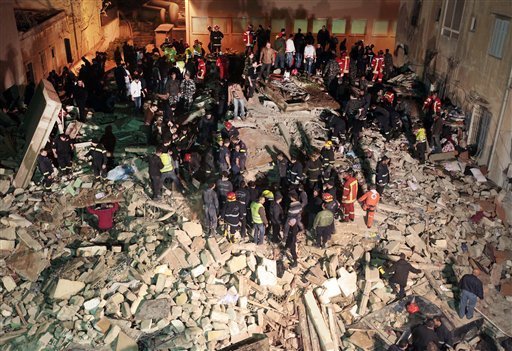
Building codes ensure that a  properly constructed building will safely stand up to predictable wear and tear. Codes specify fire-resistant performance for materials and prescribe safe exiting requirements for occupants. But what guides human behavior in a building emergency? How would you make out in a crisis?  In short, would you make it out?  This question takes on new urgency in the Middle East: Last July, firefighters battled a blaze that erupted in Manama, Bahrain’s capital city, destroying hundreds of shops in the popular Isla Town Market. Over 500 stalls were destroyed in the five hours it took to bring the blaze under control. In May, fire engulfed Doha’s Villaggio Mall, killing 19 people.  A 5-story apartment building collapsed in Beirut in January, killing another nineteen (see above photo).

I confess a strong personal bias on this topic, being one of fortunate thousands who walked away from the biggest building collapse in history. I trekked down the stairs of One World Trade Center with architects and engineers from my office (several who actually built the place 30 years earlier) and we building “professionals” barely knew how to exit.

The Dihzahyners Paint Up Beirut and it Looks Awesome!

0

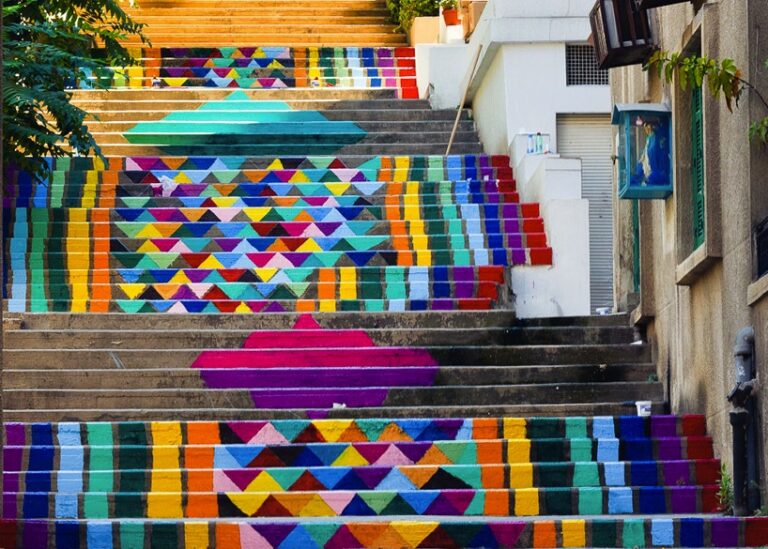
Beirut, Dihzahyners, paint, urban, art, design, We used to think of Beirut as a brown, concrete city lacking color and green space, but the Dihzahyners are challenging such dreary labels by painting the city white, pink, purple, green, orange and every other color of the rainbow.

A collective of artists and designers armed with buckets of paint (non-toxic, we hope?) and a whole lot of love, the group calls their current urban intervention “Paint Up.” They’ll be painting murals and steps throughout the city until 3 November, 2012. 

ARTE for Artisans of the Emirates – A Middle East Craftsperson’s Extravaganza

0

arte souk eyeglass cases
Not like Istanbul’s historic Grand Bazaar, the famous Emirati souk hosted by the Artisans of the Emirates, or ARTE,  is a baby – only seven years old.  But it has quickly grown from its humble beginnings of about 30 “artisans” or craft exhibitors from the United Arab Emirates in the network to over 3,000. ARTE “markets” are held at the public center of Dubai Festival City; ARTE “souks” are held in Times Square Center. These expositions are not everyday occurrences; usually once-per-month dates are advertised on ARTE’s homepage.

For example, the next souk event is scheduled for September 14, the next market event October 5, in their respective locations.  Usually, about 200 merchants set up shop on an exhibition day.

Israeli Meat Fed With Feces and Pumped With Toxic Contaminants

5

It takes only 38 days to raise a chicken for slaughtering – not a very nice existence

Eating meat products anywhere is under fire recently, including fears that humans are destroying the planet for beef. Even poultry products are under increased scrutiny, with all kinds of growth hormones, antibiotics, and even poisons like arsenic being fed to chickens raised in commercial poultry farms. Wost of all, processed meat products people buy in their favorite supermarkets are chock full of questionable ingredients, including the notorious transglutaminase otherwise known as “meat glue”. Read on to consider some very good reasons for buying a whole animal or meat from organic sources. 

Post-Oil Stagnation in Kuwait at the Venice Biennale

2

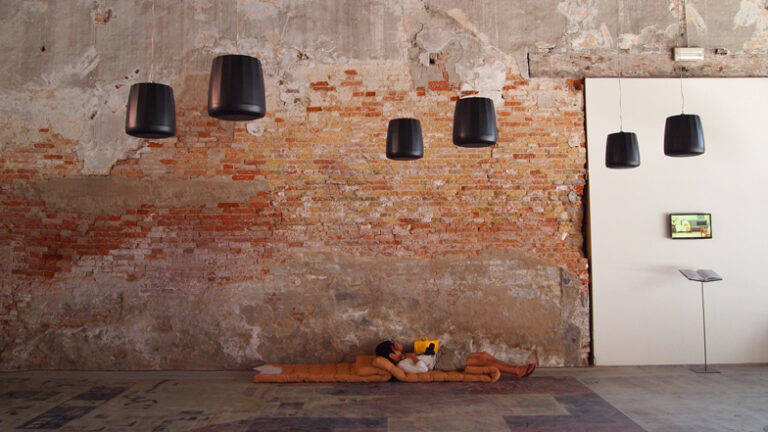
kuwait, Venice, Kethra, design, architecture, oil, developmentKuwait is making its debut at the 13th Venice Biennale this year, and they’re doing so with some serious style. The pavilion features a cavernous industrial space interrupted with dangling speakers, orange cushions and abandoned master plans, and it was commissioned by the National Council for Culture, Arts and Letters (NCAA).

Unlike many of the exhibits on display as part of this year’s “Common Ground,” Kethra, curated by Zahra Ali Baba, takes a bold, multidisciplinary look at the social stagnation that has emerged since the nation first stumbled upon oil. This pavilion even received a special mention from Paolo Baratta – the Venice Biennale president. 

Vandals Target Ancient Oaks and Pines With Chainsaw in Israel

1

treehugger oak trees israelTwo Carmel forest oak trees lay on ground after being cut down: photo by National Parks Service’s Nathan El Baz

It wasn’t enough that less than two years ago Israel’s Carmel forest areas suffered one of the worst fires in Israel’s modern history . Nearby communities like the Ein Hod artist village and Kibbutz Beit Oren suffered considerable damage to both property and forested areas. A new menace has now destroyed some of this area’s oldest oak trees. This menace, in the form of sheer vandalism, has resulted in the cutting down of eight large trees, some of them indigenous oak trees said to be hundreds of years old. 

Peak Helium – Is the Party Over for this Resource?

0

helium balloon

Silver, gold, oil, stocks, bonds, real estate!  I won’t pretend to know more than the investment experts, but many people lost a lot of money following their advice.  Why have these experts overlooked a resource that is guaranteed to rise– even if only within the confines of a lost balloon?  Yes I’m talking about helium!  Helium (He) is the second lightest element with an atomic number 2.  Unlike hydrogen, which destroyed the Hindenburg, helium adds non-flammable fun to birthday parties.  It also cools superconducting magnets in MRI medical scanners, helps with the manufacture of microchips and makes everyone sound just like Donald Duck.

Turkey Starts Buying Kurdish Gas Over Baghdad’s Objections

5

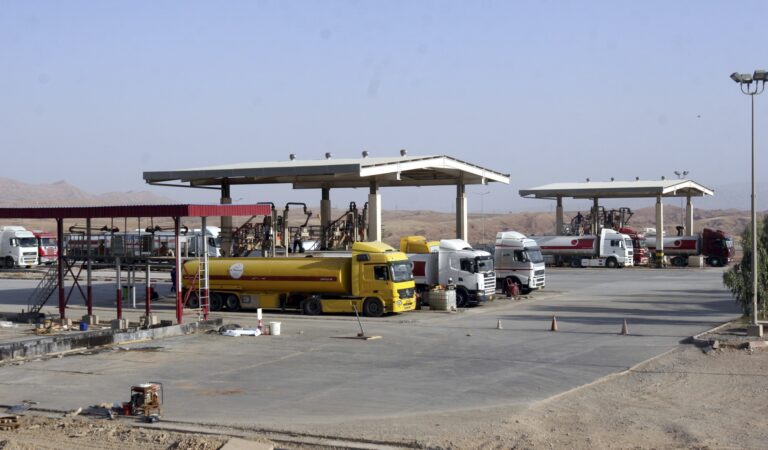
oil tanker arbil turkey BaghdadDefying the Iraqi central government, the Kurdistan Regional Government (KRG) has begun selling gas directly to Turkey. Crude oil sales will also begin soon.

Five tankers crossed the border from the KRG into Turkey in July, marking the first exchange of oil or gas between the two governments. The trade was just a harbinger of a bigger hydrocarbon trading relationship between them, according to a recent report in Reuters. For Turkey, the KRG represents a new source of oil and gas imports, to which Turkey has long been addicted. For the KRG, the opportunity to trade with Turkey is a way of flaunting its independence from Baghdad and demonstrating the value of its resources.

The Lebanese Cedar Survival Passes Tipping Point?

0

Lebanese cedar tree, climate changeThe cedar tree, Lebanon’s national symbol , has been for centuries overused by various civilizations. Reforestation might not bring them back from the brink. 

The Cedar of Lebanon, Cedrus Libani, is an evergreen coniferous plant native to Lebanon, Syria and southern Turkey. Cedar forests once covered the entire Mount Lebanon chain but the cedar,an emblem of Lebanese patriotism, now represents only 2,000 hectares (0.4% of original estimated forest cover).

The history of Lebanon’s cedar tree decline is long. The superb quality of the cedar wood in terms of color, hardness, fragrance, resistance to insects humidity and temperature has made it one of the most sought after raw materials, resulting in mass deforestation. The sheer significance of the cedar of Lebanon to various civilizations and religions can be illustrated through its uses.