Hurricane Sandy bulldozed my home coastline with a ferocity rarely seen outside the big screen. It ploughed through lives of friends and family, shredding homes, floating cars, and drowning pets. We can debate the causes of climate change, but the increasingly damaging effect of extreme weather upon basic civil services is indisputable.
In a crisis, communication is paramount. Instant info exchange minimizes fallout and saves lives. So how long does an unjuiced laptop or cell phone last? Are you prepared to power them up if you lose access to the grid? Hurricane Sandy stranded my son for three days in his Hoboken apartment without water or electricity. His lifeline through the world storming outside was only as strong as his remaining phone charge. That’s a lot to hang on a simple battery.
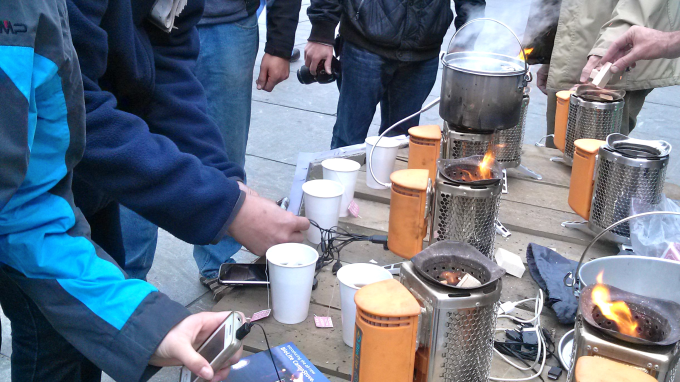
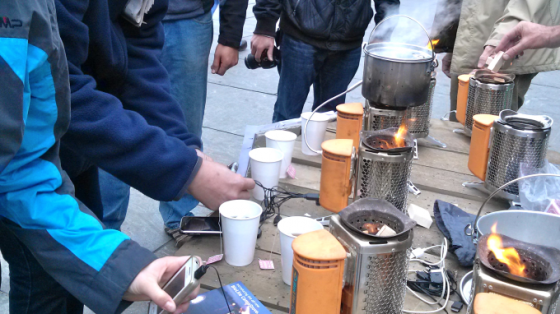
Here in Jordan, I’d been looking for ways to get involved with Syrian refugee camps: so it was surreal to see news footage of a product I’d identified for refugee aid put into action in New York City. In Sandy’s wake, with Manhattan de-powered and personal communication gadgets running out of steam, engineers from the BioLite company took to the streets to set up impromptu charging stations fueled by their tiny cookstoves. They loaded the units onto portable tables and offered people a chance to recharge their cell phones, served up with free cups of tea. It restored lifelines for a handful of lucky Manhattanites in a simple, accessible and environmentally positive way.