Home Blog Page 381

Morocco’s Berber Women Empowered by Rare “Miracle Oil”

0

argan oil, Morocco, "miracle oil", food, health, lifestyle, beauty productsWhen western women catch wind of a new “miracle oil,” the next super lotion that promises eternal youth and exquisite beauty, be sure that demand for the thing will soar. This is what has happened with argan oil, that illustrious “liquid gold” derived from a nut in Morocco, which is used in both culinary and cosmetic applications.

Rumored to be full of fatty acids, antioxidants and vitamin E, argan oil cosmetics produced in the Maghreb are now available throughout the world, and that is a good thing for the women who make them.

Bedouin folk medicine by Miriam Aborkeek

0

desert daughter bedouin, bedoin miriam aborkeek israel

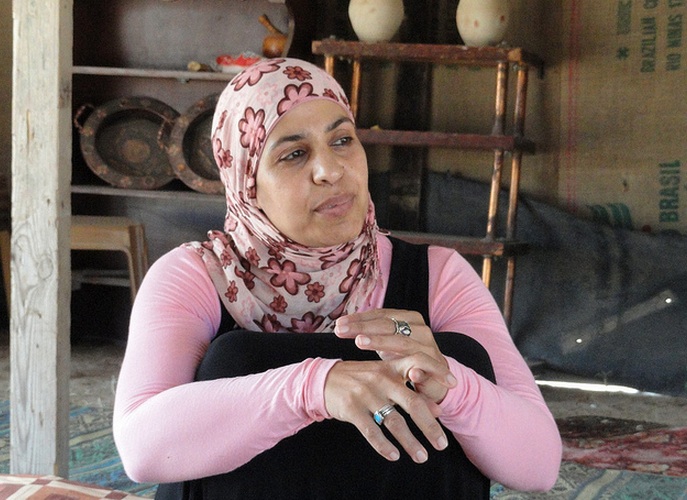
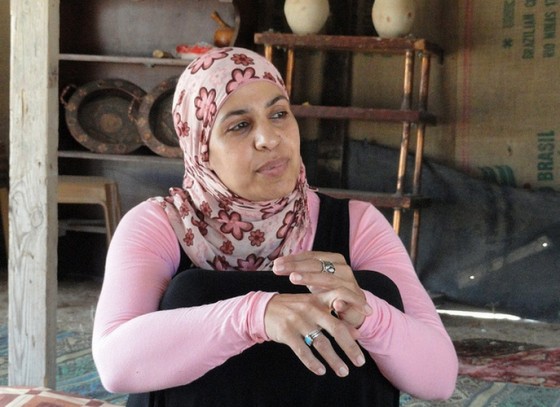
I had the pleasure of meeting this enterprising Bedouin woman, Miriam Aborkeek while on a Bedouin home stay and personal tour with Yeela Raanan of Bedouin Experience in Israel. Here’s Aborkeek’s story about her natural cosmetics company Desert Daughter:

Once, Bedouin women roamed with the seasons, foraging for plants and helping graze animals where the rains were kind enough to leave water for the desert to lay down roots and turn green. Like in any traditional society, the Israeli Bedouin had their healing secrets from the tribe: tinctures and cures, and herbal remedies based on nearby plants. These secrets were handed down from woman to woman.

But in Israel, as in other westernized cultures, that traditional Bedouin wisdom is being lost and forgotten. Now an Israeli Bedouin woman has reversed her role in life, going from traditional to modern, back to traditional, with a twist.

This is the story of Mariam Aborkeek, a Bedouin woman from Israel’s Negev Desert who has refused to marry, instead giving her full attention to turning Bedouin natural healing remedies into an international business called Desert Daughter.

Aborkeek was different than most Bedouin women from the outset. She was born in a multigenerational tent in the planned Bedouin town of Tel Sheva beside Beersheva. That part of her story is typical. But while most Bedouin women from her time were married young, and didn’t learn to read or write, she was off to London to study for a bachelor’s degree in marketing. This was more than 15 years ago, says the 40-something Aborkeek.

She traveled far to realize that what she needed in life was close to home, in the Israeli desert.

In the early years in London she didn’t look back to the days of communal tent living, but was happy to have access to modern fashion and fancy cosmetics, soaps and creams. She would bring some of these products back to her family in Israel.

desert daughter bedouin, bedoin miriam aborkeek israel

But with this desert daughter out of her native environment, she started noticing her skin was itching and breaking out in spots. Maybe it was the preservatives or chemicals in the Western products she was buying? She thought of her grandmother and the natural products and creams the elder would brew as the tribe’s medicine woman.
desert daughter bedouin, bedoin miriam aborkeek israel

Aborkeek grew up seeing her grandmother collect wild desert shrubs, turning them into tinctures and cures. So she went back to using products made by her grandmother to fix her skin.

Meanwhile, with encouragement from her organic-minded roommate in London, Aborkeek started bringing her grandmother’s preservative-free natural products back to the UK as gifts, where everyone was crazy about them.

“The soaps your grandmother is making are better,” her roommate told her.

“I realized my grandmother had so much knowledge inside of her,” Aborkeek tells us.

By the late 1990s, Aborkeek was making her own soaps and creams for the family, and today has a successful local business, with international buyers coming to her workshop in the desert to purchase her specialties.

In the beginning, her grandmother didn’t like the idea at all of “selling” traditional medicine — camel milk soap, black cumin oil soap, a joint relief oil that works well for arthritis, and a product that clears up skin.

Aborkeek convinced her that the products were also making women more beautiful. With her grandmother’s approval, she established the business in 2005. Her grandmother died later that year.

[youtube]http://www.youtube.com/watch?v=uFnEoQgdz0U[/youtube]

At first people in Aborkeek’s community made jokes about her. She took out loans and established her lab in her mother’s kitchen. Then when her family saw she was serious, her dad gave her a patch of dusty land on the outskirts of town on which to base the business.

A little white donkey also lives there under a tree, and today four other Bedouin women are employed by the company, which also conducts seminars on traditional Bedouin herbs and using them in products.

Some of the product trademark secrets include the use of nigella sativa, or black cumin oil, a cure-all remedy used in traditional Arab healing. There is also citrullus colocynthis, a desert shrub known for its analgesic and anti-inflammatory properties, which can help relieve joint pain. Mentioned in the Bible, it is also known as the colocynth, bitter apple, bitter cucumber, desert gourd, desert melon, egusi or the vine of Sodom.

This is one of the plants Aborkeek seeks when she goes out with the women in the spring to collect what they need and makes batches of products two or three times a year.
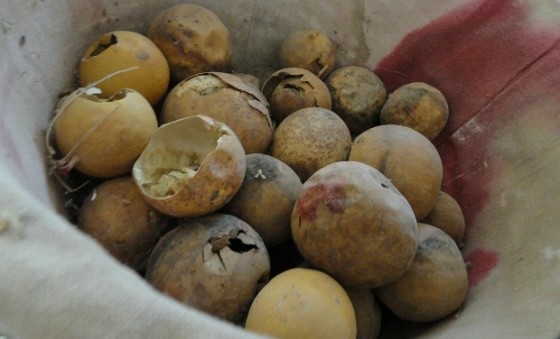
desert daughter bedouin, bedoin miriam aborkeek israel desert melonsDesert melon (pictured above) is one of the “secret” ingredients.

Picking desert herbs by hand for local use is a sustainable practice, says Aborkeek.

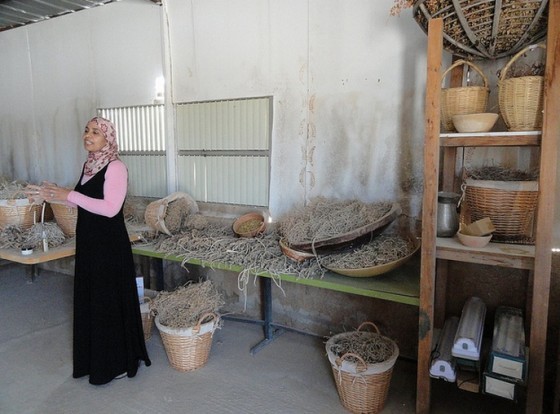
“Some herbs are actually becoming lost because people are not picking them,” she says. The act of picking herbs helps rejuvenate the plant, in some cases enough for its survival in the harsh desert territory, she points out. “We know how to pick them in a way so that next year there will be even more,” she says, gesturing over the baskets of drying herbs and twigs.

Some of her products are sent to stores for purchase, but mainly Aborkeek works with direct sales to customers where she can have a hands-on approach, explaining the benefits of her products.

She is also working on an online sales site so that she can sell her products to customers abroad, and is open to custom-making products to suit a particular problem.

Update Nov. 2020: the website is no longer in service. 

Read more on the pursuits of Levantine region Bedouin:
Egyptian Bedouin Maimed by Landmines
A Peek Inside the Bedouin Tent
Israel’s Bedouin Go for Solar Energy Power
Barefoot College for Solar Energy in Jordan
See How the Ladies of Lakia Weave Together Tales and Tradition

Egypt’s Inspiring Environmental Push

0

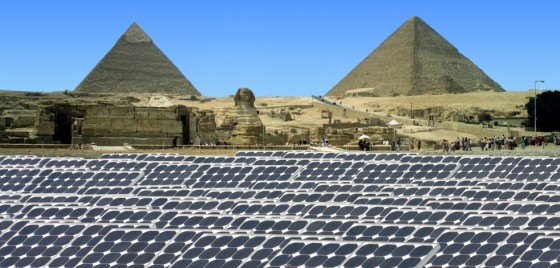
solar panels at the pyramidsSolar panels at the pyramids.

In the past two years since a popular uprising ousted former Egyptian President Hosni Mubarak, the question of sustainability, energy and overall environmental awareness has been as evident as a clean street in Cairo. Basically, it has been nonexistent. Actually, it had been nonexistent until recently. Over the past few months, Egyptians have been inching, ever slowly, toward recapturing the environmental spirit that had catapulted to the forefront of social issues in 2010.

Green Israeli Design for Russia’s Nikola-Lenivets Artist Community

0

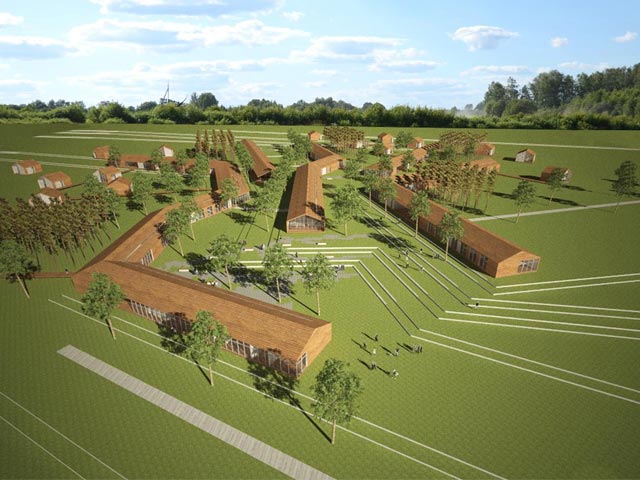
Talmon Biran, Russia, Nikola-Lenivets, clean tech, green design, sustainable design, IsraelIsraeli eco-innovation is spreading to all reaches of the planet, often sowing great green seeds where it touches down. The Tel Aviv-based architecture studio Talmon Biran sent us images of their entry into a recent design competition for the Nikola-Lenivets artist community in Russia’s Kaluga region.

Conceived in tandem with Anna Leshchinsky, the proposal calls for a condensed campus-style layout comprised of “floating” wooden structures that sit lightly above ground. Residential and communal spaces are separated and the whole facility is powered by rooftop solar panels.

Better Place EV Company May Turn Into EV Gas Station

0

shai agassi, natural resource manager bette place electric car company, Israel

Israel’s electric car company Better Place is going to experience an overhaul, and will manage its existing resources in a new way, according to Evan Thornley, the company’s new CEO who just moved to Israel from Australia. Instead of focusing on selling Renault-made cars and charge plans to keep them juiced, the company is going to seek new agreements with other EV car manufacturers worldwide so that Better Place charge stations and battery replacement points will be the center of a new business model. Over the past month and a half, Better Place’s global CEO Shai Agassi was ousted, and last week its Israeli CEO Moshe Kaplinsky decided to quit amidst speculation that the troubled company had become even more unstable.

A Better Place spokesperson wrote Green Prophet in response to Kaplinsky’s leaving:

Dramatic Bird Migration on View at Israel’s Hula Valley

0

cranes hula valley bird park israelThe Hula Valley Bird Park offers unique bird and nature-watching opportunities.

We birdwatchers sat in a covered safari wagon as lines of cranes criss-crossed the evening sky.  More and more cranes began to appear, and soon the air was full of  powerful-looking birds calling in hoarse, creaking voices.

Hundreds landed to roost in a field in front of us. We watched as the cranes stalked around on their long legs, making an ever-increasing ruckus with their anxious cries.

A red sunset glowed behind the mountains around the Agamon Hula Nature Park, and the mosquitoes came out in force. As night fell, the safari wagon swung around and away from the cranes’ “hotel.” All the birdwatchers sighed. It had been a glorious sight, and the end of several enchanted hours’ wildlife viewing.

Israel sits in the Afro-Syrian Rift, a bridge where three continents meet. We reported previously how over 500 million birds of 430 species fly through this land bottleneck on their twice-yearly migrations between Scandinavia and Eastern Europe to Africa. As a successful environment development program, the Hula Valley bird reserve is one of the world’s most important bird-watching sites. Surprises sometimes happen too, as when a rare frog, long considered extinct, appeared there.

‘Solar Mamas’ – A Film About Jordan’s Solar Energy Women

2

solar jordan rafea doha‘Rafea – Solar Mama’ marks a young mother’s battle to bring solar power to her village in the deserts of Jordan

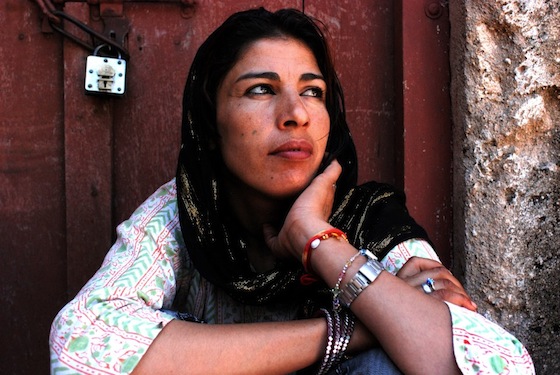
Green films have been making a real splash across the region right now. From Eco Qatari folktales about drought to hard-hitting documentaries about trash in Turkey, environmentally-aware movies have been on the up. Now, an award-winning documentary has being made about an inspiring young woman from Jordan who travelled to India to learn to become a solar engineer. Back in 2011, we spoke to Rafea Abdul Hamid who is the focus of the film, so you may recall that she is in fact still struggling to establish solar power in her village. The Doha Tribeca Film Festival will be showcasing the documentary called ‘Rafea- Solar Mama’ over the next couple of days as part of its MENA premiere.

Turkey Closes New Onshore Oil Well Near Cypriot Village After Water Turns Black

0

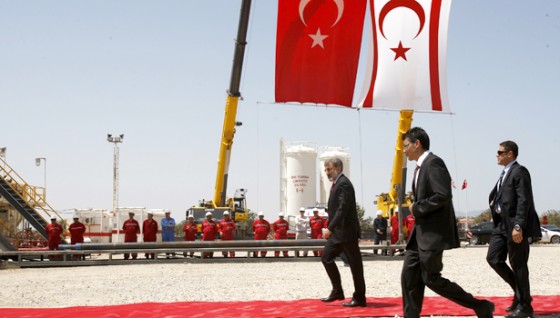
Turkish Energy Minister Taner Yildiz walks to the podium to speak during a ceremony marking the start of exploratory oil and gas drilling by Turkey in the breakaway Turkish Cypriot northern half of Cyprus, near Singrasi village, in April.

Turkey’s onshore wells near Singrasi came as hostilities ratcheted up between Turkey and the Cyprus Republic over ownership of the island’s oil and gas reserves. Now, local residents are concerned after black puddles appeared above ground around the wells, adding an environmental threat to the situation.

“Seeding” Clouds Produces 20% More Rain in the Middle East

17

seeding clouds, cleantech, water shortages, Gulf, United Arab Emirates, Middle East, geoengineeringWater scarcity is not a new dilemma in the Middle East, but as populations grow, desertification spreads and temperatures creep higher, leaders in the region are understandably concerned for the future. Poorer countries like Yemen or the Hashemite kingdom of Jordan are particularly vulnerable, while oil-rich nations can at least use their wealth to explore new technologies aimed at boosting groundwater supplies.

Which is how in 2002 the United Arab Emirates came to initiate a cloud-seeding program that allegedly increases precipitation by 20%.

Khat Addiction Threatens Yemen’s Future

khat, ghat, qat dealers in yemenThe poorest country in the Arab world is addicted to chewing catha edulis or khat leaves, which gives men, women and children, an amphetamine-like high.

Abdulmalik, a 13-year-old boy from Yemen’s capital city Sana’a, started chewing khat leaves at the age of seven. “My father would pass me small handfuls at weddings,” he told The Media Line. “But I didn’t start chewing every day until I turned 12 and started to work. Khat gives me energy for work. I chew khat everyday,” he said proudly, exposing the pesto-colored glob of mush packed into his cheek.

Indeed, each day after lunch, tens of millions of Yemenis from all strands of society devote at least three to four hours to the purchase and mastication of catha edulis, a tall-growing shrub native to the Arabian Peninsula and African Horn that produces an amphetamine-like high when chewed.

Fisker Karma Owner Aims to Debunk Fire Hazard Stories

0

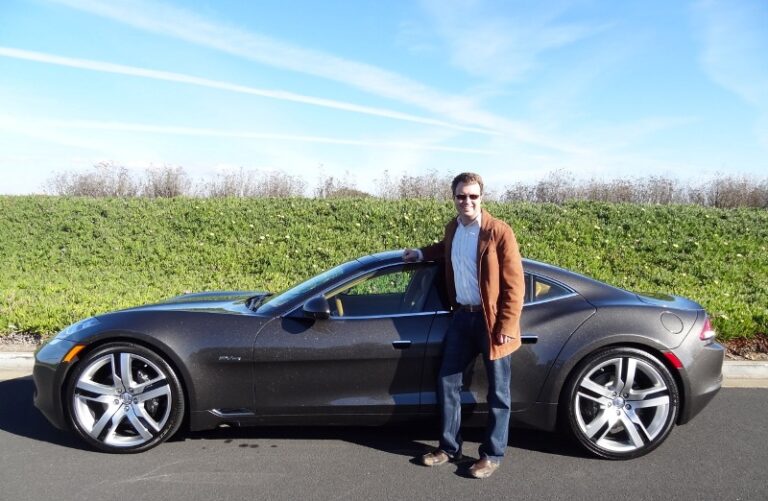
fisker karma, electric car fire hazard, EVWayne Westerman poses in front of his beloved Fisker Karma which is greener than his former Aston Martin DB9. He tells Green Prophet: there is no risk.

The Fisker Karma plug in hybrid electric vehicle, which is now being offered to buyers in several Middle Eastern countries, has been the subject of controversy. According to a recent report, 300 of them were destroyed when hurricane Sandy hit the northeast United States. This includes 16 that were said to have caught fire when flooded by sea water while they were waiting at a New Jersey storage lot to be delivered to purchasers who had ordered them from the California-based company. But loyal Fisker Karma owner Wayne Westerman aims to debunk any claims that these high class EVs are a risk. 

Qatar’s Solar-Powered Convention Center Cuts COP18 Carbon

0

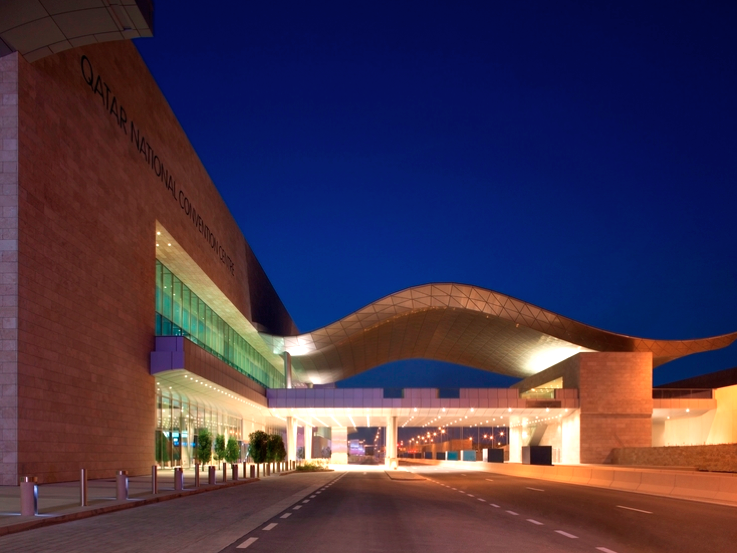
QNCC, COP18, climate change, Doha, Qatar, carbon emissions, UNFCCCEvery year it’s the same thing. Hundreds of delegates from around the world fly somewhere to agree to climate change solutions. Journalists bemoan the lack of progress, environmentalists criticize the amount of carbon emissions spewed into the atmosphere as a result and the public at large completely loses faith in the process. The UN Convention of the Parties meetings are, in short, pretty darn depressing.

The United Nation’s Conference of the Parties or COP 18 is scheduled to take place in Qatar from November 26 to December 7, which is ironic given that this tiny Gulf nation has one of the worst environmental records per capita in the world. But Cleantechnica suggests there’s reason to have a little faith, and it starts with a partially solar-powered convention center.

juwi Wind and Solar Plant in Egypt is Remote-Controlled from Germany

1

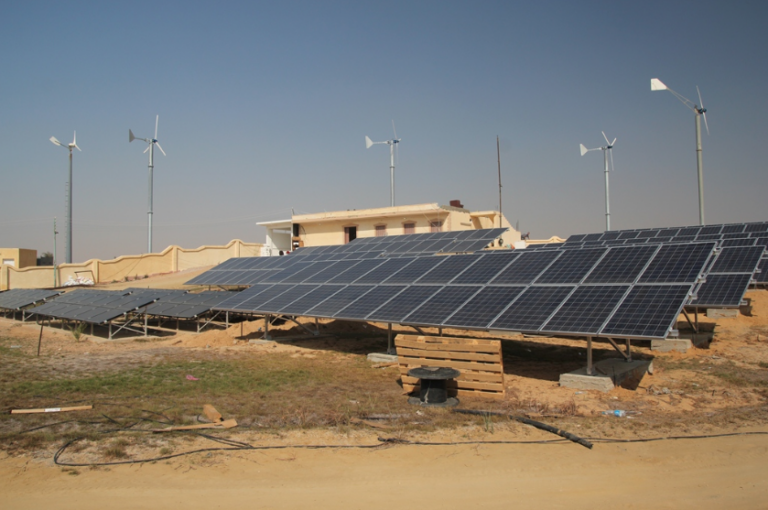
juwi, Germany, Egypt, Wadi El-Natrun, University of Alexandria, desalination, clean tech, wind power, solar power, agricultureGerman project developer juwi has installed their first combined wind and solar plant in Egypt to be used for desalinating and pumping irrigation water for farms and it is monitored and controlled remotely from Germany.

Located halfway between the bustling cities of Cairo and Alexandria in Wadi El-Natrun, the new plant is comprised of four 12 kilowatt wind turbines and a 50 kilowatt photovoltaic array, along with battery storage of around 500 kilowatt (KW) hours that allows farmers to pump water twenty fours hours a day, seven days a week.

The World’s Coolest Beekeeper’s Helper is a Donkey in Brazil

0

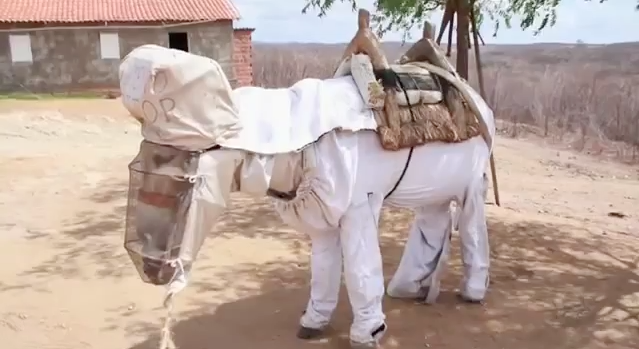
travel, nature, bees, Brazil, beekeeping, It might seem like I haven’t picked up an atlas in a while since Green Prophet is devoted to Middle Eastern issues, but this story about a Brazilian beekeeper and his appropriately-suited helper was just too sweet not to share.

After all, donkeys are essential to thousands of residents from Morocco to Yemen, and beekeepers from Lebanon to Turkey who keep vulnerable bee populations from descending into total collapse might benefit from this inspiring tale in the semi-desert region of Caatinga, Brazil.

4 Fs of Eating for Optimal Sexual Health

0

A plant-rich diet is best for your sexual and reproductive wellbeing.

The Mediterranean Diet is often hailed as an excellent choice for those who want to ensure lifelong vitality, fertility and reproductive stamina. This diet is noteworthy for what’s it in – whole grains, legumes, nuts and seeds, fresh fruits and vegetables, fatty fish and limited dairy, eggs and red meat – as it is for what’s not in it: processed foods. Others tout the value of vegan (“Vegan” is the new “Viagra” is a popular meme) and vegetarianism as best for us and our nether bits.

Whatever foods make it to your shopping list and table, there are some key ingredients that serve all foodies and lovers of aphrodisiacs alike. I call these the 4 Fs of eating for optimal sexual health.