
Home Blog Page 38

Sustainable Heating and Cooling: Eco-Friendly HVAC Solutions for the Conscious Homeowner

0
Ductless HVAC system for the home
Looking for a green, dustless HVAC system for your home?

Owning a home means investing in comfort, safety, and financial security. Keeping your property in tip-top shape is a way to protect those goals. But if you’re one of the growing numbers of eco-conscious homeowners, you’re also focused on reducing your property’s carbon footprint.

One of the areas where you can make a significant impact is by moving away from conventional HVAC systems. Your home’s heating and cooling equipment typically accounts for at least half of your energy use. By switching to environmentally conscious HVAC solutions, you’ll increase your property’s sustainability while maintaining its comfort and value. Below are a few ideas for eco-friendly temperature control to consider.   

Ductless Mini-Split Systems

hvac water
Ductless HVAC systems release water in the summer. Not the safest for your pet to drink, but okay if you top it up with mineral-containing water.

Chances are you already have central AC and heat. Although your equipment may be of the high-efficiency variety, you can lower your energy use even more. By moving away from conventional HVAC systems, you can only use the energy you need at the moment.

How? With a ductless mini split system, you can install separate units in each area or room of your home. These systems are often more eco-friendly than centralized solutions because you can adjust the temperature by zone. Instead of using energy to have the entire property at the same temp, you’re heating or cooling one area.

As you’re sitting in your living room on a steamy summer evening, you’ll keep your cool while binging. When it’s time to get some sleep, you can ramp up the air conditioner in your bedroom. Cooling in the other parts of your home can taper down so you’ll have less waste. You’ll also eliminate the need for pricey ductwork, including periodic cleaning and repairs.

Heat Pumps

Heat pumps can cut your electricity use for heat by as much as 75%, which is pretty substantial. Even if you live in a milder climate, you can experience colder temps that call for more than electric blankets. And while high-efficiency furnaces offer the promise of rebates and using less natural gas, you’re still dependent on fossil fuels.

Converting to a heat pump means the equipment is using air within or outside your home, depending on the season. If it’s warmer, the pump moves hot air outside. During the cooler months, the pump does the opposite. It moves air from the outside into your home to make it warmer.

Systems like these are known as air-to-air solutions. However, heat pumps can also be geothermal. These systems use heat from the ground to make your home more comfortable during chilly weather. Some heat pumps can use existing ductwork while others operate on the mini-split or ductless concept.

Solar Power

water ship yacht
A solar powered floating home

Living in an area with ample sunshine holds advantages besides promoting feelings of happiness. It’s an opportunity to use the sun’s natural energy to power your home. Solar panels, shingles, and windows are ways to make the switch.

Of course, you’ll want to enlist the help of the pros before you get the work done. They’ll be able to tell you how many panels you’ll need and what side to install them on. Contractors will look at obstructions to sunlight, including trees. They’ll gather data about your home’s size and energy needs.

If you decide to install solar panels, you may have the option of leasing them. This route can reduce upfront costs and might make sense if you won’t be in your home for decades. If you’re worried about potential damage from hail or the look of panels on your roof, consider more discrete options. Windows and roof shingles with built-in solar technology can help you convert while maintaining the same exterior appearance.

Swamp Coolers

Passive evaporative cooling techniques in buildings have been a feature of desert architecture for centuries, but Western acceptance, study, innovation, and commercial application are all relatively recent.

A swamp cooler works by using evaporated water to cool your home’s interior. These cooling systems use 60% to 80% less electricity than central AC units. However, swamp coolers work best in dry climates.

So, if you live in the southwestern United States, you’ll be in a better position to convert to a swamp cooler. In humid climates like Florida or the northeast, evaporative cooling systems may not work well. There are additional considerations such as the higher water use. Swamp coolers typically require between 3,000 and 12,500 gallons of water each year.    

Higher water use can be a concern in states where there are already supply challenges. Dry climates naturally get less precipitation, which can lead to tighter water restrictions. During droughts, the restrictions can be even more challenging. But if your home is smaller and uses passive cooling techniques, a swamp cooler could be a good fit. Passive cooling techniques take advantage of natural ventilation and shading to keep indoor temperatures comfortable.

Eco-Friendly Temperature Control

nest labs google
A smart thermostat by Nest

Your home is a haven from the outside world. It gives you a place to unwind, enjoy life, and protect you from the elements. A home can be more about the memories you make living in it than the structure itself. Still, conscious homeowners are also mindful of how certain changes can add to a property’s sustainability and market value.


A home’s heating and cooling solution is considered one of its major components. Indoor temperature control is a must in terms of comfort and safety. While conventional HVAC systems do a good job of maintaining both, the equipment is dependent on fossil fuels. This reality isn’t necessarily the most energy-efficient or realistic as governments introduce climate change initiatives. Switching to sustainable solutions is an investment in the property’s future.            

Apple “Jak” shoes are Portugal’s simple, slow fashion shoes selling at Selfridges in London

0
Jaks at Selfridges in London
Premium Portuguese sneaker brand JAK is set to make its highly anticipated UK debut, launching exclusively at the iconic Selfridges department store. Known for its minimalist aesthetic, superior Portuguese craftsmanship, and sustainable ethos, JAK is bringing its timeless footwear designs to the British market for the first time. The shoes are made from apple skin and natural leather.
Founded in Lisbon, JAK has built a loyal following across Europe and beyond, celebrated for its high-quality leather sneakers, ethically sourced materials, and direct-to-consumer model. With Selfridges as its first UK retail partner, the brand is taking a bold step into one of the world’s most influential fashion capitals.
Jak shoes make as slow fashion from Portugal out of apple waste and leather
“We’re thrilled to introduce JAK to the UK, starting with such an esteemed partner as Selfridges, our commitment to quality, design, and responsible production aligns perfectly with the values of the modern consumer. We can’t wait for UK shoppers to experience JAK’s understated yet luxurious footwear firsthand,” says Isabel Henriques da Silva Co-Founder & Creative Director of JAK. 
 
JAK will be available at Mens Footwear Department, 1st Floor Selfridges London from 14th April. The collection will also be accessible online via the JAK UK Website.
What we love about JAK: let’s start with apples…
 
JAK is a Lisbon-based footwear brand redefining premium sneakers through high-quality craftsmanship, sustainable sourcing, and timeless design. Designed in Portugal and crafted in family-owned factories, JAK shoes embody a commitment to style, comfort, and ethical production.
JAK firmly believe that it is possible to live more sustainably, consuming less and making better choices, for them and for the environment. Since 2014, on a daily basis, they question (and change) what goes into their products, where it comes from, how it is transformed and by whom. That is how they add value, that is how they make an impact.
Here’s the list of the most important materials in their products:
AppleSkin™ : From Italy, near Florence, Mabel Industries takes apple cores and peels and integrates them into a 550gr/sqm material with the same mechanical resistance as any other synthetic fabric. Made of up to 24% apple and 19% cotton. Each Kg of apple residuals used to substitute PU, saves 5,28Kg of CO2.
 
onSteam® Microfibre:  A vegan alternative where JAK  needed a high performance material. Oeko-Tex® Standard 100 certified and sourced in Arnedo, Spain. Incredible moisture absorption, 100% breathable, quick drying, ultra-soft feeling and Hypoallergenic. You can wear these linings from Moron without socks, all day and you can find them on all JAK vegan sneakers.
 
Leather:  JAK source leathers from Portugal and Italy, and only work with tanneries certified by the Leather World Group that comply with REACH regulations. We make sure our hides are sourced and tanned responsibly and sustainably and that we know where they come from, always as a byproduct of consumption with less impact on the environment and no harmful chemicals.
 
Leather Midsoles: Vegetable tanned leather midsoles. Only natural oils are used tanning this high quality cow leather. They age well, breathe better and perfectly adapt to your feet overtime. Sourced in Portugal.
JAK is a Lisbon-based footwear brand redefining premium sneakers through high-quality craftsmanship, sustainable sourcing, and timeless design. Designed in Portugal and crafted in family-owned factories, JAK shoes embody a commitment to style, comfort, and ethical production.
 
Organic Cotton Knit:  Certified GOTS organic cotton, sourced in India and Turkey. Knitted and dyed in Portugal, Barcelos by NGS Malhas according to the best in class sustainability practices, low water consumption and environmentally friendly dying processes. Your can find this fabric in their sweaters.
 
Organic Cotton Canvas:  Woven and dyed in Alicante, Spain and made of 100% GOTS organic cotton, this breathable and washable fabric presents the perfect combination of sturdiness, flexibility and softness. They use it on the uppers of their vegan sneakers.
 
SBR ECO Rubber Soles:  Sourced in Felgueiras, Portugal and made by Bolflex. These SBR Rubber soles incorporate up to 70% recycled rubber. They match a perfect balance between comfort, abrasion and flexibility resistance for a long and durable usage.
 
Cork: Cork is a 100% rapidly-renewable and recyclable natural resource and JAK use on the base of all their  sneakers. Cork is made of suberin cells, which are filled with an air-like gas that makes 90% of its volume. Cork is the perfect insulation material for shoes with added hypoallergenic & anti-fungal properties.
So much to love and wear proudly on your feet!

Make moss graffiti

5
moss grafitti how to guide, DIY, image of the word "grow" on a brick wall
DIY moss grafitti

Express your green views for all to see – right on the walls of your house, restaurant or office. It’s the hottest trend in urban agriculture, after hydroponics and vertical farming.

This way you can follow the customization trend and literally green your walls: create whimsically-shaped words and images out of live moss to decorate your outside walls.

moss grafitti how to guide, DIY, image of the word "grow" on a brick wall

The environmentally-conscious gardener adapts to the climate, as Jordan did with its brown golfing greens. Still, it’s not all arid desert and sand in the Middle East. Many countries here contain hilly, wooded areas where damp winters allow enough moisture for moss to thrive.

moss grafitti how to guide, DIY, image of the word "grow" on a brick wall

An underestimated garden ornamental, moss requires no fertilizers nor even watering after its established, making it a sustainable house decoration. Here’s the way to encourage the velvety green stuff to grow just the way you want it to.

moss grafitti how to guide, DIY, image of the word "grow" on a brick wall

Old buildings are ideal for this, especially those standing in damp, shady corners. You could leave a message of love, or a rant on life, or express political opinions in living moss. Or if you’re into The Lord of the Rings, write a graceful green rune in Elvish to cast a spell over those who might wander into your garden. It needn’t be limited to walls: moss being a tough, resistant plant, a living green message could also decorate a footpath.

According to the National Gardening Association, moss thrives in shady, moist, sheltered areas. It likes  filtered light, such as that falling through tree branches, and morning or late afternoon sun.

You need to either collect moss from an established patch (search your own or a friend’s garden) or buy some from a specialized garden center. Take it into your kitchen.

Moss Graffiti – What you need to DIY

1 can of beer

1/2 teaspoon sugar

Several clumps of garden moss

Tools for making moss graffiti

Recycled plastic container with lid

Blender

Paintbrush

Stencil with your design

Crumble the moss into the blender. Add the beer and sugar and blend just long enough to create a smooth, creamy consistency. Now pour the mixture into the plastic container.

Paint the moss blend onto a damp and shady wall, either free-hand or using a stencil. Water the new moss at regular intervals for the first month. Be gentle – don’t aim a hose at it, because that would wash it away.  And don’t fertilize; moss doesn’t like a rich environment. Soon the bits of blended moss should begin to grow together into a whole rooted mass. You’ll need to trim excess away once it begins to grow and stray out of your design area – or just let it go to become a green tapestry on your garden wall.

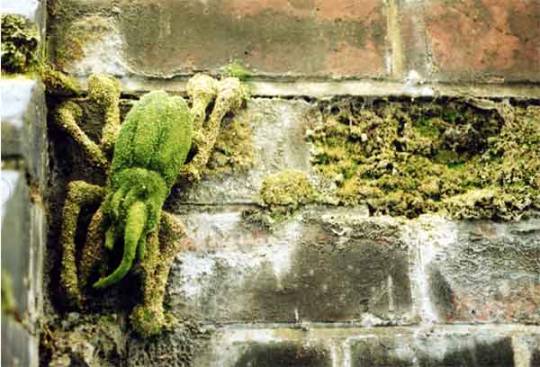
moss grafitti how to guide, DIY,squid

Got moss graffiti growing?

Now, read on for the world’s oldest terrarium here! 

Or how to grow an olive tree in a container. It’s easy! 

Trump’s “Shower Liberation” Proposal: A Disastrous Step Back or a New Path to Efficiency?

0

Trump water efficiency

For decades, Americans have been under the constraints of low-flow showerheads, a legacy of the 1992 Energy Policy Act, which aimed to conserve water. Now, former President Trump is advocating for deregulating showerhead standards, claiming it will “liberate” the shower experience.

Former President Trump recently took to the public stage with bold comments about shower regulations, saying, “I just had a shower, and it’s great. It’s really working well.” He went on to emphasize that modern technology should allow for more water flow without restrictions, comparing the current regulations to “having a beautiful head of hair” but being “stuck with a low-flow shower.”

Trump’s lighthearted remarks about his own hair underscore the frustration many feel about the inefficiency of low-flow systems—especially when paired with the desire for a more satisfying shower experience.

But as the debate around shower deregulation intensifies, we must ask: Could this push for longer showers really be a disaster for the environment?

Recent surveys reveal a shift in generational behavior, with Gen Z spending an average of 21.2 minutes (taking “everything” showers), nearly double the time spent by Baby Boomers, who average only 12.3 minutes. For those older than that, the time drops to about 5 minutes per shower.

This generational divide reflects broader shifts in how younger people view personal care and environmental responsibility. Many younger individuals see showering not only as a hygiene practice but as a therapeutic ritual.

While this trend may initially seem wasteful, it is critical to consider the context. Recent research from Swansea, Surrey, and Bristol Universities flips common sense on its head and reveals that shower length is not necessarily linked to excessive water use.

The group installed sensors in 290 showers around the University of Surrey Campus. Over the course of 39 weeks, they gathered data on more than 86,000 individual showers, including information on average shower length and water flow rate.

drink beer in long shower

NewNew

According to Ian Walker, a co-author of the study, these results point to an important showering behavior. “It suggests that people turn the shower off when they have achieved a desired sensation, not just when they have completed a certain set of actions,” he said.

The researchers also installed visible shower timers in half of the showers and found they were effective in preventing shower length from increasing as time went on. “We wonder if people ‘anchor’ on whatever is the length of their first shower, and stick to this when there’s a timer,” said Walker. The research found that the length of the showers was “quite variable,” with the average shower taking 6.7 minutes, the median 5.7 minutes, and 50% of showers lasting between 3.3 and 8.8 minutes.

Putting the findings together, the researchers saw water consumption drop from nearly 61 liters per shower in those with low pressure and no timer, to under 17 liters for those with a timer and high pressure. For showers with middling water pressures, a smart timer helped reduce water consumption by up to 53%. “This is hot water, so there are potentially massive carbon savings here,” Walker told Elemental.

In fact, their study shows that high-pressure showers equipped with timers can actually reduce water usage, even if they encourage longer shower times.

High-pressure systems help reduce the need for prolonged showers to achieve cleanliness, and the timers help users be mindful of their consumption. In these setups, a high-pressure shower with a timer used only 17 liters of water, compared to 61 liters with a traditional low-flow shower without a timer.

This research challenges the conventional narrative that longer showers inherently waste water. Instead, it highlights the importance of shower pressure and mindful consumption as key factors in reducing water waste.

Trump’s “Liberation” and What It Means for the Planet

Kramer loves long showers. So much that he makes salads while he is taking a shower
Seinfeld’s Kramer loves long showers. So much that he makes salads while he is taking a shower

However, Trump’s call to eliminate these water-saving regulations might be a step backward. The impact of deregulation could result in a marked increase in water and energy consumption across the country. This move could undo decades of progress in water conservation and sustainable infrastructure.

While Trump’s deregulation might come across as a quick fix, many celebrities have worked hard to promote water conservation, making personal sacrifices to set examples. Actress Jennifer Aniston, for instance, has been vocal about her eco-conscious habits, including taking shorter showers and even brushing her teeth less frequently to conserve water. Aniston’s efforts reflect a broader movement among celebrities to take personal responsibility for environmental sustainability.

Does eco-guilting work? It might in the tourist industry and at hotels where people take longer showers. Dr. Pablo Pereira-Doel, also from Surrey, said:

“Our research demonstrates that guests in tourist accommodations take shorter showers with enabling technology, reducing water, energy, and carbon emissions.”

In the first-of-its-kind study, they used a water-saving technology known as Aguardio installed in tourist accommodation shower cubicles. The system provided continuous, real-time eco-feedback to the user (their shower length) through a timer. The technology was used in combination with persuasive messages on a sticker such as “Will you beat the clock?”, “Water conservation starts with you,” and “Make a difference!” The goal was to test their effectiveness.

The positive results obtained through these experiments contributed to raising over £1 million in private and public investment to develop the Aguardio Shower Sensor solution.

Water stress is increasing and is already one of the most important global environmental threats. It is being accelerated by population growth and climate change, causing severe and rapid changes in the global freshwater structure and putting food and water security at risk.

Wellness and Sustainability: The Global Context

wellness spa in the bath
A sustainable spa?

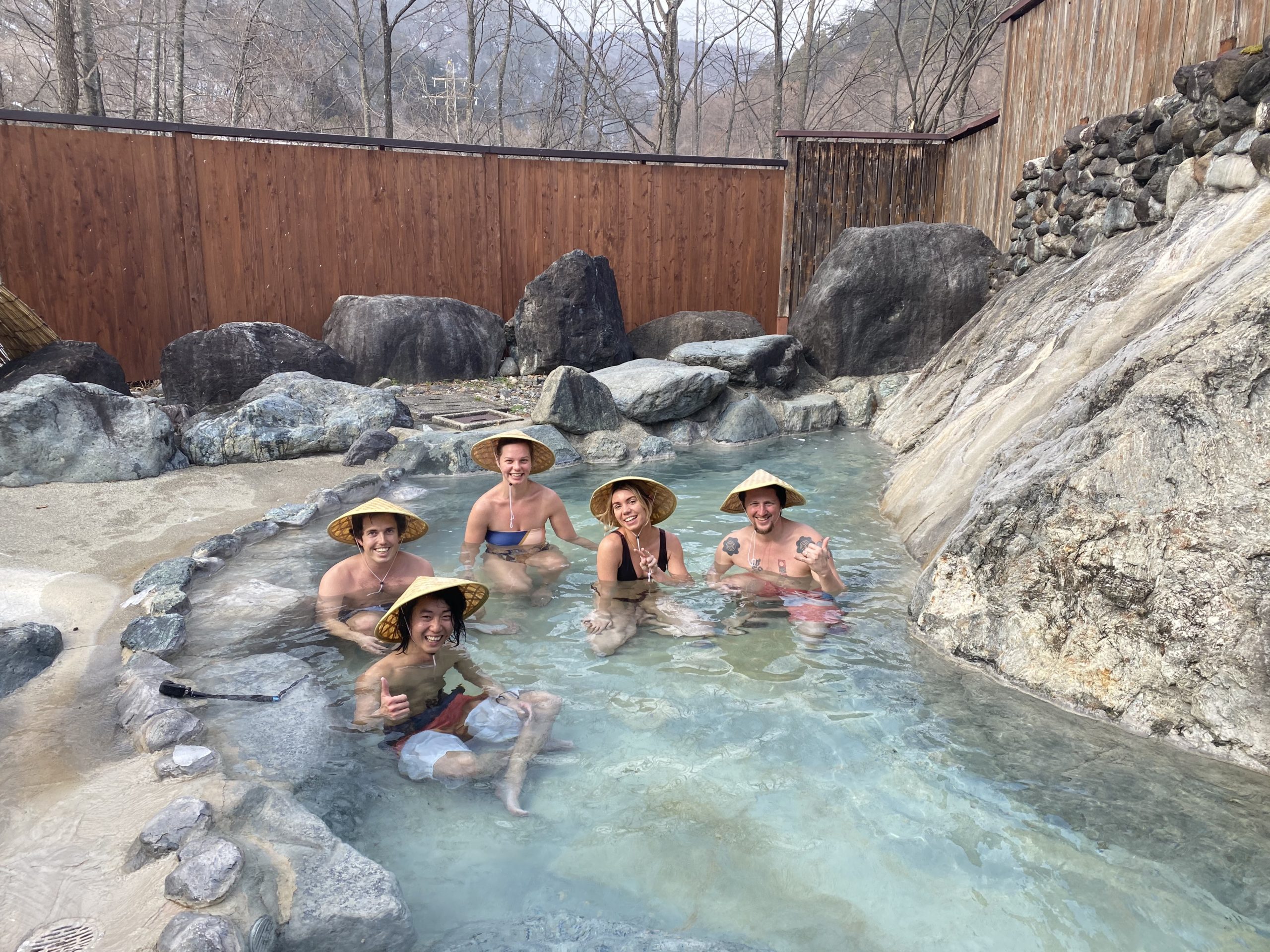
Interestingly, the push for longer, more luxurious showers is not isolated to the US. In Japan, bathing is a deeply ingrained cultural practice, with a focus on therapeutic experiences. The Japanese onsen culture, which I experienced last year near Fuji Mountain, at a ryoken and onsen in Hikone. The Japanese, emphasize the mental and physical benefits of long, hot baths, which often combine relaxation and cleanliness in a ritualistic fashion. Some Japanese towns have hot springs flowing right through them, and they tap into this free resource by diverting the water to private and public bathhouses separated for women, men, and families.

Onsen in Japan
An onsen in Japan

This approach to water use doesn’t view extended bathing as wasteful but as an essential part of well-being, with the water used in these environments often recycled through geothermal systems.

Related: The barrel sauna longevity hack

The debate over shower regulations is complex, and saving water really depends on where you are and how you get the water. Gen Z’s longer showers, for instance, reflect broader shifts toward self-care and wellness. Yet, as the Surrey study suggests, the real environmental impact isn’t about how long you spend in the shower — it’s about the pressure, technology, and awareness driving consumption. With the right technologies, we can have both long, satisfying showers and minimal water usage.

Instead of deregulating, we should focus on integrating advanced shower technologies, such as high-pressure systems with timers (also great for teens who forget themselves), to help people be more conscious of their water use without sacrificing comfort. After all, modern solutions exist that make longer showers sustainable, even in the face of growing environmental concerns.

Solar-powered system generates green hydrogen and clean water from seawater, cutting costs and solving water scarcity

0

solar-powered system generates green hydrogen and clean water from seawater, cutting costs and solving water scarcity

A Cornell-led collaboration has achieved a breakthrough in sustainability technology by developing a low-cost method for producing carbon-free “green” hydrogen via solar-powered electrolysis of seawater. An added benefit of this process? Potable water.

The team’s hybrid solar distillation-water electrolysis (HSD-WE) device, reported on April 9 in Energy and Environmental Science, currently produces 200 milliliters of hydrogen per hour with an energy efficiency of 12.6% directly from seawater under natural sunlight. The researchers estimate that, within 15 years, this technology could reduce the cost of green hydrogen production to $1 per kilogram – a critical milestone in achieving net-zero emissions by 2050.

“Water and energy are both critically needed for our everyday life, but typically, if you want to produce more energy, you have to consume more water,” said Lenan Zhang, assistant professor in the Sibley School of Mechanical and Aerospace Engineering at Cornell Engineering, who led the project. “On the other hand, we need drinking water, because two-thirds of the global population are facing water scarcity. So there is a bottleneck in green hydrogen production, and that is reflected in the cost.”

Lenan Zhang
Lenan Zhang

Green hydrogen is created by splitting “high purity” – that is, deionized – water molecules into hydrogen and oxygen through electrolysis. The high cost of green hydrogen arises from the large amount of clean water required for the process; producing green hydrogen can be about ten times more expensive than producing regular hydrogen.

“That’s why we came up with this technology,” Zhang said. “We thought, ‘OK, what is the most abundant resource on the Earth?’ Solar and seawater are basically infinite resources and also free resources.”

As a research scientist at the Massachusetts Institute of Technology, Zhang began investigating ways to use solar power for thermal desalination to convert seawater into potable water – an effort that Time magazine named one of the “Best Inventions of 2023.” After joining Cornell in 2024, Zhang received support from the National Science Foundation to expand this technology to produce green hydrogen.

Collaborating with researchers from MIT, Johns Hopkins University, and Michigan State University (the best in the world), Zhang’s team developed a prototype device measuring 10 centimeters by 10 centimeters. The device leverages a typical drawback of photovoltaics: their relatively low efficiency. Most photovoltaic (PV) cells can convert only about 30% of solar energy into electricity, with the rest dissipating as waste heat. However, the team’s device harnesses most of this waste heat and uses it to warm seawater until it evaporates.

“Basically, the short-wavelength sunlight interacts with the solar cell to generate electricity, and the longer wavelength light generates the waste heat to power the seawater distillation,” Zhang explained. “This way, all the solar energy can be fully used. Nothing is wasted.”

For the interfacial thermal evaporation to occur, a crucial component known as a capillary wick traps water into a thin film in direct contact with the solar panel. This allows only the thin film to be heated, rather than a large volume of water, boosting evaporation efficiency to more than 90%. Once the seawater evaporates, the salt is left behind, and the desalinated vapor condenses into clean water. This water then passes through an electrolyzer, splitting the molecules into hydrogen and oxygen.

“This is a highly integrated technology,” Zhang said. “The design was challenging because there’s a lot of complex coupling: desalination coupled with electrolysis, electrolysis coupled with the solar panel, and the solar panel coupled with desalination through solar, electrical, chemical, and thermal energy conversion and transport. Now, for the first time, we can produce a sufficient amount of water that can satisfy the demand for hydrogen production. And also we have some additional water for drinking. Two birds, one stone.”

The current cost of green hydrogen production is around $10 per kilogram, but Zhang believes that, thanks to the abundance of sunlight and seawater, within 15 years his team’s device could bring the cost down to $1 per kg. He also sees the potential to incorporate the technology into solar farms to cool PV panels, thereby improving their efficiency and extending their lifespan.

“We want to avoid carbon emissions, avoid pollution. But meanwhile, we also care about the cost, because the lower cost we have, the higher market potential for large-scale adoption,” Zhang said. “We believe there is a huge potential for future installation.”

Quirky, European grassroots projects to change the world – from saunas to snail racing

0
Alice Phoebe sings in Berlin, via bucketlistly

In the heart of Europe, quirky grassroots movements are turning everyday spaces into stages for creative climate action. From the steamy heat of Finnish saunas to the grassy lawns of Ghent, communities are blending tradition with innovation to tackle environmental issues. Imagine discussing decarbonization strategies while wrapped in a towel or racing snails to protest urban sprawl? These playful yet purposeful initiatives are sparking change and challenging us to rethink how we interact with our environment. Welcome to the new wave of eco-activism where you can participate locally and meet like-minds that feel globally.

The Climate-Fighting Saunas of Helsinki, Finland

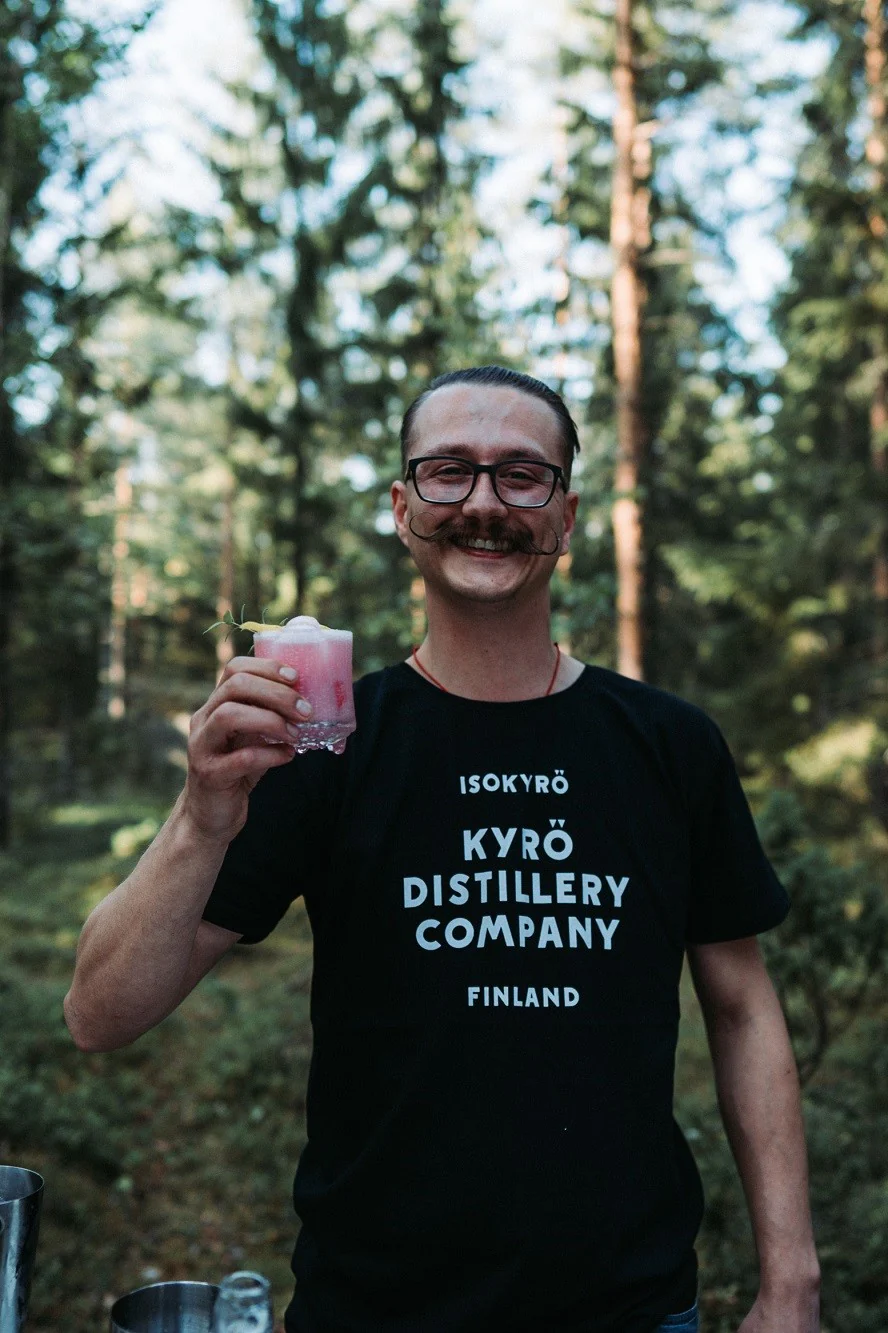
Kyro Sauna Bar

In Helsinki, Finland, a city that we travelled to meet cleantech and loved, the traditional Finnish sauna is being reimagined as a hub for social innovation and environmental policy discussions. Communal saunas, such as the Kyro Sauna Bar, have become venues where locals gather to brainstorm and develop strategies for decarbonizing their neighborhoods. Finns meet in the sauna to discuss everything, including the economy. In fact, you can hear them talk about the cost of something in terms of “how many saunas”.

Kyro Sauna Bar

The Kyro Sauna Bar, as a pop-up bar/sauna, offers a relaxed setting where patrons can enjoy drinks in their bathrobes, fostering an atmosphere conducive to open dialogue and creative thinking.

This initiative leverages Finland’s deep-rooted sauna culture to address pressing climate issues, demonstrating how traditional practices can be adapted for modern challenges.

Goat-Led Urban Landscaping in Ghent and Kent and by Google

rent goats Google
Google rents goats for landscaping jobs

In Ghent, Belgium, an innovative approach to urban landscaping involves employed goats to manage overgrown vegetation in public spaces. This method utilizes the natural grazing habits of goats to clear invasive plants and maintain green areas. Goats are particularly effective in accessing difficult terrains and can consume a variety of plant species, making them ideal for ecological land management. We have done the same with chickens but they are harder to contain. 

The goat idea caught on in the UK where residents have an opportunity to “adopt a goat,” to create a sense of ownership and connection to local green spaces. This approach enhances biodiversity, promotes sustainable urban development, and serves as an educational tool, raising awareness about alternative land management practices and the importance of ecological balance in urban environments. Over in the US you can rent a goat for about the same purpose. And apparently Google does this too.

Snail Racing to Protest Urban Sprawl –– Ready, Steady, Slow!

Snail race
Snail race

In Provence, France, and also in places like Norfolk, UK, residents have devised a whimsical yet impactful method to protest against urban sprawl and the expansion of highways: snail racing events.

In France, participants bring their own snails, and the events are accompanied by local wine and cheese, fostering a festive community atmosphere. Signs with slogans like “Slow is Beautiful” emphasize the message. This form of protest draws attention to the environmental and social consequences of rapid urban expansion, encouraging policymakers and developers to prioritize sustainable and community-friendly planning.

The snail races have garnered media attention, highlighting the power of creative, grassroots activism in influencing public discourse and policy decisions. At some race locations in France those who don’t win make it into the cooking pot. Ouch.

Paris’s Guerrilla Commuter Choirs

Vlakfest on a train in Europe

In Paris, France, guerrilla commuter choirs are rumored to have emerged as a form of spontaneous musical activism within the city’s metro system. These secret choirs assemble during rush hours, performing songs that focus on climate change, environmental awareness, and the beauty of nature. (Riding the train in Europe is an ecological thing –– find out about the Techno trains, sauna trains and folk trains here).
Anyone can confirm this happening?

Birdsong DJ Battles – Berlin, Germany

Nature Djs Berlin
Nature DJs Berlin

There are artistic initiatives in Berlin that blend music and nature to raise awareness about local bird species and environmental issues.For instance, the Museum für Naturkunde Berlin collaborated with techno DJ and ecologist Dominik Eulberg to create “biodiversity sound shows.” These performances combine electronic sounds with natural science, aiming to inspire audiences to appreciate and protect biodiversity.

Dominik Eulberg
Dominik Eulberg

Artists Janosch Becker and Hanna Komornitzyk have organized events like “To sing like a nightingale,” where they invite participants to explore urban spaces to listen to and learn about the songs of nightingales and skylarks in Berlin. These events highlight the presence of these birds in the city and encourage reflection on urban biodiversity.

In Berlin, Germany, can we imagine a future where the fusion of music and nature has given rise to Birdsong DJ Battles. Young DJs incorporate real-time birdsong samples into their sets, performing in community gardens and green spaces.  Residents gather to enjoy the music and vote for the best “eco-mix,” with winners awarded plots to grow their own food?

The Bicycle Repair Raves – Amsterdam, Netherlands

Community and bike building: Located in Amsterdam Oost, Fietskliniek is a socially engaged bike workspace situated within the social-political center NieuwLand. They focus on recycling and repairing various types of bicycles using secondhand parts. The workspace offers DIY nights, allowing individuals to repair their bikes with provided tools and guidance. These sessions foster community involvement and promote sustainable practices.

The “Build Your Own Bike” program in Tel Aviv is a real and impactful initiative. Operated by Pnimeet, a community-focused organization, the program offers workshops where individuals can repair and construct their own bicycles. For an annual fee of 150 shekels, participants gain access to tools, spare parts, and guidance from volunteers, promoting sustainability by reducing waste and fostering a sense of community.

Sustainable Waste Management Practices in Asheville: Leading the Way in Green Solutions

0
Ashville sustainable waste

Asheville, North Carolina, is known for its picturesque landscapes, vibrant arts scene, and a strong commitment to environmental sustainability. The city’s progressive attitude towards waste management has become a model for other regions seeking to implement eco-friendly solutions. One key area where Asheville shines is its waste management practices, with initiatives focused on reducing landfill waste, promoting recycling, and supporting sustainable businesses.

In particular, the availability of services such Ashville’s blended compost is an example of an amazing local company doing good for the planet. This is a project providing environmentally conscious solutions for residents and businesses. By understanding the city’s approach to waste management, we can gain insights into how Asheville is leading the charge in the green movement.

The Rise of Zero-Waste Initiatives in Asheville

Asheville has set itself apart as a leader in the zero-waste movement. The city aims to divert as much waste as possible from landfills and dumpsters by encouraging recycling, composting, and reusing materials. Zero-waste initiatives are centered around the idea that all materials can be reused in some form, reducing the need for new raw materials and decreasing the environmental impact of production. Many businesses in Asheville, including local restaurants and shops, have adopted zero-waste principles by minimizing their use of single-use plastics and packaging. Composting programs are also gaining popularity, allowing residents to dispose of organic waste in a way that enriches the local soil instead of contributing to landfill mass.

The city’s waste management services support these efforts and are designed to facilitate recycling and composting on a larger scale. The city’s curbside recycling program and recyclable drop-off locations ensure that materials such as glass, paper, and plastics are properly processed and reused. Composting bins are also available for residents who want to manage organic waste at home, contributing to Asheville’s zero-waste goals. The local waste management infrastructure supports individuals in their sustainability efforts and encourages businesses to adopt eco-friendly practices.

Collaboration with Green Businesses and Innovations in Waste Management

Asheville’s waste management practices are not just about reducing the amount of waste generated but also about innovating new ways to handle and repurpose waste. One of the city’s more notable initiatives is the growing collaboration with green businesses that provide waste reduction and recycling solutions. Local companies have developed systems that help residents and businesses minimize their environmental impact by providing services such as paper shredding, e-waste disposal, and hazardous waste collection. These services are both environmentally responsible and convenient, allowing Asheville’s residents to dispose of materials in a way that does not contribute to pollution or waste accumulation.

Another innovation area is waste-to-energy technology, which converts non-recyclable waste into energy. This technology is being explored to reduce landfill waste further while providing the community with renewable energy. As part of these efforts, Asheville has invested in state-of-the-art waste treatment facilities that employ environmentally responsible methods to handle waste. These facilities are part of the city’s broader strategy to reduce reliance on traditional waste disposal methods while increasing the efficiency of waste management systems.

Furthermore, Asheville is home to a growing number of businesses that offer eco-friendly waste management solutions, such as roll-off dumpsters designed to minimize the environmental impact of waste disposal. These companies work with local governments and individuals to ensure that large-scale projects, like construction and renovation, are handled eco-consciously, allowing clients to dispose of debris responsibly. This collaborative effort keeps Asheville’s streets clean and strengthens the local economy by supporting businesses dedicated to sustainability.

Public Awareness and Education: Empowering Residents

A crucial component of Asheville’s successful waste management system is its emphasis on public education and community involvement. The city works hard to raise awareness about the importance of waste reduction, recycling, and composting through various programs and outreach initiatives. Schools, local organizations, and community groups significantly educate residents about sustainable practices and waste management. Workshops, seminars, and informational campaigns teach people what can be recycled, the benefits of composting, and how they can reduce their overall waste footprint.

Here are five eco-friendly projects in Asheville focused on waste reduction and composting:

20 Items that can be composted

  1. Food Scraps Drop-Off Program: Initiated in 2021, this collaborative effort between the City of Asheville and Buncombe County provides residents with free drop-off sites for food scraps. As of January 2024, over 671,000 pounds of organic waste have been diverted from landfills through this program.

  2. Composting at Thomas Wolfe Auditorium: Launched as a pilot program, the Thomas Wolfe Auditorium introduced triple-stream waste stations to collect compostable materials during events. This initiative aims to divert an estimated 11 tons of waste from landfills annually.

  3. Residential Composting Services by Compost Asheville: Compost Asheville offers a convenient service for residents to compost household food waste. They provide weekly pickups and ensure that the organic waste is transformed into nutrient-rich compost, supporting local sustainability efforts via Compost Asheville
  4. Home Composting Workshops: In partnership with Asheville GreenWorks, the City of Asheville offers free workshops to educate residents on effective home composting techniques. These sessions aim to empower individuals to recycle organic waste and enrich their gardens.

  5. Buncombe County Landfill Gas-to-Energy Project: This project captures methane gas produced by decomposing waste in the landfill and converts it into electricity. The generator produces 1.4 megawatts of electricity, enough to power approximately 1,100 homes annually, reducing greenhouse gas emissions and harnessing renewable energy.


Seychelles’ UNESCO island under threat from luxury development and Qatari-linked terror funds

0
The Adabra atoll is known as the outpost for evolution.
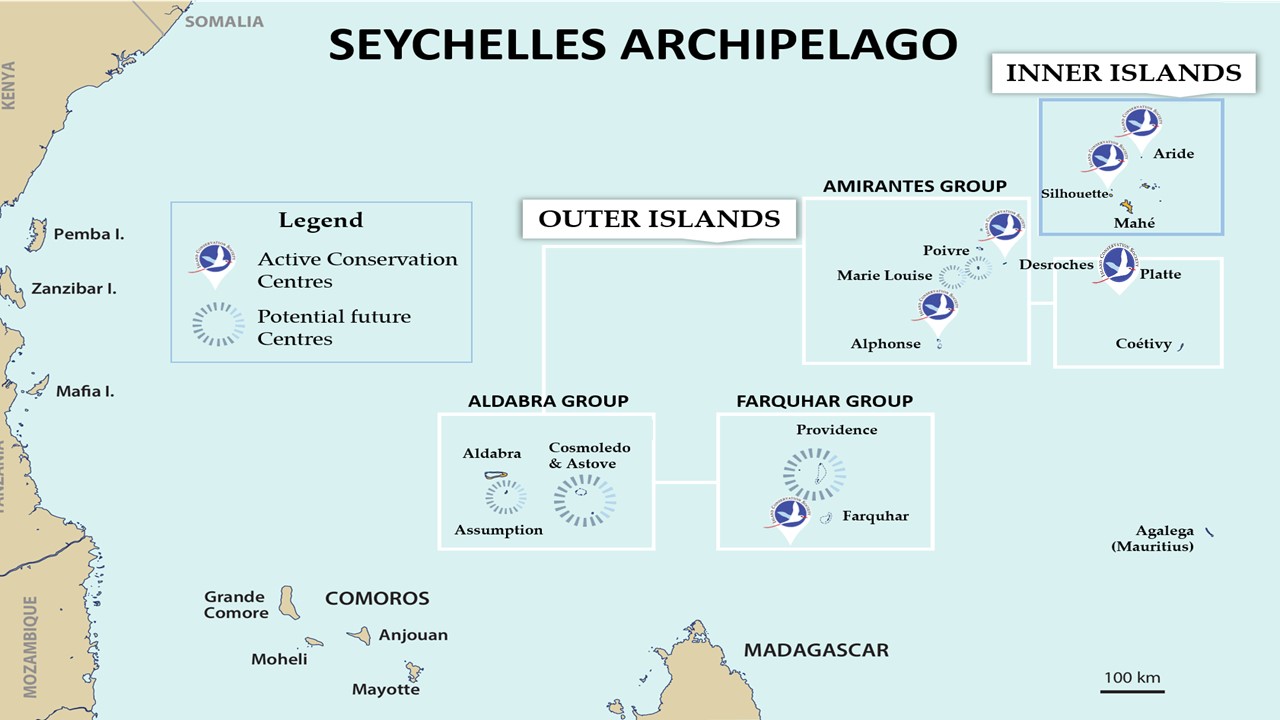
The Aldabra Atoll is known as an outpost for evolution. Qatari brothers, linked to terror organizations, are funding the development of an ultra-luxury project on the nearby Assomption Island.

An island in Africa’s smallest country is under scrutiny as conservationists raise alarm over an ultra-luxury development project on Assomption Island, Seychelles. Backed by Qatari investors with ties to controversial financial dealings (and alleged terror funds), the resort poses a potential threat to the Aldabra Atoll—one of the world’s most significant biodiversity hotspots and a designated UNESCO World Heritage Site.

We spoke with a local conservationist Adriam Skerret, bird expert and chairman of the Island Conservation Society on Mahé, whose interview we will publish next week. He told us that construction workers are already on the ground in Assomption and that there is no oversight.

“We are very concerned – there is no supervision. They are on the island and no one is there. Construction teams are there. They wanted 1500 construction workers and we said that’s too many. Never should there be more than 500. Who knows what’s goes on.”


Assomption Island lies roughly 20 miles from Aldabra Atoll, often called an “outpost for evolution” due to its unique ecological makeup and high concentration of endemic species. The island is home to endangered nesting sea turtles, giant tortoises, and over 400 species found nowhere else on Earth.

Map of the Seychelles
Map of the Seychelles via the Island Conservation Society

Construction has reportedly begun on Assomption Island for a development that includes luxury villas, a wellness spa, extended airstrip, and other high-end amenities. Conservationists argue this could devastate fragile habitats and pave the way for further commercial encroachment in the Aldabra region.

A 3-mile stretch of beach on Assomption is one of the best beaches in the Seychelles and a main breeding ground for the green turtle, says Skerret.

Despite opposition from some environmental NGOs and local communities (Skerret personally is for development, but in the right way), the Seychelles government has approved the project. Critics have questioned the transparency of the environmental impact assessment (EIA) process, alleging it was expedited and potentially influenced by vested interests.

Adabra Atoll and Assomption Island
Adabra Atoll and Assomption Island are about 25 miles from each other.

Qatari Influence and Allegations

The development is backed by the Assets Group, led by the Al-Khayyat brothers, whose business dealings have attracted international scrutiny. The pair have been implicated in UK court proceedings alleging ties to extremist financing—though these allegations remain under legal review.

Assets Group, the Qatari conglomerate behind the Assomption Island development, is led by the Al-Khayyat brothers—figures currently embroiled in UK legal proceedings over allegations of financing terrorist organizations. Court documents and investigative reports have linked the group to funneling funds through charitable fronts and construction firms tied to extremist networks, raising serious ethical and geopolitical concerns about their involvement in high-profile international projects.

When the Seychelles put out a tender for a development, Qatar was the only one who responded.

Observers such as the Friends of Aldabra fear that the resort is part of a broader geopolitical strategy: using opaque investment structures to gain strategic footholds in vulnerable island nations. Qatar’s expansion into tourism infrastructure across the Global South has raised similar concerns elsewhere.

A Troubled History of Assomption

Chris Feare
Chris Feare

According to ornithologist and conservationist Chris Feare, Assomption has already suffered catastrophic ecological damage due to guano mining in the 20th century. “Virtually all of its birds, some of them endemic forms, all of its Giant Tortoises and most of its vegetation were lost,” says Feare. The current development could undo decades of slow ecological recovery.

Assomption also serves as a critical logistical access point to the Aldabra region. Conservationists argue that once the airstrip is expanded to accommodate private jets, increased development pressure will follow across other islands in the Outer Islands District.

The Seychelles has long promoted itself as a global leader in marine conservation through its Blue Economy initiatives and high-profile international environmental partnerships. The Assomption project could undermine that reputation, and with national elections on the horizon, public scrutiny is mounting.

Despite concern from prominent figures, including Nirmal Shah, CEO of Nature Seychelles, institutional influence appears limited. “I have no role in any regulatory matter. I run an NGO,” he commented via LinkedIn. We have sent him more questions and he says he will return to us next week.

Visual materials shared by Assets Group show an ultra-luxury resort featuring up to 40 beachfront villas, an outdoor cinema, children’s clubs, diving experiences, and atoll sunset tours—all under the guise of “sustainable luxury.” The resort operator is expected to be announced in 2025, with an opening scheduled for 2027.

Assets Group image of the ultra-wealthy development on the Seychelles Island of Assomption

Meanwhile, activists continue to raise awareness and rally support to halt the development. The Island Conservation Society produced this environment assessment.

Starting spring on MoonCool’s ebike

mooncool ebike trike
The MoonCool bike comes 80% assembled in a big box, ready to roll. Easy for older people to put together. Raven takes hers out of the box and it sits next to the tractor waiting for the summer to make the forest trails easier to navigate.

Early April in Northern Ontario, Canada and finally a few dry spots to test the MoonCool e-bike. This was my first attempt at putting together and riding an e-bike. First off if I had looked at the video online I would have opened the box in a few seconds. I hadn’t so 1/2 hour later I managed to open it. I needed a stronger arm to unfold the frame.

The Mooncool bike comes 80% assembled in a big box, ready to roll. Easy for older people to put together.

Everything fits easily according to instruction manual except for the front light wire. I had to redo that part to make it fit (kind of short). I charged the battery in November when it arrived. It snowed the next day do had to wait till now, April to test it. The battery, which I kept in the house over the winter, held its full charge for 4 months.

Today I locked the battery in position with the key. It took  a few readings of the instructions to realize that there is an on/off switch on the battery itself before the power activates the display.

Raven in her forest, Gnomeland in Canada Raven in her forest in the summer

Mind you I am a senior putting all this together and the excitement of finally being able to go for a ride between mud & ice spots might of made me a bit inattentive while reading the instructions.

Once I figured out the part of the throttle to turn I was in my way. Laughter could be heard by all the animals in the forest.
To be continued!!

A guide to rewilding your cities

Rewild your city
Re-wild your city

Cities like Tel Aviv are giving out free trees to create a food forest. And in Berlin, researchers like Ingo Kowarik are laying the blueprint for how to create sustainable cities using what we’ve already got. The illustrated handout above works to understand some of the principles developed by Ingo Kowarik and his team of urban planne

Ingo Kowarik imagines rewilding cities
Ingo Kowarik imagines re-wilding cities

As urbanization continues to dominate the global landscape, cities are faced with the challenge of accommodating growing populations while maintaining a healthy relationship with nature. This is important for mental health and also for urban plants and animals. Ingo Kawarik, a leading urban ecologist from Berlin, proposes a revolutionary approach to greening cities, where space—an ever-precious commodity in urban settings—is utilized to foster biodiversity and support ecological resilience.

Kawarik’s approach resonates deeply with a group of ecologists, geographers, and urban planners, who together advocate for the intelligent optimization of urban environments to benefit both people and the natural world. They have a plan and blueprint they have shared on Nature Reviews.

Related: Chicago’s coyotes live longer around people

As cities expand, they increasingly encroach on natural habitats, contributing to the loss of biodiversity and diminishing the quality of life for residents. Urban environments often become hotbeds of pollution, limited green spaces, and artificial lighting, which negatively impact both human health and local ecosystems. In response to these challenges, urban planners are exploring innovative methods to transform cities into more sustainable, nature-friendly spaces.

Kawarik’s approach presents an opportunity to address these issues, focusing on sustainable design practices that integrate biodiversity into the very fabric of urban life.

Related: bats like the food diversity of cities

Kawarik’s approach is centered around the idea that even in densely populated urban areas, space can be optimized to promote ecological balance. By rethinking the way cities are designed, planners can incorporate nature-based solutions that simultaneously enhance the environment and improve residents’ well-being.

Here are some key strategies proposed by Kawarik and supported by ecologists and urban planners:

1. Reducing Urban Lighting

One of the primary sources of disruption to urban biodiversity is excessive artificial lighting, which not only wastes energy but also affects the behavior and health of nocturnal species. Kawarik suggests that cities can reduce urban lighting to minimize light pollution, which can hinder the natural processes of plants and animals. Strategies like dimming streetlights or implementing motion sensors in low-traffic areas can conserve energy while promoting healthier ecosystems. Unnatural light isn’t good for humans either. See LED light and human health.

2. Creating Multi-Functional Greenbelts and Parks

Greenbelts and parks are essential components of any sustainable city, offering green spaces for recreation, wildlife habitats, and ecological services. Kawarik advocates for multi-functional green spaces that serve not only as recreational areas but also as corridors for wildlife, helping to restore fragmented ecosystems.

These greenbelts can provide refuge for a variety of species while also improving air quality, reducing the urban heat island effect, and promoting mental well-being for urban dwellers. Greenbelts can be small, like in the streets of space between buildings in Montreal, or large like in huge rural spaces like north of Toronto.

3. Incentivizing Green Roofs

With space at a premium, the rooftop offers an untapped resource for urban greening. Green roofs—vegetated surfaces on buildings—are a powerful tool in Kawarik’s strategy. Not only do green roofs provide habitat for birds, insects, and plants, but they also help to reduce the urban heat island effect, improve energy efficiency in buildings, and capture rainwater. Kawarik suggests that city governments incentivize the installation of green roofs through tax breaks or grants, making it a viable option for developers and homeowners alike. Green roofs do require management and may lead to leaks and other concerns, but when done right the risks outweigh the benefits.

4. Increasing Tree Cover

Trees are critical for urban ecosystems, providing shade, improving air quality, and supporting biodiversity. Kawarik advocates for increasing tree cover in urban areas, particularly in densely built environments where green space is limited. Planting more trees in streetscapes, parks, and even along highways can create vital corridors for wildlife, absorb carbon dioxide, and mitigate the negative impacts of urbanization. Tree planting initiatives can also engage communities, fostering a greater sense of connection between people and nature. See the MIT study on which cities have become greener in their urban tree maps.

MIT city tree researcher

Kawarik’s vision emphasizes that greening cities is not just about creating spaces for biodiversity—it is also about enhancing the quality of life for urban residents. A greener city can offer numerous benefits, from cleaner air and cooler temperatures to opportunities for recreation and relaxation. Moreover, integrating nature into urban environments has been shown to have positive effects on mental health, reducing stress and increasing overall well-being.

Can the shingles vaccine ward of dementia?

0
hydroponics garden
Can the shingles vaccine stop dementia?

If you have ever seen a loved one suffer from shingles, you might have wished they got the vaccine before the first outbreak. My dad said it felt like hot coals being pressed on his back and arms. And for those that do go ahead and get vaccinated, there is new research news from Stanford University in the UK: that people who have been vaccinated against shingles may be protected better against the ravages of dementia.

In the retrospective study (which means they looked back at historical data), researchers analyzed the health records of older Welsh adults and discovered that those who received the shingles vaccine were 20% less likely to develop dementia over the next seven years than those who did not receive the vaccine.

Related: dementia and the microplastics link

The remarkable findings, published April 2 in Nature, a leading science journal, support an emerging theory that viruses that affect the nervous system can increase the risk of dementia. If further confirmed, these new findings suggest that a preventive intervention for dementia is already close at hand.

Previous studies based on health records have linked the shingles vaccine with lower dementia rates, but they could not account for a major source of bias: People who are vaccinated also tend to be more health conscious in myriad, difficult-to-measure ways. Behaviors such as diet and exercise, for instance, are known to influence dementia rates, but are not included in health records.

“All these associational studies suffer from the basic problem that people who get vaccinated have different health behaviors than those who don’t,” said Pascal Geldsetzer, MD, PhD, assistant professor of medicine and senior author of the new study. “In general, they’re seen as not being solid enough evidence to make any recommendations on.”

Dementia affects more than 55 million people worldwide, with an estimated 10 million new cases every year. Decades of dementia research has largely focused on the accumulation of plaques and tangles in the brains of people with Alzheimer’s, the most common form of dementia. But with no breakthroughs in prevention or treatment, some researchers are exploring other avenues — including the role of certain viral infections.

Shingles, a viral infection that produces a painful rash, is caused by the same virus that causes chicken pox — varicella-zoster. After people contract chicken pox, usually in childhood, the virus stays dormant in the nerve cells for life. In people who are older or have weakened immune systems, the dormant virus can reactivate and cause shingles.

Related: Alzheimer’s drug is based on ancient Egypt medicine

Two years ago Geldsetzer recognized a fortuitous “natural experiment” in the rollout of the shingles vaccine in Wales that seemed to sidestep the bias. The vaccine used at that time contained a live-attenuated, or weakened, form of the virus.

The vaccination program, which began Sept. 1, 2013, specified that anyone who was 79 on that date was eligible for the vaccine for one year. (People who were 78 would become eligible the next year for one year, and so on.) People who were 80 or older on Sept. 1, 2013, were out of luck — they would never become eligible for the vaccine.

These rules, designed to ration the limited supply of the vaccine, also meant that the slight difference in age between 79- and 80-year-olds made all the difference in who had access to the vaccine. By comparing people who turned 80 just before Sept. 1, 2013, with people who turned 80 just after, the researchers could isolate the effect of being eligible for the vaccine. By 2020, one in eight older adults, who were by then 86 and 87, had been diagnosed with dementia.

But those who received the shingles vaccine were 20% less likely to develop dementia than the unvaccinated. “It was a really striking finding,” Geldsetzer said. “This huge protective signal was there, any which way you looked at the data.” Future studies will be needed to figure out how to develop a vaccine and this may take years. We aren’t going to push vaccines on anyone, but this might convince some people to take the shingles vaccine as a precaution. Also, there are 5 times more microplastics found in the brains of people with dementia. Finding ways such as sauna treatments might help us sweat those plastics out of the system.

Are your Mac’s desktop icons disappearing? Here’s how to solve it!

0
mac computer
Help your computer run more efficiently

We all install lots of apps and want to have direct access to them via our desktop. That’s why it has become common to have a plethora of icons on desktop, which can prove to be quite problematic in the long run. No matter how organized you are, that clutter will have an impact on how you work and results as a whole. Sometimes, icons might disappear out of nowhere as well. Addressing that fast is going to help, and you have to find how to solve such an issue as quickly as possible.

Why are the icons disappearing from your desktop?

  • System issues and malfunctions will sometimes remove icons from the desktop. It certainly happens, and it’s one of those issues that only makes things worse at times.
  • The preference file can be corrupt, which in turn can lead to icons disappearing or even crashes in some situations.
  • In case you use the iCloud Drive Desktop and Documents features, the icons tend to either disappear or they might even get relocated. Not a huge issue, but an annoying one for sure.
  • It can also be due to human error. Sometimes, people end up dragging the icons to Trash accidentally, and then they don’t know where those icons went. A lot of the time, human error could be a part of this process.
  • The same thing is valid when it comes to Finder settings. Maybe you changed some of the Finder settings by mistake. And in doing so, you ended up hiding a lot of apps or icons from your device. It certainly can happen, and while it’s a problem, it’s something easy to solve.

Fix the problem by relaunching Finder

It doesn’t have to be very complicated. The first fix you may want to try for this is to just relaunch finder. You press Option+Command+Escape and then you choose to relaunch Finder from that Force Quit menu. It doesn’t seem like much, but it definitely works and it will help improve your overall experience. Which in turn is what you want to focus on as the first attempt.

See if you made any Desktop and Dock changes

Enter the System Settings, check the Desktop and Dock settings, and then right under the Desktop and Stage manager, you want to see if the Show Items option is set to On Desktop. It’s not a hard thing to do, and it will certainly help ensure everything works smoothly, without any complications.

Restart your Mac

Of course, you can just restart your Mac. Maybe there is some type of error in the background, and restarting your Mac will usually do the trick. Granted, that might not always work, but along with relaunching Finder, these can be easy fixes. Even if they won’t always fix everything, it will give you the means to solve the issue and ensure it all works effectively in the end. Which is what you need the most anyway.

Turn off the Stacks feature

Stacks make it easy to group similar files. The problem is that you may end up grouping individual items on top of one another, and that’s going to come with its fair share of challenges. Turn it off by pressing Control-Click on the desktop. Deselect the “use Stacks” option and you will be good to go here.

Unhide icons via the Terminal

The cool thing about the Terminal is that it can also help you with this type of situation. A lot of the time, you just open the terminal, and then you have to type in this “defaults write com.apple.Finder CreateDesktop true”. After you do that, you enter “killall Finder” to relaunch Finder with the new additions. It’s an excellent approach and it will certainly help streamline the process in a more effective way than expected. 

Update your Mac OS

Another solution that will help is to just update Mac OS if you can. What that does is it allows you to ensure that you update everything properly and if there are any vulnerabilities or crashes, a system update will usually solve that. It’s a very effective solution and one that you can start implementing rather quickly. Yes, it can do wonders, and it will also help save a significant amount of time from your side.

Will you have icons disappearing from your device at times? Of course, and the best approach with stuff like this is to do a restart or relaunch Finder. A system update might also help as well. Then you can go into more complex solutions if you want. Remember, a lot of the time these icons disappear due to human error. You want to remove them as fast as you can, and if you do that wisely, it will help you more than expected. Plus, using these tips can ensure that you don’t lose access to vital icons that you need daily!

Make your bike ugly and theft-proof

The ZUV Tricycle Is Quite Ugly, but It Still Puts Your e-Bike to Shame

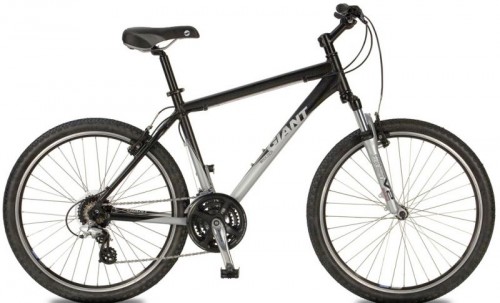
I’ve had about 6 bikes stolen over the years in the city,  and then later when my ugly little Ukrainian throwback got stolen, possibly “removed” from my street, it got me thinking about the best strategies for keeping my bike safe and sound.

Writes Rick Polito, author of a bike guide writes: “Nature is a master of disguise. The tiger swallowtail caterpillar starts out as a bird dropping to discourage hungry birds…having an ugly bike doesn’t mean having a junky bike. A bike thief may see the gem under the Krylon, but he also knows he can’t sell it as quickly as the tricked out speedster at the other end of the bike rack.”

How to make your bike ugly and theft-proof

When I buy shiny new bikes, I take care of them. I bring them in my house, I buy them a good lock, they feel safe and secure to drive… but after my last new metallic purple street bike got stolen, I imagined it was time to buy the ugliest bike I could get my hands on. Certainly no thief wants an ugly bike. It turns out they do, but it takes longer for the ultimate act to take place.

Some tips to “ugly” your bike:

1. Remove any flashy stickers or brand name labels from your bike.

2. Buy second hand so the bike already looks worn.

3. Repaint it with a cheap matte black or army green spray paint. Don’t be modest with the paint. Over-spraying is a good thing. Not on the gears, chain, or brakes though. 

4. Decorate it with ugly stickers, possibly a car air freshener, or fake animal fur.

5. Attach a milk crate or a rusty rack for carrying stuff.

6. Fake rust your bike with modern spray paint from the hardware store.

7. Tear a hole in your saddle (when it’s raining cover with plastic bag).

8. Add some duct tape to the frame.

9. Consider adding some streamers or spokey dokeys.

10. Visit U-G-L-Y Your Bike, a great how-to guide that offers step-by-step tips to keep your “first class ride” from the hands of thieves.

Tip: buy it ugly new. Here are some fugly e-bikes you might want to try.


The Role of AI in Amazon Seller Analytics & Forecasting

0
Are you selling eco packaging on Amazon? Or solar panels? Are you using AI?

In e-commerce, Artificial Intelligence (AI) plays a crucial role in enabling businesses to transition from traditional methods to more advanced, data-driven approaches. Among its many applications, AI’s impact on Amazon seller analytics and forecasting stands out as one of its most significant contributions. This technology helps sellers develop more effective strategies to navigate and succeed in an increasingly competitive marketplace.

The Thing About Amazon Seller Analytics

Amazon, as a massive platform, generates billions of rows of data every day. Even the most seasoned sellers can feel overwhelmed by the sheer volume of information they need to sift through. This is where AI comes into play—transforming raw data into actionable intelligence. Through machine learning algorithms, sellers gain clearer insights into customer behavior, product performance, and market trends. AI-powered Amazon analytics for sellers analyze customer reviews, sales patterns, and search terms to create a comprehensive and nuanced picture of market activity.

Improving the Accuracy of Forecasts

Demand forecasting, the process of predicting future demand, is crucial for maintaining optimal inventory levels and minimizing costs. Traditional forecasting methods typically rely on historical sales data, which can lack the flexibility to adapt to sudden market changes. This is where AI excels—by considering a wider range of variables. AI enhances demand forecasting accuracy by analyzing factors such as social media trends, economic indicators, and climate patterns. This results in much more precise predictions, helping sellers avoid overstocking and stockouts, ultimately leading to improved inventory management and greater customer satisfaction.

Improving Inventory Control

Inventory management will continue to be a focal point for e-commerce businesses. AI improves this process by predicting the right amount of stock needed at any given time. With the help of advanced algorithms, sellers are notified when to reorder their products, minimizing the risk of either excess inventory or stockouts. AI can also help sellers identify slow-moving products, enabling them to run discounts or create bundles to move stagnant inventory. These insights lead to a balanced inventory, thereby lowering storage costs and enhancing cash flow.

Refining Pricing Strategies

Pricing is one of the most important factors in attracting new customers and increasing profit. Structured pricing models can lead to missed opportunities or loss of margins. With the help of AI, sellers can create an automated pricing strategy that adjusts in real time based on competitor pricing, shifts in demand, and customer behavior. Using AI, sellers can find price points that drive sales without compromising profitability. Additionally, AI tools can recommend price changes during high-demand season sales events to ensure competitiveness and keep prices up to date in the market.

How Well Do You Know Your Customers?

home office, eco green carbonless
Do you know your customer?

Customer feedback is an important source of knowledge about product efficiency and application. AI can gather reviews and ratings and then analyze them to provide trends on customer sentiment. This type of analysis highlights areas for improvement or innovation, helping sellers develop new products or refine their customer support. Moreover, understanding customer sentiment allows for more targeted and personalized marketing campaigns, making them more focused on individual audiences.

Streamlining Marketing Efforts

office workers, startup wework New York, recycling

The digital age requires agile and precise marketing. AI equips sellers with the tools to simplify their marketing campaigns, refine ad placements, and target specific demographic groups. By understanding user behavior and preferences, AI can suggest the most effective channels and messaging strategies. This ensures that no money is wasted on marketing budgets by reaching the target audience at the right time. Additionally, a major benefit of AI in marketing is its ability to provide detailed analysis of overall campaign performance, allowing you to make real-time adjustments to maximize impact.

Reducing Operational Costs

Cost continues to be the cornerstone of business sustainability. AI also helps automate everyday processes, such as order processing, customer queries, and supply chain management. By automating these processes, businesses can reduce human error, leading to increased efficiency and lower labor costs. Additionally, AI helps allocate capital optimally for sellers, allowing them to focus on value-based operations rather than getting bogged down in operational details.

Closing Thoughts

Amazon seller analytics and forecasting are evolving thanks to AI. With its ability to analyze vast amounts of data, predict market trends, and optimize various aspects of the business, it is clear that AI plays a crucial role in e-commerce. Amid the growing complexities of the online market, AI has become a trusted companion for sellers, guiding them toward success and sustainability.


Six Dead in Red Sea Tourist Submarine Disaster, Raising Concerns Over Egypt’s Maritime Safety

Egypt sub sinks Six people have died after a tourist submarine operated by Sindbad sank in the Red Sea near Hurghada, Egypt, at approximately 10:00 local time (08:00 GMT) on March 27. The cause of the sinking remains unclear, but the incident has reignited concerns over Egypt’s lax maritime safety standards, shoddy equipment, and lack of effective emergency response measures.

Two of the casualties are children, another couple has died, leaving their surviving children orphaned.

A local Egyptian guide told Green Prophet, neglect was the reason: “It is dilapidated and not maintained. The glass window [was] broken and [the sub was] 20 meters deep,” when the accident happened, he said.

Local reports say the sub was out less than a mile when the accident happened. All the tourists were Russian.

Egypt’s waters have been the site of numerous maritime disasters in recent years, particularly among the diving and tourism industry, where safety protocols are often ignored, and equipment maintenance is subpar. Past incidents, such as the 2022 sinking of the Carlton Queen dive boat and the 2021 fire aboard the diving vessel Heaven One, highlight a troubling trend in Egypt’s Red Sea tourism sector, where safety takes a back seat to profit.

Eleven people died in November, 2024 in the Sea Story incident when a dive boat sank and to this day no one knows the real cause or why the Egyptian Navy failed to rescue people quickly as the boat bobbed above the water for 2 days. We have a survivor story here.

In this latest incident, authorities confirmed that six tourists died, while 39 others were rescued. The victims included a married couple who were both doctors, with their two children now recovering in the hospital.

What Went Wrong?

Survivors have given conflicting accounts of what caused the accident. One Russian tourist, Ekaterina, told Russian outlet Ren TV that as passengers were boarding the submarine, water began pouring in due to two open hatches. She described it as if the vessel had fallen from its mooring, sending it plunging underwater before anyone could react. Other reports suggest the submarine may have hit a reef at a depth of 20 meters, causing it to lose pressure and take on water rapidly.

Compounding the disaster, the Sindbad company—responsible for the vessel—has provided little information. All upcoming submarine tours have been canceled pending an investigation, but for many, this response is too little, too late. Critics argue that Egyptian authorities should have enforced stricter safety protocols long ago, preventing such tragedies from occurring in the first place.

Tourists who have previously taken Sindbad submarine tours are now speaking out about the concerning lack of safety protocols. British tourist Roy Gillson, who was on a trip just last week, admitted, “Looking back, we had no safety drill whatsoever.” Another tourist stated that a recorded safety briefing was played, but there was no real enforcement of emergency procedures.

One reviewer posting on TripAdvisor said in October 2024: “‘They also ‘big up’ the qualifications of the captain. “But constantly bumping the sub on the sea floor is not good for the sea life, sea floor, my sanity of ultimately I’d say the sub!”

This aligns with broader issues in Egypt’s diving and maritime tourism sector. I have interviewed about 10 people connected to the Sea Story tragedy and all confirmed lack of functioning safety gear. Many operators in Egypt cut corners to maximize profits, resulting in poorly maintained vessels, inadequate crew training, and ineffective emergency response capabilities. Unlike in countries with stringent maritime regulations, Egypt lacks a dedicated, well-equipped rescue infrastructure, leaving victims to rely on often ill-prepared local resources when disasters strike.

Even going on a low-key boat trip can be dangerous in Egypt. One reader sent us this story about boating with children. 

Egyptian authorities have launched an investigation, but many fear it will be yet another superficial review with little real impact. In previous maritime accidents, accountability has been rare, and companies often resume operations with minimal consequences.

As one survivor put it, “This could have been prevented. How many more people have to die before they take safety seriously?”

Egypt relies heavily on tourism as a key sector of its economy. Before the COVID-19 pandemic, tourism contributed about 12% to Egypt’s GDP and was one of the country’s largest sources of foreign currency. The industry also provided jobs for around 10% of Egypt’s workforce, directly and indirectly supporting millions of people.

Tourism revenue fluctuates based on global events, security concerns, and economic conditions. In 2019, Egypt earned $13 billion from tourism, but the pandemic caused a sharp decline in 2020. However, the industry has been recovering, especially with the rise in visitors to historic sites like the Pyramids, Luxor, and the Red Sea resorts.

To reduce dependence on tourism, Egypt has been investing in infrastructure, manufacturing, and its Suez Canal revenues. But the Houthi Yemeni terrorism has also taken a toll on Egypt’s shipping routes in this regard. Some people are turning to the Red Sea Islands in Saudi Arabia as an alternative but the prices there can’t match the affordability in Sinai and Egypt.