“In the midst of uncertain time, renewable energy remains consistent and steadfast in its expansion,” said Francesco La Camera, IRENA’s Director-General. “A more decentralised energy system, with a growing share of renewables and more market players, is structurally more resilient.”
Health insurance is a regulated financial product. Insurers operate under binding contracts, overseen by state insurance commissioners, that legally obligate them to pay claims meeting policy terms. Policyholders who believe a covered claim was wrongfully denied have legal recourse through state regulatory channels.
The New Zealand Merino Company, now rebranded as Zentera, has quietly removed the phrase “world’s leading ethical wool brand” from its website, a notable change that comes after a disturbing investigation by PETA Asia-Pacific into the company’s ZQ-certified wool supply chain, PETA reports to Green Prophet.
Somehow vegetables with short seasons excite the imagination and appetite more sharply than produce that’s available all year around. Good Middle Eastern cooks have many recipes for delicate fava beans, and this turmeric-fragrant soup is one.
“In the midst of uncertain time, renewable energy remains consistent and steadfast in its expansion,” said Francesco La Camera, IRENA’s Director-General. “A more decentralised energy system, with a growing share of renewables and more market players, is structurally more resilient.”
Health insurance is a regulated financial product. Insurers operate under binding contracts, overseen by state insurance commissioners, that legally obligate them to pay claims meeting policy terms. Policyholders who believe a covered claim was wrongfully denied have legal recourse through state regulatory channels.
The New Zealand Merino Company, now rebranded as Zentera, has quietly removed the phrase “world’s leading ethical wool brand” from its website, a notable change that comes after a disturbing investigation by PETA Asia-Pacific into the company’s ZQ-certified wool supply chain, PETA reports to Green Prophet.
Somehow vegetables with short seasons excite the imagination and appetite more sharply than produce that’s available all year around. Good Middle Eastern cooks have many recipes for delicate fava beans, and this turmeric-fragrant soup is one.
“In the midst of uncertain time, renewable energy remains consistent and steadfast in its expansion,” said Francesco La Camera, IRENA’s Director-General. “A more decentralised energy system, with a growing share of renewables and more market players, is structurally more resilient.”
Health insurance is a regulated financial product. Insurers operate under binding contracts, overseen by state insurance commissioners, that legally obligate them to pay claims meeting policy terms. Policyholders who believe a covered claim was wrongfully denied have legal recourse through state regulatory channels.
The New Zealand Merino Company, now rebranded as Zentera, has quietly removed the phrase “world’s leading ethical wool brand” from its website, a notable change that comes after a disturbing investigation by PETA Asia-Pacific into the company’s ZQ-certified wool supply chain, PETA reports to Green Prophet.
Somehow vegetables with short seasons excite the imagination and appetite more sharply than produce that’s available all year around. Good Middle Eastern cooks have many recipes for delicate fava beans, and this turmeric-fragrant soup is one.
“In the midst of uncertain time, renewable energy remains consistent and steadfast in its expansion,” said Francesco La Camera, IRENA’s Director-General. “A more decentralised energy system, with a growing share of renewables and more market players, is structurally more resilient.”
Health insurance is a regulated financial product. Insurers operate under binding contracts, overseen by state insurance commissioners, that legally obligate them to pay claims meeting policy terms. Policyholders who believe a covered claim was wrongfully denied have legal recourse through state regulatory channels.
The New Zealand Merino Company, now rebranded as Zentera, has quietly removed the phrase “world’s leading ethical wool brand” from its website, a notable change that comes after a disturbing investigation by PETA Asia-Pacific into the company’s ZQ-certified wool supply chain, PETA reports to Green Prophet.
Somehow vegetables with short seasons excite the imagination and appetite more sharply than produce that’s available all year around. Good Middle Eastern cooks have many recipes for delicate fava beans, and this turmeric-fragrant soup is one.
“In the midst of uncertain time, renewable energy remains consistent and steadfast in its expansion,” said Francesco La Camera, IRENA’s Director-General. “A more decentralised energy system, with a growing share of renewables and more market players, is structurally more resilient.”
Health insurance is a regulated financial product. Insurers operate under binding contracts, overseen by state insurance commissioners, that legally obligate them to pay claims meeting policy terms. Policyholders who believe a covered claim was wrongfully denied have legal recourse through state regulatory channels.
The New Zealand Merino Company, now rebranded as Zentera, has quietly removed the phrase “world’s leading ethical wool brand” from its website, a notable change that comes after a disturbing investigation by PETA Asia-Pacific into the company’s ZQ-certified wool supply chain, PETA reports to Green Prophet.
Somehow vegetables with short seasons excite the imagination and appetite more sharply than produce that’s available all year around. Good Middle Eastern cooks have many recipes for delicate fava beans, and this turmeric-fragrant soup is one.
“In the midst of uncertain time, renewable energy remains consistent and steadfast in its expansion,” said Francesco La Camera, IRENA’s Director-General. “A more decentralised energy system, with a growing share of renewables and more market players, is structurally more resilient.”
Health insurance is a regulated financial product. Insurers operate under binding contracts, overseen by state insurance commissioners, that legally obligate them to pay claims meeting policy terms. Policyholders who believe a covered claim was wrongfully denied have legal recourse through state regulatory channels.
The New Zealand Merino Company, now rebranded as Zentera, has quietly removed the phrase “world’s leading ethical wool brand” from its website, a notable change that comes after a disturbing investigation by PETA Asia-Pacific into the company’s ZQ-certified wool supply chain, PETA reports to Green Prophet.
Somehow vegetables with short seasons excite the imagination and appetite more sharply than produce that’s available all year around. Good Middle Eastern cooks have many recipes for delicate fava beans, and this turmeric-fragrant soup is one.
“In the midst of uncertain time, renewable energy remains consistent and steadfast in its expansion,” said Francesco La Camera, IRENA’s Director-General. “A more decentralised energy system, with a growing share of renewables and more market players, is structurally more resilient.”
Health insurance is a regulated financial product. Insurers operate under binding contracts, overseen by state insurance commissioners, that legally obligate them to pay claims meeting policy terms. Policyholders who believe a covered claim was wrongfully denied have legal recourse through state regulatory channels.
The New Zealand Merino Company, now rebranded as Zentera, has quietly removed the phrase “world’s leading ethical wool brand” from its website, a notable change that comes after a disturbing investigation by PETA Asia-Pacific into the company’s ZQ-certified wool supply chain, PETA reports to Green Prophet.
Somehow vegetables with short seasons excite the imagination and appetite more sharply than produce that’s available all year around. Good Middle Eastern cooks have many recipes for delicate fava beans, and this turmeric-fragrant soup is one.
“In the midst of uncertain time, renewable energy remains consistent and steadfast in its expansion,” said Francesco La Camera, IRENA’s Director-General. “A more decentralised energy system, with a growing share of renewables and more market players, is structurally more resilient.”
Health insurance is a regulated financial product. Insurers operate under binding contracts, overseen by state insurance commissioners, that legally obligate them to pay claims meeting policy terms. Policyholders who believe a covered claim was wrongfully denied have legal recourse through state regulatory channels.
The New Zealand Merino Company, now rebranded as Zentera, has quietly removed the phrase “world’s leading ethical wool brand” from its website, a notable change that comes after a disturbing investigation by PETA Asia-Pacific into the company’s ZQ-certified wool supply chain, PETA reports to Green Prophet.
Somehow vegetables with short seasons excite the imagination and appetite more sharply than produce that’s available all year around. Good Middle Eastern cooks have many recipes for delicate fava beans, and this turmeric-fragrant soup is one.
Climate change poses a severe threat to food production, making it imperative to find sustainable methods that complement natural, regenerative, soil based farming. One such method is aquaponics, which grows fish and vegetables together using a water substrate with no added minerals. The fish poop supplies all that the plants need to grow. It’s been hard for dreamers and doers to find that sweet spot that balances several ecosystems at the same time: the fish in the pond, the food in the hydroponics beds, and both those parts together.
Researchers from a desert country, where food growing is limited due to lack of water, offer a new proof of concept for a new closed loop system called aquaponics that produces more fish and vegetables while using less energy than conventional systems.
Their findings were published in the journal Resources, Conservation & Recycling.
Amit Gross, aquaponics expert
Prof. Amit Gross, at Ben-Gurion University has been working with his students and collaborators for the last decade on aquaponic systems. His system uses brackish, or salty water and combines farming with growing fish farms.
As we mentioned above, aquaponic systems grow fish while using the fish waste to grow vegetables hydroponically. Hydroponics was invented by NASA decades ago and later perfected by stealth cannabis growers in Canada who could run grow-ops between walls in their apartment throughout the winter. Now that cannabis is legal in Canada and the US and hydroponics a great method for controlled growing of high value crops, advances are needed to make it even more sustainable.
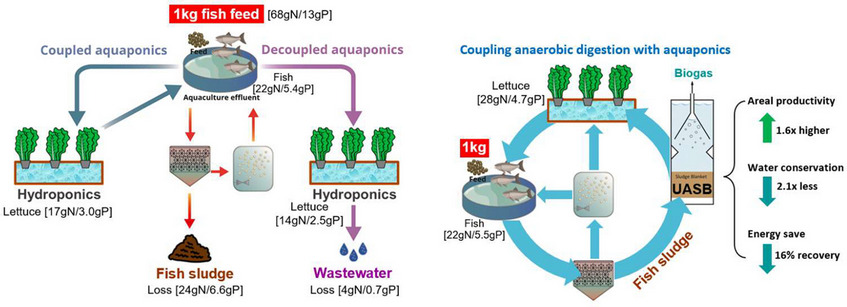
That’s where this new research steps in: coupled aquaponics are closed loop systems that recycle much of the fish effluent rather than reusing it outside of the aquaponic system. Where typically the fish solid waste is disposed of, Gross managed to treat it by anaerobic digestion and recover energy and nutrients into the system to form a near zero waste unit. This is the path to resolving the ups and downs and headaches of balancing the nutrient load in the system and what the plants need as they grow.
After more than two years of testing, Gross’s system demonstrated 1.6 times higher plant areal productivity, 2.1 times lower water usage and 16% less energy consumption per kilogram of feed than conventional systems.
Hydroponics plastic tubes
His calculations suggest that upscaling to about one ton of fish will allow operation of the system with no need for external energy, less than 1% water exchange, negligible waste production as well as significant carbon sequestration.
“Feeding the more than 8 billion people on the planet while reducing greenhouse gas emissions will require innovative technologies. Those that combine two functions in one are obviously preferable. Fish are a sustainable high-quality source of protein with a far smaller carbon footprint than most other sources. Combining fish growth with vegetable production and preventing waste is a win-win-win,” says Gross who worked with Ze Zhu and Uri Yogev from Ben-Gurion University and Prof. Karel Keesman from Wageningen University and Research in the Netherlands.
? Hydroponics, Aquaponics, and Cannabis: Growing Greener with Smart Agriculture
As the world looks for sustainable ways to grow food and medicine, modern farming methods like hydroponics, aquaponics, and even cannabis cultivation are leading a quiet revolution—especially in regions facing water scarcity, like the Middle East and North Africa.
Hydroponics uses nutrient-rich water instead of soil, saving up to 90% of water compared to traditional farming. Aquaponics adds fish into the mix, creating a closed-loop system where fish waste feeds the plants, and the plants clean the water. These systems can be set up in homes, urban rooftops, or greenhouses, making them ideal for future food security.
And yes, cannabis—the once-taboo plant—is gaining ground as a medicinal crop. Grown sustainably in hydro or aquaponic systems, cannabis can provide medical benefits without the environmental damage associated with traditional farming.
This green trifecta—hydroponics, aquaponics, cannabis—is not just a trend; it’s a glimpse into the future of ethical, sustainable agriculture.
? Learn More
Here are 5 useful links to deepen your understanding:
Bamboo is emerging as a sustainable and versatile material in contemporary architecture. Its rapid growth, sensual design, strength, and renewability make it an ideal choice for eco-conscious design. It can made to scale for large community projects but it can also be used in homes.
Bamboo, often referred to as the “green steel” of the future, is quickly gaining popularity as a sustainable alternative to traditional building materials. With its fast growth cycle, minimal environmental footprint, and impressive strength, bamboo is emerging as a game-changing material for the construction industry. Not only is it an eco-friendly choice, but its versatility allows it to be used in everything from flooring to scaffolding, and even entire buildings.
As we continue to search for ways to reduce our carbon footprint, bamboo presents an invaluable opportunity to build greener, more sustainable homes and structures.
Here are five firms from around the world that are redefining bamboo architecture, each bringing unique approaches that could set new standards in the field.
Founded by Elora Hardy, from Canada, Ibuku is renowned for its eco-friendly bamboo structures that blend traditional craftsmanship with modern design.Their work includes the Green Village near Ubud, a community of bamboo homes that harmonize with the natural environment.Ibuku’s designs have been featured in Architectural Digest for their innovative use of bamboo in creating sustainable living spaces.
Pros:Sustainable, aesthetically unique, and deeply connected to local culture. Cons:High labor intensity and maintenance requirements.
Penda is an architecture and design studio that has explored the potential of bamboo in modular construction.Their project “One with Birds” envisioned a hotel made from bamboo tents and towers, inspired by Native American tepees.The firm has also proposed the idea of a bamboo city, aiming to build a sustainable urban environment using bamboo modules.
Pros:Innovative, scalable, and environmentally friendly. Cons:Challenges in large-scale implementation and durability in diverse climates.
Renowned Japanese architect Kengo Kuma has integrated bamboo into urban architecture.His project “Alberni by Kengo Kuma” in Vancouver features a bamboo forest at its base, creating a serene urban oasis.This incorporation of bamboo into a high-rise building exemplifies Kuma’s philosophy of blending nature with architecture.
Pros:Elegant, culturally resonant, and enhances urban biodiversity. Cons:Potential challenges in structural integration and long-term maintenance.
Like Bill and Athena Steen, who founded the Canelo Project to teach strawbale building in Arizona, Bamboo U is an educational initiative based in Bali that trains architects and builders in bamboo construction techniques.Their workshops and projects, such as the River House at Sayan, demonstrate the potential of bamboo in creating sustainable architecture.Bamboo U’s approach emphasizes hands-on learning and community involvement.
Pros:Educational, community-focused, and promotes sustainable building practices. Cons:Limited project scale and potential challenges in widespread adoption.
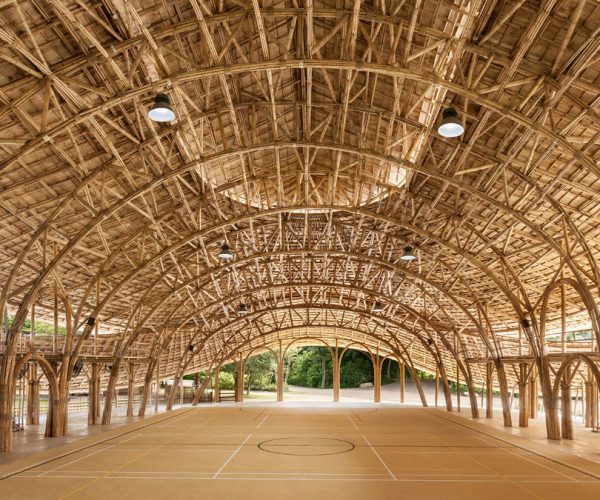
Chiang Mai Life Architects is a design and construction firm in Thailand specializing in bamboo structures. (Read about our family trip to Chiang Mai here). Their projects range from residential homes to community centers, all emphasizing sustainability and natural aesthetics.The firm utilizes bamboo’s flexibility and strength to create structures that are both functional and environmentally responsible.
Pros:Locally sourced materials, cost-effective, and adaptable designs. Cons:Limited recognition outside Southeast Asia and potential scalability issues.
As Elora Hardy, founder of Ibuku, states, “Bamboo is the material of the future because it speaks to sustainability, affordability, and a new sensual way of thinking about our relationship with nature.”
And it just feels right.
Doing more research on bamboo? We have you covered:
While high-profile firms like Foster + Partners dominate headlines with sleek green towers and mega-projects, many equally visionary eco-architects are working quietly around the world—designing sustainable spaces that restore, regenerate, and rethink how we live. These five architects aren’t just building—they’re reimagining our future.
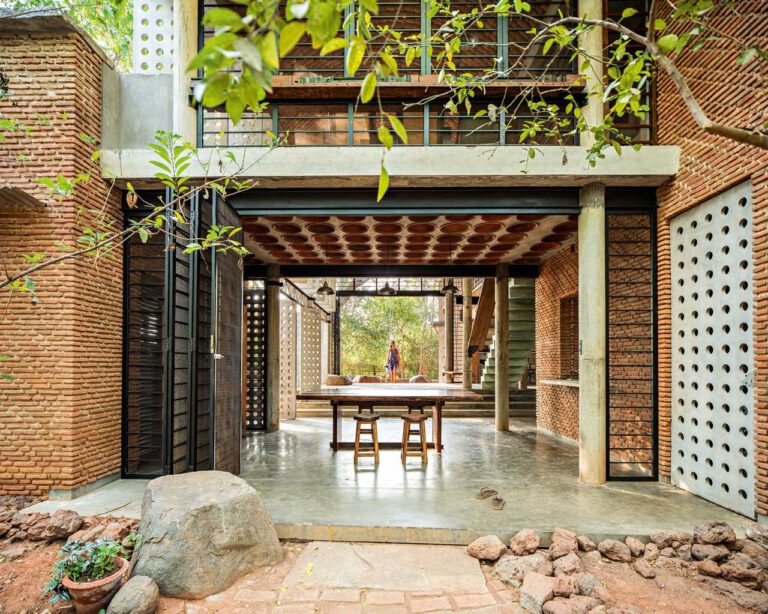
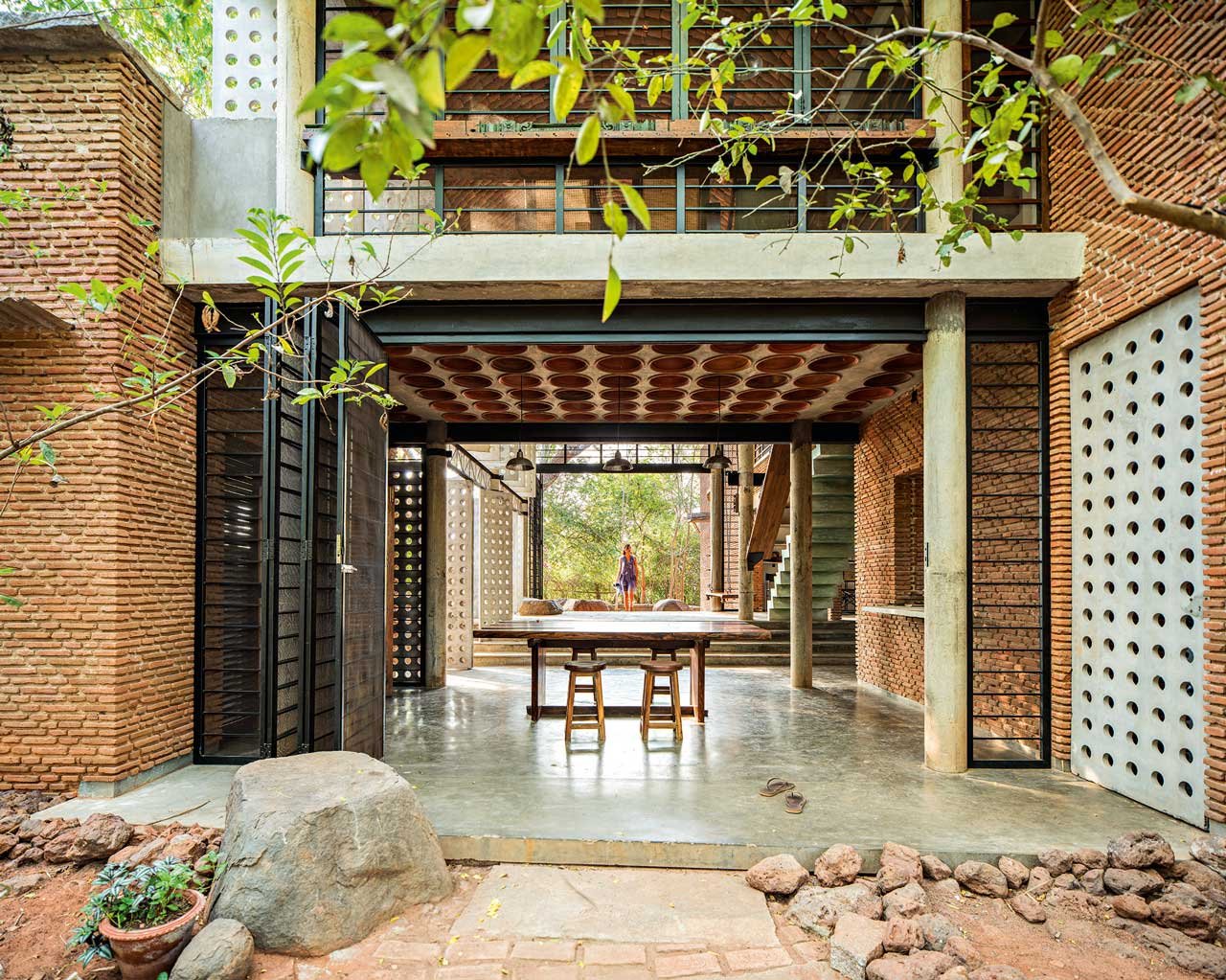
Wall House by Anupama Kundoo
1. Anupama Kundoo – India’s Anupama Kundoo blends traditional Indian techniques with radical innovation. Her work in Auroville, including the “Wall House” and lightweight ferrocement structures, proves that low-tech can be high impact. Her philosophy centers around local materials, self-sufficiency, and zero waste, offering a path to sustainable urbanism rooted in community and place.
“My buildings grow out of the place. The idea is to make architecture a catalyst for social change,” says Kundoo.
JustK by AMUNT
2. AMUNT – Germany Winners of the AR Emerging Architecture Award, this German studio creates emotionally rich, low-carbon homes using passive design and recycled materials. Their JustK House shows how eco-housing can be beautiful, efficient, and emotionally sustainable, with hand-crafted timber and thoughtful details woven into every inch.
Emmanuel Omollo
3. Alejandro Aravena / ELEMENTAL – Chile Pritzker Prize-winner Aravena leads ELEMENTAL, a public interest architecture studio famous for its incremental housing: homes that families can build onto as resources grow. These projects are affordable, expandable, and community-based—an essential counterpoint to the high-gloss, high-cost world of global architecture.
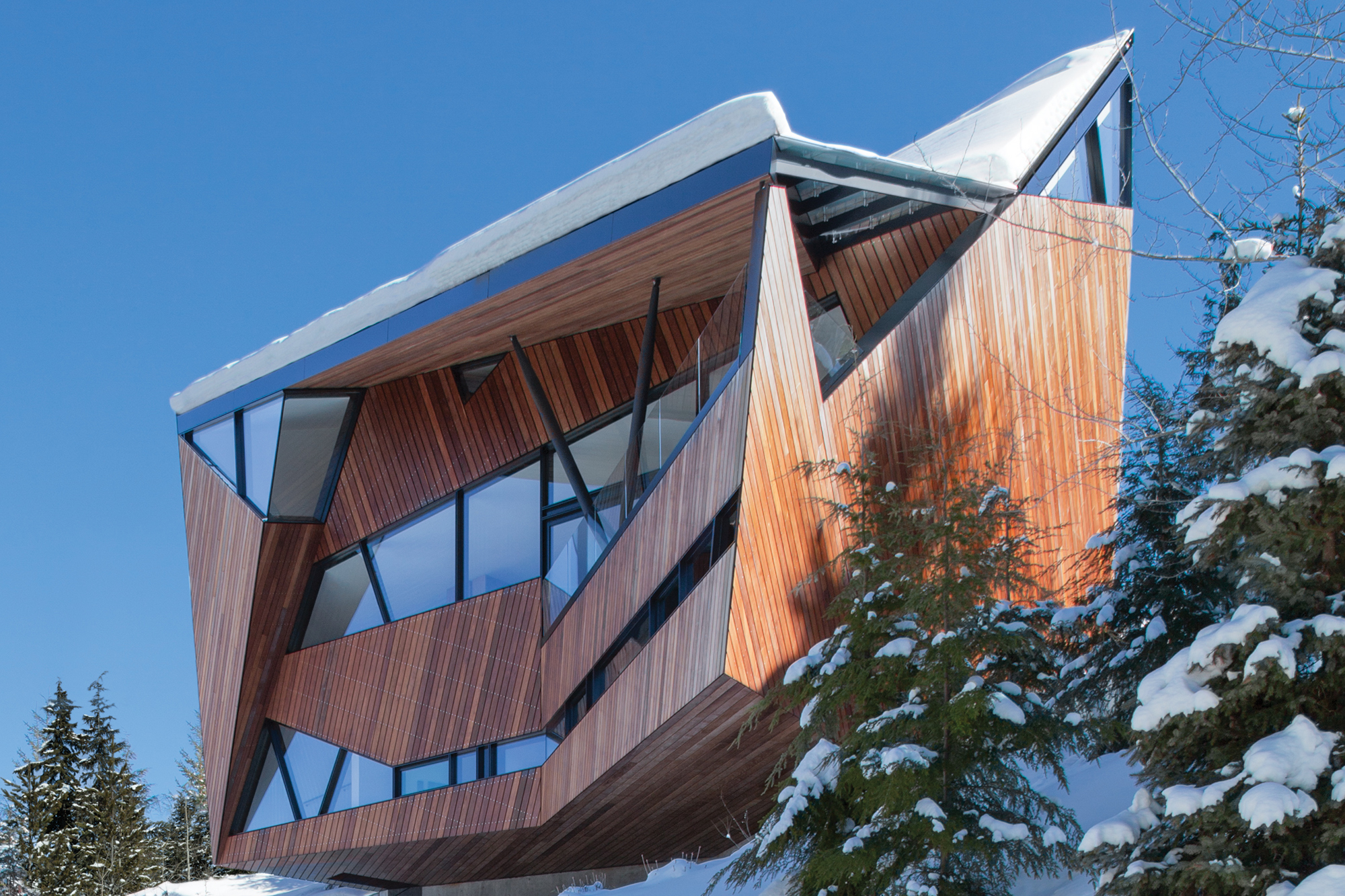
Patkau Architects
4. Patkau Architects, based in Vancouver, is known for their minimalist approach to eco-design, seamlessly blending architecture with the natural environment. They use innovative materials and sustainable techniques in a way that creates spaces that are at once functional and awe-inspiring.
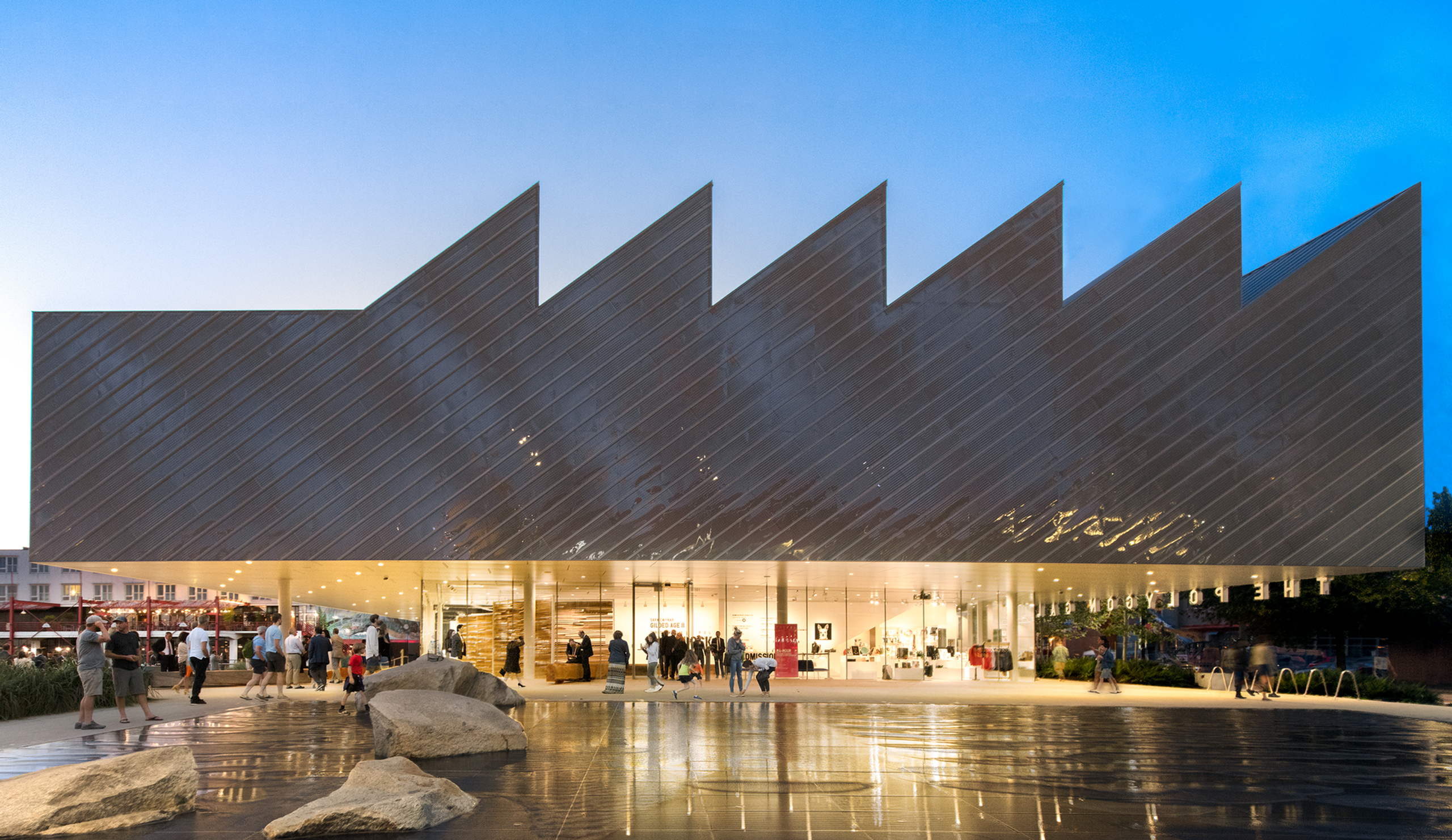
The Polygon Gallery
Their projects, such as the Polygon Gallery in North Vancouver, showcase how sustainable design can elevate community engagement while respecting the natural surroundings.
Bjarke Ingels is the founder of BIG, a renowned architectural firm based in Copenhagen. His approach to architecture blends bold, forward-thinking design with sustainability and social impact. BIG is known for creating structures that balance aesthetics with environmental and social responsibility.
Their iconic projects like the Amager Bakke Waste-to-Energy Plant in Copenhagen, which doubles as a ski slope, and the 8 House, a mixed-use development focused on sustainable urban living, show how architecture can address climate challenges while being playful and functional. Ingels’ work embraces the idea of “hedonistic sustainability,” where green solutions are not only efficient but enjoyable. His website reads: BIG.dk, so you figure out where he’s going with this.
Green Prophet readers know that architecture isn’t just about buildings—it’s about systems, ethics, materials, and how we relate to the planet.
Curious about eco-architecture in the Middle East?
As the planet warms, the race for sustainable cooling technologies is heating up. In Slovenia, researchers are developing a revolutionary cooling system that skips toxic gases and instead uses recyclable nickel-titanium alloy to keep things chill. Their method?
It’s called elastocaloric cooling—and it could transform how we air-condition homes and buildings without harming the planet. Unlike traditional systems that use hydrofluorocarbons (HFCs)—greenhouse gases thousands of times more potent than CO₂—this method doesn’t rely on liquid-to-gas phase changes. Instead, it leverages a solid-state material, nitinol, which heats up when mechanically stressed and cools down when the pressure is released.
Jaka Tušek: Photo of an elastocaloric regenerator (left) as the basic element of an elastocaloric device and the operation of the elastocaloric regenerator in heating mode, taken with a thermographic camera (right)
“A mass of only one kilogram of refrigerant with a GWP of 10,000 causes as much global warming as 10 tons of CO₂,” says Jaka Tušek, principal investigator of the project at the University of Ljubljana. “We want to replace them with solid refrigerants based on shape memory alloys.”
The project, E-CO-HEAT, is part of the European Union’s broader mission to decarbonize heating and cooling—a sector that accounts for 10% of global electricity use. This research could help phase out toxic coolants, reduce fire risk, and improve efficiency, especially as climate change accelerates.
“Our device has no moving parts in the cooling loop and uses less energy,” the team notes. “It can become a highly efficient alternative to vapor compression cooling.
“Ironically, the more we cool, the greater the demand for cooling.” he explains. “The International Energy Agency estimates that the number of air conditioners worldwide will rise from 1.6 billion today to 5.6 billion by the middle of the century.
“At this rate of increase in cooling demand, energy use for cooling will exceed total energy use for heating by 2060 and by the end of the century by more than 60%. Among the alternative technologies, elastocaloric cooling and heating technology, based on exploiting the elastocaloric effect during cyclic loading of shape memory materials, has shown great potential in recent years,” says Tušek.
Metal-Based Cooling Could Cut Carbon and Slash Energy Use
Tušek’s team is working with partners from Ireland, Germany, and Italy under the project SMACool, which aims to deliver a working prototype of a metal-based air conditioner by 2026. Though still at 15% efficiency, researchers expect to surpass that soon, potentially beating standard vapor compression units that max out at 30%.
The technology avoids the flammable or toxic properties of so-called “natural refrigerants” like isobutane or ammonia, which come with their own risks—especially in hot climates where performance drops.
“We are building an advanced elastocaloric device that can replace today’s harmful cooling systems and have a measurable impact on climate goals,” Tušek says.
But change won’t be instant. This kind of leap forward faces resistance from an industry heavily invested in HFC-based infrastructure. Still, the benefits—zero-emissions refrigerants, higher safety, and better performance—are hard to ignore.
As Tušek puts it: “We’re not only developing a device. We’re shaping a safer, cooler future.”
Safiyaa is a London-based fashion label founded in 2011 by Daniela Karnuts, known for its commitment to sustainable luxury and modern elegance. The brand offers made-to-order gowns crafted by a single artisan, ensuring minimal waste and a personalized fit.
In an industry notorious for its environmental footprint, demi-couture brand Safiyaa stands as a compelling counterexample. Founded by Daniela Karnuts in 2011, the London-based label has quietly revolutionized luxury fashion not just through its timeless designs, but through a business model that inherently addresses fashion’s sustainability crisis. While the industry produces an estimated 92 million tons of textile waste annually and accounts for 10% of global carbon emissions, Safiyaa’s approach offers a radical alternative—one where waste is eliminated before it begins.
“The most sustainable garment is the one you keep wearing,” Karnuts has noted, cutting through the greenwashing that often characterizes fashion’s environmental messaging. This simple observation forms the foundation of Safiyaa’s sustainability ethos, where longevity isn’t just a marketing angle but a core design principle. As consumers increasingly reject the disposability of fast fashion and question the environmental costs of their purchasing decisions, Safiyaa’s model demonstrates how luxury brands can align environmental responsibility with business success.
The brand’s made-to-order approach isn’t just better for the planet—it represents a fundamental reimagining of the relationship between fashion brands and consumers. Rather than producing seasonal collections based on predicted trends and hoping they sell, Safiyaa creates garments only when ordered, eliminating the industry-wide problem of unsold inventory that often ends up in landfills or incinerators. This precision-based production model has positioned Karnuts at the forefront of fashion’s sustainability movement, proving that eco-friendly practices can enhance rather than compromise luxury appeal.
Rethinking Production: The Environmental Benefits of Made-to-Order
Traditional fashion production follows a speculative model: brands create collections months in advance, produce them in volume, and then push them to market through aggressive marketing. This approach inevitably leads to overproduction, with the fashion industry routinely creating far more garments than the market can absorb. The result is staggering waste—deadstock clothing that sits in warehouses, sells at deep discounts that undermine brand value, or ends up destroyed.
Safiyaa disrupts this wasteful cycle through its made-to-order model. “Every Safiyaa item is developed and made to order at the brand’s London, New York, and Istanbul ateliers,” the company states. This approach serves multiple environmental functions simultaneously. It eliminates excess inventory, conserves raw materials, reduces energy consumption in manufacturing, and decreases the carbon footprint associated with storing and shipping unwanted products.
The environmental benefits extend beyond waste reduction. By producing locally in its ateliers rather than outsourcing to distant factories, Safiyaa minimizes transportation emissions that would otherwise be generated by shipping materials and finished products across global supply chains. This localized production also allows for tighter quality control, ensuring that each garment meets the brand’s exacting standards—another factor that contributes to longevity.
“Safiyaa remains an independent vertically integrated family-owned company, dedicated to bridging the gap between a bespoke made-to-measure service and customized technology designed to avoid over production,” the brand explains. This vertical integration gives Karnuts unprecedented control over the entire production process, from design to delivery, enabling a level of environmental stewardship that would be impossible in a more fragmented supply chain.
Material Matters: Fabric Selection as Environmental Strategy
While Safiyaa’s made-to-order model addresses the quantity side of fashion’s environmental equation, the brand’s approach to materials addresses the quality dimension. Karnuts has built Safiyaa around “luxurious fabrics” selected not just for their aesthetic appeal but for their durability and longevity—characteristics that are inherently eco-friendly.
The fashion industry’s shift toward sustainable materials has accelerated in recent years, with eco-friendly demi-couture brands increasingly embracing organic cotton, hemp, recycled polyester, and deadstock fabrics. These materials require fewer resources to produce, generate less pollution, and often have a significantly lower carbon footprint than their conventional counterparts.
Safiyaa’s emphasis on “rich colors and luxurious fabrics” reflects this growing awareness of material sustainability. By selecting high-quality materials that maintain their appearance and structural integrity over time, Karnuts ensures that Safiyaa garments remain wearable for years or even decades—a stark contrast to fast fashion items designed to last only a few wears.
This focus on material quality connects directly to Karnuts’ founding vision. When she launched Safiyaa, she was responding to a gap in the market for women’s clothing that matched the longevity and investment value of men’s tailoring. “It was thus that Safiyaa, named after her daughter and meaning purity, was formed,” the brand explains. This pursuit of “purity” extends to the environmental dimension, with Safiyaa’s materials selected to withstand both changing trends and physical wear.
Beyond Seasonality: Timeless Design as Environmental Practice
Perhaps the most revolutionary aspect of Safiyaa’s environmental approach is its rejection of fashion’s seasonal cycle. Where conventional luxury brands introduce entirely new collections multiple times per year, encouraging consumers to constantly update their wardrobes, Safiyaa focuses on “timeless, elegant pieces that endure beyond a single season.”
This seasonless approach represents a profound environmental statement. By creating garments designed to transcend fleeting trends, Karnuts challenges the planned obsolescence built into most fashion business models. Safiyaa pieces aren’t designed to look dated after six months—they’re created to remain relevant and desirable for years, reducing the pressure on consumers to continually replace their wardrobes.
“When it feels impossible to keep up with the latest trend cycles, Safiyaa offers a wardrobe built on foundational pieces that remain relevant year after year,” the brand notes. “Karnuts has focused on perfecting a core range of pieces that are designed to last, keeping up with consumer sentiment by introducing new categories such as bridal and loungewear rather than making larger collections.”
This philosophy aligns perfectly with the emerging eco-friendly demi-couture movement, which emphasizes “seasonless collections” focused on “timeless designs rather than seasonal trends.” By encouraging customers to invest in pieces that can be worn for years, this approach reduces the environmental impact associated with frequent fashion purchases.
Craftsmanship as Conservation: The Environmental Value of Quality
Central to Safiyaa’s sustainability credentials is its commitment to craftsmanship. Each piece is “made by a team of dedicated artisans to create elevated, versatile collections made for women by women.” This artisanal approach stands in stark contrast to mass production methods that prioritize speed and cost over quality and durability.
The environmental benefits of craftsmanship are substantial but often overlooked in sustainability discussions. Garments that are meticulously constructed by skilled artisans typically last longer, reducing the need for replacement and keeping textiles out of landfills. The attention to detail in construction—precise seams, proper finishing, strategic reinforcement—ensures that Safiyaa pieces maintain their structural integrity through years of wear.
“Known for sharp tailoring and form fitting silhouettes,” Safiyaa exemplifies how craftsmanship contributes to environmental sustainability. The brand’s emphasis on tailoring ensures that each garment fits its wearer perfectly, increasing the likelihood that it will remain a wardrobe staple rather than being discarded due to poor fit or construction.
This focus on quality over quantity represents a return to pre-industrial values in clothing production. Before the rise of fast fashion, garments were significant investments, carefully maintained and often passed down through generations. Safiyaa’s approach helps revive this tradition of clothing as long-term investment, with all the environmental benefits that entails.
Technology as Environmental Enabler
While Safiyaa honors traditional craftsmanship, it doesn’t shy away from technological innovation that can enhance sustainability. The brand is “committed to bridging the gap between a bespoke made-to-measure service and customized technology designed to avoid over production.”
This integration of technology into the made-to-order process represents an important evolution in eco-friendly demi-couture. By leveraging digital tools to streamline ordering, pattern-making, and production planning, Safiyaa can deliver customized garments with remarkable efficiency, reducing resource waste while maintaining quality.
“Safiyaa delivers power of choice and connects the craftsmanship to the client,” the brand explains. This direct connection between artisan and client, facilitated by technology, eliminates many of the inefficiencies in traditional fashion supply chains. Customers receive exactly what they want, artisans create pieces they know will be appreciated, and the environmental waste associated with mass production is avoided.
The Future of Sustainable Luxury
As Safiyaa moves “into its second decade of solid growth and global expansion,” Daniela Karnuts’ approach to eco-friendly demi-couture offers valuable lessons for the broader luxury industry. By combining traditional craftsmanship with innovative production models and a steadfast commitment to timeless design, Safiyaa demonstrates that environmental responsibility and business success can be mutually reinforcing rather than mutually exclusive.
“Imbuing traditional artisanal principles with pioneering technology are just part of Safiyaa’s commitment to leading a responsible, transparent and forward-thinking company with integrity and innovation at its core,” the brand states. This integration of old-world craft and modern efficiency creates a blueprint for sustainable luxury that other brands would be wise to study.
In a world increasingly conscious of fashion’s environmental impact, Safiyaa’s model offers a compelling vision of how the industry might evolve. By creating garments designed to last physically and aesthetically, producing only what customers actually want, and maintaining exacting standards of craftsmanship, Daniela Karnuts isn’t just building a successful luxury brand—she’s helping redefine what luxury means in an age of environmental awareness.
As consumers increasingly demand that their purchases reflect their values, Safiyaa’s eco-friendly approach to demi-couture positions the brand for continued relevance and growth. By demonstrating that sustainability can enhance rather than compromise luxury appeal, Karnuts has created more than just a fashion label—she’s created a model for how we might consume more thoughtfully in a resource-constrained world.
Commonly occurring and caused by a range of elements, including genetics, hormone imbalances, stress, medical disorders, or even some drugs is hair loss. Men and women both suffer from androgenetic alopecia, a congenital disorder most commonly occurring. Other causes could be inadequate diet, scalp infections, or autoimmune diseases such alopecia areata. Correctly resolving the problem depends on knowing the fundamental cause since it enables people to investigate solutions catered to their requirements. Fortunately, advances in dermatology have resulted in the creation of effective hair loss treatment options, ranging from topical drugs like minoxidil to sophisticated surgeries like hair transplants, providing hope for people wishing to regain their confidence.
Dealing with hair loss calls for a careful approach since not all treatments fit every person. An efficient hair loss treatment should take individual goals, health, and underlying cause into account. For early-stage hair thinning, for example, stem cell therapy for hair loss could be effective; for major hair loss, surgical choices including hair transplants could be more suitable. Finding the best hair loss cure depends on seeing a trained dermatologist orste trichologist, who guarantees that it is customized to the particular situation of the patient. Choosing the correct course can help people get greater results and more quickly rebuild their confidence.
Common Causes of Hair Loss
Alopecia, either male or female pattern baldness
Affected millions of people globally, this genetic condition is defined by a persistent pattern of hair thinning. It results from hormonal shifts and genetic inclination as well as from hair follicle DHT sensitivity. There are effective hair loss treatment alternatives, including medications, hair restoration procedures, and lifestyle changes, notwithstanding the possibility of stress.
Hormonal changes
Hormones increase hair development during pregnancy; but, postpartum hormonal shifts produce telogen effluvium, or temporary hair loss. Menopause reduces estrogen, which can cause thinning or loss of hair. Both hyperthyroidism and hypothyroidism throw off the hair development cycle and produce either thinning or too much shedding. Medical treatment can help control these hormonal changes so less hair loss results.
Medications and medical conditions
Targeting hair follicles, an autoimmune disease called alopecia areata causes patchy hair loss on the scalp and elsewhere. Another inflammatory disorder, lupus, can cause scalp inflammation and scarring that results in lifelong hair loss. Red, scaly scalp psoriasis can also prevent hair growth. Targeting fast dividing cancer cells, chemotherapy can also cause temporary but significant hair loss. Among side effects of antidepressants could be shedding. After determining the cause, an effective hair loss treatment can boost confidence and encourage good hair growth.
Dietary deficiencies and an imbalanced diet
Hair thinning or shedding can result from an iron, vitamin D, zinc, and biotin deficit. Low iron levels impede hair follicle oxygen delivery; biotin deficit influences keratin production. Restricting food and crash diets can aggravate vitamin deficits and hair loss. In order to stimulate hair follicles and promote regeneration, an effective hair loss treatment requires a balanced diet high in proteins, minerals, and vitamins.
Stress and psychological elements
Traumatic events or anxiety can aggravate the effect of ongoing stress on follicles and hair development. Emotional turmoil might lead to trichotillomania. With the right hair care and nutrition, an effective hair loss treatment plan incorporates stress-reduction techniques like mindfulness and therapy. Minimizing psychological stress will help hair grow and slow down loss.
Chemical treatments and hairstyling
Frequent usage of flat irons and curling wands could weaken and break the hair shaft. Moreover causing traction alopecia are braids, ponytails, and buns. Additionally drying out hair is overuse of chemical treatments including dyes, bleaches, and perms. The key to effective hair loss treatment is gentle hair care, avoiding heat style, avoiding harsh chemicals, and using nouraging scalp treatments and products.
Early Signs and Diagnosis
Changes in hair density and condition early on indicate hair loss. As your scalp becomes more apparent, particularly around the crown or hairline, thinning hair may show itself. Additionally suggesting too much shedding is hair in your brush, shower drain, or pillow. For individuals, localized hair loss may produce bald patches. Furthermore exposing underlying diseases causing hair loss could be scalp irritation or inflammation including redness, itching, or discomfort. Early recognition of these signs facilitates the identification of causes and the search for treatments.
Extreme hair loss may be able to be addressed by a dermatologist or trichologist. Trichologists treat hair and scalp illnesses; dermatologists address skin, hair, and nail issues. Usually, during your appointment, you should thoroughly go over your medical history, way of life, and health issues. Scalp biopsies, blood tests, and dermatoscopic imaging can identify the reason of your hair loss—including hormonal imbalances, nutritional inadequacies, autoimmune illnesses, and others. Customizing a treatment plan calls for a comprehensive diagnosis.
Lifestyle Changes and Preventive Strategies
The Muslim head scarf can damage hair. Here’s a guide to keeping hair healthy.
Good hair loss therapy consists on healthy hair development and avoidance of nutrient-deficient diets’ effects. Packed in protein and biotin, eggs contribute to the keratin production for hair. Iron, vitamin A, and vitamin C found in spinach and other leafy greens help with scalp health and sebum production. High in omega-3 fatty acids, salmon keeps hair strong and moist. B12 and vitamin D shortages can cause hair thinning and breaking, hence these minerals are rather important. A good diet supplies the nutrients your hair needs for strength building and development.
Stress can cause telogen effluvium, in which case hair follicles shed too early. Long term stress affects the hair growth cycle and causes hair loss. Good hair calls the control of tension. Meditation, yoga, and exercise help to improve well-being by lowering tension. Stress management and an effective hair loss treatment, such as topical treatments or nutritional supplements, can help those who are already losing their hair by addressing both the source and the symptoms.
Good washing and conditioning address scalp condition as well as hair loss prevention. Use moderate, sulfate-free shampoos and conditioners to take care of hair without stripping it of oils. Moreover decrease of hair damage results from avoiding strong chemicals and heat. Protection hairstyles as braids or buns help to minimize daily styling tension and breakage. These methods help to protect and strengthen hair when used in conjunction with an effective hair loss treatment such as specialist serums or nutrient-dense pills.
Emerging and Experimental Treatments
In several medical disciplines, including as an effective hair loss treatment, stem cell therapy is a relatively new and experimental treatment that shows great potential. This novel method stimulates hair follicles using the regenerative qualities of stem cells, hence perhaps reversing hair thinning and encouraging growth. Among the possible advantages of stem cell treatment include low invasiveness relative to conventional techniques like hair transplants and natural-looking outcomes. Still, there are restrictions like expensive expenses, limited access, and the necessity of more clinical studies guaranteeing safety and efficacy. Notwithstanding these difficulties, developments in stem cell research keep opening the path for innovative ideas to treat medical disorders like hair loss.
As an effective hair loss treatment, emerging and experimental therapies like gene therapy show considerable promise. Targeting the underlying causes of hair loss—such as genetic predisposition or hormone imbalances—gene therapy seeks to alter or repair genetic material. Targeting particular genes linked to hair growth cycles helps scientists create treatments meant to either stimulate dormant follicles or stop more hair thinning. These developments, which currently belong in the experimental stage, indicate future opportunities where tailored medicine could transform the treatment of hair loss. Determining the safety, practicality, and general applicability of gene therapy for hair loss will depend much on continuous research and clinical studies.
Choosing the Right Solution for You
Personalized treatment plans are vital for effective hair loss treatment since they incorporate multiple treatments to meet an individual’s needs. These plans treat hair loss with topical, oral, and lifestyle therapy. Monitoring progress keeps the treatment on track and identifies ways to improve outcomes. This adaptable method improves treatment efficacy and provides a complete experience, helping patients restore confidence and achieve lasting outcomes.
Early action is key to effective hair loss treatment. Early detection allows for immediate action, averting future deterioration and improving targeted remedies. Professionals can accurately diagnose and create a customized treatment plan, so consult them. Early consultation can help people find the finest solutions and protect their hair and confidence.
Hair loss can be difficult and upsetting, but it’s crucial to focus on progress and future prospects. With scientific developments and a variety of effective hair loss treatments, people have more tools than ever to address their concerns and achieve substantial outcomes. Remember that hair recovery takes time, persistence, and positivity. Celebrate minor wins and rely on professionals and loved ones to keep motivated. By taking action and staying dedicated, confidence and hair health can be restored.
Make Sunsets is a US-based startup founded in 2022 by Luke Iseman, aiming to combat climate change through solar geoengineering.The company’s approach involves launching weather balloons that release sulfur dioxide (SO₂) into the stratosphere, intending to reflect sunlight and cool the Earth—a process inspired by the natural cooling effects observed after volcanic eruptions.To fund these activities, Make Sunsets sells “cooling credits,” claiming that each gram of SO₂ offsets the warming effect of one ton of CO₂ for a year.
The startup has sparked significant controversy due to its unregulated and unilateral actions.In 2022, it conducted test launches in Mexico without governmental approval, leading to a national ban on solar geoengineering experiments to protect communities and the environment.
Critics argue that Make Sunsets bypassed essential scientific protocols, including public engagement and independent impact assessments, raising concerns about the ethical implications of manipulating the climate without comprehensive oversight.
Furthermore, the scientific community is divided on the efficacy and safety of solar geoengineering.Potential risks include unintended consequences such as altered weather patterns, ozone layer depletion, and acid rain.The temporary nature of SO₂’s cooling effect necessitates continuous injections, potentially leading to dependency.Many experts advocate for a moratorium on such interventions until more research is conducted and robust international governance frameworks are established.
If global warming accelerates to dangerous levels and mitigation efforts fall short, solar geoengineering could serve as a temporary emergency measure. Make Sunsets contributes early real-world data and experimentation that could prove valuable in understanding the viability of such options in the future.
Despite the backlash, Iseman defends the company’s actions as a necessary response to the urgent climate crisis, aiming to provoke public discourse and accelerate research in the field.
The US Environmental Protection Agency’s (EPA) Office of Air and Radiation (OAR) isn’t happy about anyone making sunsets and has submitted a demand for information to a start-up company calling themselves “Make Sunsets,” which is launching balloons filled with sulfur dioxide (SO2) seeking to geoengineer the planet and generate “cooling” credits to sell.
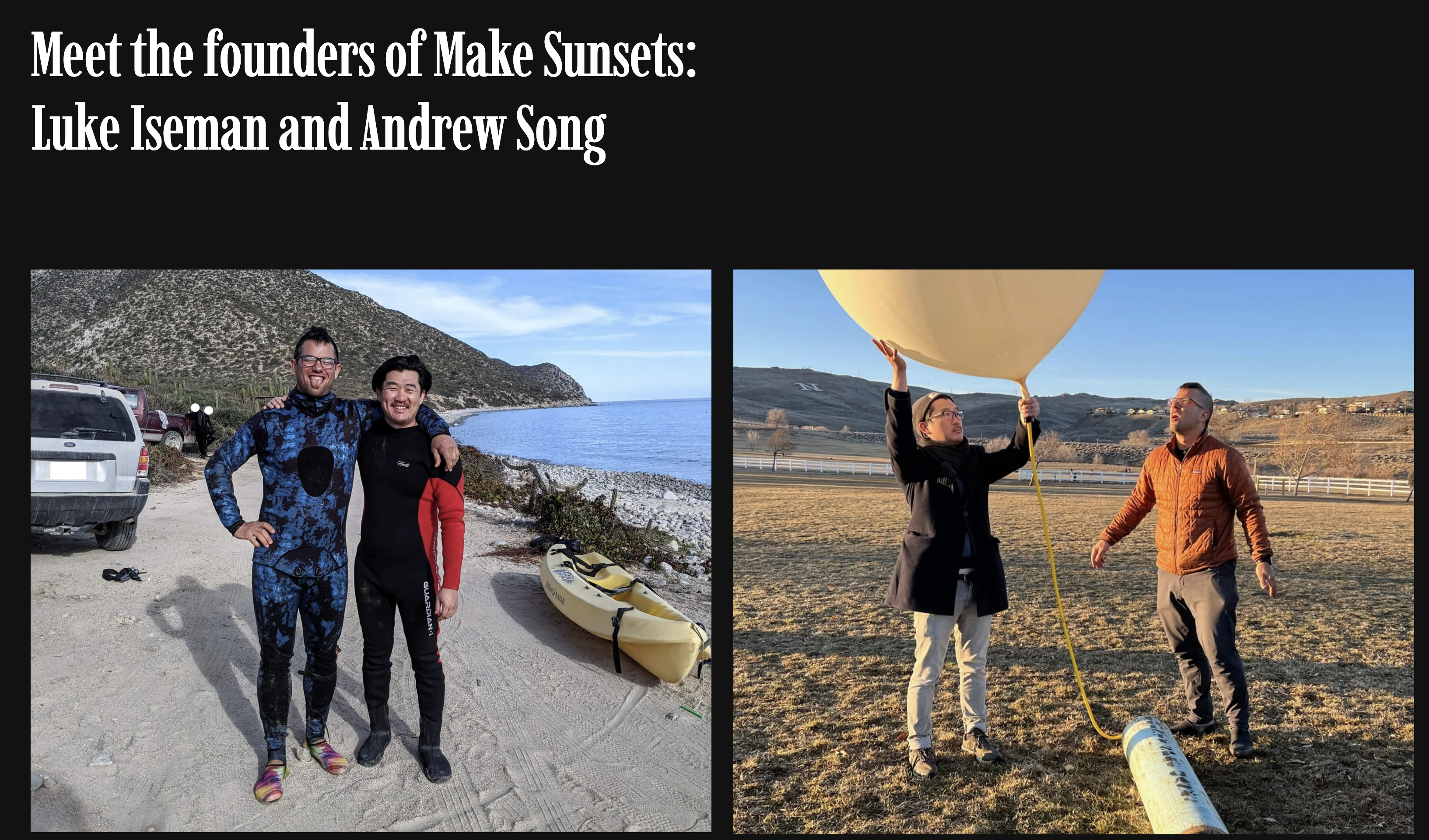
Make Sunsets founders
This issue was initially identified in 2023 during the last Administration, but no action was taken to find out more about this questionable start-up and activity.
“The idea that individuals, supported by venture capitalists, are putting criteria air pollutants into the air to sell ‘cooling’ credits shows how climate extremism has overtaken common sense,” said EPA Administrator Zeldin in a press statement. “Based on Make Sunsets’ responses to our information request, we will look into all our authorities to ensure that we continue maintaining clean air for all Americans.”
Make Sunsets is already banned in Mexico. Their website states they want to scale this activity significantly and have already conducted over 124 deployments. It is unclear where the balloons are launched and where the SO2 is from. Furthermore, it is not known if the company has been in contact with any state, local or federal air agencies. Thus, EPA is submitting a demand for information to get answers and plans to take additional actions as necessary.
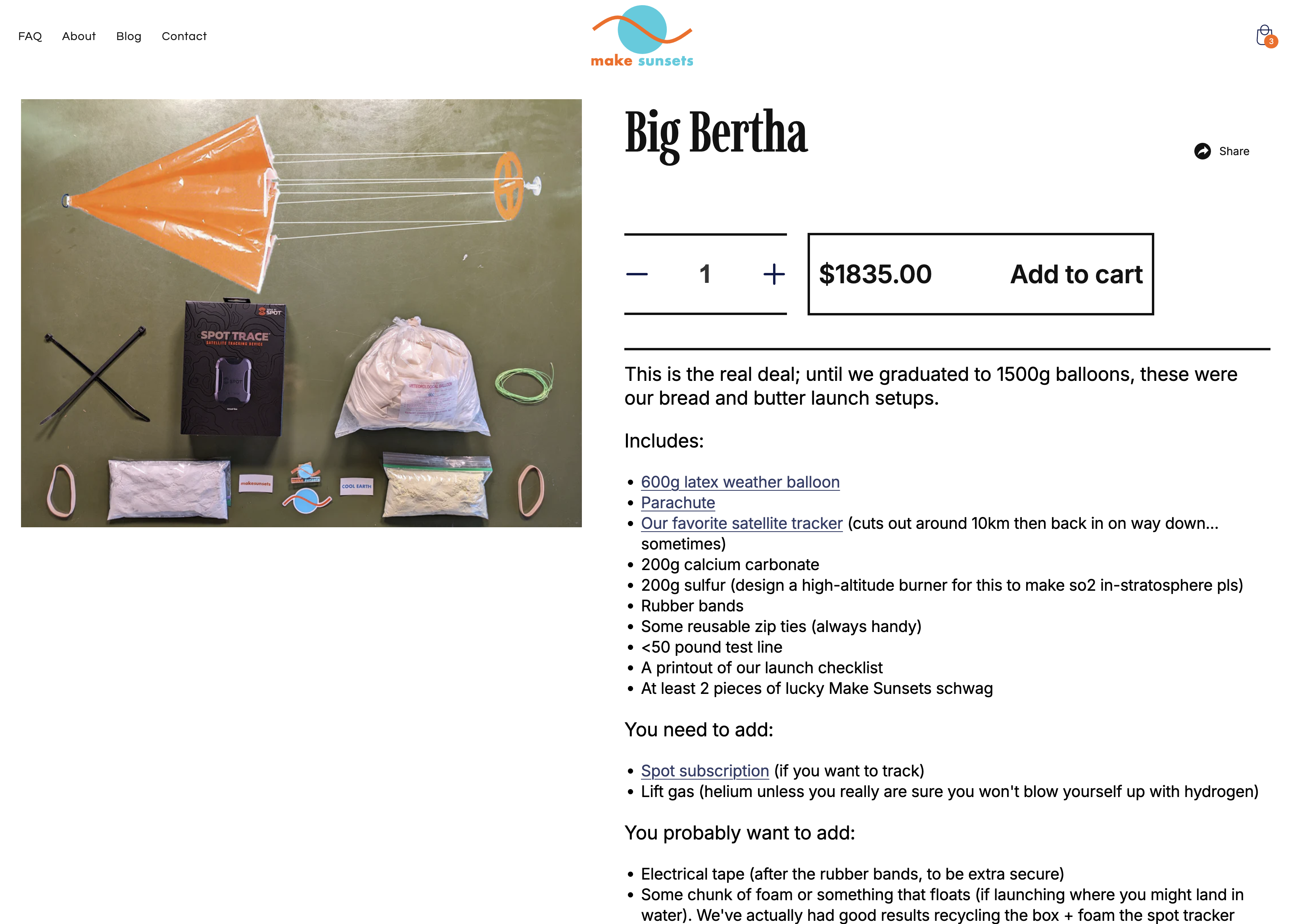
Individuals can make their own sunsets, by buying a kit for about $1835 through the company website:
Make Sunsets explains
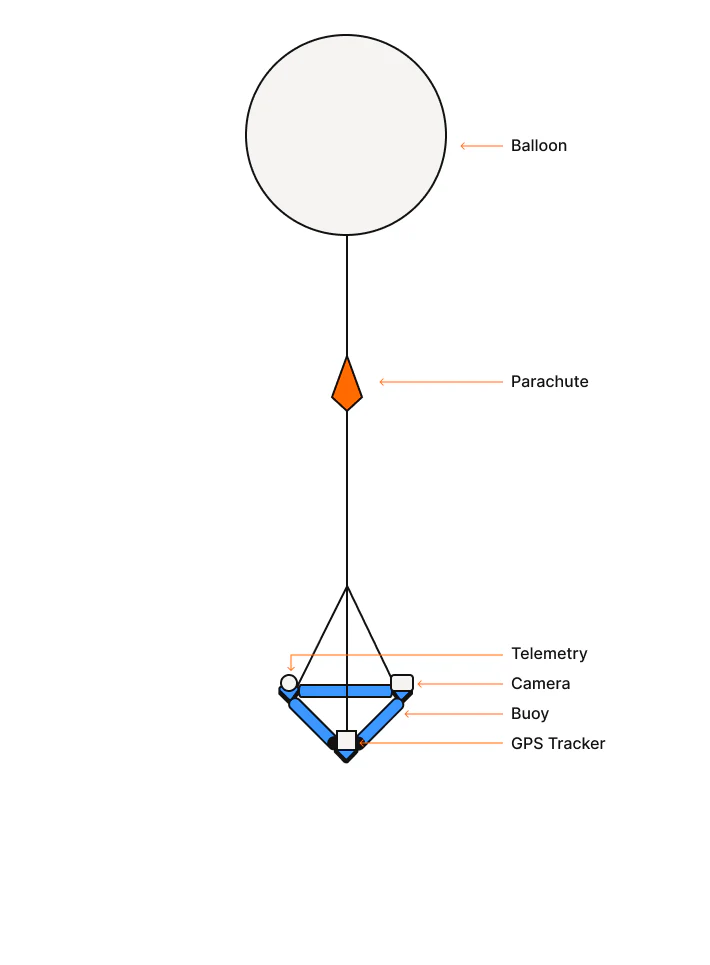
We currently use biodegradable latex balloons filled with hydrogen gas and sulfur dioxide (SO₂) to create reflective clouds in the stratosphere. The amount of hydrogen gas is calculated based on the balloon size, payload weight, and the desired burst altitude. Our goal is to release the reflective cloud above 20 km (66,000 ft) in the stratosphere. A calculator helps ensure precise measurements.
After launch, the balloon expands as it rises, due to decreasing air pressure, and eventually bursts. If the payload bursts above 66,000 ft, we issue Cooling Credits. If telemetry does not confirm stratospheric deployment, we re-deploy as needed. Once the balloon bursts, a parachute deploys to gently return the payload to the ground. The payload includes instruments to recover the balloon and collect important data about the deployment. A typical flight lasts 3–5 hours. Here is a video of a balloon launch and deployment details.
Here’s what a balloon looks like when it deploys Cooling Credits in the stratosphere:
The EPA is not happy at all with the startup’s experiments and has issued the warning:
Under Section 114 of the Clean Air Act (CAA), EPA is authorized to require facilities to provide information about their operations. The agency is requesting a response within 30 days.
Sulfur dioxide has been regulated by EPA since 1971 as part of the National Ambient Air Quality Standard (NAAQS) program. Sulfur dioxide can harm human health and the environment. Short-term exposures to SO2 can harm the human respiratory system and make breathing difficult. People with pulmonary diseases, particularly children, are sensitive to the effects of SO2. Additionally, SO2 can react in the atmosphere leading to acid rain or form particles that harm health and impair visibility.
They write: “Contrary to popular belief, Mexico hasn’t banned solar geoengineering. Florida *has* banned most big balloon launches. However, there’s an exception for “a person 6 years of age or younger.” Luke might have done a launch from Miami dressed as a giant baby; these lawmakers really should be more specific about their silly rules. Also, reminder because we get asked all the time: our balloons are fully biodegradable.
“In the future, some misguided politicians somewhere might ban solar geoengineering to pretend they’re doing something about the climate crisis. Until they also place a meaningful cap on carbon emissions, we will work around them. We will adapt as needed; the ocean is a big, largely unregulated place.”
Building muscle requires multiple factors, from exercise routines and diet to rest and restorative rest, but one often neglected aspect is hormones’ impact on muscle growth. Testosterone and growth hormone (GH) both play an integral part. These hormones play an integral part in muscle repair, recovery, and overall growth. You may turn to products like testosterone enanthate 250mg in order to optimise testosterone levels to support muscle-building efforts.
However, understanding how these hormones naturally function is paramount before considering external interventions. Let’s dive into how testosterone and growth hormones work together to support muscle building and how we can harness their full potential.
Testosterone Is Key for Muscle Growth
While testosterone is known to be an important male sex hormone, its benefits extend far beyond sexuality when it comes to muscular development in both sexes. Testosterone helps increase muscle mass, strength, and overall physical performance by stimulating protein production within muscles, which is critical in healing after intense training sessions and also essential in stimulating recovery processes after muscle damage has occurred.
Higher testosterone levels mean your body has more potential to build lean muscle mass. Men naturally possess higher levels than women; hence, they tend to build muscles quickly. Unfortunately, testosterone levels decline with age, which slows muscle-building efforts down considerably.
Growth Hormone as the Power Behind Muscle Repair
Foods to boost testosterone include oysters · leafy green vegetables · fatty fish and fish oil
Growth Hormone (GH), produced by the pituitary gland and responsible for stimulating body growth and regeneration, plays an integral role in muscle repair by stimulating tissue repair as well as increasing collagen production for improved muscle elasticity and overall strength. GH directly affects muscles by improving tissue repair while simultaneously producing additional amounts of it through the production of collagen, which contributes to better strength overall.
Growth Hormone (GH) plays an essential role in bone and joint development and repair, but its direct influence on muscle growth lies in protein synthesis. Much like testosterone, growth hormone helps your muscles recover after intense workouts so they’re stronger the next time around. The higher your levels of growth hormone, the quicker and more efficiently your muscles can recover and grow.
How Testosterone and Growth Hormone Interact
Testosterone and growth hormones don’t operate alone to promote muscle growth; rather, they work hand in hand to create the ideal environment for it. Testosterone plays an integral part in protein synthesis, while growth hormones help regenerate and repair tissue. When combined, they create the conditions needed for rapid muscle-building, repair, and strengthening processes to take place at an accelerated rate.
One of the fascinating aspects of testosterone and growth hormones is their impact on how efficiently our bodies can burn fat. While testosterone helps decrease fat storage by increasing lean muscle mass, growth hormone promotes fat-metabolizing processes, resulting in a leaner, more muscular physique when both hormones balance.
Natural Strategies to Elevate Testosterone and Growth Hormone Levels
While external products can help you manage your hormone levels, there are natural strategies like exercising regularly, maintaining a balanced sleep cycle, eating a balanced diet, maintaining stress relief, and considering supplementations wisely, which also enhance the growth of hormone levels.
Conclusion
Testosterone and growth hormone both play essential roles in muscle building. Their combined action helps promote repair, growth, and fat metabolism. By maintaining healthy levels of hormones through natural means such as exercise, sleep, and proper nutrition, you can maximise your muscle-building potential. Always consult with a healthcare provider first before considering supplementation or hormone replacement therapy, as this could have serious ramifications on muscle growth and health in general. Understanding and optimising these hormones is the path towards muscle growth and overall wellness.
Image via Aldabra Islands, the company developing homes for the Qatari royal family in the Seychelles.
A Fine Line in Paradise: Bird expert Adrian Skerrett on Cautious Development in the Seychelles
Off the powder-soft sands and turquoise waters of the Seychelles, a quiet storm is brewing—one that involves royalty, rats, and the last truly wild places left on Earth.
At the heart of it all is Assomption Island, what could be a jewel of an island in the remote Aldabra Group in the Outer Seychelles islands. While its neighboring atoll, Aldabra, is a UNESCO World Heritage Site home to rare flightless birds and thousands of nesting turtles, Assomption is scarred from a history of guano mining, a failed Indian army expansion plan, and is now the center of a controversial luxury development funded by Qatari investors –– linked to terror funding.
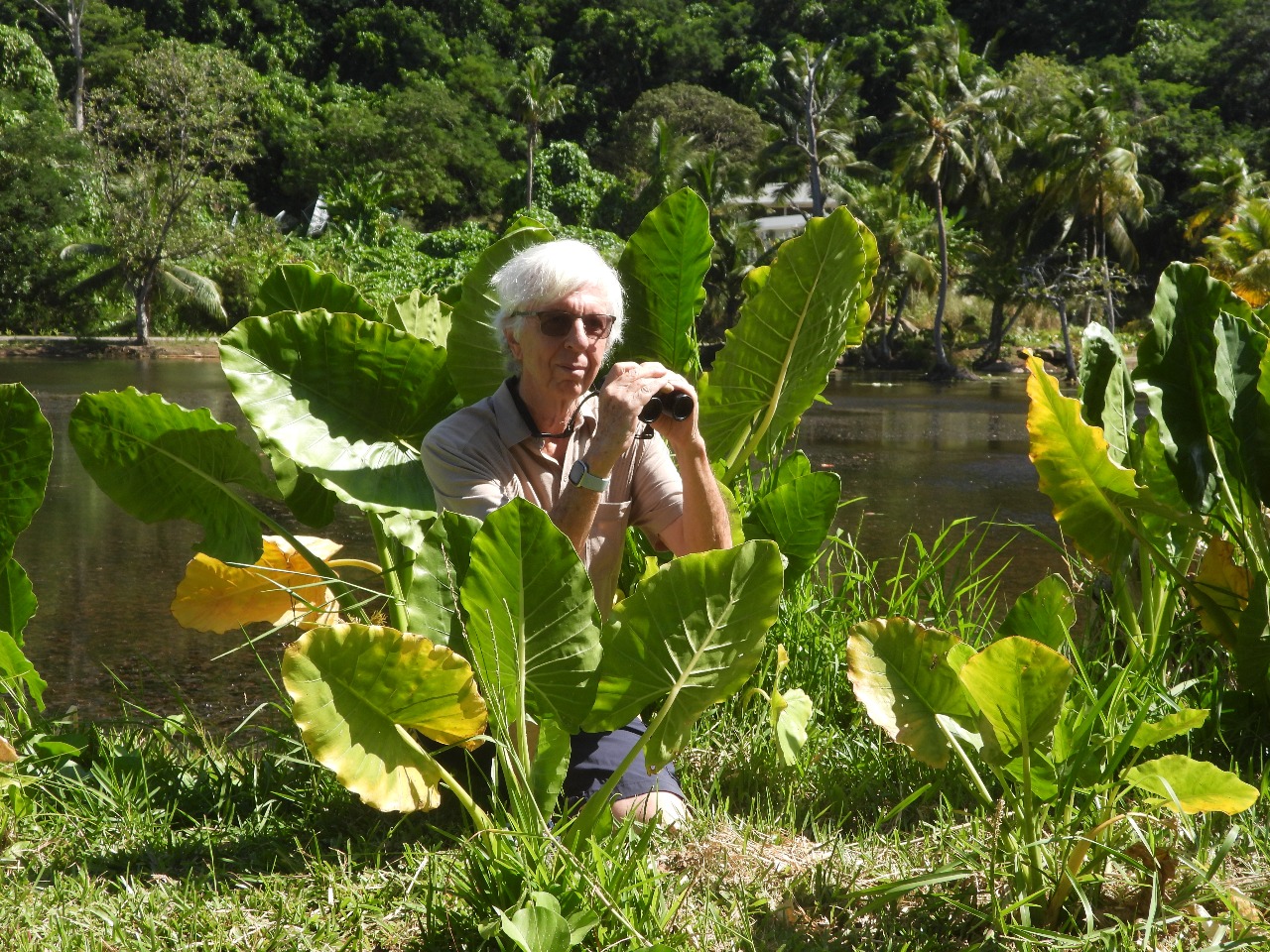
Adrian Skerrett, a long-time Seychelles resident on Mahé and a leading authority on its birdlife, has been watching over these islands for decades. He’s not against development but is for balance. As Chairman of the Island Conservation Society and editor of a number of definitive field guides on the region’s birds, he knows the tightrope between development and destruction better than anyone.
I know that if I am going to get any reliable information about the Seychelles, birders are the best choice. They are usually modest elders with experience, meticulous in documentation and they have a keen sense for the beautiful and fragile balance of life on earth. As a bonus, Skerrett is an accountant.
Adrian Skerrett
“We’re not against development,” he tells Green Prophet. “There are positives to come out of it. Some of our most successful conservation efforts are supported by tourism—eradication of rats, monitoring of turtles, even full-time conservation staff on islands like Alphonse.”
But Assomption is different, he says. And its development has roused a handful of international conservation organizations who believe that the development of Assomption will lead to a catastrophic downfall of nature. A lesson like that was learned in Thailand after The Beach movie turned Maya Beach into an over-touristed spot that devastated the nature around it. Thailand was able to roll back development, but will the Seychelles?
A Royal Playground Disguised as a Hotel?
Assets Group image of the ultra-wealthy development on the Seychelles Island of Assomption
The development, Skerrett says, is “seemingly for private use, for members of the royal family.”
The concern? “There is no way this is a commercially viable hotel. The original plans were horrendous including jetties, construction and lighting right on top of the beach and development on the dunes creating nightmare risks of disturbance to nesting turtles and damage to fragile ecosystems. There was an apparent lack of concern for planning procedures.”
Despite early enthusiasm from the developers, Skerrett and his team were hired to conduct an Environmental Impact Assessment—and what they found was alarming. (You can find the report here)
“We used our scientists and hired a number of other experts under the umbrella of ICS. I am Chairman, but the authors had a free reign to write what they saw without me,” he says.
“They wanted to build directly on the beach, on top of dune ecosystems. Some damage had already begun before we arrived.
“To be fair, following discussions, the developers made amendments to their original plans and agreed to a minimum 40-metre setback from the high-water mark while the proposed two jetties would be reduced to one, involving the rebuilding of the historical jetty to its former size and adding a floating pontoon to the end. The dune system had already been damaged prior to arrival of the ICS team and we are very concerned there will be further damage. We are also deeply concerned that the EIA beach set back will not be respected.
“Unfortunately we now have no access to Assomption to monitor the situation.”
In documentation and videos that Green Prophet found online through a hired “explorer” and which is being used to advertise the developer’s plans, we see photographers going on missions and walking around nesting sites on the islands while baby turtles are trying to make their way to the sea.
Who is overseeing the private explorations and fact-finding missions?
Assomption once boasted one of the most significant nesting beaches for endangered green turtles. Exploitation in the early 20th century saw thousands taken. Every year thousands would be culled, until they crashed and disappeared. “Turtles take 30 to 40 years to mature. It was only much later that we started to see the impact of what happened decades ago,” says Skerrett.
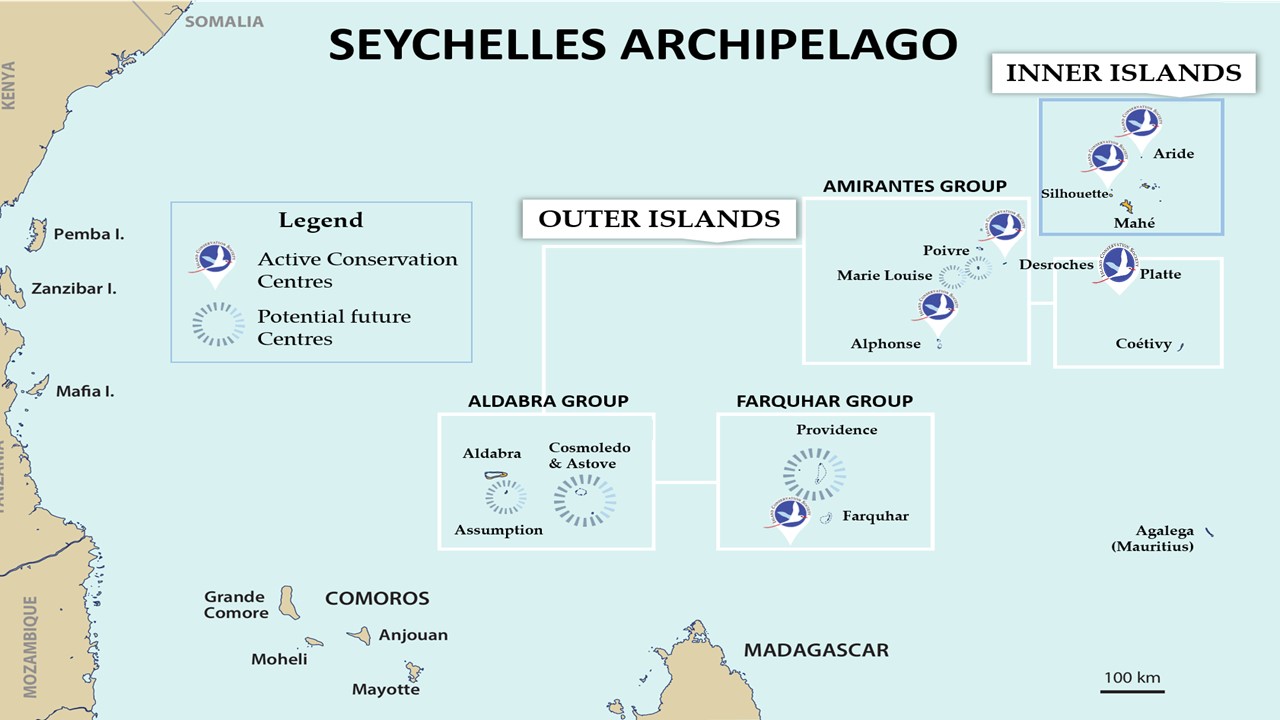
Map of the Seychelles
He recalls a previous proposal to hand Assomption over to the Indian government for use as a military base—an idea that was met with strong public and environmental resistance. “It would have been an absolute disaster,” he says. “A deep-water port, heavy infrastructure—it was horrific.”
That plan was eventually scrapped due to public outcry, but now the concern is that tourism may be used as a political mask. “There is no way this is a commercially viable hotel.
“If the EIA is not respected, it will be an absolute disaster for the turtles.”
The development threatens a resurgence of turtles. Plans show construction stretching across the island’s best beaches, about a 3-mile stretch where turtles nest. Worse still, there’s currently no conservation presence.
“The Qataris want development along the entire stretch of beach,” says Skerrett.
“What we’re fighting for now is a model like Alphonse—where the investor pays a conservation levy, enabling year-round conservation presence, biodiversity monitoring and rehabilitation projects. Without it, this becomes a private playground with no accountability.”
Conservation Requires Teeth—and Cash
Aldabra Atoll and Assomption Island are about 20 miles from each other.
Skerrett and his colleagues have already created a foundation for Assomption, which has been merged with other existing foundations to create the Aldabra Group Foundation. Trustees would include government representatives, NGOs, and even Qatari stakeholders will be invited onto the board. The goal: fund full-time staff, implement rehabilitation programs, and, critically, eradicate invasive rats.
“If you’ve ever been to a rat-free island,” he says, “you feel the difference in the whole biodiversity. Lizards, birds—rats devastate everything.”
The rats on the outer islands, he adds with a dry laugh are “Arabic rats,” while those closer to Mahé are “French.”
The distinction is genetic—but poetic, given the geopolitical stakes.
Aldabra: What Could Go Wrong?
The ripple effects don’t stop at Assomption. Conservationists worry the project will increase traffic to Aldabra, potentially compromising biosecurity and fragile ecosystems.
“Motorised sports of any kind are strictly prohibited in theAldabra group for a reason,” says Skerrett. “But we have been advised that the promoters propose a comprehensive marine recreation facility on Assomption involving over two dozen boats and motorised water sports, as well as a marine workshop and repair facilities and additional accommodation, none of it envisaged under the initial masterplans which were subject to the EIA.
“We’re concerned this could bring pressure—more frequent helicopter visits, uncontrolled access, seeds on shoes, invasive species.”
The Seychelles Islands Foundation has promised oversight for biosecurity, but with no current supervision on Assomption and reports of construction crews already active, Skerrett is deeply uneasy.
“They initially wanted 1,500 workers. That’s insane. We said 500 max, but who knows what’s actually happening there right now.”
How You Can Help
The Island Conservation Society has established a UK-registered charity to support conservation in the Seychelles. Donations are tax-deductible, and funds go toward island-specific endowments—building a financial buffer for the future of biodiversity in the region.
For conservationists and ecotourists alike, Skerrett’s vision is clear:
“Tourism has brought us wealth, stability. You don’t see begging or homelessness here like in the West. But if we let private development run rampant, the cost will be our wildest places—and the creatures that call them home.”
Prior to the project, Assomption Island was not permanently inhabited by a civilian population. The only people who resided on the island were a small number of personnel from the Islands Development Company (IDC) who maintain the airstrip and oversee basic infrastructure.
The Islands Development Company (IDC) of Seychelles is a parastatal organization owned by the government, tasked with overseeing the sustainable development of the nation’s outer islands. The company plays a vital role in managing islands such as Alphonse, Assomption, and Farquhar, focusing on eco-tourism, conservation, and agricultural development.
The IDC is run by a board of directors: Cyril Bonnelame, who was appointed CEO in January 2025, leads the operational direction of the company, bringing over 25 years of experience in various sectors. The board, including directors such as Naadir Hassan (Chairperson) and Astride Tamatave (Vice-Chairperson), ensures strategic decision-making and policy implementation to align with national and environmental objectives.
IDC and ICS have signed an agreement, recognizing ICS as conservation advisors on all IDC islands.
The company plays a vital role in managing islands such as Alphonse, Assomption, and Farquhar, focusing on eco-tourism, conservation, and agricultural development.
There is no established community, and no public facilities like schools, hospitals, or stores on Assomption Island.
With limited oversight and major concerns voiced by local conservationists like Skerrett, this island will quietly become a playground for the ultra-rich without public scrutiny or ecological safeguards.
Green Prophet uncovered footage from Swedish photographer Jesper Anhede—hired by Qatari developers and now based in Qatar according to his LinkedIn profile —freely roaming turtle nesting sites on the islands during peak turtle season. He is also reaching out to his network on Instagram looking for developers who can help the Qatari investors build glamping sites for Qatari royalty.
This raises serious questions: who authorized these excursions? Who is regulating the access?
Green Prophet reached out to Anhede about environmental oversight when he is at the Seychelles and he quickly deleted his Instagram profile shortly thereafter and stopped replying to our messages.
If you believe in the power of transparency and storytelling to protect fragile ecosystems, reach out to the The Island Conservation Society. Let’s help them find the right allies —journalists, scientists, conservationists, and funders. Assomption may not have a population, but its silence doesn’t mean it has no voice.
Sandor Katz biohacked his HIV diagnosis using sauerkraut. It’s high in K.
If you’re optimizing for longevity and cognitive sharpness through nutrition and biohacking, here’s one micronutrient you don’t want to overlook: vitamin K.
New research from the Tufts University suggests that low vitamin K intake might sabotage brain performance as we age. In a study on middle-aged mice, researchers found that a vitamin K deficiency ramped up brain inflammation and reduced neurogenesis—particularly in the hippocampus, the brain’s memory and learning hub.
The hippocampus is one of the rare regions in the adult brain capable of generating new neurons. It’s a core area you want functioning at peak capacity if you’re interested in enhancing learning, memory, and long-term cognitive health.
But here’s the catch: mice on a low-vitamin K diet showed poor performance on memory and spatial learning tests. In real-world terms? Imagine walking into a room and forgetting why you went there—more often.
The study focused on menaquinone-4 (MK-4), a brain-active form of vitamin K2. Deficiency in MK-4 not only dulled cognition but also triggered neuroinflammation. Researchers saw more activated microglia—the brain’s immune cells—which, when overstimulated, can contribute to chronic brain inflammation and neurodegeneration.
Bottom Line: Brain Fog Isn’t Just About Sleep or Stress
There’s growing evidence that neuroinflammation is a root driver of age-related cognitive decline. And vitamin K might be a lever you can pull to reduce that risk.
“Vitamin K seems to have a protective effect,” says lead researcher Tong Zheng. “Our research is trying to understand the mechanisms behind that, so we can eventually target them more directly.”
How to Hack K on a Keto Diet
If you’re on a ketogenic protocol, good news—there are keto-friendly sources of vitamin K2 that won’t knock you out of ketosis.
Focus on:
Natto (fermented soybeans) – highest in MK-7. We tasted this in Japan. Didn’t love it.
Grass-fed butter and ghee. Yes. Could eat it on everything.
And while leafy greens (high in K1) like kale and spinach aren’t always staple keto picks, moderate portions can still fit your macros and may help the conversion to K2 when paired with healthy fats.
The Tufts researchers aren’t suggesting you run out and stockpile vitamin K supplements just yet. They’re emphasizing whole foods and diet quality first: “We know that a healthy diet works,” says senior author Sarah Booth. “People who don’t eat a healthy diet don’t live as long or perform as well cognitively.”
If you’ve ever found your roof littered with stray bits of chicken bones, discarded tuna cans, and wrappers from snacks, you’ve probably encountered the handiwork of crows. These feathered scavengers aren’t just opportunistic when it comes to their food – they’re also highly skilled at solving complex problems. They are also highly skilled at evening scores if they have a vendetta against you or your dog.
But recent research has revealed that their intelligence doesn’t stop at finding food scraps and chasing dogs they don’t like; crows are proving to be mathematical savants with an impressive talent for spotting shapes. The research is reported in Science.
“Claiming that it is specific to us humans, that only humans can detect geometric regularity, is now falsified,” said Andreas Nieder, the study’s lead researcher. “Because we have at least the crow.”
Researchers have been studying carrion crows (Corvus corone), who have already demonstrated their remarkable problem-solving abilities.
In a new study, the crows were presented with sets of six shapes and tasked with identifying the odd one out. The challenge? The odd shape was sometimes just slightly different from the others – a distorted quadrilateral among otherwise perfectly regular shapes, or a crescent moon in a group of stars. And the crows? They aced it, detecting the odd shape with ease, even when it was rotated or scaled.
Crows do geometry
What makes this discovery even more fascinating is the fact that the crows didn’t just rely on simple visual cues; they were able to apply geometric reasoning. They could perceive subtle differences in shape, a skill that mirrors the kind of pattern recognition seen in humans. This advanced form of visual cognition is something that few animals, aside from humans and a few primates, can claim to possess.
Andreas Nieder
But the mathematical prowess of crows doesn’t end there. Their intelligence extends into other areas as well. Crows are known to recognize faces, use tools, and even hold grudges. In fact, crows are notorious for carrying vendettas against humans or other animals they feel have wronged them. If you’ve ever witnessed a crow’s behavior shift dramatically after a negative encounter, you’ll know just how seriously they take these “feuds.” Their ability to remember and react to these past interactions suggests a deep level of cognitive processing, not unlike the complex emotions and social dynamics seen in humans.
“I hope that my colleagues are looking into other species,” said Nieder. “I’m pretty sure they may find that other intelligent animals can also do this.”
And then there’s the scavenging behavior. Crows seem to have a particular fondness for “treasure” in the form of human leftovers. On my roof, I often find signs of their recent visits – remnants of snacks they’ve swiped from construction sites or leftovers they’ve found in trash bins. From the naked bones of chickens to the crinkled bags of chips, crows are keen opportunists, making use of whatever they can find. But they don’t just forage blindly. Research suggests that they can plan their meals, choose the best times to scavenge, and even store food for later, anticipating when resources might be scarce.
As these intelligent birds continue to surprise us with their cognitive abilities, we may need to rethink how we view them and every animal on this planet.
Far from being mere scavengers, crows are complex problem-solvers, capable of advanced mathematical reasoning, emotional depth, and even strategic planning. So next time you find a crow’s “gift” on your roof, remember that it’s not just a bird with a good eye for food – it’s a true mastermind of shape detection and cognitive complexity.
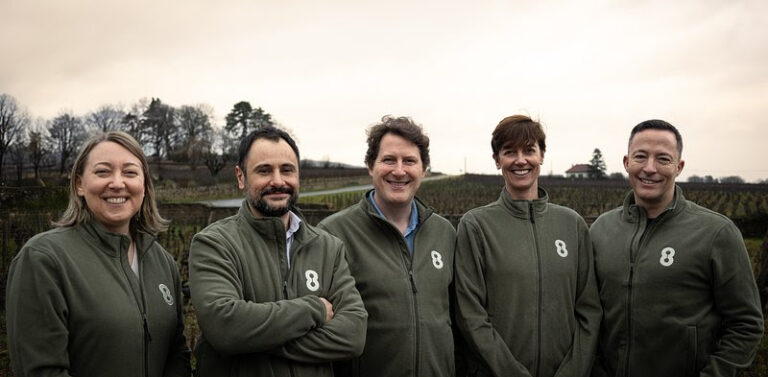
Mantle8 Board Members: Mary Haas (BEV-Angel); Emmanuel Masini (Mantle8 CEO); Gaëtan Bonhomme (BEV); Marieke Flament (Angel); Robert Trezona (Kiko)
In the misty folds of the French Pyrenees, something quietly extraordinary is happening.
At a remote site called Comminges in France, Mantle8, a pioneering natural hydrogen exploration company, has unearthed a breakthrough that could shift the balance of Europe’s energy landscape. Their soil-gas readings, peaking at 2,500 parts per million (ppm), have stunned the industry—seven times higher than the standard threshold needed to suggest serious hydrogen potential. If proven on a larger scale, this isn’t just a good day for the company. It’s a potential tipping point for how Europe powers its future.
“The Comminges block represents the perfect combo: an ideal pilot zone to validate our technologies, with a geological setting offering maximum hydrogen potential,” said Mantle8’s Founder and CEO, Emmanuel Masini. “With these highly encouraging early results, we are well on our way to make $0.80/kg hydrogen a reality by 2030.”
It’s not just the numbers that impress— Mantle8’s approach is different. Where traditional explorers search for hydrogen like needles in haystacks, Mantle8 has built what it calls a “hydrogen-generating system” model. Think of it as going beyond the treasure map to understanding the entire geology of the treasure chest, the locks, the keys, and even the pirates who buried it.
Mantle8’s Comminges field: the purple line shows the permit; the green body is the mantle, the blue dots are the locations where Hydrogen was detected. Supplied to Green Prophet by Mantle8.
Their proprietary method fuses geology, geophysics, geochemistry, and cutting-edge numerical modeling—a first of its kind in the industry. This system doesn’t just find hydrogen; it traces its birth, movement, and entrapment deep underground. The company claims it can predict hydrogen volumes and quality with unprecedented precision, which could save millions in exploration costs and halve development time.
Mantle8 is operating in a space with companies like HyTerra, Natural Hydrogen Energy, and Gold Hydrogen who have made early strides in the race for natural (or “white”) hydrogen. Mantle8’s system-wide exploration model might just put them in pole position.
And the timing couldn’t be more urgent.
Europe, still reeling from geopolitical energy shocks and racing against climate deadlines, and the shutting down of Germany’s nuclear power plants, is hungry for cleaner homegrown alternatives to fossil fuels. Hydrogen—especially natural hydrogen, which occurs underground and requires minimal processing—could be a powerful answer. No electrolysis, no carbon byproducts, just natural H₂, ready to be tapped.
The potential is enormous.The potential is enormous. Natural hydrogen could reshape global energy systems with clean, abundant fuel sourced directly from the Earth. And Mantle8 is building the tools to unlock it at scale.
Currently awaiting the Permit Exclusif de Recherche (PER)—expected by the end of this year —Mantle8 plans to deepen its study of the Comminges block using low-impact exploration tools. The team aims to map entire subsurface hydrogen systems, from source rock to reservoirs, selecting optimal drill sites with surgical precision.
According to their marketing associate, “put simply, Mantle8 has 3 technology bricks to their techno stack: GeoLogix, HOREX and APoGeH.
The first, GeoLogix, is a proprietary algorithm founded in decades of Geology that helps us identify the places worldwide where an active hydrogen system could be present (which is what we are looking for). GeoLogix can be automated and enhanced using Neural Networks, but the algorithm itself has not been generated or regenerated by AI.
The Second and the third do not use AI at all.
Mantle8, founded in 2024 and based in Grenoble, France, is redefining natural hydrogen exploration through a unique fusion of earth science and artificial intelligence. Led by geoscientist Emmanuel Masini, the company uses proprietary models to analyze and interpret vast layers of geological, geochemical, and geophysical data. Instead of relying on surface clues or isolated drilling, Mantle8’s system maps complete subsurface hydrogen-generating systems—tracing the journey of hydrogen from deep source rocks to trapped reservoirs.
Their tools simulate underground processes, predict where hydrogen is being generated in real time, and assess the volume and quality of potential reserves with unprecedented accuracy. The simulation of underground processes is performed by the third tool, which does not incorporate AI components, a rep from the company tells Green Prophet: Predicting where hydrogen is being generated in real time is the result of the core algorithm – the neural networks are used to accelerate processing and enable analysis across more potential sites, but they are not themselves making those predictions,” he notes.
Relying on experts in their field, “Assessing the volume and quality of reserves is also not done by AI – this too is handled by proprietary modelling tools without any neural network component.”
Backed by €3.4 million in seed funding from Breakthrough Energy Ventures Europe (BEV-E) and Kiko Ventures, Mantle8 is targeting hydrogen production costs as low as €0.77/kg. With competitors like Gold Hydrogen, Natural Hydrogen Energy, and HyTerra in the mix, Mantle8’s tech-led, predictive approach could make it a dominant force in Europe’s race for clean, local energy.
Looking for a green, dustless HVAC system for your home?
Owning a home means investing in comfort, safety, and financial security. Keeping your property in tip-top shape is a way to protect those goals. But if you’re one of the growing numbers of eco-conscious homeowners, you’re also focused on reducing your property’s carbon footprint.
One of the areas where you can make a significant impact is by moving away from conventional HVAC systems. Your home’s heating and cooling equipment typically accounts for at least half of your energy use. By switching to environmentally conscious HVAC solutions, you’ll increase your property’s sustainability while maintaining its comfort and value. Below are a few ideas for eco-friendly temperature control to consider.
Ductless Mini-Split Systems
Ductless HVAC systems release water in the summer. Not the safest for your pet to drink, but okay if you top it up with mineral-containing water.
Chances are you already have central AC and heat. Although your equipment may be of the high-efficiency variety, you can lower your energy use even more. By moving away from conventional HVAC systems, you can only use the energy you need at the moment.
How? With aductless mini split system, you can install separate units in each area or room of your home. These systems are often more eco-friendly than centralized solutions because you can adjust the temperature by zone. Instead of using energy to have the entire property at the same temp, you’re heating or cooling one area.
As you’re sitting in your living room on a steamy summer evening, you’ll keep your cool while binging. When it’s time to get some sleep, you can ramp up the air conditioner in your bedroom. Cooling in the other parts of your home can taper down so you’ll have less waste. You’ll also eliminate the need for pricey ductwork, including periodic cleaning and repairs.
Heat Pumps
Heat pumps can cut your electricity use for heat byas much as 75%, which is pretty substantial. Even if you live in a milder climate, you can experience colder temps that call for more than electric blankets. And while high-efficiency furnaces offer the promise of rebates and using less natural gas, you’re still dependent on fossil fuels.
Converting to a heat pump means the equipment is using air within or outside your home, depending on the season. If it’s warmer, the pump moves hot air outside. During the cooler months, the pump does the opposite. It moves air from the outside into your home to make it warmer.
Systems like these are known as air-to-air solutions. However, heat pumps can also be geothermal. These systems use heat from the ground to make your home more comfortable during chilly weather. Some heat pumps can use existing ductwork while others operate on the mini-split or ductless concept.
Solar Power
A solar powered floating home
Living in an area with ample sunshine holds advantages besides promoting feelings of happiness. It’s an opportunity to use the sun’s natural energy to power your home. Solar panels, shingles, and windows are ways to make the switch.
Of course, you’ll want to enlist the help of the pros before you get the work done. They’ll be able to tell you how many panels you’ll need and what side to install them on. Contractors will look at obstructions to sunlight, including trees. They’ll gather data about your home’s size and energy needs.
If you decide to install solar panels, you may have the option of leasing them. This route can reduce upfront costs and might make sense if you won’t be in your home for decades. If you’re worried about potential damage from hail or the look of panels on your roof, consider more discrete options. Windows and roof shingles with built-in solar technology can help you convert while maintaining the same exterior appearance.
Swamp Coolers
Passive evaporative cooling techniques in buildings have been a feature of desert architecture for centuries, but Western acceptance, study, innovation, and commercial application are all relatively recent.
A swamp cooler works by using evaporated water to cool your home’s interior. These cooling systems use60% to 80% less electricity than central AC units. However, swamp coolers work best in dry climates.
So, if you live in the southwestern United States, you’ll be in a better position to convert to a swamp cooler. In humid climates like Florida or the northeast, evaporative cooling systems may not work well. There are additional considerations such as the higher water use. Swamp coolers typically require between 3,000 and 12,500 gallons of water each year.
Higher water use can be a concern in states where there are already supply challenges. Dry climates naturally get less precipitation, which can lead to tighter water restrictions. During droughts, the restrictions can be even more challenging. But if your home is smaller and uses passive cooling techniques, a swamp cooler could be a good fit. Passive cooling techniques take advantage of natural ventilation and shading to keep indoor temperatures comfortable.
Eco-Friendly Temperature Control
A smart thermostat by Nest
Your home is a haven from the outside world. It gives you a place to unwind, enjoy life, and protect you from the elements. A home can be more about the memories you make living in it than the structure itself. Still, conscious homeowners are also mindful of how certain changes can add to a property’s sustainability and market value.
A home’s heating and cooling solution is considered one of its major components. Indoor temperature control is a must in terms of comfort and safety. While conventional HVAC systems do a good job of maintaining both, the equipment is dependent on fossil fuels. This reality isn’t necessarily the most energy-efficient or realistic as governments introduce climate change initiatives. Switching to sustainable solutions is an investment in the property’s future.
Premium Portuguese sneaker brand JAK is set to make its highly anticipated UK debut, launching exclusively at the iconic Selfridges department store. Known for its minimalist aesthetic, superior Portuguese craftsmanship, and sustainable ethos, JAK is bringing its timeless footwear designs to the British market for the first time. The shoes are made from apple skin and natural leather.
Founded in Lisbon, JAK has built a loyal following across Europe and beyond, celebrated for its high-quality leather sneakers, ethically sourced materials, and direct-to-consumer model. With Selfridges as its first UK retail partner, the brand is taking a bold step into one of the world’s most influential fashion capitals.
“We’re thrilled to introduce JAK to the UK, starting with such an esteemed partner as Selfridges, our commitment to quality, design, and responsible production aligns perfectly with the values of the modern consumer. We can’t wait for UK shoppers to experience JAK’s understated yet luxurious footwear firsthand,” says Isabel Henriques da Silva Co-Founder & Creative Director of JAK.
JAK will be available at Mens Footwear Department, 1st Floor Selfridges London from 14th April. The collection will also be accessible online via the JAK UK Website.
What we love about JAK: let’s start with apples…
JAK is a Lisbon-based footwear brand redefining premium sneakers through high-quality craftsmanship, sustainable sourcing, and timeless design. Designed in Portugal and crafted in family-owned factories, JAK shoes embody a commitment to style, comfort, and ethical production.
JAK firmly believe that it is possible to live more sustainably, consuming less and making better choices, for them and for the environment. Since 2014, on a daily basis, they question (and change) what goes into their products, where it comes from, how it is transformed and by whom. That is how they add value, that is how they make an impact.
Here’s the list of the most important materials in their products:
AppleSkin™ : From Italy, near Florence, Mabel Industries takes apple cores and peels and integrates them into a 550gr/sqm material with the same mechanical resistance as any other synthetic fabric. Made of up to 24% apple and 19% cotton. Each Kg of apple residuals used to substitute PU, saves 5,28Kg of CO2.
onSteam® Microfibre: A vegan alternative where JAK needed a high performance material. Oeko-Tex® Standard 100 certified and sourced in Arnedo, Spain. Incredible moisture absorption, 100% breathable, quick drying, ultra-soft feeling and Hypoallergenic. You can wear these linings from Moron without socks, all day and you can find them on all JAK vegan sneakers.
Leather: JAK source leathers from Portugal and Italy, and only work with tanneries certified by the Leather World Group that comply with REACH regulations. We make sure our hides are sourced and tanned responsibly and sustainably and that we know where they come from, always as a byproduct of consumption with less impact on the environment and no harmful chemicals.
Leather Midsoles: Vegetable tanned leather midsoles. Only natural oils are used tanning this high quality cow leather. They age well, breathe better and perfectly adapt to your feet overtime. Sourced in Portugal.
Organic Cotton Knit: Certified GOTS organic cotton, sourced in India and Turkey. Knitted and dyed in Portugal, Barcelos by NGS Malhas according to the best in class sustainability practices, low water consumption and environmentally friendly dying processes. Your can find this fabric in their sweaters.
Organic Cotton Canvas: Woven and dyed in Alicante, Spain and made of 100% GOTS organic cotton, this breathable and washable fabric presents the perfect combination of sturdiness, flexibility and softness. They use it on the uppers of their vegan sneakers.
SBR ECO Rubber Soles: Sourced in Felgueiras, Portugal and made by Bolflex. These SBR Rubber soles incorporate up to 70% recycled rubber. They match a perfect balance between comfort, abrasion and flexibility resistance for a long and durable usage.
Cork: Cork is a 100% rapidly-renewable and recyclable natural resource and JAK use on the base of all their sneakers. Cork is made of suberin cells, which are filled with an air-like gas that makes 90% of its volume. Cork is the perfect insulation material for shoes with added hypoallergenic & anti-fungal properties.
Express your green views for all to see – right on the walls of your house, restaurant or office. It’s the hottest trend in urban agriculture, after hydroponics and vertical farming.
This way you can follow the customization trend and literally green your walls: create whimsically-shaped words and images out of live moss to decorate your outside walls.
The environmentally-conscious gardener adapts to the climate, as Jordan did with its brown golfing greens. Still, it’s not all arid desert and sand in the Middle East. Many countries here contain hilly, wooded areas where damp winters allow enough moisture for moss to thrive.
An underestimated garden ornamental, moss requires no fertilizers nor even watering after its established, making it a sustainable house decoration. Here’s the way to encourage the velvety green stuff to grow just the way you want it to.
Old buildings are ideal for this, especially those standing in damp, shady corners. You could leave a message of love, or a rant on life, or express political opinions in living moss. Or if you’re into The Lord of the Rings, write a graceful green rune in Elvish to cast a spell over those who might wander into your garden. It needn’t be limited to walls: moss being a tough, resistant plant, a living green message could also decorate a footpath.
According to the National Gardening Association, moss thrives in shady, moist, sheltered areas. It likes filtered light, such as that falling through tree branches, and morning or late afternoon sun.
You need to either collect moss from an established patch (search your own or a friend’s garden) or buy some from a specialized garden center. Take it into your kitchen.
Moss Graffiti – What you need to DIY
1 can of beer
1/2 teaspoon sugar
Several clumps of garden moss
Tools for making moss graffiti
Recycled plastic container with lid
Blender
Paintbrush
Stencil with your design
Crumble the moss into the blender. Add the beer and sugar and blend just long enough to create a smooth, creamy consistency. Now pour the mixture into the plastic container.
Paint the moss blend onto a damp and shady wall, either free-hand or using a stencil. Water the new moss at regular intervals for the first month. Be gentle – don’t aim a hose at it, because that would wash it away. And don’t fertilize; moss doesn’t like a rich environment. Soon the bits of blended moss should begin to grow together into a whole rooted mass. You’ll need to trim excess away once it begins to grow and stray out of your design area – or just let it go to become a green tapestry on your garden wall.