Home Blog Page 373

Iranian Graphic Designers Fight Pollution and Climate Change

1

iran graphic design climate changeWhat can graphic design do to help tackle environmental degradation? Well, these Iranian designers think a lot.

Exploring the nexus where art and nature meet, Iranian designers look at the environmental problems riddling their cities and the innovative ways they can resolve them. Whether it’s reducing the use of cars, discussing the place of graphic art in urban design or highlighted the seriousness of climate change, these graphic designers really have something to say (or is that draw?). The stunning graphic designs which follow were all finalists in the FeliCity design competition and were displayed at an art gallery in Tehran this September.
Israel’s Best-Loved Vegetables Carry Heavy Pesticide Loads

1

israeli-produce-pesticides

Are Israelis eating a mouthful of pesticides for breakfast?

If there’s one food group that Israelis love, it’s vegetables. In fact, all over the Middle East, vegetables are treated with love and presented at table in infinite artful ways. And people are picky about their produce, carefully inspecting each tomato and cucumber before consenting to buy.

But health hazards lurk on the well-loved produce. According to Haaretz, 11% of produce tested by the Israel Health Ministry showed unacceptably high levels of pesticide residues. Of over 5000 samples taken from 108 kinds of foods, 56% had traces of different pesticides.

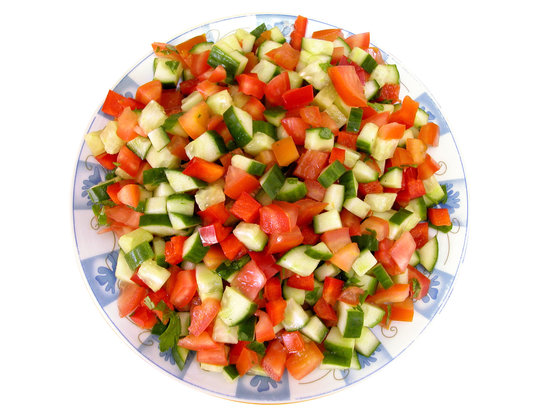
A scary tomato yielded 50 kinds of residues, while a cucumber showed 30 types. 46 kinds of pesticides were found on parsley. Those are the main ingredients of the famous Israeli salad. Are Israelis indeed eating pesticides with every bite of salad? Studies like the one showing how pregnant Jerusalemite women have higher pesticide levels in their bodies than pregnant New Yorkers  support this suspicion.

McDonalds Fleet Traveled 800,000 Miles With Recycled Biofuel

1

biodiesel, McDonalds, United Arab Emirates, Neutral Fuels, carbon dioxide emissionsIt has been just 17 months since McDonalds announced its intention to recycle all of its vegetable oil for use as biofuel in its own fleet. Officially launched in July, 2011, the United Arab Emirates’ biodiesel program – the first of its kind in the region – appears to be a soaring success.

The McDonald’s fleet has traveled a combined 808,411 miles on the biofuel processed by Nuetral Fuels, diverting roughly 80% of its carbon dioxide emissions from the atmosphere . 

6 Slow Food Revolutionaries in Lebanon

0

slow food, lebanon, beirut, green traveler guide, organic food, organic markets, eco-restaurantsWith so many reports of tainted, rotten food hitting the market, Lebanese consumers are desperate to source organic, pesticide-free food from responsible suppliers. And their options to do so are growing alongside their burgeoning demand.

Our friends from Green Traveler Guides sent over a fabulous overview of the top cafes, markets and restaurants leading Lebanon’s slow food revolution and we have rounded up six of them. Hit the jump for a guide to Beirut’s hottest sustainable food establishments.

Dazzling Carpet of Plastic Bottles Adorns the Moroccan Desert

2

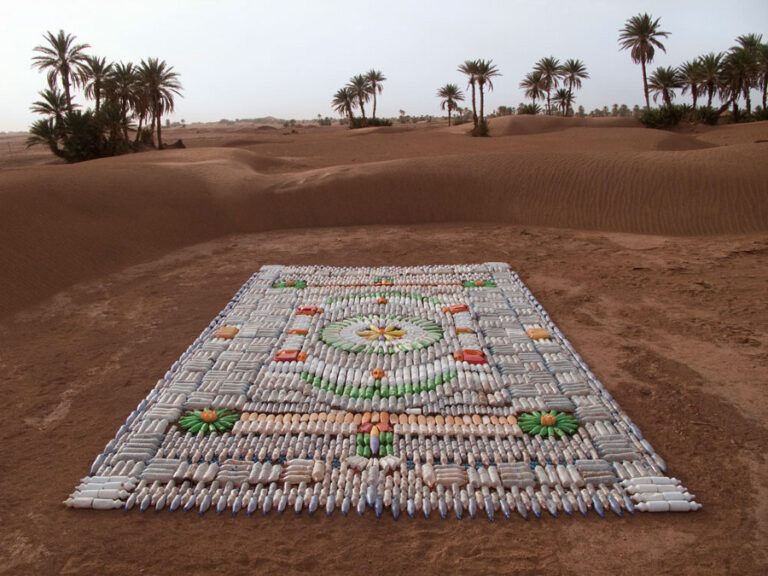
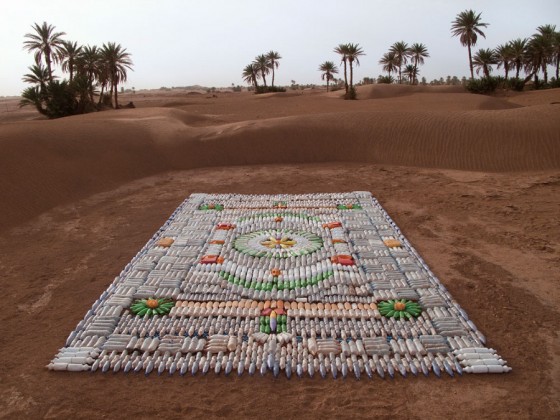
recycled materials, WE MAKE CARPETS, Taragalte Festival, Morocco, eco design, plastic carpet, bottle carpetNobody wants to see rubbish littering the magical Sahara desert, unless of course it belongs to WE MAKE CARPETS.  The Dutch collective has been arranging ordinary household objects into dazzling carpets for a few years now, but their most recent installation commissioned by the Taragalte Festival in southern Morocco is among their finest.

Made entirely out of dozens of plastic bottles arranged in surprising patterns, the Bottle carpet encourages spectators to look at waste with a whole new set of eyes.

Native Green Roof Tops Israel’s Proposed Fallen Sons Memorial

0

green design, Israel, Yad Lebanim, green roof, design competition, urban park, Ramat YishayIsraeli architects Moshe Fluhr, Lee Davidson Lehrer and Yinnon Lehrer submitted this design for a contemporary memorial home for Ramat Yishay – a community situated in northern Israel. The design competition for Yad Lebanim, which means Fallen Sons Commemoration, called for a mixed-use development complete with activity rooms, educational facilities, a library and an amphitheater.

Responding to the dearth of urban parks in the region, the trio topped their proposed design with a verdant green roof.

H&M to Launch the First Global Clothes Recycling Venture

1

H&M, fashion, design, recycled materials, clothing

Swedish retail company H&M recently announced an upcoming clothes recycling venture, starting in February 2013. The fashion recycling campaign will span 48 nations, including the company’s Israeli franchises. This will make H&M the first chain to execute a global textile-recycling venture. H&M is expected to choose two of its Israeli branches to lead the pilot program.

Fruitful Fusion “Trochets” Bean Bags from Trash

1

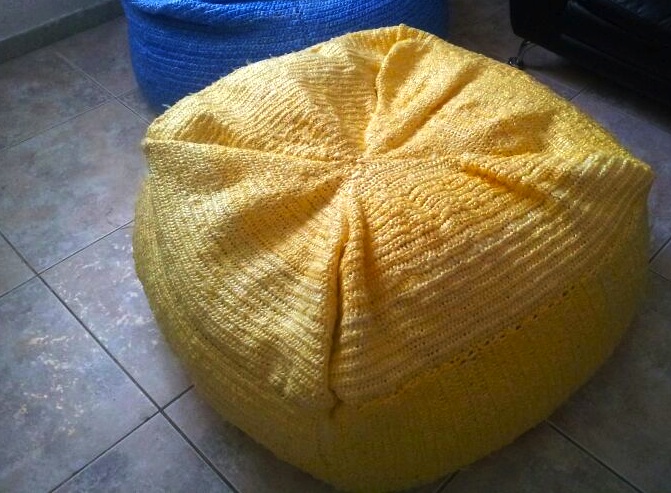
Concerned to reconnect hands and minds and make a worthwhile environmental impact, a few women from Saudi Arabia are crocheting recycled plastic bags into colorful bean bags and other quality crafts. The founder of Ateeq, which is Arabic for vintage, Diane Rayyan teamed up with crochet master Ishrat Khawja to hold a two day “trocheting” workshop. Weighing just under 20 pounds and made entirely from plastic, the bean bags are sold with other eco-goods to generate funds for low-income Saudi women.

GlassPoint Uses Solar Mirrors to Loosen Dirty Oil in Oman

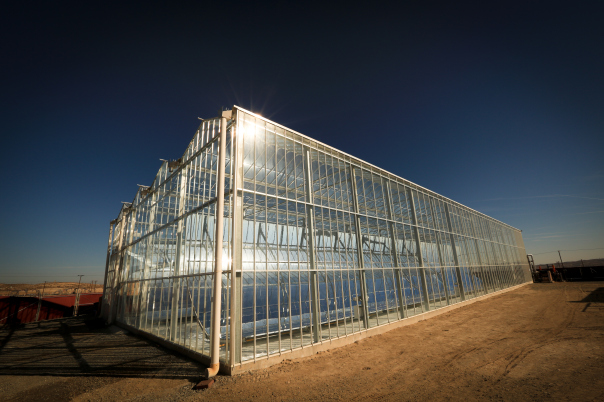
GlassPoint Solar, Greenhouse, CSP, solar energy, oil, Oman, clean techCalifornia-based GlassPoint Solar has installed an unconventional concentrating solar power (CSP) plant in Oman. Comprised of rows of six meter tall steel mirrors encased in glass boxes that look and in some ways act like greenhouses, this 7MW pilot project uses clean technology to extract dirty fossil fuels.

Commissioned by Petroleum Development Oman, GlassPoint has applied technology similar to that used by Areva and Abengoa to generate electricity, except there are a few fundamental differences.

Jordan Offers Cord Blood Bank for Your Newborn’s…Blood

1

muslim baby mom armsIs it creepy or clever to peddle insurance against baby’s first diseases?

Sure, new parents get showered with adorable gifts and well-intended advice, but then the downpour of unsolicited marketing arrives: for baby gear, for college saving plans, and now, in Jordan, for baby blood banking. An unusual building is rising in the desert outside Amman, all swooping curves and gaping windows.  A dewy-cheeked newborn graces the hoarding that skirts the job site, a single word painted across the panels: BabyCord.  The provocative advertising targets hundreds of people in the cars and trucks speeding past on the airport highway.

Israel’s Cruel Meat Industry Exposed by Watchdog TV Show

7

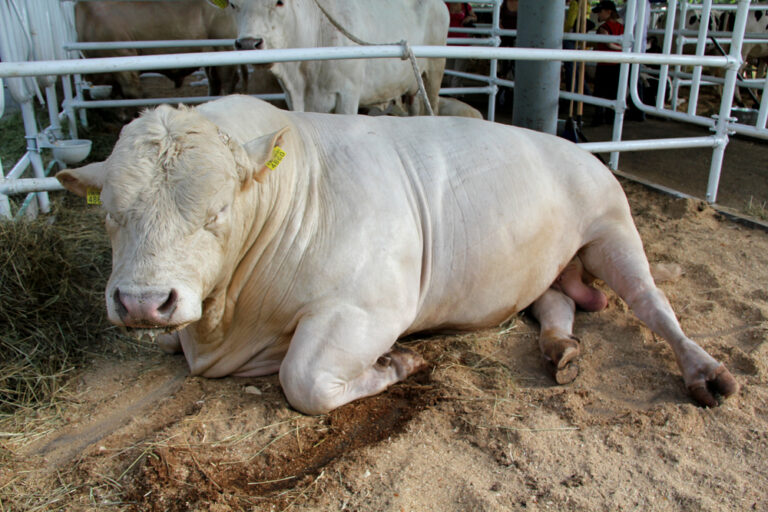
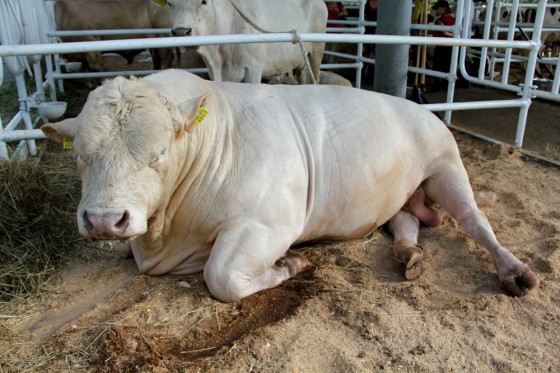
beast beef cattle on kneesWith no where to run, undercover cameras expose the cruelty to animals in the Israeli meat industry.

An Israel TV commercial about the Adom Adom (Red Red) meat packing company’s products seems pleasant enough.  A smiling butcher shows a well dressed matron the wonderful meat cuts being offered by this company which claims to sell “real red meat” and not meat that is loaded up with chemicals and other additives. The issue of meat additives is a concern in Israel and covered in a Green Prophet article dealing with Israeli meat being “fed with feces and pumped with toxic contaminants.” Now we go back to the commercial: At the end of it the butcher pleasantly sends the lady on her way saying “Adom Adom – Shalom Shalom” , which roughly translated means: “Thanks for buying our real red meat products”.

Real meat indeed. Although the processing of meat products at this company appears to be of fairly high standards, what happens physically to the animals brought to what is advertised as being Israel’s best meat packing company, was revealed December 6 on Channel 2 TV by the well known Kolbotek investigative program.

Greenpeace Blasts Turkish Nuclear Energy Institute Over Negligence

7

As Turkey moves to build its first nuclear power plant, there are troubling signs that the country’s nuclear energy institute is not monitoring nuclear hazards carefully.

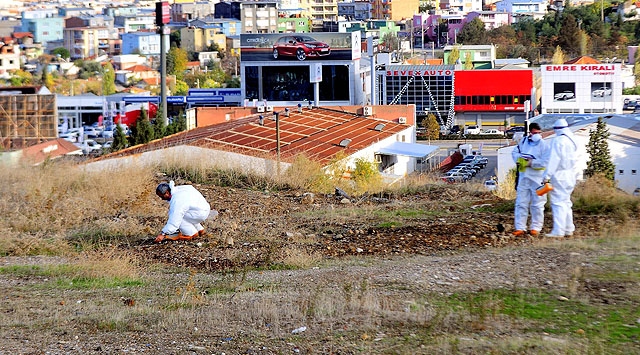
An abandoned lead factory yard used as a playground by local children in Turkey’s western İzmir Province contains high levels of radiation, according to Greenpeace Turkey, yet the Turkish Nuclear Energy Institute (TAEK) said the source of the radiation could not be found and pronounced the area safe.

Dar Beida: Eco-Luxe 18th Century Sandstone Villa in Morocco

0

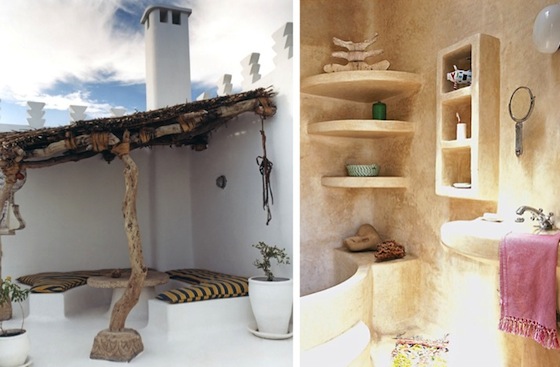
Morocco, Essaouira, Dar Beida, Traditional Moroccan Architecture, travel, eco-luxe villa, sustainable travelWith Christmas just around the corner, hordes of European and English visitors will skip across the Mediterranean for a fast, cheap holiday in beautiful Morocco. Many will fly into Fez to explore one of the oldest medinas in the Arab world, others will ride camels into the desert sunset, while more intrepid travelers will head to the Atlas mountains for some exhilarating ski action.

But for those seeking a relaxing seaside retreat, behold Dar Beida – the White House – an eco-luxe 18th century sandstone villa in Essaouria.

Jordan’s Feed-in-Tariff for Renewable Energy is an Arab World First

Feed-in-tariffs, Jordan, Hashemite Kingdom, clean tech, solar power, wind power, ERCJordan is the first country in the Arab world to offer its residents an opportunity to earn money through feed-in-tariffs (FITs). The Electricity Regulatory Commission (ERC) announced last week that citizens of one of the world’s most fuel-deprived nations can sell energy generated with solar panels for 120 fils per kilowatt/hour (kw/h) and wind power for  85 fils per kw/h, The Jordan Times reports. Albeit seemingly insignificant, the move is expected to mitigate the dual problems of excess energy consumption and unfulfilled demand.

Lebanon to Restore Forests

1

Lebanon, cedar, olive, pine, trees, juniper, environment, conversation, forest, activists, climateLebanon celebrated its Arbor Day on December 7. Activists, students and environmentalists gathered in open spaces to plant trees.

Recent years have seen growing grassroots and government efforts to preserve Lebanon’s famed cedar forests, but there has been scant attention paid to rare juniper trees. There is currently no law to protect the vanishing Lebanese juniper tree.