Home Blog Page 372

3D Modeling Births Exact Replica of Ancient Iraqi Artifact

2

3D printing, CNC router, Harvard, Iraqi Lion, Restored Lion, Semitic University at Harvard, archaeology, design

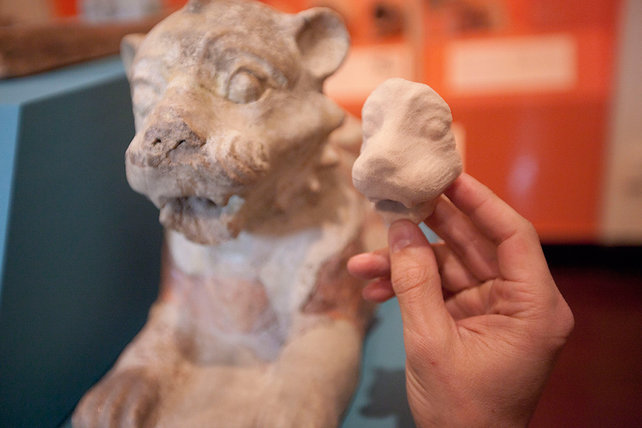
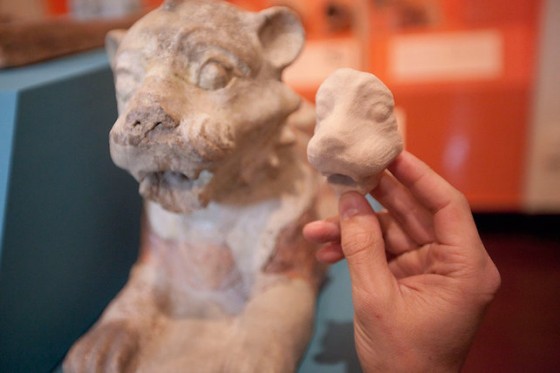
Three thousand years ago four stone lions guarded a temple in Iraq, but their work was short lived. The Assyrians invaded the city Nuzi and annihilated everything in sight, including the lions and other artifacts. One lion that remained almost intact now lives at University of Pennsylvania Museum of Archaeology and Anthropology, while fragments of another, its front paws and rear end, have been languishing in the basement of Harvard University’s Semitic Museum since 1930.

Archaeologists haven’t known what to do with the ruined lion, but new restoration opportunities have emerged alongside the rise of 3D modeling and printing. We’re typically skeptical of 3D printing because it enables the fast production of a lot more unnecessary stuff, but there is something astounding about technology that revives an artifact that was first built three thousand years ago. Read on for the scoop.

Swine Flu Claims Nine West Bank Lives

0

swine flu, influenza, pandemic, World Health Organization, Palestinian territories, Ramallah, West Bank, Vaccines, H1N1Nine people in the West Bank have died from swine flu, the office of Palestinian Authority Prime Minster Salam Fayyad announced on Saturday, and the situation is being monitored carefully.

Now considered a seasonal flu for which vaccinations are administered, H1N1 swept through the globe in 2009, killing up to 18,000 people. On 10 August 2010, the World Health Organization announced the end of the H1N1 pandemic, but at least 225 people have been infected in the most recent outbreak in the Palestinian territories.

The Environment and the Invisibility Ring of Gyges

7

golum with invisibility ring by todd1000

My precious ring!

King Gyges of Lydia ruled over what is now western Turkey from 716 BC to 678 BC. The legend of his rise to power began when the young shepherd Gyges entered a cave and found a magical ring which gave him the power of invisibility. He used this ring to seduce the queen, murder the king and take his place. In his Republic, Plato used the ring of Gyges to argue that no man is so virtuous that when given the power of invisibility, he would do no evil.

Our technological ring of Gyges

In ancient times our environmental impacts were obvious. Smoke and soot from cooking and lighting fires filled the air and stained the walls of homes. People lived amongst the middens of their own waste. No one could secretly consume more than their share or secretly poison their environment. The invention of agriculture led to cities and trade which increased the distance between populations and their ecological impacts. The invention of plumbing and sanitation removed people from their waste. Electricity allowed people to bring heat and light into their homes while sending our soot and smoke out of sight and out of mind. Like the magical ring of Gyges, technology gave us the power of invisibility. We rely on frail human morality to save our planet. It’s no wonder we’re in trouble.

Mushroom Farmers Start to Sprout Up in Iraq

0

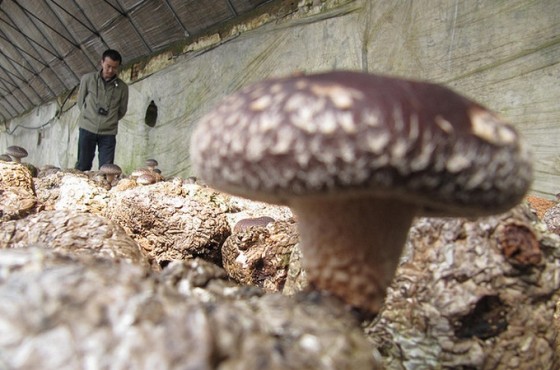
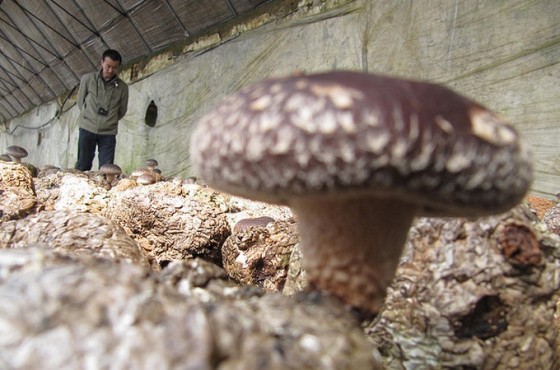
mushroom farm china

While they might not completely satisfy the Middle East vegetarian, Iraq’s Kurds have found a lucrative new way to cash in on year-round crops, which require no chemicals or pesticides: they have turned to mushroom farming, reports the local paper rudaw.

In the Kurdistan region of Iraq vegetarians could only get natural mushrooms in the spring. Now the locals are excited: Mariwan Ali, who advocates a vegetarian diet, according to the paper, has an easy answer for those who ask him, if we don’t eat meat, what should we eat? “Eat mushrooms,” he says. “Mushrooms compensate for meat.”

3 dying Middle Eastern traditions to help save our planet

0

What role can traditional knowledge play in climate adaptation in the Arab Region? The Jordanian Royal Society for the Conservation of Nature explores…

From traditional land conservation techniques to water channels reviving arid climates, communities in the Middle East have been creatively tackling environmental problems for centuries now. Whether it was extreme weather events or water scarcity, they have faced climate problems head on and accumulated precious knowledge about how to adapt and survive in the process.

So how do we embrace that traditional knowledge and the advice it has to offer a warming world? Well, we start by acknowledging its usefulness and continued relevance. That’s exactly what the Jordanian Royal Society for the Conservation of Nature did at the recent ‘Hikma Hours’ event.

The event brought cases from Jordan, Oman, Bahrain and Qatar, that showcase community adaptation practices and explored the challenges of integrating traditional knowledge with other modern adaptation tools and approaches. The Hikma Hours event was held during the COP18 negotiations which took place in Doha, Qatar.
middle east green traditionCase Study 1: Jordan’s Protected Areas

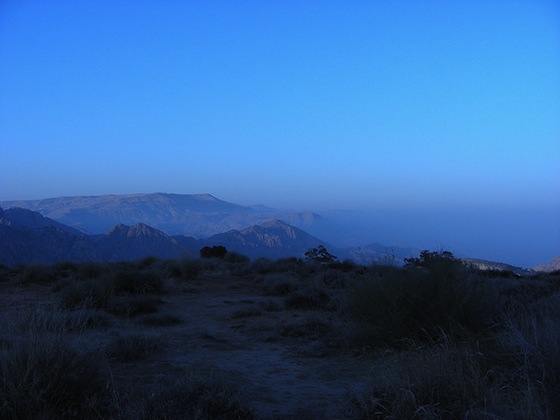
The Royal Society for Conservation of Nature (RSCN) in Jordan is in charge of eight protected areas in the country. Through four pilot sites in the protected areas of Al Yarmouk and Fifa and two in the Biosphere Reserves of Mujib and Dana.

The RSCN is conducting climate change adaptation planning oriented at finding ways and implementing measures based on traditional knowledge, to help reduce the uncertainty that climate change poses to natural ecosystems by rendering them more resilient and resistant.

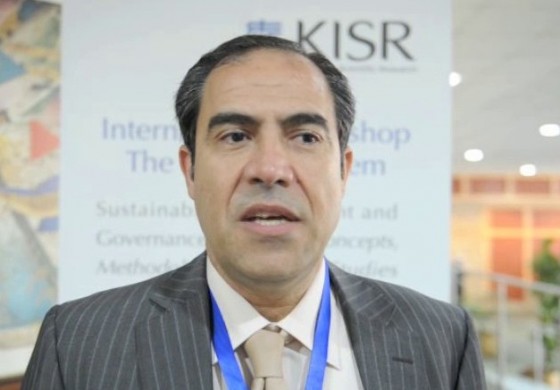
This case was presented by Mr Hussien M. Kisswani, National Climate Change Officer of the RSCN, Jordan.
middle east green traditionCase Study 2: Oman’s Aflaj Water Channels

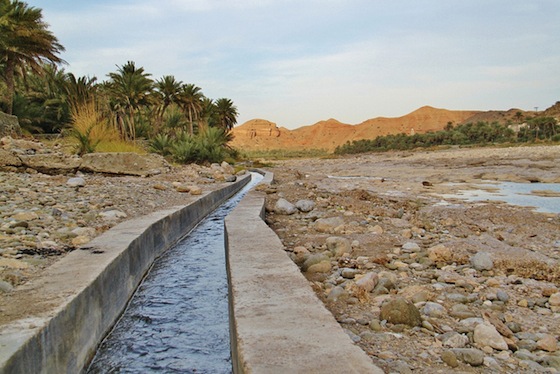
The Aflaj is a water management system created in many parts of the Arab world and is still active in Oman. Today, the Aflaj system not only brings water to distant areas without power requirement and in a sustainable way, but provides for 36% of water used for agriculture in Oman, a country falling below the water poverty line due to naturally occurring, historical water scarcity.

The protection of the Aflaj system and its associated traditional knowledge and institutions is a matter of national relevance in Oman and holds universal value as it has been recognized by the World Heritage Convention. Nevertheless this system and its body of traditional knowledge require further protection and mechanisms to ensure their sustainability.

There are 3,017 remaining active Aflaj in Oman. This body of traditional knowledge can be shared with other communities and countries, even distant ones, to help them adapt to climate change, improve agriculture, etc.

This case was presented by Dr Saif Ali Al-Hajari of Friends of the Environment Centre.
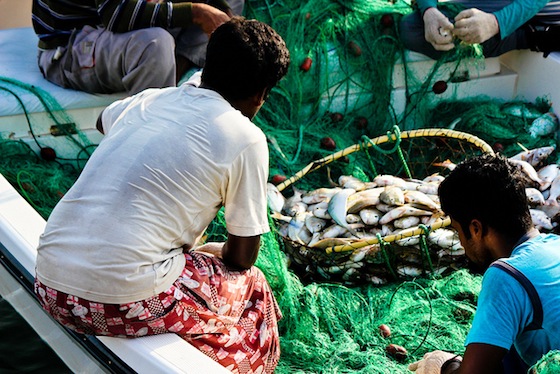
middle east green traditionCase Study 3: Traditional Fishing in Qatar

Fishing traditions have been very important in Qatar. Marine ecosystems across the Gulf region are facing high ecological pressures with consequences on the balance of these natural systems. Ms Kaltham Al Ghanem explained how existing environmentally unsustainable behaviours and the negative impacts of economic activities, as well as social and cultural habits, are affecting terrestrial and marine environments in Qatar.

According to Dr Al Ghanem the oil discovery era dissociated people from their natural environment, which contributed to the disappearance of indigenous knowledge. There has been a decline in the use of local natural materials and their associated practices.

Furthermore, changes in fishing techniques have had an adverse effect on the marine environment and its fauna in Qatar. This case was presented by Dr Kaltham Al Ghanem, Professor of Sociology at Qatar University.

(If you need case study writing assistance you can buy a case study at AdvancedWriters.com with a few clicks.)

Mr Hussien M. Kisswani, the lead organiser of the event, explained that the key message from these case studies was that traditional knowledge and practices in the Arab world represent a valuable asset for adaptation to climate change. “There is a need to better explore how to revitalize traditions, and especially how to maintain and revitalize value and ethical systems that were strongly present in Arab cultures but have deteriorated and are rapidly disappearing due to massive and rapid change occurring in Arab societies,” he says.

Some of the suggestions that the forum came up with include effective law enforcement on matters related to the impact of industrialization on nature, better information sharing and for traditional knowledge to be included in national plans and strategies for mitigation and adaptation to climate change.

For more on traditional green techniques:

Aflaj: Ancient Channels Keep Water Flowing in The Desert

HIMA – A Traditional Arabian Conservation Concept Modernised

Great Examples Of ‘Hima’ Or Protected Areas In The Middle East

Hima: The Middle East’s Tradition of Environmental Protection

Do You WANA Green The Middle East? A Forum Report

Photo of Wadi Dayqah, Massarah in Oman via prasad.om/Flickr / Photo of Dana Reserve in Jordan via robinpresta/Flickr / Photo of Qatar fishing via Omar Chatriwala/Flickr.

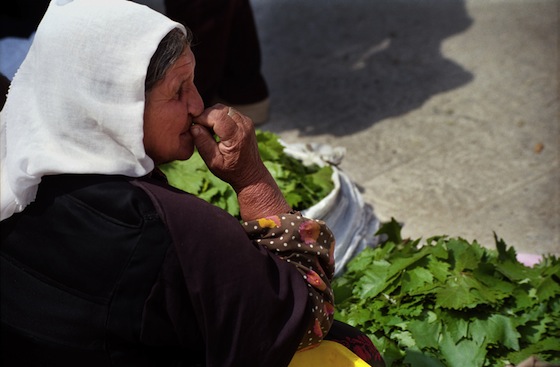
Top photo of woman in Bethlehem via Ryan Rodrick Beiler / Shutterstock.com

As Sanctions Hit Iranians, Iranians Hit Hard Drugs Harder

0


World powers be what they may have put a heavy hand on Iran and as the sanctions hit the people with economic woes, they are moving away from more expensive “pain relief” drugs such as opium to harder, synthetic stuff, the Financial Times reports. Iran’s national currency, called the rial, has fallen more than 50 per cent in 2012 while inflation has climbed to somewhere above 26 per cent, according to the Central Bank of Iran. Some economists believe the rate higher. 

7 Eco Issues to Address in 2013

3

Climate change, global warming, energy, pollution, population, water scarcity, super bugs, the sixth extinction, It seems silly to perpetuate apocalyptic hype that NASA debunked eons ago, but as 2013 approaches, we are sensitive to a shift in global consciousness – something that spiritual leaders have long advocated as the necessary means to our survival. As the conversation about climate change and other environmental issues gains traction, it’s a good time for concerned citizens to get serious about taking meaningful action. Here are seven of the most pressing issues facing the Middle East in 2013 and organizations that are working to resolve them.

One Million Syrian Refugees Desperately Need Help

0

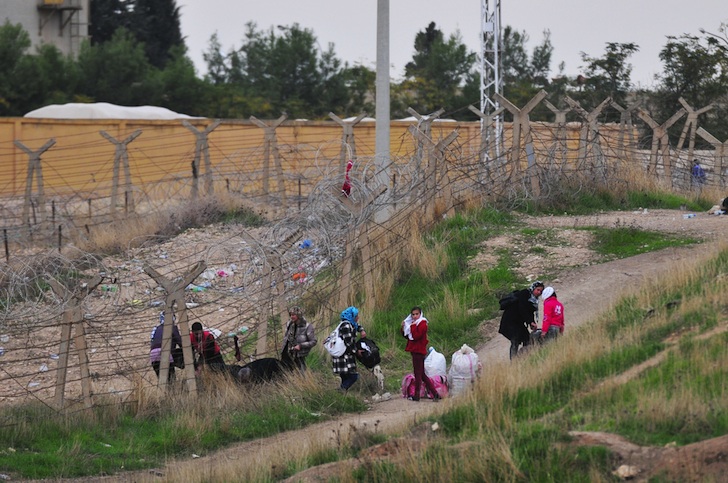
UNICEF, UNHCR, Syrian Refugees, aid organizations, aid funds, NGOs, shelter, heating, waterTwo to three thousand refugees flee Syria every day. Exhausted from traveling with what little they own and devastated by the many losses they have incurred along the way – their home, their country, every shred of security they ever knew and a shocking number of family members – they pour into bordering countries.

The UN Refugee Agency (UNHCR) estimates that the number of refugees who have fled Syria will total nearly one million some time in the first half of 2013. They are seeking shelter in Jordan, Iraq, Lebanon, Turkey and even Egypt, while aid agencies struggle to provide the most basic lifesaving assistance.  

Simple Oregano Keeps Chickens Disease Free

7

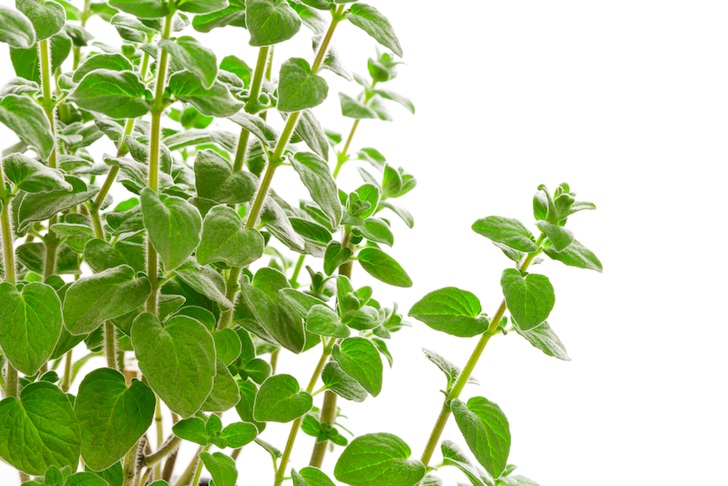
Za'atar, superbug, antibiotics, oregano, oregano oil, natural health remedies, livestock, poultryIt’s za’atar season in the Middle East and though we don’t really need it, there’s another reason to love this versatile spice: it could be useful as an alternative to antibiotics. Both a perennial herb and a spice mixed with other ingredients, za’atar livens up a host of dishes throughout the Gulf, Levant and Mediterranean.

Now a small handful of farmers in the United States are feeding their poultry and livestock an oregano oil mixture in lieu of increasingly ineffective antibiotics, The New York Times reports. And they insist it keeps the animals disease free. Though the numbers are compelling, scientists caution there is insufficient data to substantiate their claims. 

Take-Away: Israelis and Palestinians Talk Trash in Grassroots Play

1

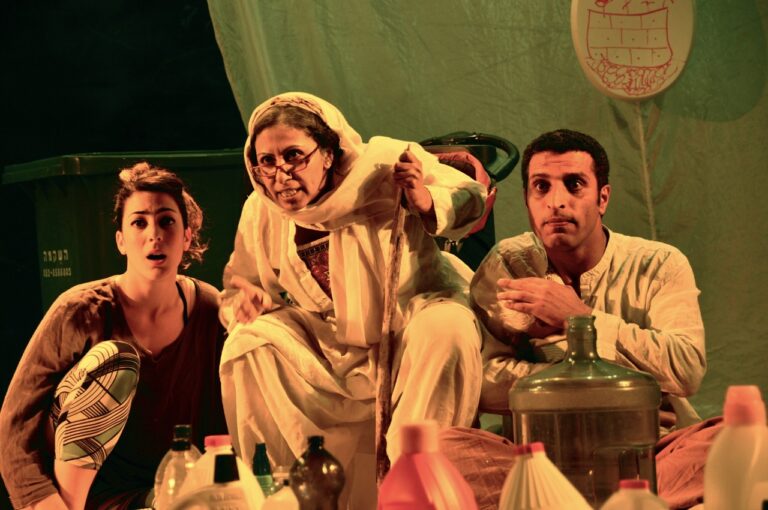
YTheater, Take-Away, Kickstarter, Crowdfunding, eco-theater, trash, waste management, art, culture, Israelis, Palestinians, JerusalemIsraeli and Palestinian stage performers are getting together to talk trash. Not nearly as vitriolic on the ground as an outsider might think, the discourse between Arabs and Jews has expanded to include environmental matters that affect both sides such as the cleanliness of shared waterways and skies and the growing problem of trash, among others.

A YTheater initiative, Take-Away will unite veteran and novice actors from a variety of backgrounds in a multimedia stage performance that explores what each household and community’s trash reveals about them. But they need help from the crowd. At the time of writing, YTheater has just 38 hours to raise enough funds on Kickstarter to put on three exciting, grassroots performances.

United Nations University Uses HIMA for Green Peace

0

Walid Saleh speaks to Green Prophet about sustainability in the Middle East

From Sudan to Saudi Arabia, Himaan ancient Arabian conservation concept – has helped keep the peace. Now it is hoped a new interpretation of the conservation principle will help protect the region’s dwindling resources by tapping into cultural norms and histories, then radically updating them for a world struggling with climate change. I spoke to Walid Saleh, MENA Regional Programme at the United Nations University-Institute for Water, Environment, and Health, about his work at the HIMA Global Initiative and the opportunities and constraints they are facing.

Make Mansaf, a Bedouin rice dish

1

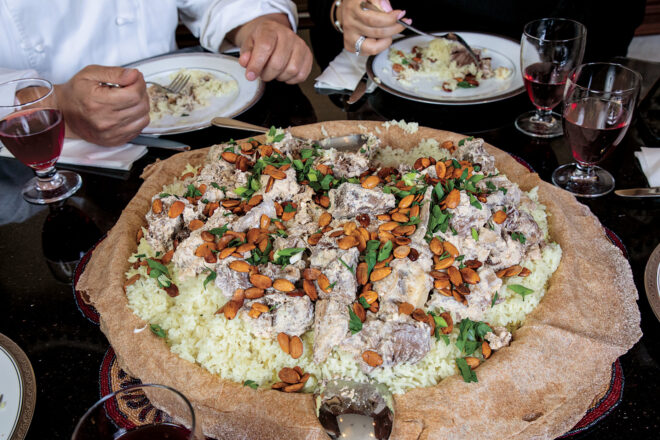
mansaf recipe, plate of Jordanian national dish

Our continued investigation into  sustainable Middle Eastern food focuses on Mansaf, the Jordanian national dish.

Regional cuisines evolve from foods that are available locally and in season. Eating this way implies sustainability from the very source, in addition to fair conditions for workers and mindful stewardship of natural resources.

When it comes to the delicious cuisines of Arabic countries, sustainable food often goes back to lamb. Hardy enough to thrive in the Middle Eastern climate, sheep were probably first domesticated here.

The taste for lamb remains a lively element in Arabic cuisine, although today many Arab countries import much of their lamb and mutton. See our post on fat-tailed sheep and their importance to Arabic cuisine. Another sustainable factor in sheep’s meat is the relatively small size of the animal, which makes a feast with no leftover waste.

Mansaf, which many consider the Jordanian national dish, perfected by Bedouin, traditionally nomadic people, is lamb cooked in jameed, or dried labneh (see our labneh recipe here).

Jameed is another example of using natural resources wisely. When there’s a surplus of milk, labneh is made, dehydrated by salting and straining it, hand-rolled into balls and allowed to dry until hard. It’s used to thicken sauces and flavor foods by re-hydrating. However, the recipe below uses fresh yogurt instead of jameed.

Mansaf, Jordanian Lamb Stew Recipe

serves 8-10

Ingredients

2 kilos lamb, preferably with bones, cut into thick pieces

2 cups yogurt

1 large onion, chopped

1 egg white, beaten with a fork until frothy

2 teaspoons corn flour

¼ cup clarified butter

¼ cup pine nuts

¼ cup slivered almonds

water

salt

freshly ground pepper

1½ teaspoons turmeric

½ teaspoon allspice

1 small piece cinnamon bark

3 cups basmati rice, rinsed

Method for making mansaf

Place yogurt in a heavy-based pan.

Add yogurt, frothy egg white, corn flour and 2-teaspoon salt to pan and stir gently just enough to blend.  It is very important to use a wooden ladle and to stir in the same direction.  So, if you stir to the left, you must continue stirring the yogurt mixture to the left throughout the whole cooking process.  Otherwise, the yogurt will curdle.

Place pan over medium heat and stir constantly with wooden ladle.  Heat the yogurt mixture until it begins to boil, stirring continuously in the same direction.  Lower the heat and leave to boil gently, uncovered, for 3-5 minutes until thick.

Place lamb in a pan and cover with cold water. Bring slowly to boil. Skim the surface to remove particles. When well skimmed and boiling, add salt and paper to taste. Cover and boil gently for 30 minutes.

Heat butter in frying pan and add pine nuts and almonds. Fry until golden and remove pine nuts to a plate, draining butter back into the pan.

Add onion to pan and fry gently until transparent. Stir in turmeric, allspice and cinnamon bark and cook for another 2 minutes. Add this mixture to the boiling lamb.

After lamb has been cooking for 1 hour, remove lid and let liquid reduce until it only half-covers lamb.

When reduced, add yogurt sauce, shaking pan to blend it with liquid. Let the mixture boil gently on low heat until lamb is tender and sauce is thick.

In the meantime, prepare the rice as directed on package.

Once rice is cooked, remove it from pot and place it in a large round serving platter, then spread half of the nuts on top of rice.

When lamb is done, remove the meat chunks with a slotted spoon and place on top of rice and nuts platter.  Then sprinkle the remaining nuts over entire platter.

Place the cooked yogurt in a large serving bowl.

Serve, and enjoy!

More on sustainable Middle Eastern foods:

Saudi Arabian Recipe: Chicken and Rice Kabsa

Eat The Whole Animal: Lamb’s Testicles

Classic Kibbeh

Camel’s Milk

Above image via the NY Times

Two Omanis Literally Freeze Themselves to Prep for Antarctica

8

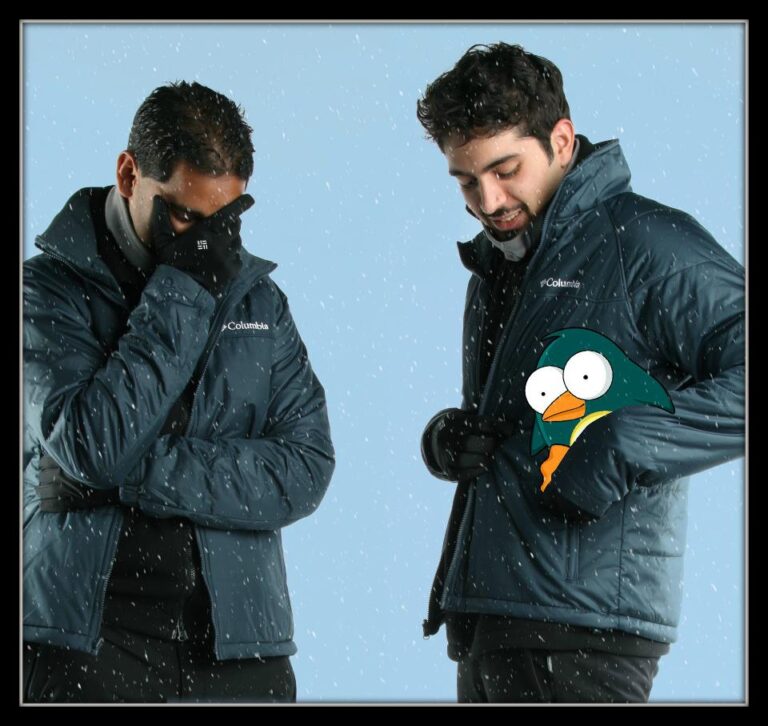
2041, climate change, global warming, Antarctica, Antarctic Youth Ambassador's Program (AYAP), South PoleTwo young Omani men are literally freezing themselves in order to prepare for the next 2041 Antarctic Youth Ambassador Programme.

Founded by Gemma Borgo-Caratti and Swati Hingorani, AYAP is a two week Antarctic expedition that transforms passionate environmentalists into informed advocates of renewable energy generation in their home countries. Trouble is, these boys aren’t used to subzero temperatures, so they have embarked on a training program that will make your teeth chatter!

Gaza’s 5-Star Al Deira Hotel built with adobe bricks

0

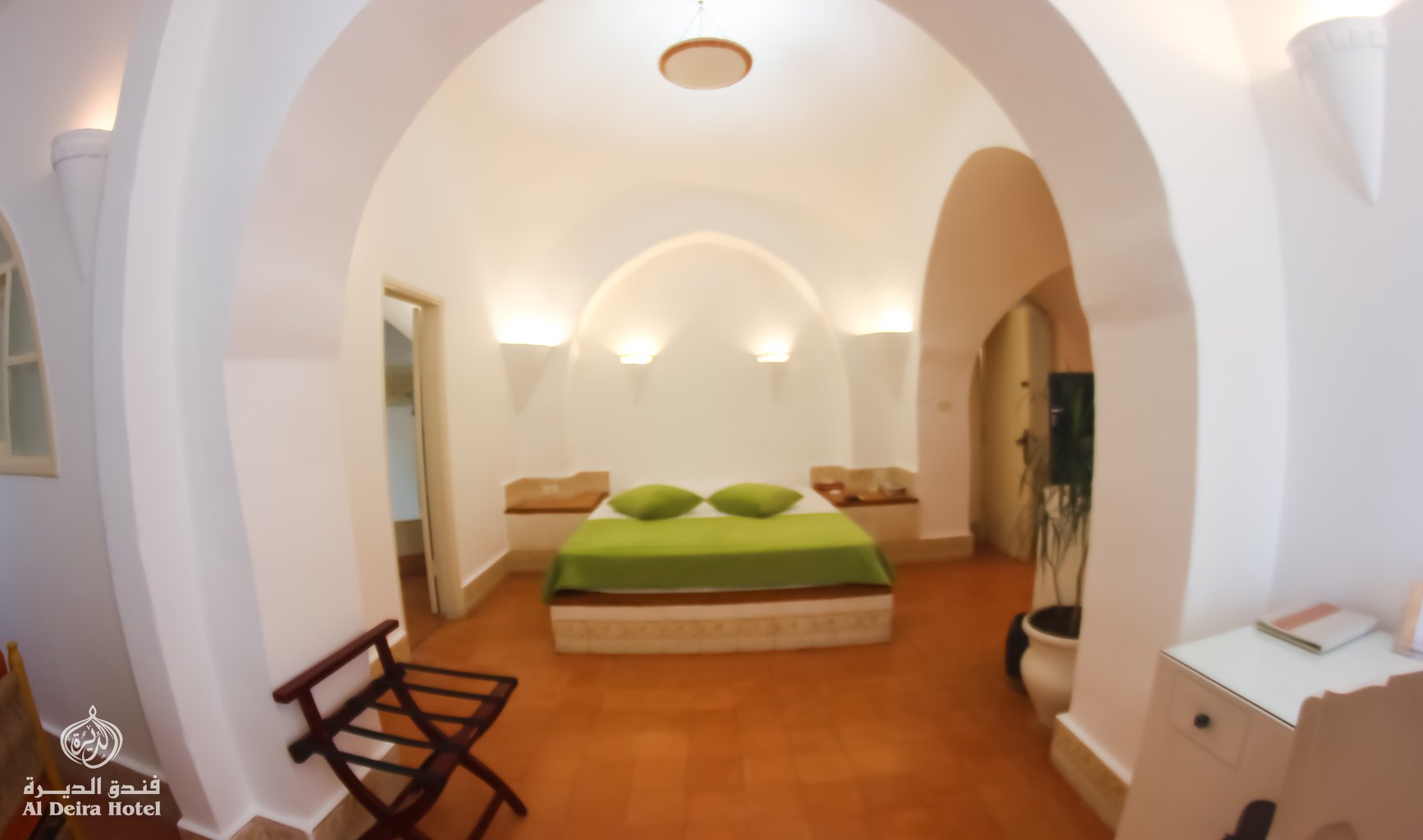
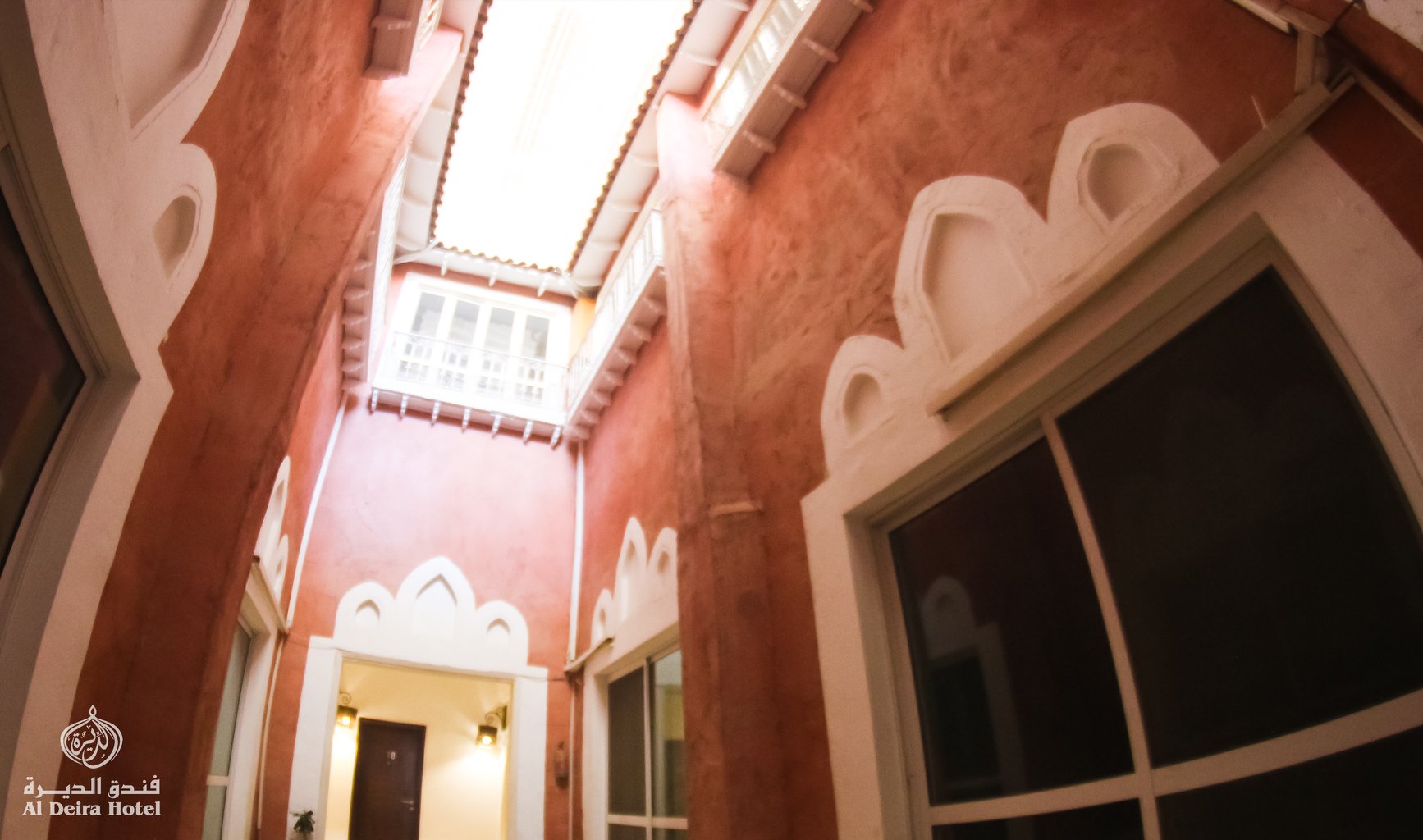
Gaza, Adobe Brick, local materials, earth construction, Only Five Star Hotel in Gaza, green design, sustainable designIt requires a rollout of the imagination to envision among Gaza’s ruins a five star hotel, especially one that is made with adobe brick. Designed by the Palestinian architect Rashid Abdelhamid, who was born and trained in Algeria, the 22 room Aldeira Hotel features domed ceilings and arches and a resplendent earth-toned facade. The hotel is regularly used by foreign journalists covering Gaza.

Located astride the Mediterranean Sea, Gaza’s only five star hotel is less a model of conspicuous consumption than it is a monument to the kind of normality that puts within reach at least a nibble of luxury.

Gaza, Adobe Brick, local materials, earth construction, Only Five Star Hotel in Gaza, green design, sustainable designCurrently based in Amman, Abdelhamid recently talked to Brownbook about the hotel that was built in 2000. He told the magazine that people were skeptical about the project given that it was built just after the Oslo agreements.

“I will make Gaza the new Singapore,” you know, a horizon of skyscrapers,’ said Abdelhamid.

Al Deira, Gaza
Al Deira, Gaza

Facilities include wireless internet, a coffee shop and restaurant, as well as a bookshop that stocks important Middle Eastern titles that are unavailable elsewhere in Gaza. Of course, that didn’t happen but the hotel still stands proud. Mostly foreign journalists and a small selection of wealthy Gazan families congregate at the boutique hotel, especially just before sunset.

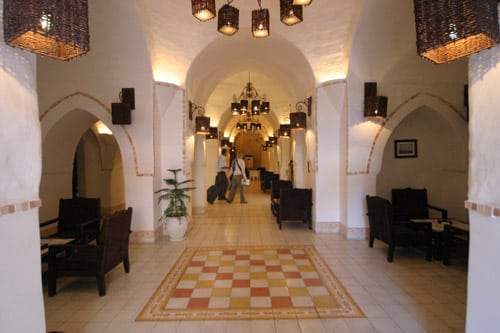
Al deira hotel lobby, Gaza
Al Deira hotel, lobby. A 5-star hotel in Gaza

Although this kind of luxury is unattainable to the great majority of residents, both the initial construction project and the continued success of the hotel has benefitted the local community.

In addition to teaching workers how to make adobe bricks out of a sand and clay mixture that then bake in the sun, Abdelhamid worked with furniture craftsmen and women to design a great deal of the handcrafted furnishings that give the hotel its distinctive style.

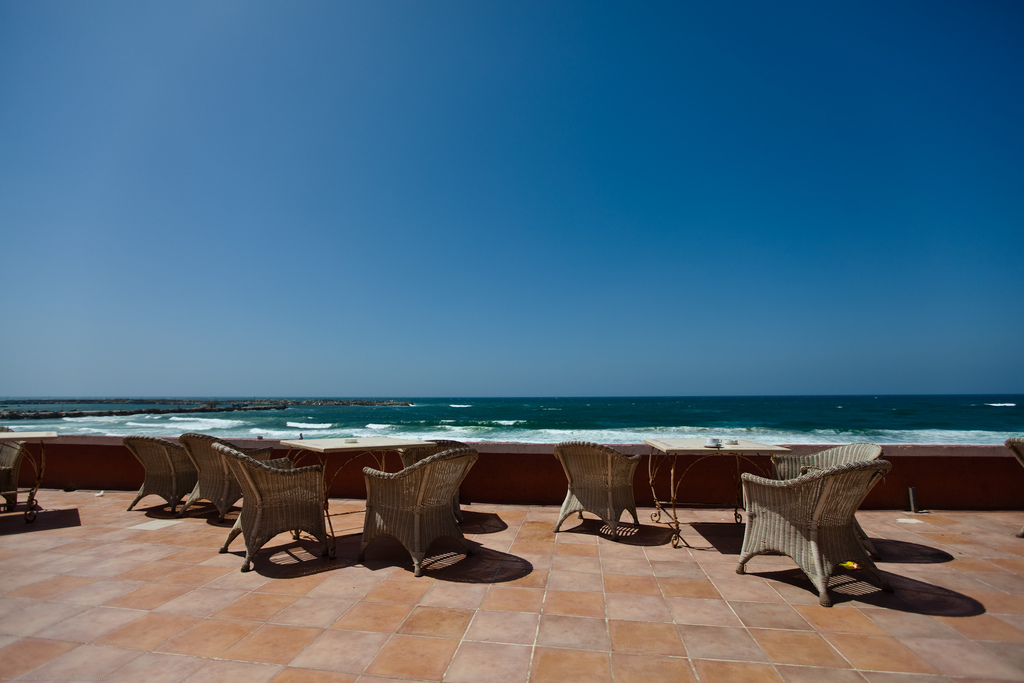
Al Deira seaview
Al Deira Hotel, view to the Mediterranean Sea

‘I believe design can be used to honour, develop and enact principles of environmental, economic and cultural sustainability,’ he said.

Adobe construction is particularly well-suited to hot climates since the thick earthen walls help to regulate interior temperatures. It is a common construction material in other desert countries as well, including the southwestern part of the United States.

Also involved with Gaza’s green school project, which has received support from across the globe, Abdelhamid has become a powerful voice of sustainable design in the region.

Meanwhile, the iconic Aldeira Hotel continues to hover above the rubble – both physically and metaphorically – instilling a stubborn sense pride among a people long beleaguered by decades of stale politics.

Al Deira Gaza
Al Deira, Gaza’s 5-star hotel, 2023 (Facebook)

Back in 2010, the manager of Al Deira, shared some of the hotel’s hardest stories with FT: The darkest moment for Gaza and the al-Deira hotel, he said, “was in the months before the Hamas takeover of the territory in June 2007. As Gaza descended into bloody lawlessness, criminal gangs began to kidnap foreign visitors.

Once again, the al-Deira’s guests had to stay away. “The kidnapping situation drove us nearly crazy. How could we run our business without foreigners?” Samir Skaik said. To make matters worse, gunmen from rival Palestinian factions threatened to close down the al-Deira should they ever find the property harbouring members of another faction.

More than once, the manager was forced into delicate negotiations with gangs of militant gunmen. Two factors helped Mr Skaik resolve such moments of crisis: a sunny disposition – “I am always smiling” – and a fierce determination not to get caught up in the many conflicts raging in Gaza.

“We never make problems with anyone,” Mr Skaik says.

As of Oct, 7, 2023 it is not known if the Al Deira Hotel is functioning.

::Al Deira Hotel


‘Wadjda’ – A Saudi Girl & Her Green Bicycle

1

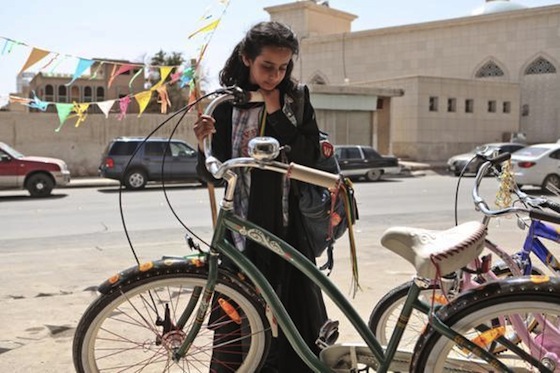
wadjda green bicycleThere may have been a public battle to allow Saudi women to drive but an award-winning film explores the sensitive issue of women’s rights through a young girl and her green bike

The battle for Saudi women to drive (and also take part in the Olympics) may have hit the headlines in 2012 but there are a million little battles fought by Saudi women everyday. The new and award-winning film ‘Wadjda’ by Saudi filmmaker Haifaa Al Mansour charts a young girl’s wish to ride a green bicycle and race with a boy in her neighbourhood. Al Mansour says the film aims to put a human face on the issues in Saudi Arabia and charts the struggles of ordinary people who have to manoeuvre through the conservative society of the Kingdom.