A comprehensive analysis published by AstroTurf experts on turf field safety identifies several critical factors that separate premium synthetic surfaces from standard installations.
Opioid drugs including oxycodone, heroin and fentanyl have fueled an ever-worsening epidemic in the US. And after giant events in New Orleans they are popping up in the wastewater.
Neom, a bombastic collection of futuristic cities and resorts, has flopped as Saudi oil prices roll back reality. The Saudi plan of hosting the 2029 Asian games to be held at Trojena, a ski report in the desert, has been cancelled.
A comprehensive analysis published by AstroTurf experts on turf field safety identifies several critical factors that separate premium synthetic surfaces from standard installations.
Opioid drugs including oxycodone, heroin and fentanyl have fueled an ever-worsening epidemic in the US. And after giant events in New Orleans they are popping up in the wastewater.
Neom, a bombastic collection of futuristic cities and resorts, has flopped as Saudi oil prices roll back reality. The Saudi plan of hosting the 2029 Asian games to be held at Trojena, a ski report in the desert, has been cancelled.
A comprehensive analysis published by AstroTurf experts on turf field safety identifies several critical factors that separate premium synthetic surfaces from standard installations.
Opioid drugs including oxycodone, heroin and fentanyl have fueled an ever-worsening epidemic in the US. And after giant events in New Orleans they are popping up in the wastewater.
Neom, a bombastic collection of futuristic cities and resorts, has flopped as Saudi oil prices roll back reality. The Saudi plan of hosting the 2029 Asian games to be held at Trojena, a ski report in the desert, has been cancelled.
A comprehensive analysis published by AstroTurf experts on turf field safety identifies several critical factors that separate premium synthetic surfaces from standard installations.
Opioid drugs including oxycodone, heroin and fentanyl have fueled an ever-worsening epidemic in the US. And after giant events in New Orleans they are popping up in the wastewater.
Neom, a bombastic collection of futuristic cities and resorts, has flopped as Saudi oil prices roll back reality. The Saudi plan of hosting the 2029 Asian games to be held at Trojena, a ski report in the desert, has been cancelled.
A comprehensive analysis published by AstroTurf experts on turf field safety identifies several critical factors that separate premium synthetic surfaces from standard installations.
Opioid drugs including oxycodone, heroin and fentanyl have fueled an ever-worsening epidemic in the US. And after giant events in New Orleans they are popping up in the wastewater.
Neom, a bombastic collection of futuristic cities and resorts, has flopped as Saudi oil prices roll back reality. The Saudi plan of hosting the 2029 Asian games to be held at Trojena, a ski report in the desert, has been cancelled.
A comprehensive analysis published by AstroTurf experts on turf field safety identifies several critical factors that separate premium synthetic surfaces from standard installations.
Opioid drugs including oxycodone, heroin and fentanyl have fueled an ever-worsening epidemic in the US. And after giant events in New Orleans they are popping up in the wastewater.
Neom, a bombastic collection of futuristic cities and resorts, has flopped as Saudi oil prices roll back reality. The Saudi plan of hosting the 2029 Asian games to be held at Trojena, a ski report in the desert, has been cancelled.
A comprehensive analysis published by AstroTurf experts on turf field safety identifies several critical factors that separate premium synthetic surfaces from standard installations.
Opioid drugs including oxycodone, heroin and fentanyl have fueled an ever-worsening epidemic in the US. And after giant events in New Orleans they are popping up in the wastewater.
Neom, a bombastic collection of futuristic cities and resorts, has flopped as Saudi oil prices roll back reality. The Saudi plan of hosting the 2029 Asian games to be held at Trojena, a ski report in the desert, has been cancelled.
A comprehensive analysis published by AstroTurf experts on turf field safety identifies several critical factors that separate premium synthetic surfaces from standard installations.
Opioid drugs including oxycodone, heroin and fentanyl have fueled an ever-worsening epidemic in the US. And after giant events in New Orleans they are popping up in the wastewater.
Neom, a bombastic collection of futuristic cities and resorts, has flopped as Saudi oil prices roll back reality. The Saudi plan of hosting the 2029 Asian games to be held at Trojena, a ski report in the desert, has been cancelled.
Are Jordan’s snow and Israel’s floods signs of climate change or are they simply flukes of weather? People might argue this for decades there is strong evidence that Mideastern climate has changed dramatically over thousands of years and there is evidence that humans can negatively impact their environment over a much shorter time period.
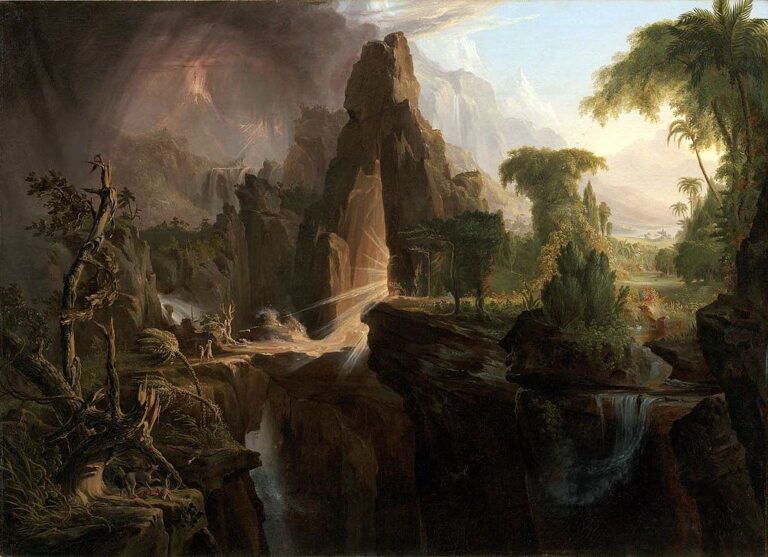
The fertile plain between the Tigris and Euphrates have long been known as the cradle of civilization. It is where the wheel, writing and cities were invented. It contained the marsh where the Sumerian’s creation took place. It was the biblical Eden. The Garden of Eden was described with such beautiful language in Genesis:
Want to help support a green film festival in the Middle East? Well, here’s your chance
Over the last year, the Middle East has released some stunning green films. Whether it was a short animated film exploring the environmentally-focused folktales of the Gulf, a documentary following a Bedouin woman traveling to India to become a solar engineer or a film about a young Saudi girl’s dream to cycle, the Middle East has been keeping it green. So, what could be better than bringing these films together (or some a lot like to them!) and showcasing them at their very own green festival? That’s what the organisers behind the ‘Green Caravan Film Festival’ are hoping to do. All they now need is your support – financial or not – to make their dreams a reality.
The Dubai Carbon Center of Excellence (DCCE) will collect greenhouse emissions data for five of the seven United Arab Emirates by the end of 2013, The National reports. Data for both Abu Dhabi and Dubai has already been collected and those findings are expected to be unveiled towards the end of January.
Did December gifting or a year-end bonus put a new smartphone in your hand? Check out ten mostly-free apps that will help you live healthier, smarter and more sustainably in 2013.
Call It Quits is for smokers wishing to quit and quitters who could use some added support. It provides cessation tips, motivations and coaching access to helpline pros. It also enables you, using your phone contacts, to build a trusted support group and then keep that support group with you in the palm of your hand. This ought to be basic software on all smartphones sold in tobacco-loving Egypt, Jordan and Lebanon. (Free.)
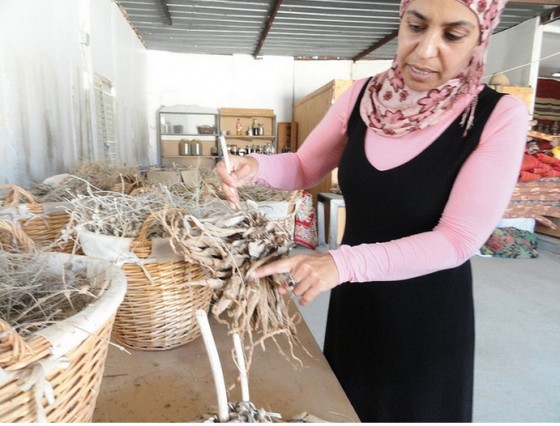
Bedouin hospitality is considered the best in the world. And that hospitality is found among Israeli Bedouins who have roamed the Holy Land and Levant region for centuries. Now a unique tour company Bedouin Experience –– run by an Israeli Jew and her Bedouin partner –– offers a unique window into Bedouin culture and what goes on inside their tents.
The center of their new social entrepreneurial project is to offer tourists the ability to get close and personal with a culture that was largely private and isolated until about ten years ago. The heart of the Bedouin Experience and how they do this is a home stay in a Bedouin village with a Bedouin family.
It’s strange that a farmer’s market should make news, but when it’s in Qatar, one of the driest and least food secure nations on earth, a farmer’s market is a big deal. So much so that local professional photographer Mohammed Ismail stopped by for a shoot.
Located 30 kilometers outside of the capital Doha, where last year’s COP18 climate meetings were staged, the market is a unique opportunity for consumers to come face to face with the people who do the hard work of putting food on the table and it takes place every Thursday, Friday and Saturday from 7am to 7pm.
This traditional Iranian, or Persian, pudding makes a great winter breakfast or a satisfying dessert.
Eating sustainably connotes regional foods that are available locally and in season. Fair conditions for workers and careful use of natural resources are part of what makes foodways sustainable. To draw attention to what is sustainable in the Middle East, we’ve embarked on this series of posts for readers to learn a little more about different countries’ food habits and tastes. We’ve looked at How to Eat Like a Sustainable Saudi Arabian and How to Eat Like a Sustainable Jordanian. Now let’s head over to Iran.
Iranian cuisine leans heavily on rice and many varieties of bread. Yet among other Middle Easterners, Iranians also know how to make delicacies with whole grains – wheat and barley, especially. Our Moroccan Wheat Soup is one such recipe, similar to the pudding we describe below.
Nuts and especially walnuts, feature in many Iranian dishes, from savory ones like Fesenjan chicken to this hearty, sweet pudding. Pomegranate seeds add color and flavor. If pomegranates aren’t in season when you make this, substitute cranberries.
Iranian Wheat Berry Pudding
Serves 6
Ingredients:
1 cup rinsed wheat berries
1/2 cup sugar
2 cups blanched almonds, broken walnuts, shelled pistachios and pine nuts
1/2 cup pomegranate seeds or cranberries
1 tablespoon ground anise
1 teaspoon cinnamon
1/4 teaspoon ground ginger
1 teaspoon orange flower or rose water
How to make wheat berry pudding
Place the wheat berries and anise seeds in a saucepan and cover with water. Bring to a boil, covered, then lower the flame and simmer for one hour. Check every so often to make sure the wheat isn’t drying out.
Soften the nuts in 3 cups boiling water. Allow to cool. Drain well and set aside.
Add the cinnamon and flower water to the wheat a few minutes before the wheat has finished cooking. It should be quite soft and partially exploded. Stir sugar into the cooked wheat.
Serve. Top each serving with plenty of nuts. Add pomegranate seeds or cranberries.
Enjoy!
More Sustainable Middle-Eastern delicacies on Green Prophet:
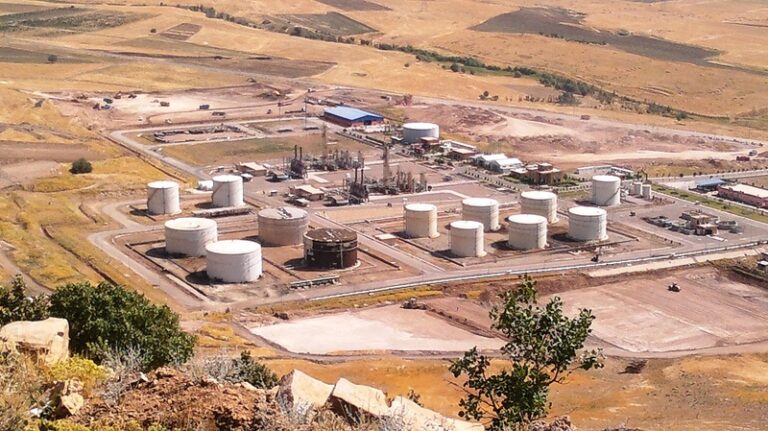
Turkey has been importing condensate from the Khor Mor gas field in Iraqi Kurdistan since October, with daily shipments now reaching 15,000 barrels.
Until recently, bowing to the Iraqi central government’s claim that it controls all oil within the country, the Kurdistan Regional Government (KRG) only exported oil through a pipeline controlled by Baghdad. But after a payment dispute halted that process last month, the KRG has started independently exporting oil out of the country in the other direction — by truck, to the Mediterranean port at the Turkish city of Mersin.
Roads have become rivers throughout Amman, Jordan after three days of torrential rainfall. Strong winds and falling temperatures have literally put this city on ice.
Severe weather is pummeling the Middle East. Latest reports puts the death toll at dozens. I’m fresh back from a trip to my family’s two homesteads: the USA, where we toured New Jersey’s hurricane-battered shoreline, and the UK, where new lakes of rainwater cover Cotswolds’ fields and the British Meteorological Office declared the highest annual precipitation since they began keeping records. An exceptional spate of extreme weather events? Or is this climate change? (I’ll duck under my keyboard so comment-hurling can commence).
The year in retrospect has been a positive one. Despite civil unrest, dangerous regimes, and appalling environmental crimes and neglect, there are good green things afoot for the Middle East. Today we recap some of our green leaders of 2012, the people of the Middle East and for the Middle East who have made 2012, and the world’s future a little greener, a little brighter. In no particular order, we’d like to thank the following people for their progress and positive actions in the fight for environmental change.
Professor of public and environmental affairs at the University of Wisconsin in the United States, Dallas Blaney took a novel approach to the water-energy debate. Instead of telling us what we already know – that we’re running out of water and scurrying to generate more energy to meet rising demand – Blaney says we need to demystify the relationship between the two.
Amid some of the worst flooding seen in the Middle East in decades and increasingly dire reports about climate change, Masdar will host the sixth annual World Future Energy Summit (WFES) in Abu Dhabi next week. We’ll be joining 30,000 other delegates at Abu Dhabi Sustainability Week, which includes the International Water Summit (IWS) from January 13-17th.
Our goal is to tap into the minds of public and private stakeholders who face a temperature rise of at least three degrees celsius by 2050, energy and water shortages coupled with soaring demand, and destabilization caused by climate change. The 6th WFES may be the most important yet.
The Speed Sisters, the Palestinian women’s motor racing team, are a Middle Eastern first: Independent and passionate, they’ve charted their own roadmap through a male-dominated sport, steering around family expectations, social pressures, community politics and an active military occupation.
Zoom out and the nuances deepen – women in nearby Saudi aren’t permitted to drive. Racing is a sport and a brilliant form of protest allowing drivers to demonstrate traits not typically valued in Arab females. It illustrates what may be possible in a rapidly changing Middle East. The team has a changing roster of Muslims and Christians, headed by Maysoon Jayyusi, whose love of fast cars emerged during frustrating hours at Israeli checkpoints.
Veteran Speed Sister Mona Ennab told The National, “When I drive, I understand freedom. We’re used to being stopped at checkpoints, but on days we have races, we fly through. One day, a woman from Palestine will win an international Formula race.”
Mona was the first women spotted by Khaled Khadoura, founder of the Palestinian Motorsport & Motorcycle Federation, while she raced boys in Ramallah’s streets. She started driving at a kiddie karting arcade in Amman’s Mecca Mall. “It’s a slow process,” she says. “The men made fun of us at the beginning, but we won their respect and now our fellow male racers are our biggest supporters.”
Mexican-born Betty Sa’adeh started racing in 2010; by 2011 she was the Palestinian women’s champion. She says, “I want to show the world that Palestinian women are more than their media image.”
Team captain Suna Aweida was one of the first women to race in Palestine, placing in the top 10. Retired from racing in 2010, the inspirational mentor acknowledges that her family wasn’t happy for her to participate.
Diaspora-baby Noor Daoud was born in Texas, raised in Jerusalem, and schooled in Switzerland. An Olympic swimmer and player on the Palestinian national soccer team, she’s now focused on racing Formula 3. The first Palestinian to participate in (and win) an Israeli race, she loves to “drift” her car and ride dirt bikes.
Last December, Noor nailed first place for women in Israel’s first legal car race, a two-day event in Eilat that featured Formula cars in a traditional grand prix format. The win brings her one step closer to her dreams of racing internationally. “Some people may judge Noor for racing with Israelis. If I were in her place, I would do the same,” says Speed Sister Mona. “She has a Jerusalem ID which allows her to participate, and she’s made us proud.”
The newest Sister, Sahar, is the first member to wear the hijab. Some Muslim clerics have condemned motor sport for being frivolous and haram. But as we’ve seen during the 2012 Olympics, Islamic law is subject to varied interpretation.
Ranked in the top 10 of 67 racers, the team stands poised to break onto the international arena, presenting an inspiring image of Palestine and of Arab women. But the Speed Sisters are keenly conscious of the limited professional options: sponsorship money is scarce (the British Consulate in Jerusalem funds their race car).
In many ways, the women represent Palestine’s diversity: fragmented West Bank cities divided by checkpoints, settlements and class differences. They are unified by intense love of racing, a Palestinian identity and an appetite to compete in a male-dominated sport.
Green Prophet’s reported on solid gold Mercedes, but we don’t support car racing. We’re gobsmacked by the Middle East pasttime of dangerous drifting and no fans of frivolous fossil fuel use. So why cover this story?
There’s a Jordanian saying that translates, “Sometimes you slaughter a camel to feed a fox”. Maybe burning a few barrels of fuel is small change compared to the large positive change these emergent celebrities and role models will incite. Debaters, start your engines.
Afghanistan, Iraq, North Korea, Myanmar and Yemen are still using leaded gasoline and many others have lead contaminated plumbing, soil, paint and household products.
How can we reduce the world’s crime rate, particularly the rate of violent crime? When the crime rate rises or a horrific crime takes place, people are quick to find blame in everything from violent movies to video games. Some believe crime can be reduced only with more prisons, more police, higher fences, more cameras and more guns. Others believe crime can be reduced with better education, fairer income distribution, lower unemployment, fewer drugs and fewer guns. But there is increasing evidence that the real culprit is the world’s oldest known environmental poison – lead.
Iran is gagging – on sanctions and deadly pollution. Finally, after months of denial, the country’s oil minister Rostam Qasemi acknowledged that petroleum sales are down by 40 percent after western sanctions that prohibit certain international transactions have stunted trade.
In February, all energy, shipping and shipbuilding enterprises will be blacklisted as well, the New York Times reports – all to curb the country’s nuclear ambitions. Meanwhile, the government ordered all official buildings, schools and universities to shut down for five days recently in order to dissipate pollution. They are open now, but a cloud of lead, sulfur dioxins and benzene remains aloft.

 Are Jordan’s snow and Israel’s floods signs of climate change or are they simply flukes of weather? People might argue this for decades there is strong evidence that Mideastern climate has changed dramatically over thousands of years and there is evidence that humans can negatively impact their environment over a much shorter time period.







 Turkey has been importing condensate from the Khor Mor gas field in Iraqi Kurdistan since October, with daily shipments now reaching 15,000 barrels.