
 Here’s a design that rivals the light bulb in its ingenuity: the Window Socket. The disc-like socket designed by the Korean duo Kyuho Song and Boah Oh has a base of mini solar panels and a suction cup that ensures effective adhesion to virtually any transparent glass surface that is exposed to the sun. The panels absorb solar energy, which is then converted into electric energy by an embedded converter.
Stick the Solar-Powered Window Socket on Glass and Watch it Charge

Dogs Detect Cancer Cells in Petri Dish

Could woman’s best friend be the missing link in the diagnoses of aggressive breast cancer types?
Researchers at Ben Gurion University in Israel have conducted research proving that specially trained dogs can differentiate the smell of breast cancer cells from non-cancerous cells in cell cultures. The concept of using the sniffing ability of dogs to detect cancerous cells first emerged a decade ago in an article in a medical journal about a woman who discovered she had melanoma when her dog repeatedly barked at her tumor. Other individuals have reported similar experiences.
Turkey Bans 26 Genetically Modified Organisms

While the United States is completely in bed with companies that manufacture genetically modified organisms (GMOs), countries in other parts of the world are resisting their relentless push to populate the planet with their patented seeds.
Turkey is the latest country to ban 26 GMOs following an incident involving the unauthorized entry of genetically modified rice that was due at Mersin port, according to local press. The Biosecurity Board unanimously passed the ban, though some genetically modified corn and soy will be permitted for animal feed.
Seeking The Ecological Market At Machane Yehuda in Jerusalem
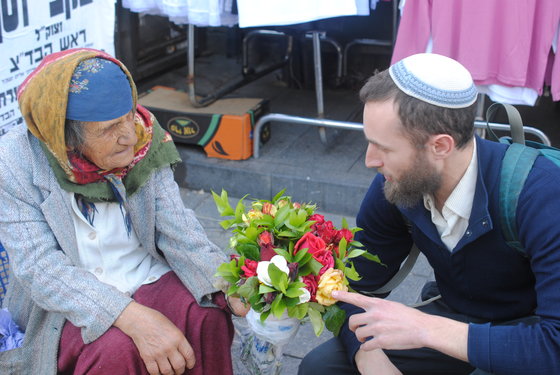
Miriam sees Israel’s most famous open-air market through new eyes.
When I lived in Jerusalem, the Machane Yehuda shuk (market) was my grocery store. Vegetables, grains, fruit, chicken for Shabbat, the Jewish day of rest. There were nuts and sweets…everything we ate came from the shuk. (Read about 5 Israeli shuks here.)
My kids grew up eating the freshest, most colorful and flavorful food in the city, and since prices are lowest at the Machane Yehuda shuk, I was saving money.
Intent on my shopping and on getting home, I never gave the mixture of imported and local foods a thought. While I happily observed the growing number of tempting new fruits and vegetables, it didn’t occur to me to ask if they were grown locally or flown in from far away.
As eco-awareness became part of the way I think, I began to make more conscious choices. But a tour of Machane Yehuda with Rabbi Yonatan Neril of of the Jewish Eco Seminars organization showed me what “globalized food” means. And how organic food struggles to compete in Israeli markets.
Turkey’s “A Few Brave People” Wins Best Feature Film at Abu Dhabi’s Green Carpet Ceremony
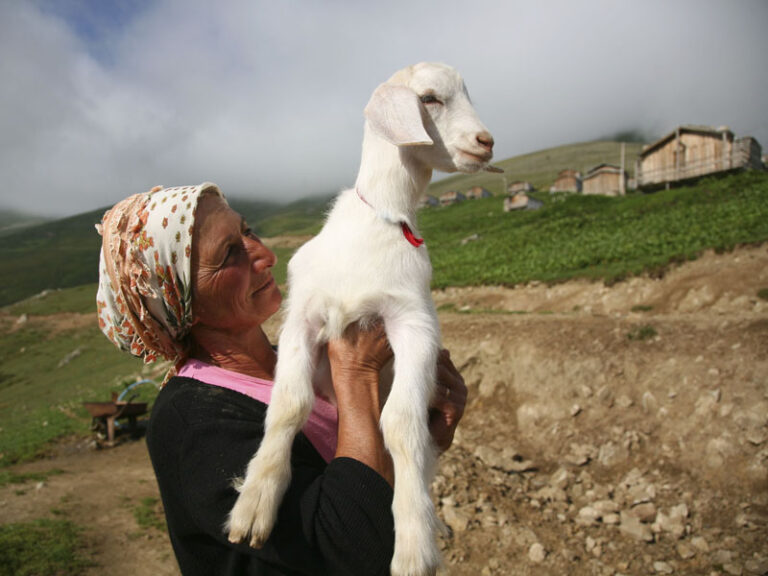
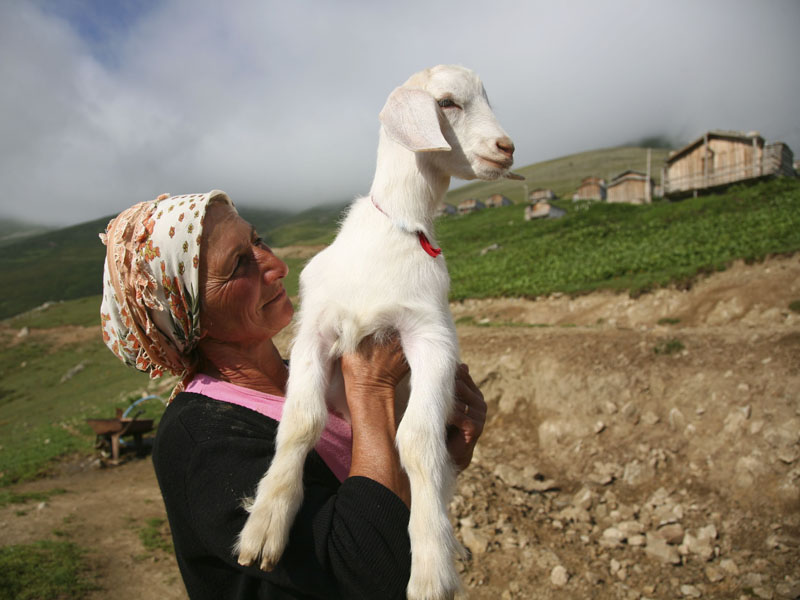 A Few Brave People by Turkish director Rüya Arzu Köksal won the Golden Deer Award for Best Feature Film at the inaugural Abu Dhabi International Environmental Film Festival (ADIEFF) last Thursday night.
Recognized alongside five other nature-themed films at the closing green carpet ceremony, the documentary highlights the challenges faced by people living in Çağlayan, İkizdere and Senoz in the Black Sea region of Turkey, where government is enabling private companies to develop a slew of energy-generating hydroelectric plants. The film was picked from a crowd of 50 films from 32 nations.
First 3D Printing Shop in Arab World Opens in Lebanon
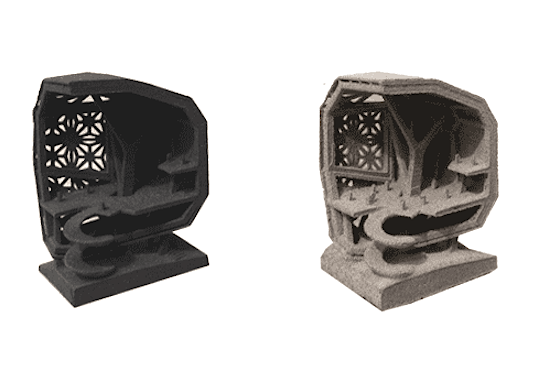
It was only a matter of time: the 3D printing revolution has officially arrived in Lebanon, where artists, architects, and designers are eager to keep pace with Europe and the United States.
French Architect Guillaume Crédoz has founded the region’s first 3D printing shop in the Mar Mikhayel neighborhood of Beirut, a bustling hive of creative energy. Called Rapid Manufactory, the shop will allow anyone who works with 3D modeling to have their designs printed in just a matter of days. But we’re not convinced that’s something to celebrate.
Bernard Pras: Spot the Upcycled Objects in this Art
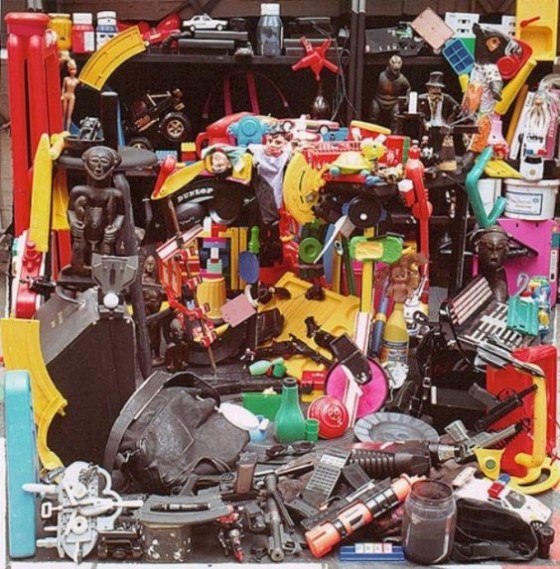
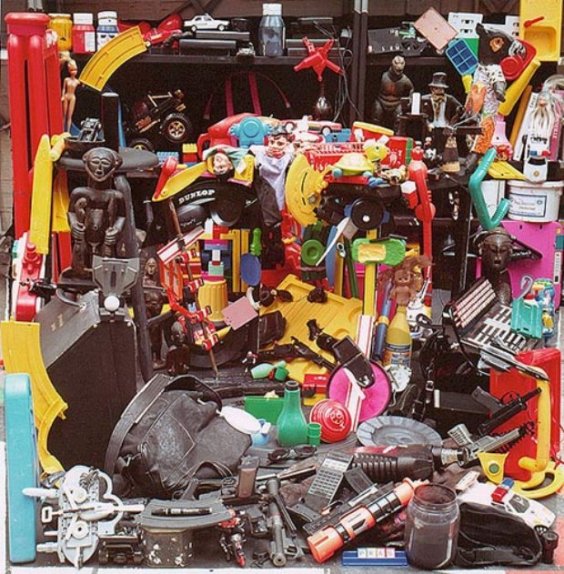
Using only upcycled objects, French artist Bernard Pras reinterprets iconic images through the art of anamorphosis.
Relying on old trash gathered near his installation sites, Bernard Pras from France assembles clothes and rags, wood, old record albums, dishes, broken toys (and anything else he can grab) to re-interpret pop-culture images. It’s far from ad hoc: his material selections include specific choices that add a subtle undercurrent to the imagery.
I’d seen his “portraits” just before taking a stroll through Amman’s Abdali Market, an enormous street sale of used clothes and shoes that blooms beneath miles of orange tenting each Friday. Those colorful collections of dresses and shirts suddenly seemed like an artist’s palate. It’s so good for the brain to see things from a new perspective.
Wooden Sun Filter Cools Istanbul Apartment Complex Naturally

Like many countries in the Middle East/North Africa region, Turkey is undergoing rapid expansion and that’s not necessarily a good thing, especially since so many developers are perpetuating an archaic building model that involves a lot of concrete and glass and often completely disregards the need to preserve existing vegetation or plan for climatic concerns.
But in Istanbul, Alataş Architecture & Consulting has taken a slightly different approach with the new 25 Ipera Apartment in complex. Concerned to respect the surrounding architecture but also create a comfortable, low-energy environment for residents, the Turkish design firm clad the building with four columns of protruding timber louvers that filter the sun.
New Istanbul Airport Will Kill 658,000 Old Trees
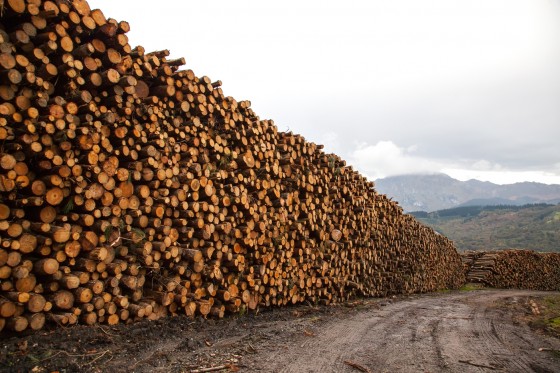
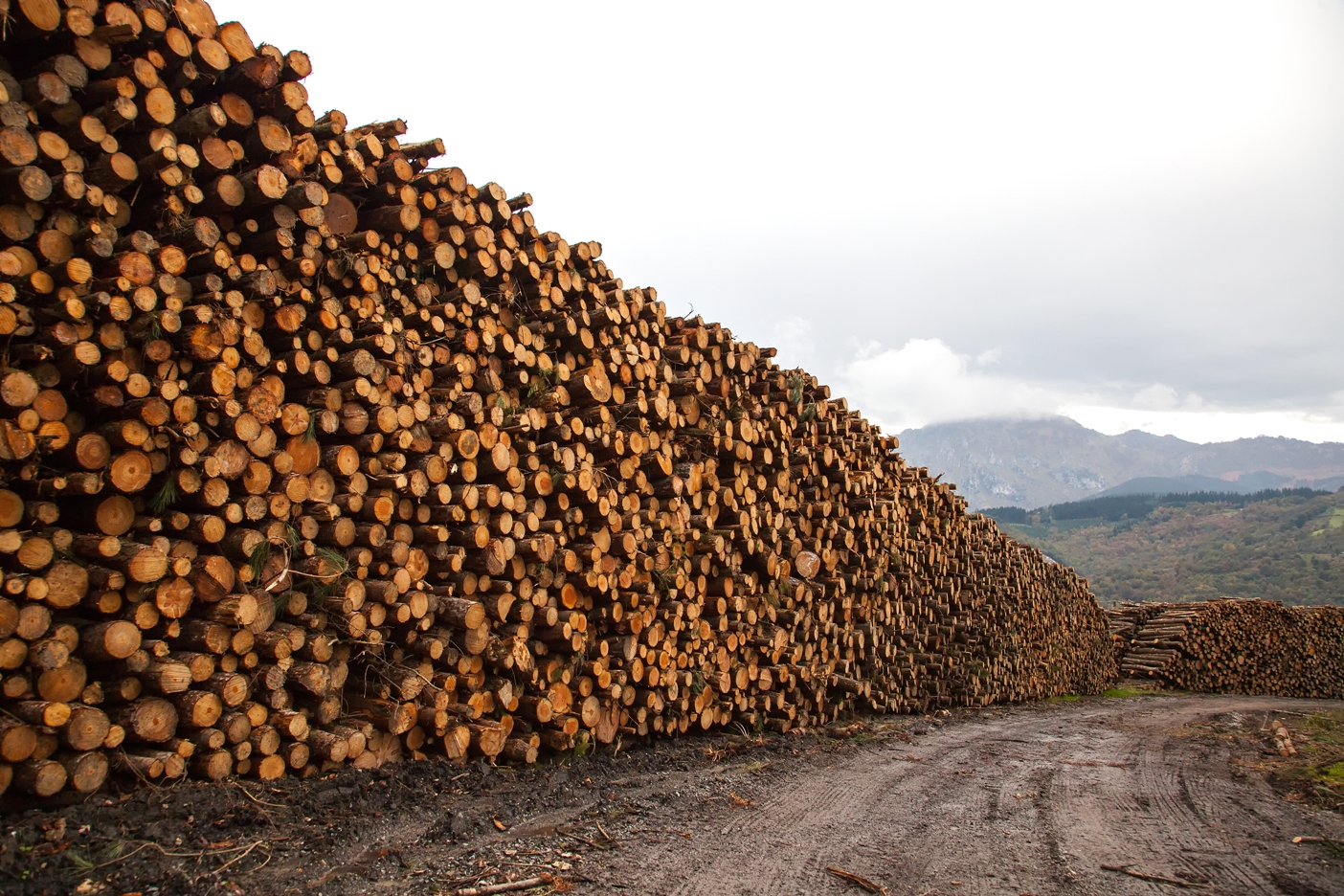 Turkey’s booming aviation industry is planning new development that will wipe out over half a million old-growth trees.
Istanbul aims to build its third airport on nearly a square kilometer of previously pristine forest in the northern, European part of the city, on Lake Terkos near the Black Sea. With six runways and an annual capacity of 150 million passengers, Transport Minister Binali Yildirim told Turkish newspaper Zaman “it will be the largest airport in the world.”
Capable of surpassing passenger throughput at London’s Heathrow and the trio of airports in the United Arab Emirates, this new facility will be so large it’ll be visible from space.
An environmental impact report (ÇED) prepared by the Ministry of Environment assessed probable environmental effects from project construction. It predicts that, if the airport is built as planned, more than half a million trees spanning ten species will be chopped.
The project site is 80 percent forested, dense growth that acts as a natural carbon sink for populous Istanbul. Airport development, with associated deforestation, will interrupt carbon’s natural cycling and considerably increase regional air pollution.


Learning to Green Your Pilgrimage
Treading the path of righteousness involves the ecology too.
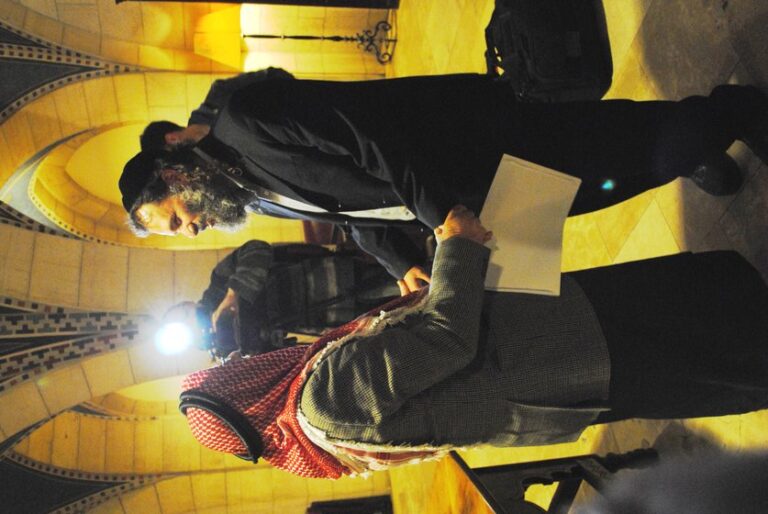
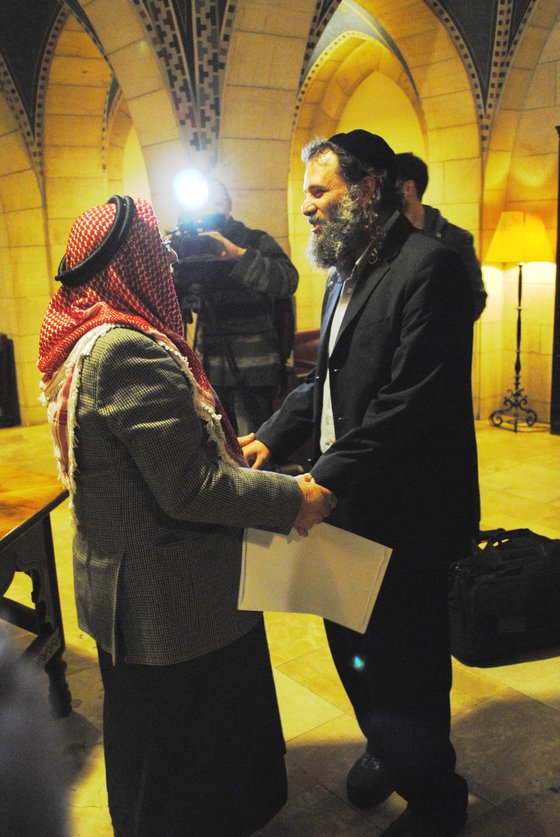
It had never occurred to me that if I were to go camping on Mt. Meron for the upcoming Lag B’Omer celebration, that I’d actually be on pilgrimage. I never thought of my visits to the Western Wall in Jerusalem as a pilgrimage. But during the days I attended the First International Symposium on Green and Accessible Pilgrimage, I realized that these these trips are in effect, pilgrimages.
An astounding 300 million people leave their homes and travel on pilgrimages every year.This is an unprecedented historical migration, and the effects on the environments where pilgrims pass through are becoming disastrous. Huge numbers of pilgrims put a huge strain on local water, energy, transportation, food and waste disposal resources. Basic issues like sanitation become unpleasant, and even dangerous challenges.
Giza Pyramids: An Ancient Catering Camp for Workers

Thousands of years ago the area around the Giza Pyramids was abuzz with activity as a throng of workers built the pyramid of Pharaoh Menkaure – the smallest of the three, and also the last. According to Live Science, researchers who have spent more than two decades studying the Egyptian archaeology site have long puzzled over how the laborers were fed.
Now, after painstakingly documenting all found objects, including heaps of sheep, goat, cattle and pig bones, discovered at a worker’s camp located 1300 feet south of the Sphinx, they believe they know the answer.
Solar PV Demand Rises Sixfold in the Middle East and Africa
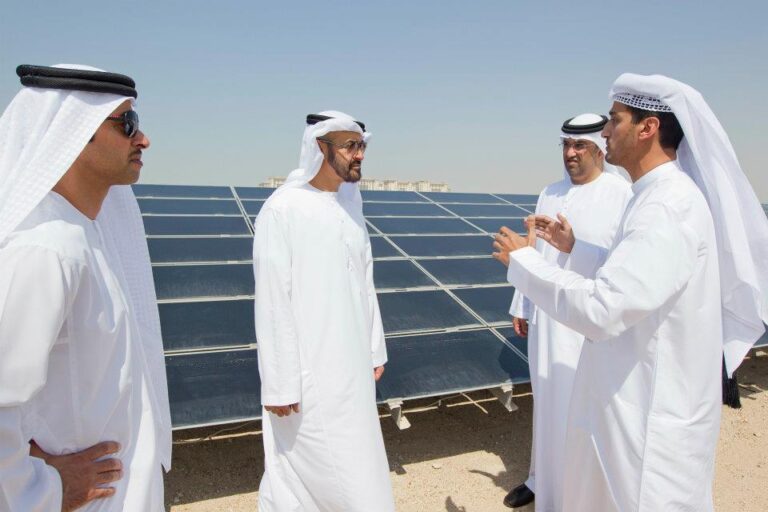
 HH General Sheikh Mohamed bin Zayed Al Nahyan Crown Prince of Abu Dhabi (left), HH Sheikh Hazza bin Zayed Al Nahyan National Security Advisor for the UAE and Vice Chairman of the Abu Dhabi Executive Council visit Masdar City’s 10 MW PV plant in 2011.
Proponents of environmental reform (renewable energy, greener economy) are racing against the forces of environmental destruction (fossil fuel industry, global warming), while the rest of us wait to see which will reach the finish line first.
In the Middle East and Africa (MEA), fossil fuels are way ahead. Many countries, South Africa in particular, rely too much on coal, while others like Saudi Arabia and Abu Dhabi have played a crucial role in our oil addiction. But there may be hope. Leading analysts for the photovoltaic industry, NPD Solarbuzz recently reported that PV demand in the MEA has soared in the last year with an astounding 625 percent increase.
Jordan Talks Plastic Waste: Action Wanted!
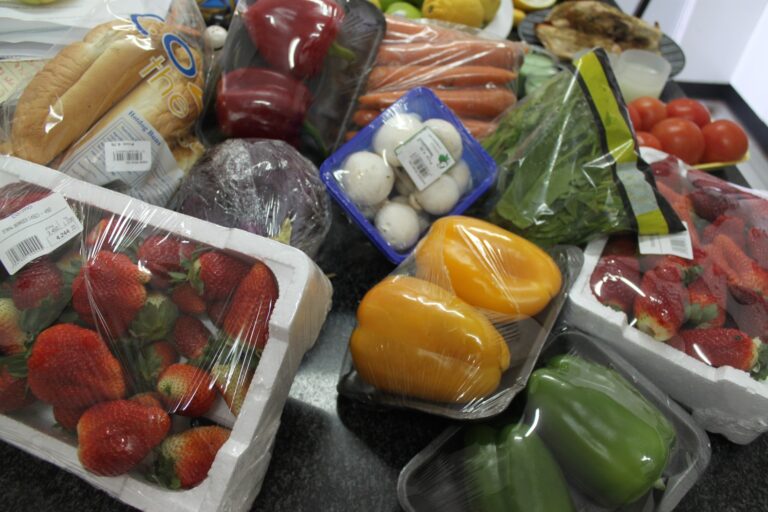

Random dumping and burning of plastic garbage, which constitutes a fifth of the Kingdom’s solid waste, are negatively affecting the environment and public health, said a Jordanian official.
Good morning, Jordan! Glad to see you waking up to your plastic addiction and outrageously dirty dumping disorder. Plastics, widely introduced to world markets in the 1960’s, have been soiling the kingdom’s landscape for half a century in the form of disposable bottles, bags and product packaging. Rising population in an increasingly urban setting helps speed the use (or disuse) of the nasty buggers.
Manufacturing is heavily reliant on plastics for packaging, our mostly imported goods come swaddled in the stuff, and the kingdom is mad for clear wrap (walk out of any grocery store with yards of plastic around your purchases – see what came with my latest run to the market, above). The problem is when you throw it all out – see below.

Environment Ministry Secretary General Ahmad Qatarneh said as much during a one-day conference for school kids on the environmental and health impacts of plastic.
“As the ministry bans the burning and dumping of plastic waste, it encourages the public to reduce the use of plastic, recycle it and dispose of it properly,” said Qatarneh, according to The Jordan Times.
Environment Ministry figures indicate alarming plastic pollution statistics for Jordan:
• Jordan generates 6 million tons of solid waste every year, 20% are plastics
• Each Jordanian generates on average 2.2 pounds of solid waste daily
• Jordanians use an average of 1.5 plastic bags per day – that’s 500 plastic bags each, yearly!
• 3 billion plastic bags are used in the country annually, only 20% find their way to landfills
Qatarneh said the ministry has prepared a draft law for regulating waste management, which includes a plastic waste management plan and a policy for limiting the negative impact of plastic bags.
“We are hopeful that the policies will be adopted on a national level by using the Regulatory Impact Analysis [RIA], which will be applied for the first time in the Arab region,” Qatarneh noted. An RIA is created before new regulations are introduced to examine potential impact and success potential.
Qatarneh underscored that conventional plastic disposal methods, such as burying, are no longer environmentally or economically feasible, and that limiting plastic production and recycling it to generate energy are examples of the future integrated management plan.
Sounds swell, but why not also jump on the simple three step program proven successful in so many nations? Ban plastic bags (as our Israeli neighbors have done), implement a recycling culture, and roll-out a public education campaign beginning with our schools.
Littering is a serious problem in Jordan, where trash collection infrastructure is poorly developed and people are nonplussed by tossing trash in public and open spaces.
Plastic bags are one of the most prevalent types of land litter. Plastic debris can clog drainage systems and contribute to flooding. It kills hapless animals who ingest it. And even landlocked Jordan is experiencing marine pollution problems as its trash makes its way into the Dead and Red Seas.
It’s action time.
Al Ain Zoo Hits Record of Sustainable Emirati Employment
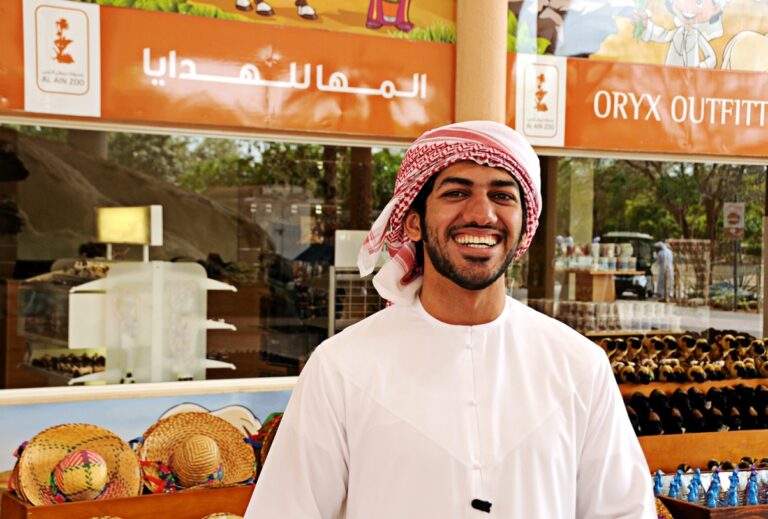
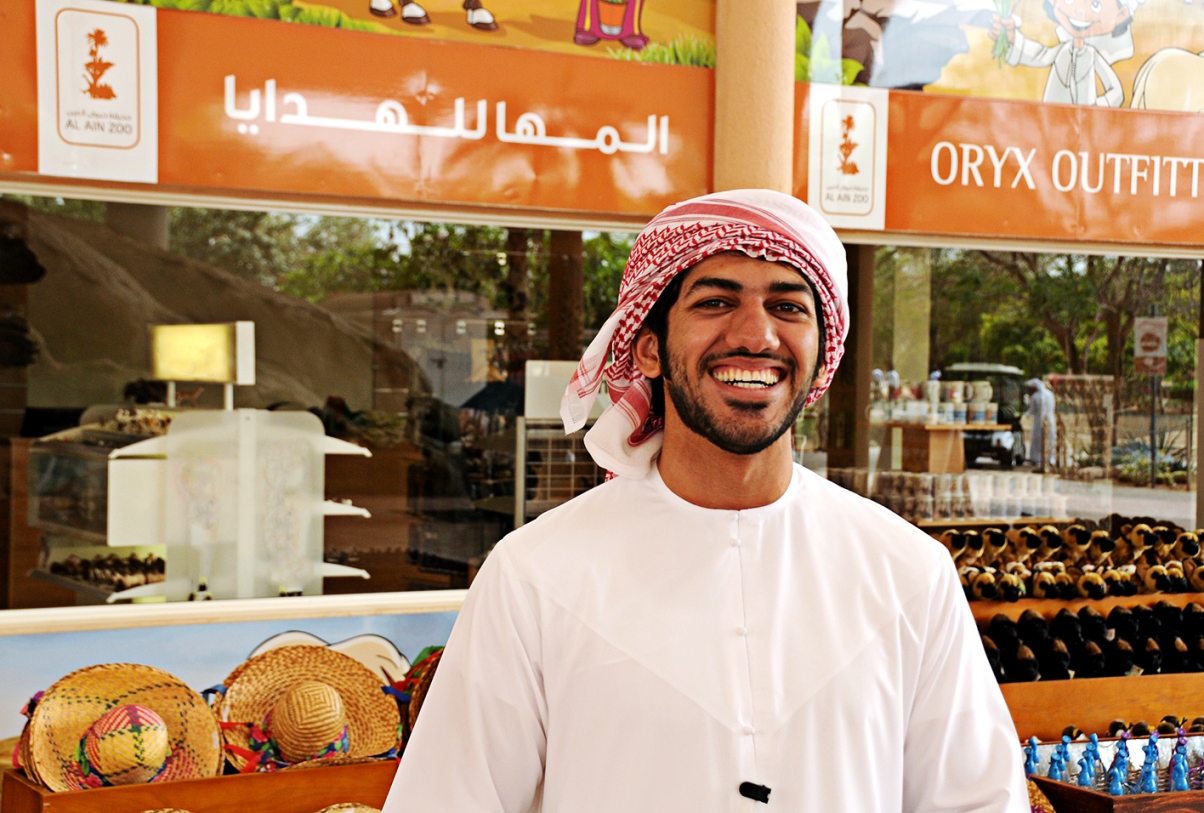 A couple of years ago in Dubai we interviewed the Green Sheikh – a beloved figure in the United Arab Emirates who is a devoted father and husband, hyper productive activist, and a faith leader. Plus he is smart- PhD smart.
Referencing the many expatriates living (and generating wealth) in the country, he said something I’ve never forgotten: “In my own country, when I speak to people in Arabic, they answer me in English. Everywhere I go. Can you imagine? We are a minority in our own country.” Now, nearly two years later, the Al Ain Zoo reports that Emiratis make up 33 percent of their workforce. That’s 160 young Arabs working for a zoo.