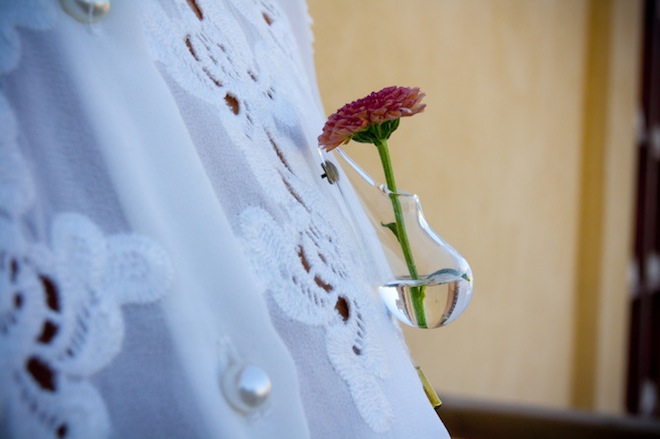
Israeli designer Omer Polak has designed an adorable wearable vase that keeps a flower or herbs close to the wearer’s chest. The Boutonnière is a lapel pin made from blown glass attached to clothing via a small brass pin.
Israeli designer Omer Polak has designed an adorable wearable vase that keeps a flower or herbs close to the wearer’s chest. The Boutonnière is a lapel pin made from blown glass attached to clothing via a small brass pin.

Creativity, like nature, knows no borders, and we’re all about putting politics aside for the greater good, but a pair of naive American women behind the Israeli startup ArtSetters pulled a stunt that could have put Beirut artists in serious danger.
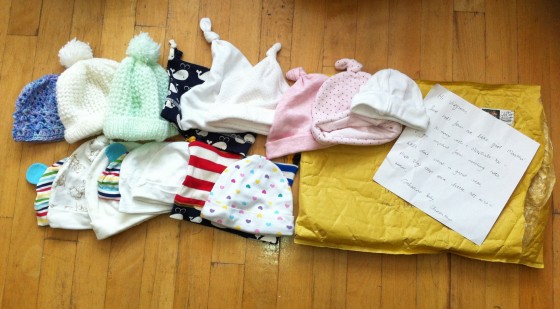
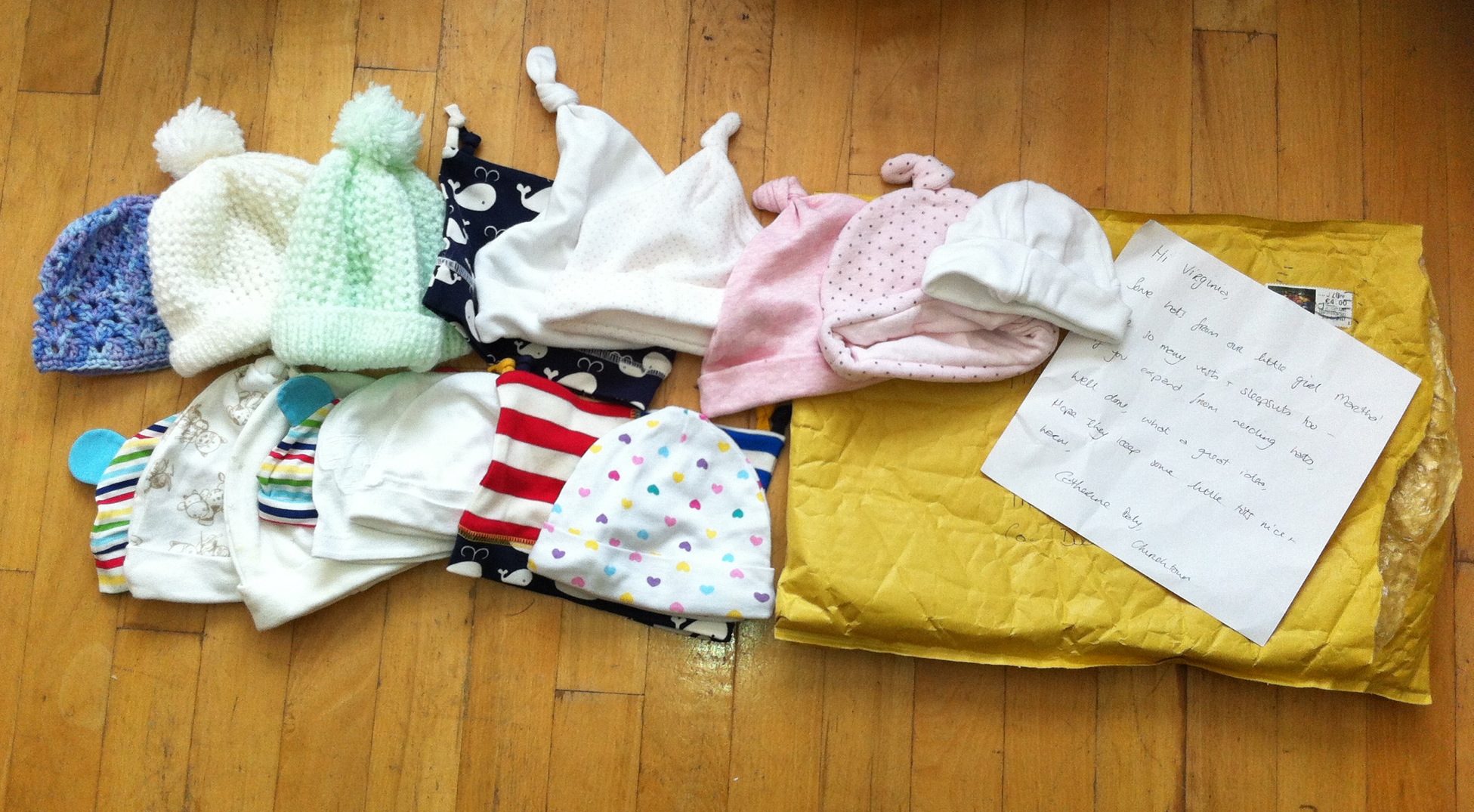
In Ireland we know about cold bones. This is a story about how we started collecting hats in Ireland for cold kids in a Syrian refugee camp.
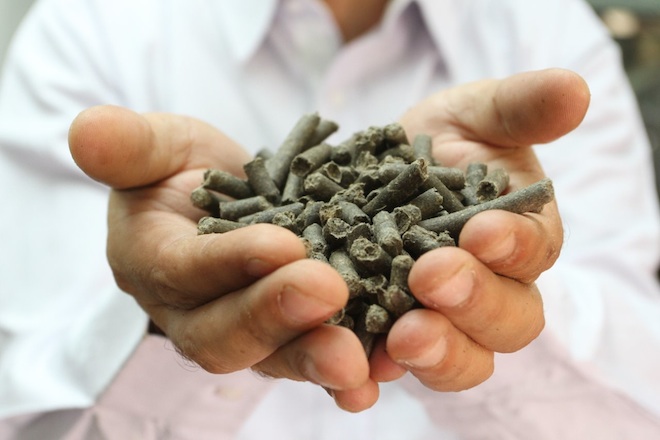
Israel’s Applied CleanTech has found a way to turn sewers into gold mines, and now the company has signed an agreement with a Dutch wastewater treatment facility (WWTP) and paper mill to test its revolutionary Sewage Recycling System (SRS).
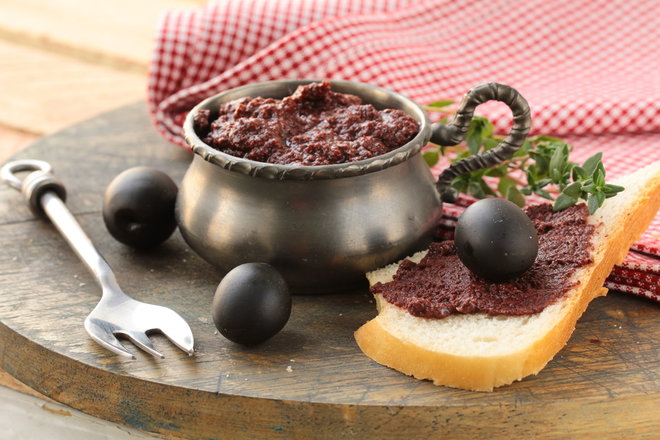

With the Middle Eastern olive season in full swing, it’s natural to think of cooking with those fleshy, savory olive morsels. If you’ve been lucky enough to get olives pickled on the farm, as I did at the Olive Branch Festival, most of your work has been done for you.
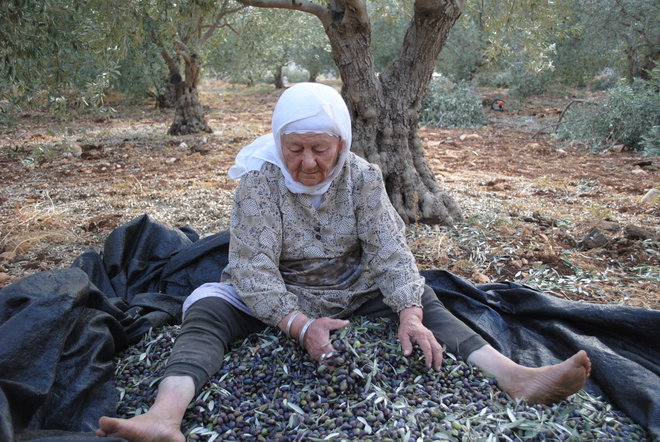
But if raw olives turn up at your local market, don’t just walk past them – pickle them yourself. And we even show you how to choose the best raw olives. This way you can avoid any poisons or pore
You can consider olive spreads as vegetarian alternatives to meat-based patés. But where olive trees grow, people naturally make farmhouse olive spreads for slathering on fresh bread. These recipes hearken back to centuries of olive farming and the traditional resources of the farm wife’s kitchen. Olive oil is, of course, one of the 60 must-haves of the Middle-Eastern pantry.
You can make these spreads too, even if you live far from any olive tree. Pitted canned or jarred olives work fine.
The following recipes are translated from “The Olive Cookbook” by Ruth Keenan.
Ingredients:
100 grams black olives, pitted
1 tablespoon lemon juice
1/2 teaspoon salt
1 tablespoon olive oil
Pulse all ingredients in a food processor or blender until you have a grainy, spreadable paste. Remove to a jar and store in the refrigerator up to a week.
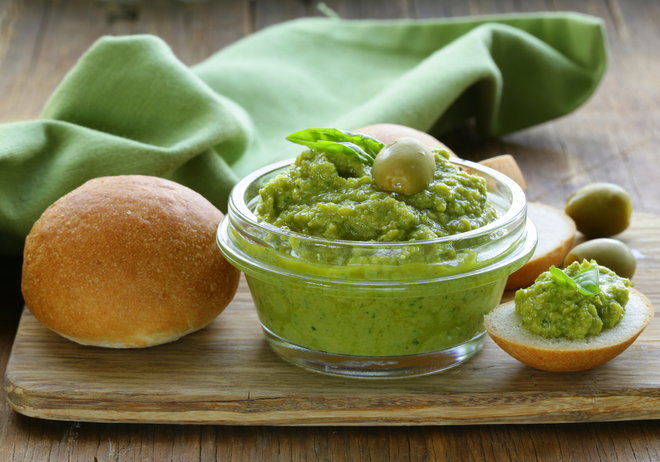
Ingredients:
100 grams green olives, pitted
1 garlic clove, peeled
100 grams unsalted butter, softened
1/2 teaspoon salt
Pinch black pepper
1 tablespoon finely chopped parsley
Pulse the olives and garlic in the food processor until fine grains. Add the remaining ingredients and pulse until a spreadable paste. Store in glass jars, in the refrigerator. Remove from the fridge 30 minutes before serving.
Some of our delicious recipes with olive oil:

Well, your mom has been teaching you wrong. The right way to eat an apple is not from its sides. There is another more complete way of eating an apple, a trick you need to teach the kids.

 How best to provide adequate housing when disaster strikes? Weather-related calamity can be sudden – think earthquakes and tsunamis. It can be forewarned – as in hurricanes, floods, and droughts. And it can creep up slowly through rising sea levels and civil unrest.
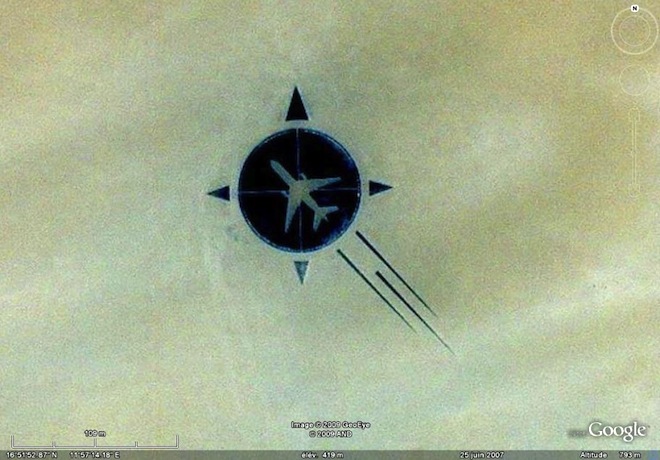
In 1989, a McDonnell Douglas DC-10 carrying 155 passengers and 15 crew members exploded over the Sahara Desert. 18 years later, family members built a memorial shaped like a plane in Niger, to which Libya contributed $170 million.
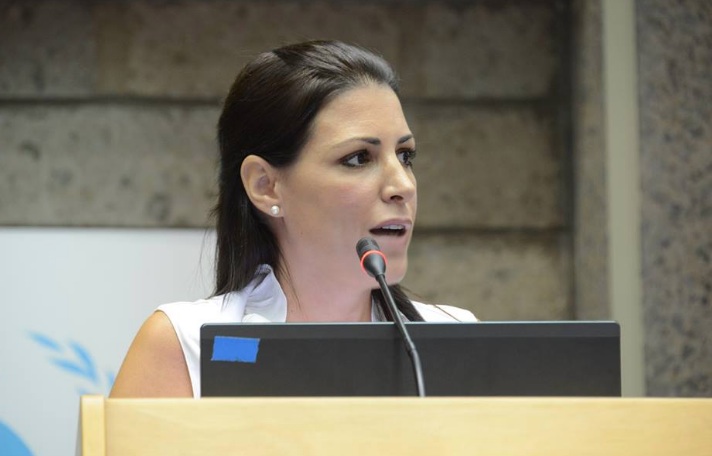
Seeing the enormous potential for Israeli clean technologies in solar energy and water for the developing world, Sivan Yaari-Borowich started an NGO to help Africa. She puts two and two together by taking Israeli technologies and matching them with Jewish donors in the United States to fund real world green energy projects in Africa.

 In the race towards old age, our “girls” cross the finish line first! Maybe not a prize you want to win, but breast tissue ages faster than the rest of our body according to a study published in the journal Genome Biology.

Hand-holding, smooches and inter-gender chitchat between strangers are prohibited in Saudi Arabia, as are all public demonstrations of amor. So passionate Saudis stymied by morality laws are turning to their cars to show some love.
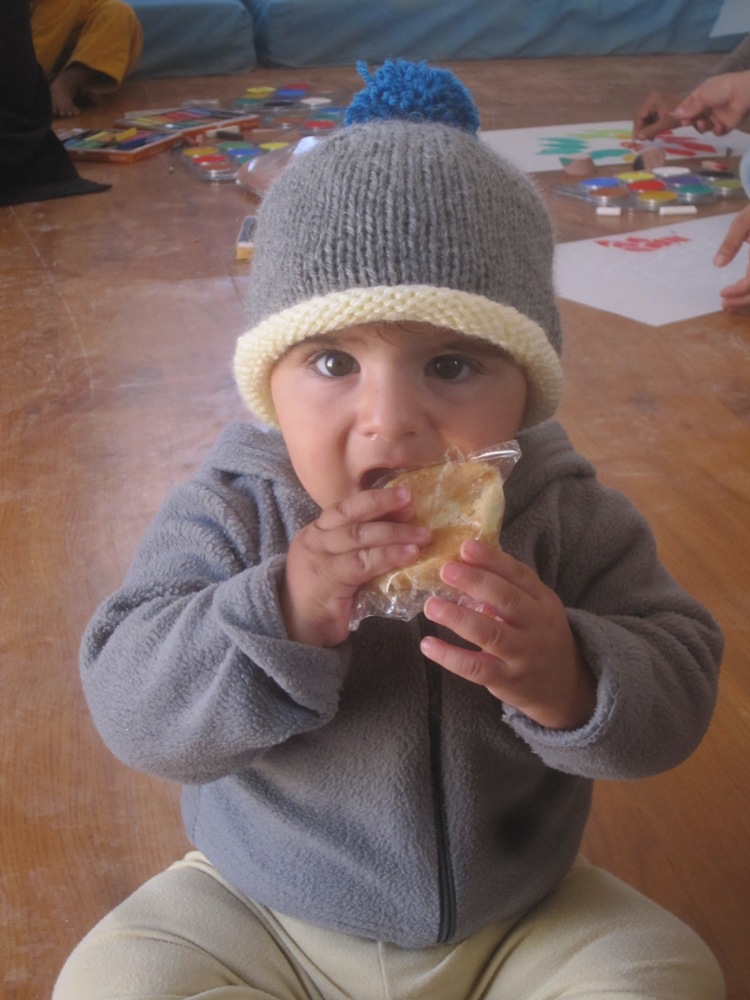
What started as a few throwaway balls of yarn to a tiny knitter in Jordan’s Zaatari Syrian refugee camp inspired a goofball idea: I asked crafty folks everywhere to toss a few hats in the ring. The reaction has been jaw-dropping. So far we have collected some 4,000 handmade hats for Syrian refugees.

Is this the right kind of message you should be sending to your kingdom? That large wild felines should be kept in captivity as pets? We ask ourselves these questions all the time, now an almost unbelievable Instagram video of a Dubai prince surfaces.


Wild boars look more or less the same in Israel as they do anywhere else: stalky and hairy with big heads, long snouts, and beady eyes.
Some even hunt wild boars as a delicacy, despite the religious prohibitions in Judaism and Islam from eating pork. Scientists had really no reason to suspect Israeli wild boars were any different at all than their brothers and sisters roaming the Middle East, all the way from Egypt to Iran.
But they were wrong.
Now, in a new study researchers at Tel Aviv University and the Weizmann Institute have found that, unlike the Near Eastern wild boars in surrounding countries, Israel’s wild boars originated in Europe.
After a genetic and archaeological analysis, researchers led by Prof. Israel Finkelstein and his team suggest the wild boars living in Israel are descendants of domesticated pigs brought to Israel starting almost 3,000 years ago by the non-kosher Philistines and other seafaring raiders sometimes referred to as the Sea Peoples.
The findings were published this week in Scientific Reports.
“Our DNA analysis proves that the wild boars living in Israel today are the descendants of European pigs brought here starting in the Iron Age, around 900 BCE,” says Finkelstein. “Given the concentration of pig bones found at Philistine archaeological sites, the European pigs likely came over in the Philistines’ boats.”
Pig bones have been found in abundance at Philistine archaeological sites along Israel’s southern coastal plane dating from the beginning of the Iron Age, around 1150 to 950 BCE. But pig bones are rare or absent at Iron Age sites in other parts of the country, including in the central hills, where Ancient Israel is thought to have emerged.
The researchers set out to determine whether the Philistines and other Sea Peoples — groups of seafaring invaders from around the Aegean Sea — made use of local pig breeds or brought new ones with them from their native lands. Because there is not much difference in the size and the shape between European and Near Eastern pigs, the researchers had to use DNA testing to identify the origins of the animals.
Wild boars and their babies, present day in Israel, at the Hula Valley:
Genetics researchers divide the pigs of the world into three main groups: European, Far Eastern, and Near Eastern. To the researchers’ surprise, each of the 25 modern-day wild boars they analyzed from Israel share a European genetic signature, whereas modern-day boars from nearby countries, like Egypt, Syria, Turkey, Armenia, Iraq, and Iran, have a Near Eastern genetic signature. The researchers conclude that European pigs arrived in Israel at some point and overtook the local pig population.
To find out when, the researchers collected and analyzed pig bones from archaeological sites across Israel — ranging from the Neolithic period to medieval times, 9500 BCE to 1200 CE — the most comprehensive study of ancient DNA carried out in Israel in terms of both number of samples and time span. The results showed that pigs from the Bronze Age and the beginning of the Iron Age display the local Near Eastern genetic signature, while a European genetic signature appears early in the Iron Age, around 900 BCE, and has been dominant ever since.

Domestic European pig breeds may have been introduced by groups of “Sea Peoples” — including the Philistines, mentioned in the Bible — who migrated to the coast of the Levant starting in the 12th century BCE and settled in places like Gaza, Ashkelon, and Ashdod.
Additional European pigs could have been brought to the Levant during the Roman-Byzantine period and during the Crusades. Over time, the European pigs overtook the European pigs, and their descendants are the only wild boars living in Israel today.
The domestic European pigs could have driven the local pigs to extinction, or mated with them — which the researchers think is more likely. To find out for sure, they are further analyzing the DNA of modern wild boars.
Pigs and the consumption of them are a much contested issue in Israel where kosher laws demand that no pigs for consumption be raised in or on the holy land. For that reason the pork industry is raised (literally) on platforms so that the little pigs do not touch the ground. Pigs also get a bad rap in Muslim countries, particulary in ones that have a Christian population. Refer to our article on the pig cull after swine flu outbreaks overtook Cairo. Also, see how wild boars are taking over this city in Israel.
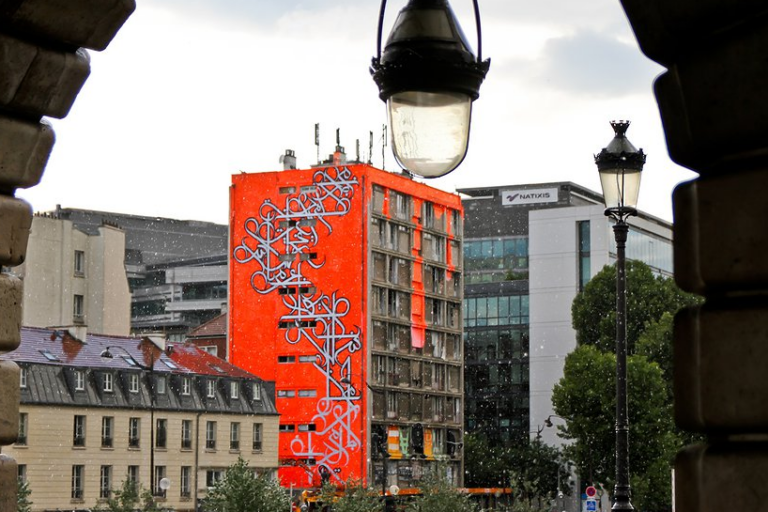
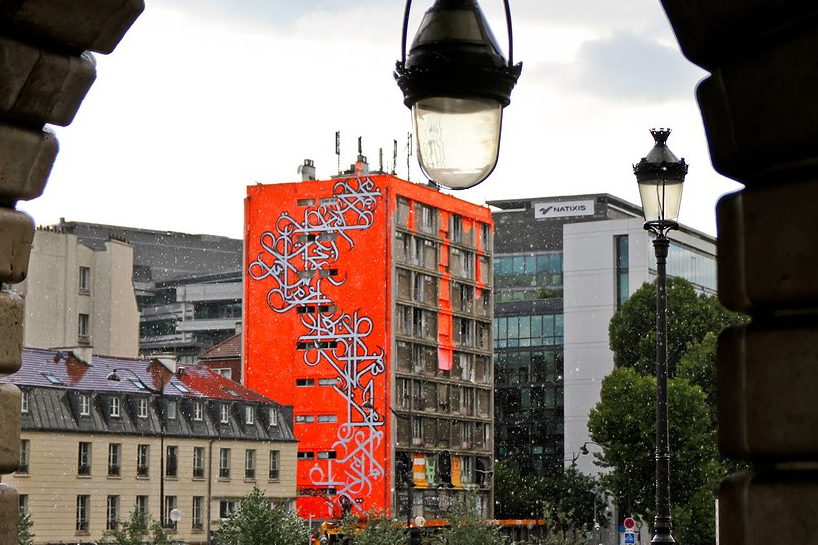 The world’s biggest street art exhibition was demolished this week in Paris just one month after opening to the public. Destruction of the wildly popular Tour Paris 13 was staged as carefully as its creation. This wall-to-wall-to-ceiling-to-floor painting project was performance art every step of the way.

Have news to share? Renewable energy news, architectural, artificial intelligence, biotech, sustainable design ideas, eco-architecture, green travel?
Email us: [email protected]
Get important news delivered directly to your inbox and stay connected!
© 2007 to 2026 Green Prophet, All Rights Reserved