

As we witness another super-moon and other celestial wonders, we might be reminded of folk tales of werewolves and beliefs that moon phases and astrological birth signs have influence over our lives.
Egyptian fertility blessing became dog (star) days of summer curse

Humans of Iraq – by Brandon Stanton and the UN
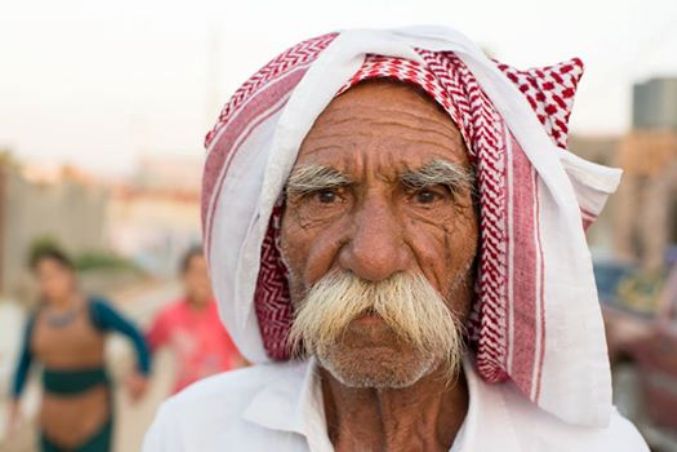
HONY caption: “There were dozens of them and only four of us. They took all my sheep.” (Dohuk, Iraq)
Bernard Khoury’s Brutalist rooftop penthouse overlooks ‘cannibalized’ Beirut
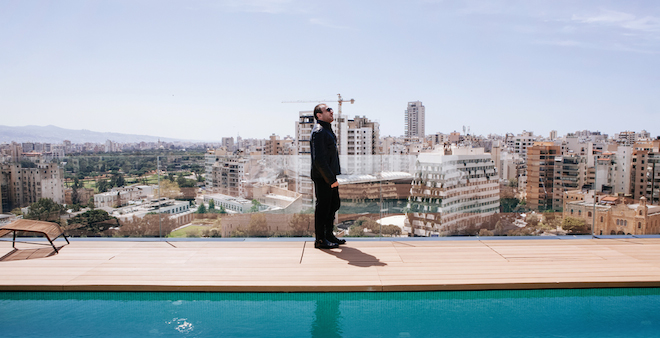
Bernard Khoury is one of Lebanon’s most sought after architects, and now he has built his own home – a rooftop penthouse bam smack in the middle of Beirut.
Super moon in the Middle East
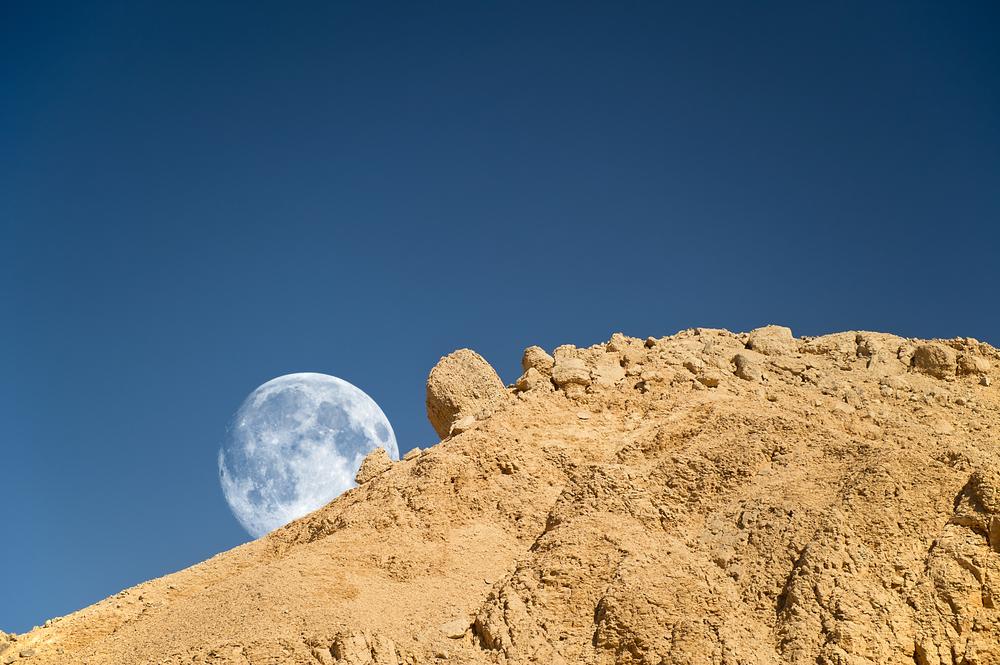 This year’s lineup of five “supermoons” may put a sky-watcher to sleep. There were the new moons of January and February, followed by one on July 13th. So if you glimpsed one of those, did you catch another on August 10th (and the final act that happens on September 8th)?
Because last night’s moon was the closest the cheesy orb has ever been to Earth this year.
You likely learned about moons many moons ago. It’s a cycle that looms large in Islamic religion, and serves as a natural time clock for female fertility. It goes through phases every 29.5 days moving from full to half moon to crescent to new. And – with the same reliability as sunrises and sets – the cycle repeats.
So what’s a Super Moon? It’s an astronomical mash-up of two distinct lunar aspects. When a full moon is coincidental with the moon orbiting at its closest point to Earth, astronomers describe it as a “perigee full moon”. A perigee is the point in outer space where an object traveling around the Earth is closest to Earth’s surface, and they routinely happen whether or not the moon is full.
According to the Weather Network, lunar perigees differ depending on measured orbit, ranging from 356,400 to 370,400 kilometers from Earth. A perigee full moon is specifically when the full moon happens closest to the minimum of that range. They typically occur every 13-14 months, but could some years have produced up to six Super Moons.
Last night’s Super Moon – at 356,896 km away, his year’s truest perigee full moon – occurred when full moon and perigee happen less than half an hour apart from one another.
It’s not always easy to gauge the size of the moon as we watch it in the sky (which is apparently one possible reason for the famous ‘moon illusion’), but being closer generally makes a perigee full moon look around 14 per cent bigger than an apogee full moon, and it gives off about 30 per cent more light as a result.
Parking Full Moon myths such as werewolves, lunatics and a jump in babies being born, what can you really expect? It could cause higher than usual tides – not good news for people in the path of Hurricanes Julio, Halong and Genevieve.
It will reduce your star-gazing if you happen to be camping at Jordan’s Wadi Rum, Egypt’s Sharm El Sheik or Israel’s Mitzpe Ramon .
To make sure your own skies will be clear for Super Moon viewing, tune in to your local weather forecast.
Image of moon over Egypt desert from Shutterstock
Climate change means unexpected rain increase for Iran and Iraq?
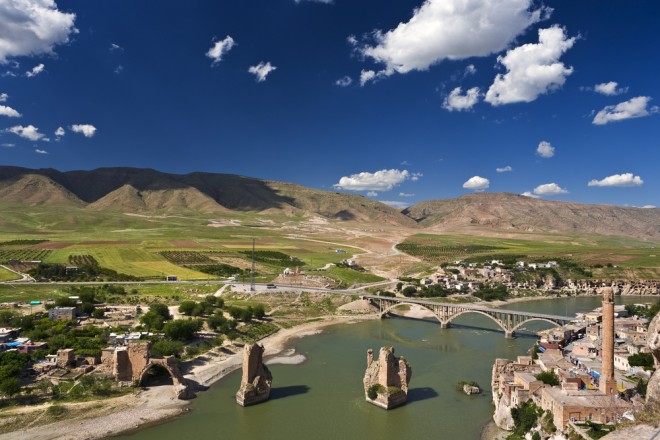
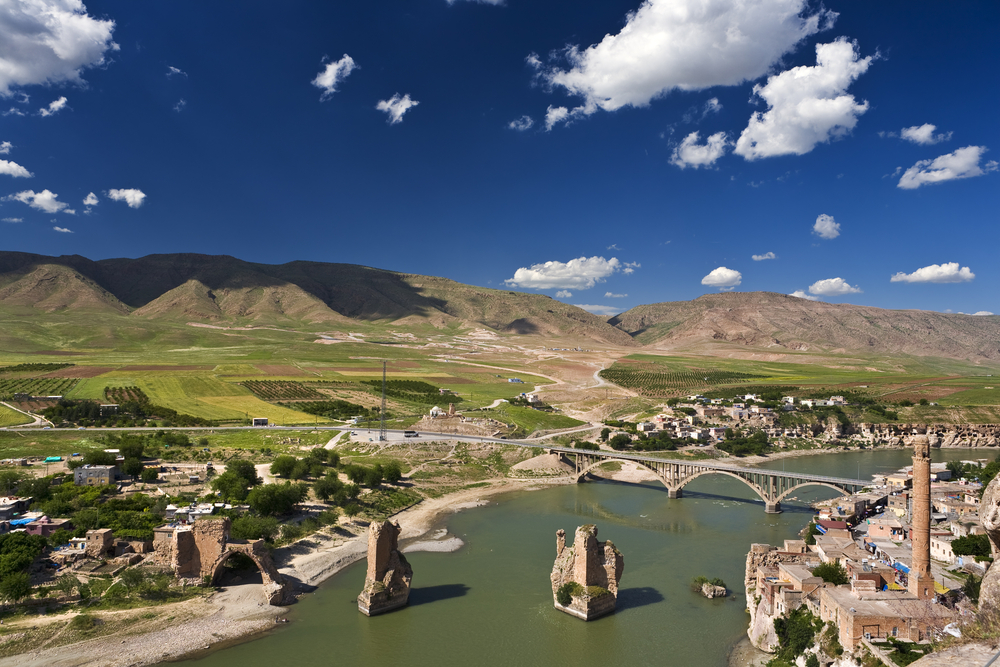
The prospect of climate change sparking food and water shortages in the Middle East is less likely than previously thought, with new research by an Australian climate scientist suggesting that rainfall will be significantly higher in key parts of the region.
ISIS captures Mosul Dam threatening floods with death and destruction
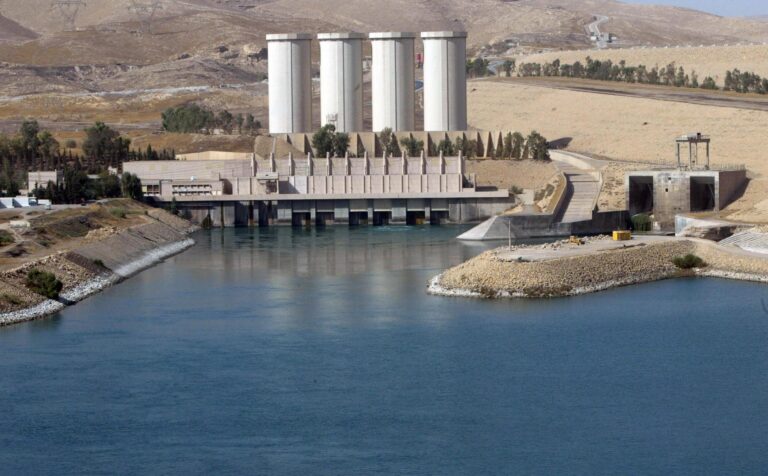
 Sunni fighters from the Islamic State of Iraq and Syria (ISIS) took over Iraq’s largest hydroelectric dam last Sunday, along with three towns and an oilfield according to the commander of the Peshmerga Kurdish fighters who had been defending the facility. Facing minimal opposition, ISIS seized control of Mosul Dam after a 24-hour battle. Workers remain inside the facility.
150 graffiti artists create a giant open air gallery in Tunisia
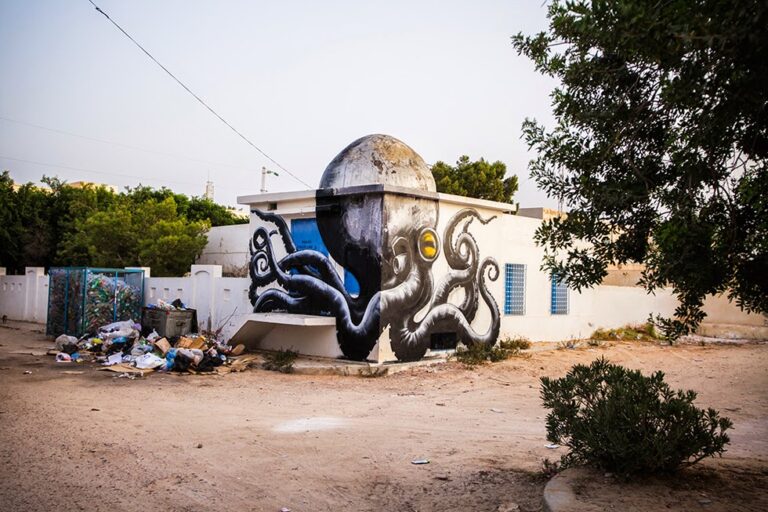
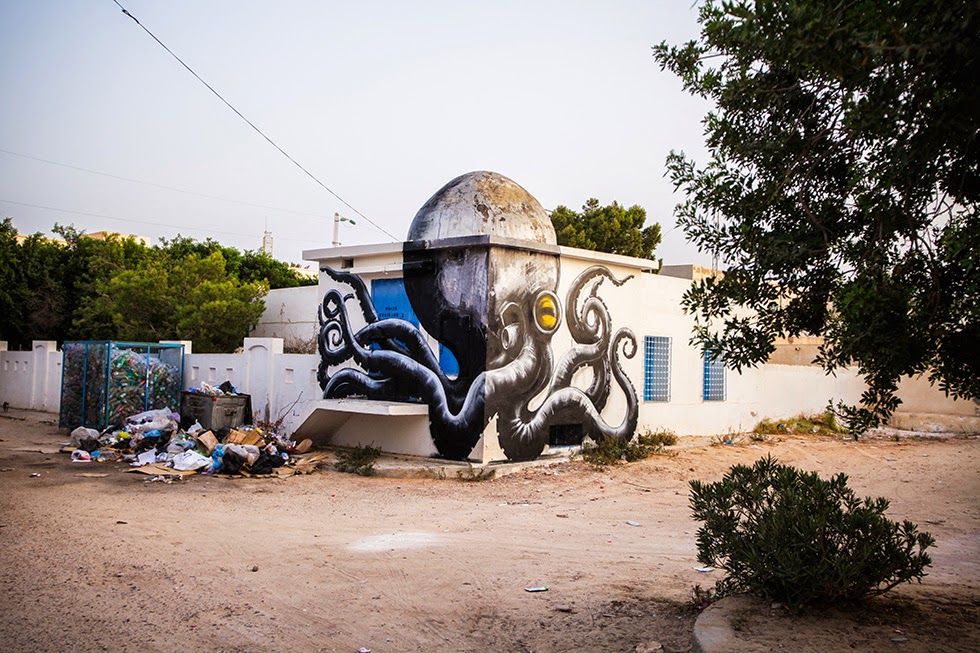
More than 100 graffiti artists were invited to Tunisia as part of the Djerbahood project – an inventive rehabilitation initiative that uses street art to turn a dusty village into an inspiring open air gallery.
Social gas mask: because why let chemical warfare get in your way?

An Israeli industrial designer has created the world’s first “Social Gas Mask” whose sleek space-age form allows for less hindered swapping of facial expressions. In a crisis (which is pretty much any time a gas mask is needed), who wouldn’t want better visible access to other people’s faces?
Ditch your razor or sugar wax instead?
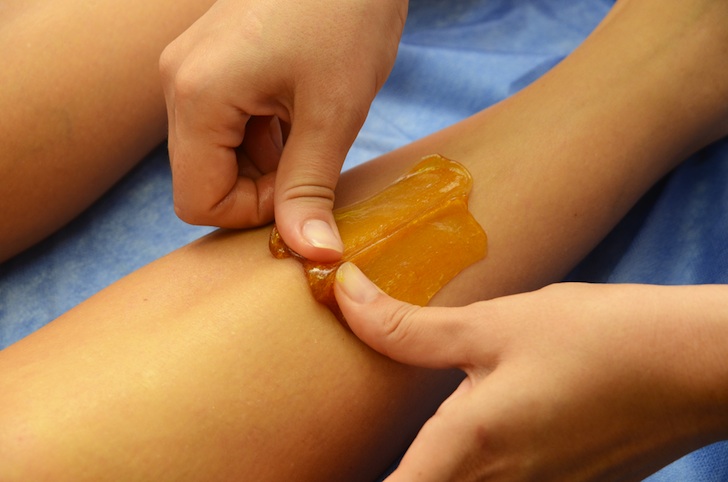
Personal grooming can be murderous! That’s the takeaway message of a two-century-old crime and modern women are taking note, inciting others to join their cause on Instagram, Facebook and Tumblr.
How Siberia’s methane craters affect the whole planet
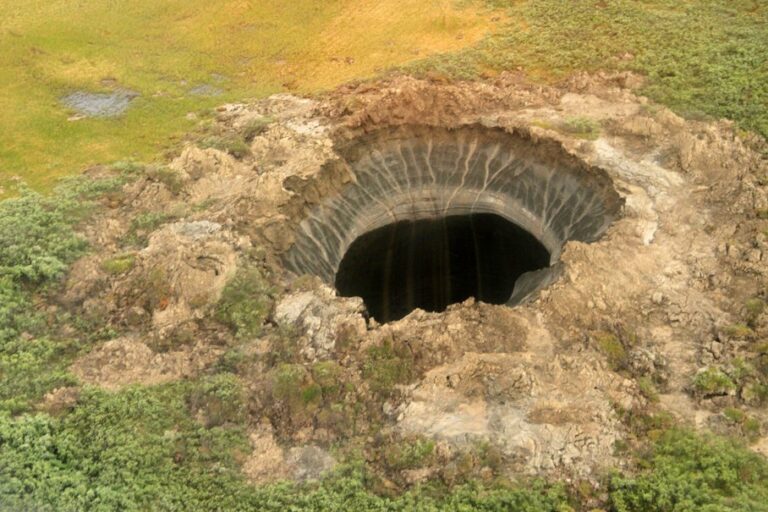
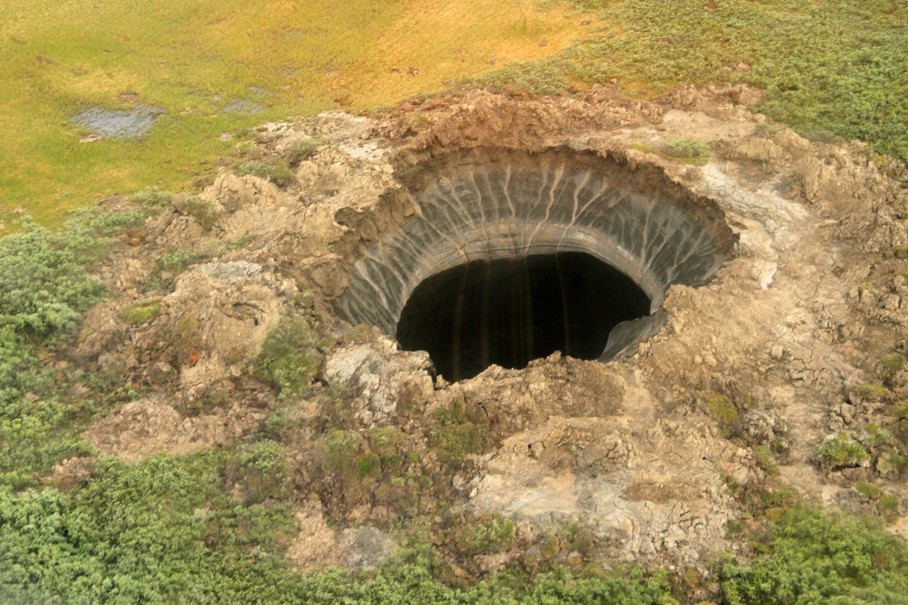 In 2011, scientists warned that giant plumes of methane gas could fast-track planetary warming. And now – a version of this prediction has come to pass in Siberia. Despite being at the “ends of the Earth,” Yamal Peninsula’s three methane craters contain a cautionary tale for us all.
Scientists make spray-on solar cells efficiencies close to silicon
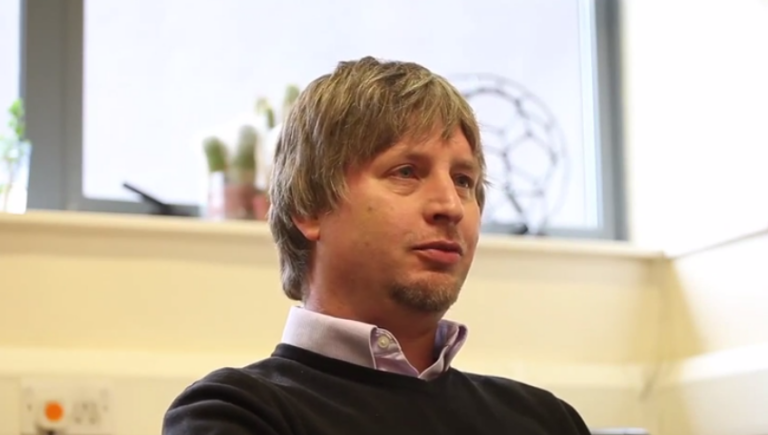
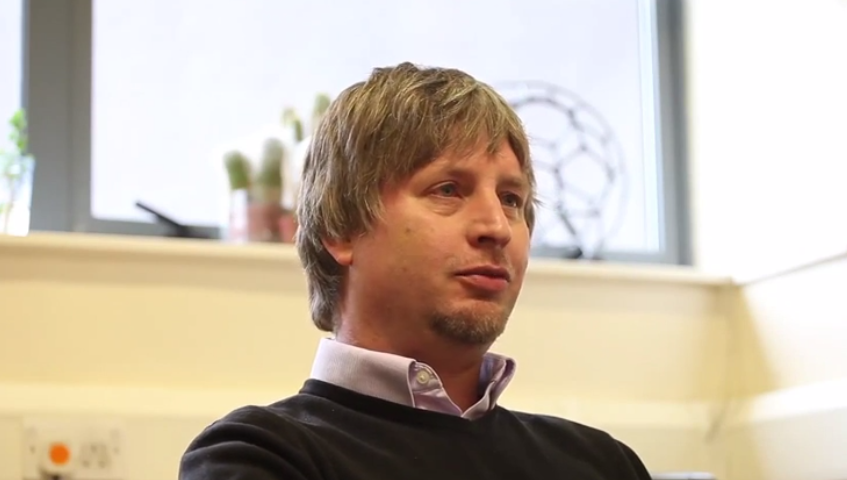
To date the most efficient way of making solar cells is using silicon. Now a team of scientists at the University of Sheffield in the UK is the first to fabricate perovskite solar cells using a spray-painting process – a discovery that could help cut the cost of solar electricity.
Eole’s double-duty turbines wick water from wind
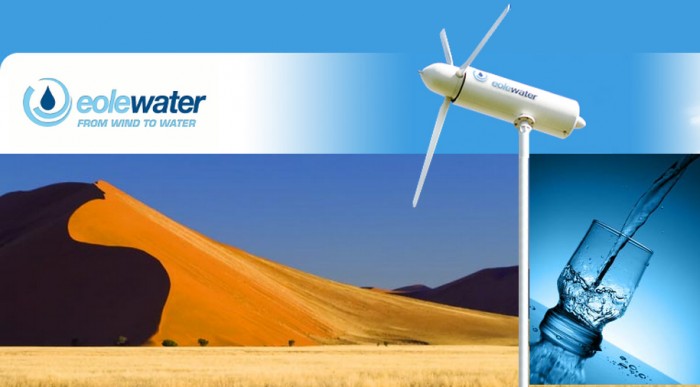
Pull free, safe drinking water straight from the sky!
The earth’s atmosphere is a huge freshwater reserve, packed with 13,000 cubic kilometers of moisture, yet over 150 million of people worldwide lack access to safe drinking water. Green Prophet has reported on billboards that harvest clean water from air. A company called Eole Water has taken the same concept and “built a better mousetrap” – or in this case, better wind turbine – retooling technology to siphon 1,000 liters of clean water a day from the same wind that is used to generate renewable energy.
They’ve been testing their prototype in the desert environment of Mussafah, on the outskirts of Abu Dhabi. Results indicate that this self-sufficient wind turbine (powered by a combination of solar and wind energy) is capable of producing up to 1,000 liters of potable water on a daily basis.
This system sidesteps a need to connect to a wider power grid, and its intelligent maintenance management system makes it particularly well suited to areas with little or no access to basic infrastructure.
 It employs a condenser with a moisture exchange surface that is one meter wide and five kilometers long. Built from a revolutionary “food safe” alloy, it can sustain the water creation process for decades without risk of corrosion.
This new technology is maximally sustainable with air and sunshine being the only consumables. There is no carbon dioxide released, no groundwater drilling or water surface pumping. Collected water flows through a five-part water treatment system, including an ultraviolet filter, resulting in water that exceeds the drinking water standards required by the World Health Organization.
Components have been designed to withstand the most extreme climates with features such as:
- A hydraulic tilted mast able to withstand strong winds which does not require heavy lifting equipment for each maintenance operation
- Automatic shutters to protect against sandstorms and high densities of dust particles
- A remote monitoring system which enables our technical teams to detect any dysfunctions
There are similar technologies coming online all over the world which extract condensation from the air and convert it into drinking water. Many take on the added functionality of being able to provide drinking water to isolated communities. Technological multi-tasking with a green pedigree – it’s no wonder that last year Eole Water was awarded with a special Jury mention of “Enterprises and Environment Prize” in the category “Innovation in Technology”, organized by the French Ministry of Ecology, Sustainable Development and Energy.
See the haunting Rose of Jericho unfold in perfect form
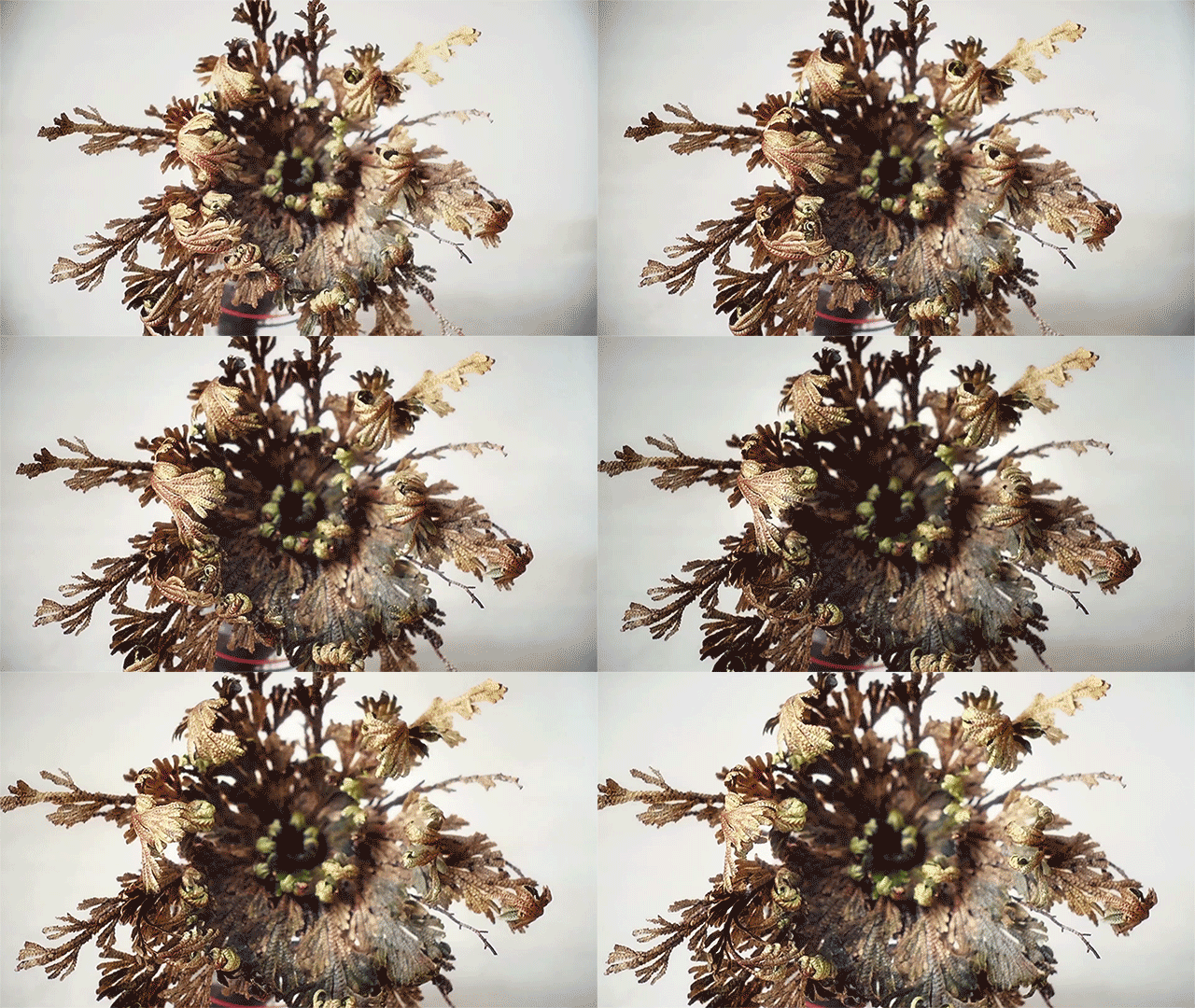
The Rose of Jericho (in this case Latin name Selaginella lepidophylla) is a type of desert moss found in Israel and Jordan which has the ability to quite literally ‘resurrect’ itself after extreme bouts dehydration, sometimes for years. Christians therefore call it the Resurrection flower.
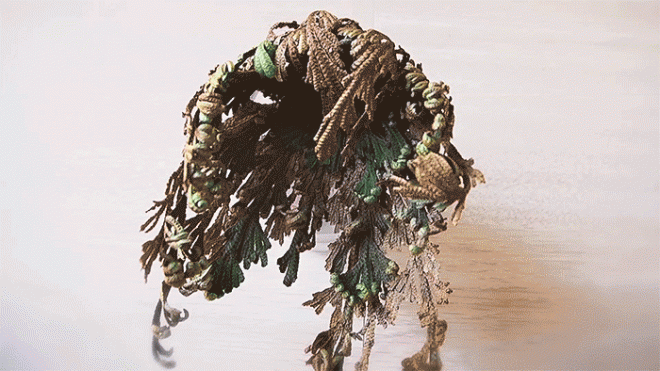
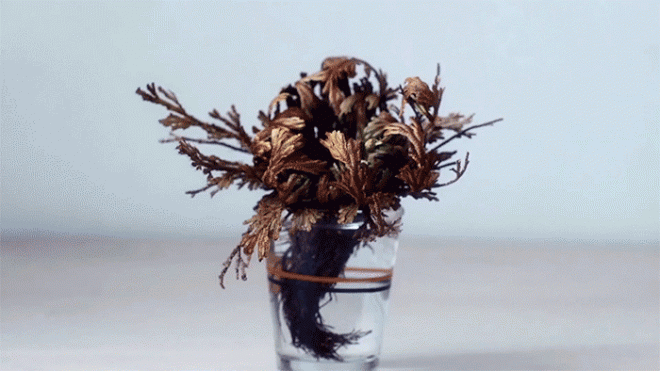
When you expose the Rose of Jericho to water, the result is breathtaking. After a few short hours it uncurls from a tight ball into a green flower. See this timelapse video below by Sean Steininger. And some gifs from the film.
I’ve seen the Rose of Jericho in dried form for sale at Christian pilgrim sites in Israel. No doubt if you look hard enough on your travels you’ll find it in the wild – just like the old miswak toothbrush spotted in the Dead Sea.
The Rose of Jericho as traditional medicine
The Rose of Jericho is also known as the Flower of Maryam and is used by midwives all over the Middle East. According to Baraka Birth, “traditional midwives have used the Flower of Maryam with their laboring mothers for hundreds of years.
“A quick glance at its names suggests its religious significance: it is referred to as the “leaf of Maryam” (mother of Jesus), the “hand of Fatima” (daughter of the Prophet ), as well as simply “daughter of the Prophet,” and “resurrection plant.”
“It is referenced in the Bible in II Kings 19:34-36 and in Psalms 83:13, “make them like tumbleweed,” here referring to the dried twiggy balls of Anastatica that disperse in the wind, scattering its seeds.
While you should consult a herbalist or your doc before trying this at home, people in the Middle East use the Rose of Jericho as a traditional medicine to treat various health conditions, including diabetes, asthma, the common cold, menstrual cramps, and arthritis pain, as well as to facilitate labor. I used black cohosh, via my midwife, but this could be an alternative. Again, always check a trusted source first.
People usually prepare it as a tea using its seeds or dried leaves and flowers.
How to plant your rose of Jericho
To “plant” your Rose of Jericho, fill dish with pebbles or gravel and add water until the pebbles are just submerged. Place your Rose of Jericho on top with its roots touching the water. While the plant can survive with almost no water if necessary, it can rot if overwatered. Over-watering plants, or over-loving them as I like to say, is the reason why most houseplants die.
But you came here to see The Rose of Jericho unfold. More below.
If you are addicted – watch the full life cycle of the Rose of Sharon come to life in this time lapse video:
Old domed Arabian architecture transformed into playful murals
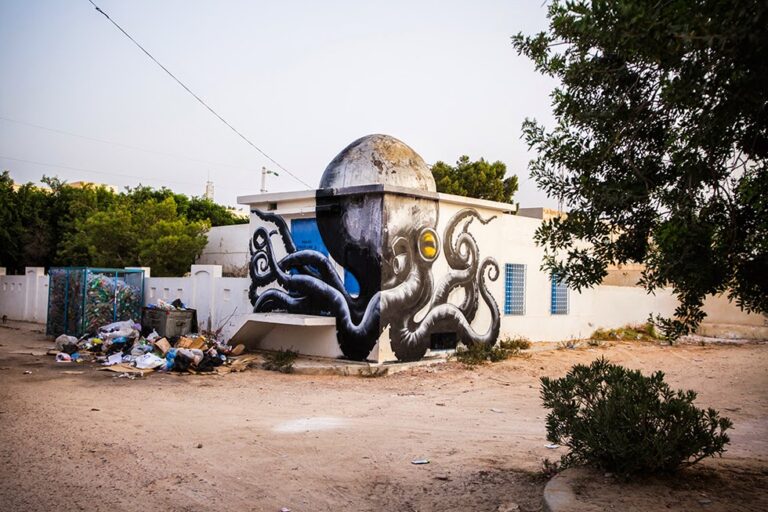
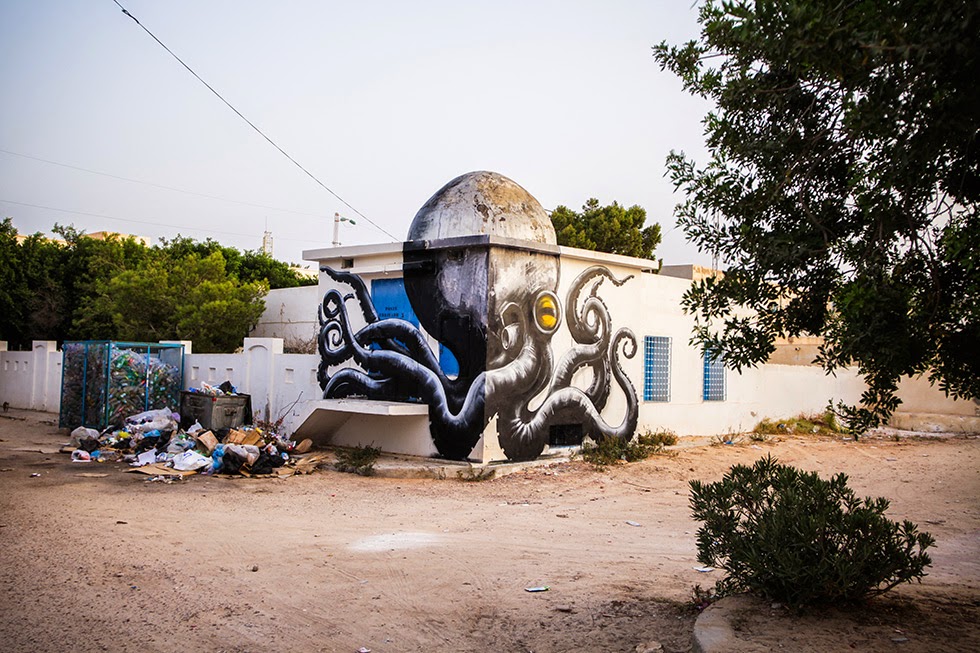
Street art helps the young generation cope with discontent and dissent- making space for fresh ideas, while preserving old values. At least that’s how we see it in this fantastic series of Tunisian murals which take the old Arabian domed style architecture in Tunisia and playfully interacts with it.