Home Blog Page 276

Iran dominates drug headlines in the Middle East

0

drug-trade-iran
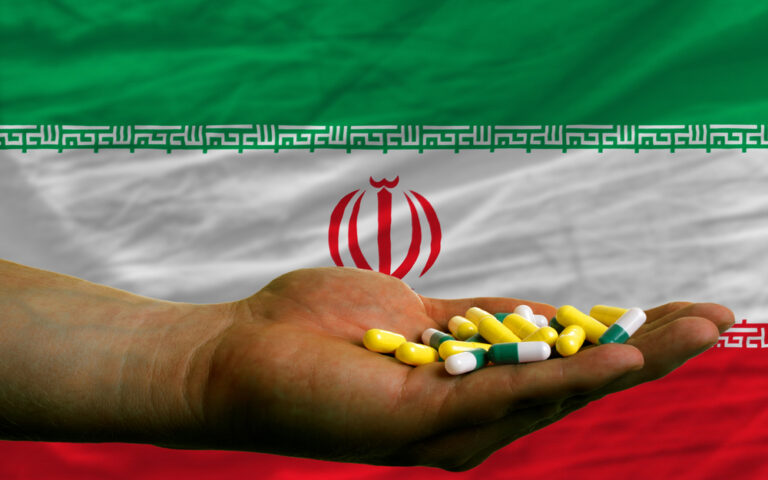
There is a growing concern that the free trade agreement between Iran and Turkey has encouraged an increase in the production and transit of drugs in the Middle East. Following the 2009 agreement to enhance co-operation efforts of land, air, and sea transportation, politicians and economic analysts have grown ever more concerned about the rising threat of drugs amid a free trade environment.

Iranians a Force in Turkish Drug Industry

Experts would appear to have every right to feel concerned, with statistics showing that heroin seizures increased from 2,025kg to 3,044kg between 2009 and 2010, which is just a year since the free trade agreement. Prior to the agreement, it had taken three years for a similar increase between 2005 and 2008. Those statistics represent the seizures of heroin, an opium-based drug, being transported to Turkey.

For the drug traffickers who are not caught during transit, close to one million Iranian nationals have chosen to continue living in Turkey instead of returning to their homeland. But rather than choosing to move for an improved quality of life, many of the illegal migrants are making the move for the purpose of becoming involved in the lifestyle offer by drug trafficking.

In fact, Turkey’s Department of Anti-Smuggling and Organised Crime (KOM) revealed in 2011 that 34% of all foreign nationals arrested in the country were Iranian. No other national demographic had a higher rate of drug-related arrests than Iranians, with these individuals dominating in the Turkish drug industry.

Hash Usage in Iran

Iran is not only making the headlines for drugs in the wider Middle East, but also within its own borders. Economic struggles within the country, combined with the readily available presence of cheap drugs, have driven many young Iranian nationals to consume drugs until the point of addiction is reached.

Prior to the development of serious addictions, Iranians are legally allowed to consume hashish, a product that is prepared from the readily available cannabis plants that are available throughout North Africa and the Middle East. Consumption of hash can act as a gateway drug for many young people, who turn to escapism to cope with the economic struggles of Iran. Wellness centres like FloridaBeachRehab.com have witnessed this problem on many occasions.

However, there is a considerable catch associated with the legal status of hash. While many hash users in the rest of the world will choose to smoke it through a variety of delivery methods, Iranian nationals can only legally consume hash by oral means. Effectively, this creates a situation where hash is easy to come by. Once in possession of the drug, it is then possible for the purchaser to smoke it in private.

Opiates Causing Damage

Iran has previously revealed to Economist.com that more than 2 million of 75 million people living in the country are addicted to damaging opiate-based drugs. Along with heroin, many of those 2 million addicts are using a cheaper derivate heroin, which is known as crack or shishe (this term is used to name cocaine in its freebase form). Users will gather in public places to smoke shishe and pose a threat to others.

The major problem with shishe is that it is not just poorer sections of Iranian society turning to the drug. Alarmingly, weight-conscious and beauty-obsessed women from the middle class are turning to shishe as a cure for weight loss. Courses are also said to be available for those who would like to manufacture shishe from the comfort of their own home.

To tackle the epidemic, Iran has attempted to implement a number of policies. Leading the charge are programmes formed to encourage safe disposal of needles, as well as methadone clinics to assist heroin addicts. With a 15% rate of HIV diagnosis among needle users in Iran, such initiatives are vital for responding to the troubling issue.

Iran is facing a battle on two fronts, with some of its citizens engaging in the trafficking of opiates to Turkey and then later settling there to join the local drug industry. Free trade is said to be the catalyst behind the first issue. Next, the dire economic conditions of Iran have driven many to consume cheap opium-based drugs. Iran has years of effort to combat the growing threat of drugs in the Middle East.

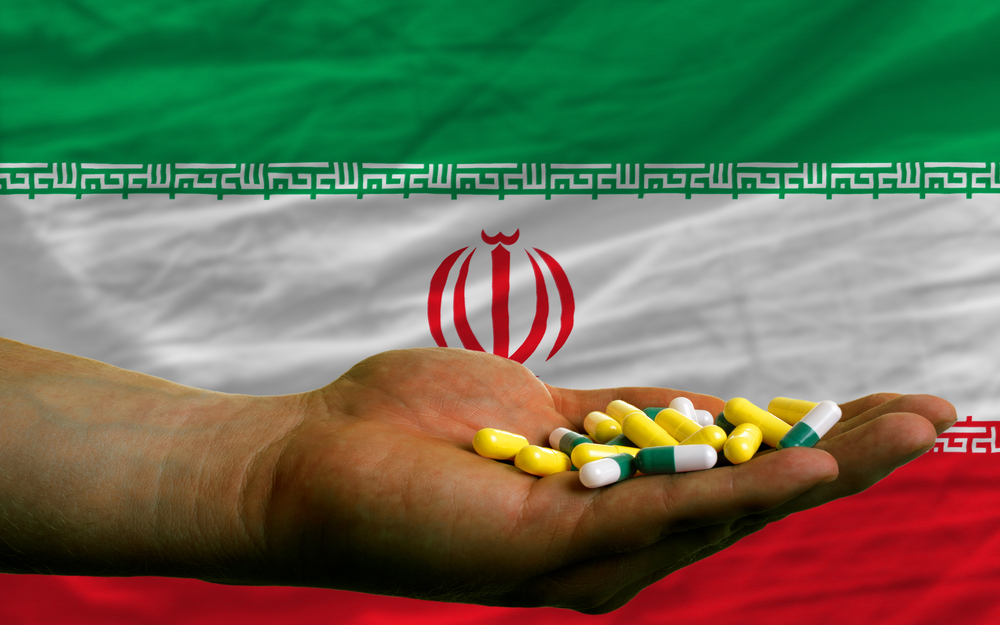
Image of drugs in Iran from Shutterstock

Peak passenger pigeon – looking at “Martha” after a century extinct

1

starling_murmeration_at_sunset_30000One hundred years ago on the first of September 1914, a bird named Martha died at the Cincinnati Zoo. She was the last of what had once been the most numerous bird in the world – the passenger pigeon. How did this happen? Read more as we attempt to solve this extinction mystery.

How ebola makes chocolate more expensive

0

cacao-bean-africa
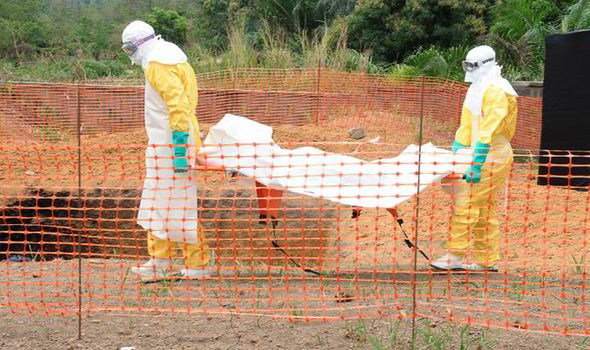
Disruptions in food trade and marketing in the three West African countries most affected by the Ebola virus out of control have made food increasingly expensive and hard to come by, while labor shortages are putting the upcoming harvest season at serious risk, the United Nations FAO warned today.

Feed-in tariffs – save, export, earn money

3

solar energy, camels
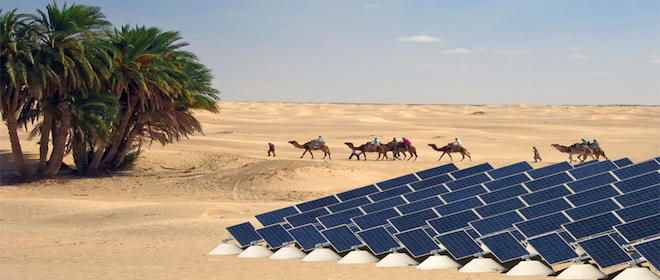
If you have been looking for ways to cut down on your energy spending while contributing to salvaging the environment, the government has offered you an opportunity with its Feed-In tariffs (FIT) scheme.

Istanbul police take selfie as man jumps to death

0

selfie-istanbul-bridge-police

My experience with the Turkish police was problematic. As a tourist I was accosted by a man on moped, but because the perpetrator didn’t rape me or manage to steal my bag, the police weren’t interested in my complaint. New infuriation with the police stirs: Istanbul police officer takes selfie as a man a man commits suicide this morning.

“Real” meat photos will make you gag over meat

0

Peter Augustus 1American photographer Peter Augustus has created a series of images that may change how you look at processed food and help you resist the siren call of snacking. Important images for the Middle East, where fast-food is one of the leading commercial growth sectors with junk-food-mad consumers ballooning apace with corporate profits.

Grow natural salt crystals like the ones from the Dead Sea

0

salt-cube-dead-sea

The Dead Sea is an amazing place to float, meditate, and to heal your aching body. But some guys hanging out on its shores show it is an awesome place to discover natural phenomena. This artist grows the crystals, Dead Sea Diamonds and crafts them into jewels you can wear.

crystals-dead-sea


Check out the salt crystals that they collected at a recent trip to the Dead Sea in the video below.


If you are eager to “grow” your own salt crystals the video below shows how it’s done. Skip ahead to the second half of the video if you want to do it with ordinary table salt.

Isn’t nature mind blowing?


10-year-old Emirati wunderkid already has 7 patents to his name

1

10-year-old, wunderkind, emirati kid, adeeb al-blooshi, 10-year-old inventor, Dubai, crown prince of dubai, boy with seven patents, science, clean tech

There seems to be a tremendous struggle happening in the Middle East – a fight between the good guys, like this 10-year-old Emirati wunderkid, and psychotic fundamentalists (along with a host of other corrupt elements.) The good maybe overwhelmed by the very worst bad guys there could be. And then there is the boy who already has seven scientific patents to his name.

Jewelry that turns human veins into power source

0

naomi-kizhner-energy-addicts

Talk about being self-sufficient, but totally weird! Israeli student designer Naomi Kizhner has designed a collection of jewelry that harvests energy from veins in the human body. The project highlights in a beautiful and artful way how humanity is addicted to energy consumption.

kizhner-energy-source

It may be a thought experiment more than anything, but these jewels provoke a fascinating discussion about the ends to which humans will go in order to get the next hit of energy.

Dare to ride your bike in solidarity with Afghan women?

1

Afghan Cycles, Global Solidarity Ride, Shannon Galpin, afghan girls, cycling in the Middle East, Middle East bicycles, Mountain2Mountain, afghan national women's cycling team

Are you allowed to ride a bicycle? For Afghan girls and women, that’s a no. If they dare, people may throw rocks at them or call them unspeakable names. The Global Ride for Solidarity coming up this weekend is designed to catalyze a new cultural paradigm in the country, one that finds riding a bicycle in Afghanistan as normal as walking.

Watch ISIS militants take over and burn marijuana fields in Syria

0

cannabis-syria

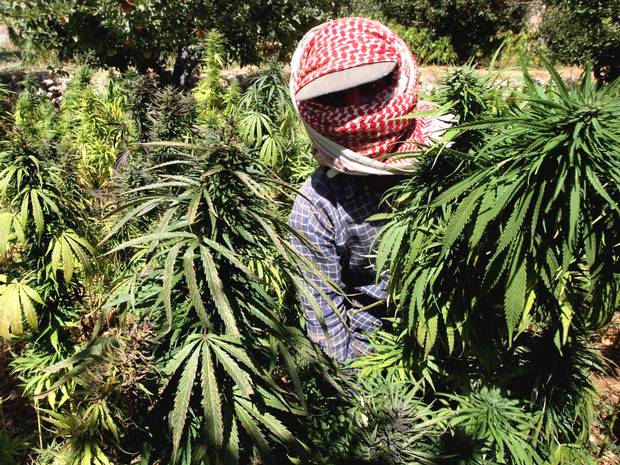
Maybe we’d have a little more tolerance and understanding in this world if ISIS just smoked some of the plants instead. Or maybe the plan is to smoke some of the spoils. Watch the video above as ISIS burns alleged cannabis plant fields in Syria.

Orbital sustainability with space junk tow truck

Effective Space Solutions tow truck for satellites
Is your satellite lost in space? Call ESS to tow it back to orbit

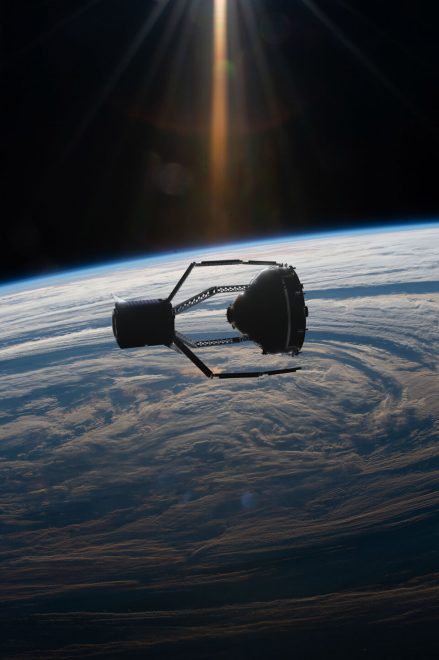
The ever increasing amount of space junk makes it dangerous to pass through Earth’s orbit. Space junk can intercept and hit satellites throwing them out of orbit. But wayward satellites still able to perform may get a tow back to position thanks to a new Israeli startup.

Need a lift?

The robotic space tow truck developed by Effective Space Solutions (an Israeli company) wants to create a tugboat or DeOrbiter microsatellite. The company expects to “launch” within two years. Fast forward to 2020 and they have!

Update December, 2020: Israeli startup bought by Japan’s Astroscale

Astroscale working for “long-term orbital sustainability”, was today awarded Grand Prix during the UNESCO Netexplo Innovation Forum 2020, out of 10 breakthrough digital innovations which were selected for their disruptive potential.

Netexplo, an independent observatory that studies the impact of digital tech on society and business, has been a UNESCO partner since 2011. This year’s UNESCO Netexplo Innovation Forum showcased 10 breakthrough digital innovations with the potential of profound and lasting impact on digital society.

Astroscale won Grand Prix for its innovative satellite technologies that will reduce orbital debris and support the long-term, sustainable use of space.

“We are truly honored to be named Netexplo Grand Prix 2020, and I share this win with everyone on our team working hard on the technology, policy and business case challenges of this complex, global issue,” said Nobu Okada, Founder & CEO of Astroscale.

“I am encouraged to see what’s happening in Earth’s orbits as having a profound and positive impact on society. Right now COVID-19 and countless environmental catastrophes are wreaking havoc all over the globe, and we’re committed to stopping another potential disaster from unfolding over our heads.”

The rise of large commercial satellite constellations in low Earth orbit (LEO) means that the threat of a potential collision or break-up in key orbits will escalate.

This increasing amounts of debris endangers current and future satellite missions and puts society’s reliance on data from space at risk. Astroscale will launch its End-of-Life Services mission later this year as part of its critical end-of-life services, which will safely remove defunct satellites from orbit and maintain the viability of LEO.

The aim of inventors is to help it reposition satellites if they’ve gone off course – or push them off course where they can effectively “die” in a satellite graveyard several hundred miles above their usual orbit of about 25,000 miles above our heads.

Israel and Japan join forces to remove space junk. Mission orbital sustainability.

When we first wrote this article there were two stranded Galileo Project satellites, and the company says that their solution could bring them back on course and live out their days until the satellites run out of energy.

Effective Space Solutions (well now Astroscale) was founded in 2012 by veterans of the Israeli space industry and the company They raised  a $1.5 million seed fund from Singulariteam and the Israel Space Agency.

Arie Halsband
Space junk pioneer Arie Halsband, Effective Space Solutions  founder

Arie Halsband (goes to LinkedIn) is the company’s founder.

Astroscale US Inc., announced this summer that it plans to acquire intellectual property and other assets and to hire certain members of the staff of Israeli satellite life-extension and servicing company Effective Space Solutions R&D Ltd. (ESS).

This is the first acquisition of an Israeli space technology company by a foreign company, but also the end of Effective Space founder Arie Halsband’s dream of producing micro-satellites in Israel. Halsband founded the company in 2012 with the vision of the miniature satellites, or space drones, attaching on to older, existing satellites to propel them in space and thus extend their missions even after their fuel runs out.

Astroscale U.S is a subsidiary of Japan-based Astroscale Holdings Inc., and operates in the same field as Effective Space Solutions, focused on solutions for LEO, low-earth satellites (200 to 400 miles above the Earth’s surface) where surveillance and observations satellites orbit, while Effective Space’s solutions are meant for GEO, geostationary communication satellites (25,000 miles above the Earth’s surface).

Astroscale is scheduled to launch a satellite into orbit next March, 2021 on a test mission to remove space debris, according to the company’s officials. The satellite will be carried into space by a Russian Soyuz rocket lifting off from Kazakhstan’s Baikonur Cosmodrome.

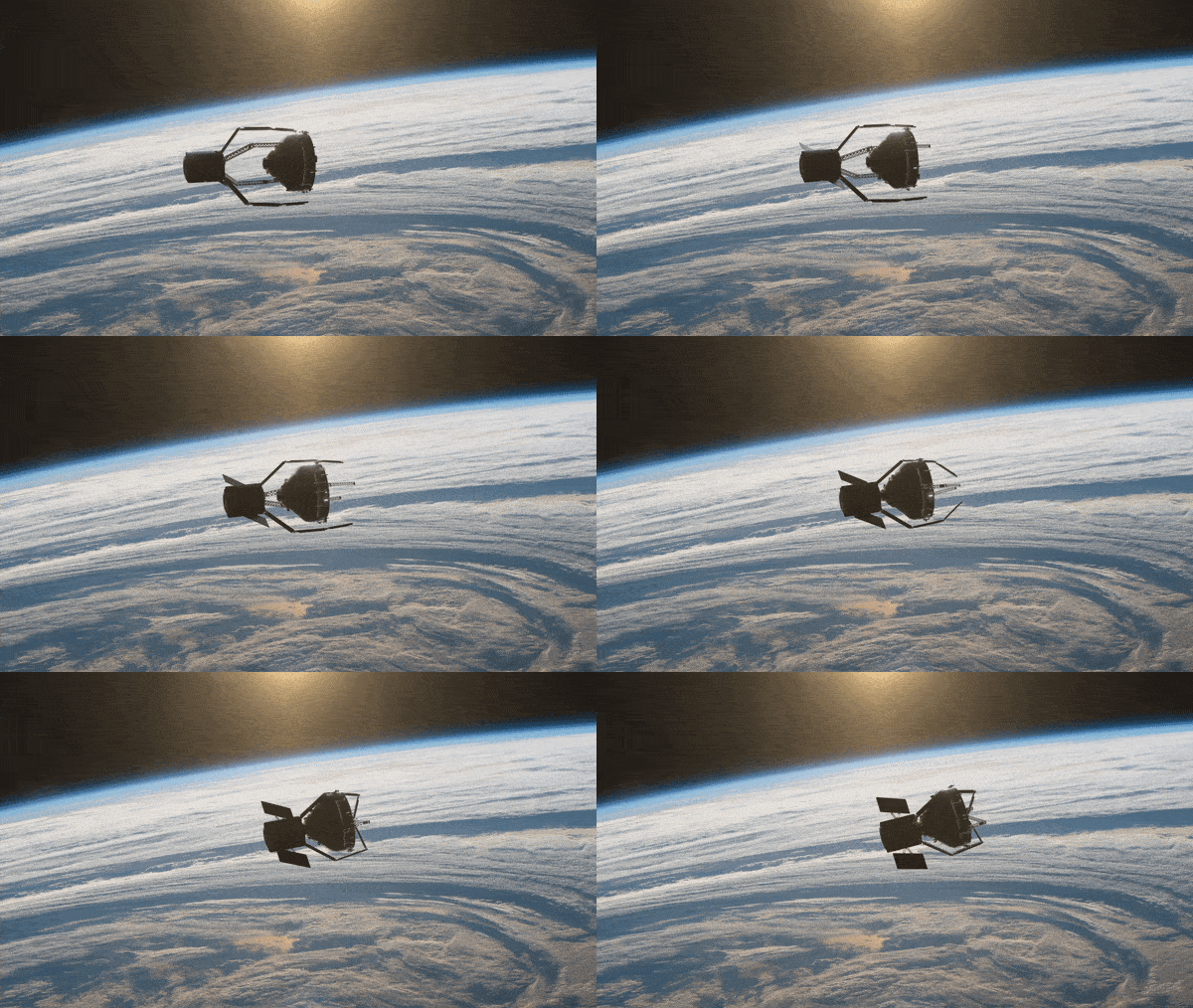
The Japanese are with Russia and Israel and the ESA with the Swiss, who plans to launch ClearSpace in 2025 as a commercial service to clean up space junk. They plan on rescuing Vespa, says Spacenews:  The mission, dubbed ClearSpace-1, is slated to launch in 2025 to capture and deorbit a 100-kilogram Vespa payload adapter an Arianespace Vega left in orbit after deploying ESA’s Proba-V remote-sensing satellite.

ClearSpace capturing Vespa payload gif
ClearSpace capturing Vespa payload

ClearSpace capturing Vespa payload

According to the European Space Agency’s Space Debris Office, around 8,950 satellites have been launched into space. Out of that number, 5,000 satellites are still orbiting the earth, while 1,950 are operational satellites.

This invention reminds me of that 80s show What Will They Think of Next. Or maybe I need a new job title. Imagine being head of the Space Debris Office? Or, Space Janitor?

::Astroscale

Colonel microbrewery built with recycled materials opens in Lebanon

0

microbrewery, recycled materials, plastic bricks, eco-bricks, batroun, colonel beer, green design, sustainable design

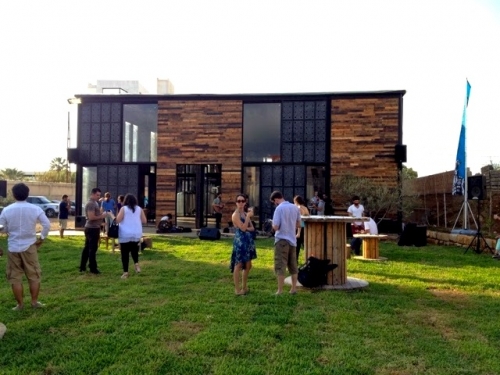
While many Muslims don’t drink alcohol, the people of Batroun, Lebanon love their beer. At least according to Jamil al-Haddad, the visionary behind Colonel beer and a new microbrewery built out of recycled materials.

Blowing Horn harvests wind energy with a multi-rotor turbine

2

Blowing Horn, Hooman Tahvilder Akbary, Iran, wind energy, renewable energy, energy as art, green design, clean tech, Copenhagen, multi-rotor turbine,

Are you tired of seeing the same old giant wind turbines in a field or offshore? And do you worry about their impact on migrating birds? Hooman Tahvildar Akbary from Iran has a solution that is both super efficient and beautiful.

لماذا يحتاج الغزيون إلى الإستزراع المائي

0

9.2

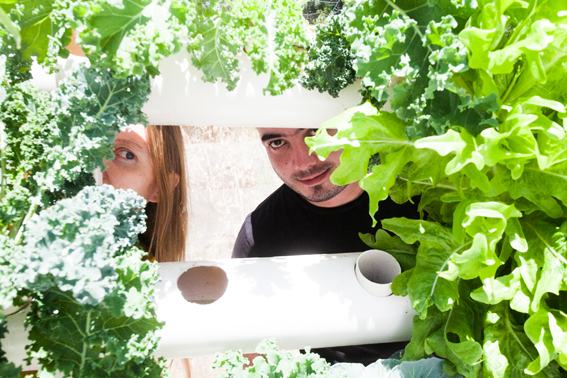
حذرت منظمة الأغذية و الصحة للأمم المتحدة من أن استمرار القتال في غزة أدى إلى شل حركة صيد السمك في سواحل القطاع، و إلى هجر المزارعين و الرعاة لأراضيهم، مما أدى إلى توقف تام في في الصناعات الغذائية المحلية، مضيفا بذلك إلى حجم التحديات الجسيمة التي يواجهها السكان هناك. و في حين توقف العدوان، سيحتاج قطاع الزراعة في غزة لمساعدات خارجية ضخمة على المدى البعيد، و هنا تكمن الفرصة لأصحاب الأراضي من مزارعين و عائلات لاستعمال أنظمة زراعة بديلة و محلية، كنظام الإستزراع المائي الذي من الممكن تطبيقه على أسطح المنازل، خاصة في بيئة شحيحة بالماء كتلك التي في غزة

و تقدر المنظمة حجم الدمار الذي خلفه العدوان على القطاع بما يفوق 17,000 هكتارا من الأراضي الزراعية ببنيتها التحتية، بما في ذلك بيوتها الحرارية و أنظمة الري و مزارع الحيوانات و مخزونات العلف و قوارب الصيد. و تقول آخر الإحصائيات الصادرة من غزة أن القطاع فقد أكثر من نصف طيوره الداجنة بسبب القصف المباشر على بيوتها أو بسبب النقص في المياه أو الأغذية أو الرعاية الناتج عن تقييد الحركة على المعابر. و تحتاج حوالي 64,000 من الحيوانات المجترة كالبقر و الماعز و الخراف الكلأ و الماء بشكل فوري لتجنب الهلاك و تجنب المزيد من تآكل التربة التي تشكل أصلا إنتاجيا أساسيا للرعاة. أما صناعة صيد السمك، فقد خسرت أكثر من 236 طن من السمك في الفترة ما بين 9 يوليو و 10 أغسطس، أو ما يعادل 9.3 بالمئة من الإنتاج السنوي

و قال سيرو فيوريلو، رئيس مكاتب المنظمة في الضفة الغربية و قطاع غزة: حتى هذه اللحظة لم نتمكن من إحصاء الخسائر التي لحقت بقطاع الزراعة في غزة بدقة، و ذلك بسبب العدوان العسكري المتواصل هناك

و يستورد قطاع غزة جل ما يحتاجه من أغذية، و تشكل الأغذية المنتجة محليا -على أي حال- مصدرا جيدا للغذاء بأسعار زهيدة، فيما يعتمد 19,000 شخصا على الزراعة لكسب عيشهم، و يقابل هذا العدد 6,000 شخصا في تربية المواشي و 3,600 شخصا في صيد السمك؛ أو ما مجموعه 28,600 من تعداد السكان في القطاع. و قال فيوريلو: في ظل آخر هدنة لوقف اطلاق النار تمكن عدد من المزارعين و الرعاة من العودة إلى أراضيهم، و لكن ما زال هنالك معوقات جسيمة لبدء إعادة إنتاج الغذاء كالدمار الذي لحق بأدوات الإنتاج، و شحة الماء و الكهرباء و المواد الأولية و الموارد المالية، عدى عن ذلك إحتمال العودة إلى النشاط العسكري

تقلب في أسعار الأغذية

شهدت أسعار الأغذية تقلبات حادة منذ بدأ العدوان على غزة، مسجلة بذلك ارتفاعا ملحوظا في أسعار بعض المنتوجات كالبيض و الخضراوات. فقد ارتفع سعر البيض بقدر 40 بالمئة، و 42 بالمئة للبطاطا، و 179 بالمئة للطماطم. و تلك الأخيرة يمكن زرعها بكل سهولة على الأسطح أو على رقع صغيرة من الأرض باستخدام نظام الإستزراع المائي. و مع توقف الانتاج المحلي للأغذية و تقلص الصادرات، فإن السواد الأعظم من سكان القطاع البالغ 1.8 مليون نسمة في اعتماد تام على المساعدات الخارجية للحصول على الغذاء. و لكن، فإنه بإمكان الغزيين مواجهة هذا الوضع الصعب من خلال شركات (كشركة فلاكس) التي توفر الأدوات اللازمة لجعل الإستزراع بالماء أكثر سهولة و تطبيقا

علف الطوارئ

صرحت منظمة الاغذية و الصحة عزمها توزيع العلف اللازم لتغذية 55,000 من المواشي حديثة السن في القطاع لمدة 45 يوم فور التوصل لاتفاق دائم لوقف إطلاق النار، و ذلك بدعم من كندا. وتنوي المنظمة أيضا توزيع 4,000 خزان مياه بحجم 1 متر مكعب على الرعاة لتسهيل توريد المياه للمواشي. و صرح عبد السلام ولد أحمد،   ممثل منظمة الأغذية و الصحة للأمم المتحدة في الشرق الأدنى و شمال أفريقيا قائلا: لدينا برنامج لدعم مرونة أولئك الذين يعتمدون على الزراعة في كسب عيشهم في غزة، من صيادين و رعاة و مزارعين. و أضاف: يجب أن نعاود تفعيل هذا البرنامج فور انتهاء العدوان، لا لأجل ضمان صمود أهل غزة فحسب، بل لتعزيز اكتفائهم الذاتي و تنميتهم الاقتصادية