
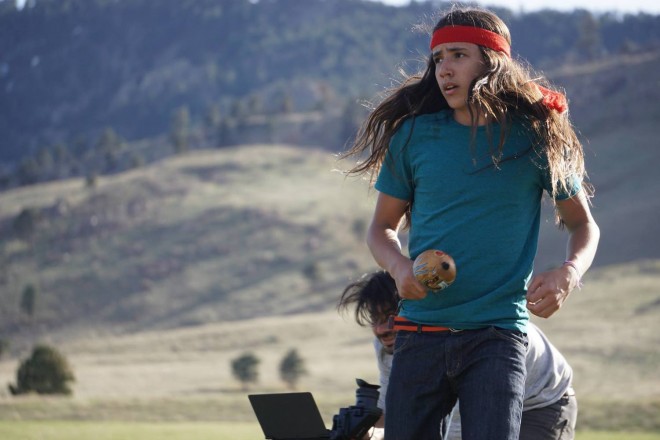
 Colorado-raised eco-activist and rapper Xiuhtezcatl Martinez is a powerful voice in the youth-led climate movement. He’s got a 2014 Ted Talk under his belt, and he received the 2013 United States Community Service Award from President Obama. He performs at international music festivals, organizes demonstrations, and has spoken at over 100 rallies and conferences around the world. The crazy part? The kid is 15 years old.
Meet the teen eco-rapper headed to COP21!

The Cropking family makes it hydroponics back to school time
Parents are happy to be sending their kids back to school soon. But Green Prophets everywhere know it’s open season to keep learning no matter your age. Urban farming is all the rage. Forget about buying at the Farmer’s Market. What about starting a hydroponics hobby garden or business in your backyard?
Consider that NASA engineers have grown lettuce in space using technology like that innovated at Cropking. The American company has been building high-tech hydroponics farms since 1982.

They don’t only build the tools to grow sustainable food on water, but offer teaching resources and workshops too:
Cropking offers regular workshops showing everyday people how to start a small hobby farm, small business or large commercial enterprise that grows food that looks and tastes good. They also have sample business plans to give enthusiasts help off the ground so they can meet the bottom line.

There are truckloads of newcomers to the industry of hydroponic food growing. Hydroponics means growing food on water, using added nutrients in a controlled setting. And we see new companies emerge every day.
RELATED: this food computer called flux can grow food like NASA
Cropking, a family owned business, isn’t an overnight story. This is one of those salt of the earth companies that has pushed the entire hydroponics, aquaponics and aeroponics industries forward. They build solutions for businesses and commercial hydroponic farms, but also sell consumer and small business size set ups as well.
Hydroponics shows immense promise for fulfilling the 100-Mile diet, but also for feeding people in landlocked desert environments where water is limited. Listen up California: hydroponics actually uses 90% less water than soil-based farming and you can grow an acre’s worth of food inside an area the size of a shipping container.

How to start a hydroponics farm?
Currently there is no age-old tradition of hydroponics farming, or a Farmer’s Almanac on how it’s done. Doing it right means meeting with experts with experience.
If you want to do a workshop with Cropking, you might have to fly in to the United States or organize a group and invite the company to you. Workshops are usually in Lodi, Ohio from May through the end of summer, but based on demand Cropking gives courses throughout the United States.
The next workshop is scheduled for Sept 18 to 19 in Quakertown, Pennsylvania, then October 1 to 2 in Lodi, Ohio. In October meet in Madras, Oregon and in November from the 6 to the 7 there will be a workshop in North Charleston, South Carolina.
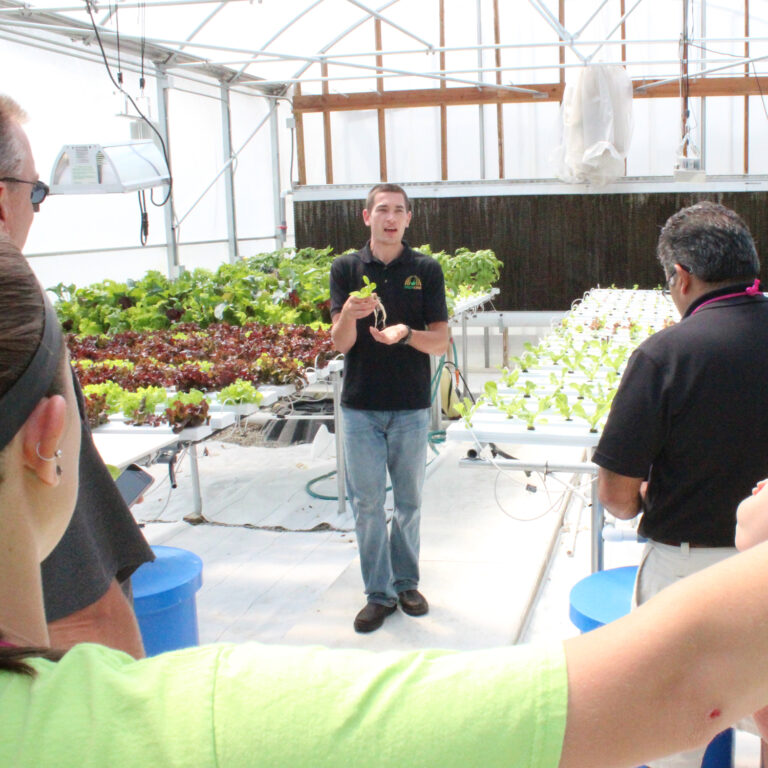
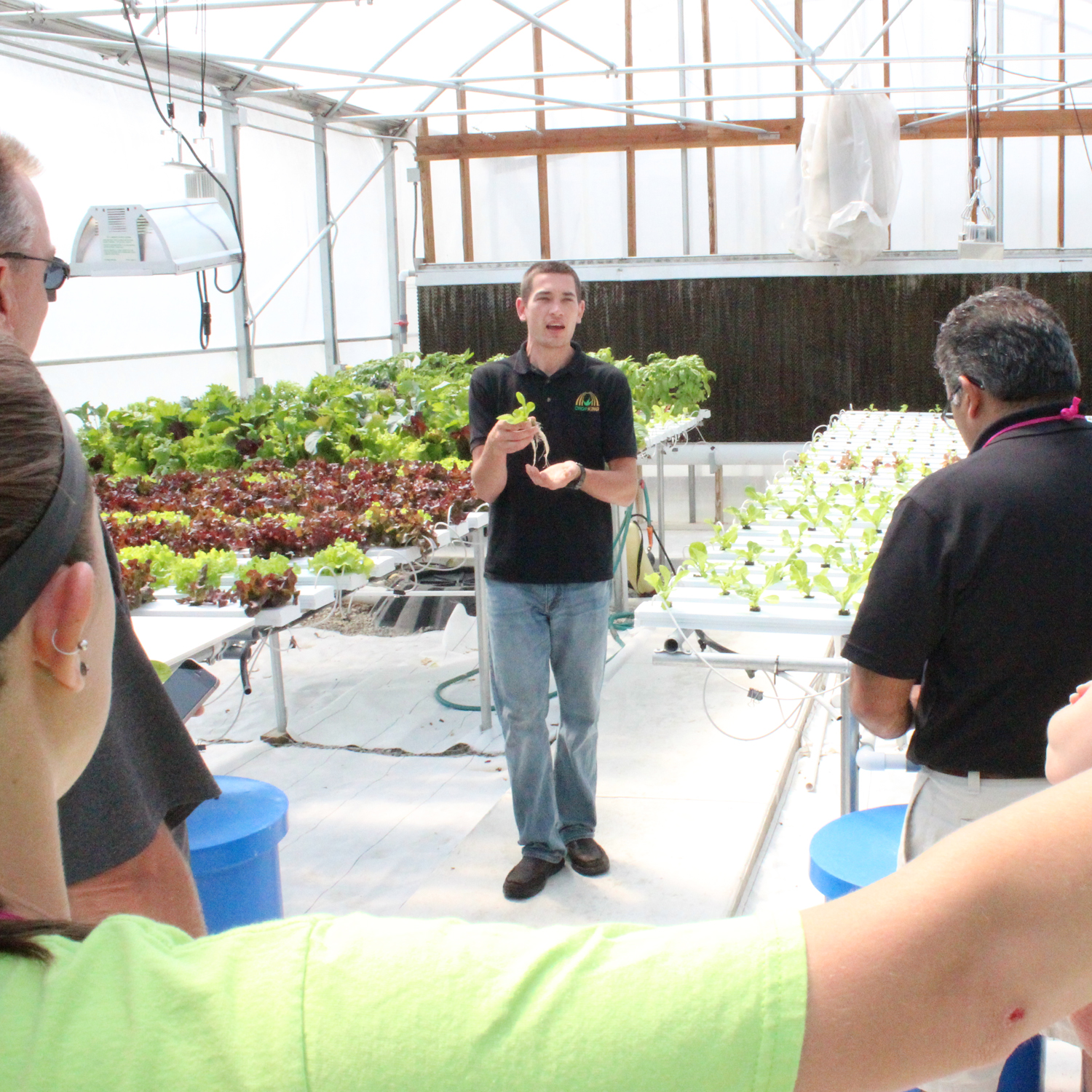
 When the courses are done off-site (outside of Lodi, Ohio) Cropking rents a hotel conference room and caps “students” at 26 to 28 people. And you’ll get to meet salt of the earth people like J. Paul Brentlinger (left) from Cropking who tells Green Prophet:
“We have been helping people get set up in commercial vegetable crop production since 1982 and have growing operations in all 50 states and in many countries around the world.”
It’s back to school time for earth lovers and those dreaming of setting up hydroponics as a small business. And while you are munching on your freshly picked-that-day lettuce think of the astronauts who are doing it too.
New Jersey kids doing hydroponics? forghedaboudit!
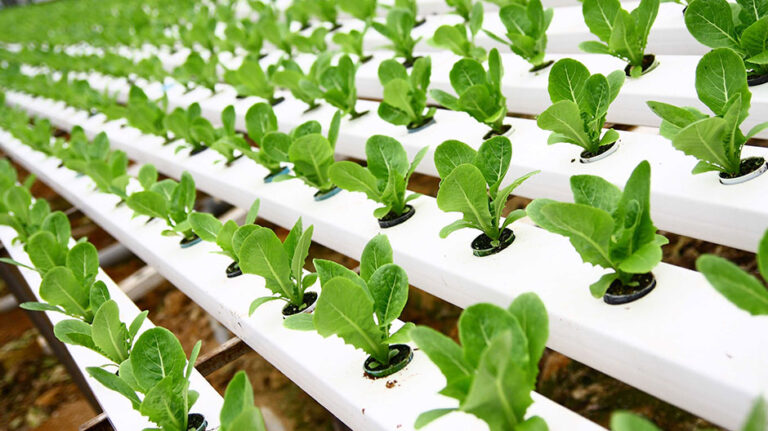
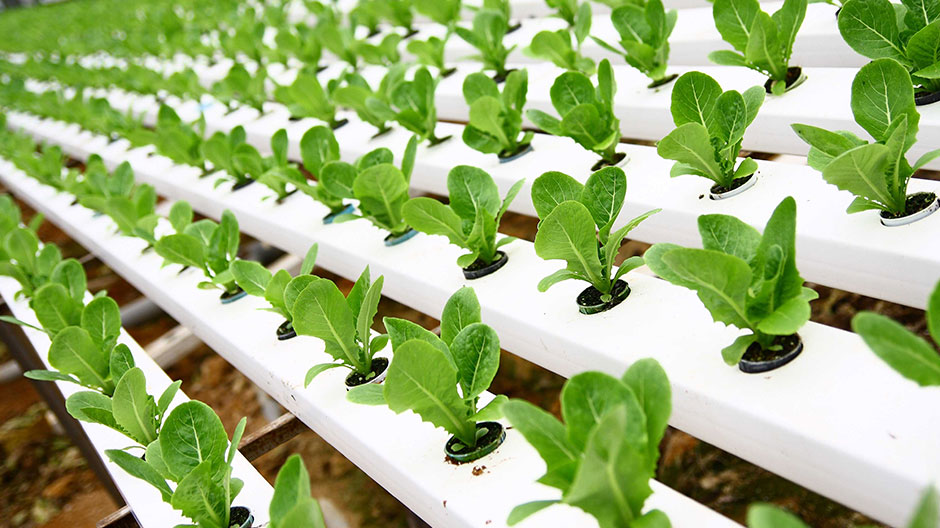 There are green things growing in a New Jersey public school, a small shift from the traditional farming that gives the “Garden State” its nickname. A newly installed lab within the school greenhouse will help teach a new crop of children to grow food without soil. Hydroponics brings far bigger benefits than keeping small hands dirt-free.
Organic ink grows 3D printed gardens (and then what?)
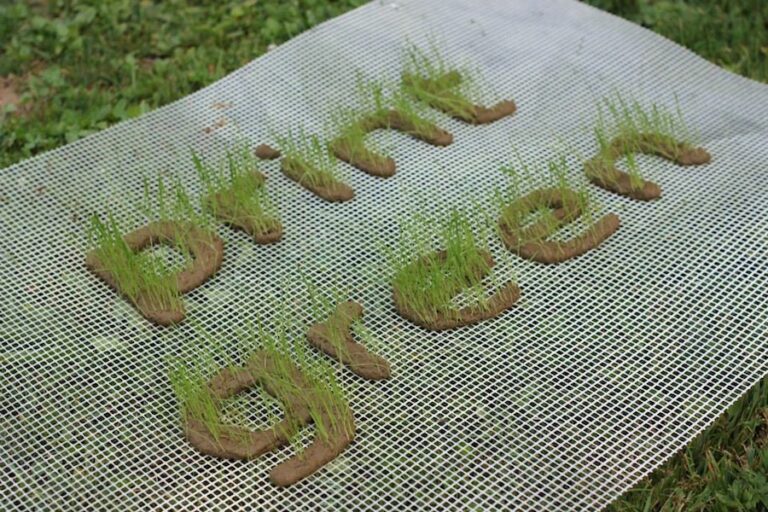
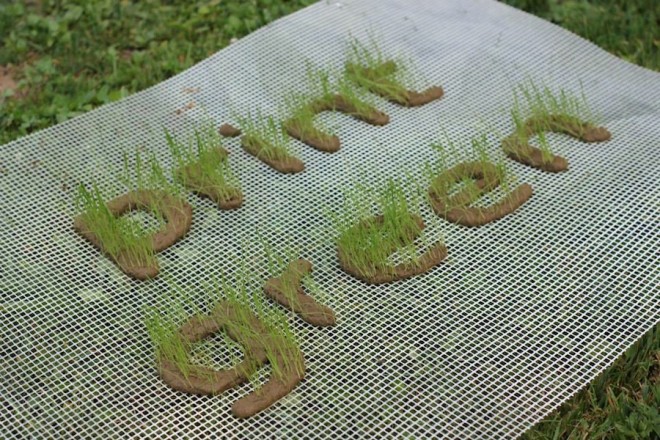
Students at Slovenia’s second largest university adapted a computer numerical control (CNC) machine to act as a 3D printer, substituting the usual printing materials (such as plastics, nylon, epoxy resins, and wax) with “green” ink made of soil, water and grass seed. Their project, named Print Green, produces 3D printed models with the ability to grow.
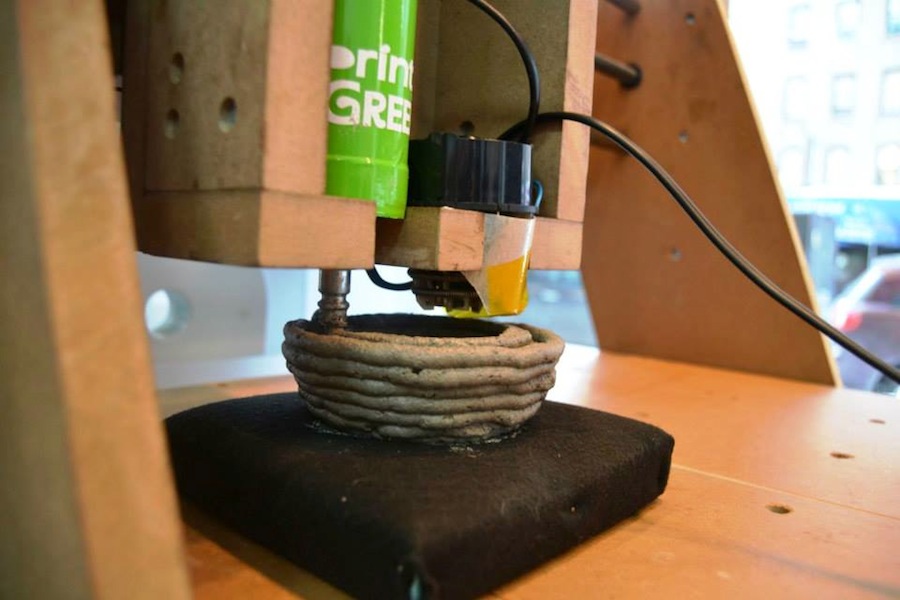
Designed as part of an intermedia arts course at University of Maribor, Project Green unites art, technology and nature. As with most school projects, this has limited commercial application, but the students already have a marketing slogan. They flipped the ubiquitous email tagline “Think before you print” into “Print because it’s green”.
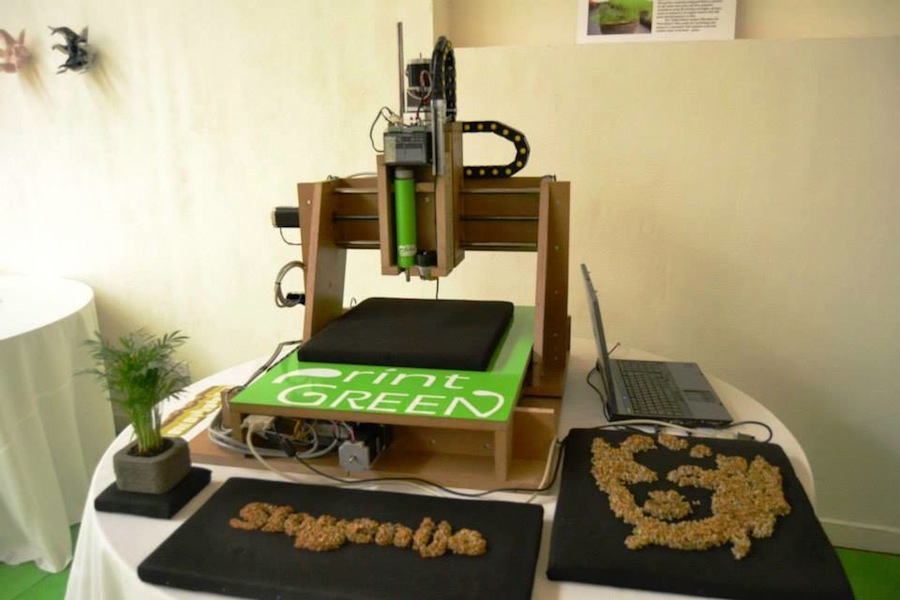
The “ink” creates functional shapes (bowls, planters) that – when watered – will sprout greenery. Student design team (Maja Petek, Tina Zidanšek, Urška Skaza, Danica Rženičnik and Simon Tržan) have also experimented with “living letters” (see lead image).
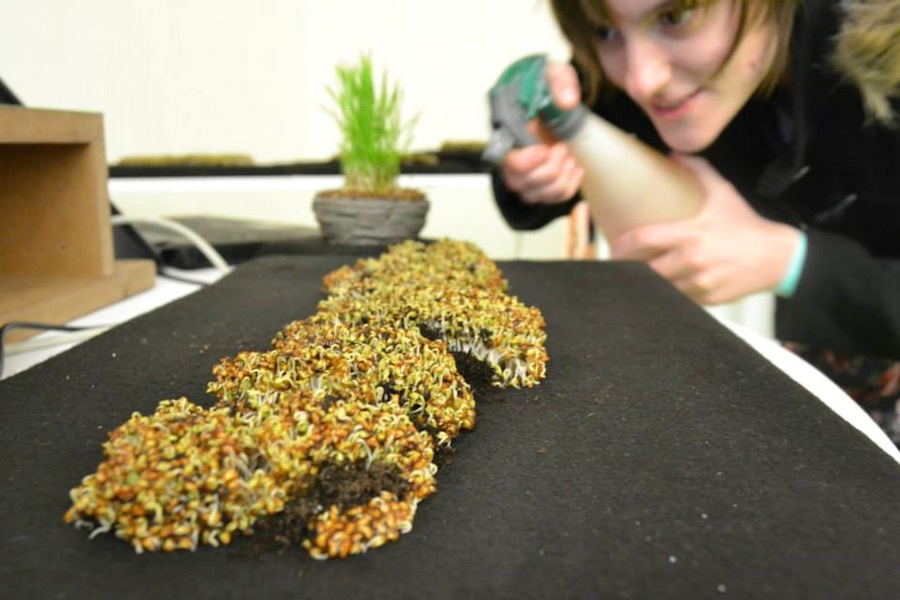
The forms sit atop a Styrodur base, a rigid polystyrene foam typically used for building insulation. It’s a rot-proof product, ideal for supporting items that need frequent watering. Each base is then covered with black felt, to better showcase the printed objects.
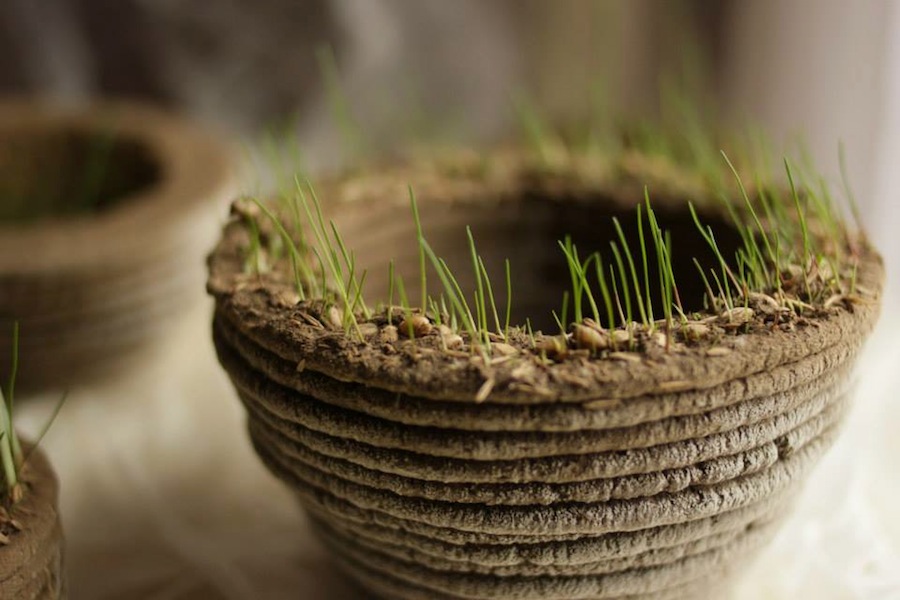 Technically this is 3D printing, although the hardware is a re-jiggered carpentry tool. But falling prices for commercial 3D printers are opening up opportunities for regular users to run at-home research and development labs too.
We’ve reported on quirky applications, such as 3D-printed cosmetics or “pocket parks” for greenery in unusual places. People have printed prosthetics that enable lame dogs to run, and artifacts that allow the blind to “see”. For every dubious app like 3D gun-printing, there’s a positive one like 3D printed food or housing. Find cheap 3D printer now in most cities near you.
The cutesy newness of this tech is fast becoming ‘yesterday’. The genie is out of the bottle and game-changing applications are coming on fast. Today we pose the question – what will this new turn in manufacturing do to the environment? Tomorrow we’ll be back to kick around some answers. Get your thoughts together on where you stand on 3D printing – we want you in the chat.
Lebanon’s drowning in its own waste!
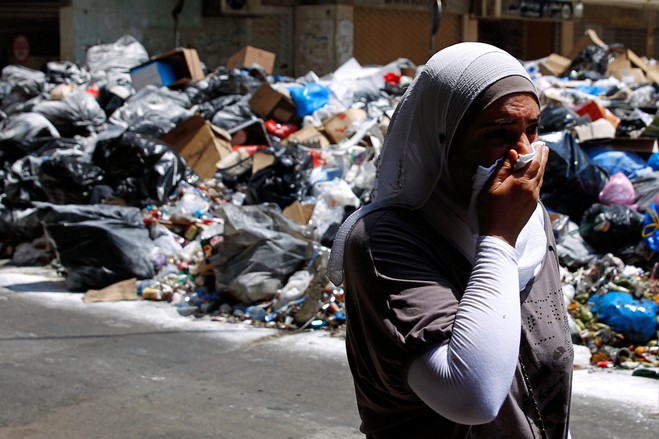
Want a peek into a dystopian future? This is an update on the garbage crisis in Lebanon, which is largely attributed to a corrupted political system, but it’s also a cautionary tale about uncontrolled consumerism and environmental arrogance that could happen in nearly every free market zip code.
Harlem Grown grows greens and girls in New York City
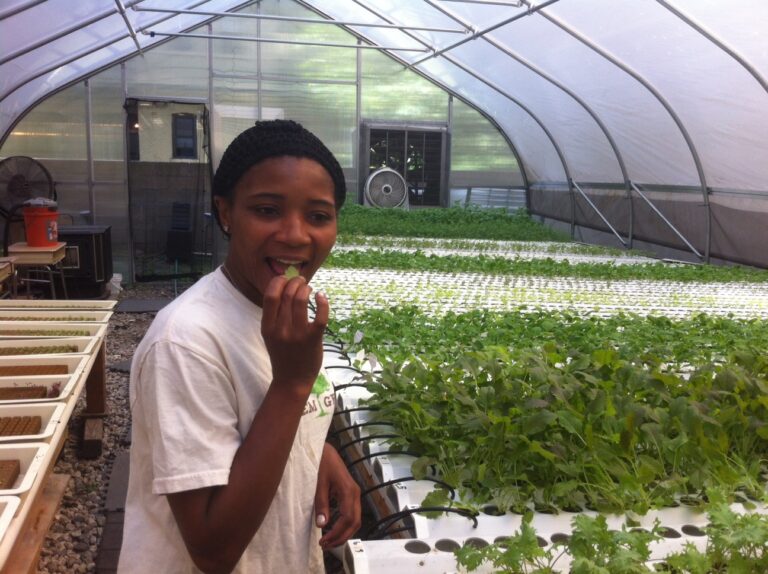
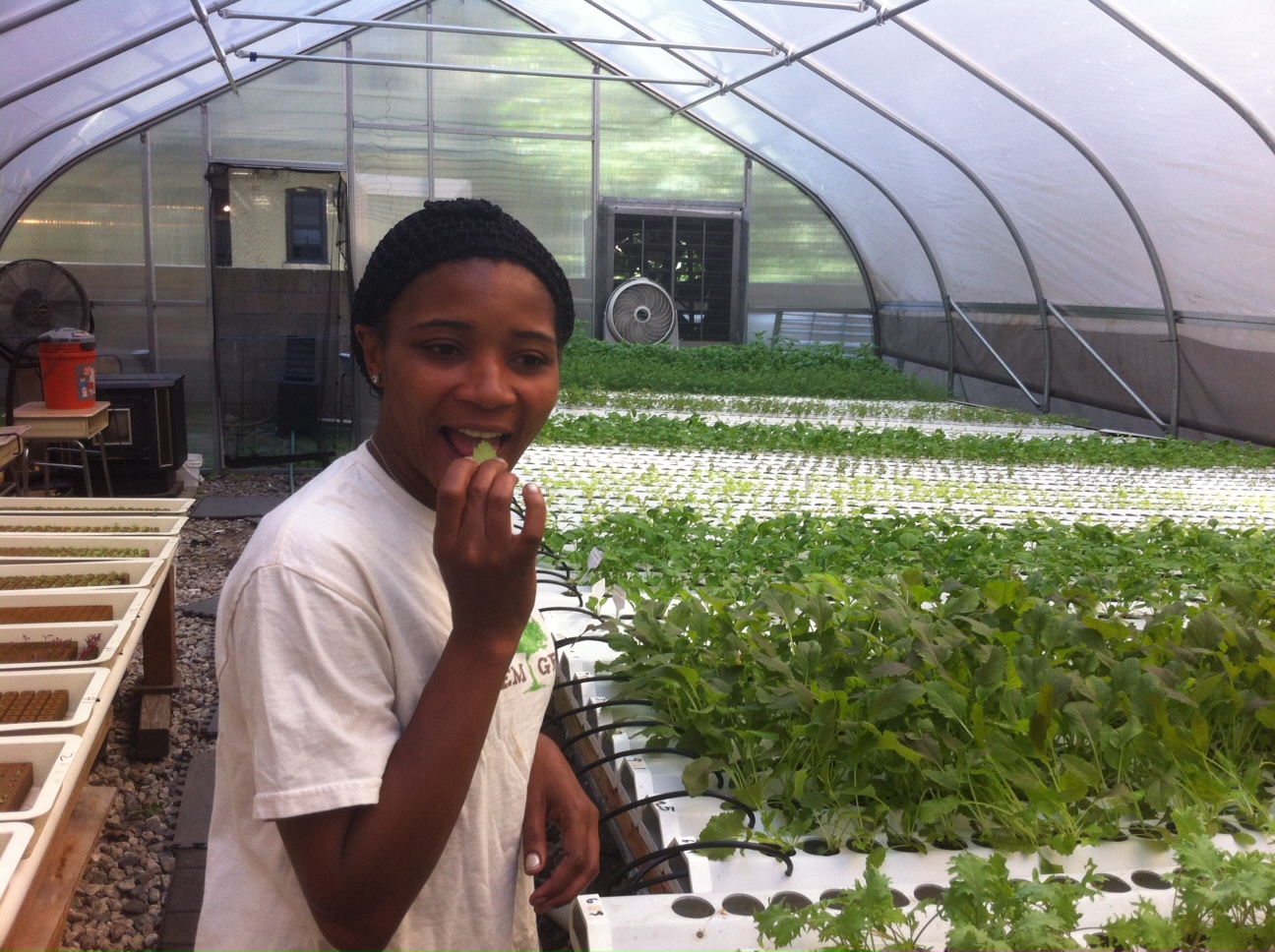
In the middle of Harlem on a derelict plot of land where old men used to play cards, with no kids allowed, is growing one of the most exciting social projects I’ve seen this year. Harlem kids that were eating Twix bars for lunch are now eating fresh greens –– food that they and their mothers are growing through a non-profit project called Harlem Grown.
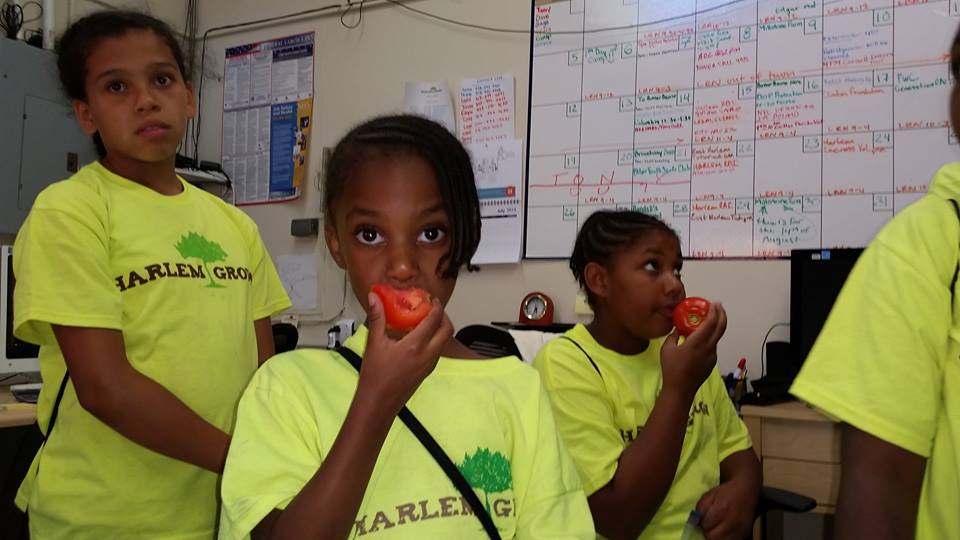
Latonya Assanah from Harlem, New York (pictured above) has an 8-year-old daughter who just “wouldn’t eat green things.”
That is –- until her daughter started growing food on water: A couple of years ago Nevaeh Seeley started tending to the hydroponic garden across the street from her school in Harlem. It used to be lunchtime and that meant “junk food from the candy store, now she and her friends are waiting for the greens,” Assanah her mom tells Green Prophet.
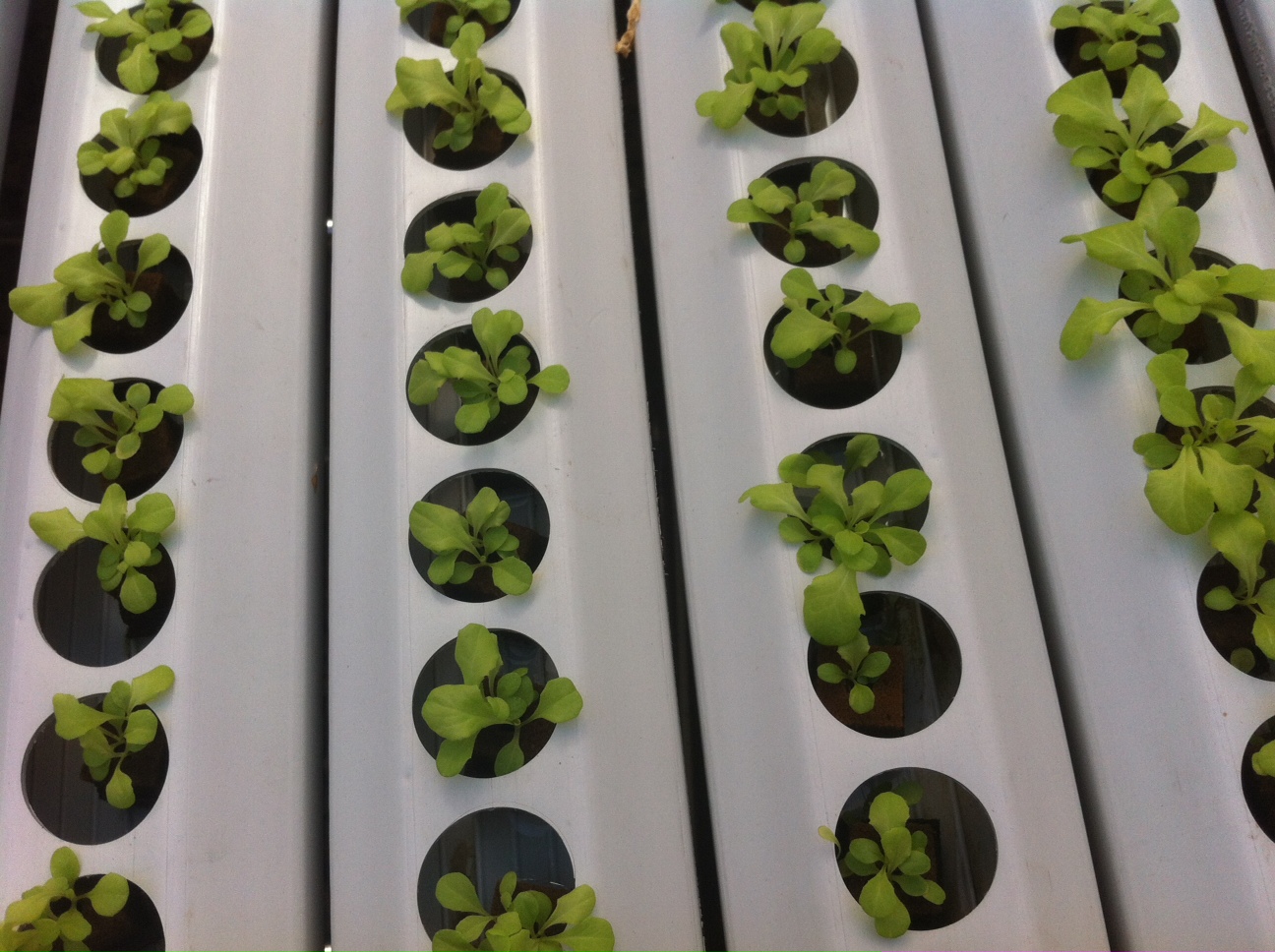
Just look around: from the exotic mustard greens to dwarf kale and koji: “These are things you can’t find in the grocery store. I bring this food home to my mother, originally from Ghana – it’s us three girls, and she is so excited. My mom told me she used to grow greens like this in Ghana where she comes from, and knows exactly what to do with them.”
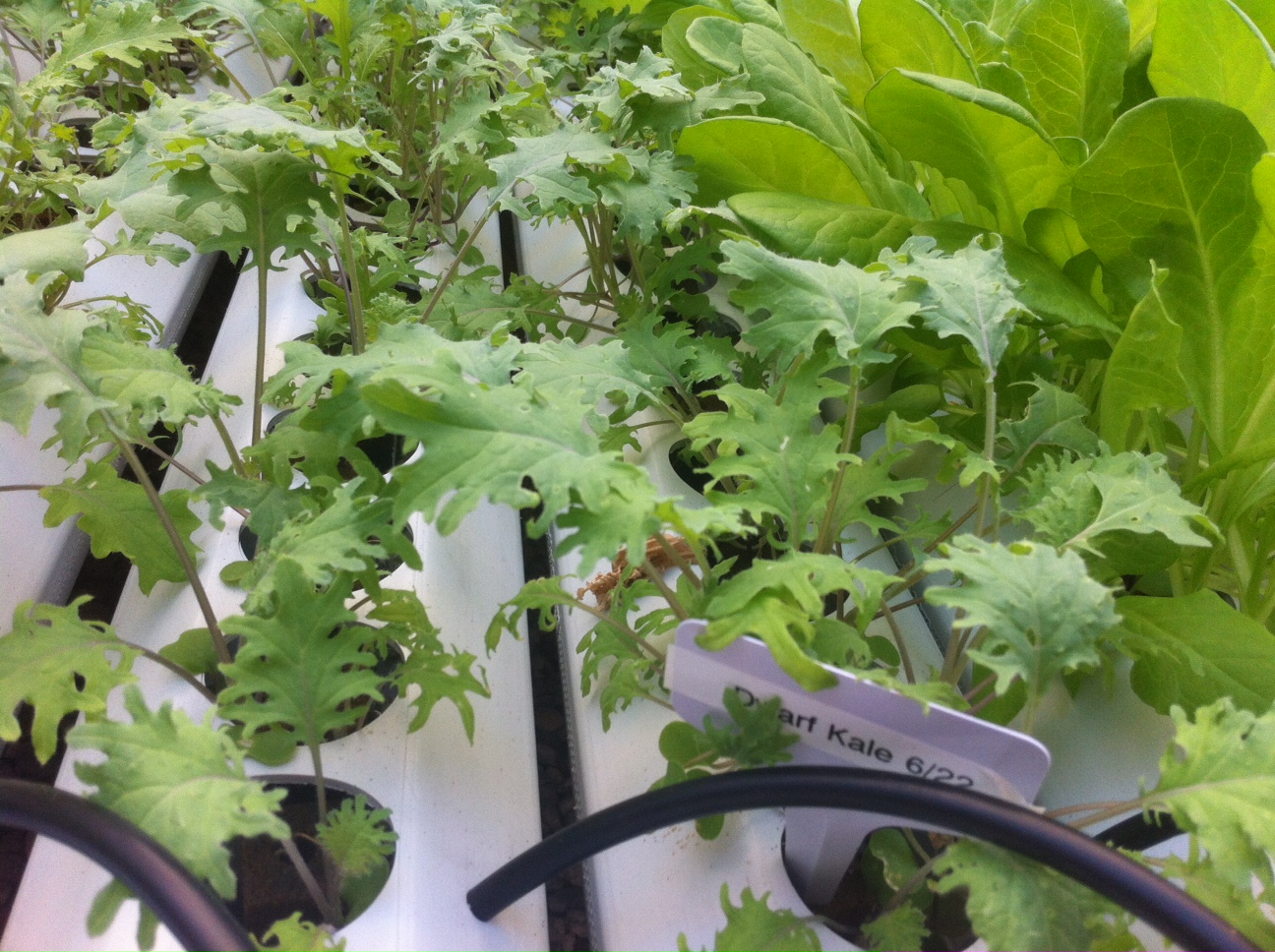
So it started out with curiosity, but today Assanah is the greenhouse manager, working days at the high-tech farm, which feeds 150 local Harlem families. It is part of the Harlem Grown non-profit farm. The farm stands on what was 4 brownstone houses in the middle of the city.
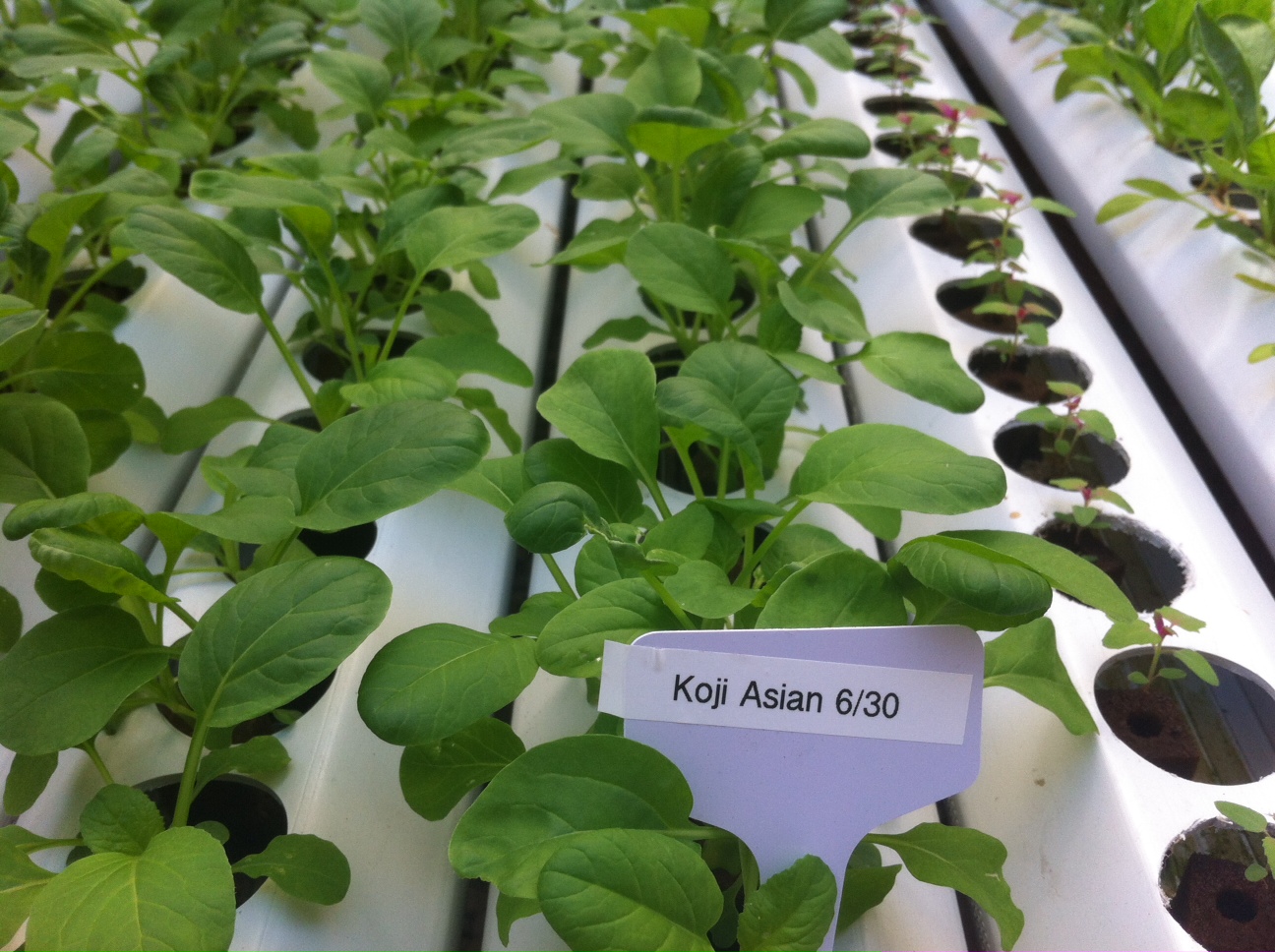
On one side the students grow food on raised beds –- raised to protect the food from heavy metals, asbestos and soil contaminants that penetrates soil after a demolition. The other is where Assanah runs the hydroponic farm.
Both sides of the farm feed people –– but just as importantly nourishes local brains and souls.
Case in point: Assanah sings to her plants when she comes into work in the morning. She demonstrates to me: “Good morning plants I am here!”
The job she got because she was hanging out in the hydroponic greenhouse helping the kids. Assanah plants seeds, transplants seedlings, feeds the plants nutrients into a large water reservoir and tests the water daily to make sure the pH is right.
RELATED: flux gadget for urban farming, connects people and planet
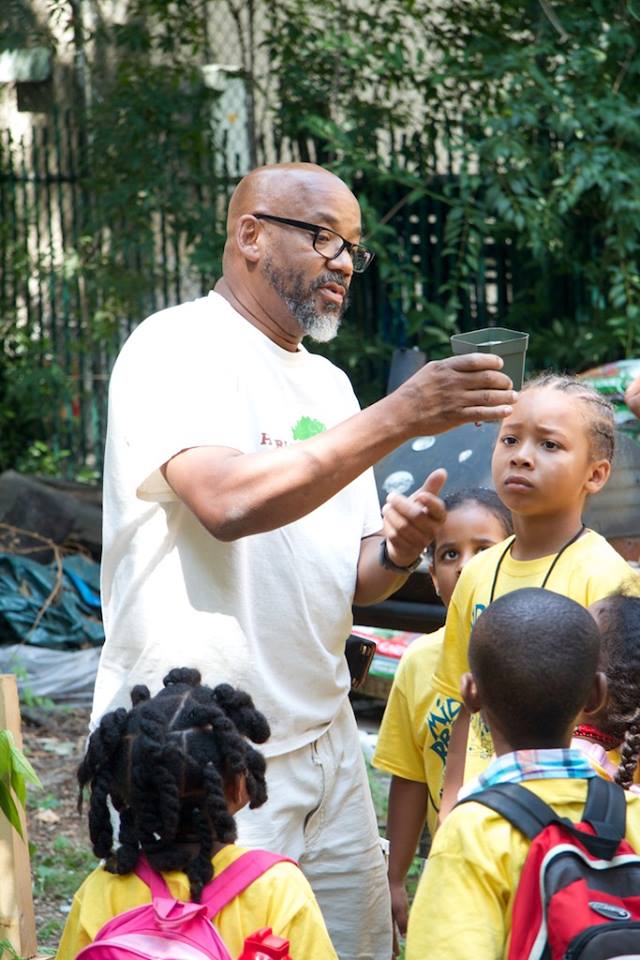
Above – Harlem Grown founder Tony Hillery with school girls.
Assanah and the kids learn much more than growing food. Hydroponics at schools is an excellent way to teach kids, especially girls, essentials about STEM – Science, Technology, Engineering and Math. Hydroponic farming is as much about chemistry, ratios and the physics of water movement as it is about having a green thumb.
The approach called hydroponics uses less water, and can produce an acre’s worth of food in a small greenhouse because greens can grow densely when nutrient rich water is delivered right to the plants’ roots. It is also used by NASA to grow food in outer space. So why not young girls and their moms in Harlem?
RELATED: Grow hydroponic food in the middle of Manhattan
The sunny summer day I visited the Harlem Grown there were four young women from 12 to 16 who were tending the garden outside. They were getting paid as summer interns to work on the farm.
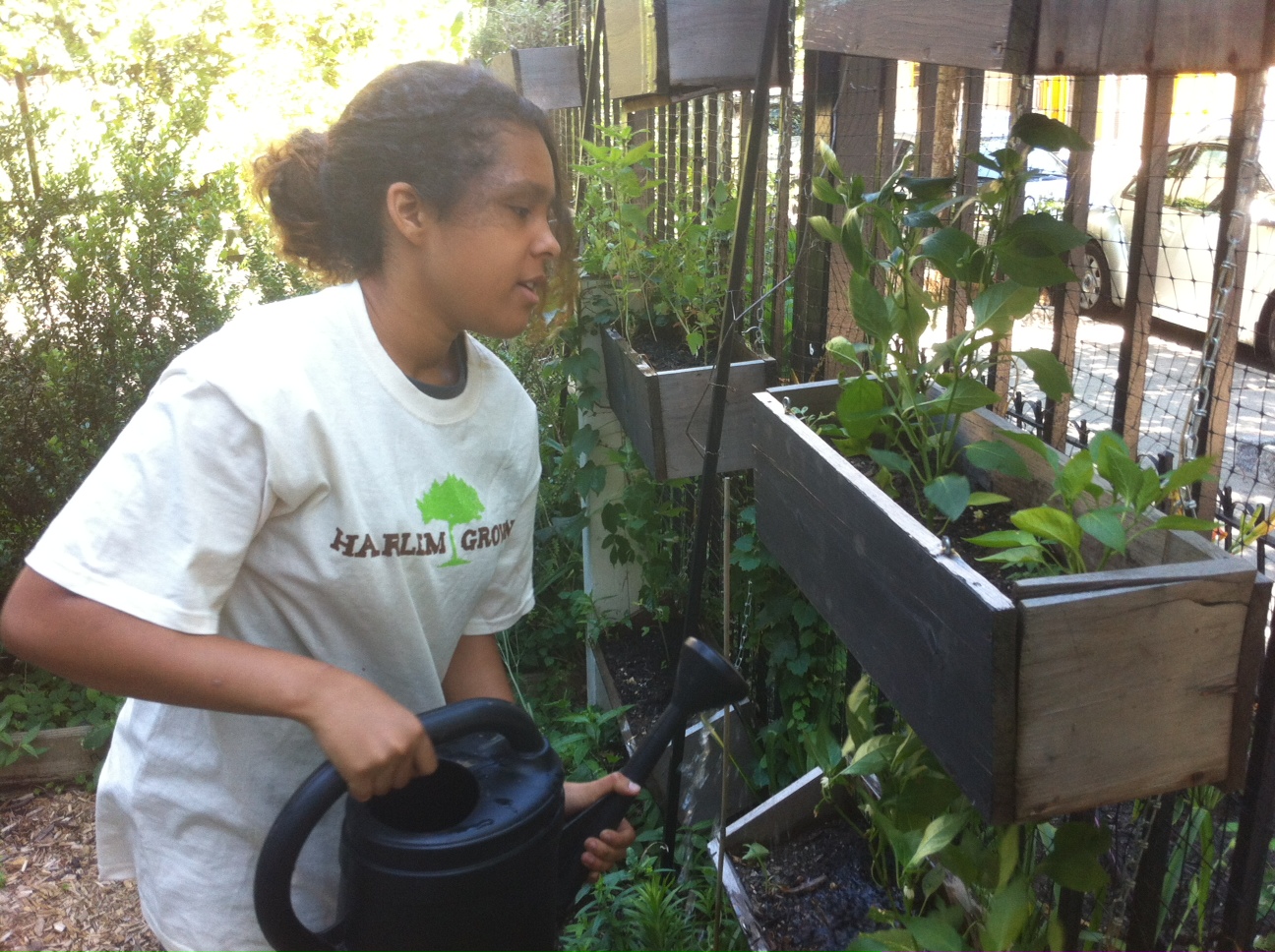

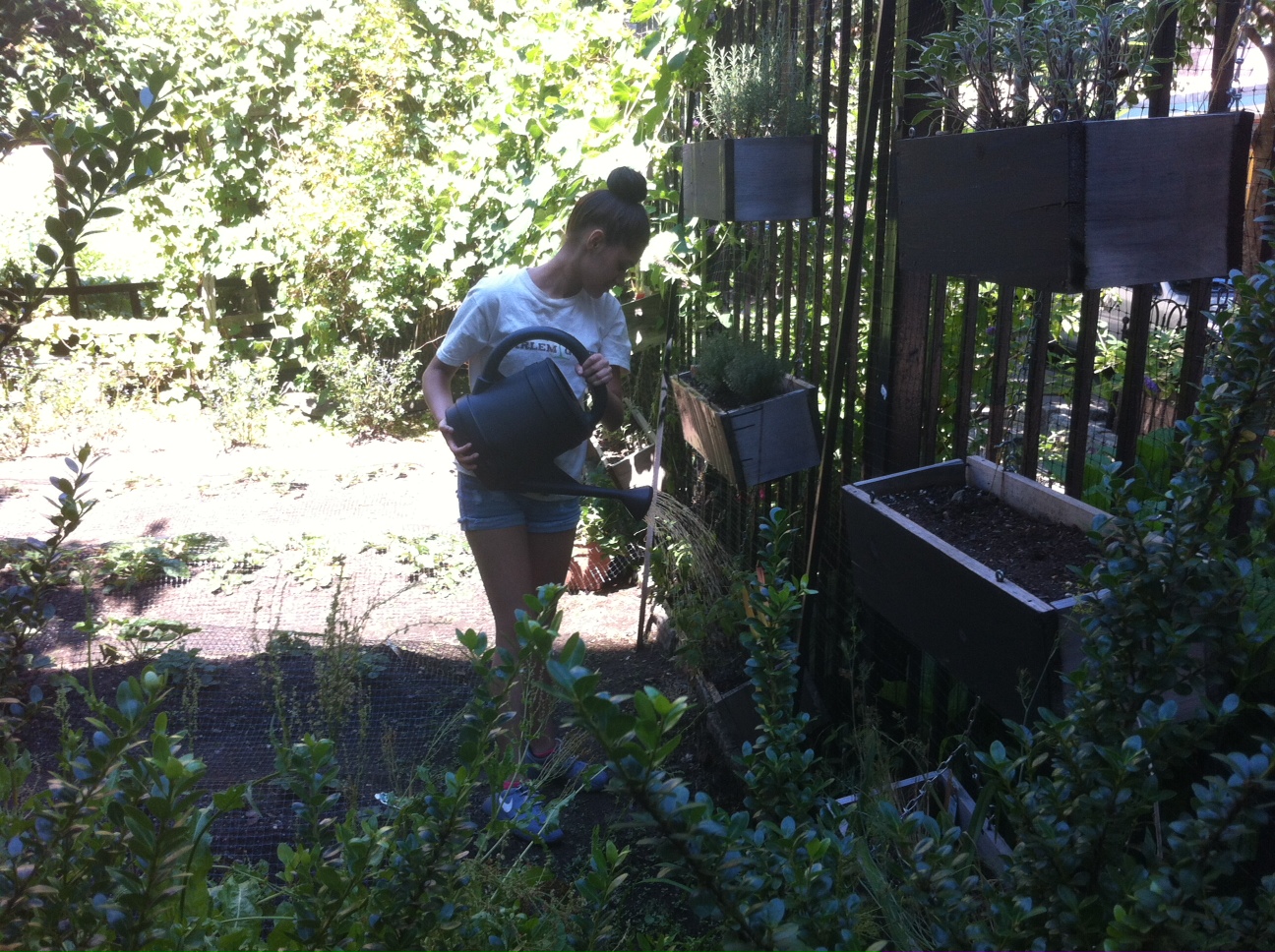
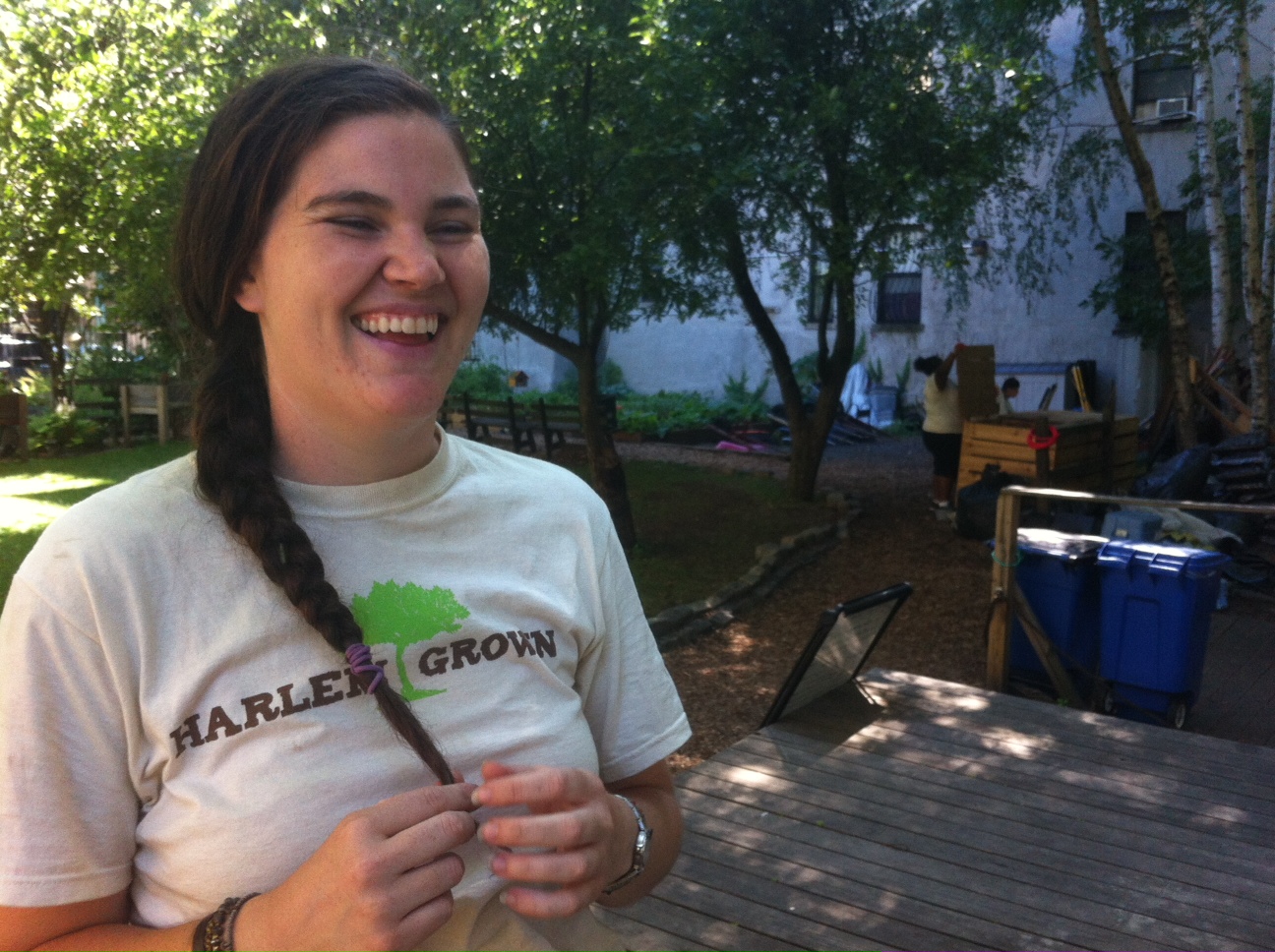
Below is Lydia. She’s the farm manager and right hand woman to Tony Hillery, who founded Harlem Grown 4 years ago. She helps runs a summer camp at the farm, makes sure plants and people are being tended to at all times.
Some 1800 pounds of produce that they measured was grown on the farm last year, she reports. Part of it gets sold to keep the farm running, but the idea is really to feed people, and provide youth development, Nebel tells Green Prophet.
So that 1800 pounds – that’s just what they were able to weigh, as more than twice that amount was likely eaten – from the hands of babes right to their mouths, local, organic and green. This thought makes Lydia smile as she heads over to the farm’s second largest location which has sprouted up over on 126th Street in Harlem, just down the road.
Harlem Grown and Hillery’s vision is growing like weeds, to 6 locations with more planned for the next year.
For more on how Harlem Grown is changing lives through urban farming, see Harlem Grown website.
Environmental studies creates crusaders for our planet


We know at Green Prophet that environmental sustainability and stewardship is a top issue in our world. With an ever increasing demand for solutions comes a huge number of job opportunities. Choosing to work in environmental science not only opens potential candidates to a secure career with longevity and much potential for progression; it gives the feel good, impact factor and job satisfaction that most spend their whole lives trying to find.
Undergraduate programs in Environmental Science are available at most top universities. Your studies will include examining the consequences of living and non-living things on our environment and look at how to apply biological, physical, and information sciences to fix these issues.
This is a large, varied and fascinating field of study that can lead to many different career paths. Areas of study will usually include: ecology (observing the interaction between plants and the earth), economics (observing how people use the earth), geology (the history and physical elements that make up the earth) and sociology (interactions between societies and the earth).
After these studies, graduates may find themselves working from home as a consultant or traveling around the world with large organisations.
Environmental Policy, Planning, and Management involves a lot of research-heavy work, Environmental Lawyers may find themselves in the exciting confines of a courtroom, Oceanographers and Meteorologists tend to slip their time between the lab and the sea and Microbiologists, Soil and Plant Scientists, and Ecologists might decide to teach in universities or market their knowledge to big name brands. Environmental science is all about identifying problems and creating solutions. This can involve collecting and analysing soil samples to analysing human behaviour data, so there really is a whole host of positions to suit interests and specialised knowledge.
Environmental scientists are future sustainability crusaders for our planet. So what do the people already working within the sector have to say to anyone considering this as a career? Professor Steve Schein talked to big names in the business and said, “Sustainability executives are both optimistic and frustrated. They have had great successes, but all have run into resistance as well. Most recognise this is part of their job as a sustainability change agent.”
This shows that although much progression has been made, there is still a long way to go. It is the minds of young professionals that can carry on this promising and exciting work.
Both governments and businesses know just how big an issue sustainability is. An encouraging incentive for prospective employees is that governmental jobs offer very similar high salaries as the private sector, and both offer a high volume of vacancies.
With this in mind, a career in environmental science is worth every consideration.
Israeli Fashion Designer Prints World’s First 3D Couture


An Israeli fashion designer has created a new line of women’s clothing without a bolt of cloth. This summer, Danit Peleg released the world’s first 3D-printed couture using only a plastic thread-like material called Filaflex and Witbox printers. (Coco Chanel must be spinning in her pearls!)
California builds first farm-to-table new home community
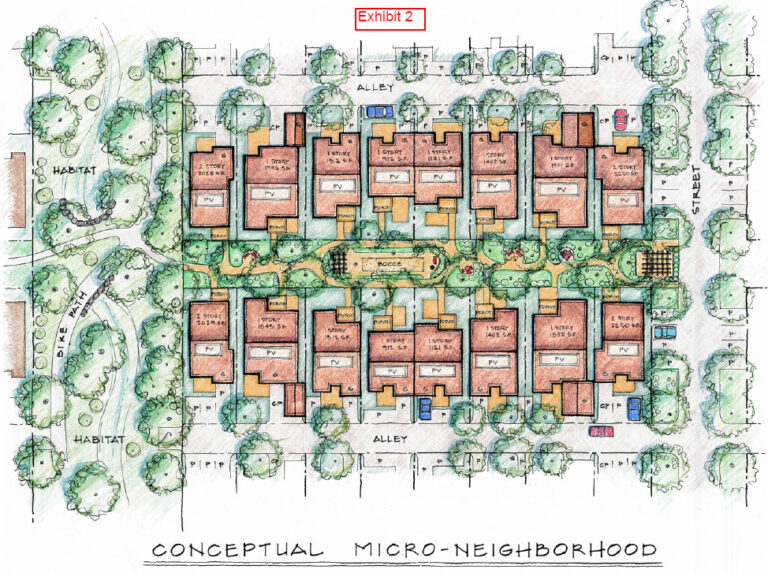
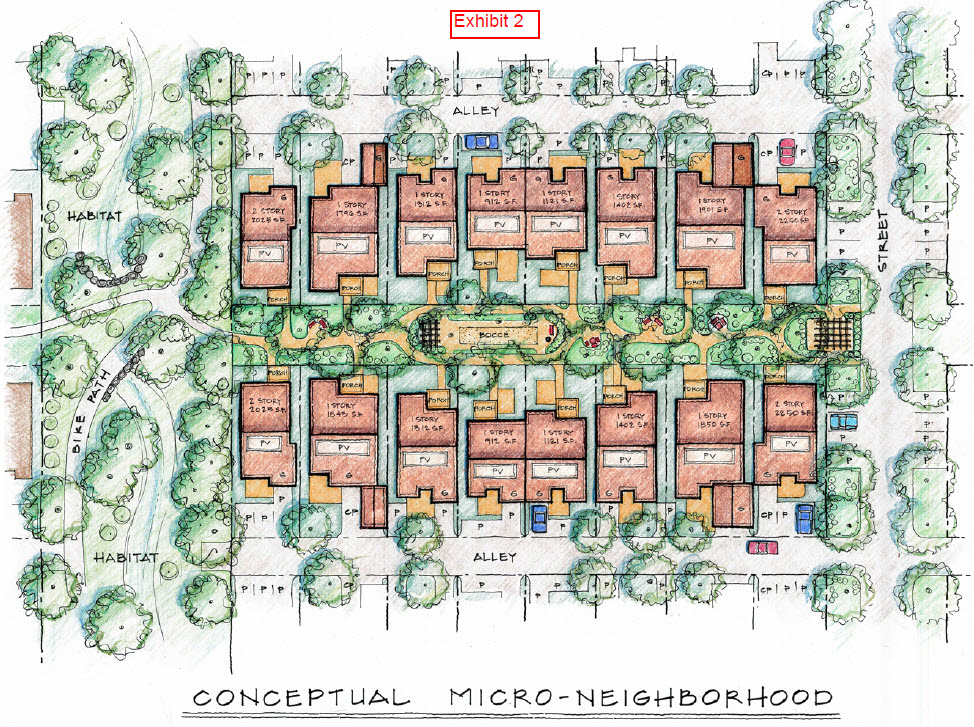
Urban farming is in the air and California is setting an example by creating the first American housing project of its kind with an urban farm built intentionally in the center of the community. The farm will be 7.4 acres and will include a teaching center for sustainable farming. Some 547 new homes have been built around the farm.
This is no straw bale hippy paradise, but fulfilling the dreams of mainstream urbanites who want the pleasures of big, single dwelling homes with access to fresh, local, organic produce.
The project is called The Cannery, and this Saturday 14 model homes will go on sale. Owned by NEW HOME (NYSE: NWHM) this event marks California’s first farm-to-table new home community. It is located in Davis, Calif.
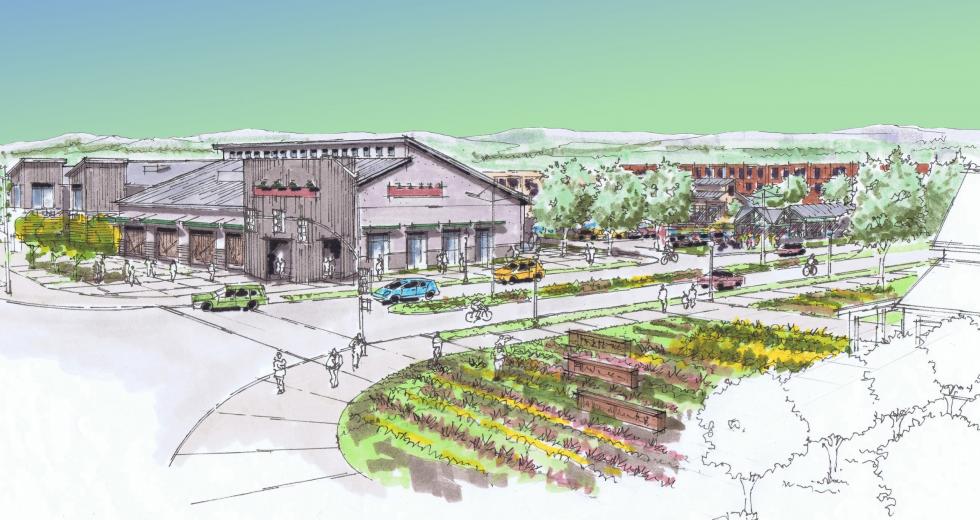
“We have worked extremely hard over the past several years to get to this moment,” said Kevin Carson, Northern California President for NEW HOME. “The Cannery is unlike any other community in the western United States and it has truly been a rewarding experience to contribute to such an innovative concept.
Through a collaborative effort with the Center for Land-Based Learning of Winters, Calif., the Urban Farm will serve as a state-of-the-art example of sustainable urban farming and as an agri-classroom for students and beginning farmers.
“To see The Cannery today becoming a viable farm community is not only personally exciting for me, but also one of the most fulfilling accomplishments in my career,” said Craig McNamara, founder of the Center for Land-Based Learning. “The Cannery Urban Farm honors what I believe in most: Connecting eaters directly to food.”
Hear, hear. Let’s here of more projects like this multiplying across the US and the world.
Grow lettuce like astronauts at American Hydroponics course
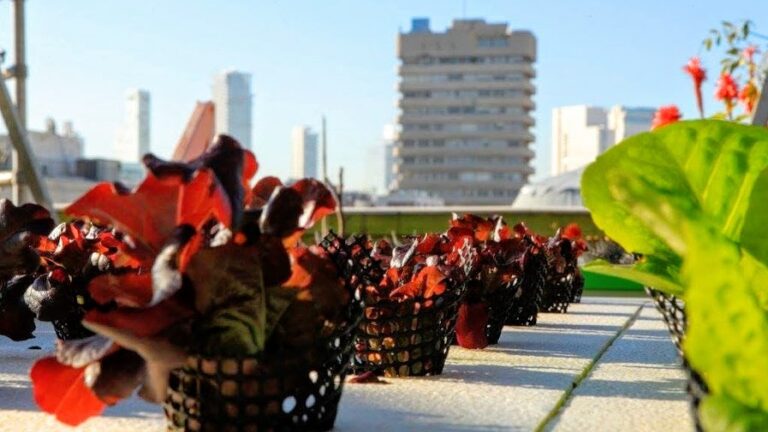

Now that I am developing flux, a space-age gadget for making hydroponics simple and efficient I can’t help but promote hydroponics everywhere — even and especially hydroponics from space!
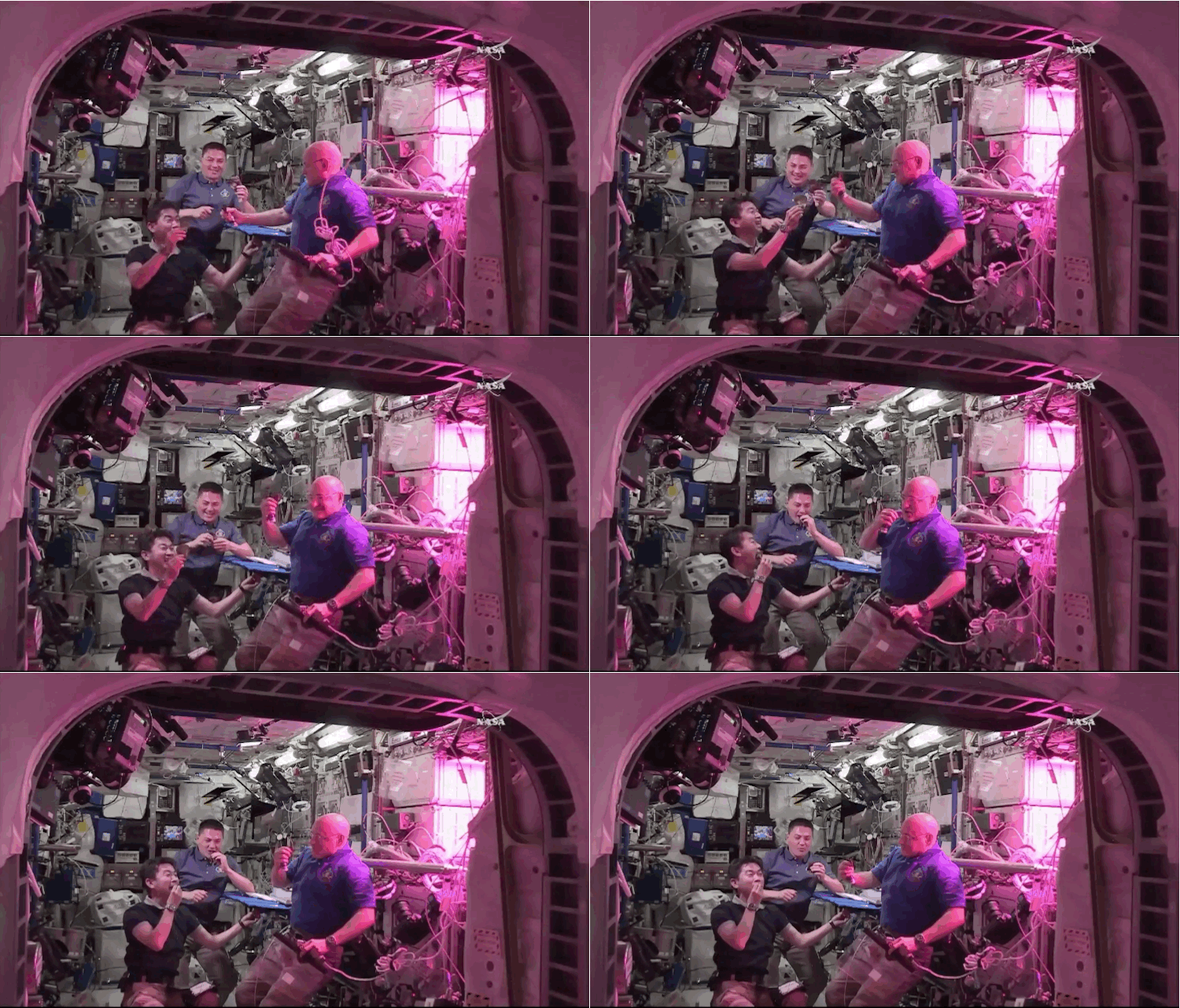
This week NASA scientists harvested their first space-grown food, grown on water with nutrients using hydroponics.
This site is becoming a bit of an address for hydroponics, and we’re getting tonnes of inquiries on how it can be done. Locals in the Middle East tuned into sustainability issues know that hydroponics is a great solution for farming in desert locales.
So how do you get your urban farm on? So you say you want to grow food like an astronaut? Food that’s local, super-charged with vitamins and pest-free? You can always contact our friend Henry over in New York to custom-build you a hydroponics workshop or farm.
Or head over to New Jersey for a professional workshop put on by the experts and hydroponics suppliers of American Hydroponics.
Fall is a great time to visit New York City, and New Jersey is a short train or bus ride away. New Jersey is also making headlines since Aerofarms has started growing greens at a $30 million installation. The company first installed its systems in Jedda in 2011.
Study Hydroponics in the Garden State
Next month in September from the 20 to 22 hydroponics supply store American Hydroponics (click here for details) is offering a two-day course to show how it’s done. Included in the workshop is instruction by American Hydroponics founder Michael Christian and Lorraine Gibbons, from Garden State Urban Farms.
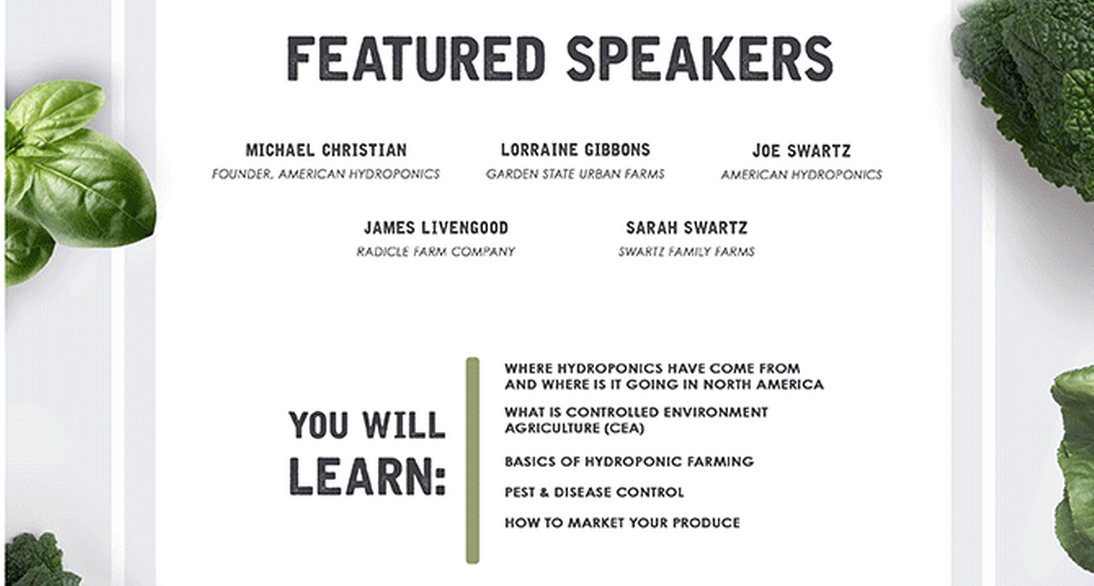
With businesses cropping up from Boston (see Freight Farms) to schools in Harlem using hydroponics to grow food and teach kids (see NY urban farmers story) now is a great time to get into the business and practice.
Testimonial on the American Hydroponics course here:
[youtube]https://www.youtube.com/watch?v=sC75xUCXfQc[/youtube]
The course, which costs $995 and limited to 20 people, will give people the experience to start a small hydroponics farm in the city –– whether you live in Jeddah or with Jedis.
Yes, it’s not easy to fly into to New York if you aren’t in the region. And it’s not great for carbon emissions, but a good thing to do if you were planning on being in the New York area.
Over in Israel one of our friends Moti Cohen from LivinGreen puts on Friday hydroponics and aquaponics courses. He’s written the manual for aquaponics for the Food and Agriculture Organization of the UN. He’s also got a large urban farm growing on the roof of Dizengoff Center.
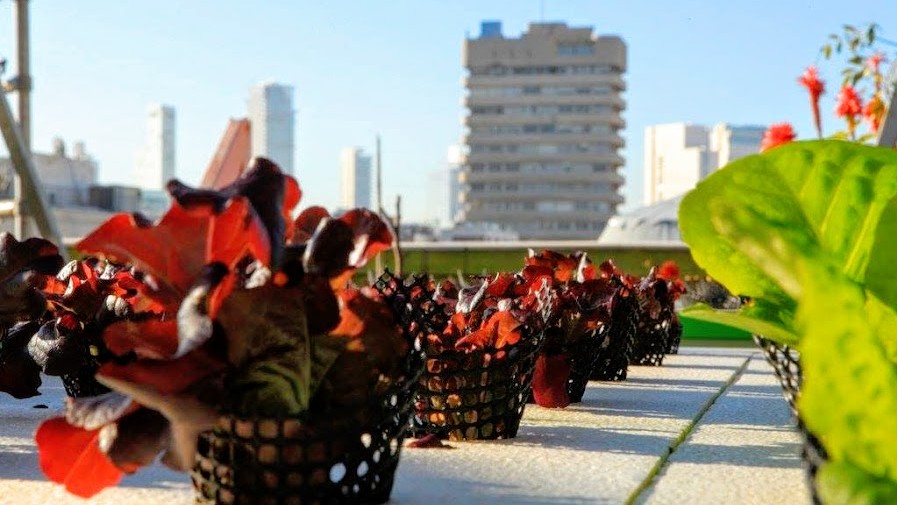
Poke around on your local meetups to see who’s growing hydroponic food. Chances are there is a local course on how to do it in the making. Feel free to contact us ([email protected]) if you want to get into the urban farming and hydroponics business. We have loads of contacts and inspiration that we’d love to share.
NASA lettuce grown in space heading to Dubai salad bars?
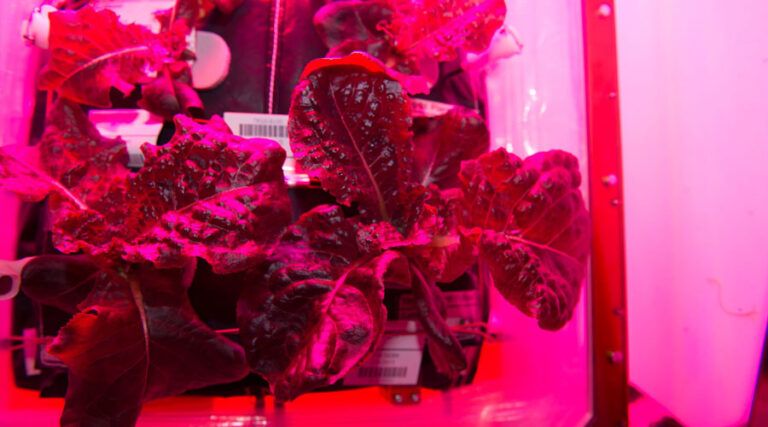
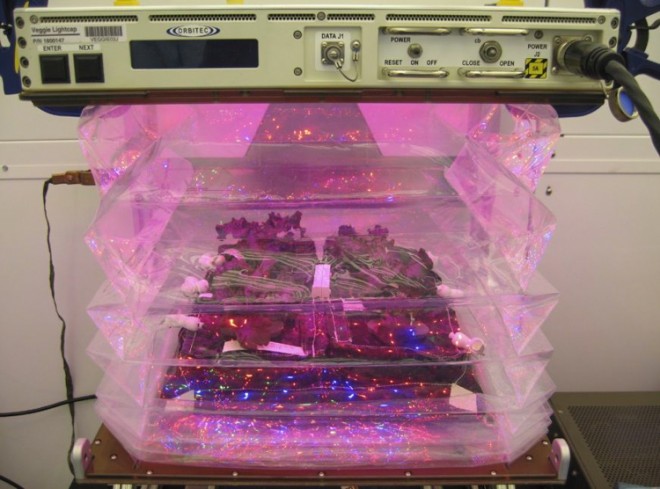 Ever have a salad that was out of this world?
Astronauts aboard International Space Station (ISS) Expedition 44 have. They just dined on the only lettuce ever cultivated without an atmosphere. The produce grew inside “Veggie”, a tiny greenhouse about the size of a computer monitor. Specifically designed for microgravity environments, the technology can potentially benefit food production across the Middle East.
How the UAE can push eco-friendly energy solutions forward

The pressure for environmentally friendly energy solutions on the globe is now more than ever. With an increased demand for energy supply comes an equally high demand for sustainability and environmental responsibility. In 2013 the Center for Strategic and International Studies released a report that said global energy use will grow by 56% between 2010 and 2040 and that fossil fuels will continue to supply nearly 80 percent of world energy use through 2040.
There is a lot of potential for eco-friendly solutions to be developed in the UAE, which is a promising sign for businesses and the wider economy. The industry needs only to look at the work that Aggreko have done in San Diego. Aggreko is the world’s leading supplier of temporary power, which is always looking at ways to reduce emissions. The Gaslamp Quarter Association requested for the energy suppliers to use alternative fuel for this year’s Mardi Gras celebrations in San Diego as part of their mission to make the event green. One such solution was recycling cooking oil into fuel — a small but extremely effective step.
Director of Aggreko’s Environmental Health and Safety Department, Huey Bourque, said: “At Aggreko, it is our goal to minimize the impact on the environment through careful equipment design, from minimizing spills to implementing the latest emission-control technology.”
With the recent appointment of Dr Sixtus Mulenga as Non-Executive Chairman of Aggreko Zambia, there looks to be a focus on such dedicated projects in Europe, Middle East and Africa.
Mulenga, who has over 35 years of experience in the industry said: “As Zambia works to further develop its mining industry, along with the capacity and coverage of its electricity grid, Aggreko can play a key role in supporting these initiatives, while also supporting a growing and diversified industrial sector.”
As global companies take pivotal steps in helping to sustain energy sources, economies can both support and reap the rewards from any advances. The increasing use of technology to create energy only means more demand for an expansion of the field, meaning more employment opportunities and project opportunities. These are worrying yet exciting times for countries that want to show their potential in energy efficient energy sourcing.
Image by Señor Codo, used under Creative Commons license
Submerge yourself in nature in a Getaway tiny home
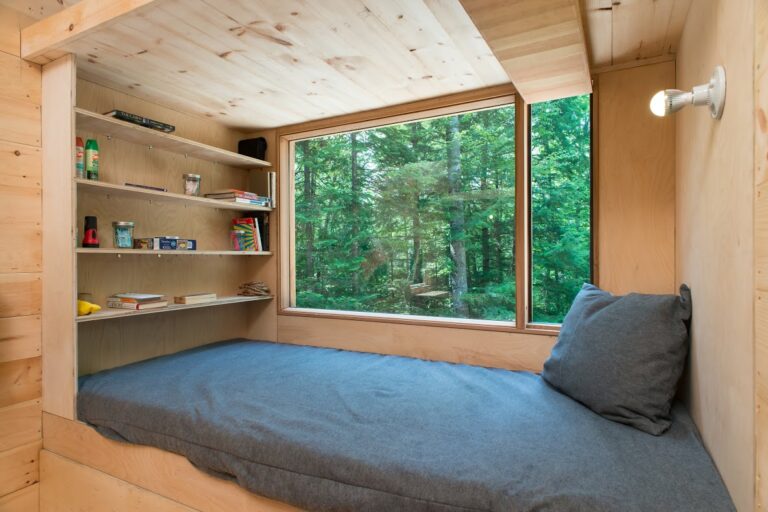
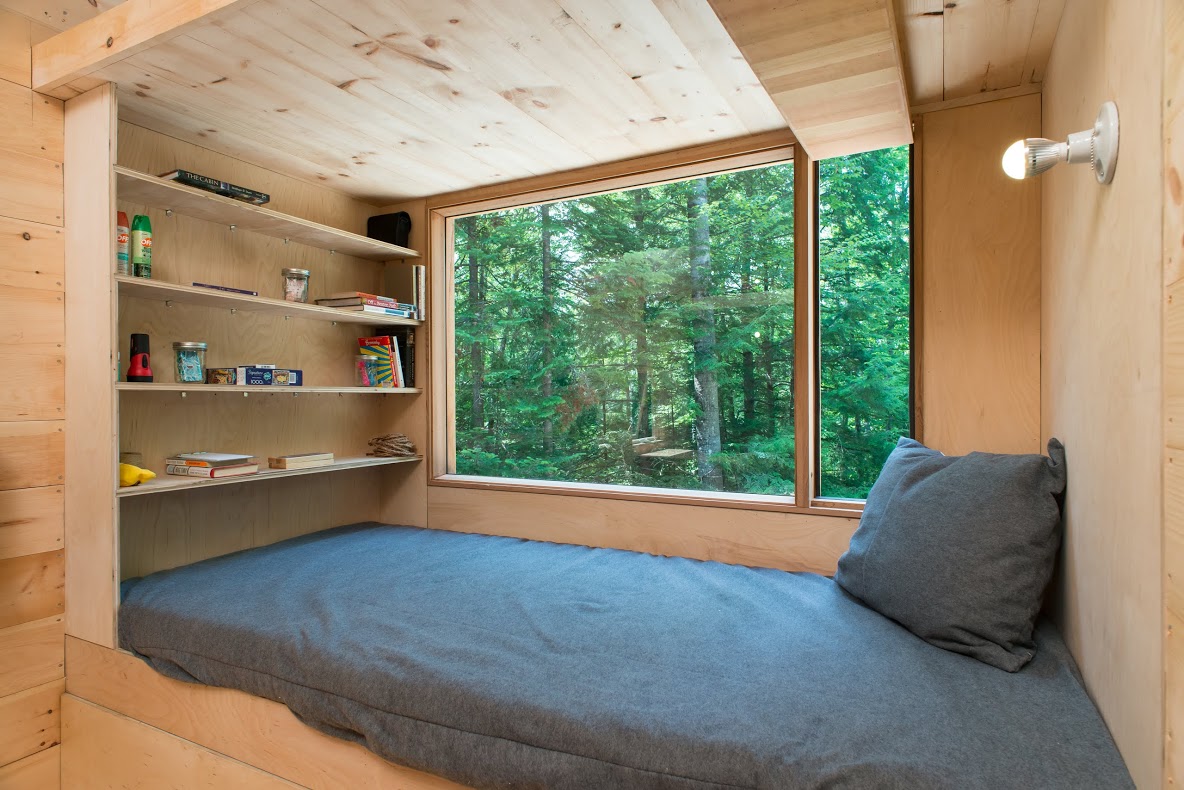
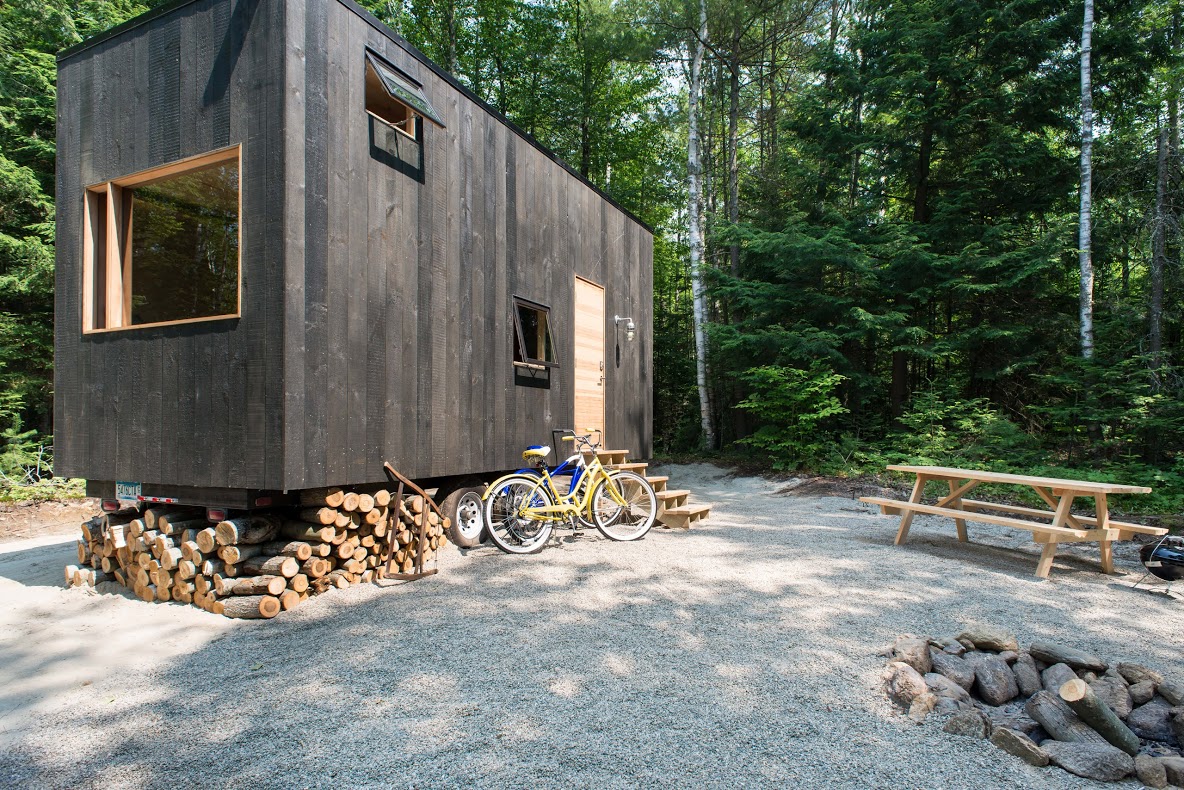
Collaboration between business, law and design students from one of the world’s top universities is producing tiny houses that could revolutionize how we approach holidays, and green up tourism too. This summer, the Millennial Housing Lab launched Getaway, a rental concept for micro-homes for the millennial marketplace.
Harvard Business School student Jon Staff has racked up a resume of non-traditional living. He’s lived on a boat, in a frozen yogurt shop basement, a 26-foot-long Airstream trailer, and even did a stint of sleepovers in a Harvard library. No surprise that he was naturally drawn to the tiny house movement – a growing trend that advocates simply living in small spaces.
Last year, Staff co-founded the Millennial Housing Lab, an action lab composed of Harvard business, law and design school students with a mission to develop new housing ideas bespoke to the millennial generation (people born between the 1980s and early 2000s).
The Lab focuses on all aspects of the housing experience: architecture, neighborhood planning, financing, regulation and community-building.
Through its blog, email bulletins, and special events, the project also aims to incite vibrant conversation about millennial housing, and catalyze change in the residential building industry. Its wider goal is to incubate and launch new design-, business- and regulatory-related housing concepts. (Consider the build-your-own (anywhere!) WikiHouse we reported on last year!)
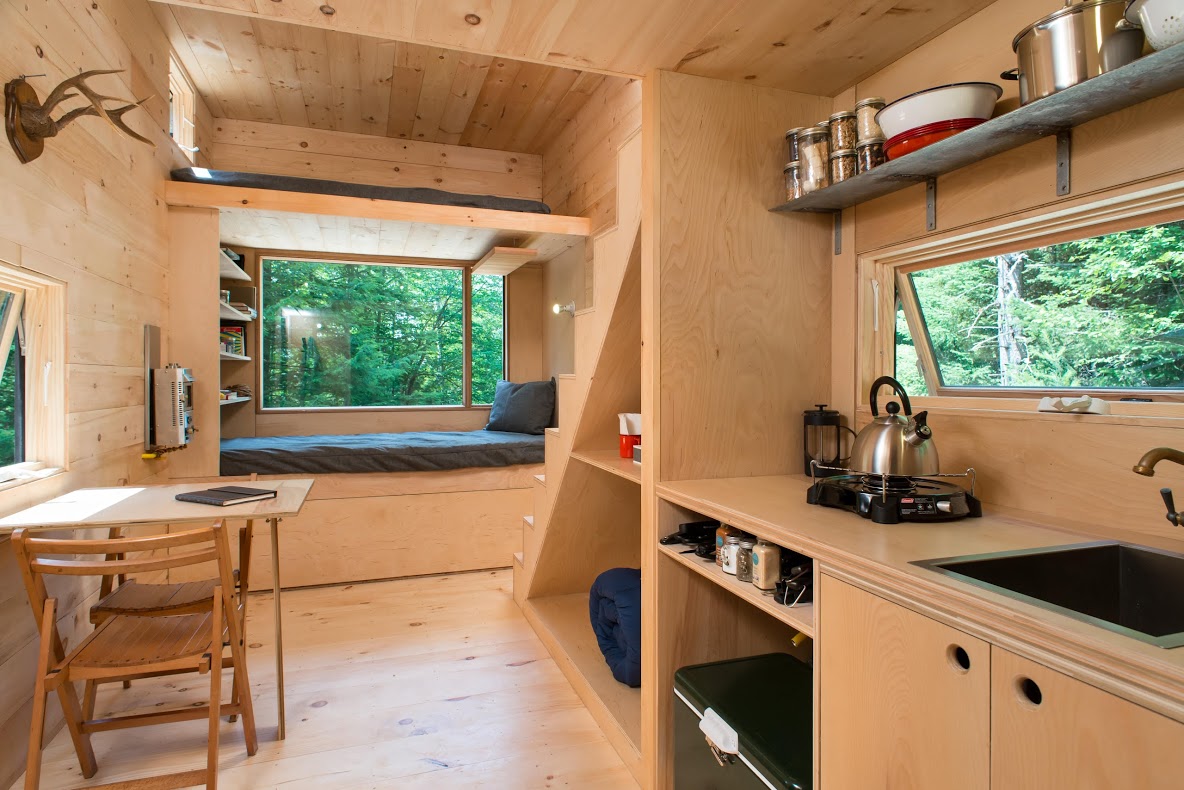
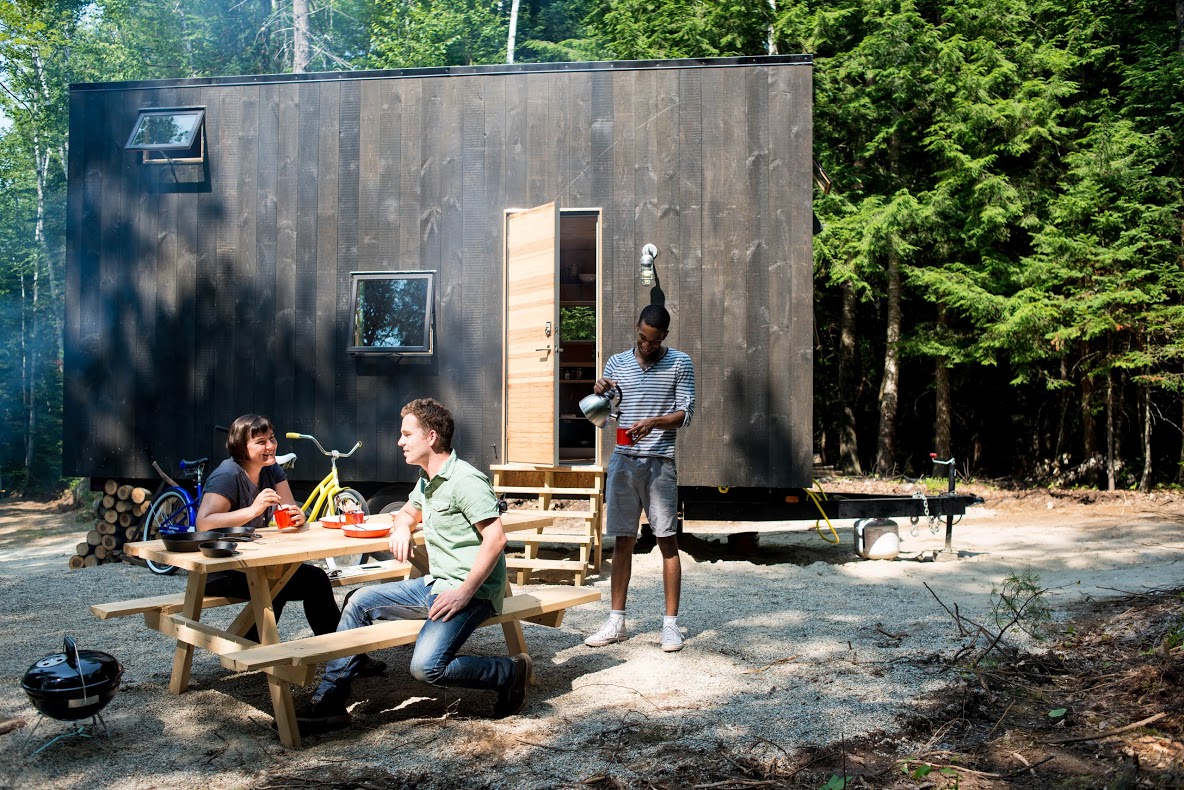
Tiny homes are everywhere. Photogenic and adorable, who hasn’t been curious what they’re like in 3-D? The differentiator with Getaway homes is that these micro-buildings are rentable. Situated on beautiful rural landscapes, they can be used as a hotel by city folks looking to escape for a digital detox, a bonding weekend with friends, a romantic anniversary, or a meditative retreat.
“Test driving” one with no long-term commitment might encourage users to adopt tiny-home practices in their regular lives.

The Boston-based business planted their first Getaway house in southern New Hampshire, and immediately began bookings. They plan on bringing Getaway units to more cities, and developing more housing ideas though the Millennial Housing Lab. Getaway houses sit on secluded, quiet land within two hours of a city. physically close enough to the city for easy access but “spiritually far” away to guarantee a refreshing recharge. All sites are leased from local property owners, putting dollars directly into the rural economies in which Getaway operates.
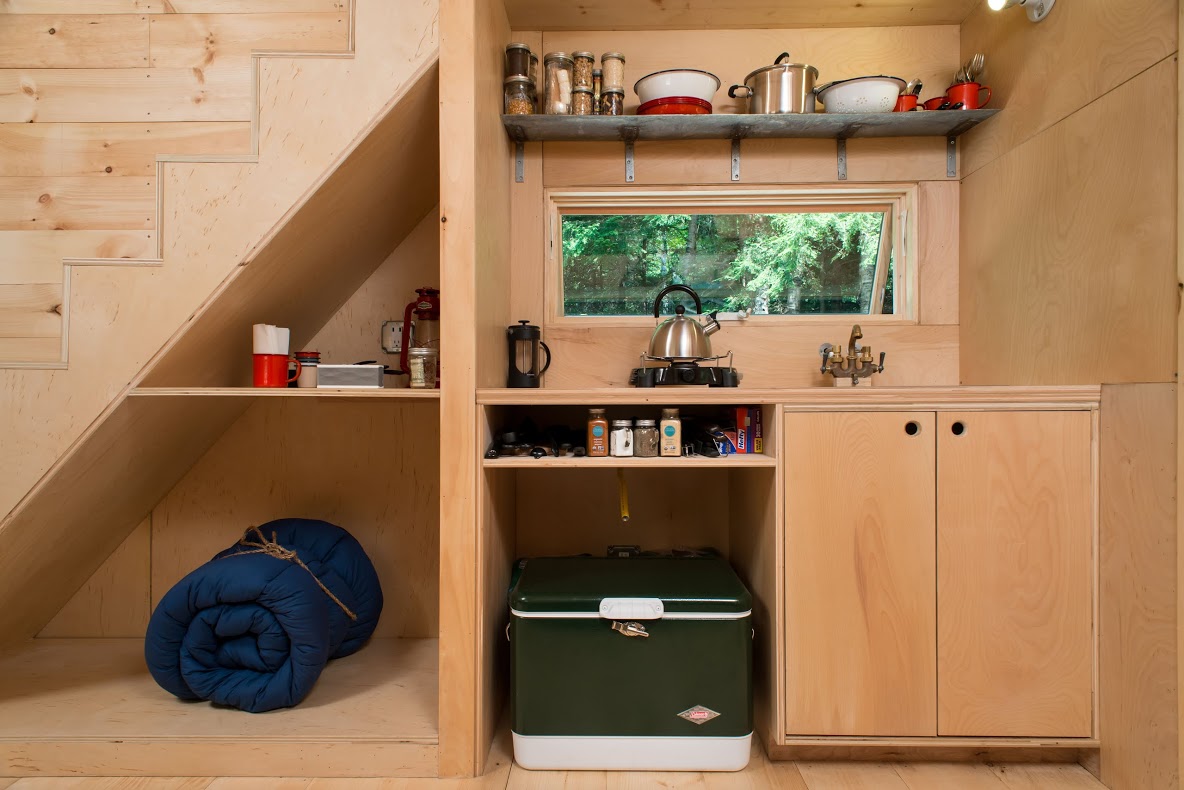
The houses provide the comforts of a standard home, including a comfy queen bed, and off-grid stove, toilet and shower. Rentals come with classic books and board games, barbecue grills – and the ingredients for s’mores!
Jon Staff and Pete Davis founded The Millennial Housing Lab, and designed the Getaway with Addison Godine, Wyatt Komarin, and Rachel Moranis. Go to the Getaway House website for more details on pricing and availability.
Turkish couple invited 4,000 Syrian refugees to their wedding feast!

 Quick! What’s the best wedding you ever attended?
Youtube archives threaten to break the internet with flash mob proposals, bridal party dance antics, and epic fail toasts. Meet a young Turkish couple that refreshingly flipped their big day on its head, making a naturally narcissistic milestone into something all about others. They invited 4,000 Syrian refugees to their wedding feast!
Earth up for sale – save it by buying it!
Back in high school we bought a few acres of rainforest in Brazil – to save it. To stop illegal logging. To preserve biodiversity. Instead of buying just an acre or two or a few hundred, a researcher from Israel has a plan to save the world’s biodiversity – by buying 1.4% of the planet using crowdfunding.
Prof. Uri Shanas of the University of Haifa has launched an unusual new initiative: a massive, international, and democratic “purchase group” open to all that aims to save the Earth. “It is neither possible nor necessary to conserve the entire planet all the time,” Prof. Shanas explains.
“But if we manage to conserve even a small percentage that is home to an unusual diversity of plant and animal life in danger of extinction, we can go some way to halting the current process of species extinction.”
Prof. Shanas is using the crowdsourcing technique to raise the funds needed to launch the initiative.
He explains that many species of plants and animals already face extinction, and the list is getting longer due to global warming and the ongoing destruction of open spaces. “We can’t always predict the consequences of the disappearance of a single species from the ecosystem,” he admits, “but there are examples of systems that have collapsed to an extent that has influenced human life following the extinction of a single species.
“For example, the disappearance of the sea otter in the Pacific Ocean led to an increase in the population of sea urchins. The sea urchins ate seaweed that provided the necessary underwater habitat for development of fish and other sea life. The consequence was a collapse of fisheries that affected many fishermen and their families.”
Prof. Shanas’s plan for saving biodiversity is simple: 1.4 percent of the Earth’s surface is currently defined as “biodiversity hot spots” – areas with numerous plant and animal species on the brink of extinction.
Purchasing these areas and transforming them into nature reserves will save these species, and thereby save life on the planet.
If the necessary funding is raised to launch the organization – known as TIME (This Is My Earth) – anyone around the world, adult or child, will be able to join by making a payment of at least one dollar. Once a year, all the members will vote on how to invest the organization’s funds, based on a list of biodiversity hot spots prepared by an international team of scientists.
Every member will have an equal vote, no matter how much they pay.
Prof. Shanas emphasizes that the TIME group differs from existing efforts by groups and individuals to purchase land for the purpose of conservation. The difference lies in the democratic, international, and public character of his initiative, as well as in the fact that members in each country will be responsible for caring for the purchased areas. “The goal isn’t to engage in some kind of ‘green colonialism,’ but to enable local residents to manage their own natural resources.
“We are interested in founding an organization that can help educate people to involvement, environmental conservation, and democracy from an early age. And yes – to save the Earth in the process,” he concludes.
Great idea, but who will manage the purchased land and protect it into the future will be the bigger question.
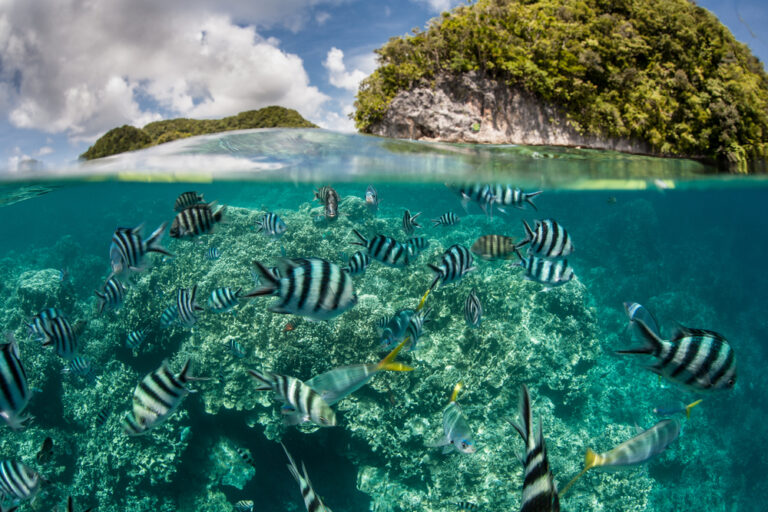
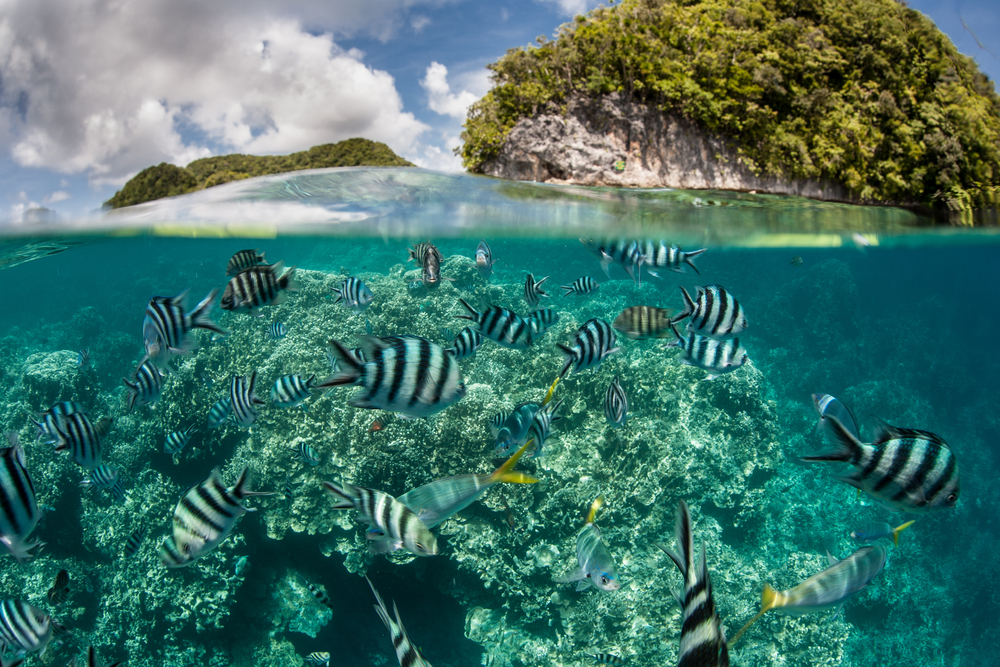
Photo of damselfish at sea from Shutterstock