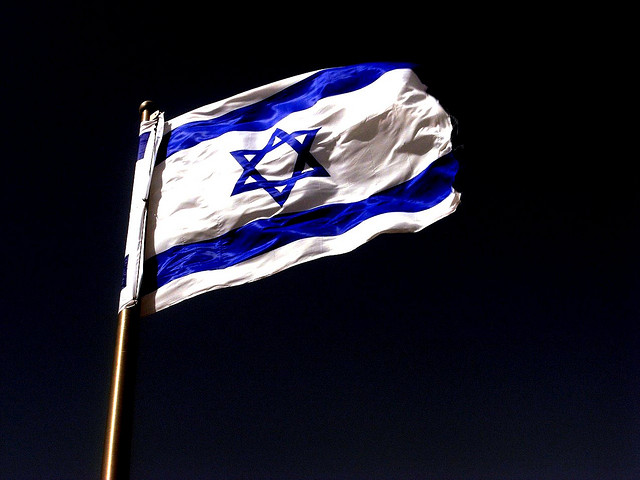
Israel’s status as one of the leading tech hubs across the globe is currently on display for the world to see inside Tel Aviv’s Ben Gurion International Airport (TLV).
As noted in our recent article on the topic, 60 scientific and technological innovations are being displayed throughout the airport, which means a potential audience of eight million will see just how much the country has contributed to today’s top tech.
However, as impressive as Israel’s past achievements are, the tech market has not yet reached its full potential, according go to Chief Scientist of the Israeli Ministry of Economy Avi Hasson. Talking back in 2015, Hasson suggested that the country’s recent success in various areas of the tech world is a mere patch on what it could achieve in the coming years.
Israel is Top for Tech

According to Forbes, Israeli firms have been buoyant on Wall Street in recent years with one area in particular performing well: cloud computing. According to Statista, public cloud-computing services alone are worth $175 billion, so it’s fair to say that the industry is booming and that’s great news not only for Israel, but the IT tech industry as a whole.
A major part of the cloud-service industry is security. As explained by Incapsula, website security services, such as web application firewalls, are making businesses safer. While the ability to protect against threats like cross-site request forgery, SQL injections and more is important, it’s the fact these services are cloud based that’s great for businesses.
Cloud computing removes the need for complex hardware and, with prices for services continually falling, access to cost-effective website security is now well within the reach of all small business owners. This, in essence, is what’s made the industry so valuable and why Israel continues to sit among the top tech nations in the world.
Israeli Tech Firms Still Attracting Major Funding

Indeed, aside from Forbes highlighting the positive 2015 performances byIsraeli security companies, many other startups across the country are currently thriving. While tech funding in the US might be slowing down, a recent article by haartz.com suggests that the same thing isn’t happening in Israel.
At the start of June, three Israeli firms managed to raise just under $145 million in three days. Leading the way with a $50 million investment was augmented-reality hardware and software company, Meta.
Founded by Israeli Meron Gribetz, the company managed to secure support from (impact fund) Horizons Ventures, Banyan Capital, Comcast Ventures, GQY and Tencent and will now work on its Meta 2 Development Kit. Currently available to developers and creators, the technology allows users to use direct hand interactions to control virtual settings.
With virtual and augmented reality currently riding the crest of a wave, companies like Meta are making their mark on the world scene and that means Israeli tech is making its mark on the world scene. From security to virtual reality, Israel’s future in the tech world is certainly looking bright.




 It’s common knowledge that cows destined for the meat aisle are shot up with antibiotics and fed water and chow dosed with lower levels of the same, intended to promote growth and reduce disease. Turns out this does more damage than just create drug-resistant microbes. A recent study suggests they could also be boosting greenhouse gas emissions (GHG) via a most unsavory delivery vehicle: cow farts.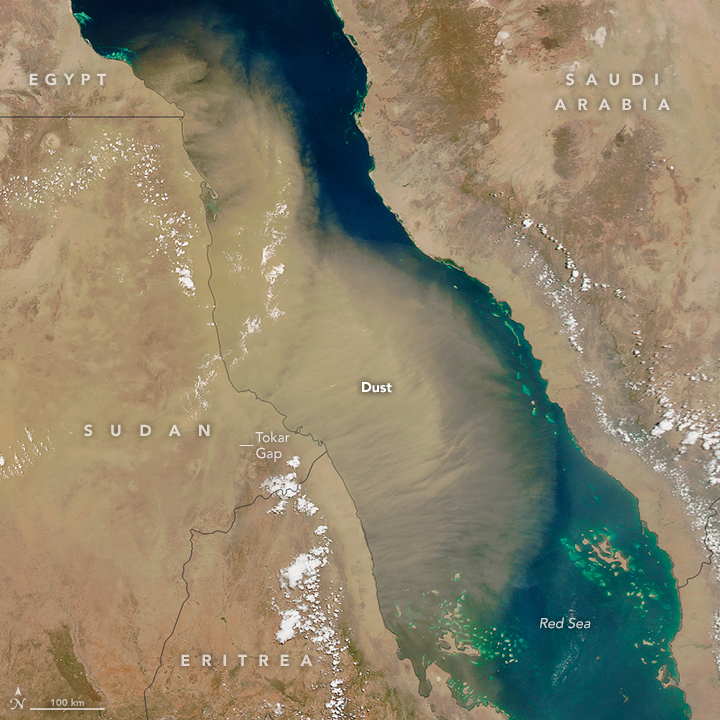


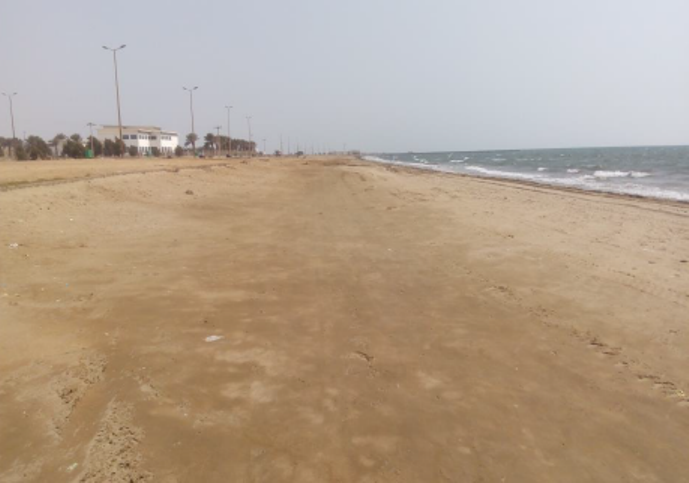


 This year’s World Environment Day (WED) put a high beam on illegal trade of wildlife. Event sponsor, the United Nations Environment Programme (UNEP), called on everyone to “go wild for life” and take action to help safeguard species under threat. In Saudi Arabia, a team of environmentalists and corporate volunteers took to a beach along the southern Red Sea to do their bit for marine life.
 Eight pounds in as many weeks. Painlessly (and surprisingly) gone. Not enough to drop a dress size, but enough to send me hunting for a belt. And I credit…mindful eating. After a lifetime of core health beliefs built on the twin towers of




 The International Olympic Committee (IOC)