Home Blog Page 237

Join the urban farming movement

0

urban-farming-in-the-city
Urban farming, whether found in large urban cities like Chicago, or in a Palestinian refugee camp near Bethlehem, is rapidly becoming a worldwide movement. All it really takes is a small, available plot of ground, an accessible rooftop on a warehouse or other urban building; or even a large balcony in a private home for growing a wide variety of fresh garden produce.

City dwellers are now enjoying the pleasure and personal benefits of growing their own garden produce, which is often very expensive when purchased at local supermarkets and green grocers. Urban farmers who lack experience in growing their own veggies are receiving assistance from urban farming organizations, such as one called Urban Farming, a Michigan based NGO, which is making a big impact on turning American and other urban communities into active participants in the global urban farming food chain.

Urban Farming has helped establish local community farming projects in American urban locations such as Chicago, Detroit, Los Angeles, San Francisco and St Louis. Besides giving local residents the opportunity to participate in growing their own garden produce, Urban Farming is also helping to bring people together into a stronger sense of working together as a community. Part of the produce grown in these community farming projects is given to local food banks for distribution to needy people.

cairo-rooftop-garden

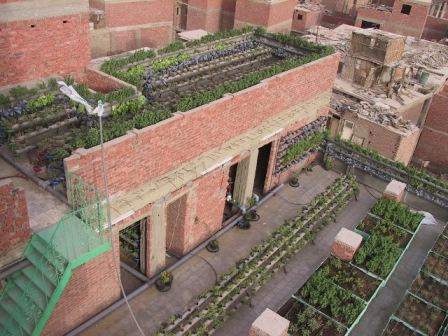
In water and land scarce parts of the Middle East, urban farming is coming into its own. A good example is taking place in Cario Egypt (photo), where a number of urban farming projects are turning rooftops into blooming urban gardens.

Cairo suffers from a combination of extreme population density, combined with a chronic lack of available vegetable produce. Local urban organizations such as the Egyptian Food Sovereignty Project, has established successful urban farming projects in this city of more than 12 million people.

Another M.E. urban farming example is taking place in the West Bank, where Palestinian refugees are now growing vegetable produce in rooftop gardens in a Bethlehem refugee camp. It all goes to show that successful urban gardening projects are possible virtually anywhere. All it takes is a bit of available space and a willingness to be involved in helping to green the planet.

Read more on urban farming projects:

Chicago’s urban farming produces fresh veggies all year, 24/7

Brooklyn’s Gotham Greens builds world’s largest rooftop urban garden

Sow much good farmer a CNN hero for spreading her seeds at the urban farm

Photo of urban farming in the city by Alternet.org

Car accidents and how to avoid crazy Middle East drivers

0

cars-tehran-air-pollution

Car accidents are a number one cause of death in the Middle East. Forget conflicts, more people are dying from dangerous driving. Car accidents, as any police officer, medical personal, or car accident lawyers can tell you, are among the most common and most devastating parts of our culture. Even in New York where public transportation is common and widely available, almost everyone has a car accident story and can attest to the pain they cause and the inconvenience that they are.

[brid video=”101793″ player=”7642″ title=”WATCH Heated ROAD RAGE Incident CAPTURED ON CAMERA In Houston!!”]

The best way to avoid these hassles is to know the causes of accidents and avoid them. Although you cannot control every accident, a significant amount of accidents could be avoided by remembering the following causes:

Road Rage

If you live in the city, you are likely to experience road rage of some form or another every day. The separation of drivers by their vehicles causes them to act in ways that they would never act if they were face to face with that person. As with anything, everyone has their own style of driving. Some are more cautious, others like to assert themselves, and these factors along with the inability to converse and understand one another lead to those things that we are all familiar with—shouting, gesticulating, and driving recklessly and distractedly.

How to Avoid Road Rage

Feeling irritated with other drivers is unavoidable, but there are things that you can do to alleviate the tension and avoid reckless road rage that can cause accidents. Try to leave on time. When you are late you become tense and frustrated and any delay can tip you over the edge. Begin your drive with a relaxed state of mind. Also, try turning on the radio to a channel that is calming to you.

Drinking and Driving and Other Substance Abuse

Some of the most devastating accidents happen under the influence of alcohol, marijuana, and other drugs. Any of these substances severely impair your judgment. Driving requires constant focus and the ability to make split-second decisions. Neither of these is possible under the influence.

How to Avoid

Get a designated driver, period. Even if you plan on only having a little bit of alcohol or another substance, have someone else drive you home. Don’t gamble with your life or others’ lives.

Texting and Driving

A relatively new phenomenon, texting and driving involves taking your eyes off the road, taking your mind off of driving, and taking one of your hands off of the wheel. This means that if something happens while you are looking away, you don’t even have the mindset or the physical capability to act as fast as you need to. This is one of the most dangerous things you can do while driving and causes horrible results.

How to Avoid

Don’t do it—not even once. Put your phone in the trunk if you have to in order to avoid the temptation. Pull over if you need to send a text, otherwise the conversation can wait.

Following Too Closely

Sometimes whether because of aggression or lack of knowledge, a person following too closely will cause an accident when the person in front of them comes to an abrupt stop. The rule is, follow no less than one car length for every 10mph that you are traveling. This length should be extended for any unusual circumstances such as night driving or driving in bad weather.

Distracted Driving

We have all been guilty of distracted driving. Whether it has been a beautiful sunset, or the need to eat your lunch in the car because of a tight schedule, distractions are a part of driving, but they can cause accidents.

How to Avoid

Minimize what distractions you can, and be wise about the ones you cannot control. If a sunset is beautiful enough to be a distraction, feel free to pull over to a safe place and enjoy it.

[brid video=”101801″ player=”7642″ title=”Sticker For the Lady”]

Traffic Law Disobedience or Ignorance

Laws are sometimes annoying, but they are put in place for our safety. Disregarding these laws is not only a good way to get a ticket, but is a good way to cause an accident. Trying to squeeze through a red light, speeding, neglecting your turn signals, and crossing lanes too quickly are all causes of accidents.

How to Avoid

Always be a student. Traffic laws are in abundance, and we can’t always remember them all. Be mindful as you are driving and if you make mistakes try to learn from them. If you can’t remember a law, look it up. Try to become a better driver every day. Be humble and don’t rebel against the system or the laws. They are put in place for a reason and should be followed.

Energy-generating roads to be built on four continents in 2017

0

wattway colas In 2014, Dutch designer Daan Roosegaarde created a bike path that glows at night thanks to absorbed solar energy. Now manufacturers are tackling larger roads, building energy-producing highways that can generate solar energy and send it directly to existing power grids. French infrastructure company Colas, a subsidiary of Bouygues SA, has developed “Wattway”, a photovoltaic (PV) road surface with planned projects across four continents.

Gift a stranger a coat, and change the world

0

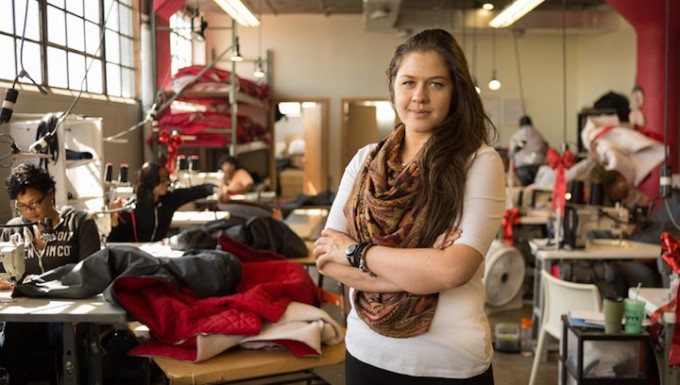
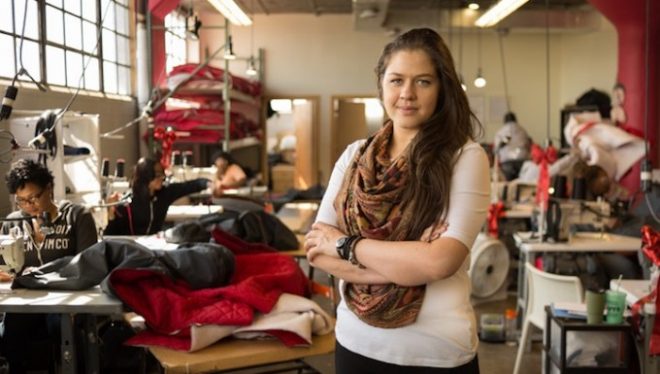
The Empowerment Plan Many Green Prophet readers already turn to alternatives when gifting, choosing to give for a loved one to causes with resonant meaning, or buying items that have impact far beyond the artefact itself. This Hanukkah and Christmas, consider a practical present that ticks all eco-humanitarian boxes, especially as you give it away to a stranger.

Florida beermaker’s edible packaging is saving lives

0

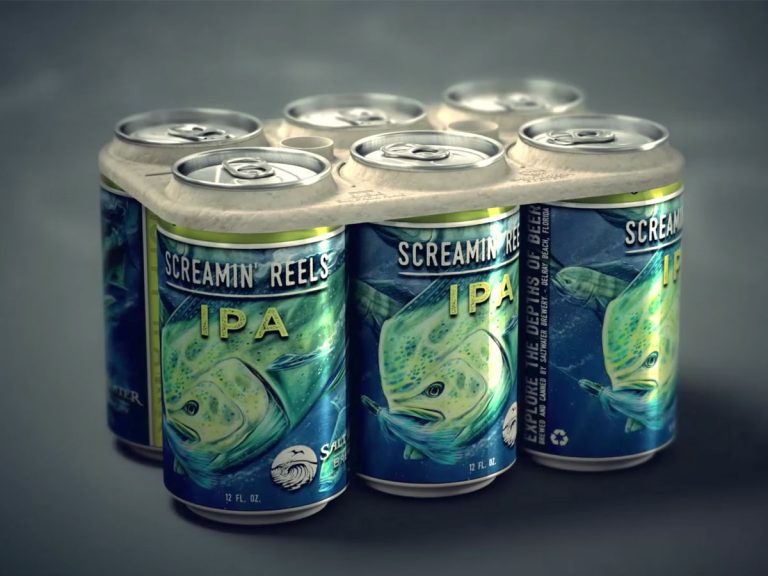
saltwater edible six pack ringsA small Florida microbrewery has developed a biodegradable and edible six-pack ring, a new approach to sustainable packaging aimed at protecting marine species vulnerable to plastic pollution. The decision to go green was an easy one for Saltwater Brewery. The company was founded in 2013 by fisherman, surfers and people who love the sea.

Americans consume about 67 billion cans of beer every year. Factor in canned juices, teas, fizzy drinks, and a trend towards canned wines, amplify those figures globally, and the number of single-use plastic six-pack rings tossed into the world’s waste stream quadruples. Most of these end up in our oceans, posing a serious threat to waterways and the wildlife within.

“Our focus is reducing the marine debris in the ocean. We know we can’t take on the whole world’s plastic problem, but if we help spread the knowledge we’ve learned, that’s the fastest way to reduce it,” brewery president Chris Gove told SouthFlorida.com. “It is how we are reducing our carbon footprint, not just on working on cleanup but focusing upstream. We’re trying to educate the world that cleanups are good but they’re not going to stop the problem.”

saltwater breweryThe brewery makes the rings using leftover barley and wheat ribbons from the beer-making process. That grain is bound with biopolymer, a protein occurring in living organisms, and pressed into ring shapes which are 100 percent biodegradable and edible. Now, instead of getting entangled in – or choking on – the rings, marine life can safely eat them.

“We have to get rid of our waste every time we brew,” Gove said. “You start with a thousand pounds and after wetting it through the process, you end up with 3,000 pounds. It’s a cost to the brewery and a hassle, and we’ve been giving it to farmers for cattle. Now we have something better to do with it.”  The brewery produces about 45,000 pounds of spent grain per week, which is repurposed  by local farmers as compost or animal feed picked up by local farmers.

While the spent-grain compound isn’t an ideal meal for marine species, it’s not harmful. Gove compared it to candy for children, “It’s a comparison of a Lego to a Sour Patch Kid. It’s not giving them their 100% nutritional value, but they’re not going to the hospital.”

Saltwater Brewery developed the project with New York ad agency We Believers. They aspire to have the wider industry move towards eco-friendly packaging, and are now exploring how the idea might be expanded to other biodegradable products. The brewery also plans to sell the biopolymer technology blueprint so that other beverage companies can stop using plastic rings, too. Watch We Believers’ video on the project below:

”We’ve known for decades that our fondness for Ziploc bags, food wrappers and other plastics is hurting the environment — particularly sea life. But both consumers and businesses have proven largely unwilling to give up the convenience of single-use plastics. We’re now focused on the network and infrastructure to create a real company that can provide packaging solutions to different industries,” Gove said.

The switch to biodegradable rings was initially costly for Saltwater Brewery. Currently, consumers have to pay about 10 cents more per beer for the technology. But Gove says they haven’t gotten complaints, and in time, the brewery hopes to get the price of the eco-friendly rings below the cost of plastic ones. The cans, being aluminium, are 100% recyclable.

“Not only are they using up their own waste in a positive way, they’re helping save animals by feeding them instead of killing them with plastic particles,” said PETA spokesperson Laura Castada. “They’ve gotten good publicity and sales out of the deal, too. There is no downside to going environmentally friendly.”

Said Gove, “Our whole brewery is based on the ocean. Anything we can do to help out the ocean, we’re going to do.”

LEGO bike helmet makes safety child’s play!

0

LEGO bike helmetThe US Centers for Disease Control and Prevention says that fewer than half of bicycle riders between the ages of 5 and 14 wear a protective helmet, despite common sense, and well-publicized studies that show helmets cut risks of serious head injury by nearly 70%. Our friend Shimrit died while wearing a helmet on a moped so know that helmets aren’t an amulet but they are essential.

This disconnect from helmets being essential has spurred people at the international advertising giant DBB to devise a playful solution.

They’ve developed a prototype bicycle helmet based on an artifact instantly recognizable to most of their targeted demographic – it looks exactly like the plastic hair on LEGO figures. Truth be told, the helmet copies the head of a Playmobil figure, arch-rival of the LEGO brand.

Two remotely located DDB colleagues designed the helmet, Clara Prior in Copenhagen and Simon Higby in Stockholm office and Clara Prior from Copenhagen.  The pair were collaborating on an MBA thesis that explored whether kids would voluntarily wear bike helmets if there were helmets available that kids would actually want to wear.

The duo turned to design company MOEF to make a model for them last year. They popped a head off one of their Playmobil figures, and put it through a 3D scanner. They tweaked the proportions and played with color-matching to create a comical outer shell for some serious inner safety kit.

You can see their entire design process, including 3D printing and paint job, below:

The picture of the helmet appeared on Imgur, and in UK free commuter newspaper Metro, and soon went viral. No surprise, most adult bike enthusiasts know to use a helmet.

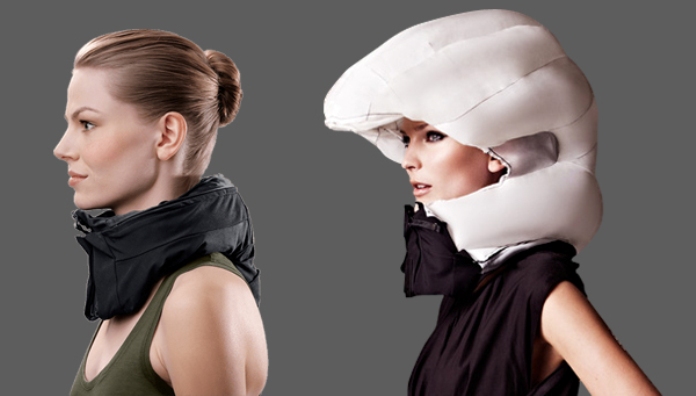
And while new variations do occasionally appear (like the inflatable Hövding Invisible Bike Helmet), who wouldn’t want to sport the greatest “helmet hair”?

Hovedig Helmet

People contacted the designers asking if it came in different hairstyles and colors. A few specifically requested “The Trump”. And people just wanted to know how they could buy one.

Trump naked

Unfortunately, this helmet is only a prototype. Asked by Metro if they were planning to go into commercial production, co-designer Higby said, “I would love to do that. We just don’t know who [to approach] right now.” That said, the pair are petitioning for LEGO to take a look at mass-producing the helmets.

A major study of global bike helmet usage by Australian statisticians Jake Olivier and Prudence Creighton from the University of New South Wales looked at more than 64,000 cyclists and found helmets reduce risks of serious head injury by nearly 70%.

The study also found that while helmets are not associated with preventing neck injuries, cyclists who wear helmets reduce their chance of a fatal head injury by 65%.

Previous studies have indicated helmet use encourages risk-taking behavior or does not reduce serious injury to the brain. But this latest review collated data from more than 40 separate studies found helmet use did dramatically reduce odds of head injuries. They presented their findings in Finland last September at Safety 2016, the world conference on injury prevention and safety promotion.

Gazan farmer is a role model for urban agriculture

0

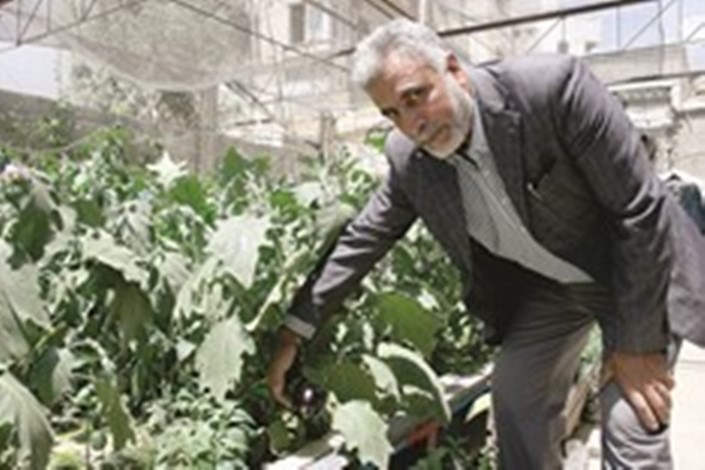
abu nasser gazan farmerPalestinian Said Salim Abu Nasser is on a mission to make urban farming more sustainable. He transformed a derelict lot in Gaza City into a 200 square meter micro-farm that produces safe and affordable food in a maximally sustainable way.

25 eco-athletes swim to save the Dead Sea

0

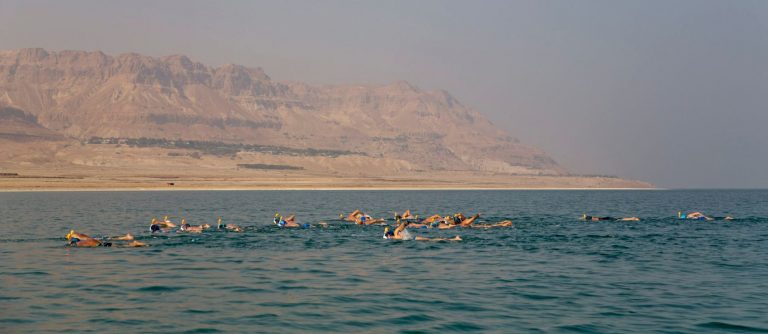
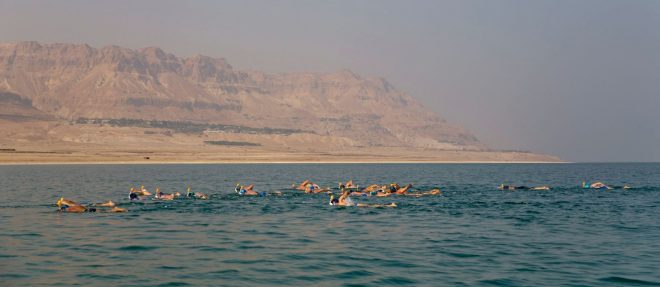
dead sea swimThis week, 25 open water swimmers endured seven hours paddling throught the hypersaline waters of the Dead Sea to draw world attention to the environmental degradation of that three million year old lake. Equipped with facemasks and snorkels specifically designed to protect them from the mineral-rich water, they dove in on the Jordan shoreline, and emerged in Israel. Artist Spencer Tunick lured hundreds into the sea for an eco-float, but this was the first time swimmers traversed the full width of one of the earth’s saltiest waterbodies.

Pee power may be best alternative energy bet yet

0

mechanicalen-pee-power

Finding a viable alternative energy source to create low cost bio energy may be closer than we think. Some of these sources include energy from trash and algae as fuel for our future energy needs. Another alternative energy source, comes from a “product” usually discarded as a waste substance: urine. The use of urine as a
fuel source was previously written about when a group of high school students in Lagos Nigeria created a practical way to separate hydrogen from urine and then use it to power a generator to create electricity.

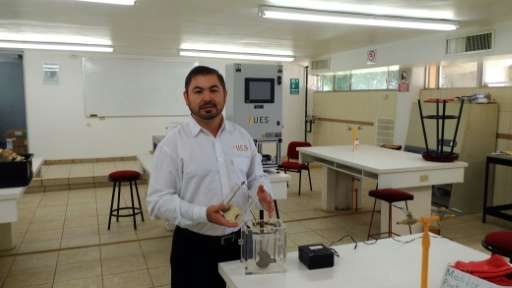
Going one step further, a research engineer from the University of Sorona State in Northern Mexico has found a way to use urine’s natural ability as an electrolyte to separate to separate oxygen from hydrogen in common urine and create a viable biofuel.

gabriel-luna-sandova-and-his-urine-biogas-machine
The engineer, Gabriel Luna-Sandoval, claims to have invented a machine that transforms urine into a biogas that can be used to provide power to heat water in kitchens, bathrooms, and other household uses. The conversion process developed by Dr. Luna-Sandoval involves inserting electrodes into a square plastic container holding the urine. The charged electrodes then separate oxygen and hydrogen from the urine with the hydrogen being used as a biogas.

Luna-Sandoval’s prototype device creates enough biogas to provide His invention provides enough heat for a 15-minute hot shower, using only 15 to 20 millilitres of urine. Cooking food like beans for one hour requires only 70 to 130 millilitres of urine, he says.

He is also thinking about the oxygen separation process as being beneficial for astronauts in space travel. “An average adult person “produces” around 1.4 liters of urine a day, which normally is thrown away. Why not put this waste material to good use, he says. The device Luna-Sandoval created has received attention from the government’s National Science and Technology Council, which featured it in a recent article.

This is just another idea for making use of a waste substance that is normally flushed down the toilet.

Read more on alternative energy ideas:
Algae returns as fuel for our future
Pee power is making electricity from urine in Africa
Energy from Trash to Become Reality with $17 Million Israeli Investment

Photos of Gabriel Luna-Sandova and his urine processing device by phys.org/news 

Swallowing poop pills is good for your gut

0

The presence of poop and poop products in our daily lives has been receiving increasing attention for some time. News stories include the discoveries of meat products fed with faeces and pumped with toxic contaminates. From a product standpoint, creating recycled paper products from poop have also been covered. But swallowing a pill full of poop to maintain good gut health? Has this idea gone too far?

The use of microbiome therapy, literally transferring healthy human gut microbes from one person to another, is very beneficial to maintain a healthy balance of bacteria in human intestines.

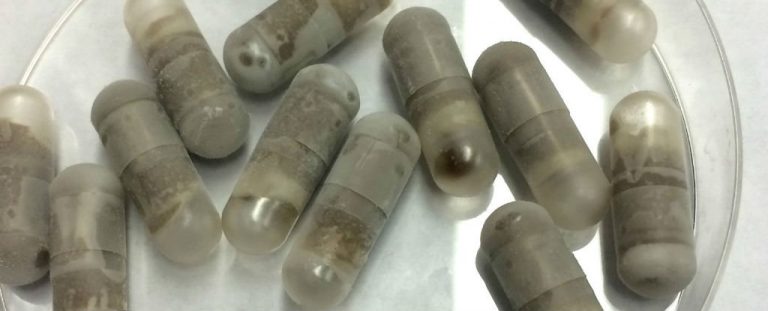
This therapy, now being capitalized on by a company named Seres Therapeutics, literally involves taking human faeces from recognized “stool banks” and then cleaning and processing it into capsules of “poop pills” to be used to maintain the correct bacterial balance in human intestines. Human intestinal “bug balance” often decreases with age, or following over usage of antibiotics. (Update May, 2023: the Seres poop product gets FDA approval).

Seres takes poop samples
Seres Therapeutics Inc. plans to start selling its first FDA-approved product, a drug called Vowst made of bacterial spores derived from donated feces, this summer at $17,500 a course.

People having a severe bacteria imbalance in their intestines can be afflicted with severe intestinal ailments such as Clostridium difficile, a severe gut infection that can strike people after extensive use of antibiotics, which wipes out their existing gut bacterial levels.

Although medications such as probiotics are often recommended in these cases, the poop pills being developed by Seres seem to be more directly connected to the source of the problems.

Scientifically, the process of transferring faecal bacteria from one person to another is known as a faecal microbiota transplant. The ability to do this by simply swallowing a pill or capsule is awesome. Seres’s main competitor is an actual stool bank called OpenBiome.org that provides stool samples of “pure poop” to medical practitioners for microbiota transplants. This idea does not sound good to most people, however.

This is why a pill from a company like Seres may be a better alternative for people suffering from gut-related conditions like Clostridium difficile.

There has been supportive accounts of research in this area:

An Alberta-led clinical trial has shown Fecal Microbiota Transplant (FMT) is effective in treating clostridium difficile (C. difficile) infections whether delivered by colonoscopy or by swallowing capsules.

The finding, published in the Journal of the American Medical Association, could revolutionize and broaden the use of FMT, which restores the healthy balance of bacteria living in the intestine by transferring a healthy donor’s stool to the gut of a person with C. difficile.

Dr. Thomas Louie, clinical professor at the Cumming School of Medicine and the Calgary FMT study co-lead and senior author, pioneered the development of the FMT pill in 2013. “Recurrent C. difficile infection is such a miserable experience and patients are so distraught that many ask for fecal transplantation because they’ve heard of its success,” says Louie. “Many people might find the idea of fecal transplantation off-putting, but those with recurrent infection are thankful to have a treatment that works.”

The study results are a landmark in this field.

Capsules can replace risky colonoscopies

poop microbiome pills

“This will transform the way people think about how we deliver Fecal Microbiota Transplant,” says Dr. Dina Kao, an associate professor with the University of Alberta’s Faculty of Medicine and Dentistry and lead author of the study. “Capsules have numerous advantages over colonoscopy. They are non-invasive, they’re less expensive, they don’t have any of the risks associated with sedation and they can be administered in a doctor’s office.”

Capsules containing frozen donor bacteria taken orally were shown to be 96-per-cent effective in treating C. difficile, the same success rate as those receiving transplant by colonoscopy.

The pills have no scent or taste. They are made by processing feces until it contains only bacteria, then encapsulating the bacteria concentrate inside three layers of gelatin capsule. “The pills are a one-shot deal, not a continuing treatment,” says Louie. “They are easier for patients and are well tolerated.”n

Humans are host to hundreds of different species of gut bacteria, which together help the digestive and immune systems to function properly. However, when a harmful infection requires treatment with antibiotics, those same antibiotics can disrupt the healthy balance of the gut bacteria, allowing opportunistic microorganisms such as C. difficile to cause illness.

People with C. difficile infections suffer from diarrhea, cramping and other gastrointestinal difficulties. In advanced cases, it may be necessary to remove the large intestine. Although rare, C. difficile can be extremely debilitating and resistant to treatment by antibiotics. In some cases, it can be fatal. In Alberta, there are about 200 C. difficile cases every year, of which between 20 and 40 are fatal.

A personal testimonial ingesting 40 poop capsules in one hour

Karen Shandro of Ardrossan, near Edmonton, came down with what was thought to be a routine sinus infection early in 2015. After a course of antibiotics, a tenacious C. difficile infection set in and knocked her off her feet. Further courses of antibiotics did little to help.

“I felt awful. My health deteriorated. I had unbearable diarrhea, no appetite, chills and fever, and I couldn’t keep any food in me,” says Shandro, whose condition became so grave her husband phoned an ambulance and she was taken to the emergency department at the Fort Saskatchewan Community Hospital.

Shortly after, Shandro learned about the study on FMT and agreed to be enrolled in the trial. She was selected at random to receive the transplant via capsules.

Shandro says although there was no unpleasant taste or aftertaste to the pills, the sheer number she had to take was a bit of a challenge. Each participant had to take 40 capsules within an hour. “Afterwards I went home and slept for four hours, then woke up starving, which was something new to me at that point,” she recalls. Her health continued to improve and within two days, she felt upbeat and like her normal self.

Today, she considers her C. difficile infection conquered.

Read more about poop-related issues:

Israeli meat fed with faeces and pumped with toxic contaminates
What recycled paper products from poo look like
Iron rich whale poop essential in Middle East habitats

The subliminal subtext of the 2016 Rio Games

2016 olympicsThe 2016 Rio Olympics are history, but a hindsight review shows a surprising sideshow of contemporary human issues running through the international athletic games. We’re not talking about substandard construction in the Olympic Village, contaminated water, or violent crime.

Instead, we spotted elite athletes using the event to broadcast personal agenda.

It makes perfect sense that this international event be used to flag our attention to modern day matters; consider that more than 30 million viewers tuned in for the Opening Ceremony alone. Some Olympians were cast as accidental spokespeople and others used focused intent. Here are some of the social issues elevated to the world podium, and do tell us if there are others we missed. Let the humanitarian games begin!

female body imageFemale body image – USA’s Michelle Carter won gold in women’s shot put with her final throw, but was fat-shamed by trolls on social media. Impeccably groomed throughout her events, she told IAAF.org before the Olympic trials,“I believe when you take the time to take care of yourself and put yourself together, that helps boost your confidence.”

She’s a certified makeup artist who sells cosmetics via her website, ShotDiva. She told the New Yorker that it’s essential for her to feel good on the field, and decided against caring about what other people think. Carter said, “I think now, it’s like, ‘You know what? We’re girls and we can throw heavy balls and be in the dirt and we look good while we’re doing it.’ I think it’s bringing more attention to the sport and girls are realizing, Hey, I can do this and it’s OK to do this as a girl.”

In addition to her makeup business, Carter also runs a sports-confidence camp for girls called You Throw Girl that works with female athletes, building their confidence to compete.
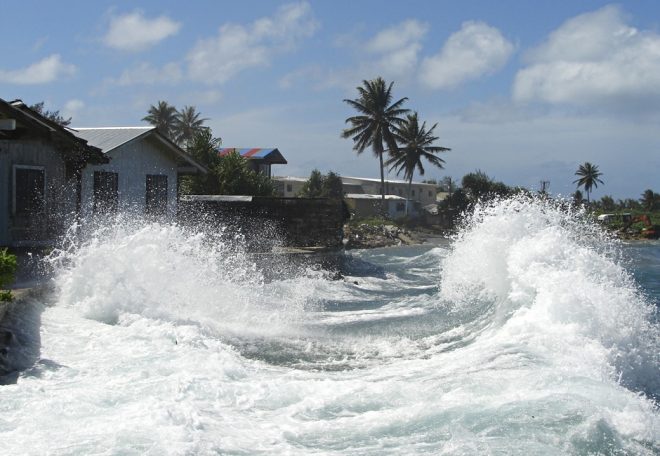
climate change kiribatiClimate Change – Kiribati weight lifter David Katoatau celebrated his sixth-place finish in the 105kg weightlifting competition with a wildly jubilant dance that broadcast a serious message about the survival of his tiny Pacific island homeland. Rising seas from climate change threaten to submerge the 33 coral atolls on which 102,000 people live. Kiribati (shown above) is located about 2,400 miles south of Hawaii.
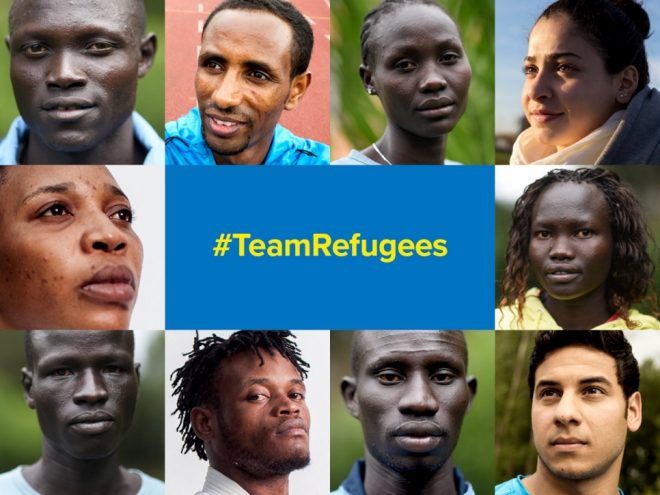
2016 olympic refugee teamRefugees – Ten refugee athletes, seen above, stood as a symbol of hope for displaced people worldwide when they participated in the summer Games as the Refugee Olympic Team (ROT), the first ever team without a national identity.

Upon announcing the team members at a press conference, International Olympic Committee (IOC) president Thomas Bach said, “These refugees have no home, no team, no flag, no national anthem. We will offer them a home in the Olympic Village together with all the athletes of the word. The Olympic anthem will be played in their honour and the Olympic flag will lead them into the Olympic Stadium.”

He added, “This will be a symbol of hope for all the refugees in our world, and will make the world better aware of the magnitude of this crisis. It is also a signal to the international community that refugees are our fellow human beings and are an enrichment to society. These refugee athletes will show the world that despite the unimaginable tragedies that they have faced, anyone can contribute to society through their talent, skills and strength of the human spirit.”

organ donationOrgan donation – German Olympic canoe slalom coach Stefan Henze died as a result of a taxi accident during the Games, but because he was an organ donor, his choice saved the lives of four people. The 35-year-old former world champion had been travelling from the canoe slalom venue when the accident happened, and he later died in hospital due to serious head injuries. His family, who travelled to Rio after the accident, had given their consent to the transplants.

Henze (above, right) was a successful Olympian, winning silver in the Athens games in 2004 with Marcus Becker. He was crowned world champion in 2003 and European champion in 2008. But his posthumous feats are what he will be remembered for. “Heart, liver and both kidneys have been successfully transplanted. Thus he has saved four lives,” a spokeswoman from the Brazilian health ministry told the conservative daily Die Welt.

genderGender fluidity – A new hot-button issue in athletics is hyperandrogenism. It’s a little known condition that was flagged by medical tests that look for banned drugs. In these cases, rather than evidence of doping, the tests detect “abnormally high” testosterone levels in women. Hyperandrogenism is a medical condition that causes a person to produce high levels of hormones and can be caused by differences in sexual development. It is a complex and excruciatingly sensitive issue, as it invades privacy and calls into questions basic questions of identity.

The International Association of Athletics Federation (IAAF), the governing body of track and field, has rules aimed at providing a fair playing field for women by disqualifying athletes with high testosterone, a naturally occurring strength-building hormone. The rules were established after South African runner Caster Semenva (shown above) won a gold medal in the women’s 800m at the 2009 World Championships. Controversy arose because her strenght and speed seemed too “masculine”.  Forced to undergo tests, she was ultimately ruled eligible to compete as a woman, which is how she identifies.

Similarly, the track career of India’s Dutee Chard was nearly derailed when the IAAF, suspicious of her performance, gave her an option to avail herself to a panel of medical experts who could recommend surgery or chemical treatment to reduce her testosterone levels, or stop competing. Ultimately suspended from competition, she challenged the decison in the Court of Arbitration for Sport, and the IAAF regulations are now on hold, suspended since July 2015.

That means hyperandrogenic women were permitted to compete in Rio without having to artificially control their testosterone levels.

According to the IAAF, at least 14 Olympian women have gone through this screening. A 2014 study calculated that seven out of 1,000 elite female athletes may be hyperandrogenic, 140 times higher than expected among the general population.

Middle East sheik takes a turtle for a swim

1

sheikh-sheik-dubai-turtles
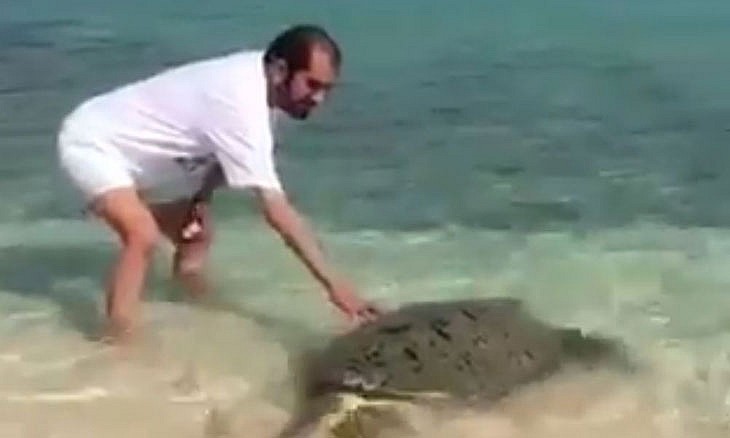
Sheikh Mohammed bin Rashid Al Maktoum is better known for his love of horses than his affinity for sea life. But the Dubai sheik’s new video posted on his junior wife’s Instagram account may change that. The short clip, posted by Princess Haya bint Al Hussein, shows the United Arab Emirates (UAE) VP and Prime Minister and Emir of Dubai releasing a giant sea turtle into the Arabian Gulf.

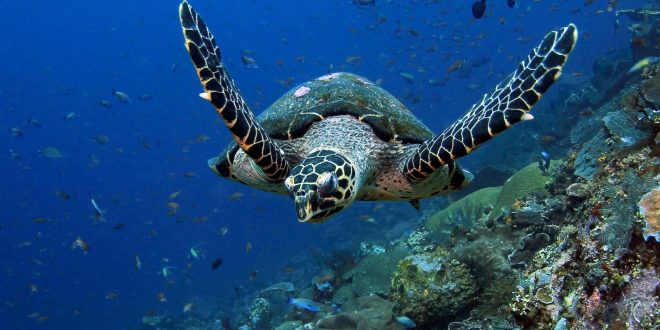
His video co-star appears to be a Hawksbill turtle, native to the Middle East. It’s captured nearly 44,000 views and hundreds of positive comments.

sheik mohammed hawksbill turtle

Last May, the Emirates Wildlife Society in cooperation with the World Wide Fund for Nature (EWS-WWF) launched a groundbreaking initiative for marine conservation, called the Gulf Green Turtle Conservation aimed at conserving endangered marine turtles and vulnerable marine habitats in both the UAE and wider region.

This project picked up from the success of the 2010 to 2014 Marine Turtle Conservation Project, wherein EWS-WWF tracked the travels of 75 female Hawksbill turtles from Qatar, Iran, Oman, and the UAE in order to identify Important Turtle Areas (ITAs) for marine turtle conservation. Their findings have been incorporated as a fundamental component of the UAE’s marine conservation agenda.

See the Sheik’s new swim partner in the clip below:

Sea turtles are vulnerable to climate change, industrialization, and the negative effects of coastal development. According to the project website, the rapidly declining global sea turtle population is threatened with extinction, and critical measures are urgently needed to safeguard the few remaining turtle nesting, feeding and breeding sites on beaches and at sea; as well as their migratory pathways.

Two out of the seven species of marine turtles (sea turtles), the hawksbill turtle (Eretmochelys imbricata) and the green turtle (Chelonia mydas), occur in Gulf waters. Worldwide, the IUCN Red List (IUCN 2008) lists the hawksbill turtle as critically endangered and the green turtle as endangered. At the local and regional level the stocks of these species are threatened and the number of foraging habitats and nesting grounds are continually declining.

Marine turtles are the ambassadors of our seas; they act as an indicator of the health of our marine environment. Unlike Costa Rica, where tourists stupidly swarm to nesting areas to watch the annual turtle migrations, the UAE has been at the forefront of marine conservation. In fact, several of its top luxury hotels employ fulltime biologists to manage their robust programs of environmental initiatives.

To learn how you can support this program, visit the EWS-WWF website (link here).

Turkish watchmakers plant trees with this wristwatch

0

woodstone-watches-sunglasses-wooden-natural-sustainable-fashion

Have you ever made a purchase in your life by which you gave the green light for planting a tree? It’s a great incentive that can be launched by a company anywhere, selling anything.

More often than not, however, the companies that embrace this duty to the environment are ones which use trees to make their products – namely, stationery and wooden products. Makes sense.

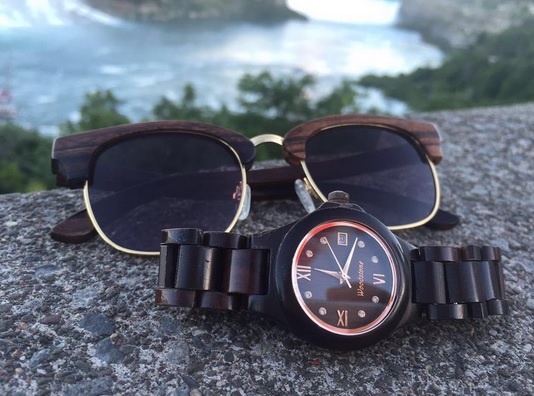
Another company has been added to this do-gooder list: Woodstone, which sells handcrafted wooden watches and sunglasses. For every item sold, a tree is planted. We applaud the two men who are behind the growing saplings. And I do mean young trees, as the company is not even three years old.

Originally from Turkey, Enes Ulutas and Fatih Cigdem were globetrotters who eventually settled on the idea of founding their company. Throughout their travels, they had seen firsthand how wood is so widely used – a wooden spoon here, a wooden necklace there. Simple and strong, yet warm and charming, it became their material of choice when it was time to make the game plan for Woodstone.

The pair still connects with diverse corners of the globe by sourcing fine, durable wood for manufacturing. Currently on the menu are maple, rosewood, black sandalwood and green sandalwood for the watches, and ebony, oak and rosewood for the sunglasses.

Very unique, right? There’s more: no watch or pair of sunglasses is the same. As long as we’re talking about handcrafted wooden goods, identicalness is impossible. Because wood’s patterns are ever-changing, in hues and loops and lines, based on the trees from which it came, no two products can be identical – much like palm lines, or fingerprints.

So the buyer of a Woodstone watch or pair of sunglasses is not only giving back to the environment with the planting of the tree, but is giving a truly one-of-a-kind gift to him/herself or someone else, if it’s a gift.

Enes Ulutas and Fatih Cigdem, like all designers, respect fashion and aesthetics, but they also respect nature. Visit their website to see the latest of their products, and follow them on Instragram @woodstone_wooden_watches.

Images pulled from Woodstone Instagram page. Featured image shows Woodstone’s black sandalwood Venice sunglasses and Queen watch.

“Before the Flood” now streaming, and you thought Halloween was scary!

0

Leonardo DiCaprioLet’s get meta. A “force of nature” is defined as a natural phenomenon that is beyond human control. When three Academy Award®-winning celebrities come together on a film, their combined energies could colloquially be called “a force of nature”. Now imagine that their film is about…the forces of nature. This week an astonishing film premiered – for free! – on the National Geographic Channel – brought to the screen by filmakers Fisher Stevens and Martin Scorsese and featuring actor and environmental activist Leonardo DiCaprio. But the real star of Before the Flood is climate change.
6 simple, pain-free ways to ditch plastics

0

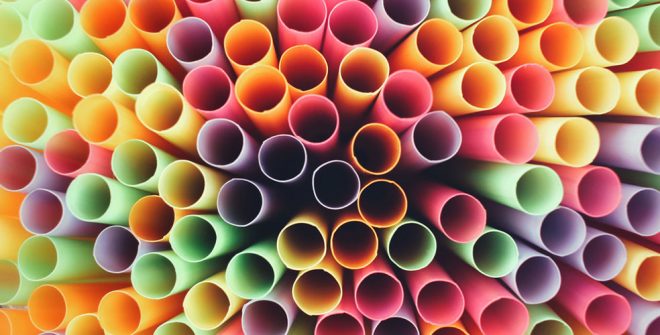
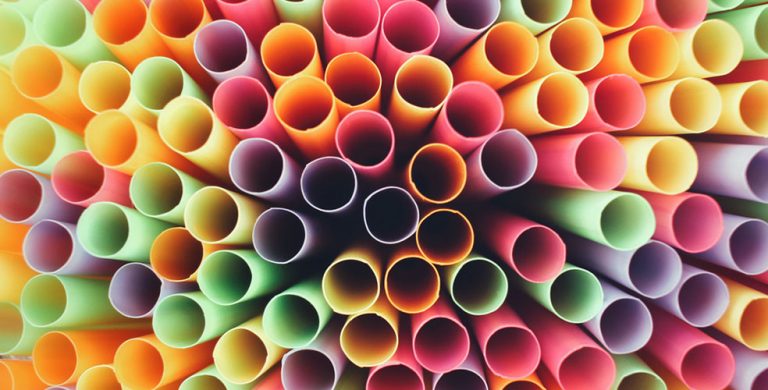
plastic strawsI just met a pair of young Swedes, newcomers to Amman who were quickly appalled by the piles of plastics lining our city streets. They stitched up simple bags from mesh netting that they take to local markets, insisting on using their lightweight, reusable alternative in place of plastic produce sacks. Until the rest of the world wakes up and follows the French ban on single-use plastics, let’s all take control of our own behavior and ditch dump-filling fodder.

My youngest left Jordan for an American university this summer, leaving behind piles of unwanted stuff. Her old bedroom holds relics of a Middle East childhood, but I was shocked to see the imprint she also left in our kitchen. Um, maybe not so much her as me, since I do most of the household shopping. Witness cabinets full of things bought for kid parties over the years – plastic cups and utensils, coated paper plates, and a zillion plastic straws. How could I never have seen how duplicitous I’ve been?  Writing about the environment, while mindlessly contributing to its demise.

That pile of single-use plastic is in the recycling bin now. A struggle to part with the straws (they do make things taste better!) – but after watching a video of a straw embedded in a sea turtle’s nose, there was no other choice. (Viewer discretion advised.)

Like the turtle, this planet can’t digest plastic. Once made, it’s here forever, breaking down into increasingly smaller particles, but never completely degrading. Plastics in our oceans kill a million sea birds a year.  Sealife consume particles, which climb the food chain ladder, meaning we are eating chemical components of plastics, toxins which our bodies absorb.

Since we meet up with single use plastics every day, it is very much in our control to create change. Here are six simple ways to start:

1. Skip the straws – Little kids addicted to the so-fun tubes may whine, so invest in a “sippy cup” with built-in straws. Or start calling straws “babyish”, see how that parental psychology works. Pester your favorite drinks place to invest in biodegradable paper ones, or buy your own eco-straws and pop a few in your backpack to responsibly indulge in that guilty pleasure.

2. Plastic cutlery – Just say no. Channel your inner Girl/Boy Scout and toss a spork (fork/spoon widget) or splade (same, but with a knife function in the mix) into your backpack or desk drawer. Check out affordable versions at ReuseIt (link here). Or save some money, and just use trad cutlery, the weight of a few metal utensils won’t break your back.

3. Drinks in Plastic Bottles – Imagine one-fourth of the volume of any bottle you use filled with oil. That’s the amount of fossil fuel needed to make that flimsy container. Mind-blowing when you consider that – in the US alone – people use 1,500 plastic water bottles per second. Factor in plastic containers for juice, teas, and soda. It sends me looking for a bottle (plastic, of course) of aspirin. Turn to reusable bottles, or a collapsible, pocket-sized vessel like California-based Vapur’s Anti-Bottle (link here). 

4. Drinks in “paper” cups – perhaps not as bad as plastic bottles, and a step up the eco-scale from styrofoam, but the paper is often lined with non-biodegradable plastic, making the cups non-recyclable. So do like the Arabs, and Europeans, and Chinese, and sit down to enjoy that coffee or tea, using a real glass or ceramic cup. Who knew civility was so green?

5. Clear plastic wrap – go raid your mother’s cabinets, flea markets and garage sales for under-used Tupperware. Yes, it’s plastic, but the stuff was made with a lifetime guarantee good for decades of plastic-wrap surrogacy. Or buy modern versions of clickable-lid containers, just check that they’re PBA-free. They keep food fresher, and eliminate leaks.

6. All plastic bags – does this really need a mention? If you live in a nation where free-issue bags are still legal, load up on reusable market bags, tolerate the puzzled look on the check-out clerk’s face, and use them – all the time. Then take a page from my Swedish friends, and head over to Youtube where you can find easy instructions to make reusable produce bags from netting, fabric, even t-shirts. Then, buy yourself a few reusable sandwich bags and stop filling our landfills with single use plastic sandwich bags.

So start by clearing your cupboards, then take your best behavior on the road. It’s painless, and saving the planet feels good.