Home Blog Page 237

The Sixth Mass Global Extinction has arrived

0

161207134536-vanishing-elephant-carcass-1-super-169

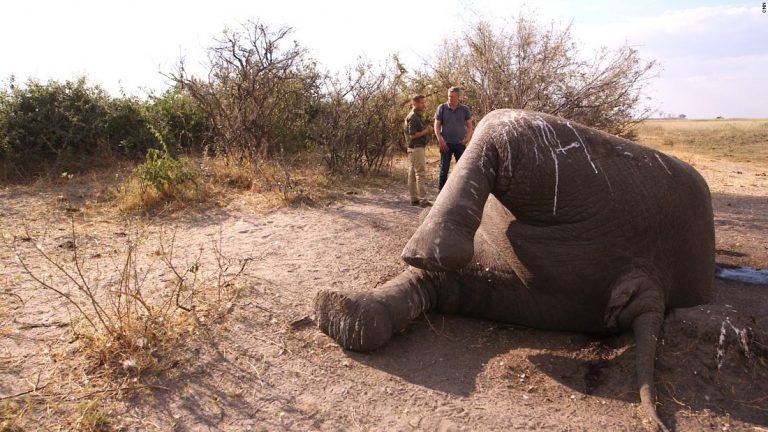
Whether it’s disappearing elephant herds in Botswana (or ones smuggled in suffering at the Abu Dhabi zoo), dying coral reefs in Australia, or near silence of small tropical tree frogs in a Central American rain forest, the vanishing of animal and plant species all over the world is finally being directly attributed to manmade causes. This mass nature depletion, despite previous “wake up call warnings” is now occurring at an even faster rate than biologists and climatologists had previously imagined.

A recent CNN program, Vanishing, dealt with a variety of creatures presently in danger of simply vanishing from the face of earth due to direct and indirect influences of global warming, climate change; and human caused decimation. Ranging from some of the earth’s smallest animal species, such as coral and bees, all the way to the earth’s largest land mammal, the African elephant, the program gives a graphic account of how many of these animal species are in danger to becoming extinct.

Starting with African elephants living in Botswana, one of Africa’s largest remaining concentration of the species, the number of elephants remaining have dwindled dramatically in the past 10 years; and by more than 20% in the past few years alone: “If present elephant depletions continue at this rate, the entire elephant population here could be gone in the next 20 years,” said a Botswana based zoologist.

Although elephants and other large animal species like giraffes are more noticeable as being severely endangered, the fate of many small creatures are mentioned as well. These include Oregon bumble bees, Central American rain forest amphibians like tree frogs; and coral reefs off the coast of Madagascar. These animal species in particular appear slated to become part of the Sixth Mass Extinction, according to the CNN program.

As pointed out in the program, the resident bumble bee populations of many areas have declined so dramatically in recent years that local farmers are now importing bees to be used to pollinate their crops.

One of the most graphic examples of mankind’s adverse influence on natural habitats, according to the Vanishing documentary, takes place on the Pacific Midway Island atoll. Located virtually midway between the continental USA and Japan the atoll is home to large colonies of albatrosses and other marine birds. It is also a “collection point” for huge quantities of plastic wastes that wash up on the island’s beaches from the ocean. Located in the vicinity of what is known as the Great North Pacific Gyre, this plastic waste is often ingested by the birds, eventually killing them.

The tragic result are large number of dead birds; their gullets literally filled with this plastic material the birds thought to be food. Studies of the large “plastic island” waste patch in the Pacific Gyre estimate it to be larger than the American state of Texas.

In a region closer to home, the Middle East, the demise of animal species is no less alarming. The last lion was killed in Palestine more than 150 years ago; and the few remaining leopards in Israel and Jordan are now on the critically endangered list. This also goes for the once common Syrian bear; now seen more in zoos than in the wild. Hoofed animals such as the oryx and Nubian Ibex are also on the endangered list. These are only a few of formerly indigenous mammals that have either become extinct or are in danger of becoming so due to human encroachment and climate change.

It may be already too late to significantly reverse these disturbing trends. But at least we need to make a more concerted effort to save what’s left of the world’s animal species. If not, humankind will be directly affected by this Sixth Mass Extinction as well.

Read more on wildlife extinction and endangered species threats:
Earth is in the midst of its sixth mass extinction – wake up call, folks!
Oceans spiralling downwards, threatening life on earth
Israel Animals Killed by Economic Development


Reuse – a buzz word for the telecom industry for years

0

teen-cell-phones-cancer

Reduce, reuse and recycle. This is a very well-known axiom in our day that summarizes the waste management hierarchy in three easy to remember alliterated words. It is little known, however, that the second ‘R’ of this triptych is a principle that has been widely used by the telecommunications industry since its inception. The motive behind the principle of reuse for telecommunications is less than virtuous. Nevertheless, the green benefits it provides are immense and often overlooked. The reuse of infrastructure is a very vital part of telecommunications and network design and although it was not initially employed for environmental purposes, has resulted in a vast reduction of pollution and adverse environmental impact.

Telecommunications requires cabling – and lots of it. The world’s undersea fibre optic network alone is estimated to be composed of almost 900,000 kilometres of cable! Add to that all the land based fibre optic cabling and the traditional copper cabling that connects homes and businesses to telecommunications providers all over the world and you get tens and hundreds of billions of kilometres of cabling.

All of this cabling has to be physically placed somewhere. Early on, in order to keep it out of the way, it was either strung on what we traditionally call telephone poles, or more expensively, was buried underground – out of sight and out of mind. But as this infrastructure has continually been expanding for over one hundred years, engineers quickly found ingenious methods of installation: install it near other similar infrastructures that span long distances such as roadways, water mains, power cables and natural gas lines.

For example, when building or upgrading a railway, the right-of-way of this infrastructure can be reused by the laying down of cabling such as telecom and rail cable and installing both the railway and the telecom infrastructure in one go. In this way, costs are drastically reduced – and this is the main motivation for such endeavours. A side effect, however, is the reduction of pollutants that would result from having the telecom infrastructure installed as a separate project and the mitigation of the environmental impact on the areas of construction.

Today this concept has been brought several steps further. When a new road, railway, water mains or any other such infrastructure project is being developed, it can very inexpensively include accommodation for telecom cabling. This is usually in the form of specially designed pipes that are laid down along the new infrastructure being constructed that can house telecom cabling. Enough pipes are installed so that if additional cables are needed, these can be relatively easily and cheaply added using a cable blowing machine which can blow several kilometres of cabling into the pipes in one go. No heavy machinery is necessary, no digging up of roads and no repairing roadways with asphalt is required, and thus there is less impact on the environment.

Other notable cases of reuse in telecommunications include the development of xDSL technology to reuse the ubiquitous copper telephony infrastructure for higher Internet speeds. Similarly, regions of the world where extensive coaxial cable TV networks exist have reused this infrastructure for the same purpose. No digging is necessary and no carbon producing heavy equipment need be deployed. Just change the devices on either end of the cable and there you go. Reuse in action.

All in all, the telecom industry is very familiar with the reuse of infrastructure which results in a greener world for all of us.

Ready-washed bags of salad? Best used as compost!

0

bagged salad unsafeThose convenient bags of prepared salads are breeding grounds for bacteria, so say scientists from Britain’s University of Leicester. The best defense against inadvertent food poisoning is a hearty and immediate appetite: researchers advise consumers to eat bagged salad as soon as possible after opening the package.

The study, published in the journal Applied and Environmental Microbiology, found that liquid from broken and torn leaves can boost bacteria growth by more than 110 percent while the veggies are still in sealed bags. Popular ingredients found in ready-made salads across the United Kingdom and Ireland were tested, including baby green oak, cos, red romaine, spinach, and red chard.

Lead scientist Dr. Primrose Freestone, from the university’s Department of Infection, Immunity and Inflammation, told the Telegraph, “Salad leaves are cut during harvesting and we found that even microlitres of the juices (less than 1/200th of a teaspoon) which leach from the cut ends of the leaves enabled salmonella to grow in water, even when it was refrigerated. These juices also helped the salmonella to attach itself to the salad leaves so strongly that vigorous washing could not remove the bacteria, and even enabled the pathogen to attach to the salad bag container.”

She said the study emphasized the need for salad leaf growers to keep up high food safety standards, as even a few salmonella cells in a salad bag at the time of purchase could become many thousands by the time the product reaches its use-by date.

“We found that even microliters of juice (less than 1/200th of a teaspoon) which leaches from the cut ends of the leaves enabled salmonella to grow in water, even when it was refrigerated,” said Freestone. “These juices also helped the salmonella to attach itself to the salad leaves so strongly that vigorous washing could not remove the bacteria, and even enabled the pathogen to attach to the salad bag container.”

Salmonella causes food poisoning, which produces symptoms ranging from nausea, stomach cramps, vomiting, diarrhea, and fever developing between 12 and 72 hours after becoming infected. Food poisoning usually lasts between four and seven days.

The Food Standards Agency (FSA) told The Huffington Post UK, “Salmonella is not a problem regularly linked with bagged salads – there has only been one incident reported to the FSA in the past 5 years.” But despite the seemingly low occurence if infection, experts advise consumers to avoid pre-washed salads, and if purchased to keep it chilled at all times, although refrigerator temperature does little to halt the spread of the bacteria.


What will you eat on Mars?

0

600_456642919

Israel agtech company flux aims to feed hungry astronauts with novel “plant language translation” technology

Internet entrepreneur and Silicon Valley icon Elon Musk has declared he is sending humans to Mars. But who will feed them? Leading Israeli agritech companies, along with hackers, foodies, past members from the Israel Space Agency and international guests from Holland are devising the way. They are calling themselves Mars Farmers, and will meet for the first time in Jaffa, Wednesday December 14 to lay the groundwork for creating farms and food for hungry astronauts and Martians. Join them here.

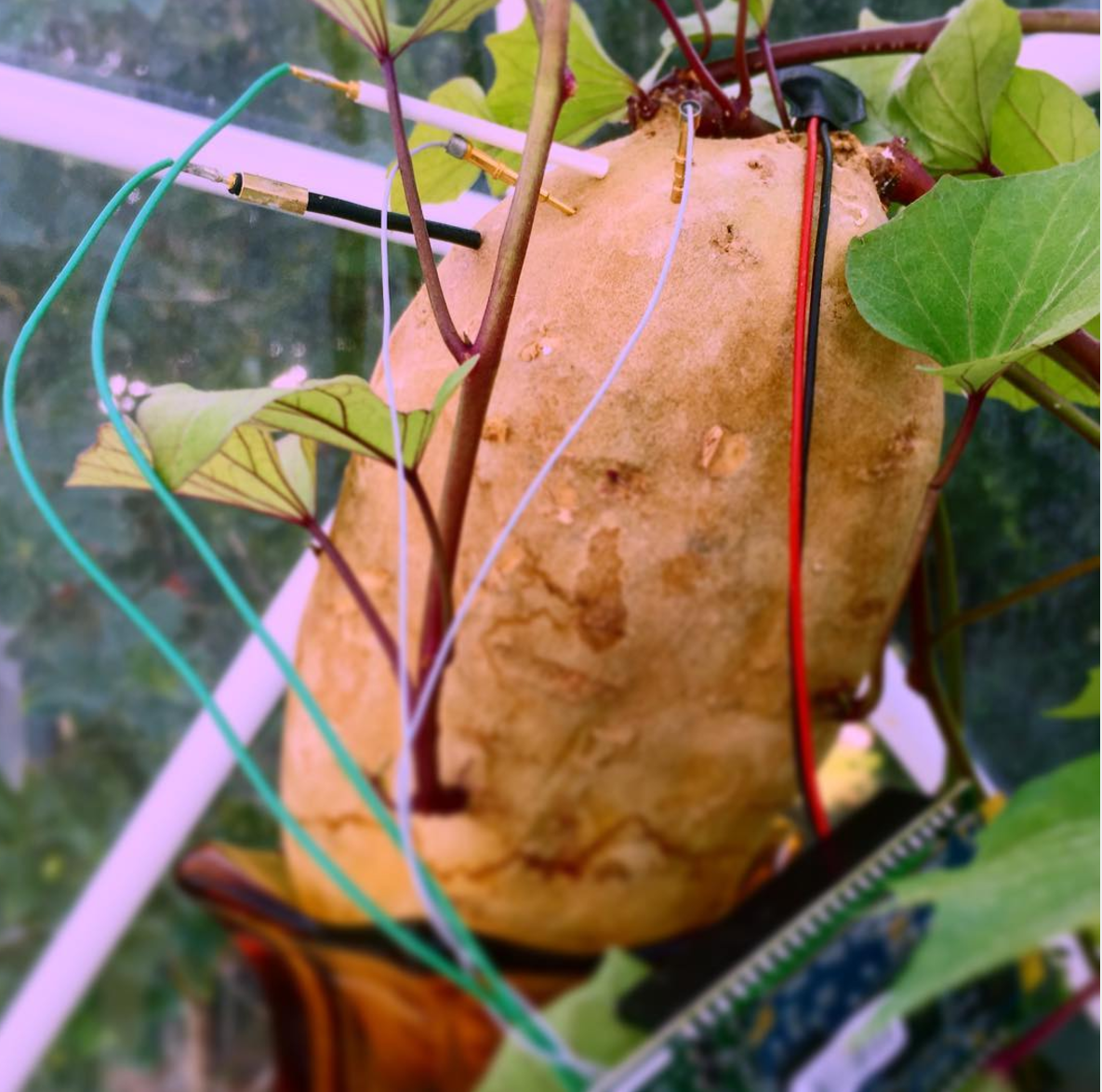
The group is led by the Israeli-American agriculture startup flux (www.fluxiot.com), which has created a device called Eddy that listens to the language of plants, allowing people to grow hyper-personalized and sustainable food; and Holland’s Border Labs, a futuristic think-tank working with the European Space Agency on devising ultra-efficient ways to grow food on earth and in the toughest conditions in Space.

All the talk of missions to Mars are enrapturing the brightest minds in tech,” says Blake Burris, the CEO of flux. “It’s time for us humans to get out of our circular way of thinking. To make radical, disruptive change to our broken food system, we’ve made a beeline for Space.

“Going in that trajectory challenges to innovate in the toughest conditions in the Universe, and the fruits of such thinking leads to novel approaches we can apply to live in symbiosis with plants and our food on Earth.

“We are taking the lead in this space will empower the first farmers on Mars,” says Burris.

screen-shot-2016-12-07-at-12-48-52-pm

The meeting scheduled in Jaffa (http://fluxiot.com/marse.io/) will include workshops to create an open-source standards for collecting earth data, as well as building blueprints for vertical farms that could work in Tel Aviv, Chicago, Toronto –– and on Mars. The intent is to use the forum to begin new initiatives in food and sustainable cities that will be suitable for Mars but also be directly applicable to life on the Blue Planet.

Karin Kloosterman, originally from Canada, founded flux with an Israeli R&D team to take the best of Israel’s military smarts to create benevolent technologies that can feed humans more sustainably. She is also the founder of Green Prophet. The company’s first product is focused on hydroponics, or growing food on treated water, with no dirt.

“Hydroponics is the most progressive way to grow food and medicine, and it will be the only way to feed people on Mars,” says Kloosterman, who explains that while it’s still just catching on in Israel, it’s widely accepted in countries like Canada and the US: “Innovation that’s created in this space has radical implications for business too: in cultivating raw materials for pharmaceuticals, personalized food, and of course, food that’s rich in variety and full of flavor.

geektime-flux-eddy
Karin Kloosterman presents Eddy at Geektime’s annual conference. flux was chosen to be one of Israel’s top 10 startups in 2016.

“To consumers, think about how fun it could be to grow food you love, but with specific flavors and characteristics such as strawberries with flavors from our grandparent’s time, but with 100X the antioxidants of what you can find on the market. We are not talking about GMOs, but rather using environmental sensing and finely-tuned orchestrations of lighting and nutrients, to help a strawberry or any plant, grow in a way that is suitable to you.”

High-profile guests from Israel’s food industry will be there, as well as top thinkers in areas of Blockchain and cloud computing.  

mars-farm-o

How to go green with eco-friendly clothing

0

pure-rootz-organic-clothing

If you thought the trend in clothing was showing your nips, you couldn’t be more wrong. So, what is the trend you ask? Well, first and foremost–it’s going green! Living a sustainable lifestyle isn’t limited to recycling water bottles and buying a few plants. No! You can choose to go green through your clothing, as well. I know, you’re wondering if you’ll be stuck to wearing a burlap sack. I have some good news. You can wear more than just a burlap sack, you can actually be quite stylish with eco-friendly clothing.

Listen, clothing designers have to keep their ears to the ground. They know their customers are doing more to sustain the earth and the environment. So, they are getting in on the eco-friendly trend.

And, I’m not trying to diminish going green. It is not a trend, it is definitely a lifestyle that we should all follow as best we can. The more knowledge and research you perform on the subject, the more actions you can take. It doesn’t have to be all or nothing–baby steps are fine, as long as you continue to build upon what you have learned about going green. So, let’s talk about eco-friendly friendly fashion, okay?

Eco-friendly and trendy

Top designers are already embracing synthetic and recycled materials. Lynette Pone McIntyre,Lucky magazine’s senior market editor said, “When eco-fashion started, the fabrication wasn’t as great. It felt very burlappy. The quality wasn’t quite there. Over the past 10 years, technology has changed so much. You can’t tell what’s eco-friendly or not. People are really caring where their clothing is coming from — anyone from 10-, 12-year-olds to 90-year-olds. Just like they care where their food is coming from, their carbon footprint.”

Currently, green apparel makes up about $5 billion in the $200 billion fashion industry. Still, a decade ago, it wasn’t even half a billion dollars. As you can see, eco-fashion has come a long way. Designers are taking it one step further by producing apparel that people want to wear. This isn’t about the pleather jackets from the 70s.

Sass Brown, acting assistant dean of the Fashion Institute of Technology’s School of Art and Design shared, “Initially, when green fashion started to make any kind of inroads into the apparel industry, it was headed by activists. Now it’s headed by designers and all tiers of distribution and all taste levels and all price points.”

Just as an example, you can purchase vegan shoes in a wide variety of styles and colors. In addition, there are many faux-leather vegan designs and faux fur. They’re just as plush and beautiful as their real counterparts too.

Several decades ago, celebrities and the elites of society, flaunted fur coats and leather wear. Today, it’s rare to see a celebrity actually wear real fur. Green fashion is certainly making many inroads. Plus, technology is helping to push it even further.

nadia_nour-designer-organic-silk-clothingOrganic materials

When you do purchase new clothing, try to consider the material. It should be organic. For example, to grow cotton commercially–insecticides and pesticides are used to ward off bugs, weeds, snails, fungi and molds. These chemicals damage the soil, produce harmful runoff and even cause cancer in farmers.

On the other hand, organic cotton is a natural and non-harmful product. In order for cotton to be labeled organic, it must be grown without toxic chemicals for three years. The same standards apply to dyeing of the fabrics.

How clothes can damage our planet

  1. Chemicals farmers use to protect the textiles can harm wildlife, contaminate the soil and the foods we eat.
  2. Clothes that are thrown away take up landfills. Much of it is hard to decompose.
  3. Chemicals used to bleach and color fabrics can damage the environment and your health.
  4. People who make the clothes can work in horrific conditions, working long hours for little money.

So, it really helps to go green with your fashion. And, this doesn’t mean you have to swap out your entire wardrobe with only organic clothing. Just start taking some inventory and keep these tips in mind for when you want to go shopping again. Retailers that offer organic clothing include:

  • H&M
  • Zara
  • Top Shop
  • Banana Republic


Vintage clothing

Who doesn’t love a classic look? Since some clothing can be hard to decompose, why not reuse them? Reduce, reuse, recycle–right? You can get some great deals on vintage clothing and look quite classy and elegant too. I personally love to dress from different eras–don’t we all?

You don’t have to wait for Halloween either. Plus, vintage clothing gives you a unique way to expand your wardrobe. You might even find some items in mint condition. Don’t let that fashion go to waste. Moreover, you don’t have to worry about someone else having the same outfit!

Ask mom or grandma for some clothing

You can be sure they have some great pieces in their closet. They might not even wear them anymore. This is another way to get some vintage fashion.

If they’re willing to part with it, this is the most inexpensive means of going green with clothing. My grandmother gave me a wool coat she bought in the 70s. It is my favorite coat that I use every winter.

Make something new out of your old clothes, or repair them

If you can sew buttons and small tears, then there’s no need to ditch your clothing. You can also ask a tailor. Like most people, you probably have items stuck in the back of your closet that you haven’t worn in ages. Try new combinations for a fresh look. Maybe replace the buttons, or sew on some rhinestones. You might find you have a new hobby, while ensuring your clothing doesn’t contribute to overwhelming landfill spaces.

Now do you believe that you can go green with eco-friendly clothing and not be limited to a burlap sack? Do some research for retailers that have organic lines, and you may be surprised at the variety and well-known brand names. And, strut your stuff with vintage fashion—this includes mom and grandma’s closet if they’re willing!

6 ways to make your apartment greener

0

cave, architecture, Airbnb, Columbarium, Israel, natural materials,Going green has gone decidedly mainstream now. Governments are encouraging green buildings with tax incentives while buyers are willing to pay a premium for your property if you’ve invested in green technology. If you’re looking to sell your house quickly and lucratively, there’s no better way than going green.

But most of the advice on going green assumes you live in a traditional house with enough space to create a solar farm on the front and back yards. There’s not much advice about going green in an apartment block. But consider…Going green will also help to make you house more desirable when it’s time to sell.

Part of the problem is the options are pretty limited when you share a modern apartment building with tens or hundreds of neighbors. There’s little you can do to make the whole building live up to sustainability standards. But you can probably make a difference in your apartment with some simple steps:

Conserve water

The most simple step you can take to make a difference is cut the amount of water you use. If you live in an apartment you could be wasting hundreds of litres of water every year without realizing it. Take the time to fix leaks, retrofit taps, and understand water consumption.

Consume less energy

Energy waste is just as serious as wasting water. Simply switching off lights when you leave the room is not enough. To make a genuine difference you may have to go one step further and instal some smart tech and LED lights around the apartment. Start by buying Energy Star appliances and a smart thermostat that adapts to the weather.

Car pool

The best thing about living in an apartment is the number of people who share the building with you. You can probably create a carpool with some of your neighbors to help save fuel on your trips to the train station or supermarket. Uber should make this a lot easier.

Upgrade rooms

The three most important rooms in the house are the bathroom, kitchen, and bedroom. If you can make minor upgrades here, your overall carbon footprint will be drastically reduced. Insulate the windows in your bedroom, check your fridge seals regularly to make sure they’re not damaged, use a dishwasher (instead of washing by hand), get a low-flow showerhead, and install a dual-flush toilet. You’ll be surprised how much of a difference these minor upgrades can make.

Create a Community

Residents at apartment blocks can quickly and easily create a community if someone takes the initiative. There’s a lot you can do if you get some neighbors together and take collective actions to make the building greener. Everything from rooftop solar farms to vertical indoor farms could become possible if you just get some help.

Living in an apartment block does have its advantages and disadvantages. But your lack of control shouldn’t get in the way of doing what’s best for the environment. Take the initiative, do some research, create a community, and get to work.

Join the urban farming movement

0

urban-farming-in-the-city
Urban farming, whether found in large urban cities like Chicago, or in a Palestinian refugee camp near Bethlehem, is rapidly becoming a worldwide movement. All it really takes is a small, available plot of ground, an accessible rooftop on a warehouse or other urban building; or even a large balcony in a private home for growing a wide variety of fresh garden produce.

City dwellers are now enjoying the pleasure and personal benefits of growing their own garden produce, which is often very expensive when purchased at local supermarkets and green grocers. Urban farmers who lack experience in growing their own veggies are receiving assistance from urban farming organizations, such as one called Urban Farming, a Michigan based NGO, which is making a big impact on turning American and other urban communities into active participants in the global urban farming food chain.

Urban Farming has helped establish local community farming projects in American urban locations such as Chicago, Detroit, Los Angeles, San Francisco and St Louis. Besides giving local residents the opportunity to participate in growing their own garden produce, Urban Farming is also helping to bring people together into a stronger sense of working together as a community. Part of the produce grown in these community farming projects is given to local food banks for distribution to needy people.

cairo-rooftop-garden

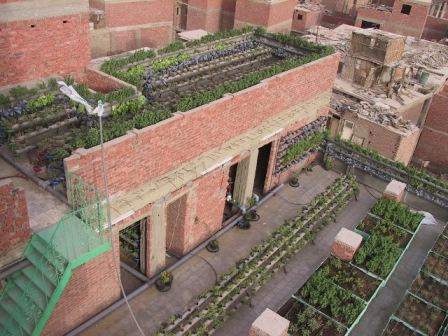
In water and land scarce parts of the Middle East, urban farming is coming into its own. A good example is taking place in Cario Egypt (photo), where a number of urban farming projects are turning rooftops into blooming urban gardens.

Cairo suffers from a combination of extreme population density, combined with a chronic lack of available vegetable produce. Local urban organizations such as the Egyptian Food Sovereignty Project, has established successful urban farming projects in this city of more than 12 million people.

Another M.E. urban farming example is taking place in the West Bank, where Palestinian refugees are now growing vegetable produce in rooftop gardens in a Bethlehem refugee camp. It all goes to show that successful urban gardening projects are possible virtually anywhere. All it takes is a bit of available space and a willingness to be involved in helping to green the planet.

Read more on urban farming projects:

Chicago’s urban farming produces fresh veggies all year, 24/7

Brooklyn’s Gotham Greens builds world’s largest rooftop urban garden

Sow much good farmer a CNN hero for spreading her seeds at the urban farm

Photo of urban farming in the city by Alternet.org

Car accidents and how to avoid crazy Middle East drivers

0

cars-tehran-air-pollution

Car accidents are a number one cause of death in the Middle East. Forget conflicts, more people are dying from dangerous driving. Car accidents, as any police officer, medical personal, or car accident lawyers can tell you, are among the most common and most devastating parts of our culture. Even in New York where public transportation is common and widely available, almost everyone has a car accident story and can attest to the pain they cause and the inconvenience that they are.

[brid video=”101793″ player=”7642″ title=”WATCH Heated ROAD RAGE Incident CAPTURED ON CAMERA In Houston!!”]

The best way to avoid these hassles is to know the causes of accidents and avoid them. Although you cannot control every accident, a significant amount of accidents could be avoided by remembering the following causes:

Road Rage

If you live in the city, you are likely to experience road rage of some form or another every day. The separation of drivers by their vehicles causes them to act in ways that they would never act if they were face to face with that person. As with anything, everyone has their own style of driving. Some are more cautious, others like to assert themselves, and these factors along with the inability to converse and understand one another lead to those things that we are all familiar with—shouting, gesticulating, and driving recklessly and distractedly.

How to Avoid Road Rage

Feeling irritated with other drivers is unavoidable, but there are things that you can do to alleviate the tension and avoid reckless road rage that can cause accidents. Try to leave on time. When you are late you become tense and frustrated and any delay can tip you over the edge. Begin your drive with a relaxed state of mind. Also, try turning on the radio to a channel that is calming to you.

Drinking and Driving and Other Substance Abuse

Some of the most devastating accidents happen under the influence of alcohol, marijuana, and other drugs. Any of these substances severely impair your judgment. Driving requires constant focus and the ability to make split-second decisions. Neither of these is possible under the influence.

How to Avoid

Get a designated driver, period. Even if you plan on only having a little bit of alcohol or another substance, have someone else drive you home. Don’t gamble with your life or others’ lives.

Texting and Driving

A relatively new phenomenon, texting and driving involves taking your eyes off the road, taking your mind off of driving, and taking one of your hands off of the wheel. This means that if something happens while you are looking away, you don’t even have the mindset or the physical capability to act as fast as you need to. This is one of the most dangerous things you can do while driving and causes horrible results.

How to Avoid

Don’t do it—not even once. Put your phone in the trunk if you have to in order to avoid the temptation. Pull over if you need to send a text, otherwise the conversation can wait.

Following Too Closely

Sometimes whether because of aggression or lack of knowledge, a person following too closely will cause an accident when the person in front of them comes to an abrupt stop. The rule is, follow no less than one car length for every 10mph that you are traveling. This length should be extended for any unusual circumstances such as night driving or driving in bad weather.

Distracted Driving

We have all been guilty of distracted driving. Whether it has been a beautiful sunset, or the need to eat your lunch in the car because of a tight schedule, distractions are a part of driving, but they can cause accidents.

How to Avoid

Minimize what distractions you can, and be wise about the ones you cannot control. If a sunset is beautiful enough to be a distraction, feel free to pull over to a safe place and enjoy it.

[brid video=”101801″ player=”7642″ title=”Sticker For the Lady”]

Traffic Law Disobedience or Ignorance

Laws are sometimes annoying, but they are put in place for our safety. Disregarding these laws is not only a good way to get a ticket, but is a good way to cause an accident. Trying to squeeze through a red light, speeding, neglecting your turn signals, and crossing lanes too quickly are all causes of accidents.

How to Avoid

Always be a student. Traffic laws are in abundance, and we can’t always remember them all. Be mindful as you are driving and if you make mistakes try to learn from them. If you can’t remember a law, look it up. Try to become a better driver every day. Be humble and don’t rebel against the system or the laws. They are put in place for a reason and should be followed.

Energy-generating roads to be built on four continents in 2017

0

wattway colas In 2014, Dutch designer Daan Roosegaarde created a bike path that glows at night thanks to absorbed solar energy. Now manufacturers are tackling larger roads, building energy-producing highways that can generate solar energy and send it directly to existing power grids. French infrastructure company Colas, a subsidiary of Bouygues SA, has developed “Wattway”, a photovoltaic (PV) road surface with planned projects across four continents.
Gift a stranger a coat, and change the world

0

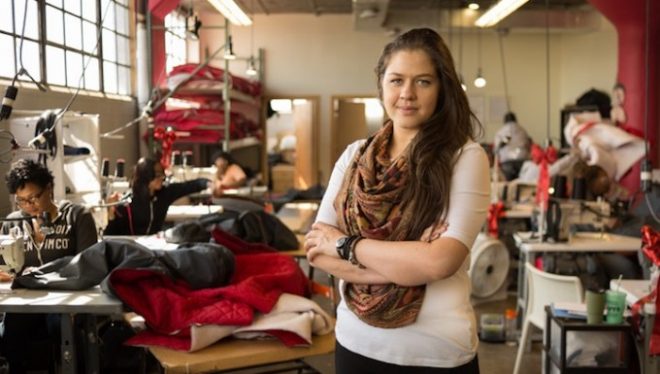
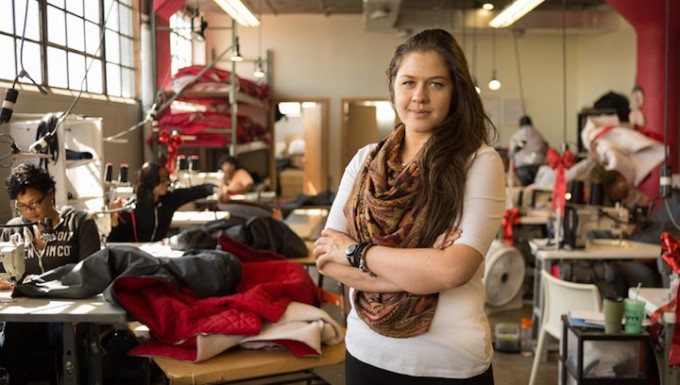
The Empowerment Plan Many Green Prophet readers already turn to alternatives when gifting, choosing to give for a loved one to causes with resonant meaning, or buying items that have impact far beyond the artefact itself. This Hanukkah and Christmas, consider a practical present that ticks all eco-humanitarian boxes, especially as you give it away to a stranger.
Florida beermaker’s edible packaging is saving lives

0

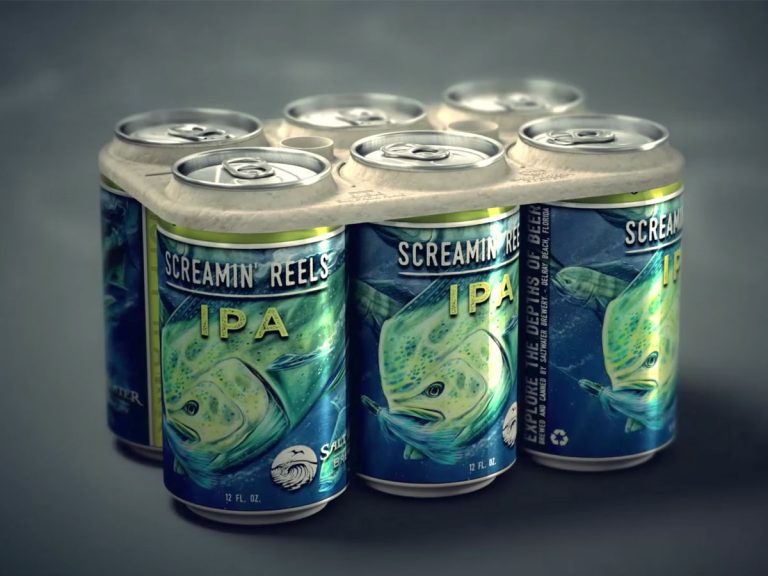
saltwater edible six pack ringsA small Florida microbrewery has developed a biodegradable and edible six-pack ring, a new approach to sustainable packaging aimed at protecting marine species vulnerable to plastic pollution. The decision to go green was an easy one for Saltwater Brewery. The company was founded in 2013 by fisherman, surfers and people who love the sea.

Americans consume about 67 billion cans of beer every year. Factor in canned juices, teas, fizzy drinks, and a trend towards canned wines, amplify those figures globally, and the number of single-use plastic six-pack rings tossed into the world’s waste stream quadruples. Most of these end up in our oceans, posing a serious threat to waterways and the wildlife within.

“Our focus is reducing the marine debris in the ocean. We know we can’t take on the whole world’s plastic problem, but if we help spread the knowledge we’ve learned, that’s the fastest way to reduce it,” brewery president Chris Gove told SouthFlorida.com. “It is how we are reducing our carbon footprint, not just on working on cleanup but focusing upstream. We’re trying to educate the world that cleanups are good but they’re not going to stop the problem.”

saltwater breweryThe brewery makes the rings using leftover barley and wheat ribbons from the beer-making process. That grain is bound with biopolymer, a protein occurring in living organisms, and pressed into ring shapes which are 100 percent biodegradable and edible. Now, instead of getting entangled in – or choking on – the rings, marine life can safely eat them.


“We have to get rid of our waste every time we brew,” Gove said. “You start with a thousand pounds and after wetting it through the process, you end up with 3,000 pounds. It’s a cost to the brewery and a hassle, and we’ve been giving it to farmers for cattle. Now we have something better to do with it.”  The brewery produces about 45,000 pounds of spent grain per week, which is repurposed  by local farmers as compost or animal feed picked up by local farmers.

While the spent-grain compound isn’t an ideal meal for marine species, it’s not harmful. Gove compared it to candy for children, “It’s a comparison of a Lego to a Sour Patch Kid. It’s not giving them their 100% nutritional value, but they’re not going to the hospital.”

Saltwater Brewery developed the project with New York ad agency We Believers. They aspire to have the wider industry move towards eco-friendly packaging, and are now exploring how the idea might be expanded to other biodegradable products. The brewery also plans to sell the biopolymer technology blueprint so that other beverage companies can stop using plastic rings, too. Watch We Believers’ video on the project below:

”We’ve known for decades that our fondness for Ziploc bags, food wrappers and other plastics is hurting the environment — particularly sea life. But both consumers and businesses have proven largely unwilling to give up the convenience of single-use plastics. We’re now focused on the network and infrastructure to create a real company that can provide packaging solutions to different industries,” Gove said.

The switch to biodegradable rings was initially costly for Saltwater Brewery. Currently, consumers have to pay about 10 cents more per beer for the technology. But Gove says they haven’t gotten complaints, and in time, the brewery hopes to get the price of the eco-friendly rings below the cost of plastic ones. The cans, being aluminium, are 100% recyclable.

“Not only are they using up their own waste in a positive way, they’re helping save animals by feeding them instead of killing them with plastic particles,” said PETA spokesperson Laura Castada. “They’ve gotten good publicity and sales out of the deal, too. There is no downside to going environmentally friendly.”

Said Gove, “Our whole brewery is based on the ocean. Anything we can do to help out the ocean, we’re going to do.”

LEGO bike helmet makes safety child’s play!

0

LEGO bike helmetThe US Centers for Disease Control and Prevention says that fewer than half of bicycle riders between the ages of 5 and 14 wear a protective helmet, despite common sense, and well-publicized studies that show helmets cut risks of serious head injury by nearly 70%. Our friend Shimrit died while wearing a helmet on a moped so know that helmets aren’t an amulet but they are essential.

This disconnect from helmets being essential has spurred people at the international advertising giant DBB to devise a playful solution.

They’ve developed a prototype bicycle helmet based on an artifact instantly recognizable to most of their targeted demographic – it looks exactly like the plastic hair on LEGO figures. Truth be told, the helmet copies the head of a Playmobil figure, arch-rival of the LEGO brand.

Two remotely located DDB colleagues designed the helmet, Clara Prior in Copenhagen and Simon Higby in Stockholm office and Clara Prior from Copenhagen.  The pair were collaborating on an MBA thesis that explored whether kids would voluntarily wear bike helmets if there were helmets available that kids would actually want to wear.

The duo turned to design company MOEF to make a model for them last year. They popped a head off one of their Playmobil figures, and put it through a 3D scanner. They tweaked the proportions and played with color-matching to create a comical outer shell for some serious inner safety kit.

You can see their entire design process, including 3D printing and paint job, below:

The picture of the helmet appeared on Imgur, and in UK free commuter newspaper Metro, and soon went viral. No surprise, most adult bike enthusiasts know to use a helmet.

And while new variations do occasionally appear (like the inflatable Hövding Invisible Bike Helmet), who wouldn’t want to sport the greatest “helmet hair”?

Hovedig Helmet

People contacted the designers asking if it came in different hairstyles and colors. A few specifically requested “The Trump”. And people just wanted to know how they could buy one.

Trump naked

Unfortunately, this helmet is only a prototype. Asked by Metro if they were planning to go into commercial production, co-designer Higby said, “I would love to do that. We just don’t know who [to approach] right now.” That said, the pair are petitioning for LEGO to take a look at mass-producing the helmets.

A major study of global bike helmet usage by Australian statisticians Jake Olivier and Prudence Creighton from the University of New South Wales looked at more than 64,000 cyclists and found helmets reduce risks of serious head injury by nearly 70%.

The study also found that while helmets are not associated with preventing neck injuries, cyclists who wear helmets reduce their chance of a fatal head injury by 65%.

Previous studies have indicated helmet use encourages risk-taking behavior or does not reduce serious injury to the brain. But this latest review collated data from more than 40 separate studies found helmet use did dramatically reduce odds of head injuries. They presented their findings in Finland last September at Safety 2016, the world conference on injury prevention and safety promotion.

Gazan farmer is a role model for urban agriculture

0

abu nasser gazan farmerPalestinian Said Salim Abu Nasser is on a mission to make urban farming more sustainable. He transformed a derelict lot in Gaza City into a 200 square meter micro-farm that produces safe and affordable food in a maximally sustainable way.


25 eco-athletes swim to save the Dead Sea

0

dead sea swimThis week, 25 open water swimmers endured seven hours paddling throught the hypersaline waters of the Dead Sea to draw world attention to the environmental degradation of that three million year old lake. Equipped with facemasks and snorkels specifically designed to protect them from the mineral-rich water, they dove in on the Jordan shoreline, and emerged in Israel. Artist Spencer Tunick lured hundreds into the sea for an eco-float, but this was the first time swimmers traversed the full width of one of the earth’s saltiest waterbodies.

Pee power may be best alternative energy bet yet

0

mechanicalen-pee-power

Finding a viable alternative energy source to create low cost bio energy may be closer than we think. Some of these sources include energy from trash and algae as fuel for our future energy needs. Another alternative energy source, comes from a “product” usually discarded as a waste substance: urine. The use of urine as a
fuel source was previously written about when a group of high school students in Lagos Nigeria created a practical way to separate hydrogen from urine and then use it to power a generator to create electricity.

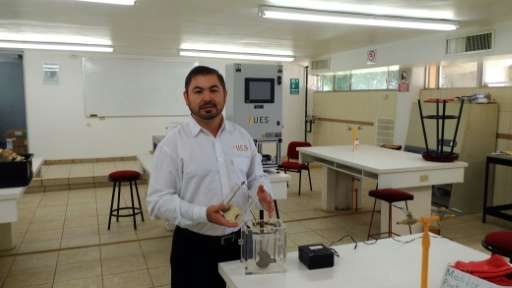
Going one step further, a research engineer from the University of Sorona State in Northern Mexico has found a way to use urine’s natural ability as an electrolyte to separate to separate oxygen from hydrogen in common urine and create a viable biofuel.

gabriel-luna-sandova-and-his-urine-biogas-machine
The engineer, Gabriel Luna-Sandoval, claims to have invented a machine that transforms urine into a biogas that can be used to provide power to heat water in kitchens, bathrooms, and other household uses. The conversion process developed by Dr. Luna-Sandoval involves inserting electrodes into a square plastic container holding the urine. The charged electrodes then separate oxygen and hydrogen from the urine with the hydrogen being used as a biogas.

Luna-Sandoval’s prototype device creates enough biogas to provide His invention provides enough heat for a 15-minute hot shower, using only 15 to 20 millilitres of urine. Cooking food like beans for one hour requires only 70 to 130 millilitres of urine, he says.

He is also thinking about the oxygen separation process as being beneficial for astronauts in space travel. “An average adult person “produces” around 1.4 liters of urine a day, which normally is thrown away. Why not put this waste material to good use, he says. The device Luna-Sandoval created has received attention from the government’s National Science and Technology Council, which featured it in a recent article.

This is just another idea for making use of a waste substance that is normally flushed down the toilet.

Read more on alternative energy ideas:
Algae returns as fuel for our future
Pee power is making electricity from urine in Africa
Energy from Trash to Become Reality with $17 Million Israeli Investment

Photos of Gabriel Luna-Sandova and his urine processing device by phys.org/news