Home Blog Page 238

Swallowing poop pills is good for your gut

0

The presence of poop and poop products in our daily lives has been receiving increasing attention for some time. News stories include the discoveries of meat products fed with faeces and pumped with toxic contaminates. From a product standpoint, creating recycled paper products from poop have also been covered. But swallowing a pill full of poop to maintain good gut health? Has this idea gone too far?

The use of microbiome therapy, literally transferring healthy human gut microbes from one person to another, is very beneficial to maintain a healthy balance of bacteria in human intestines.

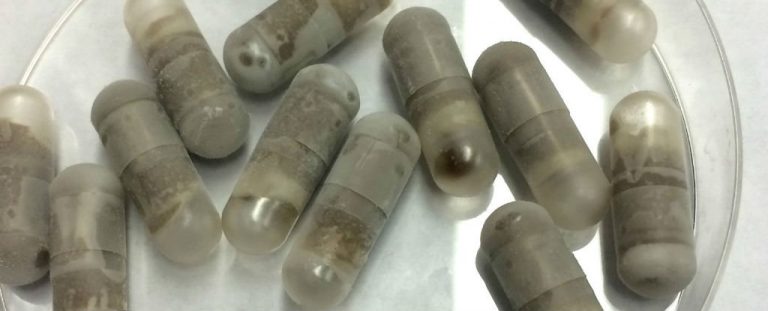
This therapy, now being capitalized on by a company named Seres Therapeutics, literally involves taking human faeces from recognized “stool banks” and then cleaning and processing it into capsules of “poop pills” to be used to maintain the correct bacterial balance in human intestines. Human intestinal “bug balance” often decreases with age, or following over usage of antibiotics. (Update May, 2023: the Seres poop product gets FDA approval).

Seres takes poop samples
Seres Therapeutics Inc. plans to start selling its first FDA-approved product, a drug called Vowst made of bacterial spores derived from donated feces, this summer at $17,500 a course.

People having a severe bacteria imbalance in their intestines can be afflicted with severe intestinal ailments such as Clostridium difficile, a severe gut infection that can strike people after extensive use of antibiotics, which wipes out their existing gut bacterial levels.

Although medications such as probiotics are often recommended in these cases, the poop pills being developed by Seres seem to be more directly connected to the source of the problems.

Scientifically, the process of transferring faecal bacteria from one person to another is known as a faecal microbiota transplant. The ability to do this by simply swallowing a pill or capsule is awesome. Seres’s main competitor is an actual stool bank called OpenBiome.org that provides stool samples of “pure poop” to medical practitioners for microbiota transplants. This idea does not sound good to most people, however.

This is why a pill from a company like Seres may be a better alternative for people suffering from gut-related conditions like Clostridium difficile.

There has been supportive accounts of research in this area:

An Alberta-led clinical trial has shown Fecal Microbiota Transplant (FMT) is effective in treating clostridium difficile (C. difficile) infections whether delivered by colonoscopy or by swallowing capsules.

The finding, published in the Journal of the American Medical Association, could revolutionize and broaden the use of FMT, which restores the healthy balance of bacteria living in the intestine by transferring a healthy donor’s stool to the gut of a person with C. difficile.

Dr. Thomas Louie, clinical professor at the Cumming School of Medicine and the Calgary FMT study co-lead and senior author, pioneered the development of the FMT pill in 2013. “Recurrent C. difficile infection is such a miserable experience and patients are so distraught that many ask for fecal transplantation because they’ve heard of its success,” says Louie. “Many people might find the idea of fecal transplantation off-putting, but those with recurrent infection are thankful to have a treatment that works.”

The study results are a landmark in this field.

Capsules can replace risky colonoscopies
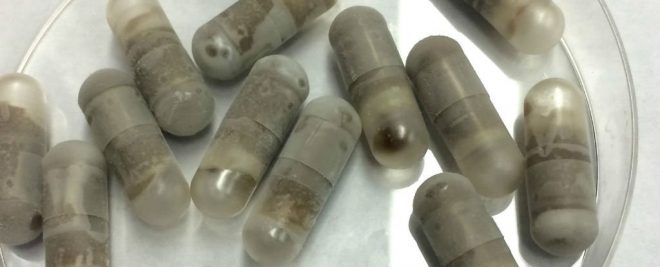
poop microbiome pills

“This will transform the way people think about how we deliver Fecal Microbiota Transplant,” says Dr. Dina Kao, an associate professor with the University of Alberta’s Faculty of Medicine and Dentistry and lead author of the study. “Capsules have numerous advantages over colonoscopy. They are non-invasive, they’re less expensive, they don’t have any of the risks associated with sedation and they can be administered in a doctor’s office.”

Capsules containing frozen donor bacteria taken orally were shown to be 96-per-cent effective in treating C. difficile, the same success rate as those receiving transplant by colonoscopy.

The pills have no scent or taste. They are made by processing feces until it contains only bacteria, then encapsulating the bacteria concentrate inside three layers of gelatin capsule. “The pills are a one-shot deal, not a continuing treatment,” says Louie. “They are easier for patients and are well tolerated.”n

Humans are host to hundreds of different species of gut bacteria, which together help the digestive and immune systems to function properly. However, when a harmful infection requires treatment with antibiotics, those same antibiotics can disrupt the healthy balance of the gut bacteria, allowing opportunistic microorganisms such as C. difficile to cause illness.

People with C. difficile infections suffer from diarrhea, cramping and other gastrointestinal difficulties. In advanced cases, it may be necessary to remove the large intestine. Although rare, C. difficile can be extremely debilitating and resistant to treatment by antibiotics. In some cases, it can be fatal. In Alberta, there are about 200 C. difficile cases every year, of which between 20 and 40 are fatal.

A personal testimonial ingesting 40 poop capsules in one hour

Karen Shandro of Ardrossan, near Edmonton, came down with what was thought to be a routine sinus infection early in 2015. After a course of antibiotics, a tenacious C. difficile infection set in and knocked her off her feet. Further courses of antibiotics did little to help.

“I felt awful. My health deteriorated. I had unbearable diarrhea, no appetite, chills and fever, and I couldn’t keep any food in me,” says Shandro, whose condition became so grave her husband phoned an ambulance and she was taken to the emergency department at the Fort Saskatchewan Community Hospital.

Shortly after, Shandro learned about the study on FMT and agreed to be enrolled in the trial. She was selected at random to receive the transplant via capsules.

Shandro says although there was no unpleasant taste or aftertaste to the pills, the sheer number she had to take was a bit of a challenge. Each participant had to take 40 capsules within an hour. “Afterwards I went home and slept for four hours, then woke up starving, which was something new to me at that point,” she recalls. Her health continued to improve and within two days, she felt upbeat and like her normal self.

Today, she considers her C. difficile infection conquered.

Read more about poop-related issues:

Israeli meat fed with faeces and pumped with toxic contaminates
What recycled paper products from poo look like
Iron rich whale poop essential in Middle East habitats

The subliminal subtext of the 2016 Rio Games

2016 olympicsThe 2016 Rio Olympics are history, but a hindsight review shows a surprising sideshow of contemporary human issues running through the international athletic games. We’re not talking about substandard construction in the Olympic Village, contaminated water, or violent crime.
Instead, we spotted elite athletes using the event to broadcast personal agenda.

It makes perfect sense that this international event be used to flag our attention to modern day matters; consider that more than 30 million viewers tuned in for the Opening Ceremony alone. Some Olympians were cast as accidental spokespeople and others used focused intent. Here are some of the social issues elevated to the world podium, and do tell us if there are others we missed. Let the humanitarian games begin!

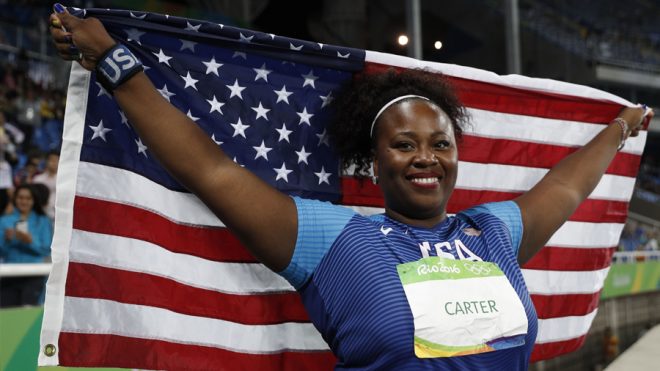
female body imageFemale body image – USA’s Michelle Carter won gold in women’s shot put with her final throw, but was fat-shamed by trolls on social media. Impeccably groomed throughout her events, she told IAAF.org before the Olympic trials,“I believe when you take the time to take care of yourself and put yourself together, that helps boost your confidence.”
She’s a certified makeup artist who sells cosmetics via her website, ShotDiva. She told the New Yorker that it’s essential for her to feel good on the field, and decided against caring about what other people think. Carter said, “I think now, it’s like, ‘You know what? We’re girls and we can throw heavy balls and be in the dirt and we look good while we’re doing it.’ I think it’s bringing more attention to the sport and girls are realizing, Hey, I can do this and it’s OK to do this as a girl.”

In addition to her makeup business, Carter also runs a sports-confidence camp for girls called You Throw Girl that works with female athletes, building their confidence to compete.

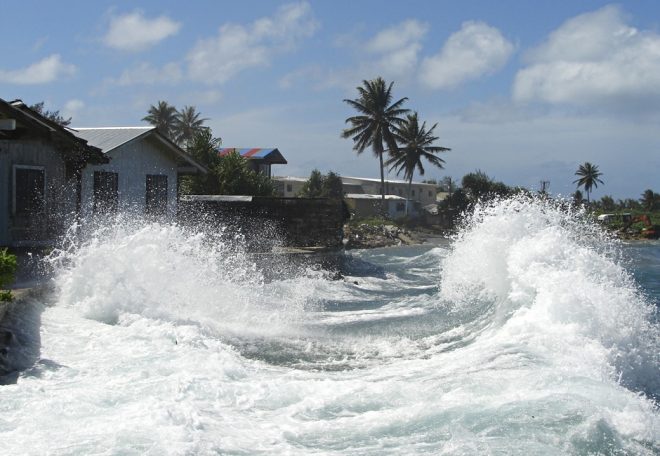
climate change kiribatiClimate Change – Kiribati weight lifter David Katoatau celebrated his sixth-place finish in the 105kg weightlifting competition with a wildly jubilant dance that broadcast a serious message about the survival of his tiny Pacific island homeland. Rising seas from climate change threaten to submerge the 33 coral atolls on which 102,000 people live. Kiribati (shown above) is located about 2,400 miles south of Hawaii.
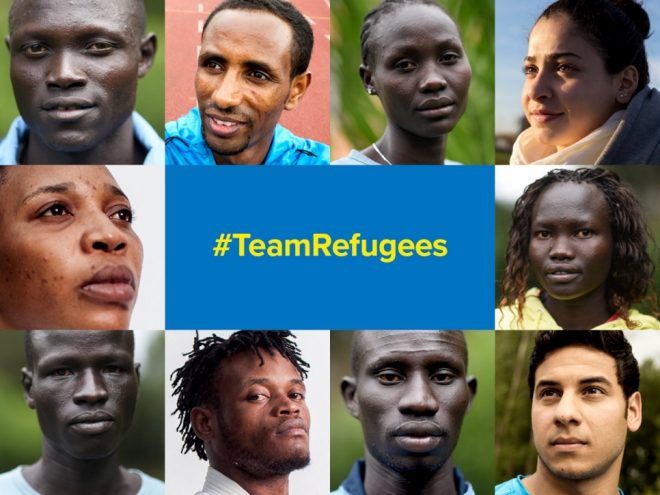
2016 olympic refugee teamRefugees – Ten refugee athletes, seen above, stood as a symbol of hope for displaced people worldwide when they participated in the summer Games as the Refugee Olympic Team (ROT), the first ever team without a national identity.

Upon announcing the team members at a press conference, International Olympic Committee (IOC) president Thomas Bach said, “These refugees have no home, no team, no flag, no national anthem. We will offer them a home in the Olympic Village together with all the athletes of the word. The Olympic anthem will be played in their honour and the Olympic flag will lead them into the Olympic Stadium.”

He added, “This will be a symbol of hope for all the refugees in our world, and will make the world better aware of the magnitude of this crisis. It is also a signal to the international community that refugees are our fellow human beings and are an enrichment to society. These refugee athletes will show the world that despite the unimaginable tragedies that they have faced, anyone can contribute to society through their talent, skills and strength of the human spirit.”

organ donationOrgan donation – German Olympic canoe slalom coach Stefan Henze died as a result of a taxi accident during the Games, but because he was an organ donor, his choice saved the lives of four people. The 35-year-old former world champion had been travelling from the canoe slalom venue when the accident happened, and he later died in hospital due to serious head injuries. His family, who travelled to Rio after the accident, had given their consent to the transplants.

Henze (above, right) was a successful Olympian, winning silver in the Athens games in 2004 with Marcus Becker. He was crowned world champion in 2003 and European champion in 2008. But his posthumous feats are what he will be remembered for. “Heart, liver and both kidneys have been successfully transplanted. Thus he has saved four lives,” a spokeswoman from the Brazilian health ministry told the conservative daily Die Welt.

genderGender fluidity – A new hot-button issue in athletics is hyperandrogenism. It’s a little known condition that was flagged by medical tests that look for banned drugs. In these cases, rather than evidence of doping, the tests detect “abnormally high” testosterone levels in women. Hyperandrogenism is a medical condition that causes a person to produce high levels of hormones and can be caused by differences in sexual development. It is a complex and excruciatingly sensitive issue, as it invades privacy and calls into questions basic questions of identity.
The International Association of Athletics Federation (IAAF), the governing body of track and field, has rules aimed at providing a fair playing field for women by disqualifying athletes with high testosterone, a naturally occurring strength-building hormone. The rules were established after South African runner Caster Semenva (shown above) won a gold medal in the women’s 800m at the 2009 World Championships. Controversy arose because her strenght and speed seemed too “masculine”.  Forced to undergo tests, she was ultimately ruled eligible to compete as a woman, which is how she identifies.

Similarly, the track career of India’s Dutee Chard was nearly derailed when the IAAF, suspicious of her performance, gave her an option to avail herself to a panel of medical experts who could recommend surgery or chemical treatment to reduce her testosterone levels, or stop competing. Ultimately suspended from competition, she challenged the decison in the Court of Arbitration for Sport, and the IAAF regulations are now on hold, suspended since July 2015.

That means hyperandrogenic women were permitted to compete in Rio without having to artificially control their testosterone levels.

According to the IAAF, at least 14 Olympian women have gone through this screening. A 2014 study calculated that seven out of 1,000 elite female athletes may be hyperandrogenic, 140 times higher than expected among the general population.

Middle East sheik takes a turtle for a swim

1

sheikh-sheik-dubai-turtles
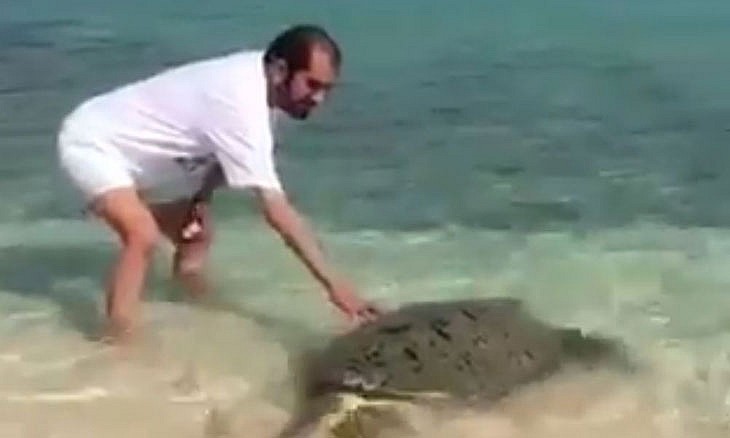
Sheikh Mohammed bin Rashid Al Maktoum is better known for his love of horses than his affinity for sea life. But the Dubai sheik’s new video posted on his junior wife’s Instagram account may change that. The short clip, posted by Princess Haya bint Al Hussein, shows the United Arab Emirates (UAE) VP and Prime Minister and Emir of Dubai releasing a giant sea turtle into the Arabian Gulf.

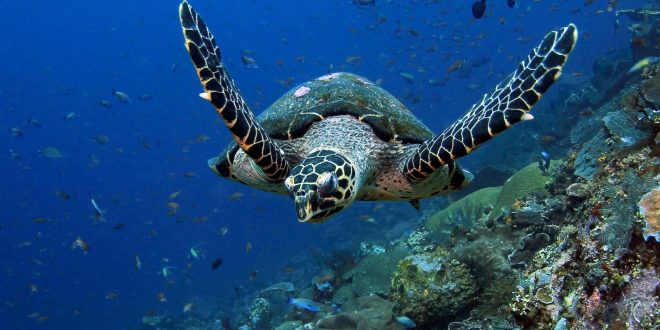
His video co-star appears to be a Hawksbill turtle, native to the Middle East. It’s captured nearly 44,000 views and hundreds of positive comments.

sheik mohammed hawksbill turtle

Last May, the Emirates Wildlife Society in cooperation with the World Wide Fund for Nature (EWS-WWF) launched a groundbreaking initiative for marine conservation, called the Gulf Green Turtle Conservation aimed at conserving endangered marine turtles and vulnerable marine habitats in both the UAE and wider region.

This project picked up from the success of the 2010 to 2014 Marine Turtle Conservation Project, wherein EWS-WWF tracked the travels of 75 female Hawksbill turtles from Qatar, Iran, Oman, and the UAE in order to identify Important Turtle Areas (ITAs) for marine turtle conservation. Their findings have been incorporated as a fundamental component of the UAE’s marine conservation agenda.

See the Sheik’s new swim partner in the clip below:

Sea turtles are vulnerable to climate change, industrialization, and the negative effects of coastal development. According to the project website, the rapidly declining global sea turtle population is threatened with extinction, and critical measures are urgently needed to safeguard the few remaining turtle nesting, feeding and breeding sites on beaches and at sea; as well as their migratory pathways.

Two out of the seven species of marine turtles (sea turtles), the hawksbill turtle (Eretmochelys imbricata) and the green turtle (Chelonia mydas), occur in Gulf waters. Worldwide, the IUCN Red List (IUCN 2008) lists the hawksbill turtle as critically endangered and the green turtle as endangered. At the local and regional level the stocks of these species are threatened and the number of foraging habitats and nesting grounds are continually declining.

Marine turtles are the ambassadors of our seas; they act as an indicator of the health of our marine environment. Unlike Costa Rica, where tourists stupidly swarm to nesting areas to watch the annual turtle migrations, the UAE has been at the forefront of marine conservation. In fact, several of its top luxury hotels employ fulltime biologists to manage their robust programs of environmental initiatives.

To learn how you can support this program, visit the EWS-WWF website (link here).

Turkish watchmakers plant trees with this wristwatch

0

woodstone-watches-sunglasses-wooden-natural-sustainable-fashion

Have you ever made a purchase in your life by which you gave the green light for planting a tree? It’s a great incentive that can be launched by a company anywhere, selling anything.

More often than not, however, the companies that embrace this duty to the environment are ones which use trees to make their products – namely, stationery and wooden products. Makes sense.

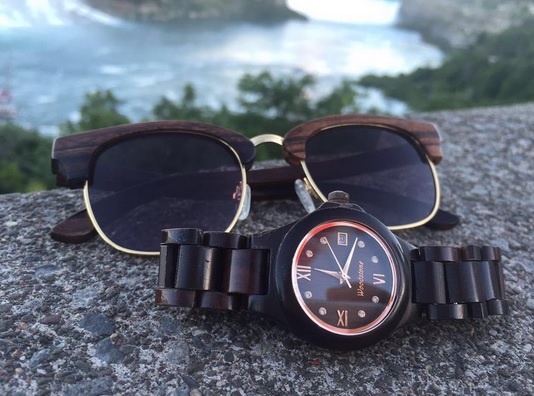
Another company has been added to this do-gooder list: Woodstone, which sells handcrafted wooden watches and sunglasses. For every item sold, a tree is planted. We applaud the two men who are behind the growing saplings. And I do mean young trees, as the company is not even three years old.

Originally from Turkey, Enes Ulutas and Fatih Cigdem were globetrotters who eventually settled on the idea of founding their company. Throughout their travels, they had seen firsthand how wood is so widely used – a wooden spoon here, a wooden necklace there. Simple and strong, yet warm and charming, it became their material of choice when it was time to make the game plan for Woodstone.

The pair still connects with diverse corners of the globe by sourcing fine, durable wood for manufacturing. Currently on the menu are maple, rosewood, black sandalwood and green sandalwood for the watches, and ebony, oak and rosewood for the sunglasses.

Very unique, right? There’s more: no watch or pair of sunglasses is the same. As long as we’re talking about handcrafted wooden goods, identicalness is impossible. Because wood’s patterns are ever-changing, in hues and loops and lines, based on the trees from which it came, no two products can be identical – much like palm lines, or fingerprints.

So the buyer of a Woodstone watch or pair of sunglasses is not only giving back to the environment with the planting of the tree, but is giving a truly one-of-a-kind gift to him/herself or someone else, if it’s a gift.

Enes Ulutas and Fatih Cigdem, like all designers, respect fashion and aesthetics, but they also respect nature. Visit their website to see the latest of their products, and follow them on Instragram @woodstone_wooden_watches.

Images pulled from Woodstone Instagram page. Featured image shows Woodstone’s black sandalwood Venice sunglasses and Queen watch.

“Before the Flood” now streaming, and you thought Halloween was scary!

0

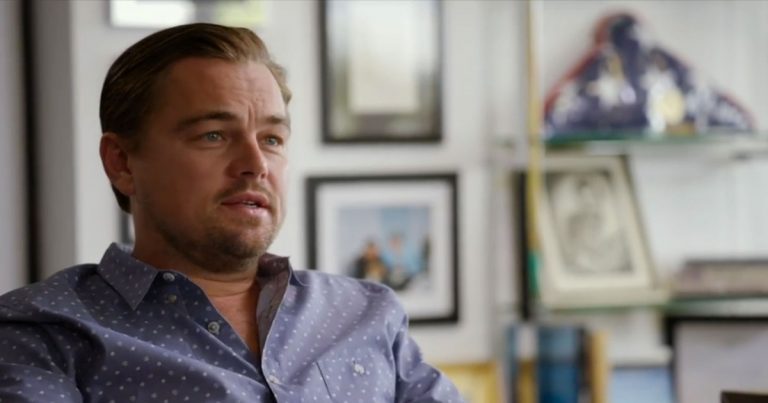
Leonardo DiCaprioLet’s get meta. A “force of nature” is defined as a natural phenomenon that is beyond human control. When three Academy Award®-winning celebrities come together on a film, their combined energies could colloquially be called “a force of nature”. Now imagine that their film is about…the forces of nature. This week an astonishing film premiered – for free! – on the National Geographic Channel – brought to the screen by filmakers Fisher Stevens and Martin Scorsese and featuring actor and environmental activist Leonardo DiCaprio. But the real star of Before the Flood is climate change.
6 simple, pain-free ways to ditch plastics

0

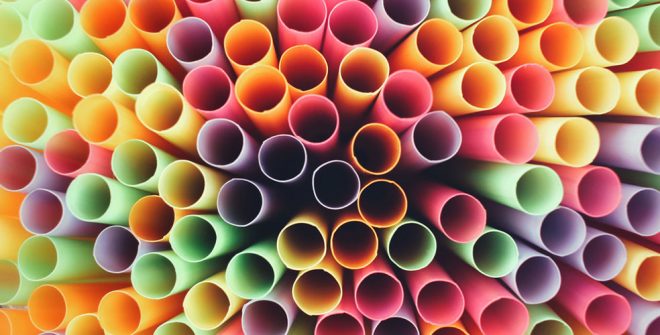
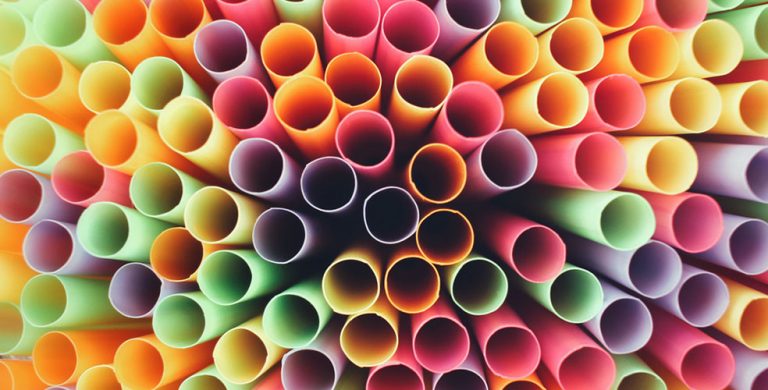
plastic strawsI just met a pair of young Swedes, newcomers to Amman who were quickly appalled by the piles of plastics lining our city streets. They stitched up simple bags from mesh netting that they take to local markets, insisting on using their lightweight, reusable alternative in place of plastic produce sacks. Until the rest of the world wakes up and follows the French ban on single-use plastics, let’s all take control of our own behavior and ditch dump-filling fodder.
My youngest left Jordan for an American university this summer, leaving behind piles of unwanted stuff. Her old bedroom holds relics of a Middle East childhood, but I was shocked to see the imprint she also left in our kitchen. Um, maybe not so much her as me, since I do most of the household shopping. Witness cabinets full of things bought for kid parties over the years – plastic cups and utensils, coated paper plates, and a zillion plastic straws. How could I never have seen how duplicitous I’ve been?  Writing about the environment, while mindlessly contributing to its demise.

That pile of single-use plastic is in the recycling bin now. A struggle to part with the straws (they do make things taste better!) – but after watching a video of a straw embedded in a sea turtle’s nose, there was no other choice. (Viewer discretion advised.)

Like the turtle, this planet can’t digest plastic. Once made, it’s here forever, breaking down into increasingly smaller particles, but never completely degrading. Plastics in our oceans kill a million sea birds a year.  Sealife consume particles, which climb the food chain ladder, meaning we are eating chemical components of plastics, toxins which our bodies absorb.

Since we meet up with single use plastics every day, it is very much in our control to create change. Here are six simple ways to start:

1. Skip the straws – Little kids addicted to the so-fun tubes may whine, so invest in a “sippy cup” with built-in straws. Or start calling straws “babyish”, see how that parental psychology works. Pester your favorite drinks place to invest in biodegradable paper ones, or buy your own eco-straws and pop a few in your backpack to responsibly indulge in that guilty pleasure.

2. Plastic cutlery – Just say no. Channel your inner Girl/Boy Scout and toss a spork (fork/spoon widget) or splade (same, but with a knife function in the mix) into your backpack or desk drawer. Check out affordable versions at ReuseIt (link here). Or save some money, and just use trad cutlery, the weight of a few metal utensils won’t break your back.

3. Drinks in Plastic Bottles – Imagine one-fourth of the volume of any bottle you use filled with oil. That’s the amount of fossil fuel needed to make that flimsy container. Mind-blowing when you consider that – in the US alone – people use 1,500 plastic water bottles per second. Factor in plastic containers for juice, teas, and soda. It sends me looking for a bottle (plastic, of course) of aspirin. Turn to reusable bottles, or a collapsible, pocket-sized vessel like California-based Vapur’s Anti-Bottle (link here). 

4. Drinks in “paper” cups – perhaps not as bad as plastic bottles, and a step up the eco-scale from styrofoam, but the paper is often lined with non-biodegradable plastic, making the cups non-recyclable. So do like the Arabs, and Europeans, and Chinese, and sit down to enjoy that coffee or tea, using a real glass or ceramic cup. Who knew civility was so green?

5. Clear plastic wrap – go raid your mother’s cabinets, flea markets and garage sales for under-used Tupperware. Yes, it’s plastic, but the stuff was made with a lifetime guarantee good for decades of plastic-wrap surrogacy. Or buy modern versions of clickable-lid containers, just check that they’re PBA-free. They keep food fresher, and eliminate leaks.

6. All plastic bags – does this really need a mention? If you live in a nation where free-issue bags are still legal, load up on reusable market bags, tolerate the puzzled look on the check-out clerk’s face, and use them – all the time. Then take a page from my Swedish friends, and head over to Youtube where you can find easy instructions to make reusable produce bags from netting, fabric, even t-shirts. Then, buy yourself a few reusable sandwich bags and stop filling our landfills with single use plastic sandwich bags.

So start by clearing your cupboards, then take your best behavior on the road. It’s painless, and saving the planet feels good.

Swimmers risk death to save the Dead Sea

1

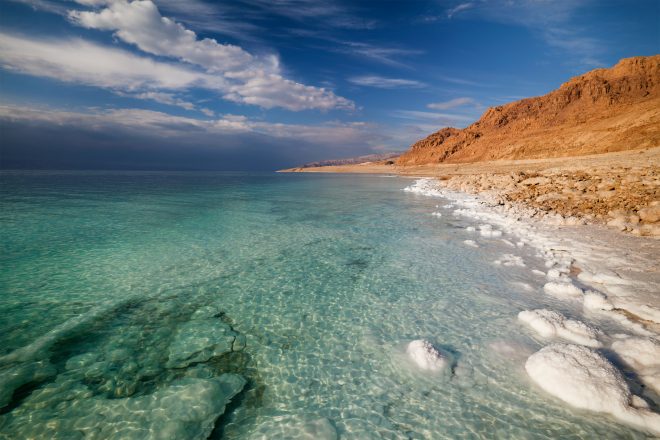
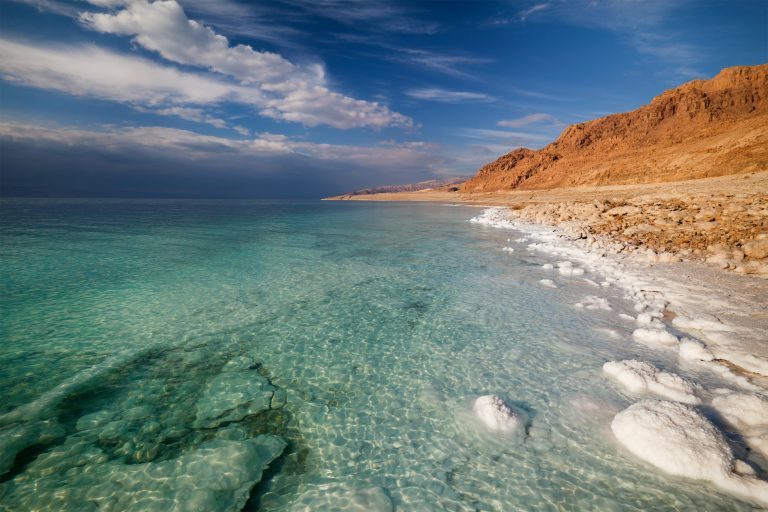
dead seaIn two weeks, a team of international athletes will attempt a world first by swimming across the Dead Sea, one of the saltiest bodies of water on earth, at the planet’s lowest point. The sea, which is technically a lake, resonates with deep historical and spiritual significance that partners perfectly with environmental activism. This risky swim aims to rehabilitate what Israeli entrepreneur and swimmer Oded Rahav calls our region’s reverse “Himilaya”.

5 cheap ways to build an eco-friendly house

0

IMJ-tree-house-by-Ifat-Finkelman-and-Deborah-Warschawski
“Green” building has become not just a trend in recent years, but a legal requirement in some countries. In the US and UK LEED is the standard. In the Middle East there is Estidama and the Pearl system. Of course, large building firms have budgets to cope with such changes in the law, but you can change your home to a greener, more eco friendly house cheaply enough.

Here are five cheap and easy ways to green your home all by yourself:

1. Invest in good insulation
thermal-insulation-home

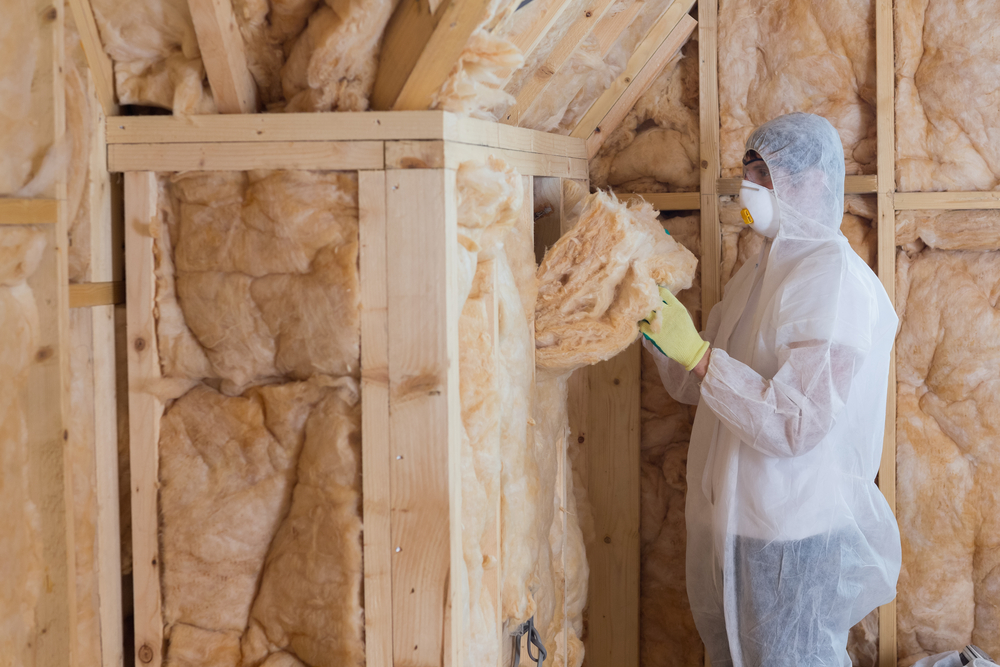
You can begin this in small ways, by adding draught excluders on doors (which can easily be homemade), placing heat reflective aluminium foil behind radiators, and making sure loft or roof insulation is intact. In addition to this, insulating your hot water tank is a wise move to save money and prevent energy loss. If you live in the Middle East, paint the top of your roof white, versus the tarry black to heat deflect heat in the summer. If you need financing for renovations visit Miami title loans.

2. Choose energy efficient equipment

Smart light bulbs are a good example, which can be controlled by an app on your mobile phone or tablet are an excellent way to save money on electricity and give yourself added functionality, such as dimming, colour changes and scheduling the time on/off.

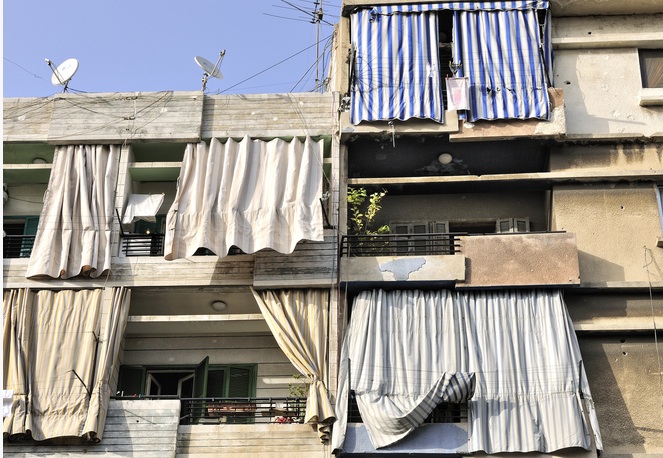
3. Keeping blinds or curtains drawn in colder and very hot weather

balcony beirut curtains

In cold weather this can help insulate the window from draughts and cold air on the pane. In hotter weather it can reduce the amount of sunlight striking the interior, reducing the need for air conditioning. Web Blinds have a number of options on their website and they are giving away some excellent coupons and promo codes for their products.

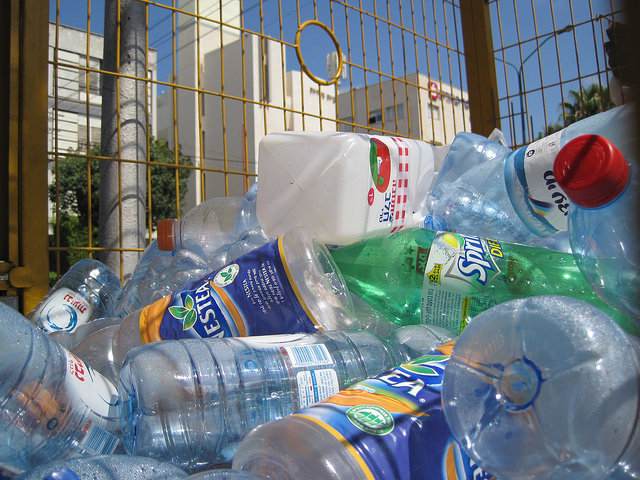
4. Recycling

"recycling city israel"

This can be made a whole lot easier by having different bins for different recycling categories and labelling them so that nobody is in any doubt. Having a bin specifically for empty cartons of milk, water bottles and juice containers will simplify the process for all the family. Recycling garden waste with composting allows you to get rid of waste without burning and give you some fertilizer at the end of the process. If you don’t have options for recycling near you then approach your city or town council.

5. Get a barrel to collect rainwater
Rainwater collection, 2012, by Prasanta Biswas (India

The water supply is sometimes taken for granted. Collecting rainwater will give you a source of water to use for tasks that don’t require tap standard water, such as washing a car or bike or watering plants in a garden. In addition, this could be seen as a backup supply if the water supply via the mains is cut off for whatever reason.

There are a myriad of other things you could do to make energy consumption more efficient and lessen the impact on the environment but the most important thing for the individual and family is to develop healthy building renovation routines that support an eco friendly house.

Eco-bloggers explore native ads as survival mechanism for online marketing

0

writing wall grafitti

Ever since Buzzfeed-style link-baiting articles took Facebook readers attention the style and quality of online reporting has changed drastically.  It’s hard to compete with momentary distraction of kittens and what she did last summer. One way around keeping readers on your web property without linking them out elsewhere is native ads.

Though the payment isn’t typically high, reciprocating links inside native advertising sites tends to create more overall traffic health. Native ads are the “read more” articles that pop up after you’ve scrolled through an article or slideshow. When done well, the selected content matches a reader’s interests and priorities. Keeping traffic on your site is the priority.

As the world and climate of eco blogging evolves (are we even called bloggers or eco anymore?) –– what about impact generators? –– we need to expand our publisher tool kits to manage and collect resources. Readers tend to look up to us for moral higher ground and for that making the right choices on who should advertise on your site can be a big question.

Is it okay to promote links to online gaming sites, if the revenues pay for articles that educate on global warming? These are some of the questions we have. The jury is in that native ads can be a good way to share ad revenue and traffic between like-minded websites.

How to choose a virtual reality gaming PC

0

rewrite-desk-home-office-computer

One of the biggest industries in the world is video games and for most people finding the right equipment for their hobby is a top priority. Especially when you are eco-conscious and want to buy things that will last long, stay relevant, and which will consume less energy. The world of computer video games is very popular and intense and it can let you fulfill fantasies and build realities without having to drive in a car or rack up air miles and greenhouses gases in a plane.

Of course getting out is good for your health but and in order to have a great balance, we can help you find the right computer.

Price is Very Important

The first factor you have to consider when trying to find the right desktop for your video games is the price. For most people, working on a budget is necessary and finding a desktop for your video games should be a top priority. By having a firm budget set before you go out shopping for a new computer, you can avoid spending too much on your purchase. You need to make sure you let the salesman helping you know about your budgetary restraints so they can narrow down what they show you. Write down what you are willing to pay, put it in your pocket and to not stray!

Type of Games You Play

The next thing you need to think about when trying to get the right computer is they type of games you will be playing on it. Are you building new worlds in SIM city? Planting eco gardens on some virtual apartment building? The more you are able to find out about the particular graphic cards and other particulars you need, the easier you will find it to get the right machine. Be sure to do some research to find out what your options on in regards to the computers out there. The last thing you want to do is choose a new computer in hasted due to the danger of you getting the wrong thing.

Stay cool!

Another very important factor to consider when trying to get the right computer for your gaming needs is the level of cooling it has. In most cases, gamers will play their favorite online games for many hours on end. This means that the computer will usually get quite hot and will need quite a bit of cooling to maintain performance. The new Macbook Pro hardly ever gets hot, but consider this. You don’t want a meltdown in the middle of saving the world.

تعرفوا على يوغ شاه: المحارب البيئي الصغير في دبي

0

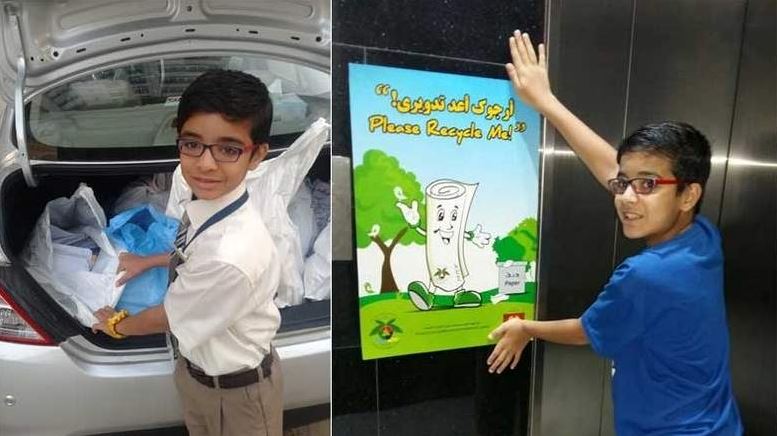
Yug Shah recycling

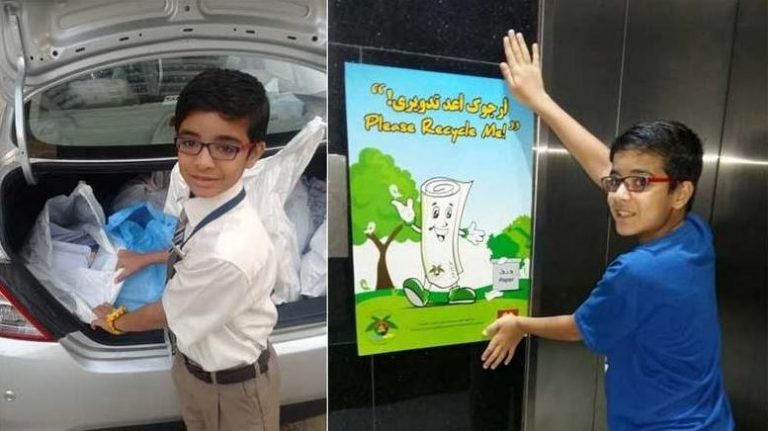
تعرفوا على يوغ شاه ذو التسع سنوات. الذي آذاه منظر القمامة على الأرض في دبي، فقرر أن يصنع صنيعا

في غضون أسبوعين، استطاع يوغ أن يجمع ما قدره 526 كيلوغرام من النفايات القابلة للتدوير – أو ما يعادل 18 ضعف وزنه

إهتمام الطفل ببيئته جاء مدعوما من مؤسسات أكبر منه بكثير، كالصندوق العالمي للطبيعة و مجموعة عمل الإمارات للبيئة، اللذان يتعاونان مع المدارس المحلية لا لتعليم النشئ عن الاستدامة فحسب، بل لتشجيعهم على العمل الفعال أيضا في الحفاظ على بيئة مجتمعهم

و يوغ، تلميذ الصف الخامس في مدرستنا العليا الخاصة في الورقاء في دبي، ليس بجديد على فعاليات الحفاظ على البيئة، فقد كان أن شارك من قبل في يوم الأرض و ساعة الأرض في المدينة. و لما تعرف على مشروع “التدوير في الحي” الذي تنظمه مجموعة عمل الإمارات للبيئة، تبنى المشروع على الفور و بكل اجتهاد و أخذ بتجنيد أهله و أصدقائة و جيرانه لمساعدته في جمع النفايات لتدويرها. و في غضون أسبوعين، كانت المهمة فعلا قد تمت، و قام بنقل الدفعة أخيرا إلى مقر المجموعة للتدوير

و في لقاء معه لجريدة خليج تايمز، قال يوغ: يجب علينا جميعا أن نعمل سوية لتوعية المجتمع لتصبح البيئة جزءا من اهتماماته

و توصف مجموعة عمل الإمارات للبيئة برنامجها بأنه يُوفر المنصة الضرورية لجميع الأفراد للقيام بواجبهم تجاه مجتمعهم و بيئته، و يُشجع الأطفال منذ الصغر على جمع البطاريات و الهواتف النقالة القديمة و الأوراق و البلاستيكيات و غيرها من النفايات القابلة للتدوير

يوغ شاه شخص مفيد للمجتمع. كن مثل يوغ شاه

English version of the post here

Meet Dubai’s eco-warrior…who’s just 9 years old!

1

Yug Shah recyclingGreen Prophet was bowled over by the teen rapper whose environmentalism got him a ticket to COP21, now an even younger eco-warrior has gotten our attention. A nine year old Dubai boy, annoyed by streetside litter, decided to pick up some trash. A good deed, that. But it’s where he took that action that makes this child a stand-out for planetary stewardship.
Refugee architecture earns an exhibit in a NYC museum

1

refugee shelters

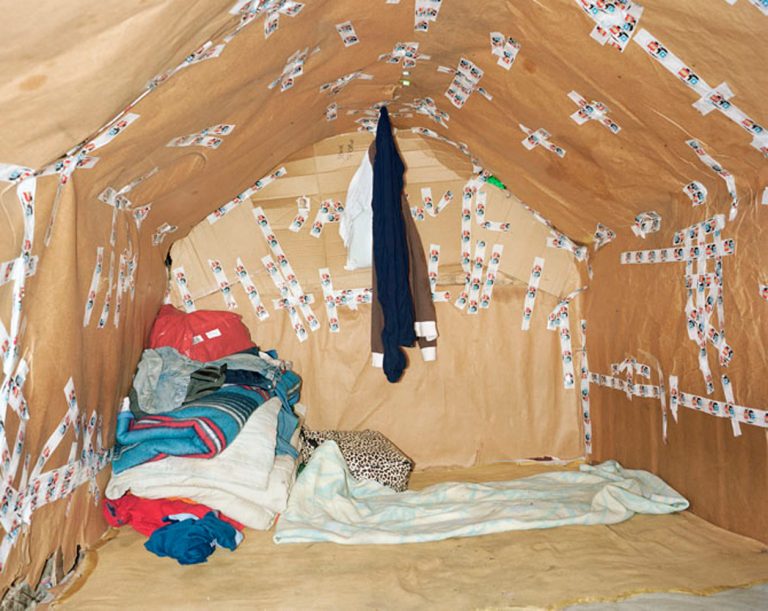
New York City’s Museum of Modern Art (MoMA) is hosting an exhibition on refugee shelters to kickstart dialogue on the design challenges caused by humanitarian crises. Entitled “Insecurities: Tracing Displacement and Shelter”, the show looks at emergency housing in contemporary crisis zones. It is the first time a major museum has explored the plight of the world’s homeless. 

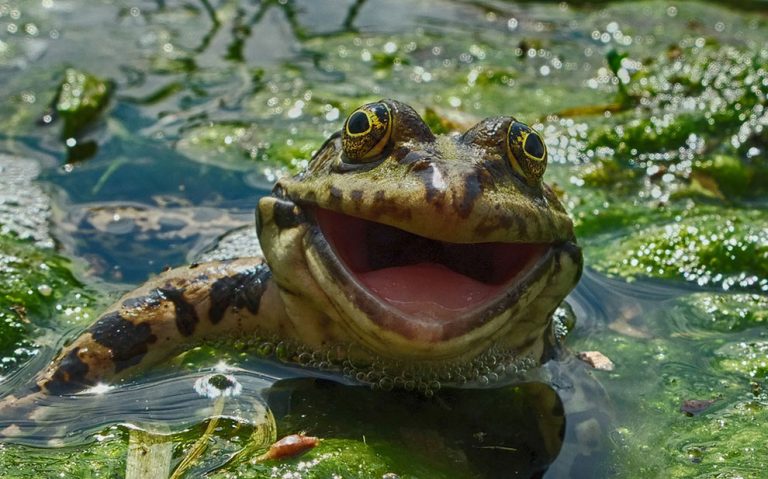
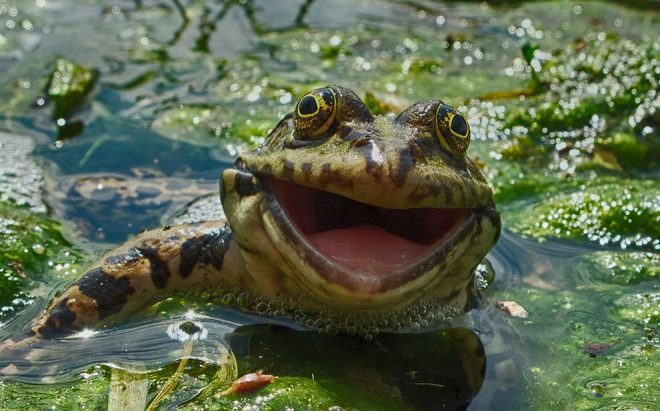
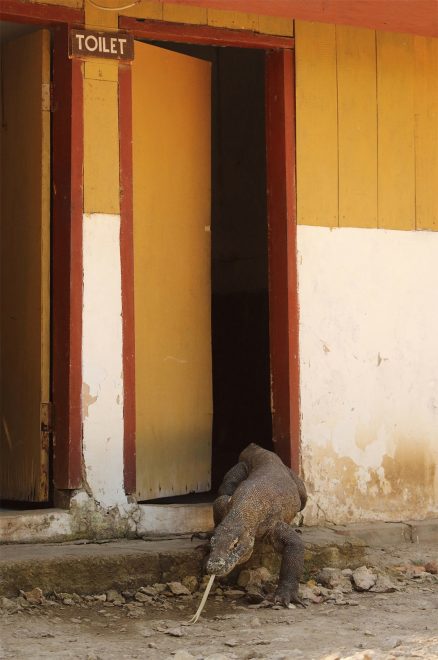
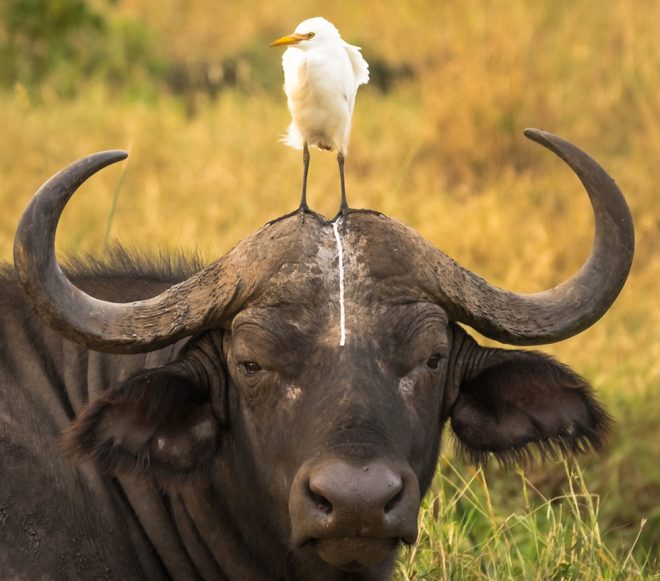
40 infectious photos of wildlife comedians!

0

The Comedy Wildlife Photography Awards

(Photo by Artyom Krivosheev/Barcroft Images/Comedy Wildlife Photography Awards 2016) 

Anyone with a Facebook account knows people love pictures of adorable animals. Photographers Paul Joynson-Hicks and Tom Sullam are tapping into that animal magnetism to boost support of wildlife conservation. Their second annual Comedy Wildlife Photography Awards is inciting “conservation through competition”, helped by heaps of belly laughs, and the unbelievable images are real. (Green Prophet brings you a sampler, visit the awards website to see the full portfolio.)

The Comedy Wildlife Photography Awards

(Photo by Gil Gofer/Barcroft Images/Comedy Wildlife Photography Awards 2016) 

It’s an upbeat photo competition about wildlife doing funny things that puts a high-beam on how much we humans truly love animals, while steering attention to how our choices put wildlife at risk. The organizers point out that nobody is perfect. We hop planes, drive cars, cook food, and use products that likely contribute to the warming of our planet. Not a stretch to see how this indirectly impacts earth’s animals, damaging habitat and affecting food chains.

The Comedy Wildlife Photography Awards

(Photo by Carolin Tout/Barcroft Images/Comedy Wildlife Photography Awards 2016) 

The competition gives everyone a chance to do a bit for conservation, in gentle yet persuasive ways. How? The images are infectious and scream to be shared. They might spark some chat about conservation, and lead self-starters to check out the competition’s chosen charity, Born Free.

The Comedy Wildlife Photography Awards

(Photo by Angela Bohlke/Barcroft Images/Comedy Wildlife Photography Awards 2016) 

This year’s competition featured six categories plus a special video-clip group, each focused on a specific genre – as example creatures of the air, and creatures of the sea. More than 2200 hilarious entries came in from around the world including a face-planting baby elephant, seemingly headless penguins, and a bear sprouting wings,  The gorgeous images capture perfect comic timing and convey a powerful message that we must protect their subjects.

The Comedy Wildlife Photography Awards

(Photo by Tom Stables/Barcroft Images/Comedy Wildlife Photography Awards 2016) 

Judges revealed their shortlist of the 40 best photographs, you can see the full portfolio on the competition website. You can also sign up on that website to receive alerts on how and when to enter the 2017 competition. The winner will be announced by the end of October. Prizes include photography equipment from Nikon and a chance to join a one-week Kenyan photo-safari.

The Comedy Wildlife Photography Awards

(Photo by Brigitta Moser/Barcroft Images/Comedy Wildlife Photography Awards 2016) 

Joynson-Hicks and Sullam each have two young sons. They say they are “extremely keen that they can experience the wild world in the same way as we have and our parents have before us. For this to happen we all have to do something; nothing mad and crazy and life changing (although that would be awesome) but a little bit here and there.” And one thing is to visit the Born Free Foundation’s website to check out what they are doing and how you can help.

Born Free Foundation is an international wildlife charity founded by Virginia McKenna, Bill Travers and their eldest son following Bill and Virginia’s starring roles in the classic film Born Free. The Foundation promotes wild animal welfare and compassionate conservation, working to save animal lives, stop suffering, and protect rare species. They also work to end captive animal exploitation, phase out zoos and keep wildlife in the wild.


The White House Garden gets support to endure from Burpee seed company

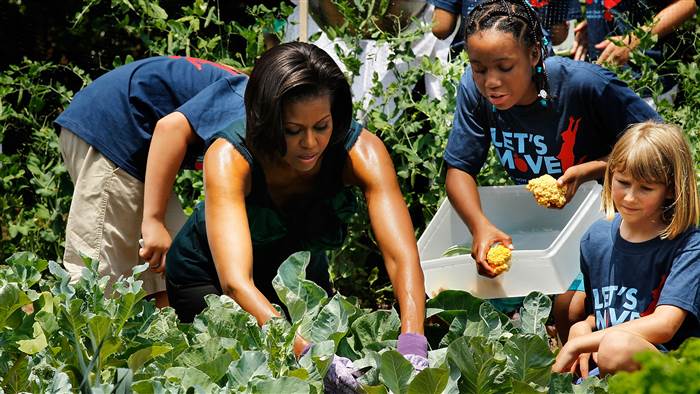
michelle-obama-white-house-garden

Michelle Obama has made America’s gardening great and she’s now laying down roots so the gardening tradition will continue even after her family leaves the White House this January. Obama created the garden in 2009, and made sure to expand it twice so it will be hard to plow under by the next family. She’s expanding and improving it so it will endure, along with the American values of gardening to discourage obesity, and get kids outdoors.

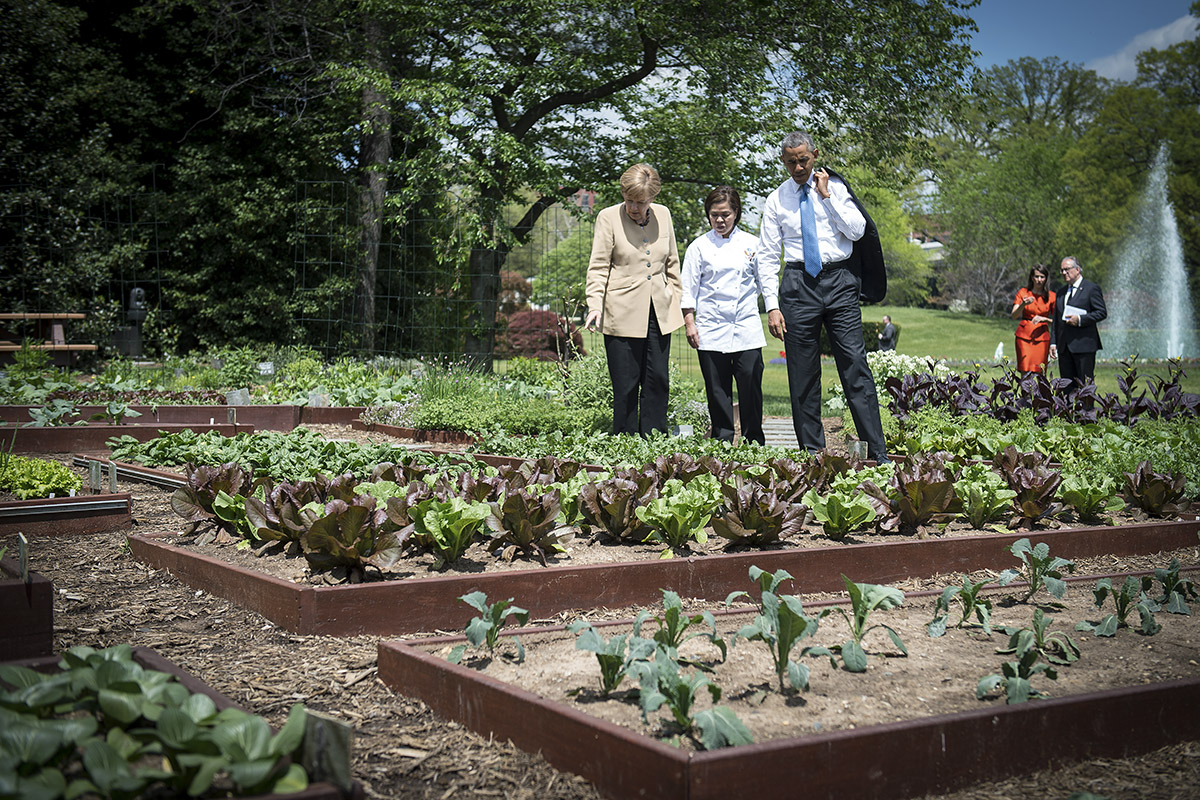
The garden started at 1100 square feet to more than double in size at 2800 square feet. It has walkways, wooden tables and benches. A stone reads: “White House Kitchen Garden, established in 2009 by First Lady Michelle Obama with the hopes of growing a healthier nation for our children.”

A new endowment by the seed and home gardening company, W. Atlee Burpee Company, and The Burpee Foundation will keep Obama’s dream alive. While there is no White House law that must keep the garden alive, Burpee’s latest $2.5 million donation will ensure that it is tended to and thrives into the future, as Michelle has intended as a legacy to her husband’s time in Office.

Burpee Seeds, officially W. Atlee Burpee & Co., is a seed company that was founded by Washington Atlee Burpee in 1876.

burpee vintage-burpee burpee-seeds

According to Venelin Dimitrov, a senior manager at Burpee, regardless of who moves into the White House, Michelle’s garden can live on: “The idea is to preserve the legacy left by First Lady Michelle Obama,” he tells Green Prophet.

Dimitrov, a specialist in flowers, helped create the special seed blends that were donated for distribution at U.S. national parks.

Honey bees are on a swift decline, and Monarch butterflies are now considered endangered. By encouraging people to plant flowering plants, we can ensure that pollinator food such as fruits and many vegetables that will continue to feed us into the future.

Dimitrov says that it’s also about historical preservation to have a garden in the White House: “Most of the Founding Fathers were farmers and gardeners and it’s a neat idea to have a garden in the White House similar to President Jefferson’s garden in Monticello” where he grew more than 300 varieties of plants.

Thomas Jefferson's food garden at Monticello.
Thomas Jefferson’s food garden at Monticello.

“If we had established it 100 years ago, every president could have left their mark. Now it has been started by Mrs. Obama and can be there for every Administration after the Obamas. It would be neat to see, 100 years from now, how the garden evolves,” he says.

The mission is to get people up, moving and gardening; but Dimitrov holds off giving us the list of what the White House Kitchen Garden is growing, saying we shouldn’t try to mimic what’s being grown there, since every region and state has different species and varieties that work best locally.

white-house-garden-2015-obama
White House Garden, 2012. Planted: Mustard Greens, Dill seed, and five varieties of potatoes, including red Sangre, purple fingerlings from Peru called Purple Sion; Mountain Rose, Red Thumb and Canola Russet.

The point is that if our leaders set an example, the people will follow.

There is diabesity and obesity and “from a gardening point of view we would like to see people broaden their horizons by getting outdoors and growing plants.”

What’s exciting to grow? Dimitrov says that exotic fruits such as figs are becoming popular with Americans, as are jujubes and goji berries. There are lots of new fruit that are grown in tough climates around the world. These work well in the US as they are used to drought and do not require a lot of maintenance.

barak-obama-whote-house-kitchen-garden
President Obama shows off the Kitchen Garden.

There are traditional vegetables that are high yield and low maintenance, such as cucumbers and melons. Urban farmers with little space should try their hands at vining plants such as peas, pole beans, and tomatoes.

Do garden Jujitsu

Dimitrov says: “It’s like garden Jujitsu. Use plans to fight the elements to your advantage. Use plants for shade if you are exposed to heat — there are excellent tomato species, such as ‘Heatwave II’.

Urban Farm School teaches you how to grow food in your city.

“Morning Glory flowers provide plenty of shade, helping to cut down on energy bills. Even hyacinth bean; let them climb up, creating beauty to your porch, patio or roof, and an impact on your air conditioning use.”

Dimitrov says Burpee cultivates varieties of seeds that grow well in small spaces to give you great output with little requirements in terms of water and attention.

Want to know what to plant? “Bush bean, ‘Beananza’ in your balcony box, tomato, ‘Patio Princess’, cucumber, ‘Spacemaster’ or small okra, like ‘Baby Bubba’, may look tiny, but they can really bring a lot of food to the table,” Dimitrov adds.

Go to Burpee.com to cultivate your next meal and family project.