Home Blog Page 236

A Wind Tree for the future

0

Imagine a beautifully designed tree that you can place outside your house or look at in public spaces and that, when blown by the wind, produces enough energy to light your place up. That’s right; wind turbines can now have a different size and be harmonically integrated within the landscape. So instead of the huge wind turbines we are used to imagine when we think of the machines that create this type of energy we can now think of something different: a beautiful green and white tree that has its own small leaf-shaped turbines and a power output of 3.1 KW. Inspired by nature and its wisdom, this Wind Tree is the new option to fight climate change and other negative effects that conventional fuels have on our environment.


Led by Jérôme Michaud-Larivière, French company NewWind has conceived a design that brings together sustainable energy with beauty and emotion. Made with 72 turbines containing “Aeroleafs”, “L’Arbre à Vent” measures 8 to 11 meters and is capable of lighting 15 streetlights, 100 meters of space office, 71 parking spots, an electric car or the filtration system of a pool for a whole year. And so, with an engaging biomimetic design, these wind trees last close to 25 years, are completely silent – thus not invasive – and close to no permits are needed to install them.

[brid video=”105288″ player=”7642″ title=”A Wind Tree for the future”]

To imagine that a single three represents 864kg of coal and 15 15-litre jerry cans of fuel is reason enough to consider it a fantastic option to slow down the inevitable effects that energy based on carbon-based fuels are having on our environment. As a matter of fact, these Wind Trees have already been installed in Paris, in Place de la Concorde. Allegedly, Michaud-Larivière actually got inspiration from real trees he saw in a Parisian plaza, which leaves kept shaking despite the absence of wind. Small wind currents seemed to him enough to produce energy, and the L’Arbre à Vent have proved this right.

Although the amount of trees needed to produce the same output as huge wind turbines is high, the truth is that if propagated in the right time frame, soon many households could depend on these bio designed Wind Trees, and the mid-term positive results of these would be outstanding. Also, they are designed in a way that if a turbine stops working the rest will continue to produce energy.

Wind energy is a clean fuel source, so its benefits are uncountable when we compare it to other types of fuels. Moreover, all countries have wind, which means that each nation has the ability of producing its own wind energy. It is also cost effective. So, in addition to other ways of protecting the environment we live in, including finding ways to stop fracking (many stars have actually come together against it on the platform Artists Against Fracking), using solar-powered panels in our households, or simply by having vegetarian diets like top celebrities do, also in an attempt to raise awareness about how this can have a positive impact on climate change (by reducing greenhouse gas emissions generated by cattle), a wind-energy powered city is an attainable dream that could help fix many of the environmental issues we are currently facing.

NewWind expects to be installing its trees around Europe soon, both in public and privates spaces. We can also hope that this new sustainable technology arrives to the Middle East, where many countries included more turbines over the last year. A future in which we can breathe fresh air and enjoy nature without having to give up the comforts of modern society is no longer an impossible dream.

Sustainable investing, not just a dream for 2017

seed bank, palestinian seeds, heirloom seeds, seeds for the future Today’s smart investors can tell you the difference between a seed bank and an investment bank.

Eco banking, or green investing. It seems to have reached the top of its hype around 2008, or around the time when Coldplay said it would plant a tree for every album sold or downloaded. It was also around the time when the notion of carbon credits would work for our system –– that companies would pay others to make their businesses carbon neutral, and less damaging to the atmosphere by way of greenhouse has emissions.

But since then the topic has petered away. Did those trees that Coldplay planet ever grow? Who thought about the cost of maintaining those $1 trees every year? Then there was the catastrophic losses in clean tech investment, making cleantech a pariah for the has-beens or could have beens green energy companies. Solar energy investments tanked. Wind, ethanol and all the other promises made by a bandwagon of companies didn’t hold true, so investors held off.

Why did this happen? And what can we learn? Should all bets be off and business be as usual? Of course not! We can learn that the 2007 era was a time when companies were being built by stock brokers and hedge fund managers, many of them money men, hoping to cash in on the lucrative grants and feed-in tariff guarantees that governments and cities offered to help them go green. They had no clue about the environment on a deep level.

egyptian solar energy for residential consumers

But the green or clean tech companies that survived until today are different. These ones are led by a more educated group of people who understand what triple bottom line means. They read books. They make news and they know who Rachel Carson is and they know what Cradle to Cradle means. Ask a solar energy/clean tech someone in the 2007, and you’d be surprised to see how little any of these guys knew about sustainability. I know because I was there. And I say guys because a strong majority of them were men. One company I interviewed didn’t know what greenhouse gases were. No joke.

But we shouldn’t throw the baby out with the bathwater. It’s 2017 and we are a lot smarter about investing today. But so are the companies changing our world for the good. We are also a lot smarter with technologies (like core banking) and the way we manage our portfolios.

According to numerous reports, including a recent one in Forbes, green or sustainable investing can help you meet your portfolio goals without sacrificing your bottom line return on investment. The investment magazine cites a newly published report from the US SIF (The Forum for Sustainable and Responsible Investment), which found that every dollar invested in sustainable, responsible and impact (SRI) assets – and that amounts to $8.72 trillion as of 2016 – is 33% higher than it was in 2014. What this means is that every $1 out of every $4.6 under professional money management in the US is now invested in SRI strategies.

american money

This approach, the report concludes includes environmental, social and governance (ESG) factors or a mission in investing in sustainable areas. And being a part of this mission will not affect your returns. Here’s why. According to the Forbes’ article:

“Firms that pursue better ESG practices have higher quality management and better stock performance.

“Modern portfolio theory says that if an investor limits the pool of possible securities to choose from, the probability of maximizing returns for a given level of risk is reduced. But limiting the pool of possible securities based on ESG criteria has the opposite effect. The reason is that ESG criteria are key indicators of management quality, which helps avoid stock specific risk in a market with imperfect and asymmetric information.”

Other factors that mitigate risk is management quality and services. Today’s managers demand jobs with meaning and higher purpose which affects their operational efficiencies. They simply are motivated to make more money so they can keep making the world a better place. It’s motivating!

And the research coming out of academia supports this theory was well, including a 2014 paper from Oxford University that according to Forbes, “concluded that 90% of the studies demonstrated that sound sustainability standards lowered companies’ cost of capital, 80% of the studies observed that stock performance and good sustainability practices are positively correlated, and 88% of the studies showed that robust ESG practices improved companies’ operational performance.”

Arctic ice melt is rocking world weather

0

polar

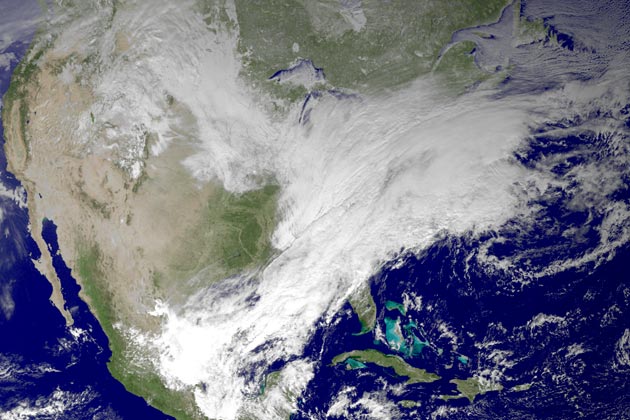
Polar vortex, the term attributed to the recent frigid weather patterns that recently put much of North America, Europe and even the Middle East into the deep freeze, is now slated to become even more frequent, due to the increasing melt-down of the earth’s Arctic ice cap. The polar bears are moving south and if you are living in a warm or tropical country, now might be a good time to get a second citizenship!

This phenomena is caused by a weakening of the normal jet stream air currents that encircle the earth’s arctic regions, due to higher than average summer temperatures. As a result, these “meandering” jet stream air currents are now dipping into the more southern regions, bringing with them frigid Arctic air.

Fortunately, these polar air dips usually last only a week or two; but they are intense enough to make northern American cities like Chicago, Detroit and New York City experience frigid temperatures of well below zero; often combined with heavy snowfall and strong winds. Many European cities experience intense these winter weather bouts as well. Climatologists and other scientists studying the adverse weather patterns are now tying these jet stream dips to faster than expected melting of Arctic ice, especially in the polar region.

polar vortex is making crazy weather

Melting polar ice fields are exposing more of the dark Arctic Ocean surface, which absorbs more sunlight, resulting in an even more accelerated melting factor. The result are increased ocean temperatures, which  cause the newer layers of Arctic ice to melt even faster.

snow on the western wall, jerusalem

Many climatologists are now attributing this to mankind’s continued reliance on fossil fuels, combined with other human influenced depletions of the earth’s natural environment. In regions such as the Middle East, people now experience more adverse weather patterns, including crazy summer “heat domes” that will make many areas (like Jerusalem above) uninhabitable by 2100.

polar vortex, arctic weather change

“We are now in “uncharted territory,” says Prof Jennifer Francis, an Arctic climate expert at Rutgers University in the US. “These rapid changes in the Arctic are affecting weather patterns where you live right now.”

Read more on human caused climate change issues:
It’s not the tide. It’s not the wind. It’s us.
Will the polar vortex “dip” freeze the Middle East?
Time to Adapt to Climate Change

New UAE Food Bank aims for full bellies and zero waste

0

food bank UAEGreen Prophet recently posted about 2017 being the Chinese year of the monkey, but the Vice President of the United Arab Emirates (UAE) has instead declared it the ‘Year of Giving’.  H.H. Sheikh Mohammed bin Rashid Al Maktoum, ruler of Dubai and UAE VP, has launched the non-profit UAE Food Bank, which will distribute unused food from commercial sources to those in need. It aims to make Dubai the first Middle East city to reach zero food waste.

UAE bans private ownership of wild and exotic animals

1

UAE bans wild animals

Starting January 28, it will be the year of the monkey as per the Chinese calendar, but in the United Arab Emirates it will be time for cheetahs, leopards and many other exotic animals to celebrate.  A newly passed law renders possession of “all types of wild and domesticated but dangerous animals” as a pet illegal, according to Dubai-based Gulf News.

Effective immediately, The Law on Regulation of Ownership of Dangerous Animals requires that only licensed zoos, wildlife parks, circuses, breeding and research centers may keep wild or exotic animals.

[brid video=”103780″ player=”7642″ title=”SHEIKH HAMDAN WITH TIGER CUB”]

May seem intuitive that wild, and often carnivorous, large animals vulnerable to unpredictable behavior are best cared for by professionals. But throughout the Gulf nations, owning exotic pets is seen as a symbol of power and wealth. Who hasn’t seen images on social media of a lion riding shotgun in a young Saudi’s gold-plated luxury car? Look at the Instagram account of the Crown Prince of Dubai, shown below, who often posts pictures of his adorable baby big cats.  

UAE bans wild animals

In March, a tiger was spotted weaving through bumper-to-bumper traffic on a busy Doha, Qatar highway (image below).  A commuter filmed the animal’s antics and posted it on Twitter, garnering its own hashtag (@DohaTiger), and prompting one viewer to complain, “This obsession of keeping wild animals by rich kids in the Gulf has gone too far.”  In Qatar, it is illegal to keep a tiger as a pet, and social media users were quick to point out the owner would be in trouble once officials uncovered his identity. But, according to the Convention on the Illegal Trade of Endangered Species, complaints of wild animals as pets in Qatar are on the rise.

tiger doha streetBack in the UAE, officials urge the public to report cases of pet wild animals. Get caught with a leopard on a leash or a cougar on a chain, or any other kind of exotic animal at home or in public, and face a jail term of up to six months, or a fine of up to $136,000, or both.

Penalties are more severe for anyone who uses an animal to frighten or attack another person, including a jail term up to seven years for an attack resulting in physical disability, and life imprisonment if the victim dies.

UAE bans wild animalsThe new ruling also requires all imported animals to be registered and carry official Cites (the Convention on International Trade in Endangered Species of Wild Fauna and Flora) certificates as well as standard UAE veterinary certificates.  Beginning in June, dog owners must keep their pets leashed when in public, and hold valid animal permits  indicating that the animals are up-to-date in required vaccinations.

World’s first hydroponic community garden for refugees

0

hydroponic vertical farming tel aviv israel

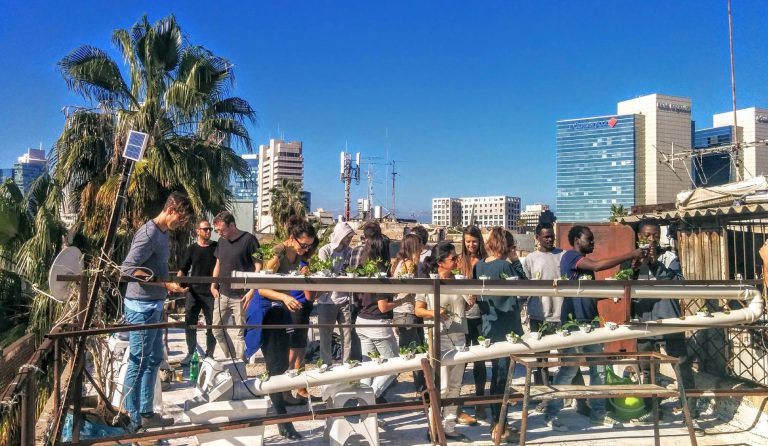
No matter where you roam, by choice or for political reasons, food brings us all back home. It’s like a time machine that transports us backwards to memories of our mothers and fathers. Or forwards when we share food traditions: A new project in a troubled neighbourhood of Tel Aviv, Neve Sha’anan, is attempting to connect people to their food traditions using hydroponics, a novel and sustainable way for community gardening.

The neighborhood is problematic as is it’s low-income and has attracted dozens of thousands of refugees and migrants from East Africa. It’s causing political tension in the city by Israelis who believe the refugees are bringing crime into the city. Some “refugees” are seeking political asylum. Others are legal migrant workers and others in the hood are native Israelis born into a hard scrabble life.

The idea of the new project Rooftop Gardens, is to connect all the parts of this troubled community to one common denominator: real food from home.

hydroponic vertical farming tel aviv israel

Leading the project is Lavi Kushelevich (pictured above). He’s an urban farming consultant leading more than a handful of projects to rejuvenate Tel Aviv – including Green in the City –  and to turn it into a food-producing engine.

There are many benefits to this, Lavi will explain.

hydroponic vertical farming tel aviv israel

It is possible to grow food close to where we live, even when home is a concrete jungle or apartment building.

Since urban soil is contaminated with lead and other heavy metals, the best solution for growing food sustainably in cities is using a soil-less system, also known as hydroponics. Hydroponics requires treated water and a basic circulation system to work well. It’s actually a fast way to grow tasty, fresh food if you know how to handle some parameters like water chemistry and other environmental factors.

We spoke with Lavi about the project.

hydroponic vertical farming tel aviv israelThe first hydroponic garden has been built in the most difficult neighbourhood of Tel Aviv, on the most difficult street. The building is mixed with many cultures: Eritreans, Nigerians, Sudanese, Chinese, people from Darfur, Israelis – many languages and cultures. The objective is to make the apartment a food garden with tastes from home to connect residents to each other as a community, Lavi explains.

RELATED: Mini food computer Eddy gives you “easy button” for hydroponics

hydroponic vertical farming tel aviv israel

“It’s like the Tower of Babylon. They speak so many languages in that building and now they have a reason to communicate,” says Lavi.

The group currently meets formally on Saturdays, and showing up is also volunteers from the City of Tel Aviv to those from NGOs, and anyone interested in learning about this way of community gardening.

hydroponic vertical farming tel aviv israel

“Now these people who are outsiders are given a chance to talk and the Israelis can see that they aren’t monsters,” says Lavi. “That’s so beautiful. And it’s fun being on the roof.

“We have now given the residents tools to grow their own food. And taught them about hydroponics, while we bring them seedlings with tastes of flavours from all over the world where these people once called home.”

Learn more here on their Facebook page

Sundrop Farms grows tomatoes with seawater

0

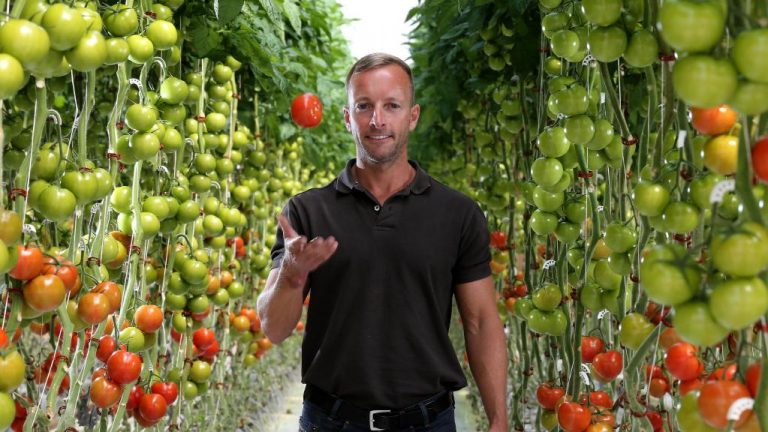
Saltwater greenhouses can save the Middle East and humanity from drought and climate change. Three cheers to Sundrop Farms in Australia for pioneering saltwater greenhouses in Australia: they are now harvesting tomatoes for a leading grocery store called Coles. And Sundrop is producing what they say is a “better product, better for the people, better for the planet –– all year round.”

Sundrop Farms is using hydroponics, a method of growing plants on a treated water medium, without soil. It’s an extremely efficient way for growing plants, and it’s now becoming a leading choice for growing food in difficult climates, in urban centers or in areas where water is poor and lacking. In China for instance where the soil is contaminated with cadmium and lead, people are very eager to buy organic food grown hydroponically.

Sundrop says it’s the first farming system of its kind to have reached commercial scale. The 65-hectare facility was made possible with an investment of 200 million Australian dollars ($148 million) which paid for a desalination plant, greenhouses and other installations needed to grow the tomatoes.

It’s a bet worth betting as we see the rise in agricultural crops in Australia and the world.

The Sundrop greenhouses are powered by sunlight, using 23,000 mirrors that reflect rays toward the top of a 127-meter high receiver tower that turns the sun into electricity.

This power is used to pump seawater from 5km away. Beyond producing tomatoes, the facility also produces 1 million liters of fresh water every single day.

Sundrop Farms CEO Philipp Saumweber, a former investment banker, says the agriculture model as “innovative” in that it harnesses only seawater and sunlight.

A number of companies are leading technology in this area, including BrightFarms (US), Phillips (Holland), Aerofarms (US) and my startup flux, which has created artificial intelligence and a product named Eddy to understand the language of plants. Watch this market of vertical farming grow into trillion dollar opportunities.


Baharat blend – flavor your life with this classic Arabian curry

0
Baharat can be a different flavor depending on what Middle East or Arabian country you come from.

I live in the Middle East. Whenever my mom comes to visit she freaks out over the new flavors. Middle East cuisine has its own distinct curries and flavors for vegetables, fish and meat. There aren’t thousands of varieties, but like Indian cuisine the flavor of a good spice blend depends on its source, blend and freshness.

Baharat is a new spice trend in the western world but its an old Arabian favorite. It’s essential if you want to make makluba or mafroum. If you haven’t tasted either of these dishes you haven’t lived.

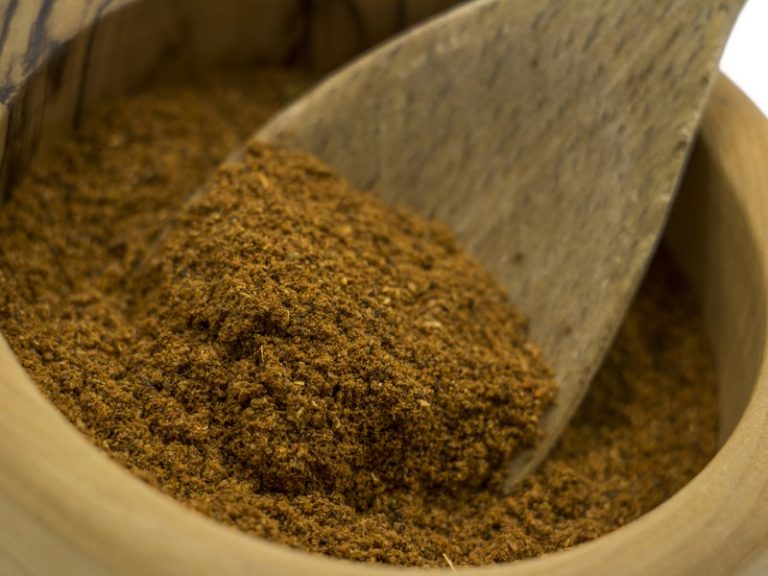
Bahārāt (Arabic: بهارات‎‎) is just an Arabic word for spices and it’s usually used to season lamb, fish, chicken, beef, and soups. It can also be used as a condiment. I’ve been taught by my Arab-Israeli friends how to use it on chicken (season it very, very lightly – sprinkled on top before the oven), and it’s also essential in the Palestinian favorite maklooba (see recipe here). But if you are vegan you can sprinkle it on tofu or seitan. Why not?

Since I live in Jaffa, close to amazing spice shops, I just buy my own baharat.

If you don’t live near an Arabian market that will blend its own fresh spices, make your own. Because old spice mixes don’t work well for any kind of food. When it comes to spices, fresh is best.

Maqlub is a traditional Palestinian, one-pot meal that feeds dozens.

There is different baharat according to where you live. The Turkish baharat includes mint, while in Tunisia, baharat is a mixture of dried rosebuds, pepper and ground cinnamon. In the Arab Gulf, loomi (dried black lime) and saffron may also be used in kebsa, also called Gulf baharat.

Since I live in the Levante, I am going to give you the baharat I know, one used by Arabs in Israel. I’d be happy to know how it’s different in places near by.

Here’s how you make your own baharat:

Baharat Recipe

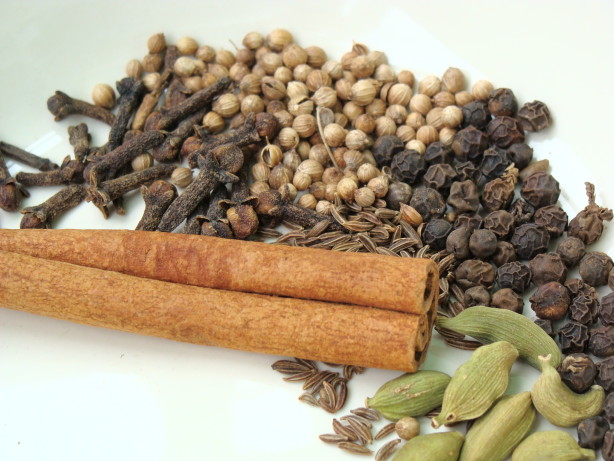
1 tbsp ground cardamom pods (the black seeds inside)
1 tbsp ground dry ginger
½ tbsp ground nutmeg
1 tbsp ground black pepper
1 tbsp ground cinnamon
½ tbsp allspice*

*Like me, if you don’t have an allspice on hand, you can simply make your own by combining 2 parts cinnamon, one part ground nutmeg and one part ground cloves.

You can simply mix all together, and store in a dark airtight jar for use on all foods that need a little Middle Eastern kick. I prefer to buy some spices like nutmeg, cloves, cinnamon and cardamom – the dried spices, and grind them whole in my Vitamix machine (which also makes a killer ice-cream).

You can also use a mortar and pestle as shown in the video below.

The dry container that you use for grinding flour is the one you use for making baharat. Enjoy!

How can you find your (green) spiritual path

0

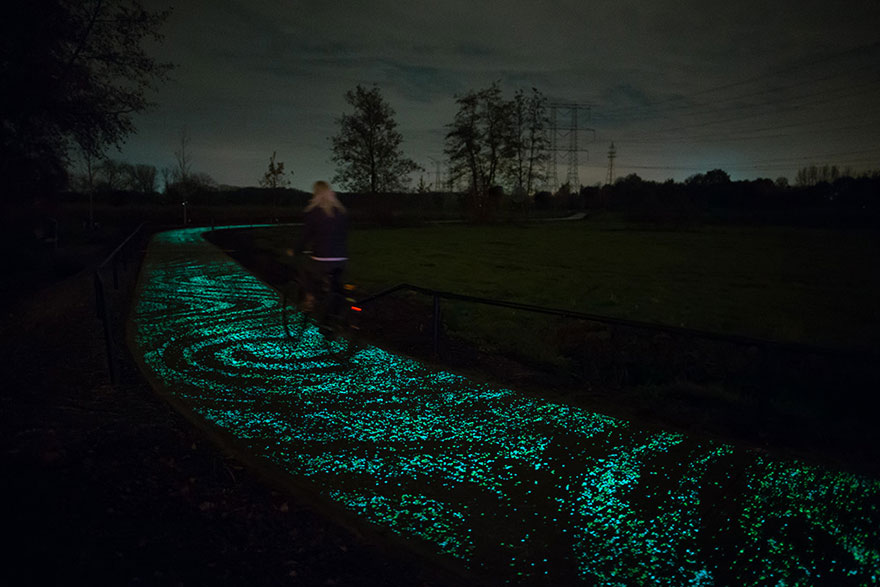
van-gogh-starry-night-glowing-bike-path-daan-roosengaarde-6

In the past, your 1st identity used to be your affiliation to a tribe. Your personal identity or your name was only secondary. Your beliefs are only expressions of your tribal beliefs. The idea of carving out a unique identity for yourself, based on the way you understand reality, was something which was considered quite absurd.

As people started awakening to spirituality in the new era, they recognized that they were members of a much larger tribe known as the universe. There are many meaningful groups of families and various like-minded individuals, and they have a very important area. But what will happen when spiritual explorations take you beyond the regular categories of peer group or family?

As you go deeper and deeper in your spiritual quest, you learn that your basic spiritual links are cosmic consciousness.But this doesn’t mean that you’re supposed to express vague universal consciousness.

In fact, the exact opposite of this is actually true. This is since the intelligence of our universe is multifaceted and vast. The universe is served best whenever you contribute your unique presence, your soul vibration, and personality. Your vision of reality is the highest contribution of yours to humanity. It’s your gift to this universe.

space junk debris

For centuries now people have been defining themselves as members of one religious group or another. This is still possible if you want, but there are also other options available if you are looking at creating your true spiritual path. You don’t have to define yourself as a member of any one religion anymore. You do not have to substitute these new-age definitions or specific teachings in order to define yourself either.

Your multifaceted, eclectic approach doesn’t even need to have a name. You should simply choose to align yourself with the highest truth; that’s enough. Naturally, since you’re you, the right path for you might be different from the right path for someone else. These beliefs aren’t conflicted, just as a couple of people with various shoe sizes aren’t conflicted.

Red Hong Yi

When you study spiritual teachings from the temple of love, you’ll be free to study all aspect of the teaching which resonate with the greatest truth. You don’t even have to become an official member of the group to do this. You will also be free to combine the best from multiple teachings.

Some people claim your multifaceted approach isn’t focused or real based on their definition of reality. People who have such restricted views do not recognize anything which transcends the simplest of categories which they’re familiar with. This is the reason why your varied path, which has no label, may get misunderstood by the people who just understand various categories.
agriculture, land grabs, organic agriculture, slow food movement, sustainable agriculture, population

So what’s the answer to the question of choosing your spiritual path? You do not have to follow just one teaching. Simply find a psychic reader near to you, and they will help put you in contact with the type of teachings you require.

You could choose to go on the path which explores to most truth, presented in different forms. This will put you in contact with all of the teachings you require. This path, even though it has no name, will be your own spiritual path.

What if you’re feeling comfortable with the group you’re associated with, and still, you search for a greater understanding of the truth? You can then follow your inner-directed spiritual path while remaining affiliated with specific metaphysical or religious groups.

It’s very important for you to learn how to tune into the highest of teachings no matter which path you choose to follow.

In your regular practice, you should cultivate a connection with your own soul. Let your cosmic soul be the source of your guidance, unity, and healing with the truth. This practice is what will give you confidence to release the labels and definitions which might have limited your understanding of your potential.

You will quickly come to realize that your inner divine presence is the best teacher. This will let you see the many teachers, and the many spiritual paths, all are created for backing your own wisdom. They are nothing more than mirrors to the teacher inside you, who guides you on your spiritual path.

Speaking of things to do the highest goal of all spiritual paths is to surrender. Even though you might associate this word with weakness or defeat, it’s actually the most powerful action, giving you infinite possibilities and freedom. Surrender means trusting that the Universe or God, or some sort of higher intelligence can do anything, even if you cannot foresee the outcome of particular situations.

When it comes to the spirit, everything unfolds perfectly; you don’t need to force or struggle any situation to go your way. It’s just your ego which thinks you’re isolated and trying to live in a world that is hostile. But the truth is you’re a spiritual being. Whenever you surrender to the Spirit and hear your deeper intelligence, you will end this struggle completely. You will also free yourself from all sorts of doubt and let go of all the obstacles which have been created by your ego.

The spiritual path can be described as figuring out how to let go. But this isn’t possible all at once. This is path which includes multiple steps. Here are some guidelines which may be able to help you get there:

Know your intentions

Your destiny’s to move with your soul the fuel which helps you move this way is intention. Every day, you need to intend on doing a little more. But having false intentions is something which can be very elusive; you can recognize them by the tone carried including greed, fear, hopelessness, rage, or weakness. Sense this feeling and do not buy into it. Stay aware until you locate this intention underneath.

Set high intentions

You should set a goal of becoming a miracle worker or a saint. Why shouldn’t you? If your goal for inner growth is acquiring mastery, then you should ask for it. Do not strain while trying to work wonders but do not deny them either. The start of mastery is a vision, seeing the miracles near you and this will make it much easier for you to grow greater miracles.

Get into the light

Your ego will retain its grip by making you feel powerless and needy. This sense of lack is what lets a hunger grow inside you that acquires everything in front of it. Power, money, pleasure, sex, etc. are all supposed to help fill this emptiness up, but they just can’t. You could try escaping this illusion if you can get into the light.

See everyone in the light

All of us live in one light. When you get tempted to judge other humans, it doesn’t matter how obvious it is that they deserve it, you should remind yourself that they are doing the best they can at their own consciousness level.

Reinforce your intentions

Life is kind of like chaos, the ego is entrenched in these demands. You should remind yourself, all the time, of your purpose. Some people may find it helpful if they can write their intentions down. For others, regular prayer or meditation can prove to be quite helpful. You need to find your middle, look very closely at yourself and don’t let go of the intention unless you feel it centred in yourself.

Forgive yourself

Everyone falls into traps of delusions and selfishness when they expect it the least. It’s important to learn to forgive yourself in such situations. Apply the same theory to yourself you apply to others. You are doing to best you can from your level of consciousness.

Learn to release

The paradox when you’re spiritual is that you’re always right and wrong together. You could try to get to know God, but you will be wrong to think things will remain the same tomorrow. All stages of inner growth is nurtured and good by God. But when you need to move on, you shouldn’t hesitate.

Revere the holy

You might have been brought up being sceptical about the sacred. In the society of today, there are very few people who spend time delving on the wealth of scripture here. The human representatives and saints of God are infinite treasures. Dipping into these treasures are only going to help you open up your heart. The words of saints or sages might just be the perfect fertilizer when your soul is trying to blossom.

The Sixth Mass Global Extinction has arrived

0

161207134536-vanishing-elephant-carcass-1-super-169

Whether it’s disappearing elephant herds in Botswana (or ones smuggled in suffering at the Abu Dhabi zoo), dying coral reefs in Australia, or near silence of small tropical tree frogs in a Central American rain forest, the vanishing of animal and plant species all over the world is finally being directly attributed to manmade causes. This mass nature depletion, despite previous “wake up call warnings” is now occurring at an even faster rate than biologists and climatologists had previously imagined.

A recent CNN program, Vanishing, dealt with a variety of creatures presently in danger of simply vanishing from the face of earth due to direct and indirect influences of global warming, climate change; and human caused decimation. Ranging from some of the earth’s smallest animal species, such as coral and bees, all the way to the earth’s largest land mammal, the African elephant, the program gives a graphic account of how many of these animal species are in danger to becoming extinct.

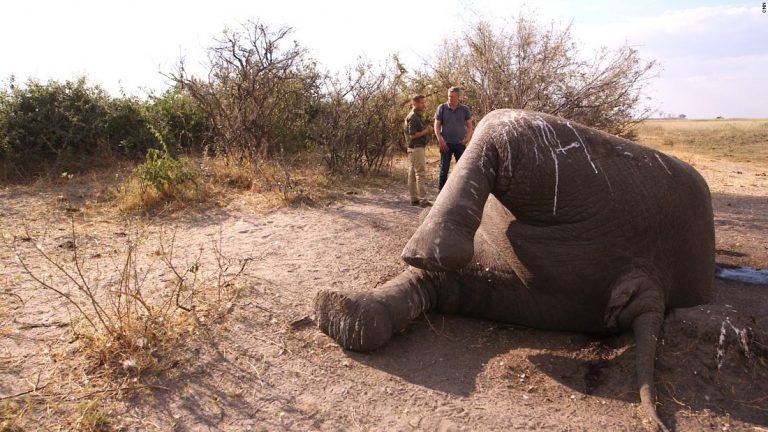
Starting with African elephants living in Botswana, one of Africa’s largest remaining concentration of the species, the number of elephants remaining have dwindled dramatically in the past 10 years; and by more than 20% in the past few years alone: “If present elephant depletions continue at this rate, the entire elephant population here could be gone in the next 20 years,” said a Botswana based zoologist.

Although elephants and other large animal species like giraffes are more noticeable as being severely endangered, the fate of many small creatures are mentioned as well. These include Oregon bumble bees, Central American rain forest amphibians like tree frogs; and coral reefs off the coast of Madagascar. These animal species in particular appear slated to become part of the Sixth Mass Extinction, according to the CNN program.

As pointed out in the program, the resident bumble bee populations of many areas have declined so dramatically in recent years that local farmers are now importing bees to be used to pollinate their crops.

One of the most graphic examples of mankind’s adverse influence on natural habitats, according to the Vanishing documentary, takes place on the Pacific Midway Island atoll. Located virtually midway between the continental USA and Japan the atoll is home to large colonies of albatrosses and other marine birds. It is also a “collection point” for huge quantities of plastic wastes that wash up on the island’s beaches from the ocean. Located in the vicinity of what is known as the Great North Pacific Gyre, this plastic waste is often ingested by the birds, eventually killing them.

The tragic result are large number of dead birds; their gullets literally filled with this plastic material the birds thought to be food. Studies of the large “plastic island” waste patch in the Pacific Gyre estimate it to be larger than the American state of Texas.

In a region closer to home, the Middle East, the demise of animal species is no less alarming. The last lion was killed in Palestine more than 150 years ago; and the few remaining leopards in Israel and Jordan are now on the critically endangered list. This also goes for the once common Syrian bear; now seen more in zoos than in the wild. Hoofed animals such as the oryx and Nubian Ibex are also on the endangered list. These are only a few of formerly indigenous mammals that have either become extinct or are in danger of becoming so due to human encroachment and climate change.

It may be already too late to significantly reverse these disturbing trends. But at least we need to make a more concerted effort to save what’s left of the world’s animal species. If not, humankind will be directly affected by this Sixth Mass Extinction as well.

Read more on wildlife extinction and endangered species threats:
Earth is in the midst of its sixth mass extinction – wake up call, folks!
Oceans spiralling downwards, threatening life on earth
Israel Animals Killed by Economic Development

Reuse – a buzz word for the telecom industry for years

0

teen-cell-phones-cancer

Reduce, reuse and recycle. This is a very well-known axiom in our day that summarizes the waste management hierarchy in three easy to remember alliterated words. It is little known, however, that the second ‘R’ of this triptych is a principle that has been widely used by the telecommunications industry since its inception. The motive behind the principle of reuse for telecommunications is less than virtuous. Nevertheless, the green benefits it provides are immense and often overlooked. The reuse of infrastructure is a very vital part of telecommunications and network design and although it was not initially employed for environmental purposes, has resulted in a vast reduction of pollution and adverse environmental impact.

Telecommunications requires cabling – and lots of it. The world’s undersea fibre optic network alone is estimated to be composed of almost 900,000 kilometres of cable! Add to that all the land based fibre optic cabling and the traditional copper cabling that connects homes and businesses to telecommunications providers all over the world and you get tens and hundreds of billions of kilometres of cabling.

All of this cabling has to be physically placed somewhere. Early on, in order to keep it out of the way, it was either strung on what we traditionally call telephone poles, or more expensively, was buried underground – out of sight and out of mind. But as this infrastructure has continually been expanding for over one hundred years, engineers quickly found ingenious methods of installation: install it near other similar infrastructures that span long distances such as roadways, water mains, power cables and natural gas lines.

For example, when building or upgrading a railway, the right-of-way of this infrastructure can be reused by the laying down of cabling such as telecom and rail cable and installing both the railway and the telecom infrastructure in one go. In this way, costs are drastically reduced – and this is the main motivation for such endeavours. A side effect, however, is the reduction of pollutants that would result from having the telecom infrastructure installed as a separate project and the mitigation of the environmental impact on the areas of construction.

Today this concept has been brought several steps further. When a new road, railway, water mains or any other such infrastructure project is being developed, it can very inexpensively include accommodation for telecom cabling. This is usually in the form of specially designed pipes that are laid down along the new infrastructure being constructed that can house telecom cabling. Enough pipes are installed so that if additional cables are needed, these can be relatively easily and cheaply added using a cable blowing machine which can blow several kilometres of cabling into the pipes in one go. No heavy machinery is necessary, no digging up of roads and no repairing roadways with asphalt is required, and thus there is less impact on the environment.

Other notable cases of reuse in telecommunications include the development of xDSL technology to reuse the ubiquitous copper telephony infrastructure for higher Internet speeds. Similarly, regions of the world where extensive coaxial cable TV networks exist have reused this infrastructure for the same purpose. No digging is necessary and no carbon producing heavy equipment need be deployed. Just change the devices on either end of the cable and there you go. Reuse in action.

All in all, the telecom industry is very familiar with the reuse of infrastructure which results in a greener world for all of us.

Ready-washed bags of salad? Best used as compost!

0

bagged salad unsafeThose convenient bags of prepared salads are breeding grounds for bacteria, so say scientists from Britain’s University of Leicester. The best defense against inadvertent food poisoning is a hearty and immediate appetite: researchers advise consumers to eat bagged salad as soon as possible after opening the package.

The study, published in the journal Applied and Environmental Microbiology, found that liquid from broken and torn leaves can boost bacteria growth by more than 110 percent while the veggies are still in sealed bags. Popular ingredients found in ready-made salads across the United Kingdom and Ireland were tested, including baby green oak, cos, red romaine, spinach, and red chard.

Lead scientist Dr. Primrose Freestone, from the university’s Department of Infection, Immunity and Inflammation, told the Telegraph, “Salad leaves are cut during harvesting and we found that even microlitres of the juices (less than 1/200th of a teaspoon) which leach from the cut ends of the leaves enabled salmonella to grow in water, even when it was refrigerated. These juices also helped the salmonella to attach itself to the salad leaves so strongly that vigorous washing could not remove the bacteria, and even enabled the pathogen to attach to the salad bag container.”

She said the study emphasized the need for salad leaf growers to keep up high food safety standards, as even a few salmonella cells in a salad bag at the time of purchase could become many thousands by the time the product reaches its use-by date.

“We found that even microliters of juice (less than 1/200th of a teaspoon) which leaches from the cut ends of the leaves enabled salmonella to grow in water, even when it was refrigerated,” said Freestone. “These juices also helped the salmonella to attach itself to the salad leaves so strongly that vigorous washing could not remove the bacteria, and even enabled the pathogen to attach to the salad bag container.”

Salmonella causes food poisoning, which produces symptoms ranging from nausea, stomach cramps, vomiting, diarrhea, and fever developing between 12 and 72 hours after becoming infected. Food poisoning usually lasts between four and seven days.

The Food Standards Agency (FSA) told The Huffington Post UK, “Salmonella is not a problem regularly linked with bagged salads – there has only been one incident reported to the FSA in the past 5 years.” But despite the seemingly low occurence if infection, experts advise consumers to avoid pre-washed salads, and if purchased to keep it chilled at all times, although refrigerator temperature does little to halt the spread of the bacteria.


What will you eat on Mars?

0

600_456642919

Israel agtech company flux aims to feed hungry astronauts with novel “plant language translation” technology

Internet entrepreneur and Silicon Valley icon Elon Musk has declared he is sending humans to Mars. But who will feed them? Leading Israeli agritech companies, along with hackers, foodies, past members from the Israel Space Agency and international guests from Holland are devising the way. They are calling themselves Mars Farmers, and will meet for the first time in Jaffa, Wednesday December 14 to lay the groundwork for creating farms and food for hungry astronauts and Martians. Join them here.

The group is led by the Israeli-American agriculture startup flux (www.fluxiot.com), which has created a device called Eddy that listens to the language of plants, allowing people to grow hyper-personalized and sustainable food; and Holland’s Border Labs, a futuristic think-tank working with the European Space Agency on devising ultra-efficient ways to grow food on earth and in the toughest conditions in Space.

All the talk of missions to Mars are enrapturing the brightest minds in tech,” says Blake Burris, the CEO of flux. “It’s time for us humans to get out of our circular way of thinking. To make radical, disruptive change to our broken food system, we’ve made a beeline for Space.

“Going in that trajectory challenges to innovate in the toughest conditions in the Universe, and the fruits of such thinking leads to novel approaches we can apply to live in symbiosis with plants and our food on Earth.

“We are taking the lead in this space will empower the first farmers on Mars,” says Burris.

screen-shot-2016-12-07-at-12-48-52-pm

The meeting scheduled in Jaffa (http://fluxiot.com/marse.io/) will include workshops to create an open-source standards for collecting earth data, as well as building blueprints for vertical farms that could work in Tel Aviv, Chicago, Toronto –– and on Mars. The intent is to use the forum to begin new initiatives in food and sustainable cities that will be suitable for Mars but also be directly applicable to life on the Blue Planet.

Karin Kloosterman, originally from Canada, founded flux with an Israeli R&D team to take the best of Israel’s military smarts to create benevolent technologies that can feed humans more sustainably. She is also the founder of Green Prophet. The company’s first product is focused on hydroponics, or growing food on treated water, with no dirt.

“Hydroponics is the most progressive way to grow food and medicine, and it will be the only way to feed people on Mars,” says Kloosterman, who explains that while it’s still just catching on in Israel, it’s widely accepted in countries like Canada and the US: “Innovation that’s created in this space has radical implications for business too: in cultivating raw materials for pharmaceuticals, personalized food, and of course, food that’s rich in variety and full of flavor.

geektime-flux-eddy
Karin Kloosterman presents Eddy at Geektime’s annual conference. flux was chosen to be one of Israel’s top 10 startups in 2016.

“To consumers, think about how fun it could be to grow food you love, but with specific flavors and characteristics such as strawberries with flavors from our grandparent’s time, but with 100X the antioxidants of what you can find on the market. We are not talking about GMOs, but rather using environmental sensing and finely-tuned orchestrations of lighting and nutrients, to help a strawberry or any plant, grow in a way that is suitable to you.”

High-profile guests from Israel’s food industry will be there, as well as top thinkers in areas of Blockchain and cloud computing.  

mars-farm-o

How to go green with eco-friendly clothing

0

pure-rootz-organic-clothing

If you thought the trend in clothing was showing your nips, you couldn’t be more wrong. So, what is the trend you ask? Well, first and foremost–it’s going green! Living a sustainable lifestyle isn’t limited to recycling water bottles and buying a few plants. No! You can choose to go green through your clothing, as well. I know, you’re wondering if you’ll be stuck to wearing a burlap sack. I have some good news. You can wear more than just a burlap sack, you can actually be quite stylish with eco-friendly clothing.

Listen, clothing designers have to keep their ears to the ground. They know their customers are doing more to sustain the earth and the environment. So, they are getting in on the eco-friendly trend.

And, I’m not trying to diminish going green. It is not a trend, it is definitely a lifestyle that we should all follow as best we can. The more knowledge and research you perform on the subject, the more actions you can take. It doesn’t have to be all or nothing–baby steps are fine, as long as you continue to build upon what you have learned about going green. So, let’s talk about eco-friendly friendly fashion, okay?

Eco-friendly and trendy

Top designers are already embracing synthetic and recycled materials. Lynette Pone McIntyre,Lucky magazine’s senior market editor said, “When eco-fashion started, the fabrication wasn’t as great. It felt very burlappy. The quality wasn’t quite there. Over the past 10 years, technology has changed so much. You can’t tell what’s eco-friendly or not. People are really caring where their clothing is coming from — anyone from 10-, 12-year-olds to 90-year-olds. Just like they care where their food is coming from, their carbon footprint.”

Currently, green apparel makes up about $5 billion in the $200 billion fashion industry. Still, a decade ago, it wasn’t even half a billion dollars. As you can see, eco-fashion has come a long way. Designers are taking it one step further by producing apparel that people want to wear. This isn’t about the pleather jackets from the 70s.

Sass Brown, acting assistant dean of the Fashion Institute of Technology’s School of Art and Design shared, “Initially, when green fashion started to make any kind of inroads into the apparel industry, it was headed by activists. Now it’s headed by designers and all tiers of distribution and all taste levels and all price points.”

Just as an example, you can purchase vegan shoes in a wide variety of styles and colors. In addition, there are many faux-leather vegan designs and faux fur. They’re just as plush and beautiful as their real counterparts too.

Several decades ago, celebrities and the elites of society, flaunted fur coats and leather wear. Today, it’s rare to see a celebrity actually wear real fur. Green fashion is certainly making many inroads. Plus, technology is helping to push it even further.

nadia_nour-designer-organic-silk-clothingOrganic materials

When you do purchase new clothing, try to consider the material. It should be organic. For example, to grow cotton commercially–insecticides and pesticides are used to ward off bugs, weeds, snails, fungi and molds. These chemicals damage the soil, produce harmful runoff and even cause cancer in farmers.

On the other hand, organic cotton is a natural and non-harmful product. In order for cotton to be labeled organic, it must be grown without toxic chemicals for three years. The same standards apply to dyeing of the fabrics.

How clothes can damage our planet

  1. Chemicals farmers use to protect the textiles can harm wildlife, contaminate the soil and the foods we eat.
  2. Clothes that are thrown away take up landfills. Much of it is hard to decompose.
  3. Chemicals used to bleach and color fabrics can damage the environment and your health.
  4. People who make the clothes can work in horrific conditions, working long hours for little money.

So, it really helps to go green with your fashion. And, this doesn’t mean you have to swap out your entire wardrobe with only organic clothing. Just start taking some inventory and keep these tips in mind for when you want to go shopping again. Retailers that offer organic clothing include:

  • H&M
  • Zara
  • Top Shop
  • Banana Republic


Vintage clothing

Who doesn’t love a classic look? Since some clothing can be hard to decompose, why not reuse them? Reduce, reuse, recycle–right? You can get some great deals on vintage clothing and look quite classy and elegant too. I personally love to dress from different eras–don’t we all?

You don’t have to wait for Halloween either. Plus, vintage clothing gives you a unique way to expand your wardrobe. You might even find some items in mint condition. Don’t let that fashion go to waste. Moreover, you don’t have to worry about someone else having the same outfit!

Ask mom or grandma for some clothing

You can be sure they have some great pieces in their closet. They might not even wear them anymore. This is another way to get some vintage fashion.

If they’re willing to part with it, this is the most inexpensive means of going green with clothing. My grandmother gave me a wool coat she bought in the 70s. It is my favorite coat that I use every winter.

Make something new out of your old clothes, or repair them

If you can sew buttons and small tears, then there’s no need to ditch your clothing. You can also ask a tailor. Like most people, you probably have items stuck in the back of your closet that you haven’t worn in ages. Try new combinations for a fresh look. Maybe replace the buttons, or sew on some rhinestones. You might find you have a new hobby, while ensuring your clothing doesn’t contribute to overwhelming landfill spaces.

Now do you believe that you can go green with eco-friendly clothing and not be limited to a burlap sack? Do some research for retailers that have organic lines, and you may be surprised at the variety and well-known brand names. And, strut your stuff with vintage fashion—this includes mom and grandma’s closet if they’re willing!

6 ways to make your apartment greener

0

cave, architecture, Airbnb, Columbarium, Israel, natural materials,Going green has gone decidedly mainstream now. Governments are encouraging green buildings with tax incentives while buyers are willing to pay a premium for your property if you’ve invested in green technology. If you’re looking to sell your house quickly and lucratively, there’s no better way than going green.

But most of the advice on going green assumes you live in a traditional house with enough space to create a solar farm on the front and back yards. There’s not much advice about going green in an apartment block. But consider…Going green will also help to make you house more desirable when it’s time to sell.

Part of the problem is the options are pretty limited when you share a modern apartment building with tens or hundreds of neighbors. There’s little you can do to make the whole building live up to sustainability standards. But you can probably make a difference in your apartment with some simple steps:

Conserve water

The most simple step you can take to make a difference is cut the amount of water you use. If you live in an apartment you could be wasting hundreds of litres of water every year without realizing it. Take the time to fix leaks, retrofit taps, and understand water consumption.

Consume less energy

Energy waste is just as serious as wasting water. Simply switching off lights when you leave the room is not enough. To make a genuine difference you may have to go one step further and instal some smart tech and LED lights around the apartment. Start by buying Energy Star appliances and a smart thermostat that adapts to the weather.

Car pool

The best thing about living in an apartment is the number of people who share the building with you. You can probably create a carpool with some of your neighbors to help save fuel on your trips to the train station or supermarket. Uber should make this a lot easier.

Upgrade rooms

The three most important rooms in the house are the bathroom, kitchen, and bedroom. If you can make minor upgrades here, your overall carbon footprint will be drastically reduced. Insulate the windows in your bedroom, check your fridge seals regularly to make sure they’re not damaged, use a dishwasher (instead of washing by hand), get a low-flow showerhead, and install a dual-flush toilet. You’ll be surprised how much of a difference these minor upgrades can make.

Create a Community

Residents at apartment blocks can quickly and easily create a community if someone takes the initiative. There’s a lot you can do if you get some neighbors together and take collective actions to make the building greener. Everything from rooftop solar farms to vertical indoor farms could become possible if you just get some help.

Living in an apartment block does have its advantages and disadvantages. But your lack of control shouldn’t get in the way of doing what’s best for the environment. Take the initiative, do some research, create a community, and get to work.