
 Pucker up, Cairenes (and, soon, visitors across Egypt’s capital). The nation has begun an epic tree-planting initiative that will introduce fruit-bearing trees across Cairo. Soon citrus fruit will be freely available to anyone willing to pluck it.
Egypt invests in a million public fruit trees!

Cannellini Bean Soup

Hot weather seems to call for cold dinners like our chilled, herbed tomato soup. But don’t wait for cooler weather to fix this savory cannellini (white kidney) bean soup. It’s packed with energizing vegetables and protein; filling, but light enough to need rounding out with salad and good bread for a satisfying dinner.
If you use canned beans, it will take about 45 minutes from start to serving. If you prefer to cook with dried beans, you’ll need to soak them for at least five hours ahead of time.
I prefer to use dried beans, because after all, it’s no big deal to put beans in a bowl, cover them with water, and set them aside until next day. And yes, dried beans take longer to cook – between 1 to 1-1/2 hours. I figure on using the time to get other things done around the house, then set the table, slice bread, and get the salad ready so I can put dinner on the table as soon as the soup is done.
But I do keep several kinds of canned beans in the pantry for those times when I need to produce a hot meal quickly,and they make good soup too. You can also substitute a can of chopped tomatoes for fresh ones, but then you’ll need to taste the soup while it’s cooking and possibly add a little brown sugar or other sweetener if they’re very tart.
Cannellinni Bean Soup
Serves 4 – may be doubled
Ingredients:
2 tablespoons olive oil
1 medium carrot, sliced
1 medium onion, chopped
1 large stalk celery, chopped
2 cloves garlic, chopped
2 medium-large fresh tomatoes, chopped; or 1 15-oz can chopped tomatoes
3/4 cup dried cannellini beans, rinsed and soaked 5-8 hours; or 1 15-oz can drained and rinsed beans
1 teaspoon salt
1/2 teaspoon ground black pepper or to taste
3 cups water
1 bay leaf
1 cup fresh spinach or sliced Swiss chard leaves, packed in tightly. Substitute a large, sliced zucchini if you want.
Heat the olive oil in the soup pot over medium heat.
Add the sliced carrot, onion and celery to the warm olive oil. Cook the vegetables, stirring a few times, until they wilt – about 5 minutes.
Add the tomatoes and garlic to the pot. Continue cooking until the tomatoes are soft.
Add the beans, salt and pepper, water and bay leaf.
If you’re using dried, soaked beans, cook the soup until the beans are very soft – from 1 to 1-1/2 hours.
Start checking after an hour. The way to tell if beans are cooked through: spoon a few beans up, with their liquid, and blow on them. If their skins split apart, the beans are cooked; or at least, worth tasting to judge if they need to cook a little longer.
If you’re using canned beans, cook for 30 minutes.
Either way, cover the pot, bring the soup to a boil, then lower the heat to medium-low.
When the soup is ready stir in the spinach, Swiss chard or zucchini. Cover the pot again and cook another five minutes. Taste to adjust seasoning if needed.
Serve with our easy, oven-baked Parmesan buttercup squash, and bread, and a chilled white wine. Figs are in season now, so top off the meal with our wonderful figs with arak and cream.
The Current And Future Challenges Associated With Air Quality And Pollution

With the recent shift in modern times, we can see that air pollution levels are rising alarmingly. Even though air cleaning processes are on since last few decades, there is no change in the air quality. In fact, it is deteriorating and getting worst day by day. While you switch in your smart TV, the only news you get to hear these days is the alarming rise in the “smog” and the air level.
This is creating several health issues in Canada. People are falling ill and are getting prey to chronic respiratory problems and other health issues. Poor air quality is affecting not only everybody’s health but also the environment. The government needs to take stern action and steps to improve the quality of air to save the environment as well as people.
Air pollution challenges being faced are:
- The drastic change in climatic conditions.
- Glaciers are melting, and this is an alarming situation.
- Due to air pollution, the environment is being affected to a greater
- Chronic health and respiratory issues those are not treatable.
- Toxic pollutants present in the air are damaging the environment and health.
- Depletion of UV rays.
Even though the cleaning process is still on, there is no significant change in the climatic conditions. Besides, outdoor pollution, indoor pollution is also creating problems. All these aspects are covered under the governing body, “The Canadian Environmental Protection Act, 1999.” (CEPA, 1999) Indoor pollution is one of them, and it arises from chimney smoke, lantern smoke, smoking and other causes.
Though the Canadian government has made much progress in cleaning and purifying the air quality, yet a lot is left to be done. This is not a onetime process, but the cleaning has to be carried on regularly as the air pollution tends to rise at an alarming rate rather than decreasing. Under the CEPA was established in 1999 to clean and check the quality of air in the country. And since then, there has been no looking back.
Air pollution can be harmful and so are its side effects. Studies and researches have shown that even if the air pollution level is low, it can still harm human’s health. And to stop this, regular refreshment of air needs to done by the CEPA authority. This association is devoted towards reducing and controlling the toxic substances in the environment.
Common Problems!
- When the air pollution level increases in any part of Canada, it does not fall under the national air quality standards. This is hazardous to life for all – humans, animals, and our environment as well.
- The air pollution level can be controlled but cannot be altered. Thus it is of utmost importance that various measures should be taken to control the poor standards of air.
- This is extremely hazardous to life because what we are inhaling is affecting our health. Both indoor and outdoor air pollution is the main causes.
- The level of the air pollution in many Canadian provinces and cities does not match the air quality given by the CEPA. This is unhealthy in numerous ways.
- Extensive research and a number of evidences show that both long-term and short-term exposures to fine particle pollution, also known as fine particulate matter, can cause premature death and harmful effects on the cardiovascular system.
- Damage to the ozone increases health issues like breathing issues and respiratory problems. Asthma attacks are the most common cause of death due to harmful levels of carbon dioxide and carbon monoxide increasing in the air.
Pollutants can cause multiple health issues. Thus, the government should be prompt enough to take decisions for improving the air quality.
Homebiogas appliance processes compost and home food waste into bio-gas
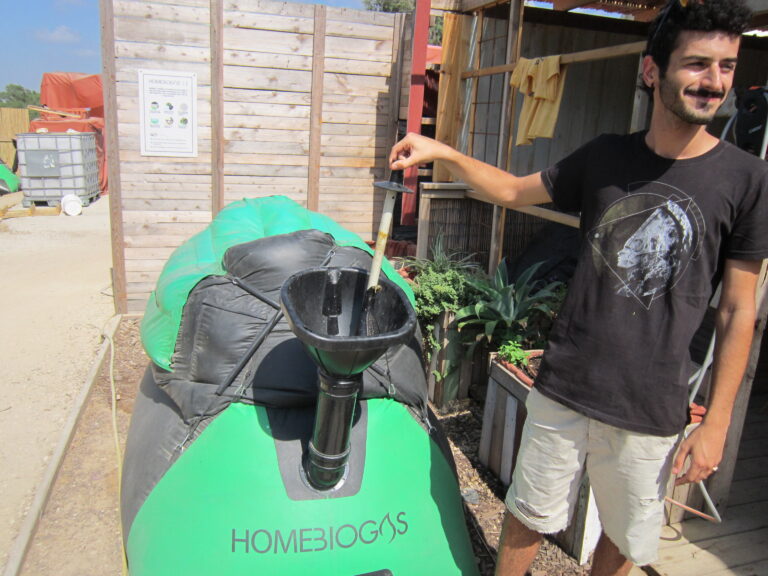
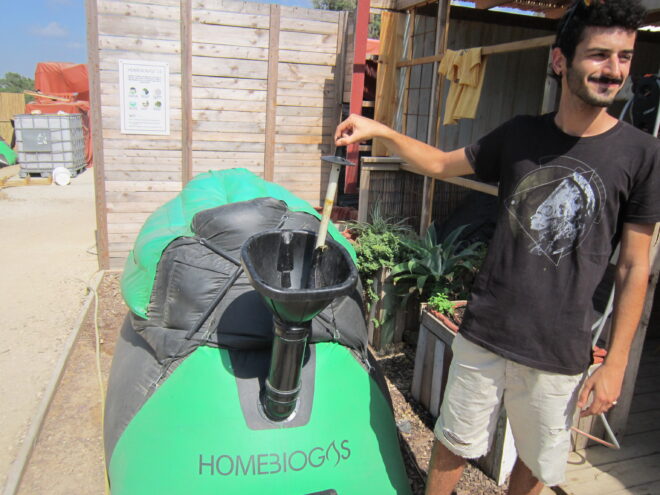 Making bio-gas at home from food scraps is now becoming an easily affordable reality. After
seeing a model of the Homebiogas device on display at the June 26-27 Cleantech Israel 2018 conference and exposition in Tel Aviv, I paid a July 10 visit to the company’s headquarters in Beit Yanai Israel, to inspect a working model of the appliance that makes usable methane based bio-gas in one’s own backyard using a combination of manure, food scraps and other organic material.
Roy Barzam, Homebiogas’ US sales manager (photo), took me on a tour of their facilities, at which several bio-gas appliances were in various stages of bio waste processing and operation. “The process of converting organic wastes into bio-gas is known as anaerobic digestion
in which bacteria and other micro-organisms breakdown the organic material without being exposed to air. This is different from composting, in which the organic material
is exposed to air” he said. This anaerobic breakdown process is what produces the mostly methane bio-gas that is then stored in the appliance for later home use.
The Homebiogas appliance, made almost entirely of PVC and polyprophane plastic materials, weighs only 23 KG “in the box” when delivered with a set of assembly and operation instructions. When completely ‘charged up’ with horse or cow manure (the best fertilizer for producing suitable bacteria for the breakdown process), water and food scraps, the appliance weighs as much as 1.5 tons. The entire bio-gas production process takes several weeks, Roy added, pointing to an appliance still in the bio-gas production process (photo).
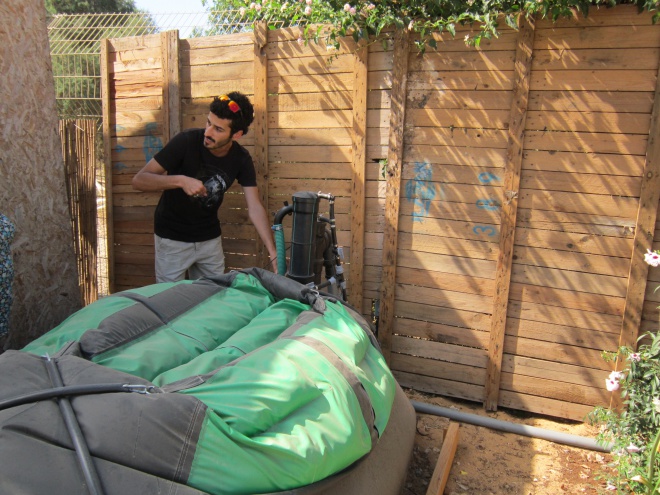
Once the Homebiogas appliance is delivered to a customer, the set-up and preperation process is as follows:
After unpacking assembling on a dry, flat surface, around 100 KG of horse or cow manure is fed into the appliance’s intake inlet to create the needed bacteria. After a 3-4 week time period, organic waste such as vegetable and fruit, meat and dairy scraps (including bones) are fed into it. Up to 12 liters of “kitchen wastes” per day can be added via the intake “feeding tube”. Water is also added along with food wastes (up to 1200 liters).This is done until the water volume and food waste volumes are more or less equal.
“The manure does it all to create the bacteria for breaking down the food wastes”, Roy says. He also pointed out a capped outlet pipe from which filtered liquid fertilizer, a byproduct of
the biogas production process, is removed. What remains from this process is a sludge that accumulates at the bottom of the appliance and is eventually removed.
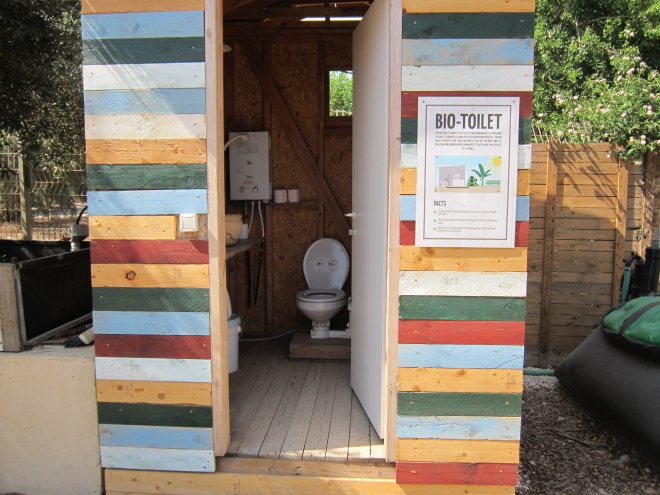
Roy also showed a “bio-toilet” in operation ( above photo)in which human wastes are fed directly into a Homebiogas unit. The resulting fertilizer would not be suitable for fertilizing food crops, but can be used for fertilizing trees flowers, grass, etc. “Bio-toilets, which are like those used in boats and campers save water, due to their unique pumping systems” Roy adds.
Since Homebiogas was founded in 2012, some 3000 biogas appliances have been sold to customers in more than 90 countries. “We advise using our appliance in warmer climates where temperatures are at least 20 degrees Celsius during the daytime. Otherwise, a heating device must be used to keep the processing bacteria alive and functioning properly” , Roy said.
Due to the much lower gas pressure for the created bio-gas in its 700 liter storage compartment, the Homebiogas appliance is much safer to use than conventional LP gas; and has been certified safe to use by Israeli governmental authorities. The amount of daily bio-gas produced is enough to power a one burner gas unit for up to two hours. One of these gas burners is included with each appliance.
As to the future: “We are developing larger models for use in schools and other facilities. They will be much larger than the standard home model – as much as 5 times larger”, Roy said.
More about biogas from biomass and food scraps:
Make bio-gas in your back yard from food and poop
Understanding The Laws Of Becoming A Legal Guardian


Becoming a legal guardian to a new child can be an exciting and rewarding task. Of course, the process won’t be that easy or simple, but when all is said and done, you will be glad you took the approach. A legal guardian is an individual or individuals that are appointed by the court to be completely responsible for the affairs and well being of another person. Sometimes this can mean children and something it can refer to incapacitated or elderly people. Whatever the situation is, if you are looking to become a guardian you need to know the laws and regulations, as they can sometimes seem overwhelming.
Establishing Your Guardianship
The first thing you are going to have to do in order to become a legal guardian is establish your guardianship with the court of the law. You can do this by going down to the courthouse and filing a petition. You will have to pay courts fee and filing fees, but this petition will legally identify and recognize your interest in becoming a legal guardian. If you are looking to become a legal guardian of a child, you will also have to file a letter of the consent form. This form is sent to the child’s parents and in some cases they will have to sign off on your becoming the guardian. It really just depends on the circumstances and the situation that the child is in.
Filling the correct paperwork with the right supporting documents helps prevent delays and ensures the court can properly review the request. NYC couples often look for Serve Index Legal Support in Manhattan to manage document handling and service requirements tied to guardianship filings without procedural mistakes. Proper coordination of notices, filings, and responses can keep the process moving while reducing the risk of having to refile or amend paperwork later.
Can You Legally End Guardianship?
Guardianship law can be a tricky subject and sometimes a lawyer might be necessary for the process. Becoming a guardian really isn’t for everyone and you need to heavily weigh the pros and cons before making the decision. Once you become a guardian it can be extremely difficult to terminate that guardianship. In most cases you are going to be legally responsible for this child until he or she turns eighteen years of age. However, there are certain circumstances and situations when the court can end the guardianship. If you run into legal problems or are accused of abuse, you might lose the guardianship.
You might even be required to pay child support when the child is assigned another legal guardian.
Parents Can Object Your Guardianship
There are certain situations when the child’s original parents might object to you becoming the new guardian. These cases will probably have to go to court and they can be long and drawn out. Most of the time guardianship is only granted if:
- The parents give consent (Both parents, unless only one is alive or available)
- If the original parents have given up their rights to the child or the right have been terminated by the law
- A judge rules that it would be in the child’s best interest if you became the legal guardian
Keep in mind that if the parents do deny consent it is possible that you can still become the legal guardian. However, once again this will probably be a long drawn out process, as you will have to prove in the court of law that the original parents are not fit to handle the well being of the child.
What happens after China’s ban on foreign waste?
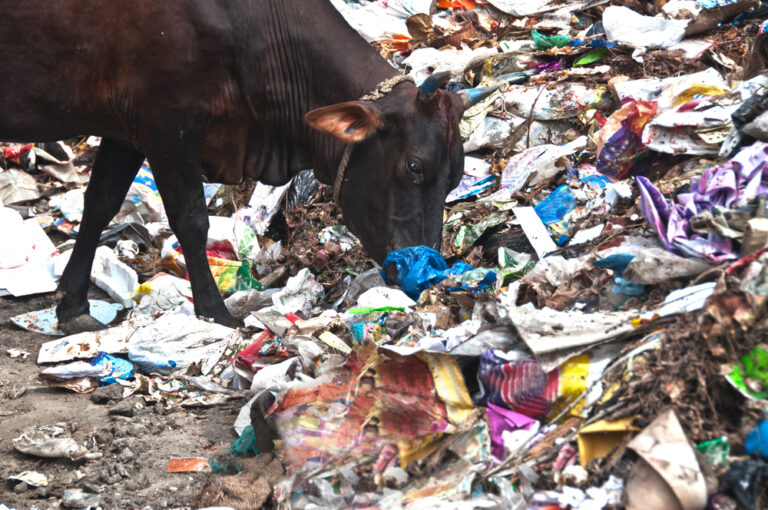

Traditionally, poorer or developing Asian countries imported plastic waste from developed and wealthy countries. Until this year, China was the world’s biggest plastic importer, accounting for more than 45% of the total yearly plastic import, worldwide.
2018 was the year of change for China, apparently, as it refused to buy any more plastic, due to local environmental concerns. The news came as a surprise for all rich countries, who used China to discard of their own plastic waste. This threw the recycling industry in turmoil and nations struggle today to find other countries to dispose of their waste. It looks like the plastic buying era has come to an end. But all ends have new beginnings and viable solutions for this burning issue have to be urgently found. Otherwise, all the plastic waste will end up in local landfills, local waters and ultimately, oceans, as this wasn’t a problem too big already.
The recycling maps have to be redrawn, calling for nations to develop and implement local plastic recycling strategies to diminish the plastic waste that will end up in nature. But, difficult times are waiting for nations before everything will come to a clear path of action, as the matter is challenging numerous industries and politics, is challenging stakeholders and policymakers, equally.
Challenging logistics, economics and policies
Some debate that plastic recycling is unviable from costs’ perspective. Plastic recycling is considered to be unsustainable, because of the large volumes of plastic generated by each nation, separately. And before, implementing a domestic system that works and is mature enough to deal with plastic waste is necessary. More than this, there has to be present a domestic market for the plastic mass generated by the recycling industry. To the plastic waste that reaches recycling bins, there is a staggering amount of 6.3 billion tons of waste that ends up in landfills or in nature, as of the year of 2017.
Plastic recycling was always seen as an unattractive matter for most civilized and rich countries. The process is a difficult one and markets for materials generated by recycling are difficult to find. Since the plastic manufacturing industry took over and began to be widely used globally, in the ‘50s, plastic imports to China spiked by 800%. And this accounted only for the 9% of plastic waste that is yearly recycled globally. The rest ends up in rivers, landfills, and ultimately, in earth’s biggest sink, the Ocean. The leading plastic exporter to China, the USA, is also the one with the less developed domestic recycling industry. It’s expensive, difficult, and unattractive to implement such policies. And still, until this year, the USA was the biggest importer of single-use food packaging, manufactured of PVC.
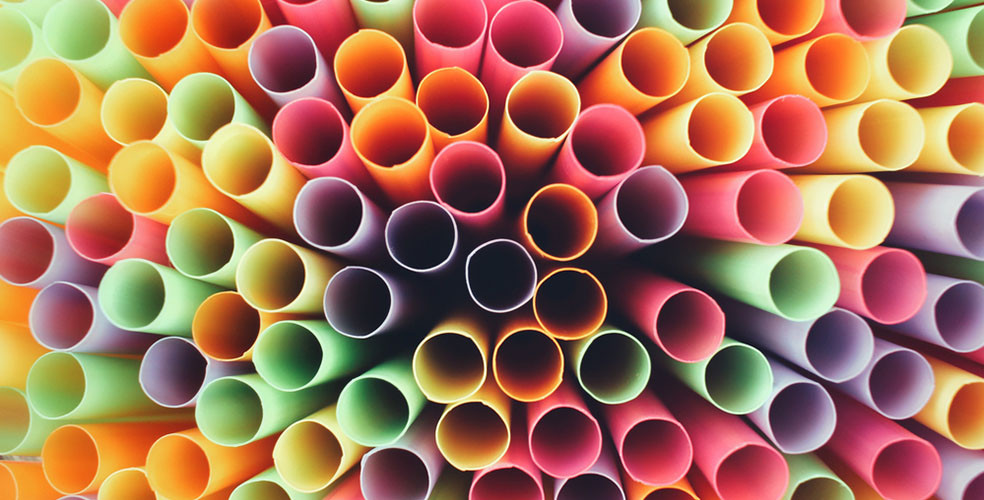

As China won’t be importing plastic anymore due to local environmental concerns, countries such as the USA will have to push for local manufacturers to use in their processes more recycled plastic. In the future, nations will have to find more inventive and efficient methods to dispose of their plastic. More thought has to be given to solid plastic waste management systems, such as balers for recycling, in this context. But also, many environmental advocates push for a more effective use of alternate manufacturing materials, to replace plastic. But this is challenging on several levels, from economic aspects to policies and logistics. To replace the use of plastic in a manufacturing process, you have to first find a suitable material, then rethink the entire manufacturing process, invest in new equipment and methods, train your employees in using those and creating new policies to protect and promote the new given coordinates.
New opportunities are open
If we want the world’s nations to find a solution in this regard, we have to take a closer look at China’s case and the reasons that turned it into the world’s biggest plastic importer. Back in the ‘90s, China managed to become the world’s biggest manufacturer. This generated an increased demand for materials, which, led to immense imports of plastic from richer countries, which were already using plastic at a very large scale. New processes and methods to turn all waste plastic bought from rich countries were invented and China’s capacity to process those, just as well.
As China announced that it will stop importing a variety of goods and materials, due to environmental concerns – including recycled plastic – this opens new opportunities for the leading economies of the world to develop better, more effective plastic recycling methods and technologies.
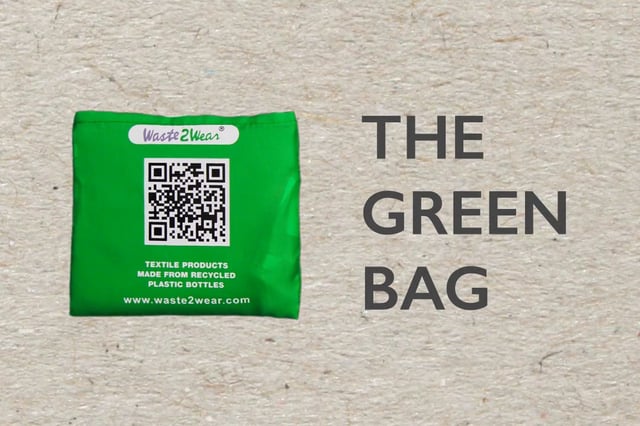
But let’s take the USA current plastic recycling methods, as an example. Currently, across the USA, are present numerous “single-stream” recycling facilities. In terms of quality, single-stream recycling lacks it almost completely. In this case, various materials are compacted together and new, less pure and less qualitative materials emerge in the process. It’s also one of the lest economically viable recycling options out there.
A decrease when it comes to the use of plastic is expected to appear. As viable and profitable recycling options are currently unavailable or costly to implement if they exist, manufacturers are expected to turn their attention to other materials. Biodegradables, bioplastics, these are all new opportunities in industries using plastic at a large scale. They have a shorter decomposition period and break down in easy to assimilate compounds. So, even when they end up in landfills, these are unlikely to damage it in the long run, like traditional plastic does.
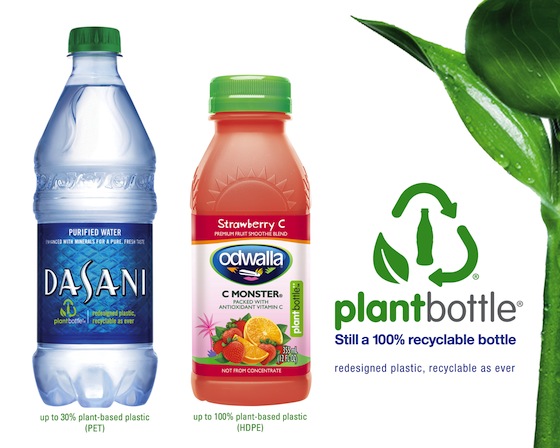
New opportunities appear when it comes to regulations and policies. Some voices claim that the Basel Convention could be extended to regulate plastic waste as well. Importers could also implement new regulations and apply high taxes to plastic import.
What really happens after China put a ban on plastic import? We really don’t know for sure, but as the need to recycle larger volumes of plastic arises, maybe the world’s nations will become increasingly aware and willing to invest in cutting-edge recycling technologies and maybe even completely replace the use of plastic in manufacturing processes.
Is the ink industry getting more environmentally friendly in 2018?


Ink manufacturing has come a long way over the past decade. However, the big question is whether we can see any signs of “green” printing? As ink is used in almost every industry, we must conclude that ink is also a significant contributor to several environmental issues. Let’s explore the efforts that have been made to reduce the impact of ink manufacturing on the environment:
Improvements in technology
There’s been a tremendous advance in technology over the past few years. In 2018, vegetable, water or eco solvent ink can print just as well as petroleum-based inks. Using these alternative eco-friendly ink options is indeed kinder to the environment.
Water-less ink technology has also helped to reduce the burden on the environment. The textile industry, for example, uses a staggering amount of water to aid in the ink drying process, which results in significant levels of water pollution. So, using water-less ink technology can help combat the issue of water pollution.
But, it’s important to highlight that improvements in technology go much further than advancements in ink formulations:
First, an increasing number of eco-friendly printers are available to buy on the market in 2018. These printers include a variety of energy-saving power modes, with some, said to use up to 96% less energy than a traditional printer. Additionally, advancements in economical printing technology are helping to reduce the level of ink used per job.

Second, a more substantial number of toners are being recycled. As part of their environmental commitments, most popular printer manufacturing brands now offer a toner collection recycling scheme.
Economics
A key factor to environmental progress in ink manufacturing is the economic market. Guerino Sacripante explains that the price of oil can have a significant effect on ink production. If the price of oil is high, companies are incentivised to look for alternative bio-solutions to produce ink. Whereas, if the price of oil is low, companies find that it makes financial sense to manufacture ink from toxic petrochemical solvents.
We must also consider the effect that industry price wars have on the manufacturing landscape. In specific ink markets, the competition is so fierce that companies will do their best to reduce manufacturing costs. So, bottom line: if it’s cheaper to manufacture ink using non-sustainable chemicals, then so be it!
That’s when the government needs to step in and ensure that sustainable practices are carried out, despite the economic pressures. Luckily for us and the planet, you can see below some of the initiatives that governments have implemented to reduce the harm of ink manufacturing on the environment.
Government regulations
The government can have a considerable influence on the uptake of sustainable ink production practices in the industry.
For example, the Chinese government introduced a new environmental tax policy in January of 2018, which incentivises local authorities to do a better job at enforcing the policy. By allowing local authorities to set their own environmental tax rates and keep the full tax income, the government is hoping that local authorities will be more inclined to impose the policy.
As it turns out, regional councils have used the new policy as a way of encouraging or discouraging manufacturing growth and levels of pollution. For example, Beijing has some of the highest levels of air pollution in the country, yet also has the highest environmental tax rate in China. On the other hand, specific regions have opted for a low tax rate to entice manufacturing investments in the area.
What’s more, the Chinese government is rewarding manufacturing firms with a 25% tax reduction if they reduce their pollution by 30%-49%.
So, as we can see from the Chinese efforts: governments can be an excellent catalyst for environmental change if they can nudge the industry in the right direction.
Brand awareness
Brands are increasingly listening to the demands of their customers. As environmental issues become more mainstream, so are customers that request eco-friendly product options.
Society’s shift in perspective is pressuring brands to review their environmental practices, including those of their partners and suppliers.
Some companies, especially in the food industry, have implemented an all-natural packing initiative for their products, which strictly uses recycled paper and bio-renewable or water-based inks.
We can see that customer demand can influence corporate behaviour. Companies are aware that a customer’s buying decision is not controlled by price alone. So, the more pressure that we put on the ink manufacturing industry to change, the sooner the change will happen.
Summary
Is the ink industry more environmentally friendly in 2018? The answer would be: yes and no. There is undoubtedly a lot of evidence that things are moving in the right direction and a lot of progress has been made. But, we can also see that despite the advancements in ink technologies, numerous other factors influence ink manufacturing behaviour. Whether it’s government policies, economic markets or brand awareness, we can agree that there is still much to be done for the sake of our planet.
How Cooking Is Good For Your Soul

You don’t have to love your boss who came to dinner, nor your kid’s friends who likely will gulp down the food and rush off. You don’t even have to cook for anyone else. The simple act of cooking enriches your soul.
Cooking empowers you. Let’s say you want to cook our easy baked eggplant eggplant in tomato sauce. When you shop for the ingredients, you look for a plump, heavy eggplant with taut skin. You want ripe, juicy tomatoes. Already your judgment is called into play. What’s the perfect cheese for this dish? How much salt and oregano does the sauce need?
You decide.
It’s not at all like picking up a package of eggplant parm from the frozen food section at the supermarket. You’re planning a dish the way you imagine it should taste and look, not the way food technicians in a manufacturer’s lab decided for you.
Home cooking connects you to the season and to where you live. It’s full summer now. This is the time to buy eggplants and tomatoes. Come winter, you may crave them, but they won’t be available, or at least, not as fresh and lovely as they are now. That’s alright. Staying aware of produce’s seasonal appearances and disappearances keeps you connected to the cycle of the year in a subtle, earth-bound way.
What’s special to your area that you can only get in season? To keep your small carbon footprint small, you turn aside from imported foods in favor of produce grown close to home. Of course, you can make ahead and freeze for later on. Almost every cookbook and food blog encourages you to can or preserve seasonal foods, and they all comment how “summer floods the kitchen” when you open a jar of your own tomato sauce or pesto in winter.
Handling food engages all the senses. I give my grandsons a cooking class every other week. One of the things I mention as we’re chopping and stirring is to pay attention to how food sounds. The freshest mushrooms release a crisp sound as the knife slices through them. A crackle coming from the oven may tell you that the cookies are getting over-baked.
It’s more than smell and taste; it’s if the cucumbers feel slimy (yech) or smooth, or if the apple has a bruise. Watch and listen, I tell them. The food tells you when it’s underdone, overdone or at the right point. I’m hoping that my grandsons carry this awareness over to life, as their lives expand into the future.
Cooking is therapeutic. The steady thud of the knife on the chopping block.The sway of the food as your spoon moves it in the pot. It’s a sensuous, soothing thing. Even washing the damn dishes can be a meditative act. Knowing that you’re producing something delicious – even if it’s for you only – gives you peace, but the process itself, if you’re willing to see it, is satisfying.
With cooking comes resourcefulness. Once you’re used to thinking in terms of producing food from your own hands, you find that improvising a meal is no big deal. Maybe someone drops in unexpectedly and stays until dinner time. Look in the fridge and the pantry: with a can of black beans (or beans you cooked and froze earlier), a cup of raw rice, garlic, seasonings, and some eggs, you can produce a decent meal of rice and beans and an omelet.
Even better if you get your friend to slice tomatoes and cucumbers for a salad.
Home cooking encourages patience. You might look at a recipe that requires an overnight stay in the fridge and think, “Oh, what, I’m supposed to wait eight hours?” A slow-cooked dish or one that requires several steps shows off your talent, but so does a simple bowl of strawberries and thickly whipped fresh cream, because you took five minutes to whip cream with a mixer instead of squirting industrially aerated, chemical-laden foam out of a can.
Every time you cook, it’s a new experience, even if it’s food you can almost cook with your eyes closed. You judge, taste, and judge again. You may need to improvise and substitute an ingredient you’re missing with another. You learn to give the heat and the pot and the ingredients the time they need. As in human relationships, cooking needs your awareness and time.
Then there’s caring. You look forward to the gleam of anticipation in the eyes of those at the table when you set a savory-smelling dish down in front of them. There’s your unspoken message: “I considered your preferences (and possible food sensitivities). I did my best to make you feel welcome. You’re important to me, and this is how I show it.”
Julia Child used to say, “Never apologize for what you serve.” I add, “Never inform your guests how much time, effort, or money it took to produce their meal.” You invested all that, true. But the food that leaves your hands is an offering, an offering to good feeling and good health. Enjoy!
3 Cocktail Inspired Cupcake Recipes for Summer


Cupcakes are one of the most versatile desserts. You can stick with traditional flavors like vanilla or chocolate or get a little creative by using fresh fruit, jams, or even a coffee infusion. Ever wanted to turn your favorite boozy cocktails into a delicious dessert that will satisfy any sweet tooth? If so, you’ve come to the right place!
These delicious desserts will make you feel as if you’re in a cheesy Las Vegas bar without ever having to leave your home. Here are 3 cocktail inspired cupcake recipes that are sure to make this summer a hit.
- Piña Colada Cupcakes
These Piña Colada cupcakes are perfect for those days when you want to feel as if you’re on a the beach, enjoying the sun, water, and burying your feet in the sand.
Ingredients
For pineapple filling
- 1 cup crushed pineapple
- 1 cup pineapple juice
- 1 cup sugar
- 1 cup water
- 1/3 cup coconut rum
For the cupcakes
- 2 ½ cups cake flour
- 1/3 cup granulated sugar
- 1 cup room temperature pineapple juice
- 1 ½ sticks butter
- 6 large egg whites
- 3 teaspoons vanilla extract
- 4 teaspoons baking powder
- 1 teaspoon salt
For the frosting
- 1 8oz package cream cheese, softened
- 4 cups powdered sugar
- ½ cup (1 stick) butter, softened
- 1 Tablespoon coconut milk
- 1 teaspoon coconut extract
- 1 teaspoon vanilla extract
- 1 cup shredded sweetened coconut
- Toasted coconut, for garnish
Make the filling
- In a medium saucepan, combine pineapple juice, crushed pineapple, sugar, and coconut rum. Bring to a boil and stir until the sugar dissolves.
- Reduce heat and keep mixture at a gentle boil for 35 minutes.
- When done, the mixture will be very thick, almost like the texture of jam.
- Remove from heat and set saucepan aside.
Make the cupcakes
- Preheat oven to 350 degrees F.
- Use cooking spray to coat two 12 tin muffin pans.
- In a medium bowl mix egg whites, pineapple juice, and vanilla extra.
- In a large bowl mix together cake flour, sugar, baking powder, and salt. Cube butter and beat on medium. The mixture should be crumbly.
- Pour half of the juice mixture into the dry ingredients. Mix for two minutes. Add the remaining juice then beat for a minute.
- Scoop cupcake batter into each tin filling it about two-thirds of the way. Add a teaspoon of pineapple filling. Repeat for all tins.
- Bake for 20-25 minutes or until a toothpick inserted into the cupcake comes out clean.
- Remove cupcakes and let them cool for at least 20 minutes.
Make the frosting
- Beat together butter and cream cheese until creamy. Add the powdered sugar a cup at a time.
- Add in the coconut milk and extracts. If the frosting is too thick, add another tablespoon of coconut milk.
- Stir in shredded coconut.
- Once cupcakes are cool, spread icing over each cupcake. Top with toasted coconut and serve!
Cosmopolitan Cupcakes
These cupcakes are perfectly pretty in pink, and not to mention, also extremely taste. If you want to enjoy a Cosmo as a sweet treat, these cupcakes are for you.
Ingredients
For the Cosmopolitan mixture
- 1 ½ fluid ounce cranberry vodka
- ½ fluid ounce Cointreau
- 1 teaspoon lime juice
- 1 ½ ounces cranberry juice
- Lime zest for garnish
For the cupcakes
- 2 ¼ cups sugar
- 1 stick of butter, room temperature
- 2 eggs, room temperature
- 2 ½ teaspoon baking powder
- ½ teaspoon salt
- 3 cups of all-purpose flour
- ¼ cup butter milk
- 1 ¼ cup Cosmopolitan mixture
- Zest of 1 lime
- Red food coloring
For the buttercream
- 3 stick butter
- 4 cups powdered sugar
- 4 Tablespoon of Cosmo mixture
- Pinch of salt
- Red food coloring
Directions
- Preheat oven to 350 F degrees. Line muffin pans with pink or silver cupcake liners.
- Using a mixer, beat butter and sugar until fluffy. Add one egg at a time and beat until combined then add lime zest.
- Combine flour, baking powder, in salt in a separate large bowl.
- Make Cosmopolitan mixture by combining all ingredients and vigorously shaking using a blending cup. Set 1 ½ cups of mixture aside.
- Add 1 cup of dry ingredients into Cosmo mixture until both dry and wet ingredients are well combined. Slowly add in drops of red food coloring to achieve the desired color.
- Fill cupcake tins 2/3 of the way full. Bake for 18-22 minutes. Cool for 10 minutes.
- Make a glaze by heating 1/2 cup of the Cosmo mix. The liquid should thicken. Once cooled, brush glaze onto each cupcake.
- Cream butter and slowly add in powdered sugar. Add in salt and then add in one tablespoon of Cosmo mixture at a time. Add red food coloring to achieve desired color.
- Pipe buttercream onto cupcakes and top with an umbrella or pink sprinkles.
- Strawberry Margarita Cupcakes
There’s no better way to enjoy summer than with a cold margarita in hand. These strawberry margarita cupcakes taste amazing and will make your summer time table spread look extremely festive.
Ingredients
For the cupcakes
- 1 ½ cups of all-purpose flour
- 2 teaspoons baking powder
- ¼ teaspoon salt
- 1 stick of unsalted butter, room temperature
- 1 cup sugar
- 2 large eggs
- 2 limes, juiced and zested
- ¼ teaspoon vanilla extract
- ½ cup buttermilk
For the filling
- 2 cups strawberries, chopped
- Juice and zest of 1 lime
- ¼ cup tequila
- 1 tablespoon sugar
- 3 teaspoons corn starch
For the frosting
1 ½ sticks of butter, softened
4 cups powdered sugar
2 tablespoons of filling
Instructions
For the cupcakes
- Preheat oven to 325 F degrees. Line cupcake pan with paper liners. Spray with cooking spray.
- In a medium bowl whisk flour, salt, and baking soda.
- Using a stand mixer and the paddle attachment, cream butter and sugar until light and fluffy.
- Combine eggs one at a time, mixing well and scraping sides as needed. Add in lime juice, zest, and vanilla.
- Add in dry ingredients and then add in buttermilk.
- Scoop batter into cupcake liners, filling them three quarters of the way. Bake for 20-24 minutes and then let cool for 10 minutes.
- Once cooled, using a sharp knife to cut out a cone-shape from each cupcake.
For the filling
- Combine strawberries, lime juice, lime zest, sugar, and cornstarch in a small saucepan. Cook over medium heat until the mixture thickens.
- Use an immersion blender or a food blender to puree.
- Cook for another 5-10 minutes. Stir in tequila and let cool completely.
- Once cooled, add two teaspoons of the filling to each cupcake.
For the frosting
- In a large bowl cream the butter. Add in powdered sugar in one cup at a time. Add in strawberry filling and a splash of tequila. Mix the frosting and if too thick, add a splash of lime juice.
- Spread or pipe the icing onto the cupcakes. Sprinkle coarse sugar around the edges and top with a lime wedge and/or strawberry.
Conclusion
Who says you can’t have your cake and eat it (or drink it!) too? With these 3 tasty cocktail inspired cake recipes, you can ensure that your summer is the perfect mix of sweet, delicious, and of course a little boozy.
Dandelion Beer, A Seasonal Homebrew RECIPE

It’s July, a good month to forage. See any dandelions out there? If those bright yellow heads are popping up in a field or nearby lawn, you have the raw materials for a good home brew at hand.
I once lived in Safed, a hilltop town with snowy winters; just the right climate for dandelions. From May, when dandelion roots were still fat and the young greens made their first appearance, all through mild summer weather, I’d have a jug of dandelion beer fizzing on the kitchen counter. And bottles of dandie beer chilling in the fridge.
It’s a beer to drink young, a truly seasonal quaff. The flavor is beery, mildly floral, with an interesting bitter note. The mouthfeel will be thinner than commercial beers’, but careful, it packs a good punch. Start drinking dandelion beer seven days after fermentation takes off, up to three weeks later. After that, the flavor degrades. That’s why I had a perpetual beer jug working away on the counter. The last batch of the season was a marker for the turning of the year towards full summer.
I gathered my dandelion roots and leaves from neglected gardens, where I was sure no one had sprayed pesticides. Once hot, dry weather set in firmly, it wasn’t worth breaking the soil up to get at those edible weeds; the greens would be tough and bitter, and the roots shrunk down. You need to gather your dandelions while the greens are not large yet; young and tender. Ideally, the plants you get should not be blooming yet, although it helps to identify them if several others nearby are.
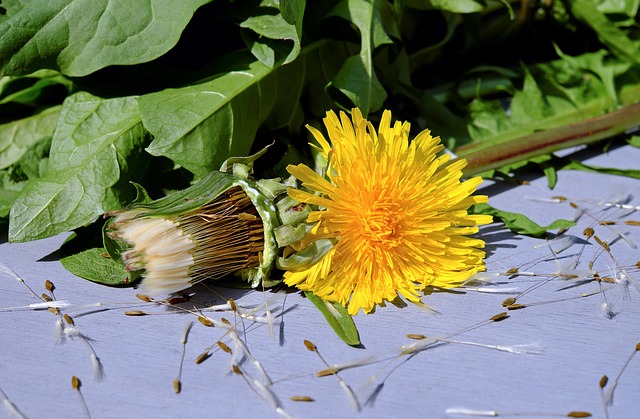
It takes about fifteen minutes to dig up all you need for a gallon of beer. Back home, the big project is washing the mud off your wild harvest. Cut the greens off the roots and soak them in cool salt water before rinsing them thoroughly. The roots soak in a separate basin. They will need a few changes of water to get really clean.
A note about the yeast: I successfully used a couple of teaspoons from a cube of moist baking yeast. You can use granulated yeast. If you have access to beer yeast, that’s the best. But I never did, and my dandelion beer was great.

Dandelion Beer
Yield: 1 gallon/4 liters/12 12-oz. bottles
This recipe reminds me of old jokes that start out “First, go out and steal a chicken…” In our case, go out and dig up about 1 quart/1 liter/4 cups young dandelion plants with roots and leaves.
Ingredients:
1 quart/1 liter/4 cups young dandelion plants with roots and leaves.
1/2 oz./15 grams/1/8 cup fresh ginger root
1 large lemon
1 gallon/4 liters water
1 lb./450 grams brown sugar
1 oz./25 grams/1 tablespoon cream of tartar
1/4 oz./10 grams yeast
Have ready a large pot, a scrupulously clean food-safe bucket, a colander, and cheesecloth for straining. Substitute any clean loose-weave fabric for cheesecloth if needed. Later you will need sterilized strong bottles with screw tops. In a pinch, sterilize soda bottles and caps.
Slice the dandelion and ginger root thinly.
Peel the lemon, avoiding the bitter white pith as much as possible.
Put the sliced roots and lemon peel in a large pot with all the water.
Bring to a boil, covered, then reduce the heat to a simmer. Let the roots cook 10 minutes.
Allow the root brew to cool somewhat, covered. It should be quite warm when you strain it.
Juice the peeled lemon and set the juice aside.
Put the sugar and cream of tartar into the bucket.
Line the colander with cheesecloth and position it over the bucket.
Strain the root brew into the bucket.
Stir to dissolve the sugar.
Blend the yeast with 1/4 cup warm water.
Let the liquid cool to room temperature before stirring in the yeast and the lemon juice.
Stir the brew vigorously.
Cover the bucket with a clean towel. Keep the bucket in a warm corner safe from getting knocked around.
Let the beer ferment for three days, mixing it well once daily.
Siphon or strain the beer into your bottles. Avoid getting the residue at the bottom of the bucket into the bottles.
Screw the bottle caps on, but not too tightly.
Store the bottles away from light, in a cool place or the fridge for seven days. Open with caution and enjoy.

How Remineralizing Tooth Powder Fights Cavities

We all have those nights of eating sugary junk food before bed and not brushing our teeth. Life happens, right? But, sometimes we fall into our habits too often. In turn, we find ourselves dealing with pain and sensitivity, two well-known symptoms of a cavity.
Most people make an immediate trip to the dentist when they suspect a cavity. This means drilling, filling, and sometimes even a full-on painful root canal to clear out decay and bacteria. But what if you didn’t have to undergo uncomfortable dental procedures when you have a cavity?
Believe it or not, there is a product out there that can help fight cavities and restore your teeth back to health. Enter remineralizing tooth powder. Here’s what you need to know about this product and how it can greatly benefit your dental and overall oral health.
What is Tooth Remineralization?
Every day, our teeth loose minerals. If you brush with traditional store-bought toothpaste, you’re introducing harmful and toxic ingredients into your mouth that can actually worsen the problem. Consider glycerin, a common ingredient in store brand toothpaste. Glycerin coats your teeth to prevent enamel erosion, but it keeps healthy minerals from being absorbed by your teeth.
To reverse this issue, it’s best to use toothpaste that is free of glycerin and other harmful chemicals like SLS, triclosan, and propylene glycol. The best available option is a remineralizing tooth powder. Tooth powders contain the powerful ingredient of natural clay.
Clays like white kaolin and bentonite are full of vital minerals that are great for keeping your teeth and gums in optimal health. Minerals such as potassium, calcium, zinc, magnesium, and silica are all must-haves for keeping your teeth healthy and protected.
Other ingredients, like aluminum-free baking soda, neutralize acids, creating the ideal environment for tooth remineralization.
As you get into the routine of brushing your teeth with a remineralizing powder, you’re strengthening your teeth and better protecting them against the harmful effects of high levels of bad bacteria in the mouth.
Other Ways to Protect Your Teeth
Aside from switching to a remineralizing tooth powder, there are all sorts of ways to protect your teeth against the risk of painful cavities.
Eat Less Sugar
First, minimize the amount of sugar in your diet. Sugar feeds on oral bacteria, and its highly acidic nature demineralizes your teeth. This creates the prime environment for dental decay. To reduce the amount of sugar in your diet, you’ll need to cut back on certain foods and drinks such as:
- Baked goods
- Candy
- Fruit juices
- Soda
The less sugar you eat and drink on a daily basis, the less damage you’ll do to your teeth. In turn, your use of remineralizing tooth powder won’t be done in vain.
Reduce Foods That Are High in Phytic Acid
Phytic acid is an enzyme inhibitor and a mineral blocker that is found in beans, seeds, grains, and nuts. While these foods are healthy additions to your diet, they should be eaten in small quantities. Because of how we manufacture and prepare these foods today, phytic acid isn’t killed off, unlike in ancient techniques through sprouting or fermentation.
Eating a diet that’s high in phytic acid can lead to osteoporosis. This is because the acid makes it nearly impossible for your body to absorb magnesium, phosphorus, and other important minerals.
Not only does phytic acid prevent your body from absorbing these must-have minerals, it also takes minerals out of your bones and your teeth.
Eat Foods High in Minerals
As you eliminate harmful foods from your diet, you’ll want to eat more foods that are high in nutrients and minerals that your teeth will love. One food that is extremely high in magnesium, phosphorus, vitamin D3, vitamin K2, and calcium is raw dairy. Grass-fed butter, raw cheeses, and kefir are great additions for a tooth-friendly diet.
Other foods to add to your diet include fruit, meat, eggs, bone broth, leafy green vegetables. Foods that are high in healthy fats, like olives and avocados, are also great additions.
By eating foods that introduce important minerals into your body, your teeth are less likely to suffer from the effects of demineralization.
Conclusion
Commercial toothpastes may promise tartar control and whitening properties, but a remineralizing tooth powder is the most worthwhile product that you’ll ever add to your dental care routine. By using tooth powder on a routine basis, not only will you clean your teeth and remove bad bacteria, you’ll also reintroduce the important minerals that your teeth need to stay in tiptop condition.
Was this article helpful and informative? Leave us a comment with your thoughts in the section below.
Tips for students how to minimize impact on the environment


A lot of people have been much more attentive to the environmental footprint we live on the planet as species. With the rise of technologies, industrialization and worldwide population, we tend to literally alter our surroundings in numerous quite unpleasant ways. People have to face the results of their vital activities and reconsider the attitude towards nature and our place in it. Otherwise, the results can be devastating, and the next generations might face a quite massive environmental crisis, that can be avoided by following simple rules. The key is to convert as many people as possible to the philosophy of ecological living, recycling, and reduced energy consumption. And as a student, you have all the perfect tools and conditions to achieve this task. Stay tuned for further instruction on how to save our planet and leave positive environmental impacts instead of regular wastes and tons of garbage.

Try to use single-use plastic less
Everybody likes partying, there is no denial of that. But the big crowd and fun games also come with a lot of plastics in the form of straws or those famous red beer cups. Many countries nowadays are thinking of putting a ban on straws and other non-recycling items like cotton pads and wet wipes because all of them are hard to break down and they end up polluting oceans. Staying away from using those things are not that hard, but it is one of the best ways to reduce the impact on the environment.
Recycle everything
It is a golden rule of leading a planet-friendly lifestyle. Recycling solves the waste question and has a tremendously positive outcome on our habitation. You know the basics of this process, but we are going to add some tips designed specifically for college and university students. Even in our digital age we still turn in a lot of works written in the good old notebook. Sometimes people get nice grades, sometimes they don’t. Of course, you can type in Google “source to pay someone to write my paper” and get help, but if you didn’t – don’t worry, we got you covered. Any bad assignments, drafts, drawings, unnecessary lecture materials can be recycled! Get rid of all used paper stocks in your room, and you will get a double benefit – rescued nature and more storage space.

Use food waste wisely

One of the very good but subtle ways to reduce human impact on the environment is to utilize edible waste in a proper way. A big percentage of soil is drained and “tired” from constant agriculture activity. It needs rebound and time to bring the balance back to its composition. Compost aka food waste does exactly that, and it is extremely easy to through away leftovers into dedicated trash bins. If your canteen does not have those, it could be easily arranged. We are sure officials would not mind this initiative.
Save resources
It is hard not to mention the fact that about 13% of Earth population does not have access to the clean water. This year marks the first time any major city (talking about Cape Town situation) went waterless. Lack of drinking water is one of the major problems humanity will face in the nearest future if we don’t change our ways now. So one of the most efficient ways to minimize human impact on the environment is to use water, electricity, heating wisely. It doesn’t matter whether you live in the dormitory or rent an apartment. Pay attention to this issue and alert your roommates on the saving strategies.

Use your learning space to promote green ideas
Educating people on how to save our planet is the best way you can help as a student. Spread the word about basic recycling and ecological tips for everyday life at your campus, join “green” groups, organize activities that will help to raise awareness on this topic. It can be something fun and engaging, for instance, a BBQ with board games, sports competitions, or school game day with an emphasis on the environmental issues. Educate yourself on the topic and share with others!
Be reasonable
That is the best tip there is if you want to protect the planet. Do not distance from “difficult” issues, but embrace them! There is a problem of overconsumption and, thus, overproduction.
- Use thrift shops. You might find pretty luxurious garments there, spare the world from one more garbage pile and save some money for other adventures.
- Go shopping with a tote bag. It will prevent plastic bags from polluting the oceans.
- Use public transport as much as possible. It is a hard one, but many countries have sophisticated and practical transportation systems, and in some, there are special prices for people who have chosen to get to work/university by train or a bus. The fewer cars are used on the everyday basis, the less carbon waste is disposed into the air.
The major challenge is to implicate these small changes into your daily routine, turn them into habits and educate others. But the outcome will be huge, and hopefully, our planet will thank us one day for these efforts.
The Top 10 Benefits of Environmental Education


Where will you get your drinking water if it is polluted? How will a father to teach his children to hunt and fish if thousands of acres of forest are bulldozed to make room for shopping malls? Without children who have been taught how to preserve our ecosystems, we will lose all of the beautiful parks, forests, and lakes that are so dear to us. That is why we believe that at your next PTA meeting or when choosing your MBA, you should promote incorporating environmental education into the curriculum. Here are ten talking points that you can bring up at the next meeting when you need an expert paper writing service.
-
Promotes Respect for Nature in Children
Too many times when I have been driving down the road have I seen piles of garbage left in fields and forests. Not only are they eyesores that lower property values, but they pollute the places where we live. By instilling a healthy respect for nature in our children, we can prevent such things from happening in the future.
-
Teaches Children to Be Kind to Animals and People
“If you have men who will exclude any of God’s creatures from the shelter of compassion and pity, you will have men who will deal likewise with their fellow men.” So said St. Francis of Assisi. By teaching children how their behavior affects wildlife and the environment, you can also help them to understand that caring for the environment has positive effects on people, as well.

-
Helps Children to Develop Critical Thinking Skills
Not only does ecological education help children to develop a sense of respect for nature, but it also teaches them how to think critically about the long term consequences of their actions. This is a skill not only useful for those interested in conservation, but in every other aspect of life, too.

-
Encourages Your Students to Live a Healthy Lifestyle
Too many children sit at home all day in front of computer screens while texting on their phones. By teaching kids about the benefits of nature, you can get them involved in activities outside of the house, such as hiking, fishing, and biking.

-
Students Learn Responsibility and Safety
Another reason to include environmental education activities into the school curriculum is that they instruct students to be responsible and safe. These classes not only emphasize the importance of conservation, but they also teach students – and adults – to be mindful of their surroundings and to avoid taking unnecessary and dangerous risks. Anyone who has taken a wilderness safety course or hunter education will tell you the same thing.
-
Eco Education is a Fun Break From the Routine
While core subjects are important, it sometimes does not hurt to take a two day break to learn something else. Why not make that ‘something else’ fun? Ecological education is a great way to get children out of the classroom and outside where they can participate in engaging, hands on activities.

-
Students Can Learn Valuable STEM (science, technology, engineering, mathematics) Skills
Educational environmental activities not only teach students to care about the places where they live, but it presents teachers with a fun way to incorporate subjects such as math, chemistry, and biology into the curriculum. What could be better than learning STEM in a forest or meadow?

-
Get Students Civically Engaged
One of the biggest problems in the modern era is a lack of civic engagement amongst young people. Classes such as the ones we are advocating for can teach children how to play an active and positive role in city and county level organizations.

-
Helps to Meet State Requirements
Most, if not all, states have certain requirements that have to be met by the school districts. Ecological education courses give teachers an opportunity to meet these requirements, especially those teaching science and math.
-
Prepares Students for Future Careers
Eco education prepares students for exciting, well-paying careers. Those who get an environmental science degree at college can go on to become teachers, federal employees, or game wardens.

As you see, ecological education has many benefits and advantages that will greatly enhance the learning process at your school district. With these talking points in hand, you can walk confidently into your next PTA meeting and convince your school board the necessity of including it into the curriculum.
Types of solar panels
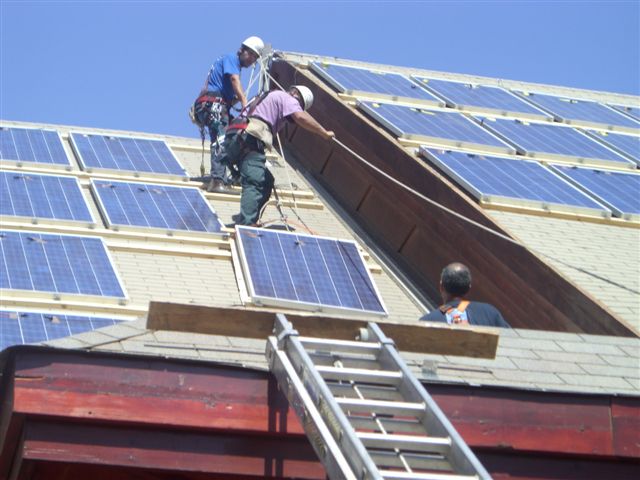
There has never been a better time to embrace the power of solar energy. The price of installing a solar panel system keeps falling and the Federal Government, along with several cities, offer lucrative incentives and rebates for installing such a system. Even better is the fact that a solar installation saves you money on energy, helps out the environment, and adds thousands of dollars to the value of a home.
It’s not hard to see why solar power is such an attractive proposition. It’s also not hard to see why some people might have some difficulty choosing a solar installation since there are so many options available. This article provides some clarity about the different types of solar panels and which type may be right for you.
Solar Compatibility
Before you start thinking about installing a solar panel system, you should make sure that your home, specifically your roof, is solar compatible. This means that your roof needs to be in good shape; if you know that your roof needs renovation, then you should execute that renovation before installing any solar panels. Otherwise you would need to remove and then replace the panels during the renovation.
You should also make sure that there is not any significant shade on the majority of your roof for most of the day, especially during peak sunlight hours. Shade prevents the solar panels from operating at their maximum efficiency. If the object causing the shade can be removed or reduced, then you should do so before the installation.
The Different Kinds of Solar Panels
Once you have determined that your roof is compatible, it is time to consider the type of solar panel that is right for your home. The information presented here includes the panel type’s efficiency rating, which is the percentage of solar energy that the panel converts into electricity. These are the types from which you can choose.
Monocrystalline Silicon (Mono-Si)
Mono-Si solar panels are the purest types, which also makes them the most efficient. They are distinguished by their dark color and rounded edges. Their high efficiency means that fewer of them need to be used, so they are a good option for homes with less roof space. They are the most expensive type of panel so you should only purchase them if you need to.
- Longevity: 25 years
- Efficiency rating: 15% – 22%
Polycrystalline Silicon (Poly-Si)
Poly-Si solar panels have a highly recognizable blue color, they are cheaper, but also less efficient, than mono-Si panels. They also do not last as long. However, they are a good choice if your roof has enough space to hold a lot of panels.
- Longevity: 20 – 25 years
- Efficiency rating: 13% – 16%
Thin Film Solar Cells (TFSC)
These are relatively inexpensive panels, and their thinness gives them a flexibility that allows for a lot of different applications. The different types of TFSC include the following.
- Amorphous Silicon (A-Si) – these are the types of cells you see on solar powered pocket calculators. They are very inexpensive, but also very inefficient.
- Longevity: 14 – 17 years
- Efficiency rating: 6% – 10%
- Copper Indium Gallium Selenide (CIGS) – CIGS solar panels are among the most versatile because their flexibility allows them to be used in a variety of different ways besides solar installations.
- Longevity: 7- 15 years
- Efficiency rating: 10% – 12%
- Cadmium Telluride (CdTe) – these are fairly inexpensive panels, which means that they offer a faster return on investment than the other panel types.
- Longevity: 10 – 15 years
- Efficiency rating: 9% – 11%
Building Integrated Photovoltaics (BIPV)
These are solar panels integrated into the components of the house, like the shingles or tiles of a roof. This is a relatively new application for residential buildings. The longevity and efficiency rating are dependent on the number and type of panel used in the integration.
Choose Your Solar Panel Carefully

Aside from your solar panel choice, you should also think about the inverter. This is the device that converts the DC electricity produced by the solar panels into useable AC electricity for the home. Call your local installer to get more details about solar panels and the installation process,
Bun-less Chicken Burgers With Swiss Chard


Sometimes, when I’m scouting out the produce at the shuk, I can’t resist bringing home a big, leafy bunch of fresh Swiss chard.
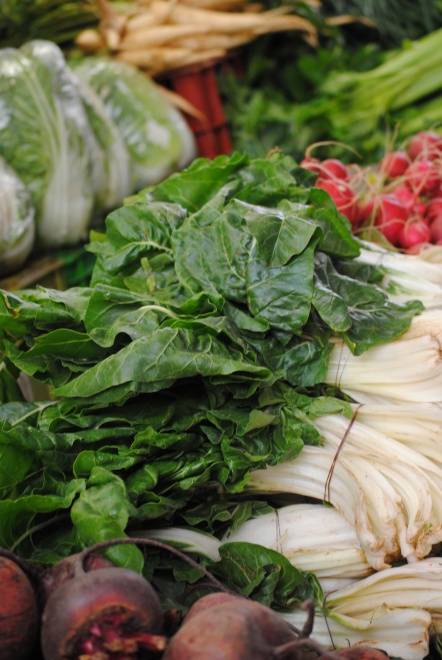
I imagine all kinds of wonderful dishes to make with it, but usually I give in to laziness and just sauté the white stalks in olive oil with onions and garlic, adding the thickly-sliced greens a little later and stir-frying till all is done. That’s a delicious green side dish, but on occasion, I want to pair Swiss chard with something else. Something substantial.
Friends were coming over for an informal dinner. I needed a menu with a good protein punch, but something light, and with plenty of vegetables. A search in the fridge turned up a half-kilo of ground chicken from the previous day’s shopping: had to cook that up soon. I remembered a dish of chicken patties flavored with Mediterranean herbs and preserved lemons that’s always a hit with my carnivore friends. The patties are lightly cooked with a melange of Swiss chard, tomatoes and potatoes that simmered down to a light, brightly-favored sauce. Just the ticket.
Chicken Burgers With Swiss Chard
4 generous portions
Ingredients:
1 large potato, peeled and thickly sliced
1 large, ripe tomato, thickly sliced
1 bunch of Swiss chard or beet greens, rinsed free of dirt
1 pound organic ground chicken
1 onion, finely chopped
1 egg, beaten
2 tablespoons dry bread crumbs
1 teaspoon salt
1/4 -1/2 teaspoon ground black pepper
1 teaspoon crushed dried herbs: sage, rosemary, oregano, thyme – alone or in any combination
Olive oil for shallow frying
Juice of 1 lemon or 1/2 preserved lemon, roughly chopped
3 cloves garlic, mashed
1 cup water or chicken stock
1 cup white wine
1 teaspoon cornstarch
1 small bunch scallions
Cut away the white stems of the chard leaves. Reserve them.
Put the green leaves in a large pan without any added water. Cook, covered, over low heat until they wilt. This should take 2-3 minutes.
Remove the greens to a chopping block with tongs or a large fork. Allow them to cool, then chop them finely.
Put the ground chicken, egg, onion, chopped greens, bread crumbs, dried herbs, and salt and pepper into a large bowl .
Blend vigorously with a large spoon or spatula, then knead the seasoned meat mixture with your hands, until you have a firm, well-blended mix.
Shape 4-6 patties.
Prepare a skillet with a little olive oil on the bottom. Fry the patties for 5 minutes on each side, just enough to make them hold together and to give them a good brown color. Remove them to a plate.
Dissolve the cornstarch in a little water. To the still-hot frying pan, add 1 cup white wine and stir, loosening up any bits of meat. Add the dissolved cornstarch and stir, 1 minute.
Pour a few tablespoons of olive oil into another, large skillet that you can cover with a lid later. Fry the potato slices over a medium flame. Add the sliced tomato and fry, stirring, until the potatoes are barely cooked through.
Meantime, slice the white part of the beet stems into 3” – 8 cm. lengths.
Fry the garlic until just soft in the skillet with the potatoes and tomatoes. This should take 1-2 minutes. Drizzle in a little more olive oil if needed to keep the vegetables from sticking. Add the lemon juice or preserved lemon.
Stir the chard stems into the vegetables cooking in the second skillet. Scrape the cornstarch mixture out of the first frying pan, into the vegetable skillet. Place the chicken patties on top, moving the vegetables around to make room for them. Add 1 cup water or stock, and more if needed to cover the patties about half-way up.
Cook, covered, over medium heat, for 20 minutes or until the burgers are cooked through.
Taste the vegetables and surrounding liquid for seasoning; add more salt and/or pepper if needed.
Remove the burgers and keep them warm in the oven. Uncover the skillet and cook the liquid down to a thin sauce.
Pour the reduced liquid over the burgers. Chop the scallions and scatter them over the meatballs just before bringing them to the table.
Serve with rice or couscous.
Enjoy!