
Home Blog Page 203

Cannabis oil as CBD offers an elixir for life and pain relief

0

cannabis oil cbd
Anyone who has ever had the unlucky experience of seeing a loved one suffer from pain knows and understands just how few tools are available to doctors for pain management. The best solutions, and
about the only ones that work for pain management in cancer patients are morphine based. After long periods of use the morphine dosages need to be increased and the patients suffer from serious side-effects such as instability on their feet –– liable to cause a broken bone or
worse –– and severe mental instability.

Patients on morphine are quite literally stoned all the time. And while the experience might be more pleasant than the pain, the psychological effects can be devastating to both the patient and their
family. On one hand the patient wants and needs pain relief badly, but on the other the opioids can lead to confusion and severe hallucinations. I experienced this first-hand with my father when he
was in the active stages of dying from cancer. While the pain was under control, the drugs made him confused and it didn’t allow us to get close to him in the way we needed in last days, and weeks. We
didn’t know what else to do. The doctors told us they could not prescribe cannabis in the hospital.
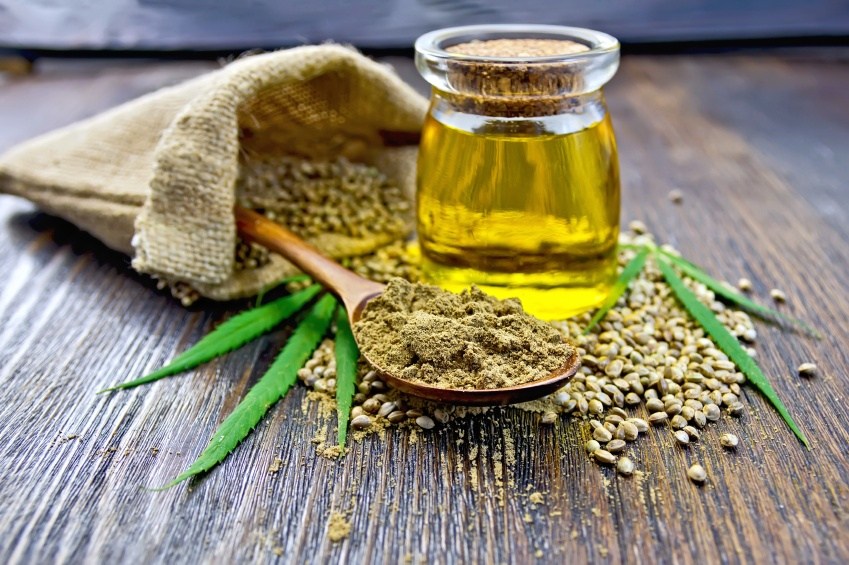
cannabis oil cbd

Shamans and medicine men and women have known for thousands of years that the cannabis plant offers an excellent way to relieve pain. In the olden days when cannabis wasn’t that strong people would smoke the whole plant and experience all sorts of benefits, including psychotropic ones.

Thanks to the brave work and research by parents, scientists and physicians alike, people like Dr. Alan Shackelford and Dr. Raphael Mechoulam, we can now give active pain relief components to cancer
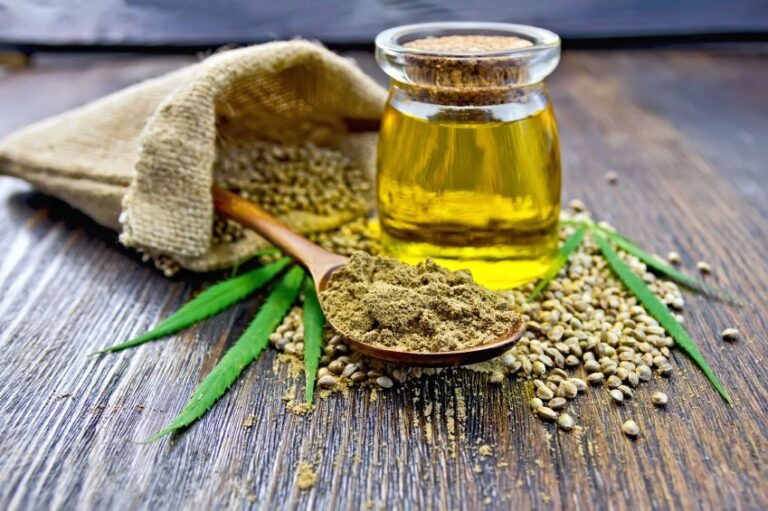
patients and those suffering from chronic pain, without giving them the high. The answer is in cannabidial, one of the molecules created by the cannabis plant. Also known as CBD (see CBD Oil UK) it is the mellower of chemicals in the marijuana plant, offering long-term pain relief without the high. It can be isolated in high concentrations giving much of the plant’s benefit to the patient without getting them stoned.

While the “high” aspect of cannabis definitely should not be discounted in part of the therapy for many people who use the plant as relief, it is questionable about how well one can work, drive –– or if you are a child –– can function on the entire cannabis plant including that with THC.

CBD, especially in the properly dosed oil format can be used in conjunction with conventional pain treatments to modulate and hopefully reduce the dose or remove the use of the addictive conventional therapy altogether.

If you’re interested in learning more about or trying CBD, check out this review of the best CBD oils.
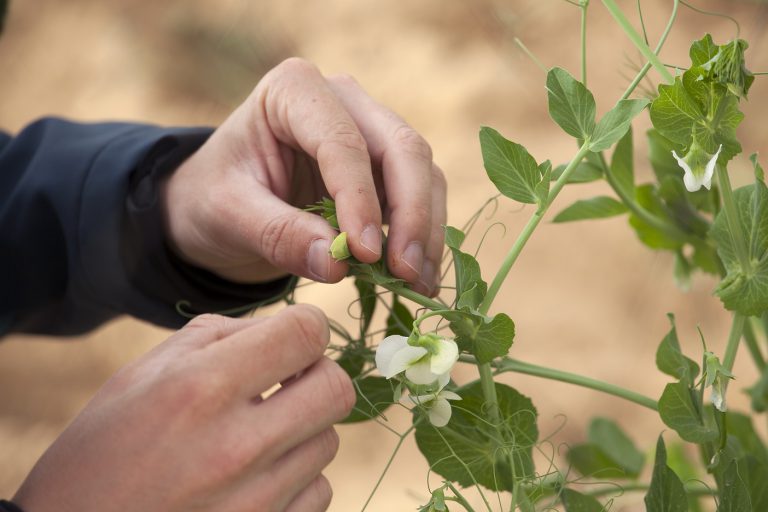
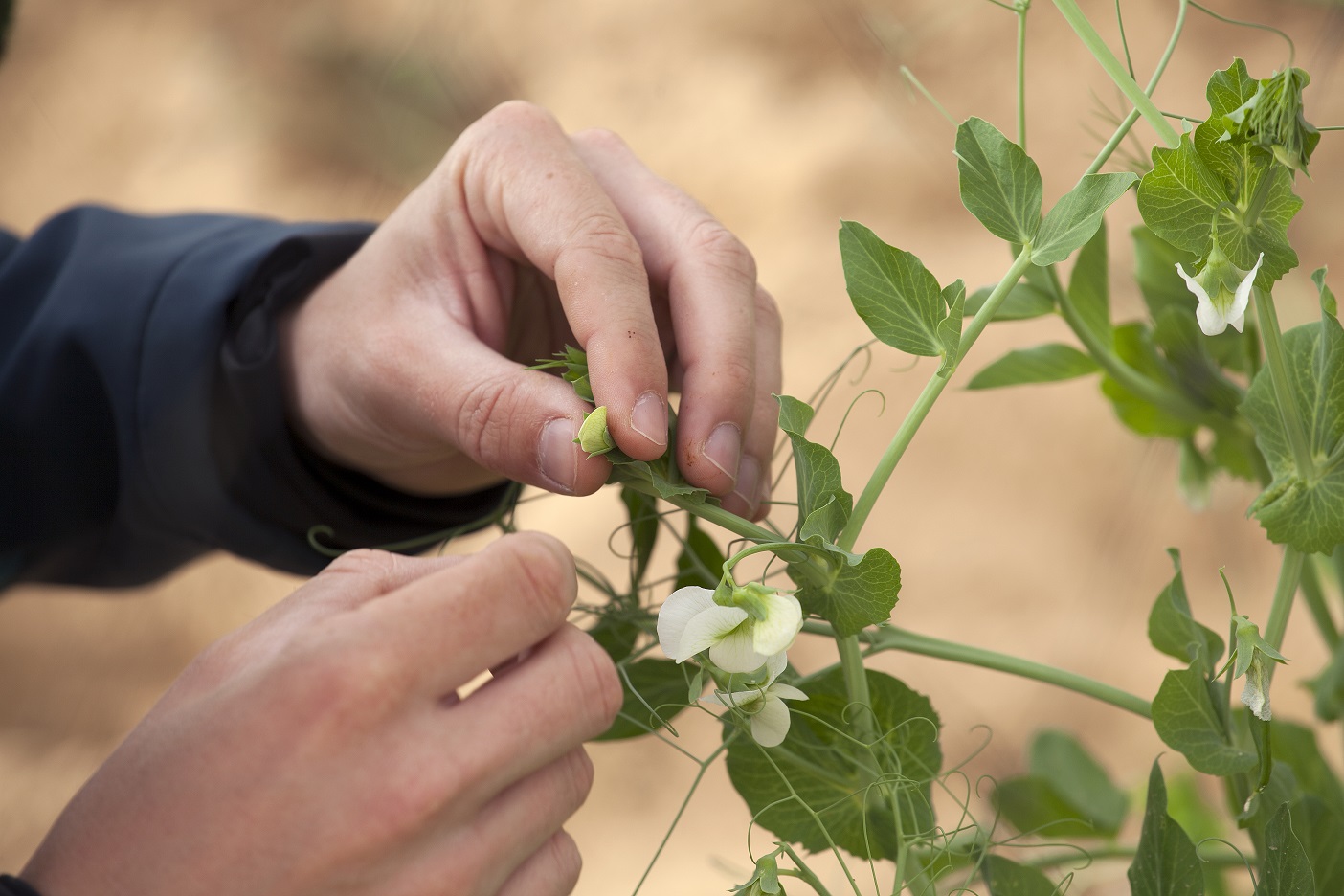
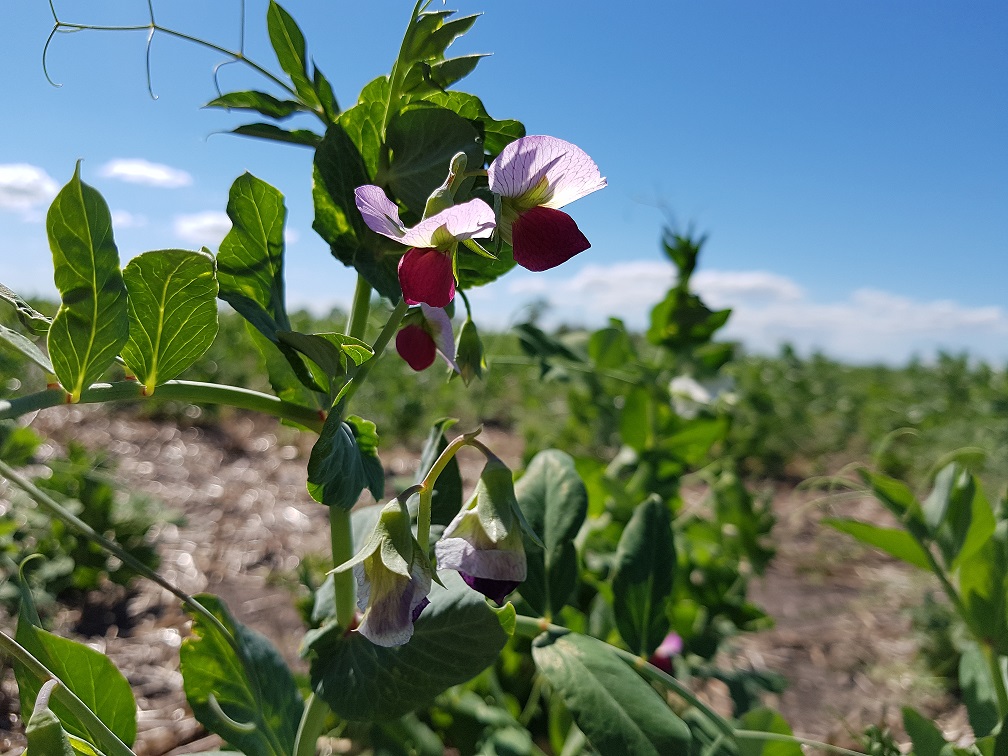
Planting a non-GMO pea with 50% more protein

equinom

Protein. The world needs it. Especially as we learn every day when an animal-based protein diet is killing our planet. Equinom, a seed tech start-up from Israel, is combining natural breeding techniques with software algorithms to produce high-functioning, non-genetically modified organism (non-GMO) seeds that have a superior nutritional profile while also boosting crop yield.

The company is from Israel, like so many innovative agriculture companies, including the company flux, developing a robot to understand the language of plants.

The technology of Equinom creates a next-step ecosystem directly connecting food companies to the supply chain, in turn bringing greater transparency and paving the way for more responsible sourcing of high-value plant protein.

Equinom helps to produce high-quality protein on less land with less water consumption and reduced crop waste – a crucial issue when it comes to maintaining a sustainable food supply. The firm also helps develop consistent product and affordable pricing to ensure farmers’ incomes. Equinom’s tech experts used DNA sequencing and algorithms to discover various genomic crop characteristics. Then, through careful selection, breeds for seeds that maximize a plant’s natural abilities. This technology enables production of non-GMO grains and pulses, including chickpeas, sesame, and soy, that possess substantially more protein with better functionality than varieties currently on the market. The technology also led to the discovery of rare varieties and traits that existed in nature but had been lost in years of breeding.

“The plant-based protein mega-trend has driven food companies to create more and more tasty, nutritious plant-based products,” says Gil Shalev CEO for Equinom. “However, meeting demand has presented challenges due to poor organoleptic properties inherent in many plant protein ingredients. The high investment required to develop new, profitable varieties using conventional breeding, coupled by slow throughput, poses more obstacles.”

Equinom successfully implemented a multi- tiered program:

  1. Defining the product – Equinom works with food companies to define their desired target seed attributes, including, protein load, taste, color, and nutritional score.
  2. Crossbreeding – The desired qualities are sought in singular seed varieties or developed through crossbreeding.
  3. Optimized genetic code -The target product is formulated using a proprietary algorithm that runs millions of genomic combinations in silico (via computer modeling), in order to identify seeds with the highest nutritional potential.

Equinom’s new ecosystem brings multiple benefits

Equinom’s advances in computational breeding could lead to attractive rewards for all involved along the agri-food chain. Farmers can grow more sustainable crops from seeds tailored to desired specifications, and reap the benefit of better economies-of-scale as crop yield potential is dramatically enhanced.

Likewise consumers and food companies are now able enjoy products of a higher nutritional value at competitive prices. This project has also served to connect farmers with food ingredients companies who in effect have come into closer contact with the entire supply chain through constant tracking and monitoring bringing greater transparency and traceability.

“A food company that depends on legumes of a certain composition may have to wait anywhere between five to ten years under traditional methods,” explains Itay Dana, Director of Marketing at Equinom. “Today, working in concert with the food company, we can design a target product with all the desired characteristics of taste, quality, and nutrient composition within two to three years.”

Equinom’s advanced economical breeding techniques exemplifies how genomics could be instrumental in overcoming some of the tremendous technical challenges that the agri-food industry has been facing in its efforts to supply the market with plant-based protein-rich products and seed oils, particularly in the face of a huge social rejection of GMO crops.

Greater plant-protein diversity in the long term

The company has expressed its long-term goal moving the agri-sector into a new sustainable, more profitable phase, and to engender more plant-protein diversity. Currently, 90% of cultivation of protein crops is concentrated on soy and wheat. The technology also reduces the anti-nutritional factors (ANF) inherent in plant proteins already at seed level. This, in turn, increases the proteins’ bioavailability, making them more nutritive and more fully absorbed in the gut.

To date, Equinom has signed a number of contracts with global leaders in the food industry. These include a multi-year contract with Sabra Dipping Company, LLC, US (a joint venture of PepsiCo, Inc., US, and Israel’s Strauss Group Ltd.), as well as a commercialization agreement with Mitsui & Co. of Japan.

Recently, Roquette, France, signed a partnership with Equinom for the development and sourcing of new pea varieties with high-protein content. In addition to this new collaboration, Roquette and Equinom’s current shareholder Fortissimo Capital, Israel, will jointly invest US$4 million in the company to support its further development, bringing the company a total ofUS$10.5 million in investments.

Mother of the Eco Bride: Roles and Responsibilities

0

refugee wedding

As a blushing (green!) bride to be, you’re probably incredibly familiar with all of the roles and responsibilities of your bridal party. You’ve probably already figured out which bridesmaid will hold your bouquet, which is responsible for a speech, and what your flower girl will dole out as you walk down the aisle.

But do you know what the roles and responsibilities are for your mother? Do you know what your mom, as the mother of the bride, needs to be doing to help you get ready for your big day?

If not, no worries – we laid it all out here for you!

Check out some of the primary roles and responsibilities for the mother of the bride below!

 Planning the Big Day

That’s right – this is a responsibility all brides are going to appreciate. Planning the big day. Although that typically falls on the bride herself, it’s a mother’s responsibility to aid her during this exciting –albeit stressful – time. MOBs help find the wedding dress, assist at fittings, provide the wording for the invitations, research family heirlooms, implement traditions, plan the guest list, and more! 

Bridesmaid Wrangler

The MOB is the bridesmaid wrangler, the one to run interference if the mischief gets too bold, and the one to ensure that everyone is doing their individual jobs. Trust us, as the bride, you’re going to be far too busy with your planning and executing to have awkward convos with your bridesmaids about simmering down – leave that to the MOB.

The Go-To Contact

Your MOB is also the one to contact – put her on the invites for RSVPs, refer the bridesmaids to her, have the groomsmen talk to her, too. She’s the one who’s got it all together and will make sure everyone knows what’s what. She’s the name you give to florists, to caterers, to venue scouts, and more!

Playing Hostess

Above all, the MOB is the designated hostess. On your big day, you’re not going to have time to meet and greet everyone – how could you? You’re getting married! She’ll greet the crowd, she’ll help move the party along, she’ll arrange gifts and keep the wedding plans in line – you’re going to be glad to have her doing all this because it allows you to better enjoy your special day.

All While Looking Amazing

The greatest role or responsibility of all for MOBs? Looking absolutely amazing at your wedding. That’s where we come in. You need to pick your dress among every type of mother of the bride dresses that you could possibly imagine. No matter the cut, color, size, or style, you must choose the one that fit you most and make you look elegant and beautiful. 


Combination of Cannabis and other Natural Ingredients as a Topical Medication for the healing of Muscle Pain, Sports Injuries, and Arthritis

0

The topical medications have been used for a long time now for mild health issues and are also recommended by doctors in various circumstances or sometimes even for specific problems. Primarily you might have witnessed the usage of the topical medicines in skin related diseases or issues, or possibly for muscle pains.

You might have guessed by now that you have been using it in the forms of ointments, creams, solutions, gels, foams, and drops which you apply on your skin or mucous membranes. There are various advantages behind the usage of such medicines, and that’s the reason why they exist in the first place. One of the most significant benefits of using topical medication is the idea of alternative medicine. Professionals at time fear to give you certain medications orally because of the other medicines you are consuming. They don’t want your body to experience an unwanted reaction which can be hazardous.

This is the reason why they end up choosing topical medicines as an alternative.

It is also massively used for muscle pain, spasms, and other body part muscle pains. But recently the introduction of cannabis with the combination of different natural ingredients is changing the dimensions of the topical medication industry. The concept once looked with inhibitions by the practitioners is now being welcomed with open arms by the pharmaceutical industry. A lot of research was done, and finally, CBDMEDIC has come up with topical ointments and creams for sports injuries, arthritis, muscle, and joint pains, etc.

Cannabis topical (THC Free), when prepared with other natural ingredients, has known to produce effective results for temporary pain relief symptoms. CBDMEDIC is the first and only family of topical medications that have worked on combining the advanced science with natural organic ingredients such as menthol, camphor, hemp extract which is – Cannabis sativa L (THC free and non-psychoactive) and other finest natural ingredients. CBDMEDIC pain relief products are known to work fast for temporary relief of the pain symptoms.

Today, after a ground-breaking research and a new technology, CBDMEDIC products are FDA- registered legitimately and in conformance with FDA manufacturing requirements.

CBDMEDIC is right now the pioneer when it comes to the manufacturing of such topical medications. These topical medications have also been claimed to have the following advantages over the other traditional topical medications.

  • Localized Pain Management – For body areas such as back, knee, hands, and other work injuries.
  • Reduces Arthritis – It is quite common in the arthritic condition that one goes through swelling and inflammation in the joints. The CBDMEDIC formula reduces the inflammation by activating the CB2 receptors.
  • Alleviates Symptoms of Sports related activities and injuries such as IT Band Syndrome, Plantar Fasciitis and Shin Splints.

People have openly started using CBDMEDIC products to get themselves temporarily free of their pain driven conditions with some cause or the other. CBDMEDIC products are available just in the forms of creams and ointments. When you apply any ointment, it is in contact with your body on a peripheral basis which means it cannot enter your bloodstream. And this also promises zero non-psych activity.


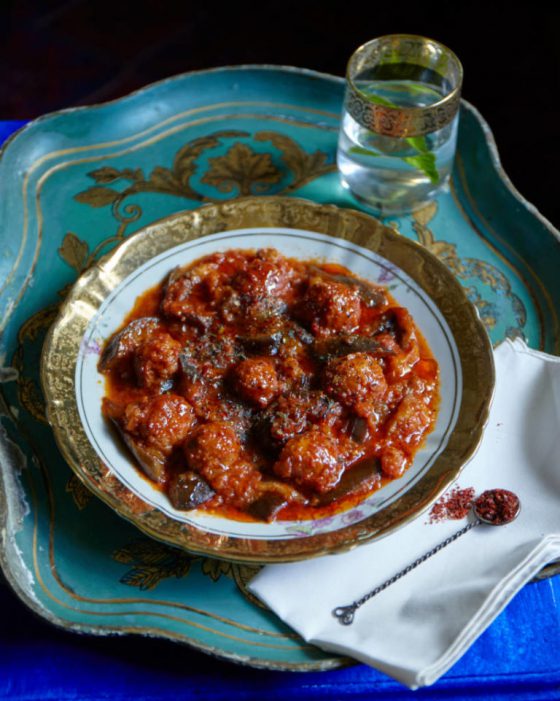
Vegan Recipe: Turkish Bulgur Balls In Eggplant & Tomato Sauce

0
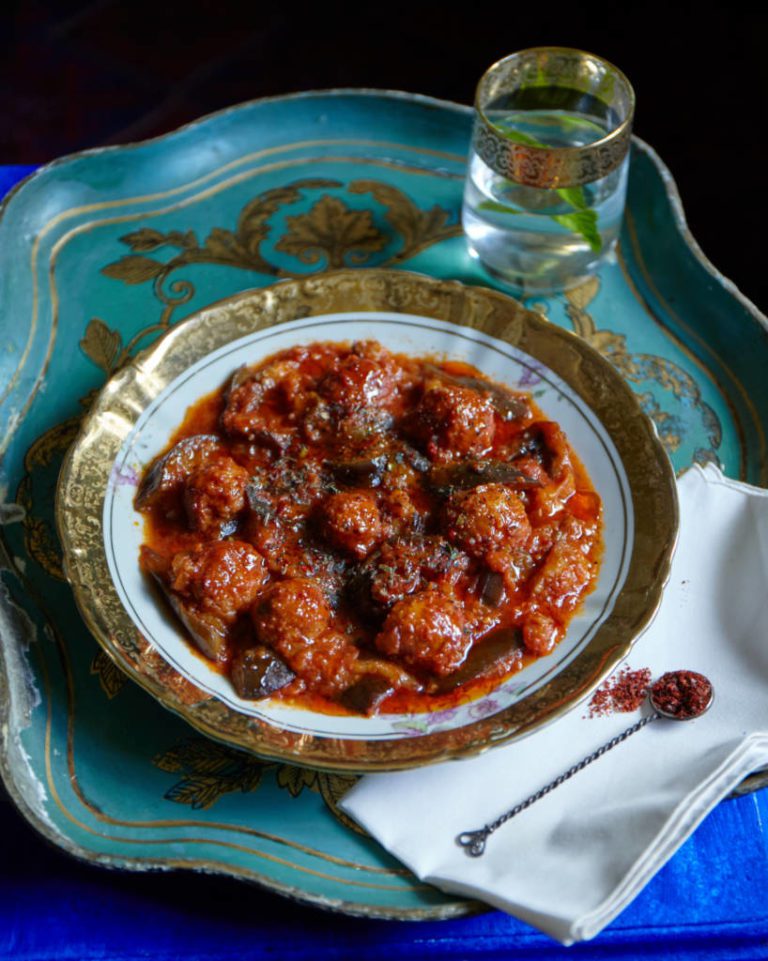
Turkish Bulgar Balls recipe, use vegan option instead
I’m always looking for recipes with eggplants (aubergines) (like this one). I was delighted to come across this recipe with rib-sticking bulgur balls in a meaty eggplant and tomato sauce. It’s vegan, but the chef, Ozlem  Warren, gives the option to include ground beef in the bulgar balls if you wish.

Warren is a Turkish food writer, culinary teacher and food tour guide. I picked up this mouth-watering recipe from her charming blog, Ozlem’s Turkish Table. She writes that it’s a festive specialty from Antakya and that it will be featured in her intriguing new cookbook, Ozlem’s Turkish Table.

The dish is a labor of love that requires time and some kneading. But all of the stages are easy, and for the dedicated cook, it’s an opportunity to recreate a truly authentic Mediterranean dish. You’ll need to get your hands on Turkish red pepper paste, available in Middle Eastern shops, or make your own.

Bulgar Balls in Eggplant/Tomato Sauce
Serves: 4-6
Ingredients For Eggplant/Tomato Sauce:

2 medium eggplants
1 medium onion, finely chopped
3 garlic cloves, finely chopped
2 cans of 400g/14oz good quality plum tomatoes
10ml/2 teaspoons red pepper paste (recipe here)
15ml/1 tablespoon tomato paste
15ml/1 tablespoon pomegranate molasses
45ml/3 tablespoons olive oil
900ml/1½ pints water
10ml/2 teaspoons dried mint
5ml/1 teaspoon Turkish red pepper flakes or chili flakes
Salt and ground black pepper to taste

Ingredients for Bulgur Balls:

110g/4oz fine bulgur. If only coarse bulgur is available, pulse it a few times in a food processor to make it fine.
90ml/3fl oz warm water to wet the bulgur
120ml/4fl oz warm water to knead the bulgur
40g/1½oz coarse semolina
30ml/2 tablespoons warm water for semolina
         

Optional: 60g/2oz extra lean (double grind) minced/ground beef
15ml/1 tablespoon red pepper paste
5ml/1 teaspoon ground cumin
5ml/1 teaspoon Turkish red pepper flakes or chili flakes
Salt to taste

First make the bulgur balls. Place the fine bulgur in a large mixing bowl. Stir in the red pepper paste, cumin, salt and red pepper flakes and mix them all well. Then pour the 90ml/3fl oz warm water all over it.

Using your hands, give the mixture a good mix and let it absorb the water for 10 minutes. In the meantime, place the semolina in a separate bowl and stir in the 30ml/2 tablespoons warm water.

Knead and turn the semolina mixture into a soft dough. Semolina is important here as it helps to bind the bulgur dough.

Have the 120ml/4fl oz warm water bowl next to you and start kneading the bulgur mixture for about 5 minutes. Wet your hands continuously while kneading.

Stir in the semolina dough and knead together for another 5 minutes. (Add the optional meat.) Knead for 10 minutes, until you get a smooth dough.

Have a bowl of cold water aside to shape the small round bulgur balls. Wet your hands and take a large cherry size bulgur dough into your palm and shape it like a small ball. Place the bulgur balls side-by-side on a tray and continue until you finish all the bulgur dough.

Quarter the eggplants then slice each piece diagonally in 3cm/about 1in chunks. Lay them on a tray and season with salt. Leave for about 15 minutes. Drain the excess moisture by squeezing them with a paper towel.

Place the plum tomatoes into a food processor and process until you achieve a coarse purée.

In a deep, heavy pan, pour in the olive oil and stir in the eggplants. Sauté for 3-4 minutes, until they have a nice golden colour.

Place the sautéed eggplants on a wide plate over a paper towel to get rid of the excess oil.

Stir the garlic and the onions into the pan and sauté for another 2-3 minutes.

Add the puréed tomato, tomato paste, red pepper paste and the water to the pan. Stir in the eggplants, season with salt and freshly ground pepper. Combine gently. Cover and cook on a medium heat for 15 minutes.

Carefully drop the bulgur balls into the pan and combine well. Cover and cook on a low heat for another 25 minutes.

Stir in the pomegranate molasses, dried mint and red pepper flakes. Turn the heat off and serve warm with Turkish pide bread or any good crusty bread.

Recipe and photo by permission of Ozlem Warren via Ozlem’s Turkish Table.

Recipe: Turkish Red Pepper Paste

1

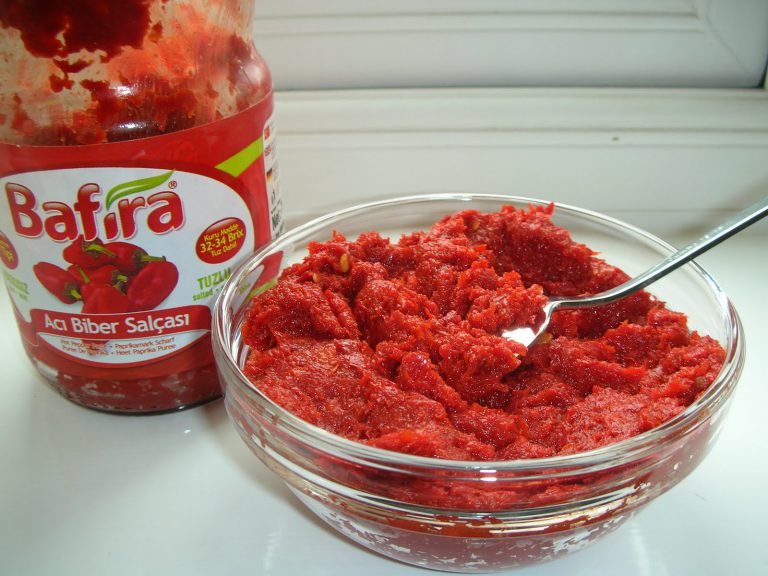
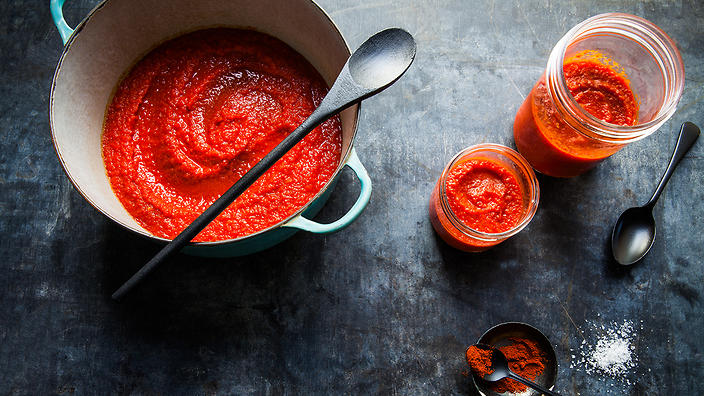
If you love Turkish food and crave its flavors at home, you’ll soon find yourself stirring up the Turkish pantry staple, spicy red pepper paste. It’s a basic flavoring ingredient for many dishes in southern Turkish cuisine. There are no tomatoes in the paste; its deep red color comes from slow-cooking red bell peppers and chilies. The ingredients are simple, but the finished paste gives your food spicy complexity.

A typical red pepper paste will be hot. But vary the heat factor to your taste. If it suits you better, make it milder, with fewer chilies or even none at all. Or ratchet the heat up with the hottest chilies you can find. The paste lasts four weeks refrigerated. You can freeze part of it for later.

The first step will be to char the peppers and chilies. The way that yields the best flavor is to place them on a grill over a flame and let them cook, turning them from side to side, until the skins are blackened and the flesh is soft. You may need to do this in two batches. Keep your kitchen window open, as the odor will be strong. You can also char the peppers under the broiler in your oven, but they won’t have that hint of smokiness that you get from charring them on the stovetop (or even better, over charcoal in the open air).

The rest comes easy: pureeing the peppers in a food processor or blender, then cooking them with the rest of the ingredients, stirring every so often.

How to use this spicy red gem? First, find some fascinating Turkish recipes like Bulgur Balls in Eggplant and Tomato Sauce. Or just use your culinary imagination. I like to slip a spoonful of red pepper paste into a pot of beans, beat a little into eggs for a spicy omelet, or mix it with za’atar, smear it on open pita halves and pop the bread into a hot oven to toast. Once you taste the finished pepper paste, you’ll know what to do with it.

Turkish Red Pepper Paste

Ingredients:

6 large red bell peppers

6 meaty red chilies

3 teaspoons any variety paprika (sweet, hot, or smoked), according to taste

2 tablespoons lemon juice

2 tablespoons olive oil

1 1/2 teaspoons salt

More olive oil to cover the finished paste

Place the peppers and chilies on a metal grill over an open flame, toasting them and turning them to their uncooked sides every so often. This should take about 10 minutes. The skins should be blackened and the vegetables starting to ooze a little juice.

Place the peppers and chilies in a large bowl and cover them with dish or a re-used plastic bag. The skins will loosen as the vegetables cool down.

Skin the peppers and chilies. Take off the stems and and seeds. You may want to wear gloves when handling the chilies if they’re a really hot variety. Turkish chef Ozlem Warren recommends scraping the flesh off the chilies’ skins with a knife, rather than peeling them.

Process the vegetables in a food processor or blender until smooth.

Pour the pureed peppers and chilies into a large pan. Add the paprika, lemon juice, olive oil and salt. Cook over medium heat until the combination simmers, then reduce the heat to low. Stir often. It will take up to 50 minutes for the moisture to evaporate until a thick paste forms. As for jam, test by dragging a spoon over the base of the pan. If you see a trail, the paste is ready.

Once the paste has cooled, spoon it into a very clean, very dry jar. Pour a little additional olive oil over the surface to seal it. Place the lid on the jar and keep the paste refrigerated.

Photo of Turkish red pepper paste via here

Gargle With Sage To Stay Healthy In Winter

0

image fresh sage leaves

Sage Infusion 

Sage infusion strengthens gums and treats periodontal disease, if you gargle with it regularly. Sage is an antiseptic, skin-soothing herb with a special affinity for the tissues of the mouth and throat. Gargle with sage infusion twice a day all winter long to prevent colds and flu and to prevent/treat mouth sores. Do it after brushing teeth, not before. It doesn’t taste great, but it’s not meant to be swallowed, only gargled or applied topically.

I recommend buying a big bunch of fresh sage and hanging it up to dry by the stems, in small bunches. It’ll be cheaper and fresher than any supermarket or health food product. It’s ready for use when the leaves and stems are brittle.  Dried sage will keep its medicinal value for a year if stored in a glass jar away from light and heat.

Fresh sage is fine to use also, of course. I usually make up two cups of infusion from the fresh herb and hang the rest up to dry. One cup goes to the fridge for daily use and I freeze the other cup.

To keep your gums healthy, swish the infusion around in your mouth for a couple of minutes after brushing your teeth. Gargle and spit it out. Do this twice a day. It’s especially valuable if you do it before going to bed, as you won’t be eating or drinking for several hours afterward. You may want to warm up the infusion, but if you don’t have time for that, cold infusion works too.

Apply sage infusion directly to cold sores, pimples, minor skin infections. Dab a cotton swab into the infusion and press it to the skin.

Sage Infusion Recipe: Ingredients and equipment:

1 oz. – ½ cup – 8 tablespoons – dried sage

1 quart – 4 cups – boiling water

1 one-quart jar with a lid, preferably glass

1 spoon and a folded towel or wooden surface on which to place the jar – to prevent cracking.

Place the sage leaves in the jar and place it on a folded towel or chopping block. Place the spoon in to reduce the shock of boiling water.

Fill the jar with boiling water. Stir the leaves around. Put the lid on.

Steep the leaves 4 hours.

Strain.

Keep the strained infusion in the fridge, although you may want to warm up the portion that you intend to gargle with. It will last 2 weeks refrigerated. If it seems like you won’t use it all up, freeze the excess up to 2 months (in an ice cube tray for convenience). Or make half the recipe.

Children may gargle with sage infusion (they won’t like it, though). Don’t have them swallow any, as sage mimics estrogen activity and you don’t want anything interfering with their hormones. My own pediatrician permitted my kids to gargle with sage, and their file later showed that they had no colds or flus during the winter they agreed to gargle. And their hormones are fine.

Stay warm, stay healthy!

Air pollution means global warming more catastrophic: new research

0
air pollution tehran, iran
You don’t really want to breathe in Tehran. The air pollution is so bad.

For a while now, the scientific community has known that global warming is caused by manmade emissions in the form of greenhouse gases and global cooling by air pollution in the form of aerosols.  However, new research published in Science by Hebrew University of Jerusalem Professor Daniel Rosenfeld shows that the degree to which aerosols cool the earth has been grossly underestimated, necessitating a recalculation of climate change models to more accurately predict the pace of global warming.

Aerosols are tiny particles that float in the air.  They can form naturally (e.g., desert dust) or artificially (e.g., smoke from coal, car exhaust).  Aerosols cool our environment by enhancing cloud cover that reflect the sunlight (heat) back to space.

As for the first, clouds form when wind rises and cools.  However, cloud composition is largely determined by aerosols.  The more aerosol particles a shallow cloud contains, the more small water droplets it will hold.  Rain happens when these droplets bind together.  Since it takes longer for small droplets to bind together than it does for large droplets, aerosol-filled or “polluted” clouds contain more water, live in the sky longer (while they wait for droplets to bind and rain to fall, after which the clouds will dissipate) and cover a greater area.  All the while, the aerosol-laden clouds reflect more solar energy back into space, thereby cooling the Earth’s overall temperature.

Welcome to Cairo. Just don’t breathe in.

To what extent do aerosols cool down our environment?  To date, all estimates were unreliable because it was impossible to separate the effects of rising winds which create the clouds, from the effects of aerosols which determine their composition.  Until now.

Rosenfeld and his colleague Yannian Zhu from the Meteorological Institute of Shaanxi Province in China developed a new method that uses satellite images to separately calculate the effect of vertical winds and aerosol cloud droplet numbers.  They applied this methodology to low-lying cloud cover above the world’s oceans between the Equator and 40°S.  With this new method, Rosenfeld and his colleagues were able to more accurately calculate aerosols’ cooling effects on the Earth’s energy budget.  And, they discovered that aerosols’ cooling effect is nearly twice higher than previously thought.

However, if this is true then how come the earth is getting warmer, not cooler?  For all of the global attention on climate warming, aerosol pollution rates from vehicles, agriculture and power plants is still very high.  For Rosenfeld, this discrepancy might point to an ever deeper and more troubling reality. “If the aerosols indeed cause a greater cooling effect than previously estimated, then the warming effect of the greenhouse gases has also been larger than we thought, enabling greenhouse gas emissions to overcome the cooling effect of aerosols and points to a greater amount of global warming than we previously thought,” he shared.

The fact that our planet is getting warmer even though aerosols are cooling it down at higher rates than previously thought brings us to a Catch-22 situation: Global efforts to improve air quality by developing cleaner fuels and burning less coal could end up harming our planet by reducing the number of aerosols in the atmosphere, and by doing so, diminishing aerosols’ cooling ability to offset global warming.

According to Rosenfeld, another hypothesis to explain why Earth is getting warmer even though aerosols have been cooling it down at an even a greater rate is a possible warming effect of aerosols when they lodge in deep clouds, meaning those 10 kilometers or more above the Earth. Israel’s Space Agency and France’s National Centre for Space Studies (CNES) have teamed up to develop new satellites that will be able to investigate this deep cloud phenomenon, with Professor Rosenfeld as its principal investigator.

Either way, the conclusion is the same.  Our current global climate predictions do not correctly take into account the significant effects of aerosols on clouds on Earth’s overall energy balance.  Further, Rosenfeld’s recalculations mean fellow scientists will have to rethink their global warming predictions—which currently predict a 1.5° to 4.5°-degree Celsius temperature increase by the end of the 21st century—to provide us a more accurate diagnosis—and prognosis—of the Earth’s climate.

Sea of Galilee still critical water levels, despite winter rain

1

Israel’s fresh water problems have been such an on-going issue that most of the country’s drinking water supplies are now coming from several desalination plants along its Mediterranean coast line. The technology used in these plants has become so advanced that Israel is now sharing it with other countries, including neighboring Cyprus.

After experiencing one of the worst droughts in five years, recent winter rains have now helped considerably to replenish Israel’s  water reserves. This includes Lake Kinneret, which has received more than 19 centimeters of water from recent rains. This amount, according to the Times of Israel news site, flowed into the lake in just two days .
Mr. Uri Schor, a spokesperson from Israel’s Mekorot Water Company, says that although this rainfall and snowfall on Mt Hermon help a lot, “they don’t erase the water shortages of the last five years”.

He expects this season’s rains to be average or even above average; but that it “doesn’t fix the drought”.

The Kinneret, also known as the Sea of Galilee, is the lowest freshwater lake in the world, at levels of 215 to 209 meters below sea level. Presently, the lake is 1.24 meters (4 feet) below the lower red line, and just 0.6 meters (2 feet) above the “black line”; the absolute limit to where the water quality begins to be seriously affected by the salinity from the lake’lower saline depths. This salty bottom layer is fed by salt springs entering the lake. The black line is so dire that at this level the lake becomes increasingly saline with accompanying algae blooms. The Kinneret needs to increase its water level by at least 1.24 meters to reach the lower red line, where the water is relatively safe to use. To become full, the lake needs to rise about 5.4 meters.

The lake is currently not being used as a major water supplier by Israel, due to its dangerously low level. Israel now depends on its desalination plants to supply as much as 85% of its fresh water needs. The Kinneret’s situation is further complicated by Israel’s obligation to supply neighboring Jordan with an agreed supply of fresh water as part of the 2013 Israel-Jordan water trade agreement .Jordan is able to receive up to 50 million cubic meters of water annually from the lake from this agreement.

Mekorot spokesperson Uri Schor attributes climate change as part of Israel’s overall water problem. “This has been the trend for the past 30 years” he says. “We know that because of climate change, Israel will get let less and less water. Sometimes more, sometimes less; but all in all, the overall trend is that there will be less and less water”.

More articles on Israel water problems and solutions:

Cyprus gets new desalination plant with Mekorot Israel’s know-how

Israel and Jordan strike brilliant water trade deal

Wastewater treatment from Israel wins UN recognition


Buying multivitamins – The must-have ingredients and the steps to choose the best one

0

From the time when we inculcated comprehension abilities, we were always told by our parents and elders that vitamins are good for health. Mothers, universally, tell their children to eat broccoli, beans and carrots as they can make them strong and help them grow bigger. Now that you’re a grown-up, you have finally learned that all the words spoken by your mother are true. Without the right intake of vitamins, you wouldn’t be able to live up to your full potential. Apart from vitamins, minerals are also vital and you’ll need them only in few amount thought they most often get overlooked.

While you can seek help of a vitamin store Sydney to buy the best vitamins for your health, it is important to know the main ingredients that your multivitamins should have so that you’re never duped by the store owner. Here are the few ingredients to watch out for.

#1: Magnesium

Magnesium is an important nutrient and this clearly means that we should definitely get them from either food or the supplements that we take. Magnesium plays a vital role for improving the health of your bones and in producing energy. Magnesium can calm down your nervous system, cure sleep issues, regulate function of nerves, balance the sugar levels in your blood and strengthen your DNA.

#2: Vitamin D

It is solely Vitamin D which allows your body to soak in calcium which is again helpful for the health of your bones. When you don’t get enough vitamins, this can increase the likelihood of back pain, bone aches, getting ill and hair and bone loss. Did you know that 15 minutes in the sunlight could technically give you your regular dose of Vitamin D? Yes, so, you need to apply your sunscreen lotions and spend some time under the sun everyday so that you can get your vitamin D everyday.

#3: Zinc

Among the seniors and older generation, zinc tends to fall and anyone who is going through terrific stress will also find a reduction and fall in the level of zinc. Zinc plays a pivotal role in taking care of your immune system and assists your body in using the proteins, carbohydrates, energy or fat. It also lets you heal your wounds.

#4: Calcium

Over 45% of the American population fall short of calcium in their diet. This clearly implies that all these people are not getting the required minerals which are needed to strengthen their teeth and bones. Aging women tend to lose the density of their bones and hence taking calcium health supplements is necessary.

#5: Folate

Folic acid or folate is well known for helping in the development of foetus and also eliminates all sorts of birth defects. In case you’re fighting depression or you’re growing your nails or looking forward to fight inflammation, folic acid is vital.

Signs that you’re choosing the right multivitamin supplements

It totally depends on you about the multivitamin which you’re going to choose for you. You may even decide that you need something different to a multivitamin, such as mushroom extract or another specific type of supplement. Once you visit the local store, you have to know about the signs that you’ve chosen the right multivitamin or other supplement.

  • Verification of USP

There are non-profit independent organizations which determine whether or not the multivitamin supplements actually contain the ingredients which are mentioned in the labels. The non-profit utilizes a list where they mention the ingredients on the labels. If they only use USP, don’t be fooled. Check it online to know whether or not it is actually verified by USP.

  • The perfect balance for your sex and age

The nutrient requirements will vary depending on your age and gender. Women, who are at their premenopausal stage, will need increased iron and the seniors will need more Vitamin D, calcium and B6. You may get in touch with a doctor or a family health physician to know the nutrients which are needed for your gender and age.

  • The right value of ingredients

While choosing a multivitamin, you should choose one with 100% of the regular value of majority of the ingredients. There are few nutrients like calcium which is not possible to include within a multivitamin as this would be too large to swallow. Surpassing 100% of the regular value of nutrients like A, E, D and K can eventually build up inside the body and this tends to get toxic.

  • The important micronutrients

In order to maintain the humming systems, your body will require micronutrients and apart from popular nutrients like calcium, vitamin C, magnesium, iron and potassium, whenever you purchase a multivitamin, it should include riboflavin, thiamine, niacin, B12, biotin, folic acid, magnesium, calcium, zinc, borate, iodine, Vitamin A, E, K, D2 and D3.

  • The nutrients necessary for your body

As per the dietary guidelines, American diets are seen to lack potassium, calcium and fiber. Majority of the multivitamins comprise of restrained level of nutrients. Even though you consume multivitamin, it’s vital to take in foods which are rich in calcium, potassium and fiber.

Therefore, now that you know the ways in which you should choose the best multivitamins, you can easily follow the advice to buy the best ones for you. The time of the day when you should take multivitamins is not that vital but you need to know that taking them along with food will reduce the discomfort in stomach and digestion capabilities.

Renewables better investment than oil and gas, says Gulf body

0

wind energy, solar energy, cleantech, Iran, oil, gas, sanctions, alternative energy

News that Saudi Arabia wouldn’t like to hear: Renewable energy is the most competitive form of power generation in Gulf Cooperation Council (GCC) countries, according to a new report published today by the International Renewable Energy Agency (IRENA). Abundant resources, together with strong enabling frameworks have led to solar PV prices of below 3 cents per kilowatt hour and dispatchable concentrated solar power (CSP) of 7.3 cents per kilowatt hour, which is less than some utilities in the region pay for natural gas.

IRENA’s new ‘Renewable Energy Market Analysis: GCC 2019’ launched during Abu Dhabi Sustainabilty Week, says achieving stated 2030 targets can bring significant economic benefits to the region including the creation of more than 220 000 new jobs whilst saving over 354 million barrels of oil equivalent (MBOE) in regional power sectors. The targets could reduce the power sector’s carbon dioxide emissions by 136 million tonnes (22 per cent reduction), while cutting water withdrawals in the power sector by 11.5 trillion litres (17 per cent reduction) in 2020.

The findings come as GCC economies seek to diversify their economies against the backdrop of fast-growing domestic energy demand and a desire to safeguard hydrocarbon export revenues for the future.

“The GCC is among the most attractive regions in the world to develop large-scale solar and wind energy projects as a result of resource abundance and a favourable policy environment, a fact that is backed up by record low prices,” said IRENA Director-General, Adnan Z. Amin. “As a fossil-fuel exporting region, the GCC’s decisive move towards a renewable energy future is a signal to global investors and to the energy community that we are experiencing a step-change in global energy dynamics and a true energy transformation.” 

“The UAE’s commitment to diversifying the energy mix is central to our long-term economic growth and sustainable development objectives,” said H.E. Suhail Al Mazrouei, UAE Minister of Energy. “IRENA’s GCC analysis provides further evidence of the strong socio-economic case for renewable energy deployment, from job creation to emission reductions. As we look to add generation capacity to serve growing populations and expanding economies, renewables will increasingly serve as central pillar of low-carbon development.”

At the end of 2017, the region had some 146 GW of installed power capacity, of which renewable energy accounted for 867 megawatts. Around 68 per cent this capacity was in the UAE. This represents a four-fold increase on capacity in 2014. Following the UAE are Saudi Arabia with 16 per cent and Kuwait with nine per cent of regional capacity. 

With renewable energy targets now in place across the region, the GCC is poised for a significant acceleration in renewables deployment as countries pursue national goals. Under current plans, the region  will install a total of almost 7 gigawatts (GW) new power generation capacity from renewable sources by the early 2020s.

Solar PV dominates the region’s renewables outlook, accounting for three-quarters of the regional project pipeline, CSP and wind account for 10 per cent and nine per cent respectively. Solar-assisted enhanced oil recovery in Oman is also expected to contribute about 1 gigawatt-thermal (GWth) in 2019.

Proactive policies are central to accelerating renewable energy deployment, per the report, suggesting that lessons can be drawn from the GCC countries where substantial inroads have been made thanks to firm government commitments and credible, time-bound targets with a clear focus on a supportive business environment for investments.

Israel’s Yofix offers dairy and soy-free yoghurt alternative

0

all kinds of nuts on a shelf, dairy alternatives, almond, cashew

Love yoghurt but don’t eat dairy and are afraid of soy? Yofix starts full production of its plant-based yogurt alternatives using zero-waste process.

Yofix Probiotics Ltd., the winner of PepsiCo’s European Nutrition Greenhouse Programme 2018 announced last week, launches its first dairy-free, soy-free yogurt alternative line with three fruit flavors. Soy-free too, because, well soy is the bad guy now. Read our apothecarian’s take on why you need to say no to soy. Especially for babies.

The products are based on a unique, clean-label formula made from just a few natural ingredients. It is traditionally fermented and contains live probiotic cultures plus the prebiotic fibers that feed them.

The new product line is environmentally friendly and vegan, and leaves a low carbon footprint since there is no use of cow milk and, unlike almond or cashew, does not require a great amount of water. Most importantly, the production process is carefully designed to ensure zero waste. All raw materials utilized in production remain in the final product.

Health-conscious consumers recognize yogurt as an immune-boosting source of beneficial probiotics. But these same consumers are increasingly conforming to vegan and flexitarian diets and are seeking plant-based dairy alternatives, as are millions of lactose-intolerant and lactose-sensitive consumers.

Increasingly important to health-minded consumers is the health of the environment (see almond milk killing the bees), driving them toward sustainable products that leave a minimum footprint. Unfortunately, Most of the yogurt alternatives on the market can’t meet dairy yogurt when it comes to taste, texture, and nutrition. Or, to be a good source of protein, calcium and fiber, they compromise organoleptic characteristics. Yofix offers a new-generation yogurt alternative that hits all the marks for flavor, texture, nutrition, and eco-friendliness. It has no added sugars, flavors, colors, or preservatives.

Behind Yofix is Ronen Lavee, an agricultural mechanical engineer with lactose intolerance. Lavee returned to Israel after eight years in Asia, and could not find a dairy-free yogurt alternative with good flavor and texture. He experimented with more than 100 fermented formulas based on natural ingredients until he found the “Bio 5 formula.” It uses no added sugars, preservatives, or colors. Yet has the texture and great flavor of yogurt.

Typically, gums and thickeners are added to dairy-free yogurts to stabilize them, but the Bio 5 formula, together with Yofix’s advanced technology, created similar texture and stability of yogurt, without additives. Moreover, since dairy-free yogurts often lack key vitamins and minerals, fortification is required to match dairy yogurt’s nutritional value. “I did not want to compromise on taste or nutrition in the product, nor compromise on the natural aspect” says Lavee, CEO and founder of Yofix. “The ingredients used in our products are simply grains, seeds, fruit and live cultures.”

Most dairy alternative yogurts available are high in fat, and use a single base ingredient such as soy, almond, or coconut. They have low amounts of calcium, iron, and fiber. Also, almond and coconut milk are not high in protein, a nutrient in high demand by yogurt consumers. But Yofix’s “Bio 5 formula” contains all these nutrients naturally, without need for fortification.

“Yofix will be launched globally,” says Steve Grun, CEO of Yofix. “And, we will be developing new plant-based dairy substitutes for milk, yogurt drinks, cream cheese, coffee creamers and even ice cream. Our proprietary manufacturing technology and formulations are highly flexible and require minimum investment for versatility.”

The company launched the plant-based yogurt line with Strauss Dairies in Israel last month under the ONLY brand in three flavors to target the rapidly expanding demand for vegan, flexitarian, and lactose-intolerance populations. The start-up was the first company to join The Kitchen, a food-tech incubator and seed investor in Israel, and part of the Strauss Group Ltd., the main investor in Yofix.

You can always forgo bought products and just make your own, like our own super simple recipe for oat milk. You must buy organic though to avoid Roundup’s glysophates. Also you can follow this how to avoid soy guide. It talks about why you should never give soy to babies, and how to spot hidden soy in products you buy at the grocery store.

No room at the inn for Eurovision? Go glamping in Tel Aviv park, instead

0
Glamping is another word for fancy tents.

Tent City a few years ago had connotations of anxiety and despair (see Occupy Tel Aviv), now the City of Tel Aviv is embracing the idea of tents as they gets ready to host the 2019 Eurovision Song Contest. AirBNB has already taken over the city, but still hotel prices are too high and the city is anticipating record-high demands of overnight stays in the city. The Municipality is in the process of implementing creative solutions to accommodate the influx of visitors and approved the building of a temporary campsite. The campsite will be set up in the Yarkon Park (Ganei Yehoshua), the largest urban park in Israel, which is conveniently located at a walking distance from EXPO Tel Aviv, where Eurovision will take place.

Tents from Occupy Tel Aviv in 2011

The “Tent City” will operate for a period of two months; May and June which are filled with international events, including Eurovision and the Tel Aviv Pride Parade, which is the City’s largest annual event.           

The 2019 Eurovision Song Contest will be taking place in Tel Aviv between the 14th and 18th of May. The event is expected to attract over 10,000 international participants. Over the last 3 years, the number of international visitors to Tel Aviv has almost doubled and is expected to reach an overall new all-time high in 2019.

Camp site. Just don’t go swimming.

From Camping to Glamping; accommodations on site will be available at three different levels:

• Basic camping: where guests are invited to bring their own tent or rent camping gear on site.
• Glamping (combining the words Glamour + Camping): an increasingly popular travel trend; where nature meets luxury.
 Luxury Caravans: A comfortable and spacious caravan fully equipped with bathrooms, air-conditioning and more.

The “Tent City” will host up to 2,000 guests and will include showering areas, a recreation and party area, food and beverages stalls and a bike rental spot. A shuttle service will be available from the camping area to the Eurovision Village; the main Eurovision entertainment venue located at Charles Clore Seaside Park.

Mayor of Tel Aviv-Yafo, Ron Huldai: “The Tel Aviv-Yafo Municipality is planning to host an extraordinary Eurovision experience for the thousands of tourists who are expected to visit Tel Aviv. The “Tent City” is just one example of the many initiatives we are working on, in order to create the perfect tourist experience and make sure that visitors can enjoy everything that the city has to offer. Tourists staying at the camping ground in “The Central Park of Tel Aviv” will benefit from affordable accommodation and will be able to enjoy the Eurovision vibe just steps away from Expo Tel Aviv”.

Minister of Tourism, Yariv Levin: “Tourism in Israel reached an all-time high this year; this momentum creates new challenges, especially in regards to accommodation. This is highly noticeable during the months where major international events such as the Eurovision Song Contest are taking place”.

Glamping can be found all over the western east, like this place Odom in the mountains of Lebanon.

odom ski lebabon, biodome, dome tent glamping
Glamping in Odom in the mountains of Lebanon

Middle East expands renewable energy to the world

0

The Abu Dhabi Fund for Development (ADFD) and the International Renewable Energy Agency (IRENA) today announced the selection of renewable energy projects in Guyana, Liberia and Togo for funding by ADFD,  as part of the sixth cycle of the IRENA/ADFD Project Facility

With ADFD committing US$350 million over seven funding cycles to the IRENA/ADFD Project Facility since 2013, today’s announcement, during the Ninth Session of the IRENA Assembly, brings cumulative funding to date to US$245 million. The Facility helps developing countries access low-cost capital for renewable energy projects to increase energy access, improve livelihoods and advance sustainable development.

renewable energy crew IRENA, Abu Dhabi

“The projects selected this year will contribute towards meeting national energy access targets and will transform lives for the better,” said IRENA Director-General Adnan Z. Amin. “They will take advantage of cost-effective renewable energy to help reduce poverty, enable income-generating activities, and provide electricity to healthcare facilities and educational institutions, which will create jobs, empower women, and strengthen local communities.”

For his part, His Excellency Mohammed Saif Al Suwaidi, Director General of ADFD, said: “We are proud of our result-oriented Facility that has supported replicable, scalable and potentially transformative renewable energy projects set to benefit communities and improve their living conditions. Today, at the Ninth Session of the IRENA Assembly, we are pleased to have selected truly impactful projects valued at US$31 million for the sixth cycle of financing awarded by the Facility. Taking into account this cycle’s recipients, our cumulative expenditure to date is US$245 million, and we look forward to allocating the remaining US$105 million to awardees of the seventh cycle.”

In Guyana, a project will receive a loan of US$8 million to install 5.2 megawatt (MW) grid-connected solar PV systems in the hinterland regions to reduce fossil fuel consumption and increase the reliability of electricity supply. An estimated 34,700 people in the target areas will benefit and around 120 direct and indirect jobs are set to be created throughout the project lifecycle.

In Liberia, the loan of US$8 million will contribute to the construction of a 2.1 MW run-of-river hydropower plant on the Gee River. The project will benefit over 30,000 people through providing a clean, reliable and affordable source of energy to households, schools, health facilities and small businesses, enhancing living conditions and helping to reduce poverty.

In Togo, a 30 MW grid-connected solar PV plant will be constructed with the investment of a US$15 million loan. The project aims to bring clean, reliable power to around 700,000 households and small businesses and reduce greenhouse gas emissions by 9,242 tonnes/year. Local communities will benefit from greater access to drinking water, education and healthcare as well as job creation that prioritises women.

Since the first cycle selection of projects in 2014, ADFD funding has been allocated to 24 renewable energy projects across the world, covering up to 50 per cent of the total project costs. They will bring more than 157 megawatts of renewable energy capacity online and create electricity access for over seven million people, significantly improving their livelihoods. Spanning Asia, Africa, Latin America and Small Island Developing States, the projects encompass a broad spectrum of renewable energy sources – wind, solar, hydro, geothermal and biomass – and technologies.

Funding is available for sustainable development projects that are backed by a government guarantee. The seventh cycle is open for summary applications until 17:00 GST on 14 February, 2019.

Can Students Discard Printed Books in the Future?

0

Alternative Christmas Tree

As the ecological footprint of countries and individuals continue to grow, we can only expect very little improvement in handling paper waste. Thus, a debate on the future of books brings to the fore, two critical standpoints. On one end is technology, and on the other, researchers who think that as time progresses, paper, in spite of its diminishing value, will remain relevant and precious to our reading culture.

However, if you weigh into the speed at which technology is changing our world, prospecting that print copy is here to stay even in the age of artificial intelligence is something that any futuristic individual would dismiss with the contempt it deserves.

Alternative Christmas Tree

This post explores the future of books in the life of a student, and here are some important questions you should ask before you proceed further:

  • Are electronic copies replacing print?
  • Can we confidently prospect that in the next 100 years; books will be bygones in the education sphere?
  • If books will be no more sooner than we can predict, how will students read for exams and write essays?
  • Are EBooks replacing paperbacks?
  • Should books cease to exist; will students need physical libraries as study places in their respective learning institutions or digital/e-libraries would be more convenient anytime, anywhere?

The truth is that exploring the future of books would be incomplete without reviewing the ecological impacts of paper on our planet. Thus, in answering the above questions, this post will also help you take a deeper dive into electronic print and how it is shaping up in readiness for a future that we are already experiencing.

 Electronic vs. Print: Now and in the future

A walk down the memory lane reveals interesting and real hard facts about books and writing. At the onset, not much was said of 19th or 20th Century publishing industry, albeit, the future always looked promising. Today, parchments, scrolls, stone and clay tablets are only regarded as valuable historical artifacts that remind us of how far we have come, and how the future of reading and paper writing is shaping up right before our eyes.

Electronic mail, despite being a game-changer in publishing, many thought would drive the last nail onto the culture of hard copies. But, for decades now, since the advent of emails, postal services still exist. It, therefore, means that in as much as technology is changing the way people send and receive messages, posting letters and books to doorstep addresses is still here to stay, but only in the foreseeable future.

When it comes to doing assignments at school, including hiring help online from a dependable and reputed write paper for me, electronic copies are more popular than print ones. Upon completing assignments, students submit soft copies which teachers can choose to read using word processors like Microsoft or print them out. However, archiving tools brought about by technology such as cloud storage means that the value we have all along pegged on physical libraries is beginning to diminish in the face of these cutting-edge developments.