Home Blog Page 202

Electrical Engineer needed for supervising solar PV operations in Dubai

0
World's largest solar farm
Solar energy farm in Morocco. Look how the desert and an economy can be transformed.

Thinking about working in solar energy and fancy a career change for a year in the Middle East? You will need some experience in the industry and some experience working in the United Arab Emirates (UAE) but this short term contract job, which may be extended, might be a great way to work on something new while you plan your next career move. It’s a supervisory role, Commissioning Electrical Superintendent, and you must have background in solar PV installations.

Solar power in the United Arab Emirates really has the potential to provide most of the country’s electricity demand. It is still a major oil producing country, but the United Arab Emirates is taking some major steps to introduce solar power on a large scale. Be a part of this radical change as we shift from the oil industry to renewables.

Get used to Sunday to Thursday work days, as is common in the Middle East. Getting the job will also require that you have

  • Minimum 1-2 Year of experience in UAE
  • 3 years minimum as Commissioning Electrical Superintendent
  • 5 years’ experience in the SOLAR PV plants
  • Currently based in UAE or With experience working in UAE
  • Have a UAE driving License (get one by following this advice)
  • Available within a month or ASAP
  • Specialization: Electrical Engineer / Commissioning

Your job will assume a high degree of responsibilities, with tasks including:

  • Ensure work is executed according to contract specifications, approved design drawings, agreed on procedures, and method statements
  • Estimation and Tender Quotation
  • Coordinating with local authorities, clients and subcontractors
  • Responsible for ensuring safe and successful execution of commissioning activities in their area
  • Schedules work activities and manpower requirements to meet established completion dates.
  • Monitors workforce productivities / progress relative to schedule
  • Monitors environmental compliance, as required
  • Supervises the mechanical completion phase and transition to the final hookup and commissioning phase
  • Manages all punch list items outstanding
  • Coordinates with construction team
Have a Good Job you want to share? One for the environment, the energy industry, water, animals, peace in the Middle East? Send us more to [email protected].

Dream sales job in sunny solar open in Dubai

0

Ever see the video Follow the Frog? We posted it below so you can have a good laugh before you go out and embark on a poor career choice as you save the world. While the video does an excellent job of branding products for the Rainforest Alliance Certified mark, it does a less good job of conveying the real jobs that are available to you that can and will make an impact in changing the world. Like the jobs in the solar industry; like the jobs available in the Middle East waiting to be filled by skilled people like you. The job we offer below does require some years of experience, there is no time like the present in building your experience toward the direction of the sun.

Consider working in Dubai for world-changing solar energy projects: Beresford Wilson & Partners is looking for a solar sales executive to run its mission of creating energy efficient solar energy installations in the Middle East. Salaries to live in Dubai will be competitive, and it’s a great way to secure a job in an industry that is only growing steeply upward. You will need to have some experience in the industry and some experience already working in the United Arab Emirates.

Not long ago Dubai was relatively undeveloped. Today it has dreams of bringing on the best and most novel sustainability solutions for the region, stewarding them in and implementing them across the entire United Arab Emirates. Foreigners are pretty free to live their own lives, and there are large communities of English-speakers and expats from your country in town so you won’t feel lonely as you adjust to the new culture which you can be a part of shaping.

dubai solar energy plant

The company is looking for a key Account Manager to join their growing sales team. And your job will be to develop the solar energy market in the United Arab Emirates and Jordan.

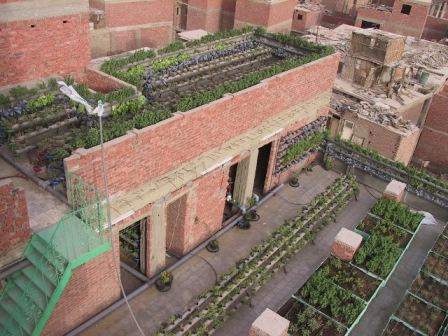
Jordan is very much in need of renewable energy. With ample sun, it is still one of the poorest countries in the world, and new energy initiatives can jumpstart ambitious projects the nation has in areas like water security. Read about Solar Mamas for some grassroots background. And see this project on hydroponics.

Solar panels give energy to the Jordanian palace

The sales job will involve promoting and selling products related to solar inverters. Inverters are key for increasing efficiency and output of solar panels and installations. Even if you are yet to be experienced in solar, it’s an industry that is easy to learn, and easy to fall in love with.  The company is also working closely with the SHAMS initiative in Abu Dhabi. It is one of the world’s largest solar concentration plants, and it is diversifying the UAE’s Energy Portfolio.

If you want the sales job you will need:

  • 5+ years working in the UAE with a Solar Manufacturer
  • Proven sales record
  • Fantastic market knowledge
  • Extensive network with EPC, Developers, Engineering Consultants, ETC

MORE ABOUT THE SALES JOB HERE

We all want to see a world move away from oil. And no better place to make your impact than in the Middle East, a region still so reliant on the power of oil.

Now watch the video below and have a laugh.

Have a Good Job you want to share? One for the environment, the energy industry, water, animals, peace in the Middle East? Send us more to [email protected]. We aim to feature 5 great jobs a week.

Conflict-driven hunger worsens; Middle East hit hard

0
yemenit child
A child in Yemen.

A new report to the UN Security Council shines a spotlight on hunger in conflict zones: The situation in the eight places in the world with the highest number of people in need of emergency food support shows that the link between conflict and hunger remains all too persistent and deadly, according to a new report released today by the United Nations’ Food and Agriculture Organization (FAO) and the World Food Programme (WFP). The report was prepared for the UN Security Council which in May adopted a landmark resolution on preventing hunger in conflict zones.

We talked about the dire situation in Yemen back in 2011. Was anyone listening?

The situation in Afghanistan, the Central African Republic, the Democratic Republic of the Congo, South Sudan and Yemen worsened in the latter part of 2018 largely because of conflict, while Somalia, Syria and the Lake Chad Basin have seen some improvements in line with improved security. In total, around 56 million people are in need of urgent food and livelihood assistance across the eight conflict zones.

“This report clearly demonstrates the impact of armed violence on the lives and livelihoods of millions of men, women, boys and girls caught up in conflict,” FAO Director-General José Graziano da Silva states in the report foreword. “I would strongly encourage you to keep in mind that behind these seemingly dry statistics are real people experiencing rates of hunger that are simply unacceptable in the 21st century.”

Violence against humanitarian workers is growing, the report states, sometimes forcing organizations to suspend operations and deprive vulnerable populations of humanitarian assistance. In 2018, aid workers and facilities were attacked in all the countries covered in the report.

“This report shows again the tragic link between conflict and hunger and how it still pervades far too much of the world. We need better and quicker access in all conflict zones, so we can get to more of the civilians who need our help. But what the world needs most of all is an end to the wars,” the World Food Programme Executive DirectorDavid Beasley states in the foreword.

Condemnation of starvation as a tool of war

The UN Security Council’s Resolution 2417 is an unambiguous condemnation of starvation as a tool of war. It calls on all parties to armed conflict to comply with their obligations under International Humanitarian Law to minimize the impact of military actions on civilians, including on food production and distribution, and to allow humanitarian access in a safe and timely manner to civilians needing lifesaving food, nutritional and medical assistance.

“The millions of men, women and children going hungry as a result of armed conflict will not be reduced unless and until these fundamental principles are followed”, the report states.

Unprecedented and unacceptable hunger

The growing number of protracted conflicts in the world is creating unprecedented and unacceptable levels of hunger.

Yemen’s three-year war is a stark demonstration of the urgent need for a cessation of hostilities to address the world’s largest food security emergency. In its country analysis, the report states that conflicting parties disregarded the protected status of humanitarian facilities and personnel which made scaling-up operations to prevent famine a difficult and dangerous endeavour.

In the second half of 2018, the Democratic Republic of the Congo had the second highest number (13 million) of acutely food insecure people, driven by a rise in armed conflict.

In South Sudan, where civil strife has persisted for more than five years, the lean season is expected to start earlier than normal, according to the report, pushing those in need of urgent support up to more than 5 million between January and March 2019.

Across the Lake Chad basin including north-eastern Nigeria, Chad’s Lac region and Niger’s Diffa, where Boko Haram militants are active, a major deterioration in food security is projected during this year’s lean season (June-August 2019), and 3 million people are expected to face acute food insecurity.

In Afghanistan, the percentage of rural Afghans facing acute food deficits is projected to reach 47 percent (or 10.6 million people) by March if urgent life-saving assistance is not provided. In the Central African Republic, armed conflict remained the main driver of hunger in 2018, with 1.9 million people experiencing severe food deficits.

Rain as a blessing in Israel breaks 20-year drought

0
Kalaniot in bloom in Israel, in winter

Ask any rabbi or an ordinary Israeli and many will tell you that rain is directly connected to the spiritual realm. When in some countries you curse when it rains, in Israel and the Middle East heavy rains indicate that the heavens are opening up and prayers are being answered. Rains started again today further extending record rains, the likes of what haven’t been seen in 20 years.

Records were already broken in December when Israel received more than 150% of the rain it can expect on average for an entire winter season. Winter rains in Israel usually start around the holiday of Succot (Festival of the Booths), sometime in October and usually end in time for Pessach known by most people as Passover.

What the rains mean is that the national worry, the amount of rain the Kinneret or Sea of Galilee is up once again; underground aquifers are getting replenished, overwintering ponds seasonal in nature are teaming with life, and flowers are blooming everywhere, including the desert which is exploding in green.

An island emerged this last summer in the Sea of Galilee. The drought was so bad. Water levels too low.

It’s hard to imagine Israel, known in pictures as a desert Mediterranean climate exploding in colors. But that’s what is happening now. Another little known secret is that Israel also has a mushroom collecting season; the mushrooms are cropping up in forests everywhere thanks to the damp and rainy weather. Locals are loving the Ben Shemen Forest halfway between Tel Aviv and Jerusalem, about 20 minutes each way, as a popular weekend spot for hiking and mushroom hunting with the kids. With flights to Israel at the lowest prices now in any season pretty much, it’s a perfect time to travel to travel to beat the ridiculous heat of the summer.

If you are thinking about planning an escape with your whole family, the winter rains bring out the best in everyone. Cafes are still open, parks abound in cities and in nature for little and big kids, and as a country attuned to family life, there are plenty of seasonal things to do with kids and families, including hikes to see all the pretty flowers in bloom.

Note to tourists: most of the flowers in Israel’s parks are protected, so it’s better to look, not pick. Same with mushrooms: since there is only a new culture to go out mushroom hunting, only travel with and sample with an experienced guide. So many mushrooms like chanterelles have poisonous and similar looking cousins, so always ask before eating.

Bon voyage. And enjoy your winter travels.

Mead: The Ancient Wine Is Back

0

Mead

What do you think of when you think of mead? You might imagine Vikings with braided beards quaffing something potent out of cow’s horns. Or possibly, jolly Hobbits clinking pewter cups of golden liquid between nibbles of seed-cake and tarts. But mead is no longer the drink of the mythical past.

As the recipe for Ethiopian Tej has been handed down over generations, so has the taste for mead stayed ever-green in the hearts of discriminating hooch lovers. And it’s making a big come-back now.

Mead is probably the oldest known dram, although some like to argue that beer came first. As it’s fairly simple to brew at home, people have been brewing some form of it across Asia, Africa, Europe and the Americas since ancient times.

Where grapes don’t grow for wine, there’s honey to ferment for mead. Archaeologists have discovered residues of a fermented honey drink in Chinese vessels that date back to 7000 BC. Mead was enjoyed in ancient Greece, while around 60 CE, the Roman agriculturalist Columella left a homely recipe for it. Well, he did say that the water should have been “rainwater stored for several years,” probably to ensure that all sediments had fallen to the bottom of the container. 

More recently (about 100 years ago), my Ukrainian great-grandmother brewed mead for the family to enjoy during Passover week get-togethers; probably a low-alcohol, kosher-for Passover version to offer instead of beer.

Don’t let anyone tell you different: wine or beer flavored with honey isn’t the same drink at all. (On the other hand, mead flavored with wine grapes is still mead, albeit in a specific category, pyment.) Mead’s base is honey and water, and yeast to ferment it.

It may or not be flavored with spices, fruit, or vegetables. There are as many varieties of honest mead as there are of grape wine, depending on the skill and taste of the mead-maker. Today, no one’s afraid of infusing any flavoring they like into mead. Imagine: pineapple mead. Chocolate mead. Lapsang Souchong mead (I’m not kidding). Varietal mead that shines with the flavors of its original honey only.

You can drink a fun sweet mead infused with chilies at a BBQ or sip a dry mead fermented with cherries at an elegant dinner. Or taste a delicate Swedish mead flavored with elderberries; malted Welsh braggot, or a festive metheglyn spiced with cinnamon and cloves. Red meads, white meads, sweet meads, dry meads.

Mead-makers have long adapted good wine-making practice in brewing the honey potion. Strict attention to cleanliness, fermenting with specially developed yeasts, and fermentation vessels with airlocks to let gases escape while preventing dust and small insects from dropping in – these, and other modern techniques reduce the chances of spoilage and help the home mead maker to produce a gallon or ten of delicious brew in her own kitchen.

Mead’s alcohol varies from 5%, like beer, or up to 20% (appropriate for sweet dessert meads), again depending on the style desired by the mead maker. The encyclopedic Gotmead site provides all the mead recipes and discussions that a mead maker will ever need.

If homebrewing isn’t your thing, Google “meadery” in your locale, and you may be pleasantly surprised to find one near you. While California leads with the largest number of meaderies, commercial mead is sold across the UK, in France, Australia and New Zealand, and even in Costa Rica. New, boutique meaderies pop up all the time.

Time to find out what that honey brew is all about, don’t you think? Want to mead? We supply Joe Mattioli’s Ancient Orange Mead recipe below.

joes ancient orange mead

How to make Joe’s ancient mead

Ingredients

Ingredients:

  • 1 gallon batch
  • 3 ½ lbs Clover or your choice honey or blend (will finish sweet)
  • 1 Large orange (later cut in eights or smaller, rind and all)
  • 1 small handful of raisins (25 if you count but more or less ok)
  • 1 stick of cinnamon
  • 1 whole clove ( or 2 if you like – these are potent critters)
  • – optional – a pinch of nutmeg and allspice (very small )
  • 1 teaspoon of Fleishmann’s bread yeast (now don’t get holy on me — after all this is an ancient mead and that’s all we had back then)
  • Balance water to one gallon

A little caveat before you start. This recipe flies in the face of just about all standard brewing methods used to make consistent and good Meads. It was created by Joe Mattioli to make a fast and tasty drink out of ingredients found in most kitchens. It is therefore perfect for the beginner, which has resulted in it being perhaps the most popular Mead recipe available on the internet.

As Joe himself says “It is so simple to make and you can make it without much equipment and with a multitude of variations. This could be a first Mead for the novice as it is almost foolproof. It is a bit unorthodox but it has never failed me or the friends I have shared it with. (snip)…it will be sweet, complex and tasty.”

Follow the instructions exactly as provided and you cannot go wrong. If you want to make larger batches, just scale up the recipe keeping all ingredients in the same proportion.

Process:

  1. Use a clean 1 gallon carboy.
  2. Dissolve honey in some warm water and put in carboy.
  3. Wash orange well to remove any pesticides and slice in eights –add orange. (you can push em through opening big boy — rinds included — its ok for this mead — take my word for it — ignore the experts)
  4. Put in raisins, clove, cinnamon stick, any optional ingredients and fill to 3 inches from the top with cold water. ( need room for some foam — you can top off with more water after the first few days frenzy)
  5. Shake the heck out of the jug with top on, of course. This is your sophisticated aeration process.
  6. When at room temperature in your kitchen, put in 1 teaspoon of bread yeast. ( No you don’t have to rehydrate it first– the ancients didn’t even have that word in their vocabulary– just put it in and give it a gentle swirl or not)(The yeast can fight for their own territory)
  7. Install water airlock. Put in dark place. It will start working immediately or in an hour. (Don’t use grandma’s bread yeast she bought years before she passed away in the 90’s – wait 3 hours before you panic or call me) After major foaming stops in a few days add some water and then keep your hands off of it. (Don’t shake it! Don’t mess with them yeastees! Let them alone except its okay to open your cabinet to smell every once in a while.

Racking — Don’t you dare

Additional feeding — NO NO More stirring or shaking — You’re not listening, don’t touch After 2 months and maybe a few days it will slow down to a stop and clear all by itself.

Then you can put a hose in with a small cloth filter on the end into the clear part and siphon off the golden nectar. If you wait long enough even the oranges will sink to the bottom but I never waited that long. If it is clear it is ready. You don’t need a cold basement.

It does better in a kitchen in the dark. (Like in a cabinet), likes a little heat (70-80). If it didn’t work out… you screwed up and didn’t read my instructions (or used grandma’s bread yeast she bought years before she passed away).

If it didn’t work out then take up another hobby. Mead is not for you. It is too complicated. If you were successful, which I am 99% certain you will be, then enjoy your mead. When you get ready to make different mead you will probably have to unlearn some of these practices I have taught you, but hey— This recipe and procedure works with these ingredients so don’t knock it.

It was your first mead. It was my tenth. Sometimes, even the experts can forget all they know and make good ancient mead. And there you have it. You have made your first Mead. Now come the steps that must be followed to make a good, and eventually a great Mead.

Photo of glasses with mead by Sam Easterby-Smith via Flickr.

Organic Muslim prayer mat inspires us to get closer to The One

0

We think it’s always good to give attention to an important cause, like finding more sustainable ways to help us at prayer. See our story on the sustainable prayer mat that is taking over the internet! And of course something is more sustainable if there is simply fewer or less of the thing, but we love the simpler, more natural approach — buying products made with wholesome materials and made with love.

The young designers of Rahatnook are offering an organic prayer mat, one that they refer to as their “space of silence”, both spatial and spiritual. “It stands for the time we deliberately take for our daily prayers to immerse ourselves into “another world,” designers of Rahatnook say.

“In pursuit of rahat we are passionate about finding the best, ethically sourced and fair traded natural materials to create timeless and functional products for a muslim’s everyday use. To us, thoughtfulness and sustainability plays an important part in worshiping the One, and by honouring the raw materials He provided us with, we intend to make products that are made to last.

“A daily commodity such as the prayer rug, which symbolises the outer boundary between daily life and meditation, should convey the same naturalness and timelessness as prayer. Our Rahatnook is made to embody the realm of tranquility and peace that we enter inwardly while experiencing contemplation and spirituality.

“Rahatnook was born from the desire to establish naturalness and organic consciousness within every corner of our everyday lives. By doing so, we wish to offer muslims a pleasant framework for their daily ibadah in accordance with our principles: a natural, sustainable and fair approach dealing with our environment and our fellow human beings.

“With a focus on organic materials, we do not compromise on quality, fair manufacturing and sustainability, and the timeless classic design of our products owns up to our deliberate rejection of unnecessary mass consumption.”

We can say Amen to that.

Muslim prayer mat designed to use 50% less material

prayer mat for muslims, sustainable Islam rug

The Bahraini design office Shepherd Design Studio has tongue-in-cheek reinterpreted the traditional Islamic prayer mat to make it more sustainable. Their solution? Use 50% less material but removing the bits y9ou don’t need. Featuring an unusual form, the rug will certainly catch the eyes of your neighbors during your call to prayer. 

“When Muslims are in prostration during prayer, there are seven points that make contact with the mat: the forehead, two hands, two knees and two feet,” explained Shepherd Design Studio.

The firm presented its novel prayer rug at Saudi Design Week. The Riyadh-based studio wanted to find an aesthetic solution that is an alternative to the standard rug used by 90% of the Saudi Arabian population 5 times a day.

While a more sustainable solution might involve upcycling old material, and knit by those in need of work (any ideas out there?) the design firm catches our eye and makes us think about new possibilities. Sometimes great designers do just that –– they open new horizons.

The studio designed the mat so it is made of three main sections: two circles for the hands, one triangle for the forehead and a base to sit or stand on. These are then connected with thin strips of material and decorated with patterns of leaves and flowers.

prayer mat for muslims, sustainable Islam rug

Still in its prototype phase, the studio is looking to incorporate adjustable straps to allow the user to customise the distance between the sections, to best suit the dimensions of their body. Any maybe a carrying case, like the ones used for yoga mats?

muslims prayer mat sustainable

“The overall form is also designed to guide the user to maintain correct posture during prayer, as well as encouraging them to reflect on the notion of consumption as a social and environmental responsibility,” explained the studio.”Our goal is not only to help the environment but also present a comfortable option for all types of users, from young to old,” said Shepherd.

The mat was displayed at Saudi Design Week, which took place in early October, 2018.

My Dad, the Water Witch

harold kloosterman water witch

Not all witches get the opportunity of going to Hogwart School of Witchcraft and Wizardry to polish their skills. Take my dad for example – a water witch from Newmarket, Canada. Maybe it is because he never made it past grade 8 or because he was never confident enough in his witching powers.

Known as a water witch, waterwitch or dowser, Dad has been able to sense and track underground water sources for as long as he (and I) can remember. That’s the way he found an underground well passing through our background.

He does it by holding a fresh wishbone-shaped branch, preferably from a willow tree, and in doing this with his hands inverted in a certain way, he can “feel” water under his feet. Other water witches he has heard of have been known to hone in on rare metals and in some cases oil.

Now imagine me, with business ideas constantly running through my head, have always been thinking of ways to cash in on Dad’s talent. I have urged Dad to take his “gift” to another level – especially in today’s market, with all the talk about water insecurity in the world and the need for developing clean technology to save the planet from its environmental woes. He always balked at the suggestion, deferring to the more talented among his peers, the ones that could find water and minerals with brass rods. He is using brass rods in the above video. They were gifted by our friends Peter and Raven, and he was demonstrating to me how they work. Normally he uses willow branches, as rods.

About business, he would hear none of my ideas. Instead, he preferred the steady work, long summer holidays (which would be high season for a water witch), and an excellent benefits package at General Motors in Oshawa, where he worked on the line and later in the stock room. (Oshawa is aptly translated to meaning, ‘where the canoe is exchanged for the trail’). Today Dad’s water witching skills have been relegated to neighbourhood cookouts and corn roasts, where they have became nothing more than a neat circus trick.

At least once every summer, someone (sometimes myself for fun), would insist on putting Dad to the test. Ripping a two-pronged branch off the weeping willow to prove them wrong, Dad would agree to have his eyes blind-folded. After inverting the wooden Y – shape away from his body, the central stalk pointing outward, he would pace slowly around the backyard and wait for the familiar cracking noise as the earth, and the buried garden hose planted under it, would draw down the end of his stick like metal to a magnet.

harold kloosterman fishing, water witch dad
Dad was a true Nature Boy. Here he is long ago catching fish off the side of a wild river.

While none of us notice anything unusual in the stick, Dad certainly does: “Honest to God, I can hear the stick cracking in my hand,” he says. “ I don’t think just anybody can do it and I know water witching is not a myth,” he adds, explaining that those in the water witching “know” can dowse with any old objects from coat hangers to crowbars.

Dad discovered he was a water witch when he was a child: “We were looking for a well and I tried and found it,” he says, adding that some people who do it professionally can even estimate how deep the water is based on the tension released by the stick. But, “I don’t believe in witchcraft. Maybe it is something in your body. I can’t hold it back. It just goes down.” If you ask Dad where he gets the talent, he can’t answer. “Karin, why are people brain surgeons? It is just something people do. Ask me why can I move my forehead and ears at the same time? That’s just how it is.”

I have tried on a number of occasions to dowse for water myself, hoping the skill would pass through the genes, but no luck. Says Dad, “I don’t know anyone else in the family who can do it. I don’t even know if I have it now.”

His wife, my mom, has lived with her water witch for 40 years: “I think it is a chemical reaction, something in his body,” she reasons. “There is an explanation for everything. There is even an explanation to being a witch,” she says, noting that witches in the Middle Ages were “just holistic doctors using herbs and plants as remedies. The people who were ignorant called them witches. Your dad’s talent is like knowing when to put hot-pad on someone who has a sore back, and it is the same skill as those who know how to make poultices from plants.”

But why would we need water witches?

Mom has a good answer for this: “God put us on this earth to find water, showed us how to make a hook for fishing and how to make fire for survival. Our bodies are made of chemicals and most of it is water. If you are water then you are going to find your home. Our bodies urge to go back to the water. Just like every year, I need to go to the water up north at the lake.”

And Mom is certain that all of us at one time in history had the water witching skill, but then lost it, in the same way some of us are born without wisdom teeth or an appendix. “Your dad is a kickback to prehistoric times. A down to earth guy,” she teases. “He might have been born with a tail or with four legs, but no. He was born knowing how to find water!”

Anyway says Mom, eager to finish the conversation to go sampling and shopping at Costco, “There is nothing magical about it. There is no mystery to water witching. I have seen blisters on his hands trying to hold the stick back. Being psychic and having other talents is just the ability to see things of this earth. It is a connection to the earth,” she explains, and then jokes slyly, “He could always get a job in the circus if he needs to work.”

I wrote this story 15 years ago when I was working as a freelance journalist. It’s now published in memory of my dad Harold Kloosterman who died in December, 2018. Hard to believe. I miss my witch! The video above was taken July, 2018 before his cancer diagnosis. 

Cannabis oil as CBD offers an elixir for life and pain relief

0

cannabis oil cbd
Anyone who has ever had the unlucky experience of seeing a loved one suffer from pain knows and understands just how few tools are available to doctors for pain management. The best solutions, and
about the only ones that work for pain management in cancer patients are morphine based. After long periods of use the morphine dosages need to be increased and the patients suffer from serious side-effects such as instability on their feet –– liable to cause a broken bone or
worse –– and severe mental instability.

Patients on morphine are quite literally stoned all the time. And while the experience might be more pleasant than the pain, the psychological effects can be devastating to both the patient and their
family. On one hand the patient wants and needs pain relief badly, but on the other the opioids can lead to confusion and severe hallucinations. I experienced this first-hand with my father when he
was in the active stages of dying from cancer. While the pain was under control, the drugs made him confused and it didn’t allow us to get close to him in the way we needed in last days, and weeks. We
didn’t know what else to do. The doctors told us they could not prescribe cannabis in the hospital.
cannabis oil cbd

Shamans and medicine men and women have known for thousands of years that the cannabis plant offers an excellent way to relieve pain. In the olden days when cannabis wasn’t that strong people would smoke the whole plant and experience all sorts of benefits, including psychotropic ones.

Thanks to the brave work and research by parents, scientists and physicians alike, people like Dr. Alan Shackelford and Dr. Raphael Mechoulam, we can now give active pain relief components to cancer
patients and those suffering from chronic pain, without giving them the high. The answer is in cannabidial, one of the molecules created by the cannabis plant. Also known as CBD (see CBD Oil UK) it is the mellower of chemicals in the marijuana plant, offering long-term pain relief without the high. It can be isolated in high concentrations giving much of the plant’s benefit to the patient without getting them stoned.

While the “high” aspect of cannabis definitely should not be discounted in part of the therapy for many people who use the plant as relief, it is questionable about how well one can work, drive –– or if you are a child –– can function on the entire cannabis plant including that with THC.

CBD, especially in the properly dosed oil format can be used in conjunction with conventional pain treatments to modulate and hopefully reduce the dose or remove the use of the addictive conventional therapy altogether.

If you’re interested in learning more about or trying CBD, check out this review of the best CBD oils.

Planting a non-GMO pea with 50% more protein

equinom

Protein. The world needs it. Especially as we learn every day when an animal-based protein diet is killing our planet. Equinom, a seed tech start-up from Israel, is combining natural breeding techniques with software algorithms to produce high-functioning, non-genetically modified organism (non-GMO) seeds that have a superior nutritional profile while also boosting crop yield.

The company is from Israel, like so many innovative agriculture companies, including the company flux, developing a robot to understand the language of plants.

The technology of Equinom creates a next-step ecosystem directly connecting food companies to the supply chain, in turn bringing greater transparency and paving the way for more responsible sourcing of high-value plant protein.

Equinom helps to produce high-quality protein on less land with less water consumption and reduced crop waste – a crucial issue when it comes to maintaining a sustainable food supply. The firm also helps develop consistent product and affordable pricing to ensure farmers’ incomes. Equinom’s tech experts used DNA sequencing and algorithms to discover various genomic crop characteristics. Then, through careful selection, breeds for seeds that maximize a plant’s natural abilities. This technology enables production of non-GMO grains and pulses, including chickpeas, sesame, and soy, that possess substantially more protein with better functionality than varieties currently on the market. The technology also led to the discovery of rare varieties and traits that existed in nature but had been lost in years of breeding.

“The plant-based protein mega-trend has driven food companies to create more and more tasty, nutritious plant-based products,” says Gil Shalev CEO for Equinom. “However, meeting demand has presented challenges due to poor organoleptic properties inherent in many plant protein ingredients. The high investment required to develop new, profitable varieties using conventional breeding, coupled by slow throughput, poses more obstacles.”

Equinom successfully implemented a multi- tiered program:

  1. Defining the product – Equinom works with food companies to define their desired target seed attributes, including, protein load, taste, color, and nutritional score.
  2. Crossbreeding – The desired qualities are sought in singular seed varieties or developed through crossbreeding.
  3. Optimized genetic code -The target product is formulated using a proprietary algorithm that runs millions of genomic combinations in silico (via computer modeling), in order to identify seeds with the highest nutritional potential.

Equinom’s new ecosystem brings multiple benefits

Equinom’s advances in computational breeding could lead to attractive rewards for all involved along the agri-food chain. Farmers can grow more sustainable crops from seeds tailored to desired specifications, and reap the benefit of better economies-of-scale as crop yield potential is dramatically enhanced.

Likewise consumers and food companies are now able enjoy products of a higher nutritional value at competitive prices. This project has also served to connect farmers with food ingredients companies who in effect have come into closer contact with the entire supply chain through constant tracking and monitoring bringing greater transparency and traceability.

“A food company that depends on legumes of a certain composition may have to wait anywhere between five to ten years under traditional methods,” explains Itay Dana, Director of Marketing at Equinom. “Today, working in concert with the food company, we can design a target product with all the desired characteristics of taste, quality, and nutrient composition within two to three years.”

Equinom’s advanced economical breeding techniques exemplifies how genomics could be instrumental in overcoming some of the tremendous technical challenges that the agri-food industry has been facing in its efforts to supply the market with plant-based protein-rich products and seed oils, particularly in the face of a huge social rejection of GMO crops.

Greater plant-protein diversity in the long term

The company has expressed its long-term goal moving the agri-sector into a new sustainable, more profitable phase, and to engender more plant-protein diversity. Currently, 90% of cultivation of protein crops is concentrated on soy and wheat. The technology also reduces the anti-nutritional factors (ANF) inherent in plant proteins already at seed level. This, in turn, increases the proteins’ bioavailability, making them more nutritive and more fully absorbed in the gut.

To date, Equinom has signed a number of contracts with global leaders in the food industry. These include a multi-year contract with Sabra Dipping Company, LLC, US (a joint venture of PepsiCo, Inc., US, and Israel’s Strauss Group Ltd.), as well as a commercialization agreement with Mitsui & Co. of Japan.

Recently, Roquette, France, signed a partnership with Equinom for the development and sourcing of new pea varieties with high-protein content. In addition to this new collaboration, Roquette and Equinom’s current shareholder Fortissimo Capital, Israel, will jointly invest US$4 million in the company to support its further development, bringing the company a total ofUS$10.5 million in investments.

Mother of the Eco Bride: Roles and Responsibilities

0

refugee wedding

As a blushing (green!) bride to be, you’re probably incredibly familiar with all of the roles and responsibilities of your bridal party. You’ve probably already figured out which bridesmaid will hold your bouquet, which is responsible for a speech, and what your flower girl will dole out as you walk down the aisle.

But do you know what the roles and responsibilities are for your mother? Do you know what your mom, as the mother of the bride, needs to be doing to help you get ready for your big day?

If not, no worries – we laid it all out here for you!

Check out some of the primary roles and responsibilities for the mother of the bride below!

 Planning the Big Day

That’s right – this is a responsibility all brides are going to appreciate. Planning the big day. Although that typically falls on the bride herself, it’s a mother’s responsibility to aid her during this exciting –albeit stressful – time. MOBs help find the wedding dress, assist at fittings, provide the wording for the invitations, research family heirlooms, implement traditions, plan the guest list, and more! 

Bridesmaid Wrangler

The MOB is the bridesmaid wrangler, the one to run interference if the mischief gets too bold, and the one to ensure that everyone is doing their individual jobs. Trust us, as the bride, you’re going to be far too busy with your planning and executing to have awkward convos with your bridesmaids about simmering down – leave that to the MOB.

The Go-To Contact

Your MOB is also the one to contact – put her on the invites for RSVPs, refer the bridesmaids to her, have the groomsmen talk to her, too. She’s the one who’s got it all together and will make sure everyone knows what’s what. She’s the name you give to florists, to caterers, to venue scouts, and more!

Playing Hostess

Above all, the MOB is the designated hostess. On your big day, you’re not going to have time to meet and greet everyone – how could you? You’re getting married! She’ll greet the crowd, she’ll help move the party along, she’ll arrange gifts and keep the wedding plans in line – you’re going to be glad to have her doing all this because it allows you to better enjoy your special day.

All While Looking Amazing

The greatest role or responsibility of all for MOBs? Looking absolutely amazing at your wedding. That’s where we come in. You need to pick your dress among every type of mother of the bride dresses that you could possibly imagine. No matter the cut, color, size, or style, you must choose the one that fit you most and make you look elegant and beautiful. 


Combination of Cannabis and other Natural Ingredients as a Topical Medication for the healing of Muscle Pain, Sports Injuries, and Arthritis

0

The topical medications have been used for a long time now for mild health issues and are also recommended by doctors in various circumstances or sometimes even for specific problems. Primarily you might have witnessed the usage of the topical medicines in skin related diseases or issues, or possibly for muscle pains.

You might have guessed by now that you have been using it in the forms of ointments, creams, solutions, gels, foams, and drops which you apply on your skin or mucous membranes. There are various advantages behind the usage of such medicines, and that’s the reason why they exist in the first place. One of the most significant benefits of using topical medication is the idea of alternative medicine. Professionals at time fear to give you certain medications orally because of the other medicines you are consuming. They don’t want your body to experience an unwanted reaction which can be hazardous.

This is the reason why they end up choosing topical medicines as an alternative.

It is also massively used for muscle pain, spasms, and other body part muscle pains. But recently the introduction of cannabis with the combination of different natural ingredients is changing the dimensions of the topical medication industry. The concept once looked with inhibitions by the practitioners is now being welcomed with open arms by the pharmaceutical industry. A lot of research was done, and finally, CBDMEDIC has come up with topical ointments and creams for sports injuries, arthritis, muscle, and joint pains, etc.

Cannabis topical (THC Free), when prepared with other natural ingredients, has known to produce effective results for temporary pain relief symptoms. CBDMEDIC is the first and only family of topical medications that have worked on combining the advanced science with natural organic ingredients such as menthol, camphor, hemp extract which is – Cannabis sativa L (THC free and non-psychoactive) and other finest natural ingredients. CBDMEDIC pain relief products are known to work fast for temporary relief of the pain symptoms.

Today, after a ground-breaking research and a new technology, CBDMEDIC products are FDA- registered legitimately and in conformance with FDA manufacturing requirements.

CBDMEDIC is right now the pioneer when it comes to the manufacturing of such topical medications. These topical medications have also been claimed to have the following advantages over the other traditional topical medications.

  • Localized Pain Management – For body areas such as back, knee, hands, and other work injuries.
  • Reduces Arthritis – It is quite common in the arthritic condition that one goes through swelling and inflammation in the joints. The CBDMEDIC formula reduces the inflammation by activating the CB2 receptors.
  • Alleviates Symptoms of Sports related activities and injuries such as IT Band Syndrome, Plantar Fasciitis and Shin Splints.

People have openly started using CBDMEDIC products to get themselves temporarily free of their pain driven conditions with some cause or the other. CBDMEDIC products are available just in the forms of creams and ointments. When you apply any ointment, it is in contact with your body on a peripheral basis which means it cannot enter your bloodstream. And this also promises zero non-psych activity.


Vegan Recipe: Turkish Bulgur Balls In Eggplant & Tomato Sauce

0
Turkish Bulgar Balls recipe, use vegan option instead
I’m always looking for recipes with eggplants (aubergines) (like this one). I was delighted to come across this recipe with rib-sticking bulgur balls in a meaty eggplant and tomato sauce. It’s vegan, but the chef, Ozlem  Warren, gives the option to include ground beef in the bulgar balls if you wish.

Warren is a Turkish food writer, culinary teacher and food tour guide. I picked up this mouth-watering recipe from her charming blog, Ozlem’s Turkish Table. She writes that it’s a festive specialty from Antakya and that it will be featured in her intriguing new cookbook, Ozlem’s Turkish Table.

The dish is a labor of love that requires time and some kneading. But all of the stages are easy, and for the dedicated cook, it’s an opportunity to recreate a truly authentic Mediterranean dish. You’ll need to get your hands on Turkish red pepper paste, available in Middle Eastern shops, or make your own.

Bulgar Balls in Eggplant/Tomato Sauce
Serves: 4-6
Ingredients For Eggplant/Tomato Sauce:

2 medium eggplants
1 medium onion, finely chopped
3 garlic cloves, finely chopped
2 cans of 400g/14oz good quality plum tomatoes
10ml/2 teaspoons red pepper paste (recipe here)
15ml/1 tablespoon tomato paste
15ml/1 tablespoon pomegranate molasses
45ml/3 tablespoons olive oil
900ml/1½ pints water
10ml/2 teaspoons dried mint
5ml/1 teaspoon Turkish red pepper flakes or chili flakes
Salt and ground black pepper to taste

Ingredients for Bulgur Balls:

110g/4oz fine bulgur. If only coarse bulgur is available, pulse it a few times in a food processor to make it fine.
90ml/3fl oz warm water to wet the bulgur
120ml/4fl oz warm water to knead the bulgur
40g/1½oz coarse semolina
30ml/2 tablespoons warm water for semolina
         

Optional: 60g/2oz extra lean (double grind) minced/ground beef
15ml/1 tablespoon red pepper paste
5ml/1 teaspoon ground cumin
5ml/1 teaspoon Turkish red pepper flakes or chili flakes
Salt to taste

First make the bulgur balls. Place the fine bulgur in a large mixing bowl. Stir in the red pepper paste, cumin, salt and red pepper flakes and mix them all well. Then pour the 90ml/3fl oz warm water all over it.

Using your hands, give the mixture a good mix and let it absorb the water for 10 minutes. In the meantime, place the semolina in a separate bowl and stir in the 30ml/2 tablespoons warm water.

Knead and turn the semolina mixture into a soft dough. Semolina is important here as it helps to bind the bulgur dough.

Have the 120ml/4fl oz warm water bowl next to you and start kneading the bulgur mixture for about 5 minutes. Wet your hands continuously while kneading.

Stir in the semolina dough and knead together for another 5 minutes. (Add the optional meat.) Knead for 10 minutes, until you get a smooth dough.

Have a bowl of cold water aside to shape the small round bulgur balls. Wet your hands and take a large cherry size bulgur dough into your palm and shape it like a small ball. Place the bulgur balls side-by-side on a tray and continue until you finish all the bulgur dough.

Quarter the eggplants then slice each piece diagonally in 3cm/about 1in chunks. Lay them on a tray and season with salt. Leave for about 15 minutes. Drain the excess moisture by squeezing them with a paper towel.

Place the plum tomatoes into a food processor and process until you achieve a coarse purée.

In a deep, heavy pan, pour in the olive oil and stir in the eggplants. Sauté for 3-4 minutes, until they have a nice golden colour.

Place the sautéed eggplants on a wide plate over a paper towel to get rid of the excess oil.

Stir the garlic and the onions into the pan and sauté for another 2-3 minutes.

Add the puréed tomato, tomato paste, red pepper paste and the water to the pan. Stir in the eggplants, season with salt and freshly ground pepper. Combine gently. Cover and cook on a medium heat for 15 minutes.

Carefully drop the bulgur balls into the pan and combine well. Cover and cook on a low heat for another 25 minutes.

Stir in the pomegranate molasses, dried mint and red pepper flakes. Turn the heat off and serve warm with Turkish pide bread or any good crusty bread.

Recipe and photo by permission of Ozlem Warren via Ozlem’s Turkish Table.

Recipe: Turkish Red Pepper Paste

1

If you love Turkish food and crave its flavors at home, you’ll soon find yourself stirring up the Turkish pantry staple, spicy red pepper paste. It’s a basic flavoring ingredient for many dishes in southern Turkish cuisine. There are no tomatoes in the paste; its deep red color comes from slow-cooking red bell peppers and chilies. The ingredients are simple, but the finished paste gives your food spicy complexity.

A typical red pepper paste will be hot. But vary the heat factor to your taste. If it suits you better, make it milder, with fewer chilies or even none at all. Or ratchet the heat up with the hottest chilies you can find. The paste lasts four weeks refrigerated. You can freeze part of it for later.

The first step will be to char the peppers and chilies. The way that yields the best flavor is to place them on a grill over a flame and let them cook, turning them from side to side, until the skins are blackened and the flesh is soft. You may need to do this in two batches. Keep your kitchen window open, as the odor will be strong. You can also char the peppers under the broiler in your oven, but they won’t have that hint of smokiness that you get from charring them on the stovetop (or even better, over charcoal in the open air).

The rest comes easy: pureeing the peppers in a food processor or blender, then cooking them with the rest of the ingredients, stirring every so often.

How to use this spicy red gem? First, find some fascinating Turkish recipes like Bulgur Balls in Eggplant and Tomato Sauce. Or just use your culinary imagination. I like to slip a spoonful of red pepper paste into a pot of beans, beat a little into eggs for a spicy omelet, or mix it with za’atar, smear it on open pita halves and pop the bread into a hot oven to toast. Once you taste the finished pepper paste, you’ll know what to do with it.

Turkish Red Pepper Paste

Ingredients:

6 large red bell peppers

6 meaty red chilies

3 teaspoons any variety paprika (sweet, hot, or smoked), according to taste

2 tablespoons lemon juice

2 tablespoons olive oil

1 1/2 teaspoons salt

More olive oil to cover the finished paste

Place the peppers and chilies on a metal grill over an open flame, toasting them and turning them to their uncooked sides every so often. This should take about 10 minutes. The skins should be blackened and the vegetables starting to ooze a little juice.

Place the peppers and chilies in a large bowl and cover them with dish or a re-used plastic bag. The skins will loosen as the vegetables cool down.

Skin the peppers and chilies. Take off the stems and and seeds. You may want to wear gloves when handling the chilies if they’re a really hot variety. Turkish chef Ozlem Warren recommends scraping the flesh off the chilies’ skins with a knife, rather than peeling them.

Process the vegetables in a food processor or blender until smooth.

Pour the pureed peppers and chilies into a large pan. Add the paprika, lemon juice, olive oil and salt. Cook over medium heat until the combination simmers, then reduce the heat to low. Stir often. It will take up to 50 minutes for the moisture to evaporate until a thick paste forms. As for jam, test by dragging a spoon over the base of the pan. If you see a trail, the paste is ready.

Once the paste has cooled, spoon it into a very clean, very dry jar. Pour a little additional olive oil over the surface to seal it. Place the lid on the jar and keep the paste refrigerated.

Photo of Turkish red pepper paste via here

Gargle With Sage To Stay Healthy In Winter

0

image fresh sage leaves

Sage Infusion 

Sage infusion strengthens gums and treats periodontal disease, if you gargle with it regularly. Sage is an antiseptic, skin-soothing herb with a special affinity for the tissues of the mouth and throat. Gargle with sage infusion twice a day all winter long to prevent colds and flu and to prevent/treat mouth sores. Do it after brushing teeth, not before. It doesn’t taste great, but it’s not meant to be swallowed, only gargled or applied topically.

I recommend buying a big bunch of fresh sage and hanging it up to dry by the stems, in small bunches. It’ll be cheaper and fresher than any supermarket or health food product. It’s ready for use when the leaves and stems are brittle.  Dried sage will keep its medicinal value for a year if stored in a glass jar away from light and heat.

Fresh sage is fine to use also, of course. I usually make up two cups of infusion from the fresh herb and hang the rest up to dry. One cup goes to the fridge for daily use and I freeze the other cup.

To keep your gums healthy, swish the infusion around in your mouth for a couple of minutes after brushing your teeth. Gargle and spit it out. Do this twice a day. It’s especially valuable if you do it before going to bed, as you won’t be eating or drinking for several hours afterward. You may want to warm up the infusion, but if you don’t have time for that, cold infusion works too.

Apply sage infusion directly to cold sores, pimples, minor skin infections. Dab a cotton swab into the infusion and press it to the skin.

Sage Infusion Recipe: Ingredients and equipment:

1 oz. – ½ cup – 8 tablespoons – dried sage

1 quart – 4 cups – boiling water

1 one-quart jar with a lid, preferably glass

1 spoon and a folded towel or wooden surface on which to place the jar – to prevent cracking.

Place the sage leaves in the jar and place it on a folded towel or chopping block. Place the spoon in to reduce the shock of boiling water.

Fill the jar with boiling water. Stir the leaves around. Put the lid on.

Steep the leaves 4 hours.

Strain.

Keep the strained infusion in the fridge, although you may want to warm up the portion that you intend to gargle with. It will last 2 weeks refrigerated. If it seems like you won’t use it all up, freeze the excess up to 2 months (in an ice cube tray for convenience). Or make half the recipe.

Children may gargle with sage infusion (they won’t like it, though). Don’t have them swallow any, as sage mimics estrogen activity and you don’t want anything interfering with their hormones. My own pediatrician permitted my kids to gargle with sage, and their file later showed that they had no colds or flus during the winter they agreed to gargle. And their hormones are fine.

Stay warm, stay healthy!