Home Blog Page 200

Israeli scientists win international research grant for their development of meat alternatives

For a while now, Israeli startups and researchers have been among the forerunners in the development of lab-grown meat and meat alternatives. Companies such as Future Meat Technologies, SuperMeat, and Aleph Farms combine cutting-edge technology with innovative new concepts aspiring to transform the future of meat production. Venture capitalists and angel investors within as well as outside of Israel have quickly recognized the economic potential of engineered meat and plant-based substitutes. Last year, Future Meat Technologies and SuperMeat respectively, raised $2.2 million and $3 million in seed funding. In 2017, both companies already struck a $300 million deal with China, over lab-grown meat imports from Israel.

Recently, two Israeli teams were among the 14 winners of a research grant that was awarded by the Good Food Institute (GIF). Each team received $250.000 in funding to support their efforts in plant-based and cell-based meat research.

World’s Vegan Capital

However, it is not just businesses and research that are trying to make a change; Israel as a whole is slowly beginning to cut loose from meat consumption. Tel Aviv is often cited as one of the World’s Vegan Capitals, with a plethora of vegan and vegetarian restaurants serving every possible meat alternative imaginable. In 2015, 8 percent of all Israelis identified as vegans, 5 percent as vegetarians and 13 percent were considering to go either vegan or vegetarian. Nonetheless, despite the clear upward trend of people opting for a meatless diet compared to the years before, for most, meat is still on the menu.

cultivated meat

According to OECD data, annual total meat consumption (without poultry) in Israel stands at 19.3 kg per person, ranking the country at number six in the world (Argentina is the country with the highest amount of meat consumed per person, followed by Paraguay, Brazil, the United States, and Australia). Although, if you add poultry, Israel’s meat consumption adds up to an annual 58.6 kg per capita, which puts the country in the first place.

An industry with a long shadow

Since the early 2000s, and especially after the release of the UN’s milestone report “Livestock’s Long Shadow” in 2006, the role of the meat industry in many environmental problems have been well established. Raising livestock emits highly potent greenhouse gases such as carbon dioxide, methane, and nitrogen dioxide, all of which are accelerating global warming. Also, rearing animals for meat production pollutes soil and water sources and produces bacteria resistance due to the excessive use of antibiotics. Moreover, the meat industry contributes significantly to land-use change and deforestation, the practice often used for turning natural forested areas into agricultural land for growing animal feed.

The combination of these factors causes severe damage to biodiversity and the extinction of species, not to mention that clearing forests for livestock reduces the number of trees that could absorb carbon dioxide from the atmosphere, and leads to the release of greenhouse gases (carbon dioxide and methane) from carbon reservoirs in soil and vegetation.

The world’s increasing demand for meat has led to the development of a variety of industrial production, supply, and transportation methods that require, among other things, the use of enormous amounts of energy. While these changes allow the system to satisfy the growing demand for meat, they have made the meat industry one of the primary human-induced drivers of climate change.

Additionally, the suffering of the animals themselves as part of the meat industry, which sometimes includes severe abuse, international transport in adverse conditions, the separation of young calves from their mothers, and more – has raised concerns and public outcries around the world.

Quinoa as foundation for plant-based beef substitute

Now, two Israeli teams are among the winners of a global competition for a $3 million research grant organized by the Good Food Institute (GFI), a non-profit organization that promotes ideas and research on clean meat (also known as cultured meat or cell-based meat) and alternatives to animal protein based on plant sources. The objective is to develop meat substitutes that provide high-quality proteins better for human health, animal welfare, and the environment.

The two winning teams were made up of researchers from various scientific fields. One of the teams was headed by Dr. Ofir Benjamin of the Food Science Department at the Tel-Hai College, in collaboration with Dr. Lior Rabinowitz of the Northern Research and Development Center, and examines the use of quinoa proteins as an optional plant-based substitute for beef. Quinoa is a grain that has its origins in Bolivia and is often referred to as a superfood. It contains essential amino acids (EAA), is rich in fiber and has excellent nutritional values; plus, it is gluten-free.

Due to its resistance to various abiotic pressures (such as water, radiation, temperature, humidity, and soil) quinoa may be grown and thrive in very harsh environmental conditions. “The average yield in the world is between 2.5-3.5 tons per hectare (1 hectare equals ten dunams), and in the past three years, we have conducted experiments aimed at the cultivation of quinoa in the Avnei Eitan farm on the Golan Heights in Israel. We believe that Quinoa may be considered a new sustainable crop of high commercial value in the country.” Dr. Benjamin says.

“As a follow-up experiment, we propose to evaluate quinoa as a raw material for plant-based substitutes to meat due to its natural protein content and rich nutritional value. In the study, we will use varieties with high yields and high protein content and process the seeds through different extraction methods to produce a larger amount of proteins. Regular quinoa seeds have a protein content of roughly 4-15%, and after extracting, the amount goes up to 60-70%. Ultimately, we will want to create the texture, taste, and color that simulate the sensation created when eating meat. It’s an innovative research, and there are only very few other studies dealing with the properties of quinoa as a replacement for meat. Beyond that, finding sustainable substitutes for meat is a crucial undertaking to ensure humanity’s continued existence, reduce our negative impact on the environment and give people the freedom of choice on the matter,” Benjamin concludes.

Building blocks for clean meat

The second team of researchers who received a grant operates under the leadership of Prof. Marcelle Machluf, with Prof. Ayelet Fishman and Dr. Maya Davidovich-Pinhas of the Technion’s Faculty of Biotechnology and Food Engineering. The team is investigating the production of cultured meat – tissues made up of animal cells.

“The problem with the development of cultured meat is that living cells require a lot of energy to survive, it takes them time to develop, and their life span is set,” says Machluf. “Cells of this type in the lab cost a lot of money and take a lot of time to grow. We are trying to make the process more efficient,” she adds.

The researchers in this all-female team are developing an innovative technology infrastructure through a fast and affordable process that will allow the cells to grow in large quantities. If successful, the scientists will be able to produce different types of edible carriers that will serve as a platform for growing the cells. These carriers are partly made of collagen (a very common protein in many animals) and will be cultivated within a protein reactor (a chemical reaction tool), which is another dietary and protein contribution to the meat substitute. “At the end of the process, we will combine the final raw material with ‘fat balls,” which are developed here in the Technion and are a healthy alternative to the fat found in meat. The uniqueness of the research is the focus on the most problematic stage in the development of cultured meat.”

The use of edible carriers replaces the initial cell growth process in laboratory dishes, adding nutritional value to the final product. “Clean meat is considered to be one of the leading solutions to the global food crisis, which offers nutritional values ​​like conventional meat without harming animals or the environment,” says Machluf. “Developing the means to meet the technical challenges facing this pioneering field is crucial.”

$46 billion and climbing

The meat market is estimated to cost the global economy a staggering $1.6 trillion by 2050, partly due to the health implications of meat consumption, which makes revolutionizing the food-sector increasingly urgent.

However, given that processed meat had a market value of $714 billion in 2016, and is expected to rise to over $1.5 trillion by 2022, the alternative industry still has a long way ahead to get anywhere near those numbers. However, according to recent projections the global protein substitute market might already be worth $46 billion, and climbing. By next year, the market is estimated to generate over 6.8 billion in revenue.

 

Filling in the mystery of the newly discovered ghost whale

0

omura whale ghost whale picture
The map on where to find the world’s most newly discovered large whale species is rapidly beginning to be filled in. A new research paper, written by Dr. Salvatore Cerchio of the New England Aquarium and just published in Frontiers in Marine Science, shows that the elusive Omura’s whale has now been spotted in many more tropical and warm temperate waters around the world.

After Dr. Cerchio released the first video ever taken of these slender, 33 to 38 foot long whales in 2015, marine biologists, ecotourists and bloggers from around the world have since reported more than one hundred sightings of what once seemed to be a species of ghost whale. For decades, the only available specimens to be found were the remains obtained from strandings or from Japanese whaling.

In 2013, Cerchio discovered a resident population of Omura’s off the northwest coast of Madagascar. His live images of these sleek whales and his authoritative description of the species opened the eyes of the marine mammal research community to what had often been misidentified or just plain mysterious whales. For decades, they were mistakenly classified as small Bryde’s whales.

When first classified as a species in 2003, Omura’s were only known in three locations – the Sea of Japan, the Solomon Islands east of Papua New Guinea, and the Keeling Islands, west of Indonesia.

From 2003 through 2013, their known range expanded to a few more locations in the eastern Indo-Pacific region. After the release of Dr. Cerchio’s video, the number of documented sightings increased dramatically across the world including the western Indian Ocean, eastern Atlantic off of Africa, western south Atlantic, northwestern Pacific and Oceania. The only major tropical or warm temperate oceanic basins not reporting sightings have been the eastern and central Pacific.

These unevenly colored whales have filtering baleen instead of teeth and come from the whale family called rorquals, which all have long, deep grooves along their throats which can expand dramatically when they feed. Amazing new video of Omura’s shows that feeding process on what is a relatively skinny whale frame. Omura’s are a smaller cousin in the rorqual group that includes the giant blue whales and the acrobatic humpbacks. They frequent coastal waters and appear to primarily feed on krill and zooplankton.

Dr. Cerchio’s new research paper not only starts to fill in the habitat map for the world’s most recently discovered large whale species, but it also documents the overlap of Omura’s range with the threat of human activities such as shipping, fishing and offshore oil and gas exploration.

After showing the world what Omura’s whales look like in 2015, Dr. Cerchio and his team is now showing where they live. The next step is encouraging more intensive study of local populations so as to determine their conservation status and what can be done to protect what remains one of the world’s most mysterious creatures.

BACKGROUND ON DR. CERCHIO: Sal is a marine mammal biologist and a visiting scientist at the Anderson Cabot Center for Ocean Life at the New England Aquarium. He has been studying cetaceans around the world for [more than] 35 years. His most recent geographic focus has been in the Indian Ocean. He has been investigating and assessing the biology and conservation status of Omura’s whales off the northwest coast of Madagascar and also the highly endangered humpback whale population in the Arabian Sea

Bold Energy Efficiency Program Would Save $1.3 Trillion

0

solar panels, solar energy jobs, installing, engineer sun, renewables

A comprehensive new report released today by the national advocacy group Food & Water Watch in the United States demonstrates the immense role improved building energy efficiency standards can and must play in any effective climate change policy. The report focuses on what is by far the largest source of energy demand in the country, 40 percent, related to powering buildings – including homes, offices and schools. The analysis finds that a $500 billion investment over 15 years in improving building energy efficiency would net:

  • $1.3 trillion in savings on consumer utility bills;
  • 1.3 million jobs created annually – 20 percent more than current job creation rates;
  • a 36 percent decline in building energy use from current projected demand;
  • 300 million metric ton reduction in carbon dioxide emissions from current projections – the equivalent of emissions from nearly 80 coal-fired power plants.

Furthermore, the analysis shows that these efforts would completely eliminate the need to build any new fossil fuel power plants.

“With all the talk about a Green New Deal, one critical piece of any effective climate policy that has largely been left out of the conversation is energy efficiency. Improving building efficiency would net millions of good jobs and trillions of dollars in savings for families – it is the low-hanging fruit in terms of technological feasibility and cost-benefit gain,” said Wenonah Hauter, executive director of Food & Water Watch.

Senator Bernie Sanders (I-Vt.), speaking about the report, said: “Energy efficiency has enormous potential to create millions of jobs, reduce carbon pollution, and save American families money on their energy bills – a real win-win-win. We must immediately come together to take bold action to transform our energy system away from fossil fuels toward energy efficiency and sustainable energy.”

For decades, defense officials have noted the serious threat climate change poses to global stability and U.S. national security. Meanwhile, the Trump administration’s latest budget proposal seeks $750 billion for defense, more than 22 times the annual cost of the energy efficiency plan. Seizing on this, Ms. Hauter continued: “As our military leaders continue to cite climate change as a grave threat to national security, this smart investment in energy efficiency represents a drop in the bucket compared to current annual defense spending. Instead of needlessly building up the world’s largest military, we could be investing in our communities, creating good jobs, ensuring a fair and just transition to a clean energy future, and strengthening national security at the same time.”

Given the nature of the energy efficiency plan, a majority of jobs created would be high-quality construction and manufacturing jobs that can support families and provide for career development. These jobs would be concentrated in areas with the most energy-inefficient buildings — primarily older, draftier buildings in lower-income areas and communities of color. Recruiting and training the workforce from these communities to perform these upgrades would create a vital jobs program for fossil fuel employees and economically disadvantaged communities, and make great strides towards economic equality and a fair, just transition to a clean energy future in America.

Butterflies “invade” Israel in a rare migratory swarm

0

Unusual winter rains in Israel give fuel to plants which feed millions of new “painted lady” butterflies

They keep coming, thousands of them, in what appears to be a south-north migration flight. Coming coincidentally on the first day of Spring, this “invasion” of ‘Painted Ladies’ butterflies caught our eyes in southern Netanya, Israel as a totally unnatural phenomenon not usually seen in such large numbers.

Known by their scientific name of danaus chrysippus these medium sized butterflies are usually seen this time of year, but never in such numbers.

The sheer size of the butterfly swarm this year appears to be a very rare phenomenon that has been assisted greatly by an unusually wet winter. The migration movement of the butterflies, also known as the “plain tiger” or “African Queen”, appears to have begun this year on the Arabian Peninsula and will end up far to the north in Europe.

painted lady butterflies israel

The life-span of these butterflies is only around two weeks; meaning that at least three generations will be needed to reach their final destination. This butterfly migration is a bit different than the annual migration of the North American Monarch butterfly that migrates each year between southern Canada and Mexico. The present influx of Painted Lady butterflies passing through Israel is estimated to be “in the billions” and will continue until mid May.

The wet winter conditions have also been favorable to locations south of Israel; causing a much higher than usual number of butterflies to hatch, according to news reports.This year, the butterfly flights are being reported all over Israel. People wishing to see these beautiful insects will be able to so do for the next six or so weeks.

To see these beautiful butterflies, just go to where a lot of flowers are located, preferably in open spaces, between 9:00 and 12:00 am.

More articles on insects and insect patterns:

Swarms! Plague of locusts could be breeding near you

Israel Military Uses Mimicry to Design Butterfly Drone

Flying spark food-tech asks, “Do you want flies with that?”

Photo of Painted Ladies butterflies by David Cohen/flash90 

Gulf Municipality Pampers Villa Owners Who Don’t Get Green Building

0

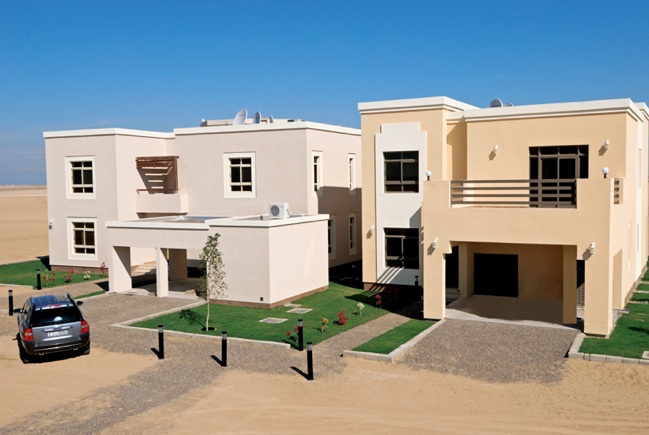
green building, sustainable building, energy, water, carbon footprint, Estidama, United Arab Emirates, villas, Abu Dhabi, pearl ratingGoing green doesn’t come naturally to wealthy villa owners in the Gulf.

An online real estate  company listed a seven bedroom villa in Dubai’s neighboring Emirate Abu Dhabi for $95,300 a year, which amounts to nearly $8,000 a month. Anyone who can afford to spend that much money on rent probably has little incentive to turn off the lights in order to conserve energy or shorten their showers, which may explain why the Abu Dhabi Urban Planning Council sometimes has to meet with villa owners six times before they grasp the minimum requirements of the country’s mandatory Estidama green building code.

Energy and water guzzlers

Government subsidies keep energy and water costs unrealistically low in the Emirates, despite its dubious distinction of having the world’s largest per capita carbon footprint. And many foreigners who have flocked to the Emirate to help the country exploit their enormous resource wealth live behind tall walls in self-enclosed villas.

So it’s hardly surprising that they are perplexed by the Estidama Pearl Rating System that was established in September, 2010 as a mandatory means to reduce the carbon and water footprint of all structures built in Abu Dhabi.

In order to help them find their way, the Abu Dhabi Urban Planning Council has launched an online tool that villa owners on a step-by-step journey through this unknown landscape. Appropriately called the “e-villa configurator,” this platform demonstrates to new builders what techniques can be used to save “precious water” resources, according to The National.

Pampering the un-green

“When users click on a category, they can learn how it will affect their final design and what the environmental benefits will be,” the paper reports.

Despite this serious pampering, people aren’t catching on as quickly as the UPC would like. Only 50% of the 1500 applications for Estidama have been approved since November, 2010, and these aren’t strident requirements. Although Government Buildings are required to achieve at least two out of five pearls, villa owners only have to earn one.

An adviser for Estidama, Edwin Young told the paper that it “once took applicants between four and six attempts to get through the process; now the UPC aims for two.”

The building requirements for villa developers have been simplified; hopefully they’ll get the hang of going green soon.

:: The National

image via World Property Channel

More on Green Building in The Emirates:

A Greener Space Planned Between Abu Dhabi and Dubai

Dubai Ends Cheap Local Gas

Former Masdar Director Says the UAE Must End Subsidies

These robots have got an eye on illegal dumping in cities

0

sensen ai illegal dumping

It’s a hassle in New York City where poor residents are dumping house refuse into city garbage bins. In some parts of the city, they have even removed the bins it’s becoming so troublesome.

Artificial intelligence solutions provider SenSen Networks Ltd (ASX: SNS) SenSen has today announced the launch of the world’s first AI-powered smartphone app Gemineye, which offers governments, municipalities and cities worldwide an affordable, highly accurate, cloud-based smart city platform in the palm of their hands to help tackle illegal dumping.

Illegal dumping is a significant issue for local governments, municipalities, cities and our planet. Not only is illegal dumping a threat to the environment, contaminating soil and nearby waterways, but it is also a public health issue and can cost taxpayers millions to prevent, monitor, enforce and clean up. The challenge is, catching dodgy dumpers requires a significant level of investment in time and resources.

dumpster diving

In fact, in America, it is costing municipalities, and taxpayers, millions of dollars a year – for example, in Pennsylvania, it costs taxpayers upward of $10 million per year to clean up roadside litter and $600 per ton to clean up an illegal dump site, of which there are thousands in Pennsylvania.

Subhash Challa, CEO at SenSen Networks, believes this new solution is a game changer for governments, cities and municipalities, offering a cost-effective approach to smart city management and removing the barriers to entry.

“Cities worldwide look to provide their citizens with a number of civic services, including ensuring cities are safe and clean to live in. Technology is greatly enhancing the services cities can provide, but the cost of today’s specialist equipment and technology is prohibitively expensive for most cities in the world,” said Dr. Challa.

dumspter diving

“We wanted to change that and make these solutions affordable, accessible and reliable to every city all over the globe. Gemineye does that. This breakthrough technology delivers the same intelligence and services at a much lower cost, helping to usher in a new era of smart cities worldwide, and make roads safer, cities smarter and businesses more productive.”

With the technology accessible through a smartphone app, governments and municipalities can significantly reduce capital expenditure and the maintenance costs of expensive smart city infrastructure and analysis solutions, such as illegal dumping monitoring equipment. Labor costs can also be reduced, as the AI technology can notify authorities when a certain situation arises, rather than having to review all the footage manually to identify incidents of interest.

An EYE for Dodgy Dumping

The way the app works is simple. Municipalities or government operators select the service they require through the Gemineye smartphone app. The smartphone will then begin to analyse feeds from its sensors and cameras in real-time, utilising SenSen’s proprietary AI-powered software. SenSen’s highly accurate AI-powered software will then identify activities of people, vehicles of interest and assets of relevance to the city and upload this data to their smart city cloud infrastructure in real-time.

Current approaches use a combination of wildlife photography devices and CCTV cameras to capture activity on illegal dumping. This is expensive, not real time, immobile and requires significant manual effort to go through all motion activated imagery to identify people and vehicles of interest.

Gemineye changes all that. Not only do municipalities get notified in real-time when someone is conducting illegal activity, but it also captures all the information they require to properly enforce compliance with local laws, as well as being highly portable. With illegal dumping costing municipalities tens of millions of dollars each year, Gemineye will not only help prevent this activity but it will also significantly reduce the cost of monitoring, analysis and enforcement.

The possibilities are endless

SenSen will initially launch Gemineye with two core services – parking enforcement and real-time illegal dumping detection. However, Dr. Challa believes the possibilities will be endless.

“The power of Gemineye is enormous for the future. You could have every retailer in the world using the app to track their stores or foot traffic within them. You could have manufacturers using it to advise on new efficiencies. Mining and construction could also use it for health and safety. There are different applications for Gemineye in every city, industry and business in the world,” he said.

“We believe this is going to open up and deliver so many more functions beyond the two services available today. We cannot wait to deliver further enhancements to our customers and give them smart AI-powered analytics in the palm of their hand.”

Hotels in Ireland offer guests electric cars to rent

electric cars four seasons ireland

EasyGo.ie, Ireland’s first privately-owned electric vehicle (EV) charging network, yesterday unveiled Ireland’s most advanced, publicly-available DC charger at the Four Seasons Hotel in Monaghan.

The successful installation marks the first deployment of a rapid charger in Ireland on a new site in some time, and the first deployment of a 50kW DC public charger on a private network in Ireland. The charger, the most advanced of its kind with the smallest physical footprint in the world, can add 50 kilometres of range to an electric vehicle in just 10 minutes.

EasyGo.ie, founded in 2018 by Chris Kelly and Gerry Cash, also announced plans to install 88 of Tritium’s DC rapid chargers by the end of 2020, with at least 20 to be deployed by the end of 2019, leading to the creation of up to 50 new jobs in operations and customer support.

“Sales of new EVs in Ireland have increased by 541 per cent this year alone, so it’s clear we’ll need more charge points to cater for an increase in EVs on the road,” said EasyGo.ie co-founder, Chris Kelly. “EV drivers are always looking for places to charge and the availability of this and future rapid chargers will help ensure drivers have options across Ireland, from Malin Head to Mizen Head.”

The charger was unveiled at a ribbon-cutting ceremony at the Four Seasons Hotel in Monaghan yesterday afternoon.

“We’ve always strived to serve the present and future needs of our customers by staying ahead of the curve, and the world is trending closer towards a zero-emissions, electric vehicle future,” said Frank McKenna, Director, Four Seasons Hotel Monaghan. “We worked with EasyGo.ie to install the charger at our site because we want to cater to EV owners who will need to charge their vehicles not only quickly, but in comfort and style; while their car charges, they can avail of all the facilities that the hotel has to offer.

The Ceremony was attended by Minister for Business, Enterprise and Innovation, Heather Humphreys T.D.

“The deployment of the EasyGo.ie DC rapid charger is yet another step forward in our efforts to combat climate change,” said Minister Humphreys. “Ireland has been a leader in the eMobility space for some time, and with EasyGo.ie entering the market and establishing itself quickly with installations such as this one and those planned for the future, Ireland will continue to lead the way.”

EasyGo.ie partnered with Tritium to leverage Tritium’s expertise in design, deployment and engineering, combined with its superior backend consultation and support capabilities. Tritium has installed chargers in more than 29 countries and its Veefil-RT is considered the most advanced charger of its kind in the world, with the smallest physical footprint – ensuring installation can be undertaken unobtrusively and successfully in areas where real estate or space is at a premium.

“It’s been proven time and again the world over that the installation of publicly-available rapid charging options leads to greater EV uptake,” said Kevin Pugh, Business Development Manager for Tritium, UK and Ireland. “With EasyGo.ie planning to install chargers at 88 sites in two years, you’ll start to see a noticeable increase in EV adoption and this will have a major impact in helping Ireland achieve its climate change goals.

AI-powered container farm tech to grow cannabis in Israel

0


Last week Seedo Corp., “Seedo” (OTCQB: SEDO), a high-tech company providing one of the world’s first fully automated and controlled indoor growing machines for the pesticide-free cannabis and agricultural markets, announced today it will be partnering with Kibbutz Dan in Northern Israel to establish the first fully automated, commercial-scale, pesticide-free containerized cannabis farm in Israel.

With Israel’s recent approval of medical cannabis exports, Seedo is positioned to become a key player in this emerging market as its technology can achieve reliable and uniform production goals to meet pharmaceutical-grade standards. Within 36 months of operation, the project is estimated to produce a minimum of 14 tons of dry cannabis bud, generating an estimated revenue of $24 million dollars.

In legal cannabis markets around the world, new research has brought to light concerns surrounding the prevalence of pesticides, solvents and bacteria present in the current supply chain. This poses a serious threat to consumer
safety, especially for patients that are increasingly dependent on medical cannabis for treatment of a variety of illnesses. Seedo’s technology can control the purity of the crop to meet stringent compositional standards set by pharmaceutical and beverage companies looking to supply clean and consistent products to the market. For other technologies from Israel, including AI-based flux, link here.

“We are entering a new era of growing where demand for pesticide-free products will only continue to increase,” said Seedo CEO Zohar Levy.

This installation includes Seedo’s first commercial-scale product to meet growing demand stemming from maturation of the worldwide medical cannabis market. Seedo is now applying its proven technology, originally developed for home-grow devices, towards containers for commercial scale.

This new offering will allow Seedo to leverage and adapt its existing and proven AI-powered technology to commercial farming applications, thereby maximizing the quality, yield and reliability of crops regardless of local climate conditions. By taking the guesswork out of the cultivation process, communities will be able to grow both native and non-native products with less labor, energy and water than ever before.

The airtight, stackable containers will allow cultivators to optimize land-use and reduce the environmental footprint of their farming operations. Each one of Seedo’s containers can provide a minimum quantity of 326 pounds of dry cannabis bud per year.

Seedo will also look to provide its commercial product to agricultural regions in need of healthy and reliable food supplies. Each container features maximum daylight illumination, built-in carbon filters, automated air conditioning,
and a smart post-harvest drying system that allows farmers to minimize cultivation costs and provide high-quality food with extended shelf life. As rising temperatures and urban population growth encroach on global food
supplies, Seedo’s turnkey technology will allow communities to grow their food locally without fear of crop loss from external climate or weather conditions.

As its network of systems continues to grow, Seedo will be able to leverage aggregated data to discover the ideal growing conditions for every type of fruit and plant species, even bringing some back from the brink of extinction.

bringing plants back from extinction

As part of Seedo’s recent momentum, the company recently appointed Daniel Birnbaum, CEO of SodaStream (he also invested in Cannabit two weeks ago – rumors that he will be making CBD soda drinks, maybe with Seedo tech?), and Dr. Jendayi. Frazer, the former U.S. Assistant Secretary of State for African Affairs, to its board of directors.

Mr. Birnbaum’s expertise in building global brands and Dr. Frazer’s work in international development and governance will inform the development of the commercial product to serve vulnerable communities around the globe.

About Seedo

Seedo is a market leading high-tech company providing the cannabis and agriculture industries with the world’s first fully automated and controlled indoor growing machine. Seedo provides growers with the freedom to cut costs
while generating high yields of lab-grade, pesticide-free herbs and vegetables.

Seedo’s AI-powered, turnkey systems enable anyone from average consumers to large-scale producers the ability to grow without prior experience or ample space. Competitors in this space include Grobo, flux, and Freight Farms, used by city food pioneer Kimbal Musk, brother to Elon Musk, founder of Tesla.

4 Ways to Pay for a Vacation Home

0

floating seashorse villa

Many people feel that owning a vacation home is out of their reach. That a vacation home is just a luxury reserved for the super wealthy or as part of an inheritance. But the fact is, there are many ways to pay for a vacation home you may not have thought of. In fact, there has been a huge increase in the number of people buying second homes in the last few years. This is probably because of the low interest rates and strong housing market available today. In fact, there has never been a better time to invest. So, If owning your own vacation home is something you’ve ever wanted, check out some of these ways you can easily make it a reality.

Mortgage your home

Instead of trying to qualify for a second home loan, a mortgage on your primary residence may be a better option. The reason for this is that taking out a loan on a vacation home usually requires a larger down payment. It also sometimes comes with higher interest rates. But you might get a better deal using a second mortgage, cash-out refinance, or home equity loan.

Another good option is a reverse mortgage. If you are over the age of 62 and have a lot of equity in your primary residence, you may be eligible for reverse mortgage. This is a way to get the bank to pay you monthly installments for your home as long as you live there. It is basically taking out a loan on your home that is paid monthly instead of in one lump sum. And it often saves you thousands in interest. Your lender will help you calculate your reverse mortgage benefits to see if this is the best choice for you.

Team up with friends

If you’d rather pay a small sum upfront for a vacation home, why not team up with other couples who have the same dream? You can set it up on a calendar like a timeshare so that you each have your time set aside there. Or you can simply agree to check in with one another when you think you’d like to go. This can be a very amicable agreement as long as everyone does their part.

Rent it out

The new trend for vacationing is finding properties on sites like Airbnb and VRBO. These sites allow you to list a home or a spare room for rent for amounts and dates you specify. Depending on how much you’re able to charge, you could even end up profiting from the venture. One example of someone likely making a profit is a loft apartment in Soho that rents for $1,450 a night. But even if you own a lake cabin you can rent for $200 a night while you’re not using it, chances are you can at least pay the mortgage on it.

Another way to rent your property out to pay for it is by simply renting it out as a residence. This may seem like it defeats the purpose. But consider renting it out for a few years when you first purchase it to pay the mortgage. Or if you want to enjoy it sooner, just lease it out for a year to help cover a portion of what you paid. Just be careful who you allow to live in your home by finding a good tenant screening service ahead of time.  

Workamping

Workamping is a relatively new term that typically applies to RVers who pick up work on the road, but that doesn’t mean you can’t do some form of it while on vacation. There are many sites that list temporary jobs in remote areas that pay decent wages. Some pay by offering room and board. You can keep your eye out for the ones that offer a paycheck. Some examples might be maintenance at a nearby campground, or you might find a job cooking for a church camp for a few weeks. You might even be able to ask around for mowing jobs in the vicinity of your vacation home while you’re there. The possibilities are endless!

Vacation homes are not exclusive to the super wealthy. Keep these tips in mind and you’ll be able to enjoy your very own vacation home in the spot of your choosing.


Top 5 Luxury Hotels in Riyadh

0

Riyadh is the capital of Saudi Arabia. It is one of the most modern and contemporary cities in the Kingdom. The city has a high volume of travellers passing through it, both for business and leisure. Being the torchbearer of contemporary luxury in the Kingdom of Saudi Arabia, the hospitality of the hotels in the city must be up to par. Here are the top 5 luxury hotels in Riyadh which are living up to the standards of luxury Arabian hospitality:

  1. Shaza Riyadh:

Shaza Riyadh is an oasis of luxury in the middle of the Saudi Arabian capital. Located on the crossroads of modernity and tradition, Shaza Riyadh stays true to its spirit and redefines luxury in the city. Shaza hotels are a testament to the possibility of reawakening the glorious past, heritage and traditions and fusing them successfully with the modern times of today. Shaza’s vision remains rooted in the ancient times of the Silk trade route and the caravans that travelled along it, in search of an oasis of comfort for some rest before they continued their journey. True to that spirit, Shaza Riyadh provides guests with the epitome of luxury in a contemporary experience which is not to be forgotten soon.

Striking in its use of open sunlit spaces, sophisticated patterns and rich designs, the hotel is opulent from the very first sight. The staff is friendly and indulging to the guests’ every whim. The all-day-dining restaurant MeNa offers guests the decadent experience of North African and Middle Eastern cuisines, and the Bistro offers ready-to-go locally sourced and prepared food for guests on the move. Shaza Riyadh exudes luxury through its living quarters. The living quarters are elegantly furnished using muted hues and furnishings which are pleasing to the mind and comfortable for the body. The hotel offers deluxe rooms and one- to three-bedroom suites with all-inclusive amenities such as flat-screen TVs, free Wi-Fi, kitchenettes, toiletries and vanity gadgets.

The Afiya Wellness Centre takes care of the day’s ills and troubles with their therapeutic spa services, while the kids enjoy themselves at the on-site Kids’ Club nearby. There is also a fully equipped gym and heated indoor pool for fitness enthusiasts. The business centre and meeting rooms ensure guests can conduct their business in comfort. Shaza Riyadh takes care of every aspect of its guests’ needs and leaves them delighted and wanting to come back for more.

  1. Ritz-Carlton, Riyadh:

Surrounded by ancient olive trees, beautiful gardens and palm trees that speak of the hospitable Arabian heritage, the Ritz-Carlton Riyadh is a majestic place. Entering the lobby, one is overtaken by the regal décor and spacious surroundings. With 492 rooms and suites fit to house a king, the Ritz-Carlton Riyadh offers luxurious living fit for a five-star hotel. The rooms are elegantly decorated with plush furnishings and indulgent amenities. The hotel also offers incomparable accommodation by way of the Royal Suite, which houses two bedrooms, a dining table with a capacity of 14 guests and a personal office to take care of business. Talk about luxury!

The dining options on offer are a mix of Italian, Chinese and Middle Eastern cuisines. The restaurants on-site include all-day dining, international and local cuisine, a cigar lounge, a bowling alley and mouth-watering Arabian desserts. The hotel also offers unique chef-led dining experiences and private dining. The spa is a sprawling luxurious facility which offers relaxing treatments to tired muscles after a long day of work or leisure. However, it only caters to males. There are separate fitness centres for males and females and each is fully equipped with state-of-the-art machinery and tools for the fitness enthusiasts. With 52 acres of lavish gardens and 62,000 sq. ft. of event space, the Ritz-Carlton lives up to its stellar reputation as a five-star luxury hotel in the middle of the Saudi Arabian capital.

  1. Four Seasons, Riyadh:

Located at Kingdom Centre, the Four Seasons Riyadh is a haven for business travellers and fans of city life. While other hotels may be situated a bit far from the city, the Four Seasons is strategically placed right in the middle of all the happenings around the vibrant city of Riyadh. The deluxe, premium and superior rooms offer unparalleled views of the city along with muted hues and calming décor. The five different categories of suites offer every luxurious comfort available to ensure guests have a memorable stay at the hotel. The indulgent 2-floor suite is also available to pamper guests to the fullest. Spread out over 22 floors, the living quarters are spacious, comfortable and luxurious. The Four Seasons also offers a unique luxury for the ladies: the Pearl Floor, which is dedicated entirely to women and offers exclusive amenities.

By way of dining, the three restaurants offer mouth-watering cuisine with their own twists. The Grill is a traditional Majlis-style setting which offers local cuisine, Elements is home to international cuisine prepared from the finest ingredients, and the Lobby Lounge is a place to relax and unwind with friends over snacks and beverages. The hotel also houses a spa which offers indulgent Royal Moroccan Hamam and hot stone massage treatments for the guests. Other amenities enjoyed by guests at the Four Seasons include an outdoor pool, outdoor sports courts, health club with steam room and sauna, business centre, kids’ activities and a number of spacious ballrooms for events and meetings.

  1. Al Mashreq Boutique Hotel, Riyadh:

A part of the Small Luxury Hotels of the World, the Al Mashreq Boutique hotel stands proudly near the Kingdom Centre in the middle of the city. The hotel, as the name suggests, is small but indulgent luxury is one of their main offerings. The living quarters offer views of the city or the lush interior gardens and are decorated in rich Arabian themes. Some rooms offer balconies as well. The furnishings are lavish and comfortable for the guests to enjoy a restful stay. Amenities include coffee stations, minibars, flat screen TVs, Wi-Fi and vanity kits.

The two restaurants, Ewaan and Al Mashrabiya, offer authentic Arabic cuisines with distinct flavours. Ewaan’s speciality is Moroccan food, while Al Mashrabiya offers Lebanese cuisine for the guests’ palates. The Tea Lounge is a great place to unwind with some sandwiches and light beverages. The spa indulges guests in traditional experiences such as the Moroccan Hamam to rejuvenate their spirits. There are also massage treatments for the guests. The gym has top-notch facilities including a trainer, sauna, steam room, jacuzzi and indoor pool. The business centre, meeting rooms and ballroom offer plenty of space to conduct business and host events.

Al Mashreq Boutique Hotel is the first of its kind in Saudi Arabia, providing personalized service and exuding charm and luxury in everything they do.

  1. Hyatt Regency Riyadh Olaya:

A combined business and leisure retreat, the Hyatt Regency Riyadh Olaya offers modern architecture with a mix of traditional hospitality to make the retreat worthwhile. Spread over 28 floors, the living quarters offer beautiful views of the vibrant city of Riyadh. Offering a wide variety of rooms and suites with varying views and amenities, each of the accommodations ensures a comfortable stay for the guests. The in-room amenities include flat-screen TVs, media hubs with phone docking stations, vanity gadgets, tea/coffee stations and touch panel controls for temperature and lighting.

The on-site restaurants offer two distinctly unique flavours from around the world. Guests can visit The Azure for Agean luxury dining or the 56th Avenue Diner for enjoying popular dished from around the USA in a more relaxed setting. With over 1000 metres of meeting spaces, events are popular at Hyatt Regency Riyadh Olaya. There are many natural attractions nearby, such as the National Museum of Saudi Arabia, Masmak Fort, and the Riyadh Zoo. Located in prime proximity to all kinds of entertainment for all ages, Hyatt Regency is a great choice for experiencing Arabian luxury both inside the hotel and out.

Have you ever experienced the indulgence at one of these hotels? Let us know!

5 Impactful Strategies for Communicating Sustainability Online

0

laptop sitting on a stump, conserve energy, use less, enjoy forest, nature bathing

People are searching for information about global warming online. Don’t believe me? Take a look at the “Global Warming” Google Trends page based on searches performed around the globe on the world’s most popular search engine.

It’s our responsibility to get better at communicating the things that matter most to building a sustainable future for our planet. In this article I’ll highlight a few ways I’ve improved my digital pitch to those looking to become informed and take action.

1.   Start with a content calendar.

This might seem basic, but you’d be surprised at how many content producers fail to organize their thoughts. A content calendar helps you zero in on the things that you’d like to communicate. And it helps your audience absorb what you’re sharing with them.

Get focused around making an impact with your message. A content calendar is a great first step.

2.   Treat every digital channel like an individual.

Too many people try to copy and paste their message across social media platforms. This is lazy and ineffective. If I see the same content on Facebook that I’m seeing on Twitter, why am I going to follow you on both?

girl_elearning_with_laptop

And don’t be afraid to respond QUICKLY to direct messages. 83% of Twitter users reported feeling better about a brand / individual after sending them a message and receiving a quick response.

If we want to get the message out, we need to put a tad more effort into unique content distribution.

3.   Use impressive stats to hammer your points home.

Data is impactful. It’s the digital equivalent of: “Actions speak louder than words.” We’re on a mission to communicate the importance of sustainable living. But getting people excited is only half the battle. Stats lead to action in the reader. Bite-sized stats can even arm the reader to become an evangelist about your message – leading to a ripple of good.

4.   Demonstrate with killer explainer videos.

The written-word is powerful, but video is becoming the preferred method for engaging people online. If you’re nervous about stepping out from behind your content, record your screen instead. An explainer video allows you to show content in a narrated short that communicates important information.

Depending on the content, I like to embed explainer videos that accompany key points in the content – this really helps me land important messages.

5.   We can raise awareness without judging.

This last point is perhaps the most important. When I started creating content, I was in the habit of calling out organizations that were harming the environment. This proved to be less effective than I thought it would be. Instead, I’ve focused on providing green tools and insights to people that want to become a force for good.

When you align your content with the goodwill of others, instead of casting blame on bad actors, you’ll achieve a more desired impact on delivering a sustainable future. We need to be mindful of how we get the message out.

I hope my insights have helped you!

Can Robots and Artificial Intelligence Save the Planet?

0

forest bathing, woman hipster contemplating nature in dark green forest

Artificial Intelligence (AI) and robots are no longer vague terms used to describe futuristic technology. It is no news how AI has benefited various industries, such as finance, healthcare and especially manufacturing, but in recent years, it has done much more than assisting humans at their everyday job. AI and robotics can play a major role in environmental projects, such as preserving wildlife and fighting climate change, developing a better life for humans altogether. Environmental projects are not taking the spotlight from other popular fields, such as financial technology, where new artificial intelligence-based projects are developing at a rapid pace, but they are starting to benefit more and more from the existence of such technology.

For many years now, human employees have felt threatened by AI and robots coming to replace them, although a 2018 study of 1,500 companies proved that humans and machines working together has led to significant performance improvements in said enterprises. But how is the new era of technology really helping the world we live in and, moreover, how much of a role can it play in restoring the planet’s health?

The Positive Impact of AI on Land

Whit the help of artificial intelligence, farming processes can be optimized and transformed to become safer for both Earth and human life. Machine learning and robotics can be used to interact directly with crops, analyzing their state and using the information to determine the best time to plant, water, spray and harvest them, reducing fertilizers and pesticides usage. This will increase efficiency and lead to more eco-friendly crops. These processes can be extended to more than farming and can help monitor and protect all sorts of ecosystems and habitats around the globe. By using AI-empowered drones, environmental researchers can monitor endangered areas, identify species and track animal migration.

While they can not be prevented, natural disasters can also be better understood and contained with the help of AI. For example, massive amount of data regarding hurricanes has, for a long time, been collected and stocked, but without suitable technology, it could not be processed to reveal valuable information regarding climate modeling.

In recent years, the use of machines has evolved past the robot assembly lines. Various projects have surfaced in recent years, utilizing robots to repopulate forests that have been affected by human hand or natural disasters. Robots can plant trees ten times faster than a human hand, helping forests recover from damage and making cities a much greener and healthier environment.

Fighting Air Pollution

Monitoring air pollution has been a challenge that environmental researchers have faced throughout the years. Environmental organizations and governments can use technology to identify air pollution sources and implement precaution measures. By using smart sensors that are equipped with machine learning techniques, they can detect gas breaches and other air polluting sources.

Besides analyzing and monitoring air pollution, AI can help reduce it altogether. Take for example transportation, where studies have shown that autonomous cars can reduce oil consumption by 4% over the next 10 years. This increases the possibility of autonomous public transportation, with dynamic bus routing, leading to fewer vehicles on the road. Smart traffic lights can also improve traffic flow, thus reducing driving time and carbon print.

In order to reduce pollution, society’s dependency on fossil fuels has to decrease. AI can help make sustainable energy technology, such as solar panels and wind turbines, more efficient. Smart meters can be used to give energy providers a better understanding of the usage of energy and help them make adjustments for better efficiency.

Using AI to Make Waters Healthier

If one were to use the Earth’s water as an indicator of the planet’s health, the results would turn out to be quite alarming. According to recent studies, one truck of garbage is dumped into the ocean every minute and it has to stop. Fortunately, AI has already come to the rescue, helping with the deconstruction of the Great Pacific Garbage Patch. The Ocean Cleanup Project is an autonomous “garbage truck” powered by artificial intelligence that collects garbage faster and more cost effective than conventional methods can. Machine learning is also making it possible to monitor marine life and understand and prevent the endangering impact of human actions, such as industrial activity and illegal fishing.

In 2013, reports showed that only 15% of the ocean floor has been mapped. With the need to discover more about what lies underneath Earth’s blue blanket, the development of diving bots comes as no surprise. Computer scientists developed a humanoid diving robot able to travel to areas that are too deep and dangerous for humans to collect samples that are vital for a better understanding of marine life.

But collecting data and doing research is not the only way robots are helping the oceans. A tuna-shaped robot that blends in with the marine life and acts as a real fish was developed to keep an eye on vessels, piers and harbors. The robot is used to detect illegal goods that are often stored in the body of ships and can otherwise pass by undetected.

Taming the Urban Jungle

Saving the planet doesn’t only mean rebuilding the flora and fauna. It also means developing new ways to help humans consume fewer resources and reduce their impact on the environment. More and more people have developed a habit in recycling and the benefits are abounding. Recycling robots use AI to identify and sort items into designated bins, to make recycling more efficient. Humans don’t have to wonder if a certain item belongs to a blue or yellow bin. This also helps reducing human exposure to a toxic environment such as garbage dumps and sewers. Another robot, operated by a simple smartphone app is now used to study bacteria, viruses and chemicals found in manholes. Why do we need it? Well, in a scenario involving a flu virus outbreak, the sewers are the first to know. There is no need to expose the risk a human would be exposed to, when collecting and transporting recipients filled with sewage water.

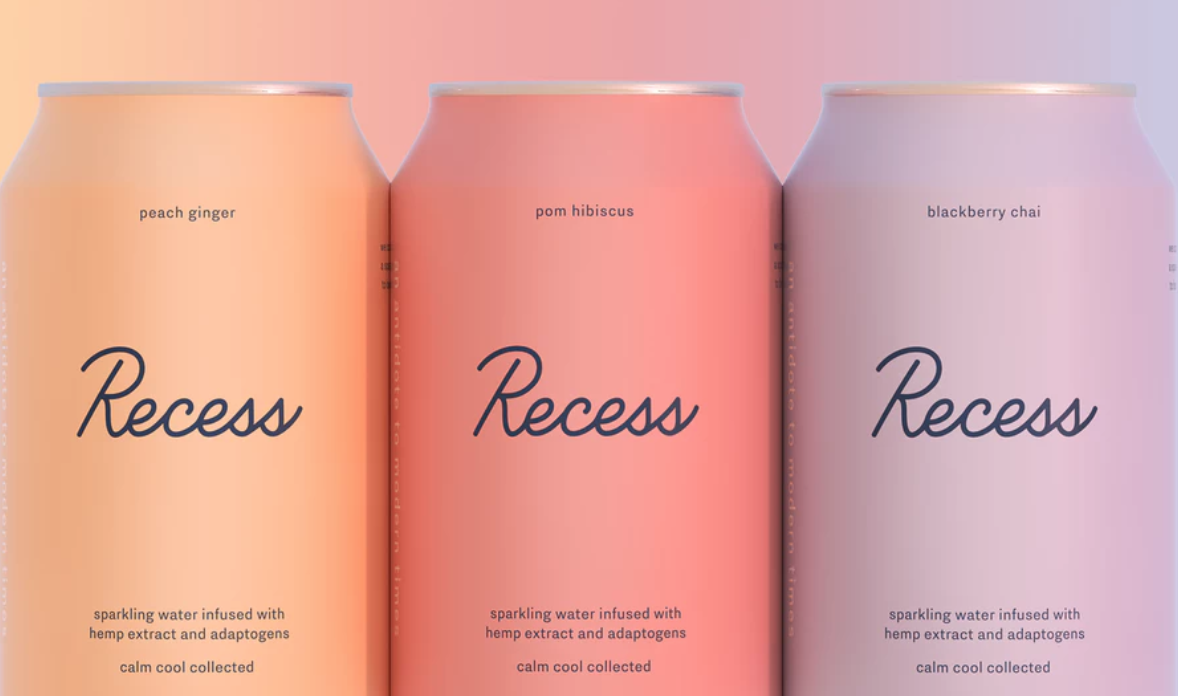
Want some CBD oil in your seltzer?

CBD oil

Energy drinks. You need to be under 30 or insane to drink soda like Red Bull. The truth is though that even with superfoods among us and wheatgrass juice and the outliers you can drink for your health, nothing, including spirulina has come anywhere close to mainstream. But a new trend that is starting to pick up interest may become the next caffeine.

There is a rumor circulating on the Internet that the last CEO of SodaStream Daniel Birnbaum that sold the company to Pepsi for a cool $3.2 billion is looking into cannabis-based extracts for soda. Those extracts might very well come through a company called Cannabit, based in Israel.

If you look online cannabis lifestyle products abound. They are obviously more common in the US states like California where cannabis is legal but consider Canada, where nationwide anyone can use cannabis for medicinal or recreational use above legal age.

CBD, the therapeutic and calming, but non-high inducing element of the cannabis plant might be the next “caffeine” we are all waiting for.

CBD may help reduce symptoms related to cancer and side effects related to cancer treatment, like nausea, vomiting, and pain.

But it can help maintain a healthy body too: It is possible to add CBD oil to food, and an increasing amount of new evidence finds that it may improve mental health, particularly anxiety. Health conscious people no longer want real caffeine as part of their diet but look to invigorating elixirs and health supplements that can lead to a healthier, fuller life.

Soda sales are falling so innovative companies and iconic brands like Coca Cola are looking for novel products that can intensify consumer interest. CBD the short work for cannabidiol, one of 80 or so molecules found in the cannabis plant, may the next big thing.

While you can smoke, vape, or take CBD oil under your tongue, some people enjoy it inside a candy, food or beverage. CBD is vastly different than THC, or tetrahydrocannabinol, the molecule in cannabis that appears to have great therapeutic results for some but for others creates psychotropic effects that are too extreme to manage and which might exacerbate some conditions such as anxiety or paranoia.

Experts we have spoken too like Dr. Alan Shackelford suggests that some combination of THC and CBD and others in the raw cannabis plant may play an important relationship together in healing us, but until more research is in, we say cheers to new soda drinks, and look forward to a new at homebrew, with a twist of CBD.


Fracking – Oil’s downside: Should governments invest in it?

0

fracking oil saudi arabia

Oil and natural gas, as investment opportunities, have certainly had their share of publicity; both good and bad. This includes market analysis data to entice potential investors to consider investing or speculating in either oil and gas futures or in stocks and investment funds that include energy companies specializing in the exploration and production of oil and natural

Notwithstanding the environmental issues such as global warming and climate change being tied to the production and use of fossil fuels, gigantic oil spills such as the Exxon Valdez spill and Deepwater Horizon well blowout in the Gulf of Mexico have opened a “Pandora’s Box in regards to the downside of oil and natural gas. This is only part of the entire problem, however.

In many countries, particularly the USA, a controversial technique known as fracking is now being used extensively to bring oil and gas deposits out of shale and other underground geological formations. Fracking involves the use of inserting a high pressure mixture of water and chemicals into underground formations to free trapped oil and natural gas to the surface.

While more certain than “hit or miss” drilling into geological formations, fracking is much more environmentally damaging to underground, as it involves the use of large amounts of water that contributes to drought in the areas where the fracking is being done. The tremendous amount of pressure used as well as a continuous pounding force also results in disturbance of the subterranean formations,causing numerous “mini earthquakes”, as well as noise pollution above the surface. Fracking is also a costly production method involving the use of very specialized drilling rigs and equipment; and as a result is very much affected by the local and international market price of crude oil and natural gas.

Despite the costs and environmental concerns, fracking appears to be one of the most successful ways to bring up oil and natural gas deposits. Even oil producing countries in the Middle East have now begun to use this method  including Saudi Arabia, Bahrain and the UAE. The UAE is becoming so interested in using fracking that Abu Dhabi’s national oil company ADNOC has taken the lead by embarking on a big fracking project to extract natural gas its subterranean shale deposits.

Fracking in previous oil rich Mid East countries may be an indicator that their oil reserves available to be extracted by simply drilling into the earth may be now at a much lower level. With underground water reserves being a record lows, the large amount of water required for fracking will most likely have to come from desalination plants; resulting in even more expense as well as environmental damage.

With use of fossil fuels already top issues by environmentalists as being a prime cause of climate change and global warming, the added issues of fracking only confirms that investing in oil and even natural gas is not good for those really concerned with the future environment of planet earth.

More on oil and gas:

Should you consider investing in oil in 2019?

Golan Heights Slated for Oil and Gas Drilling…and Environmental Damage?

Gulf of Mexico Oil Spill Opens Pandora’s Box at Alberta Tar Sands

Sodastream chairman Birnbaum joins cannabis with Seedo

Daniel Birnbaum, invests in Seedo, Cannbit, was former CEO of Sodastream
Can Sodastream’s former CEO take cannabis to a billion dollar business? From a fizz to a buzz? Sodastream’s last CEO Daniel Birnbaum, the one who managed to seal a deal with PepsiCo and sell the Israeli business for $3.2 billion is now going into the cannabis growing business. Using the same “cartridge” or consumables approach where you pop in boxes of nutrients to grow plants (instead of sweet stuff to make soda), Birnbaum will now lead the grow box company Seedo into a mega-business in the US and beyond. That’s the hope.

Seedo, listed in the US (OTC: SEDO), was founded in Haifa in 2013 under the name Enroll Grow Tech. It is one of the many companies from Israel, including flux, working to automate cannabis growing. Seedo has built an appliance that helps people with no experience growing anything, grow cannabis for their own personal supply.

seedo appliance, cannabis growing invested in by Daniel Birnbaum

Sodastream’s product is a home appliance that makes it easy for consumers to produce their own soda and carbonated beverages at home. Seedo aims to be the same kind of product that helps people effortlessly grow their own cannabis in places where it is legal.

There is a very interesting constellation of stars now forming around Birnbaum. Two weeks ago he also invested in the Israeli company Cannabit (TASE:CANNBIT-M), poised to export medicinal and recreational cannabis it will grow in Israel. The company listed on the Tel Aviv Stock Market, the TASE, has doubled in share price since Birnbaum’s investment was announced. The world-leading researcher in cannabis, Prof. Raphael Mechoulam’s joining the board as chairman may also have something to do with the sudden interest in the stock.

Birnbaum co-invested about $6.6 million in Cannabit along with Barak Rosen, the controlling shareholder of Israel Canada – according to Globes, a local Israeli business newspaper. This gives them a controlling share. One of the many rumors suggest that Birnbaum will apply his knowledge in the beverage market to create CBD (cannabis without the high) drinks using raw materials that Cannabit will supply.

Birnbaum not only joins as the chairman of Seedo, he also invested about $550,000 in the company. Seedo is a grow box technology that can help people and businesses automate cannabis growing. There are dozens if not hundreds of grow boxes now on the market. There is Grobo, Leaf, and in bigger sizes pod companies like Freight Farms and hundreds of companies that produce tents, lighting, controlling systems (Smartbee) and quite literally so many configurations of equipment that it is too early to say who will come out as the next Netflix or Amazon of growing technology.

Once when someone wanted to grow their own cannabis for smoking the THC Tetrahydrocannabinol or CBD Cannabidiol (there are an estimated 80+ molecules in the marijuana plant) people would build their own stealth-like growing chambers in closets where they could control lighting, humidity and well, steer clear of the authorities. This started as a means to grow cannabis illegal but growers soon realized that controlling multiple parameters such as lighting, nutrients and humidity could grow a superior product out of it.

In countries like Canada where hydroponics was pioneered, cannabis is now fully legal, recreationally and medicinally and in about half of all the States in the US, cannabis is legal in some format. In some states like California and Colorado it is fully legal, and in the remainder, cannabis is accessible if you have a permit from a doctor, which is usually easy to obtain.

Israel, many feel, is going towards full legalization.

The news that Birnbaum is moving into cannabis and medical marijuana only goes to show how the perception of cannabis use and growing is changing in the west. From soda to a business, which is still mired in some ways by seedy smoke lounges and head shops.

Medical marijuana now has chops in the medical world: Research in all manners of diseases and ailments is being performed in reputable labs (thanks to early pioneers like Israel’s Raphael Mechoulam who just joined the board of Cannabit) and new research papers are being published in journals around the world.