Somehow vegetables with short seasons excite the imagination and appetite more sharply than produce that’s available all year around. Good Middle Eastern cooks have many recipes for delicate fava beans, and this turmeric-fragrant soup is one.
Somehow vegetables with short seasons excite the imagination and appetite more sharply than produce that’s available all year around. Good Middle Eastern cooks have many recipes for delicate fava beans, and this turmeric-fragrant soup is one.
Somehow vegetables with short seasons excite the imagination and appetite more sharply than produce that’s available all year around. Good Middle Eastern cooks have many recipes for delicate fava beans, and this turmeric-fragrant soup is one.
Somehow vegetables with short seasons excite the imagination and appetite more sharply than produce that’s available all year around. Good Middle Eastern cooks have many recipes for delicate fava beans, and this turmeric-fragrant soup is one.
Somehow vegetables with short seasons excite the imagination and appetite more sharply than produce that’s available all year around. Good Middle Eastern cooks have many recipes for delicate fava beans, and this turmeric-fragrant soup is one.
Somehow vegetables with short seasons excite the imagination and appetite more sharply than produce that’s available all year around. Good Middle Eastern cooks have many recipes for delicate fava beans, and this turmeric-fragrant soup is one.
Somehow vegetables with short seasons excite the imagination and appetite more sharply than produce that’s available all year around. Good Middle Eastern cooks have many recipes for delicate fava beans, and this turmeric-fragrant soup is one.
Somehow vegetables with short seasons excite the imagination and appetite more sharply than produce that’s available all year around. Good Middle Eastern cooks have many recipes for delicate fava beans, and this turmeric-fragrant soup is one.
Lebanese designers from the much-loved embroidery collective Bokja in Beirut have offered to suture and repair home furnishings damaged in the Beirut explosion on August 4. This is the same collective that burned tires in their own special way a few years ago.
Mending what is broken
The explosion of 2,750 tons of ammonium nitrate at a port warehouse caused widespread destruction and injured more than 5,000 people in Beirut last month.
Bokja Beirut showroom
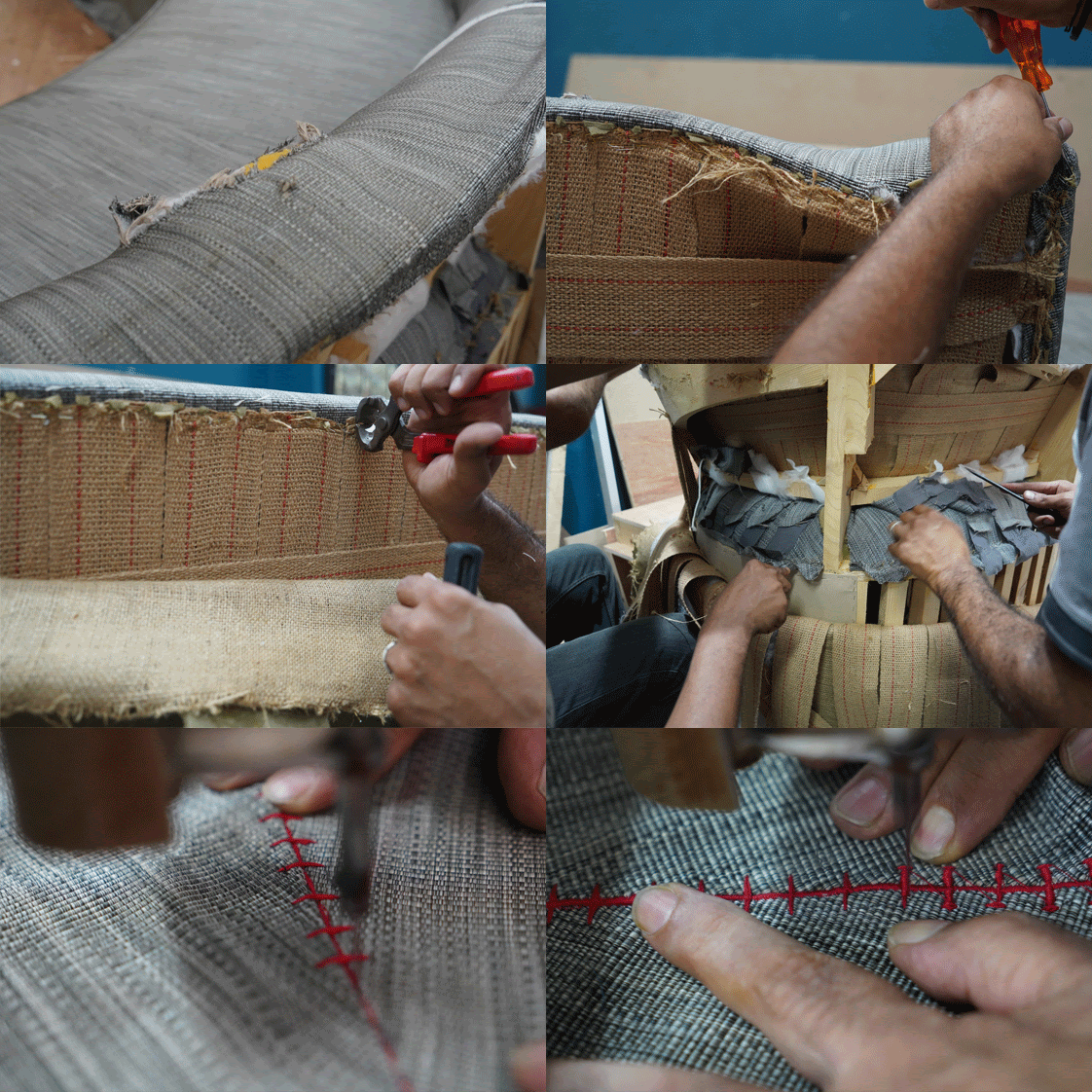
Founders Hoda Baroudi and Maria Hibri have transformed their Beirut studio into a community center to help “rebuild a sense of comfort,” the ladies said.
The artisans who have joined in are now working under Bokja Mends to use a signature red stitch to sew the pieces back together.
Red in the region is also a kabbalistic sign worn to keep the evil eye away. Go visit the Western Wall in Jerusalem and you will be offered a red string for protection against jinn and bad luck.
Lebanon in stitches
Rising from the dust
Instead of complaining from the rubble Baroudi and Hibri give us all hope that together we can rebuild, even when there are forces out there that want to destroy.
“From the beginning we were so enthralled by the handmade works of embroiderers alongside the Silk Road, their steadfast pace when manipulating a textile, their use of color and pattern, and their intense personal association to the object created,” the duo told Green Prophet.
“Our intention is to celebrate a local cultural identity through reviving and contemporizing a disappearing artisanry. We seek to trigger the evolution of local crafts in the region, forming a newfound language of expression consequently informing a Lebanese aesthetic and identity,” they added.
In good times, Bokja has been working tirelessly by reviving regional textile practices, redefining them in a contemporary voice as it should be.
The showroom of embroidered whimsy
Bokja’s existing body of work combines artisans, carpenters and designers and like Ondi from Om Khadi – it takes a village. Behind every Bokja design is a team of 35 people from 10 countries such as Iraq, Syria, Kurdistan, Egypt and Lebanon.
Transforming what’s lost to be remembered
Their textile practice is a representation of a diverse cluster of textile traditions. As we learned from Bedouin women in Lakia, Israel, who practice desert embroidery, and from my Scottish ancestors who put pride in their tartan, every textile tells a rich story of humanity and tradition.
Memory cushions from old stamps
And in a culture of fast fashion from H&M and IKEA our humanity is getting lost in a low cost capitalist culture which our culture pays for in a heavy price.
Sofas, armchairs and bed headboards are some of the items that have been brought in for repair in Beirut. Bokja is doing more that repair a home, they are repairing a country still reeling and bleeding with open wounds.
You can make an eco office work in the city or the forest.
Thanks largely to the internet and the COVID-19 pandemic, working from home has become the norm for many employees as well as entrepreneurs. With the likes of Twitter stating that much of its workforce can work from home as long as they want to, it seems likely that the remote-working trend may be here to stay.
Despite the economic difficulties, 2020 has been a year for startups too. With many people starting their own business from home, attempting to reduce overheads and mitigate their financial risk. With ancillary businesses such as Moneypenny virtual receptionists reporting remarkable growth, 2020 could mark the beginning of a new era and the mainstream arrival of remote-working entrepreneurship.
This is potentially great news for the environment. Fewer cars on the road during rush-hour, means less pollution, especially in city centres. It may also be good news for the wellbeing of the workforce, with less time on the road meaning less stress & burnout and more time with loved ones.
What would also be mutually beneficial to workers and the environment – would be a home office, that is powered by renewable energy – solar, wind and/or water. If you don’t have room for an office in the house, consider purchasing a shed – if budget, allows, a Tuff Shed is a great option for an office or workshop.
Warning – please consult a professional before attempting any electrical work yourself. Faulty set up could result in fire or electric shock.
Create a Portable Solar Power Unit
Solar power is the go-to for renewable energy, especially in states such as California. To start your solar power system, by creating a portable one that you can take with you and hook up virtually anywhere.
Battery – you will need a battery for power storage in an off-grid system. In this video, they used a deep-cycle marine battery as it should tolerate daily charges and discharges of energy for some time.
Inverter – a Go Power generator rated at 1750 watts is a good choice for a portable system and its output is suitable for small electronic devices as well as larger ones. It boasts a power display and comes with 2 AC outlets.
Power Strip – to add more devices at once, you can add a power strip with plug sockets and USB sockets.
Solar Panel – a Renogy 200w solar panel is an excellent choice for a portable solar panel kit. It comes with a charge controller and everything required for the ‘solar-side’ of a generator. The charger has a 400w capacity, so can be used with more solar panels.
A Batter Maintainer – a battery maintainer can be added to keep the battery at full capacity.
Heavy Duty Hand Truck – If you want to have a portable solar panel system, then it can be fitted to a hand truck, with a few adjustments. You may need to, for example, add some ‘sides’ to the bottom to form a unit around the relatively large battery.
Be careful if you want to transport the unit in a car or van. If turned over, the battery can leak.
If putting together a portable system from scratch sounds a bit daunting – you can be prebuilt systems from the likes of Yeti. You can find more information here.
Wind Powered Office
For a home office, you can install a micro wind turbine. For a wind turbine to be cost-effective, you’ll need to live somewhere that gets quite a lot of wind! Beware that they are quite tall and relatively heavy – between 10 and 20kg typically. They can also be very tall – up to 50ft, but if you get a lot of wind, you might not need to erect it so high.
You may need to create some kind of base, or support to hold the turbine up. In this video, they used a scaffold pole against a fence for additional support.
Micro Wind Turbine
Obviously, for wind energy, you will need a wind turbine. The Cloudsto 500w Wind Turbine Kit comes with free worldwide shipping (at the time of writing).
Three Phase Cable
You may need to extend the reach of the cable that comes with the wind turbine. A 3 phase cable with high-quality copper is ideal if your home office is a few meters or more from the turbine’s location.
Junction Box & Charger
Most turbines will come with a charger, the junction box is simply a three-point adapter that connects to the 3 phase cable. It is possible to buy a ‘rectifier’ too – this will change the AC charge from the turbine to DC.
Charge Controller
If you want to charge specific batteries – such as lithium batteries – you may wish to connect the charger or the rectifier to the charger. You can buy a charge controller from Amazon, but you may want to buy from an independent store as they are more likely to give you specialist advice on which one to invest in. Tesup sells a range of high-quality controllers, for example with most of them coming with a free 5-year warranty.
There are other ways to generate renewable energy. If you have a large roof, and live in a rainy area (like anywhere in the UK!), you can use a Pelton wheel turbine to harness the flow of water in your gutter. More information on the ‘gutter hydropower’ system can be found on this Youtube Video.
Look out for an eco dentist to avoid exposure to dangerous chemicals at a young age.
In our everyday lives, almost everything we do has an environmental impact that can affect this generation and the next. When it comes to potential health services, it’s also important to see how our everyday tools, resources, and emissions can affect the world and environment around us.
It is part of social responsibility—especially as a business—to find and define where possible problem areas might be in the way we do business from our equipment to the everyday use of tools and resources.
Playing a part in the health of our environment should be at the forefront of any dentist’s practice goals.
In this article, we’re going to discuss the environmental impact that dentistry plays in the world around us and how both business and clientele can do their part in helping reduce our carbon footprint and impact our environment for the better.
Doing Your Part
If you’re a dental practitioner, you should do your part in recognizing the very specific, yet forward-thinking actions that you can take on an everyday basis that can help reduce your footprint and improve the environment around you.
However, before you have an impact in the world, you have to first focus on what’s happening in your own office.
Materials and Procedures
By first focusing on the materials you use in your dentist office and how they may affect the environment around us, you can then make small, simple changes to minimize the production of these wastes. This can help reduce the overall negative environmental effects and slowly, but surely, reduce your footprint.
Ask your dentist about these eco hazards
To help you identify which wastes from your health center are disturbing the environment, look into how your office is getting rid of or using these common wastes:
Dental amalgam
Lead
Silver
Biomedical, general office waste
Their environmental impact:
Biomedical waste—this can include materials that may cause disease or have pathogenic organisms that can be harmful to any person or persons around. In practical terms, they are gauzes, tissues, and syringes that have blood on them or have had contact with the blood of another person. This type of material can also be broken into two classified groups—sharp and non-sharp.
Obviously, the non-sharp biomedical waste should be disposed of in a properly-labeled bag. The sharp waste—like needles and syringes—should instead be placed in a puncture-resistant, leak-proof, properly labeled container.
General office waste—not just confined to the dental industry, the negative impact of the environment can be reduced by minimizing plastic use and transitioning to environmentally-friendly office supplies that have minimal packaging and reusable plastic. An office can also try to switch to energy-efficient lighting and temperature regulation—this can reduce the energy use and output of a building.
Lead—for lead, you can return the lead shields that are produced from film packets—collected and returned to the manufacturer so they can be properly recycled. This is a simple way to get rid of waste efficiently in a way that doesn’t harm the environment.
Silver—this heavy metal can improperly infiltrate our water system if it is not disposed of correctly in the dental office. This can be toxic to the local population, so it’s important to try your best in doing your proper to properly dispose of it or limit the use of it in your office.
Mercury—although there isn’t a ton of mercury produced by the individual dentist, the accumulated waste of mercury is extremely unfriendly for the environment. A dental professional can simply adopt the most practical approach when disposing of waste to minimize their possible negative environmental impact.
Dentistry leaving a positive impact
Whether it’s making a positive impact for clientele or impacting the environment around us in a beneficial way, we always want to approach each situation in a cooperative light to help the world around us improve. As the technology in the dental industry gets more and more prevalent around us, our social responsibility should also hold importance.
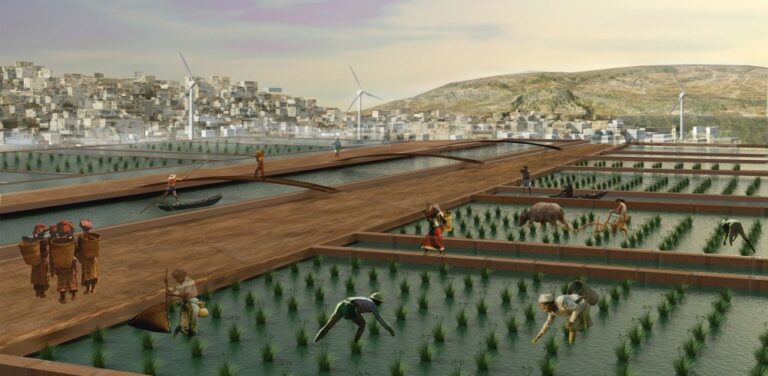
Regenerative agriculture, like the proposed Hydropolis in Egypt, is one way to green the CBD and hemp industry.
If there’s one thing that CBD companies have in common, it’s their deep-seated desire to help their customers. Why else would you get into such a niche (but growing) industry? So, if you are in the CBD industry, you already care about providing the cleanest, perhaps most organic products you can, and that desire to do what is best for the human body likely bleeds into a desire to do what is best for the earth as well.
However, building sustainable business practices that protect the health of the earth isn’t always easy, especially when you are working in an industry that relies heavily on the gifts mother nature gives us. When you sell a product like CBD and seek to run an eco-friendly company, not only do you need to worry about how to keep your packaging and shipping practices sustainable, but you need to make sure your farmer’s growing practices protect the environment as well.
If the idea of creating a sustainable CBD business has your head spinning, never fear. There are a few simple things you can do as a business owner to ensure that your product doesn’t unintentionally disparage the environment from the time the hemp seeds are planted to the time your customer uses the last bit of their product and disposes of the packaging. Keep reading for some fresh ideas to keep sustainability at the forefront of your mind throughout your CBD production process.
Sustainable Farming Practices
Woody Harrelson promotes regenerative farming
One of the best parts of working in the CBD industry is the sustainable attributes of the hemp plant. Hemp farmers don’t have to do much to ensure their practices are sustainable because the plant takes care of a lot of the headache for them.
For example, hemp uses 50% less water than cotton, making it a much more eco-friendly crop. And, not only does hemp produce lifestyle products like CBD oil, but it can also be used to make things like paper and clothing much more sustainably. So, by increasing the demand for hemp in general by running your own CBD company, you are allowing farmers to make the switch to a crop that will lead to more sustainable consumption in the future.
Not only does the hemp plant cause less damage to the earth, but it also actually improves the soil it grows in, in many cases removing toxins from the soil. Because of its hardy profile, hemp can be grown in almost any environment, whether it is in the deserts of the western United States or the more rain-drenched eastern seaboard. This is because hemp plants grow long, deep roots which actually help stabilize the soil around them, preventing erosion and retaining nutrients. Additionally, hemp is already naturally resistant to most pests, allowing farmers to avoid using harmful pesticides and chemicals in their fields.
Sustainable Extraction Practices
If you are familiar with CBD extraction methods, you know that there are many ways to harness the power of the hemp plant and bottle it up for your customers’ consumption. You can use CO2, solvents, or even olive oil to extract CBD from the plant before putting it into your products.
When you hear the term “CO2” in conjunction with sustainability conversations, it’s usually considered a bad word. After all, we are often talking about reducing CO2 emissions or our carbon footprint when it comes to building a greener society. However, while it may not seem like it from the name, CO2 extraction is actually the most environmentally-friendly option.
This is because the CO2 extraction process produces the safest, purest CBD without leaving behind any toxic residues, like the solvent method might. Plus, it doesn’t tap into our limited olive oil supply. The only drawback to using the CO2 method is that it requires specific equipment and expertise. This investment is completely worth it, though, if you’re looking to create a sustainable CBD product.
Sustainable Distribution Practices
CBD is often turned into an oil but it can be delivered in beverages and edibles for pain relief, romance
Once you’ve extracted your CBD, you’re ready to put it into products. Whether you’re focusing on tinctures, gummies, topical products, or all of the above, there is a lot you can do on the distribution side of the CBD business to ensure your practices are sustainable.
First, think about your packaging. In what ways can you reduce the amount of material that is not recyclable or reusable? Can you put your tinctures and gummies in glass containers, or offer a send-back program for your packaging that incentivizes customers to participate with a small discount? If you sell CBD bath bombs, can you wrap them in recycled paper rather than shrink-wrapped plastic?
If your company owns a storefront, think about the ways you can make your brick-and-mortar practices eco-friendly as well. Perhaps you can pin some QR codes with a link to your product offerings rather than printing menus and brochures. Again, you could also incentivize your customers to bring back the containers once they finish the products so that you can wash and reuse them.
If you find yourself filling and shipping a lot of orders, there are ways to keep that part of your business sustainable as well. You’ve likely been hearing a lot of news lately about big companies like Amazon and Apple going carbon neutral in their shipping policies, and you can get in on this practice as well. Shipping something “carbon neutral” means that while sending it on a truck somewhere might add to your carbon footprint, you (or the company you ship through) is doing something to offset those carbon emissions, like planting trees. UPS currently offers a carbon neutral shipping service, or you can team up with an app like Shop by Arrive to allow your customers to choose carbon neutral options.
Sustainability Is Key
Climate change issues are not just simply going to go away on their own—as business owners, we must consciously make an effort if we want to affect real change. Luckily, there is a lot you can do in this day and age to reduce your—and your CBD company’s—carbon footprint. Taking even one of these steps can really make a difference.
If you are in the market for CBD for personal use, you can also think about choosing a sustainably-minded company to purchase your products from. One such company is Joy Organics. All of their products are premium grade, broad spectrum, and tested by third party labs, so you can trust that you are getting the best of the best. Plus, you’ll be supporting the hemp industry, which just might be a major answer to our global climate crisis.
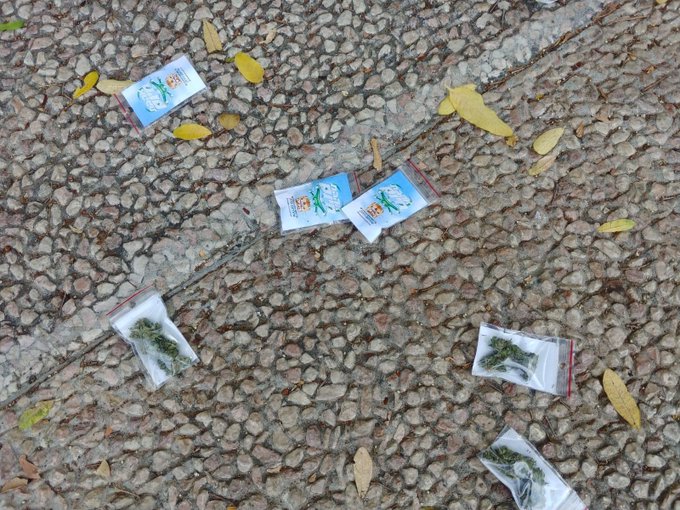
Some of the packets that rained down from the drone. Like manna from heaven
Hundreds of 2-gram bags containing marijuana dropped out of the sky over Rabin Square, for the comfort and delight of the population enduring pandemic times. It was the brainchild of a Telegram group calling themselves “Green Drone,” who champions making cannabis legal in Israel.
Green Drone published a mysterious message on Telegram before releasing cannabis to the wind. It read:
“It’s time my dear brothers. Is it a bird? Is it a plane? No, it’s the green drone, handing out free cannabis from the sky… Enjoy my beloved brothers, this is your pilot brother, making sure we all get some free love.”
While Tel Avivians scrambled to pick the little bags off the street, the police were less than pleased with Green Drone’s altruistic gesture. The two men who operated the drone have been arrested.
An announcement of the “Cannabis Rain Project” drops on the Telegram channel said that 1 kilogram (or 2.2 pounds) of cannabis, divided into 2 gram bags, will be dropped each week in a different part of the country.
And that’s not the only novel thing people in Tel Aviv are doing with drones. Check out the video we made of a guy fishing in the Mediterranean Sea using a drone:
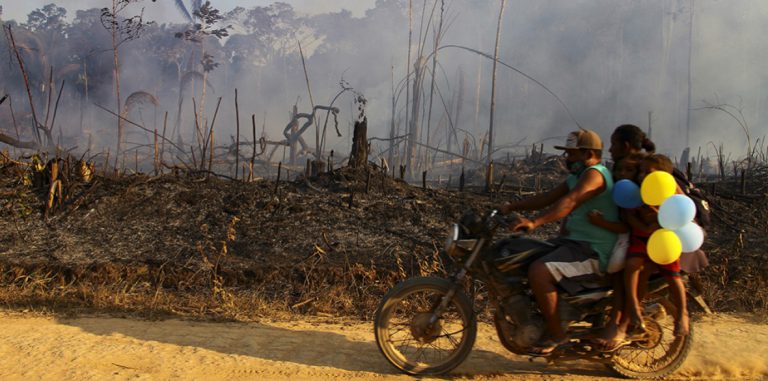
The list of banks supporting damaging practices to the Amazon include Banco do Brasil, Rabobank, and JPMorgan Chase.
Amid a tropical forest fire season that is shaping up to be more disastrous than the one from last year, a new database built by environmental activists reveals that global banks, some of which you might belong to, have funnelled 154 billion USD into the production and trade of commodities driving deforestation and land degradation in the three major tropical forest regions –– Southeast Asia, Brazil and Central and West Africa –– since 2015.
Overall, credit to these commodities has increased by 40% since the Paris Agreement was signed in December 2015. As of April 2020, investors also held USD 37 billion in bonds and shares in these companies.
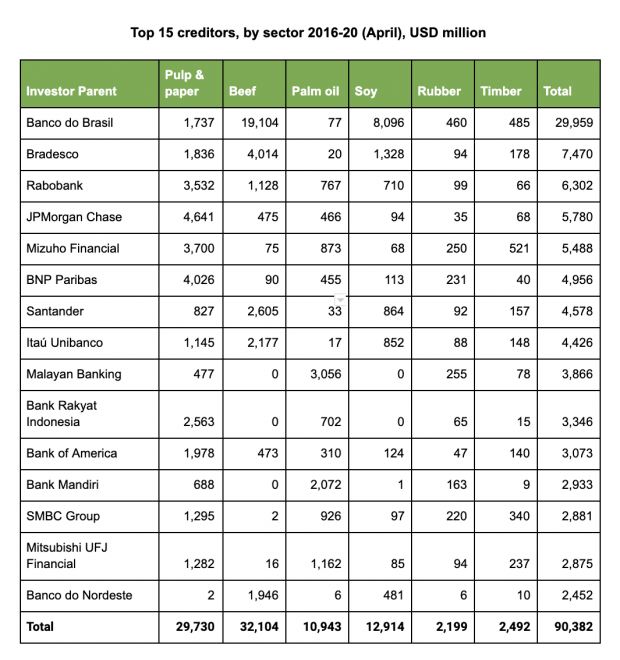
Banco do Brasil was found to be the largest creditor overall, having provided 30 billion USD to forest-risk commodity operations, since 2016. This was almost exclusively for companies operating in Brazil, going into beef, soy and pulp and paper operations.
Also in the top five of largest creditors are the Brazilian bank Bradesco, with USD 7.5 billion, the Dutch bank Rabobank (which lauds its developments in agriculture), with USD 6.3 billion, US-based JPMorgan Chase, with USD 5.8 billion, and Japanese bank Mizuho Financial, with USD 5.5 billion.
I reached out to a contact I have at Rabobank before this research was released and there was no comment.
“Right now, intentionally lit fires are burning through the world’s last remaining rainforests as fire is used as a ‘cheap’ way to clear land for commodity production. Global banks and investors are knowingly financing agribusiness giants that are fueling the fires,” said Merel van der Mark, Coordinator of the Forests and Finance Coalition, one of the groups who created the report.
“Despite the financial sector’s commitments to the Sustainable Development Goals and the Paris Agreement, their pursuit of profits are driving us toward a climate and public health disaster at full speed.”
Launched by Forests & Finance — an initiative by the Forests & Finance Coalition including Rainforest Action Network, TuK INDONESIA, Profundo, Reporter Brasil, Amazon Watch and BankTrack — the database reveals the financial flows between January 2013 and April 2020 to more than 300 of the biggest forest-risk commodity companies whose operations impact forests in Southeast Asia, Central and West Africa, and Brazil.
Banking, lending, and these risks are complicated business. In a way we are all part of it when we buy a non eco product or drive our cars. While we aren’t suggesting to boycott anyone right now, these are definitely questions boardrooms and executives should be asking each other. How can we do this better?
According to the press release sent out by the above groups, they say that “despite various multilateral and industry commitments to zero deforestation, tropical deforestation has nearly doubled over the past 10 years.”
They explain that forests are being primarily cleared for agribusiness commodities, often illegally and with strong ties to corruption, tax evasion and organized crime.
Collectively known as forest-risk, the commodities are beef, palm oil, pulp & paper, rubber, soy and timber. In 2019 alone, tropical deforestation reached 11.9 million hectares. Deforestation and the associated loss of wildlife habitat is also a critical factor in the emergence of zoonotic diseases such as COVID-19, according to the UN Environment Programme.
Credit and investment is critical to the expansion and day-to-day operations of companies responsible for deforestation.
Just 15 banks in the list below accounted for approximately 60% of the USD 154 billion in credit extended to forest-risk companies since the signing of the Paris Climate Agreement, the alliance who funded the research contest.
Eight of these banks are signatories to the UN’s Principles for Responsible Banking, which includes a commitment to align bank operations with the Paris Agreement and Sustainable Development Goals (SDG), including SDG 15 to “halt deforestation [and] restore degraded forests” by 2020. In terms of source finance, banks from Brazil, China, Indonesia, Malaysia, United States and Japan represented the largest flows of finance. These findings illustrate the lack of regulations and company policies necessary to bring the financial sector into line with global environmental and social priorities.
“The Amazon’s indigenous peoples are facing a catastrophic burning season heaping tragedy on the toll of the COVID-19 pandemic,” said Christian Poirier of Amazon Watch. “Fires across the Brazilian Amazon are at a 10-year high, with a 77 percent increase on indigenous territories since last year. These spikes are the product of criminal deforestation and arson fueled by forest-risk commodities and bankrolled by global financial giants. To global banks and investors: this database unequivocally exposes your complicity in this disaster.”
The research methodology segregates and calculates credit and investment that can be reasonably attributed to the production, primary processing, trading, and manufacturing divisions of companies with forest-risk operations in each tropical forest basin.
Below is a table with information on loans and underwriting provided by the top 15 creditors to forest-risk commodity companies across the three tropical regions, with a breakdown per sector.
We’d love to hear the banking side of the story. Reach out for a contributing voice [email protected]
Green Prophet talks with cleantech experts about the opportunities in energy, water, and a great big amount of peace for the world through the new UAE-Israel peace alliance, brokered by the US.
The Arab world has bravely taken on a new partner in peace and prosperity this week by welcoming the first flight of Israeli and American diplomats on an historic flight to Abu Dhabi yesterday. It is a new dawn where two moderate superpowers were only operating cooperatively quietly – until now. Israel and the UAE foment their willingness to create a new Middle East (or Western East) with an official visit by an Israel-US delegation led by Jared Kushner this week.
Emiratis say goodbye to their American and Israeli friends this week in Abu Dhabi. Source unknown.
Israel and the United Arab Emirates –– also known as the UAE –– have a lot more in common in renewable energy, water resume and conservation and desert agriculture, than let’s say Israel does with the northern country of Norway. But for years outdated Middle East bigotry pervaded the ranks of the Arab League of which Israel was never a part despite about half its population being both Israeli Arabs and Arab Jews from countries like Iraq, Morocco, Jordan, Syria and Lebanon.
Business will find a way and did go on over the years go on behind the backs of the bullies. I have met with leaders from Arab nation governments, including Iraq, that were very keen on cooperating with Israel on cleantech and water tech. What was stopping them from doing it in the open was a broker and the US President Trump helped achieve that.
We spoke with experts from a variety of fields: carbon, energy, water, and green building to find reasonable opportunities and pathways for NGOS, businesses and humankind to go forward with building this world into a net positive place. We all want prosperity for all.
He knows the sweet spots of both nations: decarbonizing together
François Le Scornet
François Le Scornet is president of Carbonexit Consulting in Grenoble, France, where he works as a senior energy consultant, supporting industry, startups, investors and NGOs. He was at the last World Energy Congress in Abu Dhabi last September and understands the challenges and opportunities that such an agreement can bring.
Le Scornet tells Green Prophet: “I strongly believe that the very recent UAE-Israel peace deal can only be seen as a positive step when it comes to the development of the low-carbon energy sector in Israel in particular.
“The UAE is clearly an oil giant, no doubt, I actually had the chance to visit the impressive The Abu Dhabi National Oil Company or ADNOC headquarters in Abu Dhabi last September, and they are also extremely active in the renewable sector of course.”
Le Scornet continues: “They host IRENA as well as some of the largest solar PV solar plants in the world and we sometimes forget about that in the West. The Emirates Water and Electricity Company (EWEC) actually announced partners to develop the world’s largest solar power plant: 2 Gigawatts at the Al Dhafra plant– just a few days ago.
“With very limited oil and gas, Israel has a lot of innovative startups in the decarbonized power sector and a strong solar sector like the UAE. Israel will strongly push for new energy and water infrastructures in the frame of its post-COVID-19 stimulus plan and a strong growth is expected in the solar sector with a total of 2GW to be installed for about $1.6B within the next few years.
“Israel could become a new market for the UAE renewable energy companies as well as for the players involved in the energy hungry desalination plant ecosystem. On the other hand, many Israeli startups may use the UAE as a way to penetrate the regional Middle Eastern market for their innovative products and services in energy storage, smart grids etc,” Le Scornet concludes.
Renewable energy will reduce conflict
Mark Cann
Mark Cann, the CEO of Cryomatiks in Florida works to provide zero emission technology for transportation and energy storage. He knows about the cost of conflict for Mother Earth: “Military conflict is notoriously difficult on the environment,” he tells Green Prophet.
“Even potential conflict has long lasting negative effects on the environment with the toxic military sites left over from the Cold War as just one example. So any step towards de-escalation of potential military conflict should normally be a boost for the environment.
Cann continues: “As far as an increase in renewable energy as a direct impact from the current Israel-UAE agreement, that’s a bit like the tail wagging the dog. Ahmed Zaki Yamani, Saudi Arabia’s former Minister of Oil, was famously quoted as saying ‘The Stone Age didn’t end for lack of stone, and the oil age will end long before the world runs out of oil.’
“In other words, it’s not so much that the current agreement will result in more renewable energy but rather renewable energy will result in more agreements. Commerce has proven to be a productive pathway for various states and regions to co-exist. Countries that are heavily dependent on exporting petroleum to balance sovereign budgets may experience more social unrest relative to the countries that don’t.”
Agriculture is energy too so save water
Aadith Moorthy
Aadith Moorthy, founder and CEO of ConserWater is working between San Francisco and Israel and they are invested in the peace deal already. His company offers a sensor-free way to grow more food using less water. “We have large initiatives in Israel and with the peace deal, we have also seen a stronger uptick of collaboration between our Israel team and upcoming projects in the UAE,” he tells Green Prophet,
“This deal is going to be very great from an environment perspective for the entire world: Israel has historically been a leader in water technology and precision agriculture, which is necessary for the world’s population to better adapt to climate change, which will result in greater resource scarcity and more frequent droughts,” Moorthy says.
“On the other hand,” he notes, “the UAE has recently become a global clean energy hub through its aggressive investment in cleantech in the past decade. The synergy of the combination of these two will provide humanity with the right resources to both reduce further climate change, while also enabling humanity to adapt to the warming that is already happening.”
Desalinating Israel and the UAE is also reducing wars on the horizon
Pablo Soloman promotes ideas in his designs like seawater flush toilets, the Red-Dead Sea Canal, and vertical agriculture.
Environmental designer and artist Pablo Soloman from Texas considers himself a lifelong leader in conservation, a person of science, an “accurate futurist” and also grew up in a very multicultural mixed home where they spoke a number of languages including Arabic. He was the first to come up with the idea of the Red Dead Sea Canal, and explained to the world why tree planting is good for carbon sequestering.
He believes that all renewable energy applications are limited in use until we find ways to store electricity efficiently, and desalination can be the key as both nations are now heavily reliant on desalination for freshwater, a process which is very energy intensive: “The best use in many places for renewable energy that cannot be directly stored is to use that electricity to desalinate seawater and/or to pump water into reservoirs for hydroelectric power back up,” he tells Green Prophet.
“Desalinating seawater cheaply will be the greatest boost to the health, economies and peace in the Middle East. More fresh water would increase food production and would reduce the chance of wars over water that are currently on the horizon. Renewable energy is only one part of cleaning up our environment. Use of natural gas is a step up from less clean carbon fuels,” he notes.
But Soloman addresses, “Keep in mind that in effect fossil fuels are stored solar energy. They pack a huge amount of energy in a small package. As economies expand, more money will be available to develop more efficient and effective ways of cleaning and repurposing emissions from fossil fuels.
“As peace and prosperity expand, nuclear material money can be used for electrical generation instead of bomb making. As economies interact peacefully and share technology, there will be increased cultural understanding and possibly tolerance and acceptance. People gain greater understanding and respect through working together on shared interests than from threats of war,” Soloman concludes.
Invest in solar, destabilize destroyers
Joshua M. Pearce, a PhD and director of the Michigan Tech Open Sustainability Technology (MOST) Lab, Michigan Technological University says that “renewable energy deployment in the Middle East can be a key factor in promoting peace.
If the US continues to follow the standard model, relatively weak diplomacy, military threats and economic sanctions could lead to another Iraq-like war. Although Iran and Iraq have differences, most observers would agree that the same outcome and price are likely results. In purely economic terms, the CBO estimates that the Iraq-US war cost about $2.4 trillion.
“In a study published in the Pearce Studies Journal, I showed that strong US support for solar in Iran would obtain all the benefits from denuclearizing Iran for a fraction of the cost of the standard model, while earning a higher return and improve environmental impact in the process,” Pearce tells Green Prophet.
Pearce explores: “Today, the region’s operational PV capacity is at $5 to 7.5 billion USD, with another $15 to 20 billion USD slated for deployment by 2024. The Middle East Solar Industry Association reports energy investment in the Middle East region could hit $1 trillion USD in the next few years.
“The peace deal between Israel and the United Arab Emirates (UAE) unquestionably benefits the $1 trillion of solar energy goal. Peace and stability will provide the security for investors that is needed to drop PV prices even further with scale of both large centralized and distributed generation solar options in the Middle East. The UAE is already a solar leader in the region for PV, which now can be more easily exported in the region.
“My research has clearly shown that a wiser, more-profitable way to invest in the elimination of nuclear capability in Iran is through solar. This ‘generous solar option‘ shows that the US can obtain all the benefits from denuclearizing Iran for a fraction of the cost of the standard model, while earning a higher return and improve environmental impact in the process.
“This generous solar option is not even necessary if the region can enjoy <$0.02/kWh solar electricity funded by partnerships between the Arab world and Israel.
“Why invest in nuclear if solar beats it without any of the risk?”
Franklin Tree, (Franklinia alatamaha), NatureServe Global Conservation Status: Possibly Extinct (GX) in the Wild.
Plants: They seem more resilient than we are. And there are so many wild places in the world that they can take over. But a new study reveals that along with large mammals, amphibian and creatures of the sea, plants are going extinct faster than we thought possible.
Time to start saving seeds. And not just in war times as Syria has been doing at the Svalbard Global Seed Bank in Norway. Every plant is a medicinal plant. Losing one could mean losing a universe of opportunities.
A new study reveals that 65 plant species have gone extinct in the continental United States and Canada since European settlement, more extinctions than any previous scientific study has ever documented. Led by Wesley Knapp of the North Carolina Natural Heritage Program, a group of 16 experts from across the United States collaborated to document the extinct plants of the continental United States and Canada for the first time in history.
Their report has been published by the international journal Conservation Biology.
The team found that most plant extinctions occurred in the western United States, where the vegetation was minimally explored before widespread European settlement. Because many extinctions likely occurred before scientists explored an area, it is extremely likely the 65 documented extinctions vastly underestimate the actual number of plant species that have been lost.
Previous studies documented far fewer plant extinctions on the North American continent.
“Preventing extinction is the lowest bar for conservation success we can set, yet we are not always successful,” Knapp said. “This study started as an academic question but later developed into an opportunity to learn from what we have lost. By studying the trends and patterns of plants that have already gone extinct, hopefully we can learn how to prevent plant extinction going forward.”
Of the 65 documented extinctions in the report, 64% were known only from a single location. While conservation often focuses on protecting entire landscapes, this finding points to the importance of small-scale site protection in order to prevent extinctions.
Because plants serve as the foundation for most terrestrial ecosystems, the urgency for documenting plant extinctions is especially great if extinction rates rise as predicted over the next century. Anne Frances, lead botanist at NatureServe, states, “In most cases, we can stop plants from going extinct, we just need the resources and commitment to do so.”
We all want renewables, but the companies controlling our power, many of them government-owned are in fact maintaining and investing in polluting energy like coal.
Want your city, region and country to stand for something better? Want to switch over to solar energy and renewables, like Australia and Germany? New research today from the University of Oxford shows that electric utility companies around the world are continuing to invest heavily in fossil-fuel-based power generation, resulting in a missed opportunity for progress on global climate commitments.
The study, published in Nature Energy is the first to investigate electric utilities on a global scale. Using a machine-learning technique, the research analyses the activities of more than 3,000 companies over the past two decades to understand investment strategies deployed.
“This research highlights a worrying gap between what is needed to stop global warming, and what actions are being taken by the utility sector,” explains Galina Alova, study author and researcher at the Smith School of Enterprise and the Environment.
“Although there have been a few high-profile examples of individual electric utilities investing in renewables, this study shows that overall, the sector is making the transition to clean energy slowly or not at all.”
The study finds that only 10% of companies prioritised renewables – i.e. expanded their renewables-based power generation capacity faster than their gas or coal fired capacity. Many of these organisations also continued to invest in fossil fuels in parallel with renewables, although at a slower rate.
Many countries and businesses have committed to reach net-zero greenhouse gas emissions by 2050, to avoid the worst impacts of climate change. To achieve this, fossil fuels must be replaced with renewable energy throughout the economy. But the study suggests utilities remain committed to their conventional fossil-fuel-dominated activities. While independent power producers are leading the penetration of renewables, traditional utilities lag behind.
“Utilities’ continued investment in fossil fuels leaves them at risk of stranded assets – where power plants will need to be retired early – and undermines global efforts to tackle climate change,” says Alova.
She maintains, “The global transition to a low carbon future might be further jeopardised by the strain that COVID-19 pandemic has put on public and private finance, as well as supply chains, resulting in delay or cancellation of new renewable energy projects. This could be especially detrimental to developing countries that are dependent on green development finance.”
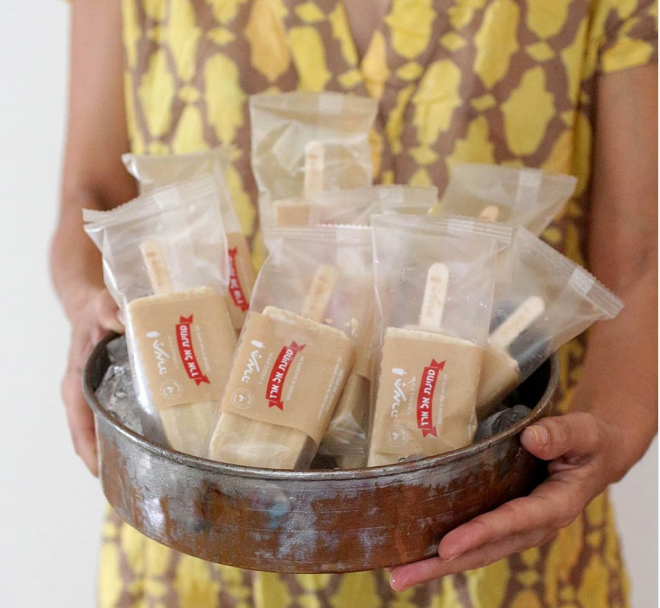
Who would have imagined tahini and chocolate blended up and frozen? But after all, halvah is based on tahini, and people love chocolate halvah – so why not freeze the mix as popsicles?
In Tel Aviv, people are going crazy over tahini popsicles produced by Tamara Yoghurt with the local Al-Arz tahini manufacturer. It started as a gesture of support for the company when their CEO contributed funds to an association for LGBTQ Arab Israelis, causing some Arab communities to boycott their product. You can’t put that in the eye of Israel’s most gay-friendly city.
Tamara Yogurt, manufacturers of vegan ice cream based in Tel Aviv, joined with Al-Arz to produce tahini popsicles, and now the frozen treats are flying off the shelves in Tel Aviv groceries.
But you can easily make your own tahini popsicles. The year is now turning toward autumn, and these robust little frozen treats fit right in with that end-of-summer feeling.
Tahini & Chocolate Popsicles
Yield: 6 popsicles
Ingredients:
1 cup (170 grams) 70% chocolate, chopped finely 1/2 cup (85 grams) non-dairy chocolate chips 2 tablespoons refined coconut oil 4 tablespoons raw tahini paste 1 cup (240 ml.) full fat coconut milk 1/4 cup (85 grams) maple syrup 1-1/2 tablespoons more raw tahini paste, set aside for the maple glaze 1/4 cup toasted coconut flakes
Put the chopped dark chocolate, the chocolate chips, and the coconut oil in a medium bowl. Melt the mix over hot water; or microwave it in a microwave-safe bowl, stirring every 30 seconds, until all is smooth. Stir in the tahini and coconut milk and blend thoroughly.
Pour the blend into popsicle molds. Freeze until solid, at least 4 hours.
About 15 minutes before serving, make the maple syrup glaze.
Blend the maple syrup and 1-1/2 tablespoons tahini in a small pan.
Simmer over medium heat, stirring, for 10 minutes. Let the glaze cool.
Have the coconut flakes ready in a separate bowl. Line a baking sheet with baking parchment. Slide the popsicles out of their molds. Dip them, head first, into the maple/tahini glaze, then quickly dip them, head first, into the toasted coconut flakes. Place the popsicles on the lined baking sheet and slide the whole thing into the freezer to let the glaze harden for a few minutes. Serve.
Optional: mix 1/2 teaspoon rose water into the glaze for a floral accent.
Dip the glazed popsicles into chocolate sprinkles instead of coconut flakes.
Working from home in the city can be a sustainable option
Did you know that virtual working helps reduce lots of greenhouse gas emissions, air pollution, fossil fuel consumption, plastic, and other paper waste? If you are among the people who care about the environment, then it’s high time you thought about how your daily work routine affects the environment.
Continue reading to find how virtual working can help to bring work-life balance through several positive environmental effects that come with online work. It’s all a win-win scenario.
How Virtual Jobs Are Helping To Environment
Though recently technology has seen huge improvements, more social cognizance as well as more tight governmental restrictions, the following are still among the top global environmental concerns.
Since our daily activities, including commuting to and from our offices, contribute a noteworthy portion of this major issue, most of the concerned leaders and like-minded citizens are seeking ways to decrease the impacts that come with offices and vehicles.
The main idea is—the ones who work remotely drive less, create less office-related plastic waste, and consume significantly less energy.
Additionally, since you’ll be running a home office you can take care of small, but impactful things like using recyclable paper, efficient hosting for your website, or through making the choice to power your home with solar panels.
All this sounds wonderful. Is it? But does virtual working help to reduce environmental degradation effects? For sure, Yes! Read on to know how.
Virtual Workers use less gasoline
On average, Americans use more than 390 million gallons of gas every day. With about a population of 325 million citizens, each American uses an average of approximately 1.3 gallons of gas per day.
So, assuming about 25 million citizens take their job virtual, it will save the nation about 30 million gallons per workday.
Online Working Reduces Carbon Emissions
According to USEPA – the US Environmental Protection
Agency, each year, an average vehicle is estimated to emit like 4.8 metric tons of carbon dioxide every year. This is assuming that cars drive at an average of 11,400 miles annually.
As almost all the employees drive approximately 30 miles each workday – translating to more than 7,800 miles annually. It shows that everyone can reduce carbon dioxide by more than 60%.
The total savings here are equal to:
Planting more than 2 billion trees every year
Providing energy to more than 10 million homes annually
Powering more than 40,000 wind turbines annually
Recycling more than 29 million tons of waste annually
By simply working from home, you can help save the globe a great deal.
If we all can shift to online working and refrain from working from the offices, we can undoubtedly alleviate the nation’s contributions to the overall carbon emissions.
Both Virtual Working Helps to Reduce Air Pollution
Apart from carbon, driving also emits nitrous oxide into the air, volatile organic compounds, and particulate matter. All these pollutants carry with them both human health and environmental effects. For instance, Nitrogen dioxide causes respiratory issues like Asthma.
Additionally, when other nitrogen oxides react with ammonia or the other volatile organic compounds in the air, the resulting product alters the Ozone layer, water, and soil acidity, and other ecosystem diversities.
Online Jobs Use Less Energy
It is a fact that you will use energy, whether working from the office or the comfort of your couches. However, it is also a fact that employees tend to treat energy consumption differently when in their employer’s office than when at their home. This means that offices are identified with high levels of energy usage.
A study carried by Microsystems before Oracle acquired it demonstrated that you would consume twice the amount of energy when in offices than when in their homes.
Start a green business, inside a tiny home. Keeping expenses and overhead low.
Virtual Jobs Use Less Fossil Fuel
Fossil fuels contribute to the highest part of greenhouse gas emissions in the US. Fossils are burnt mainly for heat, electricity, or transportation.
Over 60% of the electricity that’s generated in the United States comes from fossil combustion.
This means that if employees turned to work from home, they would significantly decrease the demand for fossils. Also, over 90% of the fuel used to power your vehicle comes from petroleum products.
Online Workers Use Less Paper
According to UESPA, Americans use nearly 70 tons of paper as well as paperboard annually. Even though the government strives to recover and recycle more than 68% of the paper product every year, it still leaves more than 22 million tons of paper in American landfills only.
What about the other nations that have no strict recycling guidelines?
In fact, virtual workers use emails and other cloud-based software programs to send messages, submit files, take notes, and create documents. This translates into reduced printing, paper filing, faxing, and label marking every day.
Virtual Workers Use Less Plastic
To date, the world has generated about ten billion tons of plastic. This should not surprise you considering the many people who buy breakfast, coffee, and lunch each workday.
Ranging from coffee cups lids, food packaging products, plastic beverage bottles as well as plastic carrier bags that almost every worker carries home every evening sum up to this surprising amount of plastic.
As a virtual worker, you can visit the coffee shop and other local eateries they do so like one or two times per week. This is because they have the convenience of refilling their coffee cups from their kitchen coffee pots, reuse dishware, and sometimes eat leftovers.
Online Workers Have More Time for The Environment
Virtual working can help you create more life balance, leaving lots of free time to activities that matter more. Some of the things that matter for most individuals include volunteering to an environment upgrading programs, hiking and spending your free time with nature, gardening in your backyard, or even taking part in community clean-ups.
There are a thousand ways to care for the environment in the form of caring for the animals, rehabilitating ecosystems in addition to spreading the environment-friendly gospel to help others care for the environment.
Bottom Line
From the above view, we have seen that Virtual working highly helps us to care for our environment. The benefits that come with working for your environment and your company make it a win-win strategy.
It’s time that employers trusted their employees to give them the required rights and let them work from home for the benefits of our global environment.
Doing change is much more important than just talking change: seven Catholic community groups in Virginia support renewables through investing in solar energy.
While Church may be cancelled in some parishes until further notice, Catholics aren’t feeling set adrift from the problem at the seven Catholic communities in Richmond, Virginia. The churches there are building and investing in solar energy to power the communities’ churches and schools, creating 1.6 million kW hours of clean electricity each year for decades while saving the churches more than $2 million in energy operating costs.
The solar power projects are being developed in partnership with Catholic Energies, part of the D.C.-based nonprofit Catholic Climate Covenant, which helps guide American churches and their response to climate change or “care for creation,” as they express it. Catholic Energies was able to obtain the total capital costs of the seven projects from a single investor source.
Solar energy into the collection basket
“Nearly $3 million in total installation capital costs were secured by Catholic Energies on behalf of the Diocese and its parishes,” said Dan Last, Catholic Energies Program Manager. “This is one of our largest collections of projects to date.”
In July, a 421-kilowatt solar system was installed at St. Anthony of Padua Catholic Church, in Falls Church, Virginia. The rooftop solar array is projected to offset almost 90% of the parish’s energy use and save it upwards of $1.3 million over 25 years. (Catholic Energies)
“At St. Pius X it was an easy decision for us to go solar; not only do we save money, but we help answer the call from Pope Francis to care for creation,” said Father Nixon Negparanon of St. Pius X Church in Norfolk, one of the seven projects.
“The children who will be sitting under the solar panels on our school roof are the ones that are going to be living with the choices that we make today. As a faith community, we witness our commitment to good stewardship of the earth when we take tangible steps to reduce our carbon footprint, both here on the St. Pius X campus, and in each of our households.”
I went to a Catholic high-school and I remember us rallying together to buy some rainforest land to stop deforestation. Certainly communities of schools and faith-based groups can band collective climate aspirations together to make it happen.
Consider the energy required to power US buildings is responsible for about a third of greenhouse gases in the US, and these projects will help reduce those emissions. The Richmond Diocese projects are expected to offset more than 45,000 metric tons of greenhouse gas over 25 years (this is equivalent to some 100 million miles driven by an average passenger car.)
The list of solar energy projects include Church of St Therese, Chesapeake: 100kW; Roanoke Catholic School, Roanoke, 61kW; Our Lady of Lourdes Catholic School, Richmond, 108kW; Diocese of Richmond Pastoral Center, Richmond, 245kW; Sacred Heart Church, Danville, 230 kW; St. Pius X Church, Norfolk, 316kW; Church of the Holy Family, Virginia Beach, 253kW.
Hearing the cry of the earth
“In a warming world, it is critical that we hear “both the cry of the earth and the cry of the poor,” as Pope Francis has urged. These parishes are showing us the way,” said Dan Misleh, executive director of Catholic Climate Covenant.
Parishes always have the option to pay upfront or finance their solar projects. However, a third-party financing model for nonprofits continues to grow in popularity in Virginia, especially after the recent passage of the Virginia Clean Economy Act, which seeks for the state to move toward 100% renewable energy.
Through a “Power Purchase Agreement” (PPA,) the churches pay no upfront costs for solar projects. Instead, Catholic Energies secures third-party investors who will pay for the entire solar project. In return, the investor receives tax credits, plus regular payments from the church for the solar-generated power.
The price the Catholic institution pays for the solar power is generally a discounted rate compared to their current utility power rate, which allows them to save on operating costs each month, year over year. The institution has options throughout the PPA to purchase the solar panel system outright. Parishes can also complete LED lighting retrofits to save energy and costs though the PPA. Most of the Diocese of Richmond projects were completed through a PPA and are also completing LED retrofits.
“It’s probably the best time ever in the history of the state of Virginia to make an investment in solar,” said Page Gravely, head of client services at Catholic Energies.
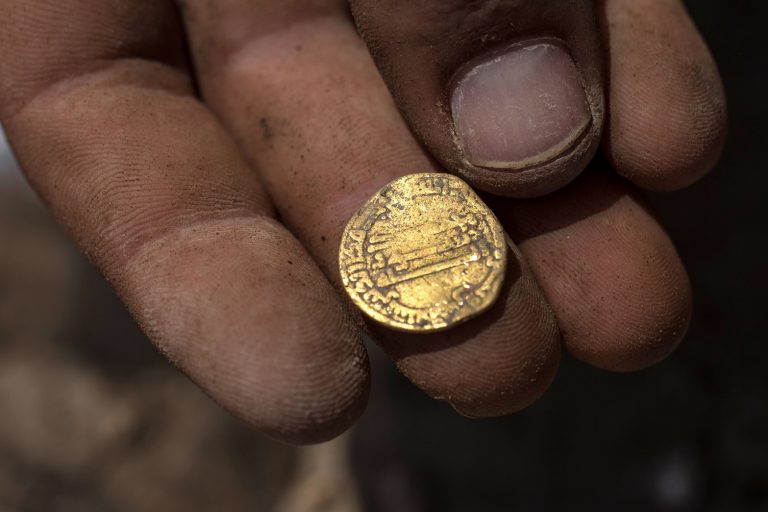
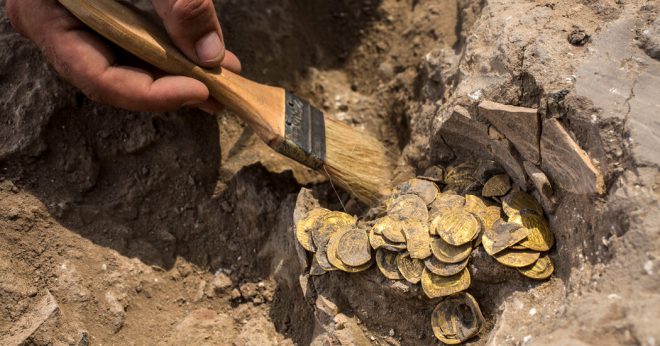
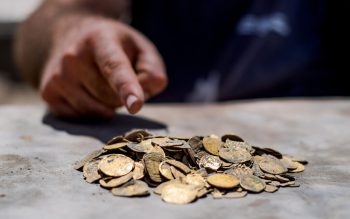
An exciting archaeological find in Israel was announced early this week: a hoard of ancient gold, unearthed in excavations near Tel Aviv. A teenage volunteer digging the ground saw something glittering in the dirt. “It looked like very thin leaves,” he said. It was gold coins spilling out of a broken clay jug, exposed to daylight for the first time in perhaps 1,1000 years.
Israel Antiquities Authorities archaeologists Liat Nadav-Ziv and Elie Haddad said in a press statement that the”extremely rare” find comprised 425 complete gold coins and hundreds of gold clippings from other coins, to be used as change.
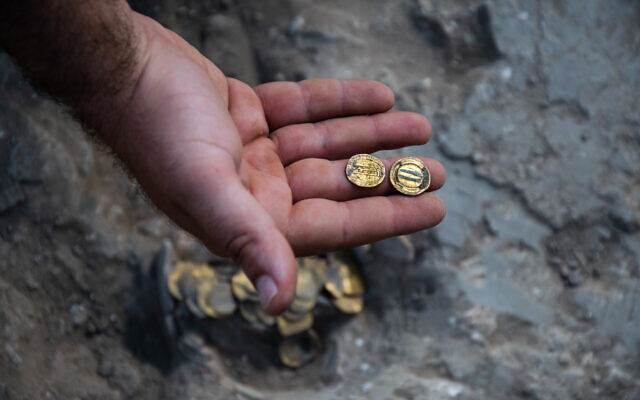
“We almost never find them in archaeological excavations, given that gold has always been extremely valuable, melted down and reused from generation to generation,” the directors said in a statement. “The coins, made of pure gold that does not oxidize in air, were found in excellent condition, as if buried the day before. Their finding may indicate that international trade took place between the area’s residents and remote areas.”
Antiquities Authority coin expert Robert Kool estimates that the coins date from the late 9th century, an era when the Abbasid caliphate was at its peak of power in the Near East and North Africa. “The hoard consists of full gold dinars, but also — what is unusual — contains about 270 small gold cuttings, pieces of gold dinars cut to serve as small change,” Kool said.
Between entire coins and clippings, the total weight is 845 grams of pure gold. A rich man’s hoard, or maybe a businessman’s entire assets?
Nadav-Ziv estimates that one such gold coin would buy a horse. Kool says of the whole hoard’s worth, “With such a sum, a person could buy a luxurious house in one of the best neighborhoods in Fustat, the enormous wealthy capital of Egypt in those days. ”
He added that one of the gold cuttings was exceptionally rare and never before found in excavations in Israel — a fragment of a gold solidus of the Byzantine emperor Theophilos (829 – 842 CE), minted in the empire’s capital of Constantinople.
According to the IAA, the existence of the fragment among Islamic coins is evidence of connections between the Abbasid Caliphate and the Byzantine empire.
Kool said, “Hopefully the study of the hoard will tell us more about a period of which we still know very little.”
The clay jug holding the coins had been firmly closed, and held in place with a nail before being placed in a hole and covered with dirt. There’s no way of knowing who buried it or for what purpose, but clearly it was concealed to be retrieved when the right time came.
Only the right time came an unimaginable thousand-odd years later.
Photos by Heidi Levine, AFP, and courtesy of Israel Antiquities Authority.
Your eco business was already running on a dream and a prayer. How can you make it sustainable and secure as any other kind of business?
If you own a small business, there’s a good chance that you’ve had to navigate uncharted waters for a considerable portion of the past six months. And as social distancing policies and safety concerns continue to shift consumer shopping patterns and overall needs in response to COVID-19, more and more businesses are still scrambling to simply stay afloat. Not only have they had to implement a slew of improved cleaning procedures and install safety features that permit lower-risk interactions with their customers and clients, most have also been forced to seek out new ways of doing business altogether, dreaming up new products and services in order to meet new consumer demand. It’s an emotionally and financially difficult position for any business, which is why it’s important that they seek out strategies that buoy their interests, as well as their assets, if even for just a few months. Here are three options for protecting your business during this crazy time:
Federal Relief Programs
The U.S. government passed the CARES Act at the end of March which provides “$376 billion in relief to American workers and small businesses.” Although the first round of loans has already been dispersed, there are still opportunities for businesses with 500 employees or less to apply for some of the remaining funds through an Economic Injury Disaster Loan (EIDL). An EIDL allows up to $2 million of capital for small businesses experiencing a loss of revenue due to COVID-19 and includes a forgivable advance of $10,000 which is available within a few days of an application’s acceptance. In addition, many small businesses with existing loans can apply for aid programs designed to relieve some of their debt burden (such as an SBA Bridge Express Loan or SBA Debt Relief). Any of these programs offer economic assistance to cover the effects of the current pandemic.
Research Insights
Market research is part of any company’s success. During a crisis, it becomes critical because it helps decision makers allocate resources more effectively. When a situation — such as a global pandemic — threatens normal business practices, having direct access to various segments of a population means a company can quickly and easily assess consumer thoughts and behavior and develop a strategy for addressing any changing needs. Whether professionally constructed or done in-house, market research can provide the insight a business needs to stay ahead of the competition.
Communication
Robust communication amongst the entirety of a company’s shareholders is also crucial for maintaining trust, a business’s most valuable asset. Indeed, recognizing current circumstances and communicating your plans to address them show employees, customers, suppliers and management alike that you not only have a plan and are working hard to implement it, but that you respect your partners enough to keep them informed even in the midst of chaos. Communication allows everyone to remain connected, educated and informed and encourages people to continue supporting you even when it’s hard. In short, trust breeds loyalty, making it easy for stakeholders to positively report on your products, policies and procedures and come back to you again and again!