

It’s like finding a map back to your grandmother’s pantry, but with the tools of a climate-conscious chef.
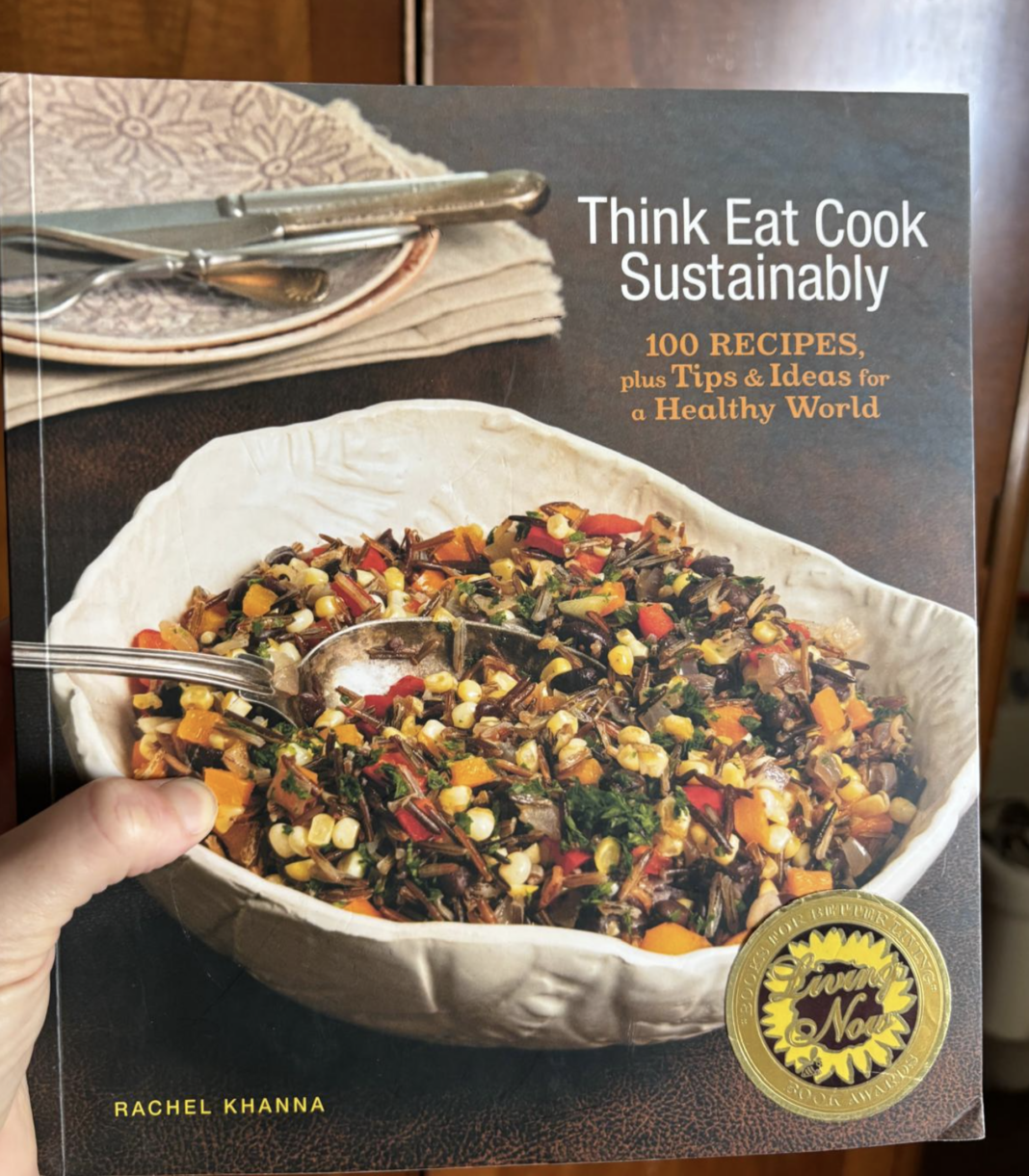
Written with a deep reverence for local ingredients and a mindful kitchen, the book Think Eat Cook Sustainably teaches readers how to cook from intuition, not instruction. The philosophy behind the book is the method that surely grandmother’s knew once: and can now be passed in eco-conscious circles and permaculture kitchens. And it may be influenced from the authors experiences growing up in France. Everyone there knows that a soup stock needs celery, carrot and an onion.
The book by Rachel Khanna offers formulas—not rigid recipes—so that you can cook anything, from anywhere, with whatever the Earth gives you.
Are you drowning in recipes, influencer chefs videos, and master chefs showing you hot to cook with ingredients that are hard to find, or too expensive –– or simply not local to you? Do you find you get confused and can’t keep up with the latest Ottolenghis recipe?
Rachel Khanna offers something far more liberating: a formula for freedom in your kitchen. Her book Think Eat Cook Sustainably is not about following recipes to the letter. It’s about understanding the language of cooking—so you can improvise with what you have, honor what’s local, and reduce waste, all while creating deeply nourishing meals. She is a mother of four girls so no doubt earned her chops as a cook and it follows from her second book, Live Eat Cook Healthy. She understood the message of eating more vegetables and buying organic food was not enough to help people feed themselves more sustainably. She went for a “macro philosophy” in this book.
We were sent this book in 2020 and lost in the COVID madness, we just opened it recently and to our surprise, it’s a book that gives cooking tips along with a tour around the world to some of the most loved foods, which include meat, yes meat, and poke bowls and falafel and fish. It shows you in a handy guide on how you can choose a protein or a base for a recipe you want to cook and additional food items and seasonings to make a first class dish. It’s a guide on how to cook everywhere and anywhere, no matter what the pantry offers.
We have so many friends who have become global nomads and are now with kids living in rental homes in Thailand, in cheaper European countries like Portugal. This kind of book can also help you adapt to the palettes of children, working with local ingredients that may be unfamiliar at first.

Khanna, a former corporate strategist turned public servant and wellness advocate, writes with the clarity of someone who has lived many lives—and decided to root herself in the soil of sustainability.
With degrees from Columbia and a background in public policy and nutrition, she’s as comfortable discussing the US Farm Bill as she is fermenting vegetables in a glass jar. She served as a Connecticut state representative, advocating for food system reform, and brings this practical, community-grounded insight to her food philosophy.
Khanna worked for Morgan Stanley and Euromonitor International before entering politics. In 2007, Khanna started an organic meal delivery service Tiffin based in Banksville and serving Greenwich and Stamford and has now published two cookbooks.
Whether Rachel Khanna originated this movement of common-sense food philosophy or simply tapped into its rising current, I’m not expert enough in the culinary world to say. What I do know is this: in a time when food media often glorifies complexity, I found something refreshing in her approach.
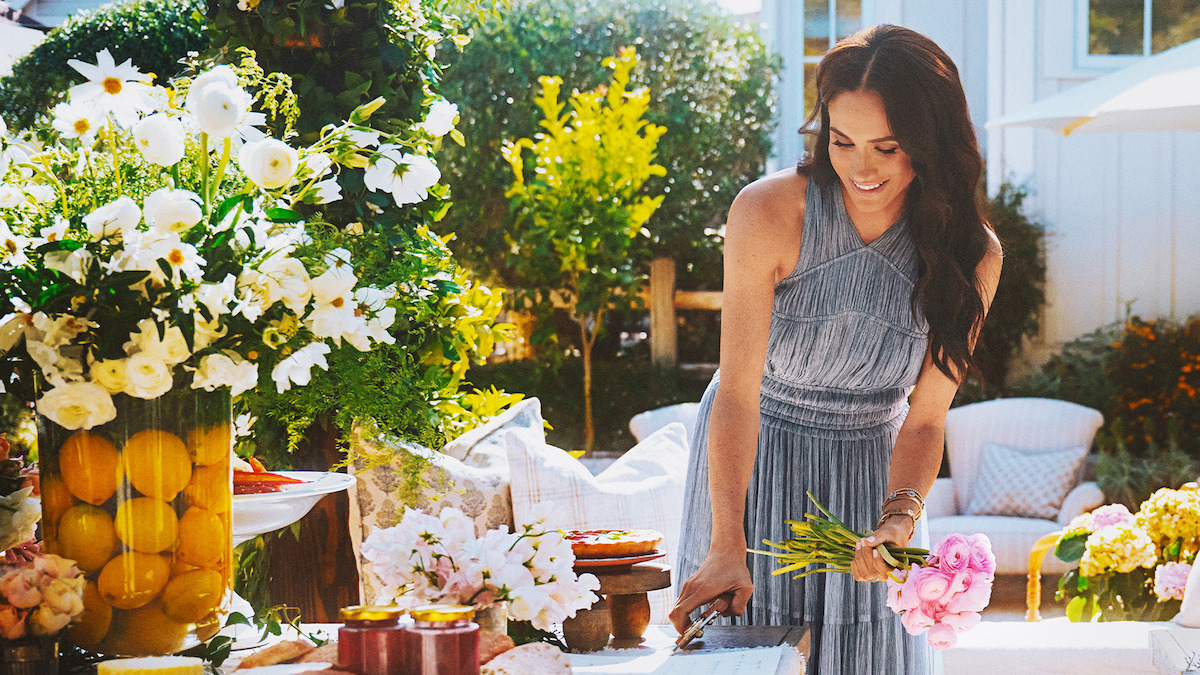
I was especially taken by a recent and charming episode of With Love, Meaghan on Netflix, where a member of the royal family Meaghan Markle Sussex takes us into her life in California where she chooses to live with intention and simplicity—teaching others to do the same through the lens of food. The idea of returning to basic, adaptable formulas in the kitchen isn’t just empowering; it’s practical.
It nurtures community, teaches resilience to kids, and gently reminds us that sustainable living often starts right where we are—with what we already have. She also shows us, at least on camera, that preparing food and experiences for your children can be deeply satisfying as a parent and as a woman. The world needs more of that.
Some mouth-watering recipes on Green Prophet: