Babaa Sweaters Review – A Bold 80s Vibe and a Nod to Nature

soft babaa sweater
Sweaters by Babaa use real, natural wool for a sweater than won’t shed microplastics to the environment or your body

Babaà was founded in 2012 by Marta Bahillo, a textile designer with a passion for natural fibers and sustainable fashion. After studying textile design in Dublin, Ireland, and gaining experience in Argentina, Bahillo returned to her roots in Spain, where she created Babaà with the goal of offering beautifully crafted, eco-conscious clothing. Her vision was to bring timeless, locally made garments to life, using the finest natural materials sourced from Spanish sheep. Marta’s commitment to sustainability and the slow fashion movement is embedded in every piece, ensuring that each sweater is crafted with care, precision, and respect for the environment.
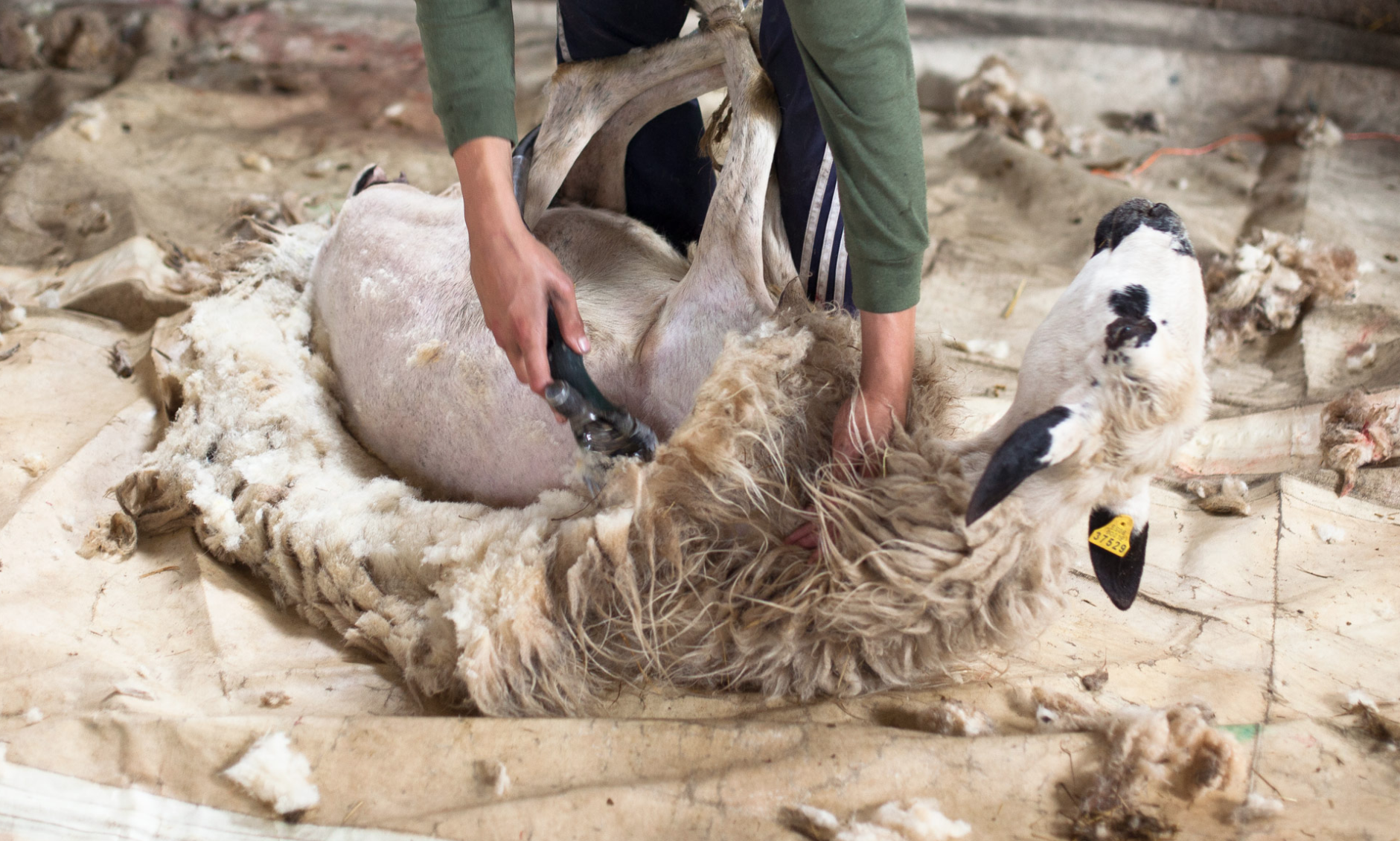
natural sheep slow fashion, babaa spain

Babaà’s mission wasn’t just about creating clothes—it was about creating a lifestyle. Bahillo, who values simplicity and a natural way of life, made sure that every aspect of her brand aligned with those values. Whether it’s her preference for wearing only natural fibers or her choice to get movies from a “video club” in Madrid instead of streaming services, Bahillo’s dedication to a more mindful and authentic way of living is at the heart of Babaà.

The Appeal of Babaà Sweaters:

babaa blue sweater
Oversized blue sweater by babaa borrowed by my teenager.

Babaà sweaters have a special place in the hearts of those who love a combination of comfort, style, and sustainability. These thick, cozy pieces have a nostalgic, almost “homemade” charm, reminiscent of something your grandmother might have knitted—if she were an expert at working with the best wool and colors. The sweaters are designed with large buttons, simple yet aesthetically pleasing patterns, and come in a variety of vibrant hues as well as calming shades of oatmeal. Their timeless design and high-quality craftsmanship give them an effortlessly cool, vintage feel, making them perfect for anyone who loves to feel cozy without sacrificing style.

Related: Adrian Pepe and his sheep

The brand has gained a loyal following over the years, especially among women who appreciate the slow-fashion movement and a natural lifestyle. In fact, The New Yorker even covered the brand’s appeal to a group of women the author dubs “organic moms,” who are known for their love of co-ops, clogs, and laid-back, sustainable living. These women are drawn to Babaà not just for its beautiful designs, but because it aligns with their values—supporting local craftsmanship, ethical production, and natural materials.

Babaà Sweater Review:

babaa sustainable wool

I recently had the chance to try out two Babaà sweaters, and I have to say, they absolutely live up to the hype.

The Oversized Blue Sweater

Bold Yet Comfortable: This oversized blue sweater immediately grabbed my attention. With its bright, bold color and relaxed fit, it has that 80s vibe that feels both nostalgic and modern. The sweater is soft—softer than you might expect from a wool sweater—and it drapes beautifully. It’s the kind of piece that stands out on its own, making a statement without feeling over-the-top.

The softness of the blue sweater is definitely a win. Compared to the natural brown one, it’s much softer against the skin, which makes it ideal for those days when you just want to be wrapped up in warmth and softness. It’s the kind of piece that stands out, whether you’re at a casual get-together or just chilling at home. It’s fun, cozy, and the perfect nod to a past decade of fashion.

The Natural Dark Brown Sweater

Babaa, organic knit, regenerative agriculture, natural sheep wool, slow fashion spain

A Nod to Nature: The natural dark brown sweater has a completely different vibe. This one is all about authenticity and connection to nature. The undyed wool gives it a raw, earthy feel, and the short-neck design adds to its simplicity.

The sweater smells like a sheep—something that may seem odd to some, but for me, it only adds to the charm. It’s clear this sweater was made with the finest natural materials. The texture of the wool is a bit more rugged compared to the softer blue sweater, but it’s still incredibly cozy. This piece is perfect for anyone who appreciates raw, unprocessed materials and loves that “earthy” feel.

A Minor Drawback – Pilling: One minor downside to both sweaters is the pilling. After a few wears, they do show some light fuzzing. It’s not a huge deal, and honestly, it’s easy to overlook because the overall comfort and style of the sweaters far outweigh this small imperfection. If you’re someone who’s sensitive to pilling, you might want to keep a fabric shaver handy, but for the most part, it’s a minor issue in the grand scheme of things.

babaa handmade sweater
Karin Kloosterman in a babaa sweater

That said –– my new babaa sweaters add to my collection of 3. The green cardigan has been a go-to favorite for the last 5 years.

Karin Kloosterman
Karin Kloostermanhttp://www.greenprophet.com
Karin Kloosterman is an award-winning journalist, innovation strategist, and founder of Green Prophet, one of the Middle East’s pioneering sustainability platforms. She has ranked in the Top 10 of Verizon innovation competitions, participated in NASA-linked challenges, and spoken worldwide on climate, food security, and future resilience. With an IoT technology patent, features in Canada’s National Post, and leadership inside teams building next-generation agricultural and planetary systems — including Mars-farming concepts — Karin operates at the intersection of storytelling, science, and systems change. She doesn’t report on the future – she helps design it. Reach out directly to [email protected]

Hot this week

How Renewable Energy is Revolutionizing the Way We Power Our World

Solar has become the star of the transition thanks to modular hardware and straightforward installation. It fits dense cities and remote towns alike. Many companies are turning to rooftop arrays and carport systems - and exploring commercial solar installation as a practical way to lock in future savings.

How does one start prepping?

Faced with an extreme winter storm this year, Americans wonder how to be prepared for catastrophe. Miriam has lived through wars in the Middle East - so she's prepared on giving you a guide to prepping.

Fishermen sue tire manufacturers on behalf of the salmon

A federal trial in San Francisco has brought US tire manufacturers, fishing groups, and environmental scientists into court over a chemical most drivers have never heard of — but which scientists say may be silently reshaping aquatic ecosystems.

Listening to Water: Tarek Atoui’s Next Work for Tate Modern

Born in Beirut, Lebanon in 1980 and now living in Paris, Atoui has spent years building instruments that don’t sit comfortably in concert halls. Many of them involve water, glass, and ceramics — materials that react to sound instead of simply producing it.

Leading Through a Dual-Energy Transition: Balancing Decarbonisation with Energy Security

Experience in one area of the energy industry isn't enough to guarantee readiness across all the others. That's where a structured program like an MBA in energy can come in. Today's advanced curricula explore energy economics, finance, policy, and strategic management alongside the technical subjects. And when pursuing an energy MBA online, professionals can skill up and retrain without having to step out of the labor market -- an important perk at a time when skilled professionals are already in short supply.

Topics

How Renewable Energy is Revolutionizing the Way We Power Our World

Solar has become the star of the transition thanks to modular hardware and straightforward installation. It fits dense cities and remote towns alike. Many companies are turning to rooftop arrays and carport systems - and exploring commercial solar installation as a practical way to lock in future savings.

How does one start prepping?

Faced with an extreme winter storm this year, Americans wonder how to be prepared for catastrophe. Miriam has lived through wars in the Middle East - so she's prepared on giving you a guide to prepping.

Fishermen sue tire manufacturers on behalf of the salmon

A federal trial in San Francisco has brought US tire manufacturers, fishing groups, and environmental scientists into court over a chemical most drivers have never heard of — but which scientists say may be silently reshaping aquatic ecosystems.

Listening to Water: Tarek Atoui’s Next Work for Tate Modern

Born in Beirut, Lebanon in 1980 and now living in Paris, Atoui has spent years building instruments that don’t sit comfortably in concert halls. Many of them involve water, glass, and ceramics — materials that react to sound instead of simply producing it.

Leading Through a Dual-Energy Transition: Balancing Decarbonisation with Energy Security

Experience in one area of the energy industry isn't enough to guarantee readiness across all the others. That's where a structured program like an MBA in energy can come in. Today's advanced curricula explore energy economics, finance, policy, and strategic management alongside the technical subjects. And when pursuing an energy MBA online, professionals can skill up and retrain without having to step out of the labor market -- an important perk at a time when skilled professionals are already in short supply.

From Green Energy to Healthy Societies: Why old systems thinking is becoming relevant again

Across the Middle East and North Africa, large investments are being made in green hydrogen, renewable energy, water infrastructure and sustainability. Most of these efforts are discussed in the context of climate change, decarbonization and economic diversification. That framing is important, but it may not capture their full value.

We saw peace – an interreligious encounter deep in our eyes

They came from Israel, Palestine, Jordan, Iraq, Yemen, Morocco, Tunisia, Lebanon, Egypt… There are Sunni Muslims, Shiite Muslims, Jews (Orthodox and Reform), Orthodox Christians, Coptic Christians, Protestant Christians, Druze, Baha'is, a Scientologist.

Can biochar reduce ‘Forever Chemicals’ in food if it’s used in farms?

Biochar is produced by heating organic material in a low-oxygen environment so it does not burn. This process, known as pyrolysis, transforms plant matter into a stable, carbon-rich material.

Related Articles

Popular Categories