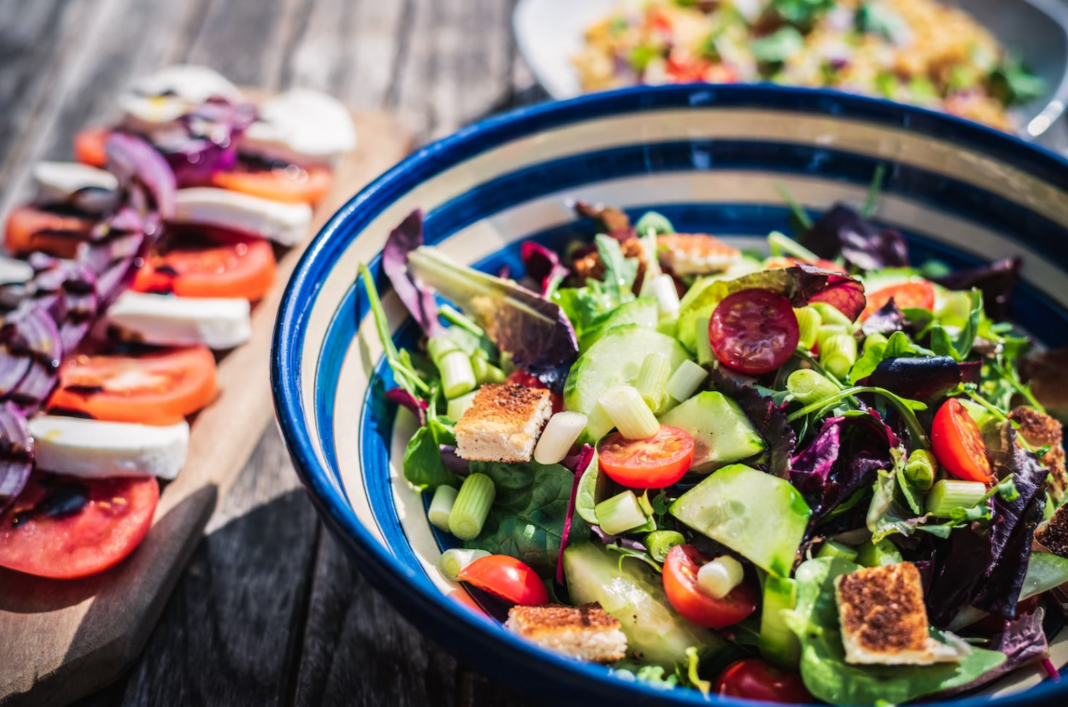


The Mediterranean diet is gaining popularity as a healthy and sustainable eating plan. Health professionals recommend it to individuals with chronic conditions like heart disease or high blood pressure to reduce the risks of heart disease, dementia, and depression.
Our food choices have a significant impact on our physical and mental well-being, as well as our daily functioning. Adopting healthy and natural eating practices like the Mediterranean diet benefits both our bodies and the planet.
What is the Mediterranean diet?

The Mediterranean diet isn’t a strict diet plan but rather a way of eating based on the dietary traditions of Crete, Greece, and Southern Italy during the mid-20th century. They believed that a diet rich in fruits, vegetables, beans, nuts, whole grains, fish, olive oil, small amounts of dairy, and red wine offered extensive health benefits.
The diet emphasizes healthy fats, with olive oil being a recommended primary fat source. It highlights other foods like avocados, nuts, and oily fish for their beneficial fats, particularly omega-3 fatty acids in walnuts and fish.
The Mediterranean diet suggests consuming fish at least twice a week, while people should consume poultry, eggs, and dairy products in smaller portions daily or weekly. Eating red meat is limited to a few times per month.

A typical breakfast on the Mediterranean diet could consist of mashed avocado spread on whole-grain toast, accompanied by fresh fruit and a low-fat Greek yogurt. For lunch or dinner, a recommended meal might include a vegetable and grain dish cooked with olive oil and seasoned with herbs. This could include roasted root vegetables, leafy greens, a side of hummus, and small portions of pasta or whole grain bread. As a source of lean protein, grilled fish is often suggested.
The diet encourages water as the primary beverage, with moderate consumption of wine allowed during meals.
According to a Harvard nutrition study the Mediterranean diet effectively reduces the risk of cardiovascular diseases and overall mortality. For instance, a study involving nearly 26,000 women found that those who followed this diet had a 25% lower risk of developing cardiovascular disease over 12 years.
Similarly, a meta-analysis of 16 studies with over 22,000 women showed that individuals with the highest adherence to the Mediterranean diet had a 24% lower risk of cardiovascular disease and a 23% lower risk of premature death than those with insufficient compliance. Sustainability has become a significant focus of the food discussion, particularly concerning climate change and food security. Researchers, farmers, and policymakers are seeking effective ways to feed the growing global population of 9.7 billion by 2050.
In what ways is the diet personally and environmentally sustainable?
The diet conserves water by choosing less water-intensive foods like whole grains compared to beef. Fruits and vegetables are also more water-efficient choices It also conserves land by reducing reliance on agricultural land for animal-based products.
The Mediterranean diet decreases the need for fertilizers by incorporating nitrogen-absorbing legumes like chickpeas. Legumes such as beans, lentils, and peas, decrease fertilizer requirements and enrich the soil when decomposing, benefiting subsequent crops. This sustainable process allows pulses to be grown eco-friendly and reduces the resources needed for other Mediterranean diet staples like whole grains, fruits, and vegetables.
The Mediterranean diet is personally sustainable because it offers an enjoyable eating experience. It includes delicious foods, promotes physical health, and encourages mindful consumption. While following this eating pattern can lead to weight loss and improved health, it primarily involves adopting a long-term lifestyle change with sustainable benefits!