
A new project in Spain shows how digital twins, which are virtual replicas of real environments, are becoming powerful tools for protecting ecosystems. Fujitsu and the BCN Port Innovation Foundation have announced a proof of concept to create an ocean digital twin at the Port of Barcelona. (Will they use Mirai robots at sea?)
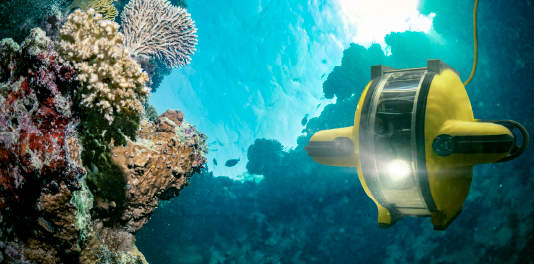
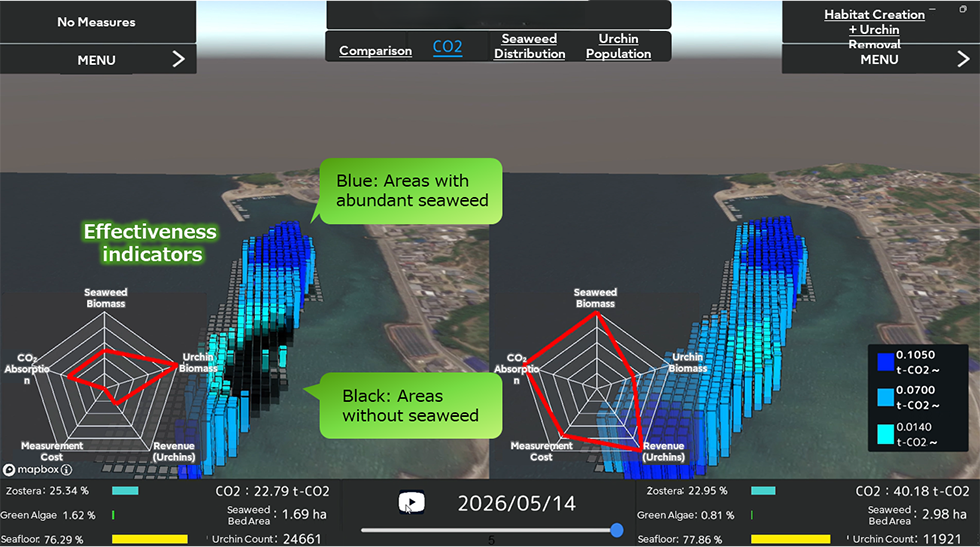
The initiative will use underwater drones, artificial intelligence and advanced analytics to generate detailed digital models of the seabed and marine life. The goal is to support “the regeneration of the marine environment, the protection of biodiversity and the promotion of the blue economy.” Using non-destructive sensing, the system will visualize biodiversity, estimate vegetation coverage and calculate blue carbon stored in marine algae.
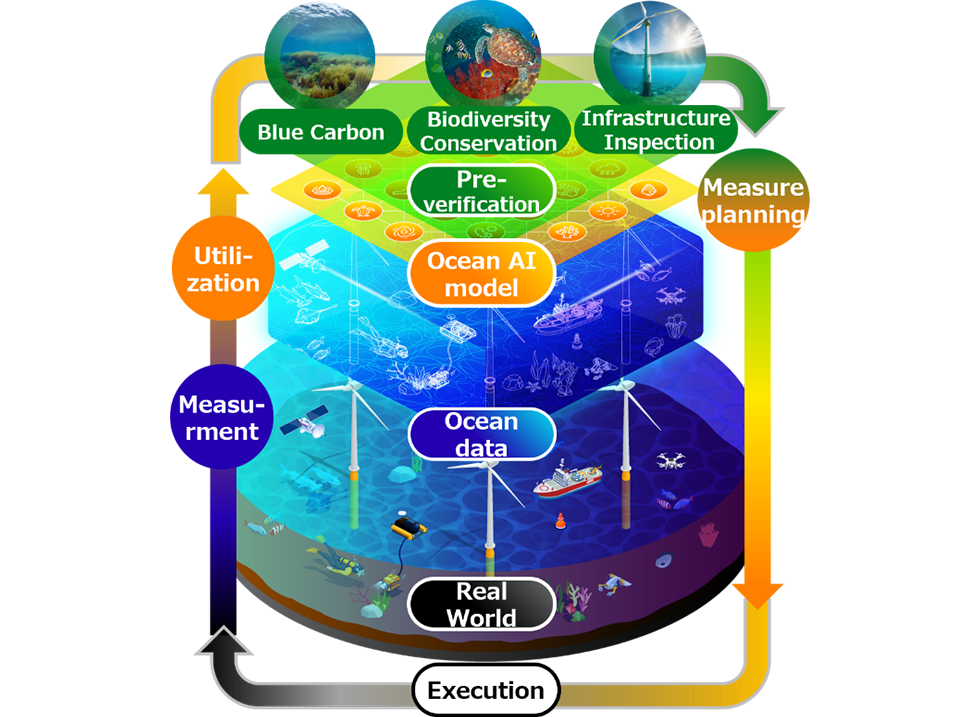
Digital twins work by collecting real-world data through sensors, drones or satellites and feeding it into a digital model that mirrors the real ecosystem. In Barcelona, autonomous vehicles will map the seabed while machine-learning systems translate the information into measurable indicators. According to the project description, “Machine learning models convert this data into quantitative environmental intelligence, estimating vegetation coverage, assessing habitat extent, and calculating blue carbon absorption.”
One powerful feature of digital twins is the ability to test future scenarios before action is taken. The platform developed by Fujitsu will allow environmental simulations to evaluate policy or infrastructure impacts. The system “enables the simulation of ‘what if’ scenarios, helping pre-verification of environmental measures before they are implemented to prioritize investments based on their real impact.”
Ángeles Delgado, president of Fujitsu Spain and Portugal, says the approach turns complex marine data into practical insight: “This project demonstrates how technology can become a true ally of sustainability. The ocean digital twin allows us to transform complex data from the marine environment into actionable information to protect biodiversity, promote blue carbon initiatives, and make evidence-based decisions.”
Ocean twins are part of a broader trend using digital replicas to manage environmental systems. Cities are building urban digital twins to model climate impacts, researchers are creating forest twins to track carbon storage and wildfire risk, and global projects such as Europe’s Destination Earth climate twin aim to simulate the entire planet to improve climate forecasting and environmental planning.