erthos uses AI to scale bio-plastics that work in industry

When I first studied forestry at the University of Toronto with Professor Sandy Smith, I didn’t realize how deeply the school’s ecological roots would shape the way I look at the world. The University of Toronto has always been, at its core, an environmental university. from its forestry program and plant biology labs to courses in sustainable cities.

So it’s not surprising that one of Canada’s emerging cleantech companies tackling plastic pollution also began there. Meet erthos, a Toronto-area startup developing plant-based materials designed to replace traditional petroleum plastics and help move the global economy toward a circular model.

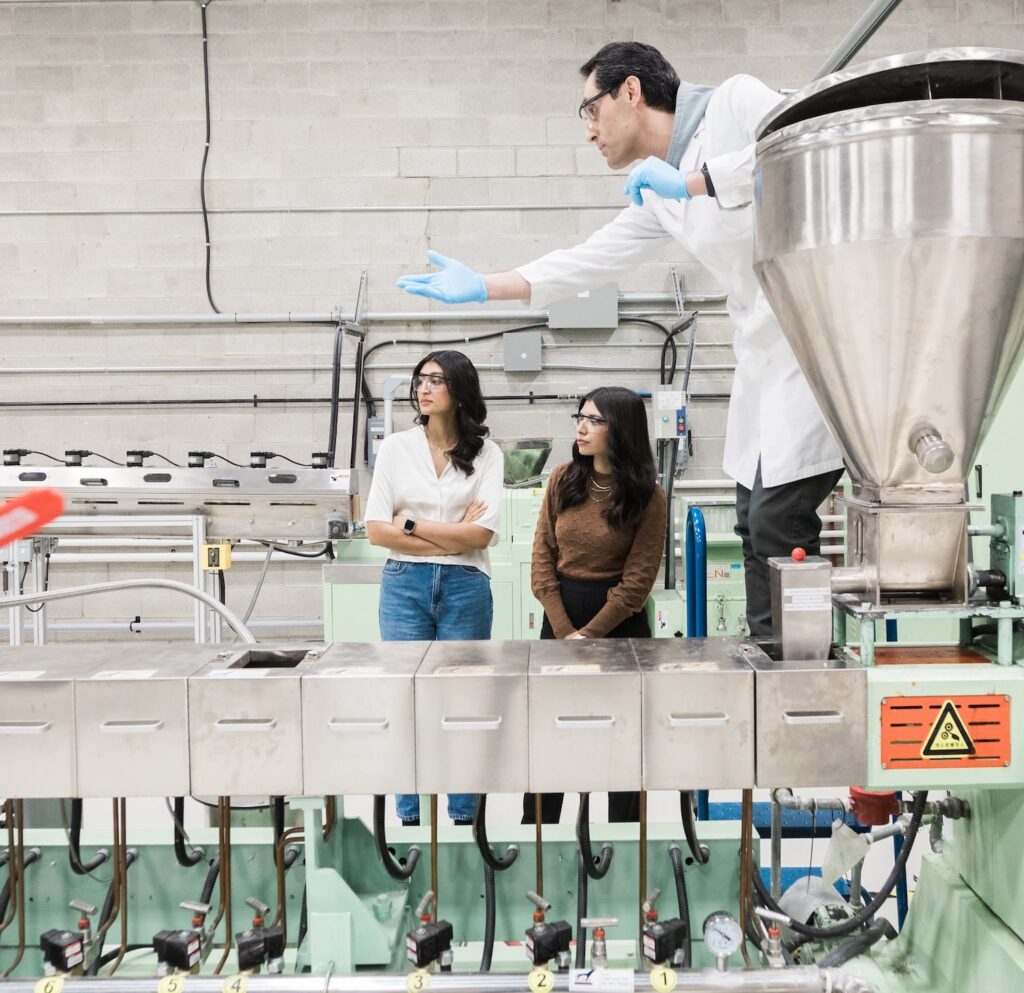
The company began as a student project at the University of Toronto, where the founders started exploring alternatives to plastic while studying subjects ranging from environmental economics to plant biology. Their early work focused on whether agricultural byproducts and plant-derived ingredients could replicate the performance of conventional plastics, without leaving behind the same environmental legacy.

What began as a campus sustainability idea has since grown into a cleantech company that uses AI to design bio-based resins that can replace common plastics such as polypropylene or polystyrene, while still working within existing manufacturing systems. One of their recent talks was with Colgate-Palmolive.
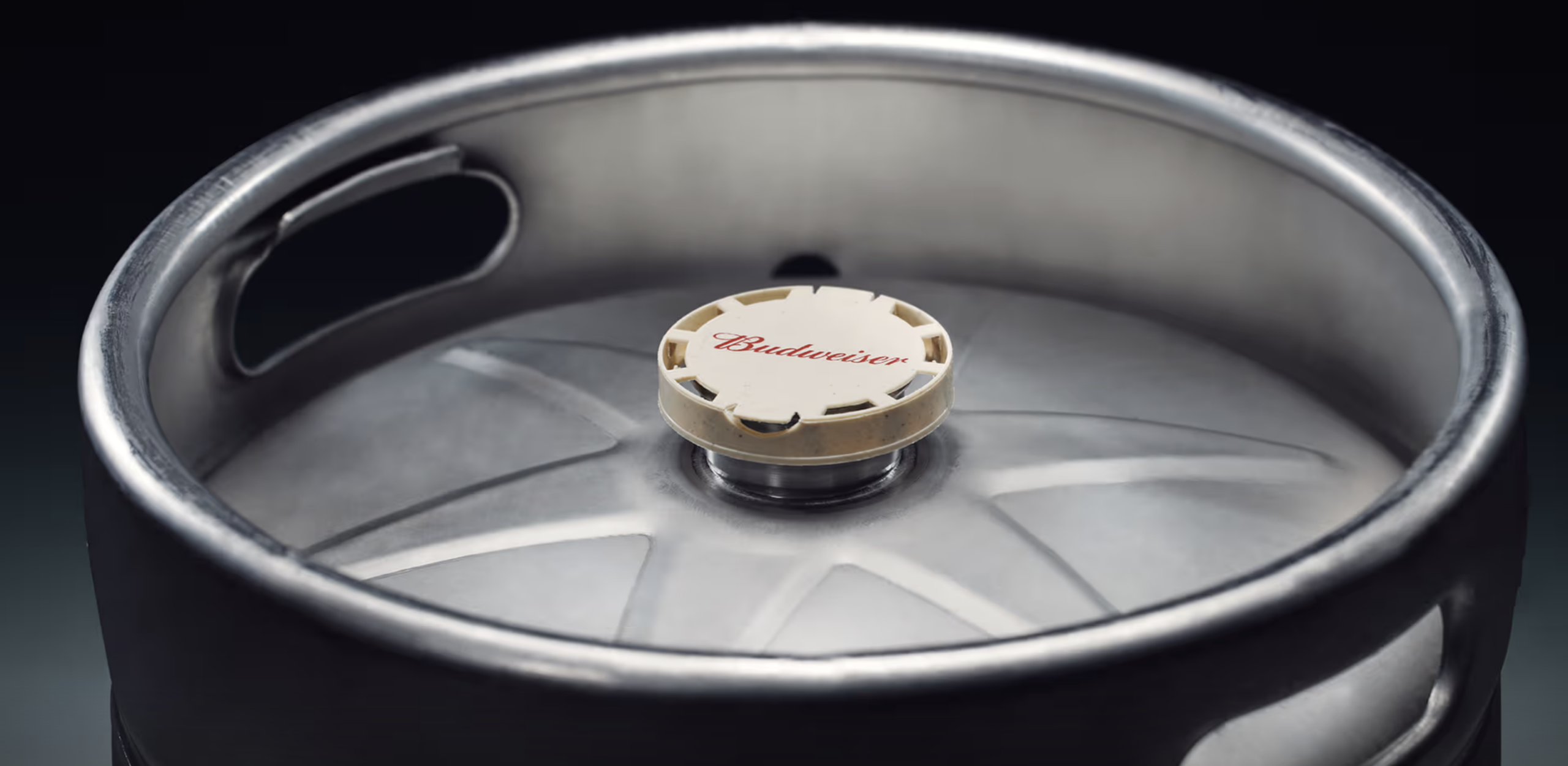
erthos works with Budweiser for a plastic cap solution

That compatibility with industry matters. One of the biggest barriers to replacing plastics is the massive infrastructure already built around them. Factories, molds, and production lines are designed for petroleum-based materials. If a sustainable material requires entirely new manufacturing systems, adoption slows dramatically. We see that working with big brands isn’t enough. The pineapple textiles and leather company Pinatex, which uses pineapple waste, emerged to great fanfare and worked with brands like Stella McCartney, but one-off and non-committal marketing opportunity can’t build a business. We need more commitment and responsibility taken by brands such as Colgate-Palmolive, H&M, and all ranges of food and plastics industries.

Sustainable fashion by Stella McCartney
Sustainable fashion by Stella McCartney. The threads are created by Pinatex, now bankrupt

Can erthos help? It focuses on designing materials that can fit into the systems companies already use, making it easier for brands to transition away from fossil-fuel plastics without rebuilding their supply chains. Getting a product to fit into existing moulds and machines is the key for change from plastics to bio-plastics.

The company combines biomaterials science with advanced data tools, they say, to design plant-based formulations made from renewable ingredients such as plant fibers, starches, and oils. By using AI to test and refine formulations quickly, the goal is to create materials that match the durability and functionality of traditional plastics while reducing environmental impact. See Tipa, a brand that works.

The stakes are enormous. Hundreds of millions of tonnes of plastic are produced globally each year, and only a small portion is recycled. The rest accumulates in landfills, waterways, and ecosystems where it can persist for centuries. Worse even, bits of plastics called microplastics are getting into our lungs, our waterways, our food, our brains.
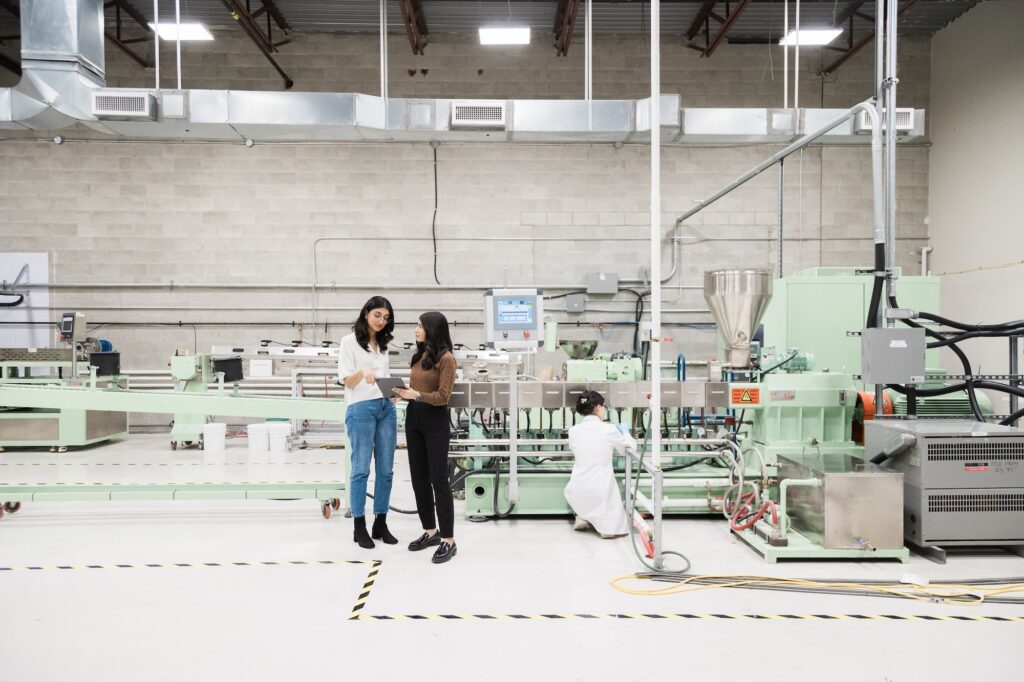
Startups like erthos are trying to change that equation by addressing plastic at its source, replacing the material itself rather than simply managing the waste it creates.

Today the company works with brands exploring alternatives for packaging, consumer products, and other plastic-heavy industries, helping design materials that can be recyclable, compostable, or derived from renewable feedstocks.

Erthos is a Canadian cleantech startup developing plant-based materials designed to replace petroleum plastics and support a circular economy. Founded in 2019 by Nuha Siddiqui, Kritika Tyagi, and Chang Dong at the University of Toronto, the company combines biomaterials science with artificial intelligence to create sustainable plastic alternatives.
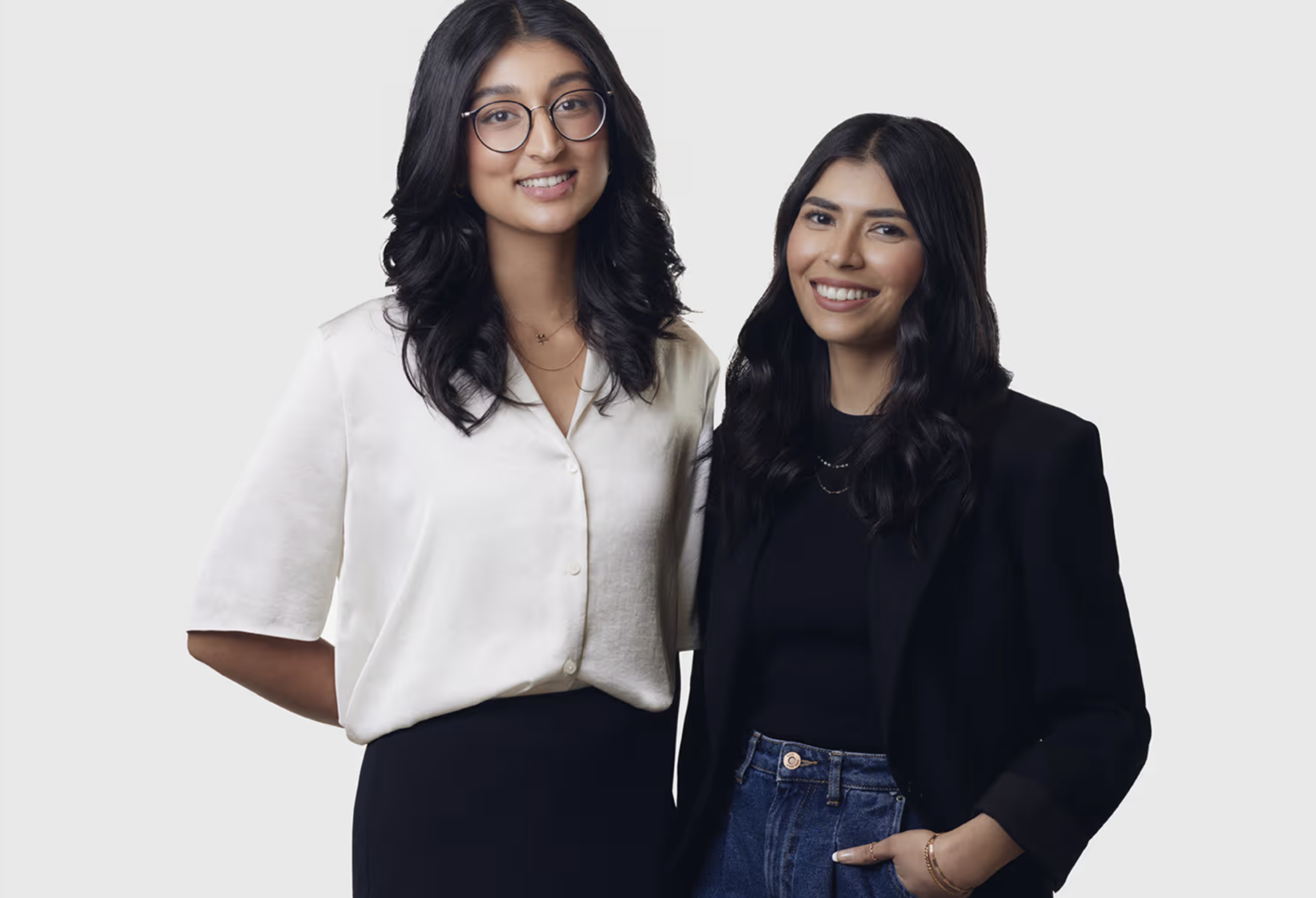
Erthos has raised $11.2 million in total funding, including a $6.5 million oversubscribed Series A led by Horizons Ventures, with participation from The51 Food & AgTech Fund, Thrive Venture Fund at BDC Capital, Francis Family Fund, TELUS Pollinator Fund for Good, DcarbonVC, Middle Cove Capital, and earlier investors Golden Ventures and Bee Partners.
Erthos founders Kritika Tyagi and Nuha Siddiqui are the cofounders of erthos.

Its proprietary platform, ZYA, uses AI to design bio-based resins that can perform like traditional plastics while working within existing manufacturing systems.

Erthos has raised $11.2 million in total funding, including a $6.5 million oversubscribed Series A led by Horizons Ventures, with participation from The51 Food & AgTech Fund, Thrive Venture Fund at BDC Capital, Francis Family Fund, TELUS Pollinator Fund for Good, DcarbonVC, Middle Cove Capital, and earlier investors Golden Ventures and Bee Partners.

::erthos

More Bio Plastics News from Green Prophet

Karin Kloosterman
Karin Kloostermanhttp://www.greenprophet.com
Karin Kloosterman is an award-winning journalist, innovation strategist, and founder of Green Prophet, one of the Middle East’s pioneering sustainability platforms. She has ranked in the Top 10 of Verizon innovation competitions, participated in NASA-linked challenges, and spoken worldwide on climate, food security, and future resilience. With an IoT technology patent, features in Canada’s National Post, and leadership inside teams building next-generation agricultural and planetary systems — including Mars-farming concepts — Karin operates at the intersection of storytelling, science, and systems change. She doesn’t report on the future – she helps design it. Reach out directly to [email protected]

LEAVE A REPLY

Please enter your comment!
Please enter your name here

TRENDING

Pinatex bio-materials files for bankruptcy

Piñatex was among the earliest widely publicized plant-based leather alternatives and played a significant role in raising awareness of agricultural waste valorization within fashion supply chains.

Forever chemicals banned from Europe’s drinking water

The EU is taking a bold step in making sure all European Union member states worked to monitor and reduce PFAS levels in drinking water.

Sony builds the world’s first global supply chain for renewable plastics in high-performance electronics

The supply chain includes chemical and materials heavyweights such as Mitsubishi Corporation, Neste Corporation, Toray Industries, Mitsui Chemicals, Idemitsu Kosan, ENEOS, Hanwha Impact, Formosa Chemicals & Fibre, and SK Geo Centric, among others.

Charbone produces first hydrogen at Quebec’s local “model” UHP plant

The Sorel-Tracy site is the first decentralized clean UHP hydrogen production facility in Quebec and is positioned as a model for North America. The plant is part of CHARBONE’s five-phase plan to deploy a network of modular hydrogen production facilities across the continent, supported by the company’s growing specialty-gas distribution platform.

Microplastics Are Becoming Superbug Highways — New Study Warns Beachgoers to Wear Gloves

Prof. Pennie Lindeque added that microplastics “act as carriers for antimicrobial-resistant bacteria, enhancing their survival and spread… each particle becomes a tiny vehicle capable of transporting pathogens from sewage works to beaches, swimming areas and shellfish-growing sites.”

Pulling Water from the Air

Faced with water shortage in Amman, Laurie digs up...

Turning Your Energy Consultancy into an LLC: 4 Legal Steps for Founders in Texas

If you are starting a renewable energy business in Texas, learn how to start an LLC by the books.

Tracking the Impacts of a Hydroelectric Dam Along the Tigris River

For the next two months, I'll be taking a break from my usual Green Prophet posts to report on a transnational environmental issue: the Ilısu Dam currently under construction in Turkey, and the ways it will transform life along the Tigris River.

6 Payment Processors With the Fastest Onboarding for SMBs

Get your SMB up and running fast with these 6 payment processors. Compare the quickest onboarding options to start accepting customer payments without delay.

Qatar’s climate hypocrisy rides the London Underground

Qatar remains a master of doublethink—burning gas by the megaton while selling “sustainability” to a world desperate for clean air. Wake up from your slumber people.

How Quality of Hire Shapes Modern Recruitment

A 2024 survey by Deloitte found that 76% of talent leaders now consider long-term retention and workforce contribution among their most important hiring success metrics—far surpassing time-to-fill or cost-per-hire. As the expectations for new hires deepen, companies must also confront the inherent challenges in redefining and accurately measuring hiring quality.

8 Team-Building Exercises to Start the Week Off 

Team building to change the world! The best renewable energy companies are ones that function.

Thank you, LinkedIn — and what your Jobs on the Rise report means for sustainable careers

While “green jobs” aren’t always labeled as such, many of the fastest-growing roles are directly enabling the energy transition, climate resilience, and lower-carbon systems: Number one on their list is Artificial Intelligence engineers. But what does that mean? Vibe coding Claude? 

Related Articles

Popular Categories