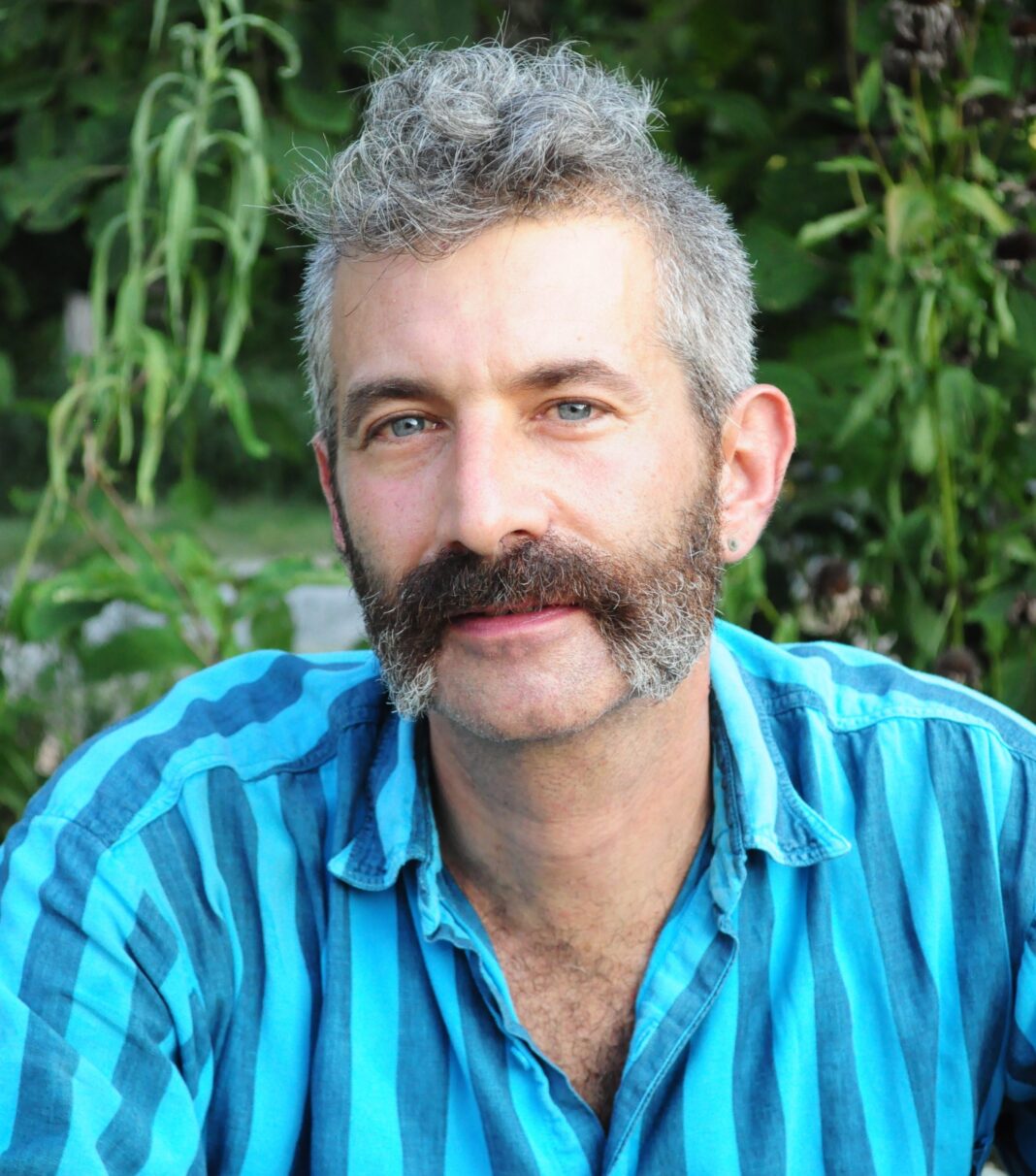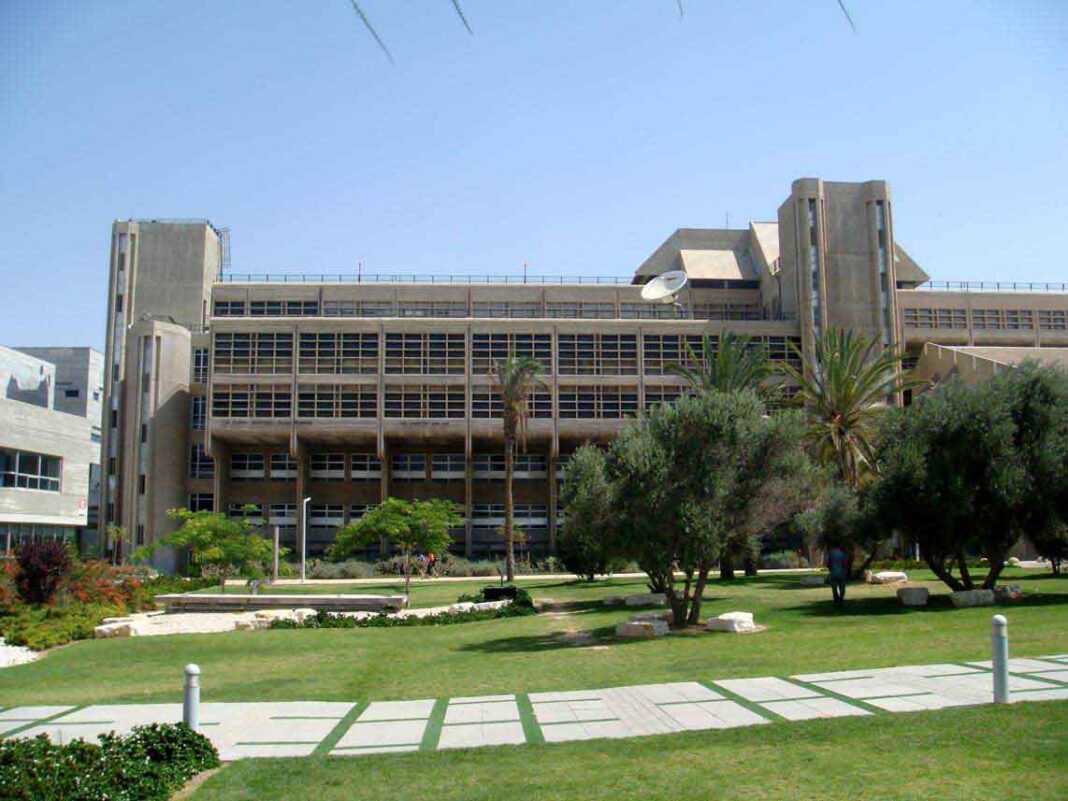


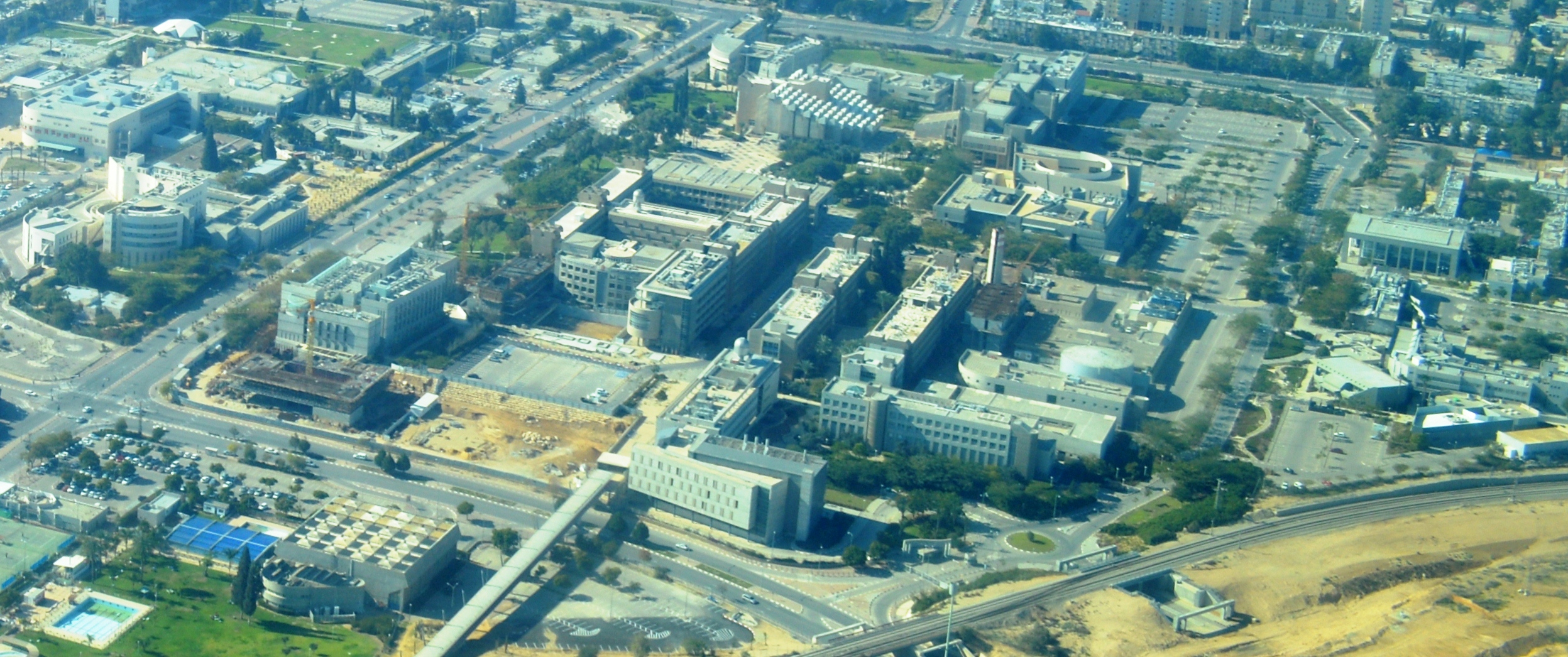
Dr. Tamar Makov is a lecturer at the Guilford Glazer Faculty of Business and Management school at Ben-Gurion University of the Negev. Originally from Israel, she earned a BSc in Nutrition Science at the Hebrew University of Jerusalem before moving to the U.S. to complete an MA and PhD in Environmental Studies at Yale University. Recruited back to BGU in 2019, she now lectures at the university. Her research focuses on data science, circular economy, and life-cycle analysis.
See Related Article: Hebrew University Recognized as World Leader in Movement Ecology
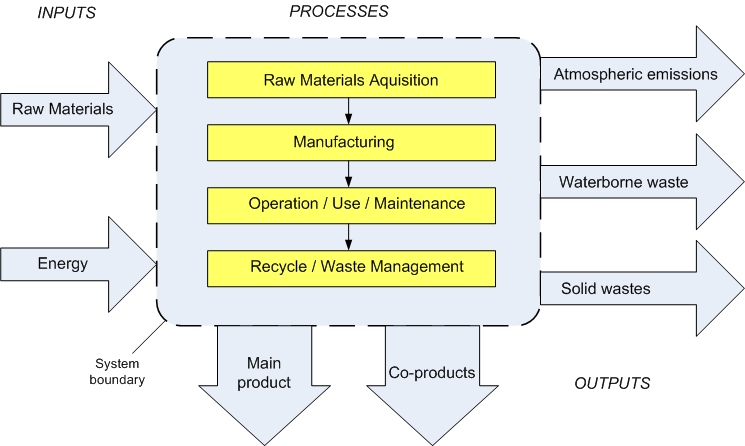
At the heart of her work lies industrial ecology. The field of study that industrial ecology encapsulates is the analysis of the relationship between the natural environment and industrial processes to promote sustainable development. The aim of this idea is to minimize environmental impacts and promote efficiency by integrating production and consumption development. Critical characteristics of the field of study are life-cycle assessment, economy, and sustainability. While lifecycle assessment is widely taught throughout the U.S and European universities, Israel only has about five dedicated researchers in the field. Dr. Makov’s efforts, a new curriculum at the university, and other students are looking to change this.
At BGU, Dr. Makov’s research thrusts include:
- Looking into emerging tech, to model current production systems
- Identifying current “hotspots” to identify and lessen environmental impacts
- Digitalization studies, to examine how consumer behavior shifts in response to initiatives
- Second-hand culture, the study on how reuse is effective only when it replaces new production and use of resources
By intersecting research, data, and conclusions, Dr. Makov and her associates aim to bridge theory and real-world impact. To increase efficiency and sustainability while reducing harmful environmental practices and their impacts.
Dr. Makov also lies at an interesting intersection herself. Her educational background at Yale University and her current job at BGU highlight some notable differences in the academic mindset between American and Israeli students. In America, it is much easier for students to focus on their education. While there are inconveniences and real, valid life events, students are still given the opportunity to focus entirely on their education. However, this is not the case for all students in Israel. Makov explains that it is more challenging for students to work, especially when focusing on certain school subjects. To many during a time of war, an environmental education can be seen as secondary. It is challenging to focus on sustainability when a war is unfolding in the backyard. Additionally, many of Makov’s students were in attendance at the Nova Festival during the October 7th terrorist attacks conducted by Hamas. These are just some of the challenges and experiences that Israeli students face when they decide to attend school.
See Related Article: Desert University Goes Green With Gusto
Even if students do decide to study the environment, their tough times do not disappear. On one occasion, Dr. Makov had students studying abroad in the Netherlands. During their final presentation, three of their classmates disregarded the instructions and instead targeted the few Israeli students. Instead of displaying their knowledge, they displayed their ignorance by spouting anti-Israel and anti-Semitic sentiment at the horror and shock of the other students.
Despite her international pedigree, Dr. Makov faces hurdles stemming from resource constraints and geopolitical tensions. Funding in Israel is much more limited than at major U.S. institutions. This means that research, grants, and funding overall need to be taken seriously and utilized in a careful and targeted way. Additionally, recruiting students with a background in the environmental field can be difficult. To add on, many institutions outside of Israel who used to send students to study at BGU have either pulled out, or the students have not wanted to come due to the war. Partnerships are fragile in general. One example of this came from Dr. Makov’s work on studying bluefish. The study was utilizing a particular software, one that Dr. Makov had used in the past. However, after the October 7th attacks and subsequent public response, the software company will pull its programming. This experience is not unique.
Meanwhile, Dr. Makov reflects on her own time studying abroad at Yale, where she once shared an office with a Palestinian man from Gaza. This shows that collaboration and cooperation are possible. Today, along with many others, Dr. Makov observes that many activists in the U.S. and worldwide often conflate climate issues, Israel-Palestine issues, and other social issues. In her view, this distracts from all causes and forms a generalization. She says that we are better off focusing on issues that are urgent to environmental work: low-income and minority communities still face increased environmental risks, and emerging economies like China drive global emission increases. One example of this comes from Greta Thunberg. Thunberg, who is a climate activist, recently attempted to deliver symbolic aid to Gaza. Thus, bringing the two issues close in activist dialogue.
See Related Article: Climate Activist Greta Thunberg Joins Gaza Flotilla
As the war continues, Dr. Tamar Makov remains committed to expanding Israel’s footprint in industrial ecology and circular economy, even as she navigates a fractured global landscape. Her work demonstrates that rigorous methods, interdisciplinary teaching, and data-driven projects can still, and will continue to, pave the way toward a more sustainable future.