The unseen tech behind eco villages

Submersible pump tech in eco-villages

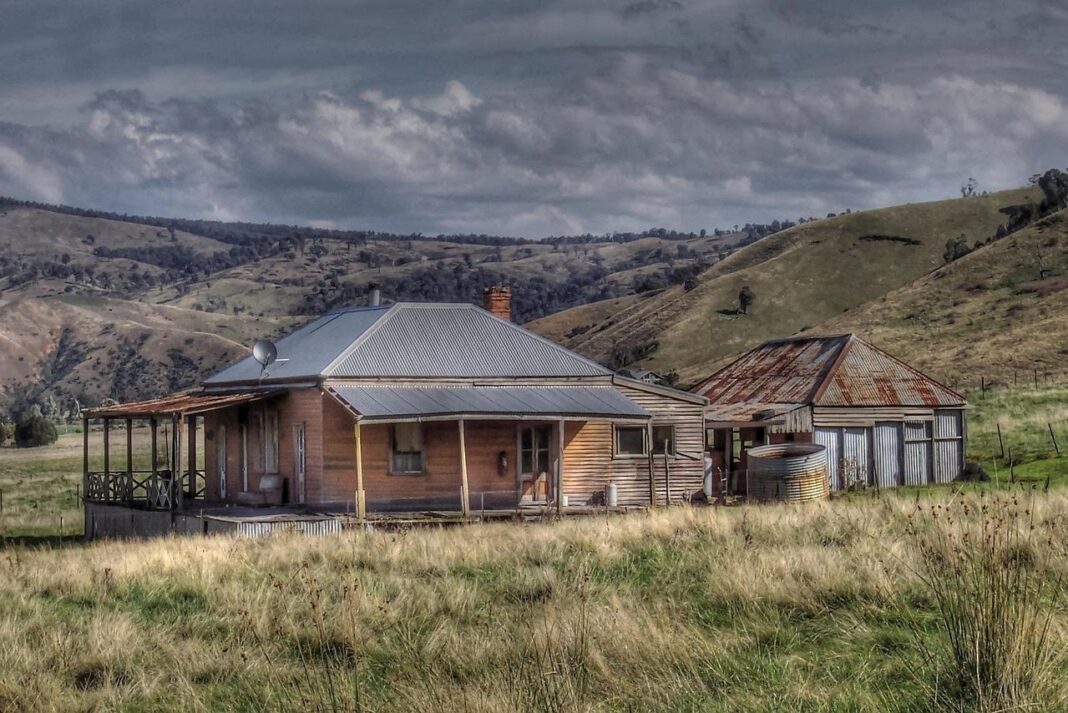
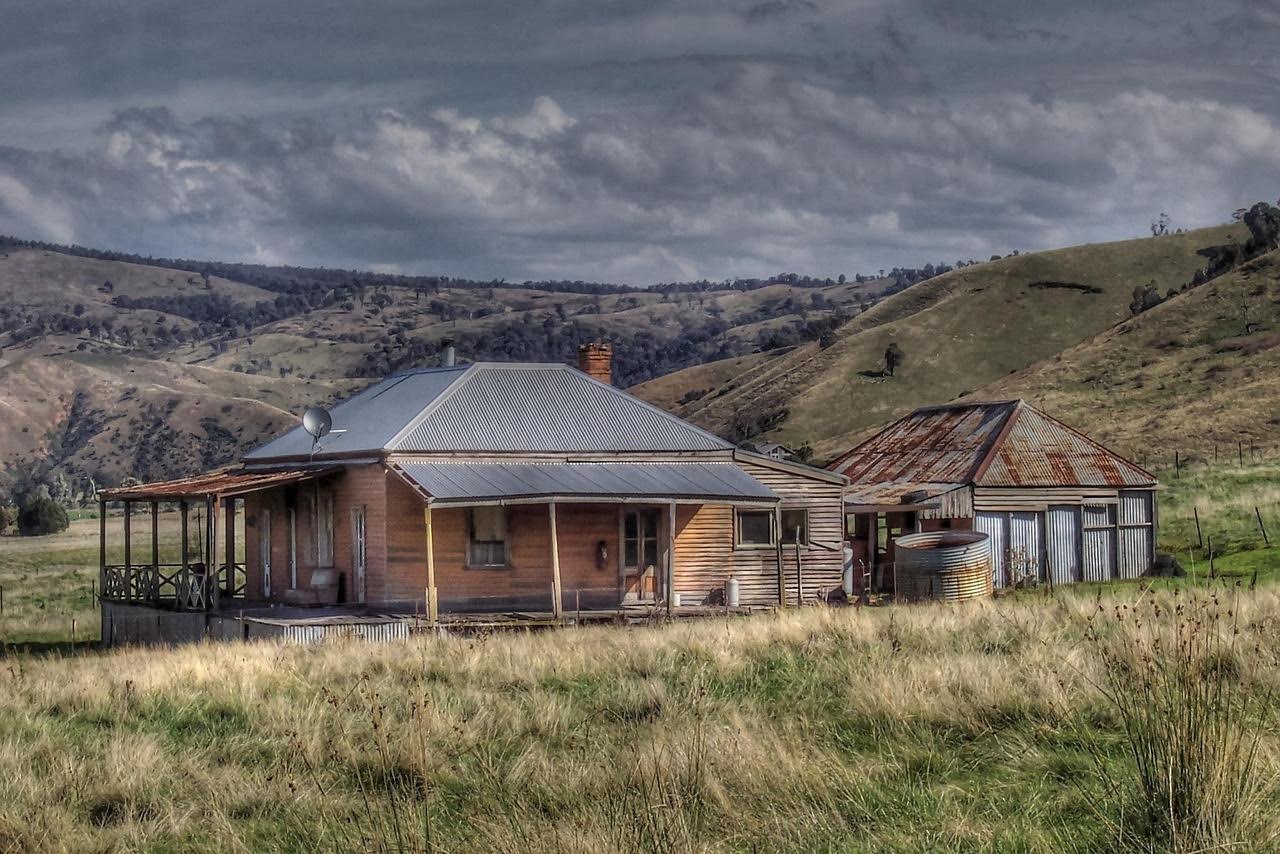
If you picture an eco-village, you might imagine a simple dwelling with permaculture gardens and a very slow, rural pace of life. While often true, this rustic image undermines the technology that is increasingly being used to achieve their sustainability – technology that we shouldn’t be frightened of or avoid, but use to harness a greener way of life.

Energy solutions

Energy independence is a big part of eco villages. While solar panels are the visible, sung heros here, the real magic lies in integrated systems underpinning them. Smart microgrids are used to manage locally generated power from diverse mix of sources like solar, micro-hydro, or even wind. They balance loads and incorporate battery banks for storage, which reduces the reliance on external grids. 

Advanced solar integration can be expressed through Building-Integrated Photovoltaics (BIPV), in which the solar cells become part of the building fabric itself. The real MVPs, though, are the energy efficiency monitoring systems, such as smart meters and community dashboards, which can track both generation and consumption. Through finding patterns, or possibly using machine learning, it’s possible to better align the two so there’s no waste (this is even more important when many dwellings share energy).

Intelligent water management systems

rain catchment
In the city you can collect water form your air conditioner. Off grid, you’d better try the rain

Water is life, and eco-villages treat it as such through age-old conservation and reuse techniques. Rainwater harvesting isn’t just barrels, it means having integrated roof catchments feeding into systems with first-flush diverters that automatically discard the initial, most contaminated runoff. Water then passes through staged filtration, like sediment traps, then by sand or gravel, before collection in large cisterns. Again, IoT sensors are often used to help determine and notify of capacity and cleanliness levels.

For accessing this water, particularly for irrigation, choose a submersible pump for its efficiency – this can quickly transfer water in a reliable way. Further along the cycle might be constructed wetlands, which are carefully designed shallow beds. They’re planted with aquatic vegetation and use natural microbial processes within their gravel and sand substrates to purify greywater (sometimes even pre-treated blackwater), making it safe for irrigation with minimal energy input.

Waste not, want not
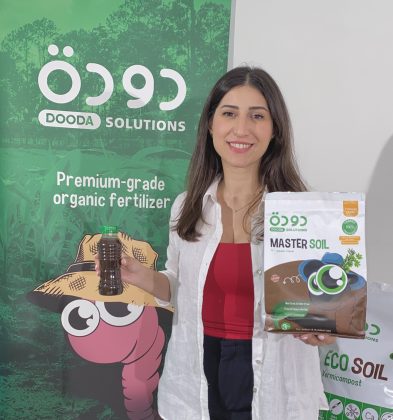
Dooda is a Lebanese vermiculture compost business.

“Waste” is a resource that’s awaiting transformation. Composting techniques like vermicomposting (using worms) or Bokashi (fermentation) help process organic matter into rich soil amendments. Of course, these are old techniques that don’t require much technology.

However, investing in some innovative technology can open more doors to transformation, as not all transformation can be naturally captured. Some communities employ anaerobic biogas digesters, which are sealed tanks that break down food scraps and animal manure in an oxygen-free environment. This produces methane gas for cooking or heating as well as a nutrient-rich liquid fertilizer. IoT sensors, again, can track microbial activity to help boost gas yields.

Technology as the invisible foundation

rotterzswam
Rotterzswam

Energy, water, and waste are the three flows that need to be managed by intelligent technologies. This infrastructure is frequently “unseen” because it’s designed to be integrated and harmonious with natural systems, rather than intrusive (it’s not consumption-led). Harmony between dwellings can be difficult, and this is where integrated systems can communicate. It goes to show that such communities are not anti-technology, but instead are simply selective about only using technology that benefits them and aligns with their values. 

Bhok Thompson
Bhok Thompsonhttp://www.greenprophet.com
Bhok Thompson is an “eco-tinkerer” who thrives at the intersection of sustainability, business, and cutting-edge technology. With a background in mechanical engineering and a deep fascination with renewable energy, Bhok has dedicated his career to developing innovative solutions that bridge environmental consciousness with profitability. A frequent contributor to Green Prophet, Bhok writes about futuristic green tech, urban sustainability, and the latest trends in eco-friendly startups. His passion for engineering meets his love for business as he mentors young entrepreneurs looking to create scalable, impact-driven companies. Beyond his work, Bhok is an avid collector of vintage mechanical watches, believing they represent an era of precision and craftsmanship that modern technology often overlooks. Reach out: [email protected]

LEAVE A REPLY

Please enter your comment!
Please enter your name here

TRENDING

How to secure transmission networks in an unstable climate

In recent years, the increasing energy demand, coupled with the growing impacts of climate change and aging infrastructure, has led to a heightened risk of blackouts. Due to this, securing transmission networks has increasingly become very important. Unfortunately, these networks are increasingly being affected by floods, wildfires, and extreme heat.

Don’t Regret Your Host: Alternatives to SiteGround That Impress

Discover top alternatives to SiteGround that offer impressive features and performance. Make an informed choice for your hosting needs today!

Asia Powers Ahead in Global Renewable Boom, But Africa Risks Being Left Behind

Asia continues to dominate global renewable energy growth, accounting for 71% of new capacity added in 2024, while Africa and other developing regions remain far behind despite their potential. Solar and wind lead the charge, comprising 97.5% of additions, with solar alone adding 453 GW. Although global renewables capacity hit a record 582 GW, the world is still off track to meet the COP28 goal of tripling capacity by 2030. Without faster growth and more equitable investment, the energy transition risks deepening the global divide.

These glasses see microplastics on the farm

Conventional detection methods, such as sample taken and looking under a microscope to count the bits is time-consuming, labor-intensive, and often ineffective at identifying small particles, making them impractical for large-scale monitoring. 

Yosef Abramowitz: The Israeli Bringing the Sun to the World’s Darkest Places

Abramowitz employs what he calls the Quadruple Bottom Line Impact Platform when bringing solar energy to countries with limited resources and infrastructure. While not the primary driver, each project must provide returns for investors. While these returns may not turn a massive profit, projects must ensure financial viability. Second, every project contributes to climate mitigation.

Qatar’s climate hypocrisy rides the London Underground

Qatar remains a master of doublethink—burning gas by the megaton while selling “sustainability” to a world desperate for clean air. Wake up from your slumber people.

How Quality of Hire Shapes Modern Recruitment

A 2024 survey by Deloitte found that 76% of talent leaders now consider long-term retention and workforce contribution among their most important hiring success metrics—far surpassing time-to-fill or cost-per-hire. As the expectations for new hires deepen, companies must also confront the inherent challenges in redefining and accurately measuring hiring quality.

8 Team-Building Exercises to Start the Week Off 

Team building to change the world! The best renewable energy companies are ones that function.

Thank you, LinkedIn — and what your Jobs on the Rise report means for sustainable careers

While “green jobs” aren’t always labeled as such, many of the fastest-growing roles are directly enabling the energy transition, climate resilience, and lower-carbon systems: Number one on their list is Artificial Intelligence engineers. But what does that mean? Vibe coding Claude? 

Somali pirates steal oil tankers

The pirates often stage their heists out of Somalia, a lawless country, with a weak central government that is grappling with a violent Islamist insurgency. Using speedboats that swarm the targets, the machine-gun-toting pirates take control of merchant ships and then hold the vessels, crew and cargo for ransom.

Leopoldo Alejandro Betancourt López Turned Ocean Plastic Into Profitable Sunglasses

Few fashion accessories carry the environmental burden of sunglasses. Most frames are constructed from petroleum-based plastics and acrylic polymers that linger in landfills for centuries, shedding microplastics into soil and waterways long after they've been discarded. Leopoldo Alejandro Betancourt López, president of the Spanish eyewear brand Hawkers, saw this problem differently than most industry executives.

Why Dr. Tony Jacob Sees Texas Business Egos as Warning Signs

Everything's bigger in Texas. Except business egos.  Dr. Tony Jacob figured...

Israel and America Sign Renewable Energy Cooperation Deal

Other announcements made at the conference include the Timna Renewable Energy Park, which will be a center for R&D, and the AORA Solar Thermal Module at Kibbutz Samar, the world's first commercial hybrid solar gas-turbine power plant that is already nearing completion. Solel Solar Systems announced it was beginning construction of a 50 MW solar field in Lebrija, Spain, and Brightsource Energy made a pre-conference announcement that it had inked the world's largest solar deal to date with Southern California Edison (SCE).

Related Articles

Popular Categories