
Iraq’s Ancient Water Wisdom Faces a Modern Reckoning

qanat, qanat system, ancient water system, Persian qanat, Middle East irrigation, traditional irrigation, underground aqueduct, water channel, sustainable water management, desert irrigation, ancient engineering, qanat Iran, qanat Iraq, water conservation, historical water system, aquifer irrigation, traditional water technology, UNESCO qanat, old irrigation method, qanat architecture
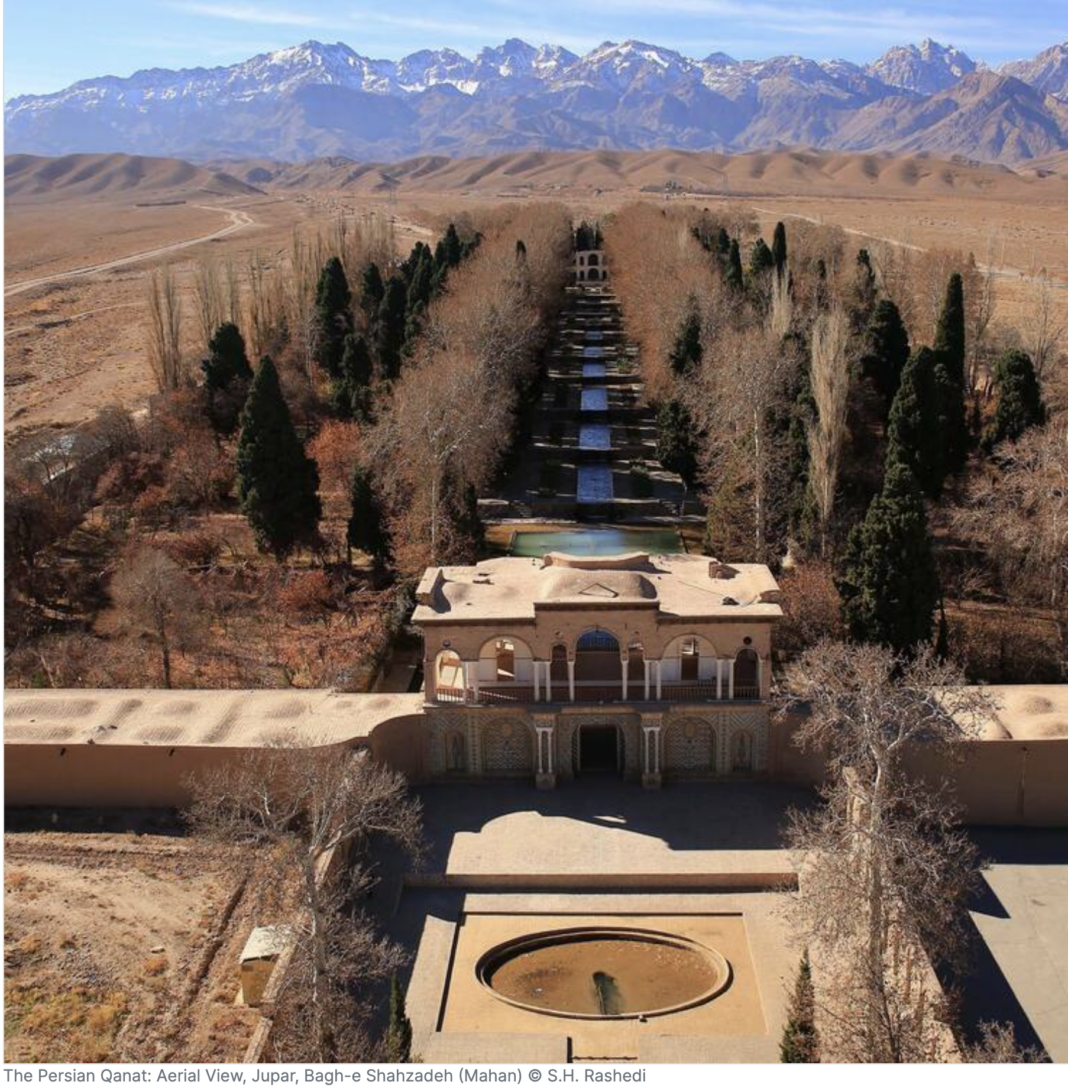
An ancient Qanat system in Persia. Spread throughout the arid Middle East, these systems predated Roman aqueducts but the historical narrative isn’t told


As tensions over water intensify across Iraq and the wider Middle East, the 5th Baghdad International Water Conference has cast a timely spotlight on the country’s fragile water future—and its ancient hydrological past.

Held in the heart of Mesopotamia—where early civilizations once mastered the art of water management—the conference drew regional experts and leaders to Baghdad to confront a crisis that’s becoming more urgent by the year: water scarcity. With rivers running dry and modern agricultural systems straining under the pressure, Iraq finds itself at a crossroads between its hydraulic heritage and an increasingly parched present.

Aflaj, qanat UAE
The Aflaj Irrigation Systems of Oman are ancient water channels from 500 AD located in the regions of Dakhiliyah, Sharqiyah and Batinah. However, they represent a type of irrigation system as old as 5000 years in the region named as Qanat or Kariz as originally named in Persia.

The land between the Tigris and Euphrates was once a wellspring of invention. Thousands of years before modern irrigation, the Sumerians, Akkadians, Babylonians, and Assyrians carved canals, engineered flood basins, and developed qanat systems—ingenious underground channels that carried water from mountain springs to distant farms.

These systems weren’t just technical achievements; they were the lifeblood of cities, temples, and trade. Water determined everything—from the rise of empires to the poetry etched into clay tablets.
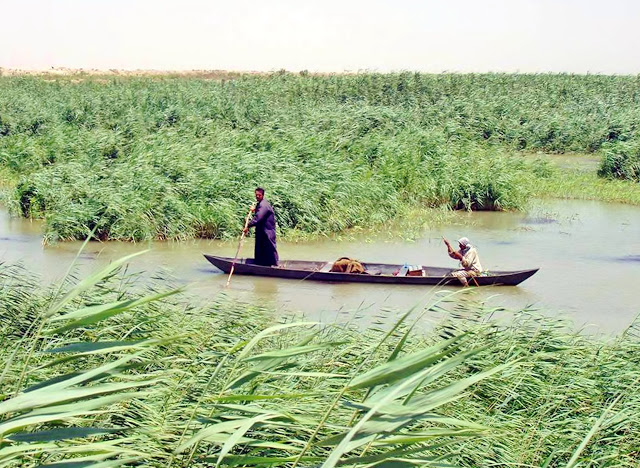
Iraq marsh people know how to live with water

But today, the once-mighty rivers that sustained those ancient cultures are shrinking. Dams upstream, salinization, climate shocks, and mismanagement have left Iraq’s water infrastructure overburdened and outdated. Agriculture now consumes over 90% of Iraq’s water, yet crop yields are falling. Some estimates suggest that without reform, wheat and barley yields could drop by half by 2050.

How a qanat works
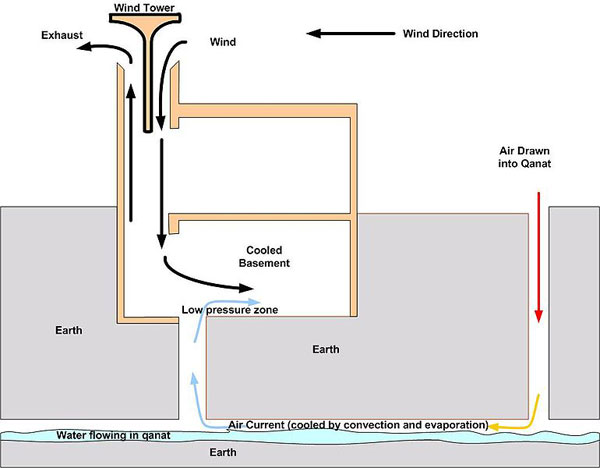
qanat, qanat system, ancient water system, Persian qanat, Middle East irrigation, traditional irrigation, underground aqueduct, water channel, sustainable water management, desert irrigation, ancient engineering, qanat Iran, qanat Iraq, water conservation, historical water system, aquifer irrigation, traditional water technology, UNESCO qanat, old irrigation method, qanat architecture

These aren’t just numbers. Iraq’s rural communities—many of whom still rely on traditional farming—are already being uprooted by water shortages. Marshlands, once teeming with biodiversity and cultural life, are evaporating. The disappearance of water from ancestral lands threatens to sever ties to history, religion, and identity.

This has ignited conflict—not just between nations sharing river systems, but within Iraq itself. Disputes over water rights are rising, and in some areas, violence has already erupted. A younger generation, particularly women and smallholder farmers, are being left with few options: adapt or leave.
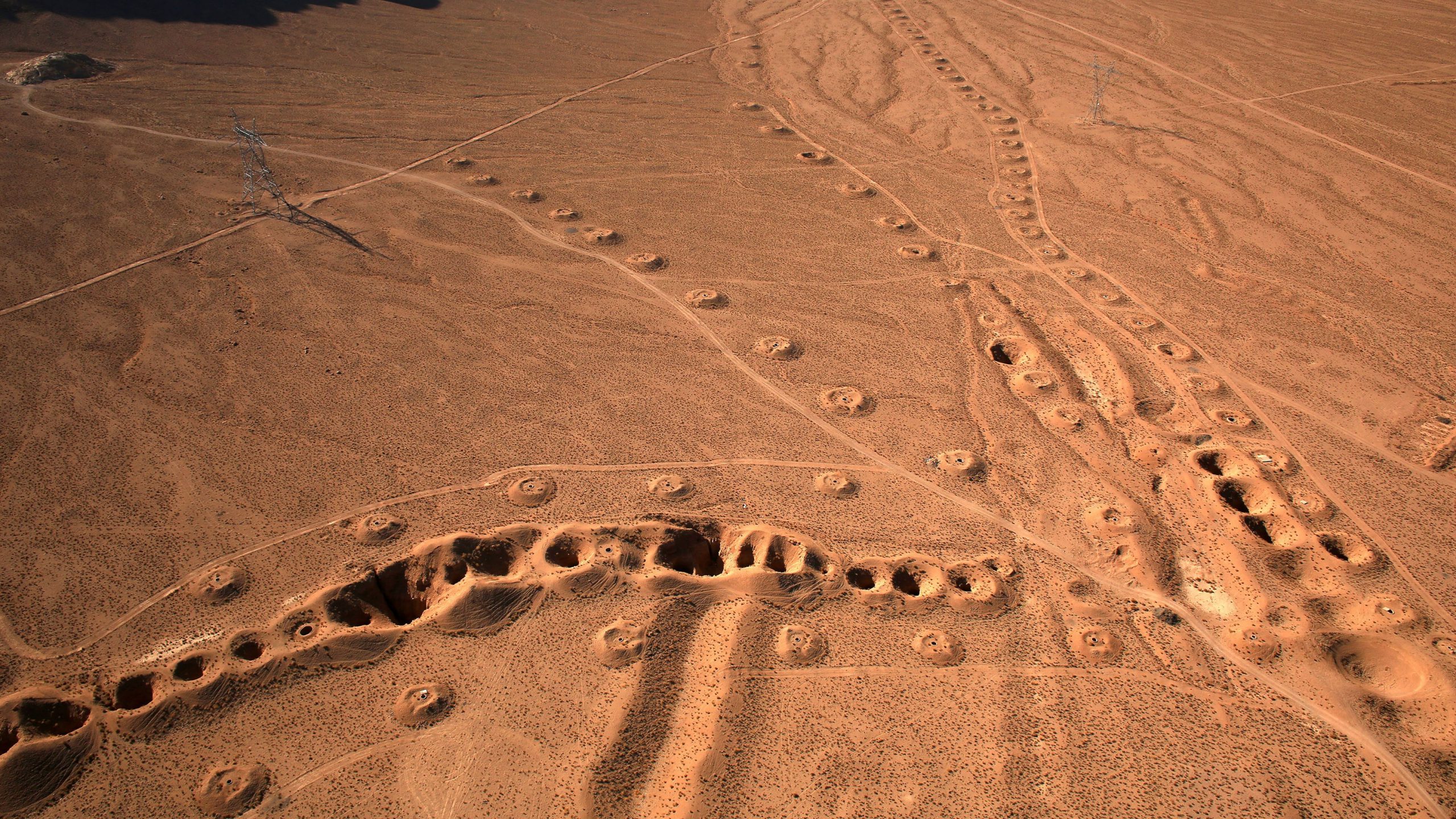
Qanat in Iran persia aerial photo of water irrigation system
The Persian Qanat: Aerial View, Jupar

Despite the severity of the situation, Iraq isn’t without solutions. The country is rediscovering the value of its past while cautiously embracing modern technologies. Sometimes, like in Afghanistan the outcome can be dubious. Opium farmers now use solar powered water pumps to cultivate poppies.

opium solar panels Afghanistan
Solar panels are a boon for the planet but they are now fueling bumper crops of poppies for the opium trade. Via the NY Times.

Remote sensing tools, such as those used in the WaPOR programme, are helping farmers monitor water use and optimize irrigation. Solar-powered systems, being piloted in neighboring Egypt and Tunisia, offer hope for regions where diesel pumps are no longer viable. Community-led water user associations—reminiscent of ancient collective water governance structures—are being revived to restore trust and accountability.


LEAVE A REPLY

Please enter your comment!
Please enter your name here

TRENDING

Sink holes from over-watering farmers’ fields

Sinkholes are rapidly appearing in Turkey’s central Anatolian farming region, particularly around Konya and Karapınar. These giant gaping holes in the ground in areas of farmland, known locally as obruk, are not random geological events. They are linked to prolonged drought, climate-driven heat stress, and heavy groundwater extraction for agriculture in one of the country’s most important breadbaskets.

Don’t Regret Your Host: Alternatives to SiteGround That Impress

Discover top alternatives to SiteGround that offer impressive features and performance. Make an informed choice for your hosting needs today!

Asia Powers Ahead in Global Renewable Boom, But Africa Risks Being Left Behind

Asia continues to dominate global renewable energy growth, accounting for 71% of new capacity added in 2024, while Africa and other developing regions remain far behind despite their potential. Solar and wind lead the charge, comprising 97.5% of additions, with solar alone adding 453 GW. Although global renewables capacity hit a record 582 GW, the world is still off track to meet the COP28 goal of tripling capacity by 2030. Without faster growth and more equitable investment, the energy transition risks deepening the global divide.

Ecomondo 2025: Italy’s Green Expo Powers Global Circular Innovation

Each November, a quiet city on Italy’s Adriatic coast becomes the epicenter of the world’s circular economy conversation. What began in 1997 as a local waste management trade show has grown into Ecomondo, a global forum for environmental innovation, resource regeneration, and ecological transition.

Arab agricultural land is on the brink

Across the Arab world, croplands face a perfect storm of stressors. Excessive fertilizers and pesticides erode soil ecology. Poor drainage and over-irrigation drive salinization, leaving fields crusted with salt. Rising temperatures, dwindling groundwater, and more frequent sand-and-dust storms—all amplified by climate change—compound the crisis.

Qatar’s climate hypocrisy rides the London Underground

Qatar remains a master of doublethink—burning gas by the megaton while selling “sustainability” to a world desperate for clean air. Wake up from your slumber people.

How Quality of Hire Shapes Modern Recruitment

A 2024 survey by Deloitte found that 76% of talent leaders now consider long-term retention and workforce contribution among their most important hiring success metrics—far surpassing time-to-fill or cost-per-hire. As the expectations for new hires deepen, companies must also confront the inherent challenges in redefining and accurately measuring hiring quality.

8 Team-Building Exercises to Start the Week Off 

Team building to change the world! The best renewable energy companies are ones that function.

Thank you, LinkedIn — and what your Jobs on the Rise report means for sustainable careers

While “green jobs” aren’t always labeled as such, many of the fastest-growing roles are directly enabling the energy transition, climate resilience, and lower-carbon systems: Number one on their list is Artificial Intelligence engineers. But what does that mean? Vibe coding Claude? 

Somali pirates steal oil tankers

The pirates often stage their heists out of Somalia, a lawless country, with a weak central government that is grappling with a violent Islamist insurgency. Using speedboats that swarm the targets, the machine-gun-toting pirates take control of merchant ships and then hold the vessels, crew and cargo for ransom.

Leopoldo Alejandro Betancourt López Turned Ocean Plastic Into Profitable Sunglasses

Few fashion accessories carry the environmental burden of sunglasses. Most frames are constructed from petroleum-based plastics and acrylic polymers that linger in landfills for centuries, shedding microplastics into soil and waterways long after they've been discarded. Leopoldo Alejandro Betancourt López, president of the Spanish eyewear brand Hawkers, saw this problem differently than most industry executives.

Why Dr. Tony Jacob Sees Texas Business Egos as Warning Signs

Everything's bigger in Texas. Except business egos.  Dr. Tony Jacob figured...

Israel and America Sign Renewable Energy Cooperation Deal

Other announcements made at the conference include the Timna Renewable Energy Park, which will be a center for R&D, and the AORA Solar Thermal Module at Kibbutz Samar, the world's first commercial hybrid solar gas-turbine power plant that is already nearing completion. Solel Solar Systems announced it was beginning construction of a 50 MW solar field in Lebrija, Spain, and Brightsource Energy made a pre-conference announcement that it had inked the world's largest solar deal to date with Southern California Edison (SCE).

Related Articles

Popular Categories