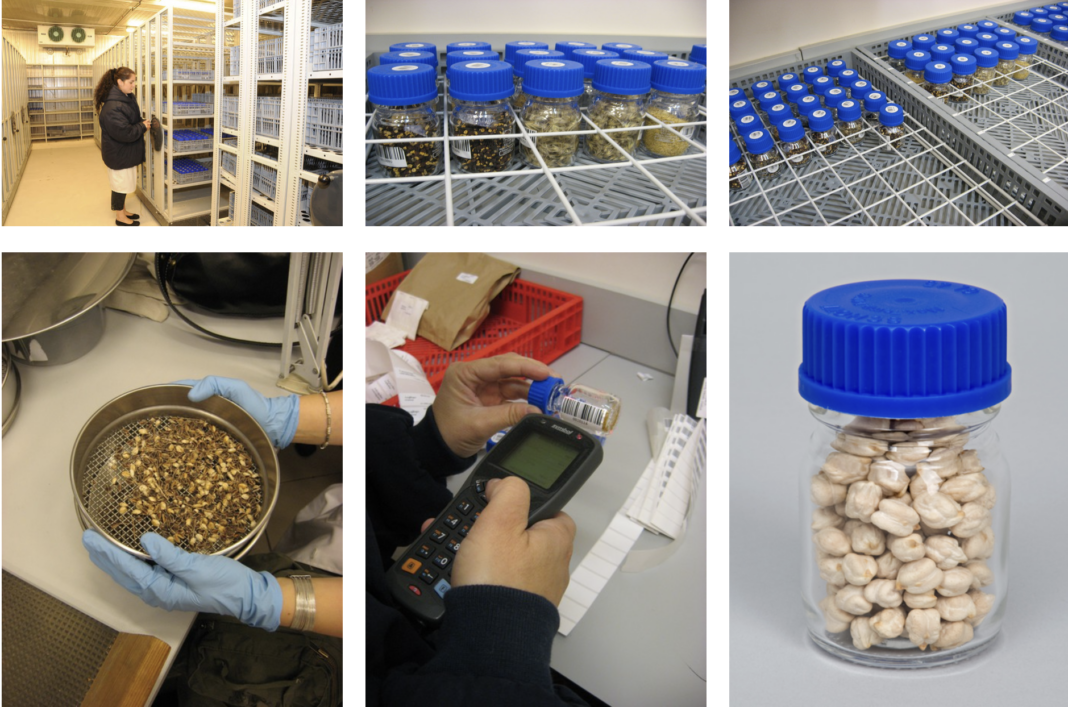


I first heard about seed banks years ago when I joined a Rainbow Family Gathering in a desert in Israel. Before the month-long hippie camp and festival would begin, the experienced would start up a week before, trading seeds for their personal seed banks. Why were people making their own seed banks, I wondered?
Like gardeners who use regenerative and permaculture gardening as activism against pesticides and conventional agriculture (download the Victory Garden handbook here), seed savers are worried that the state of biodiversity in the world is at risk. For this reason they have started their own seed saving in areas local to them. You might have heard of heirloom varieties? These are seeds from plants found in the wild or growing among small-hold farmers and which have unique traits such as taste, drought tolerance, smell or beauty.
You can start your own seed bank in a freezer and roots cellar around the world. I have a friend who collects seeds for cannabis plants, another for unique tomatoes. If these varieties aren’t stored, we might lose them forever much in the way we are losing large mammals. You can’t keep animals dormant forever, but seeds, as we learned in Israel and the 2000-year-old date seeds that grew, you can keep seeds dormant for times when the might be needed.
Seed saving has become increasingly important in the Middle East as a means of preserving biodiversity and ensuring food security in times of climate change and severe water shortages. It’s a global issue.
Seed banks in Syria
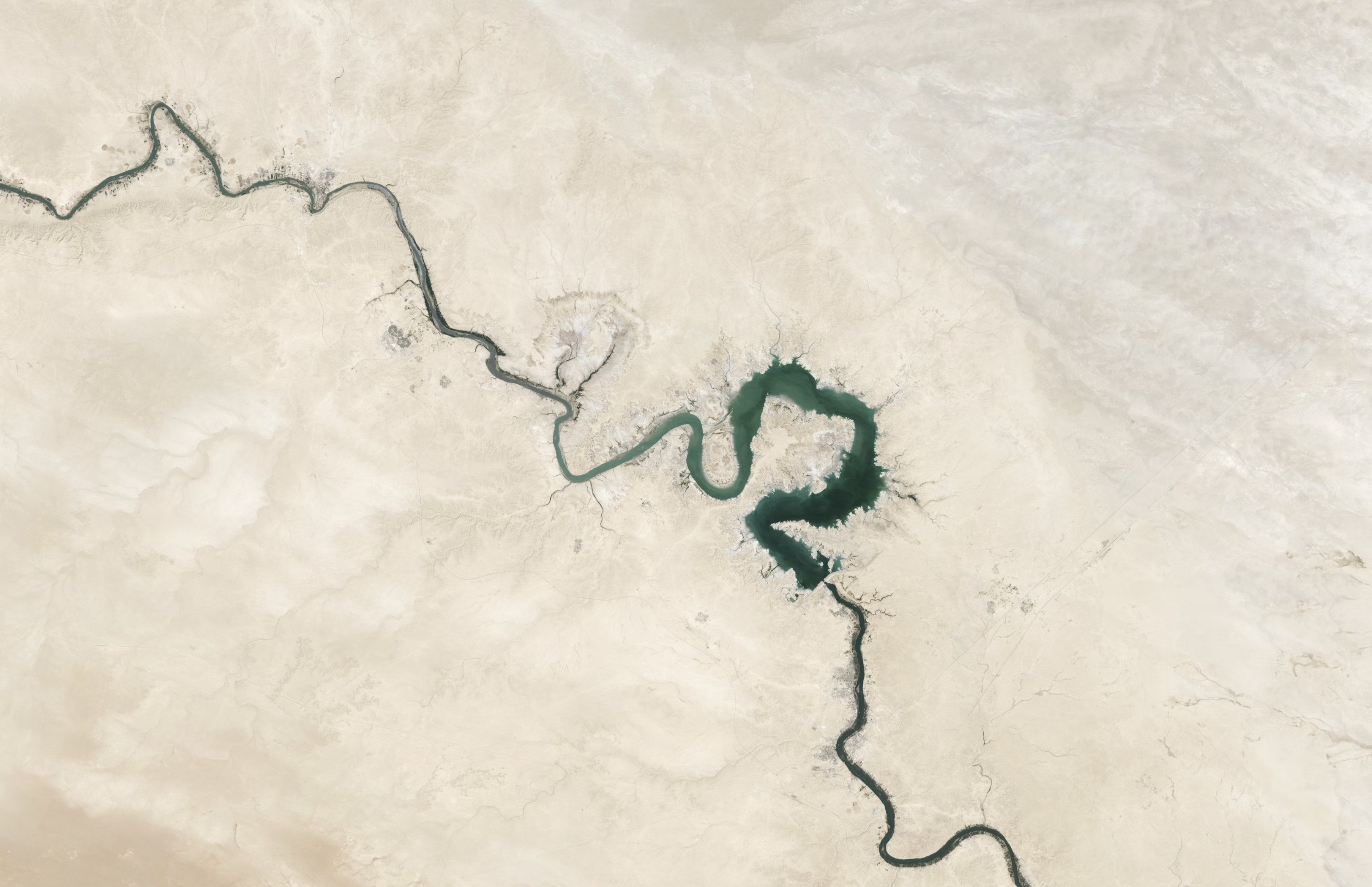
Syria has a long history of agriculture, with the Euphrates River Valley serving as the cradle of civilization (see Kish in Bagdadh) and the birthplace of wheat. Ongoing conflicts in Syria between their government and rebel forces and tribes, has had a devastating impact on the country’s agricultural sector, with many farmers forced to abandon their land and crops. Some say that conflict led to this problem but back in 2007 when we started Green Prophet we could see how water shortages and drought actually created the conflict. In 2010 for instance we reported on murders in Iraq, over water.
So seed saving in Syria is more important than ever. Seeds of important include local wheat, barley, lentils, chickpeas, and sesame seeds. The International Center for Agricultural Research in the Dry Areas (ICARDA) has been working to preserve the genetic diversity of crops in Syria through its gene bank, which is located in the city of Aleppo. But at the height of Syria’s civil war researchers believed the seed vault in Aleppo was at risk and they went on an emergency mission to ship them out of Syria with the saga described in this Nature paper. The center has collected and conserved over 155,000 samples of crop seeds from across the region, including varieties of wheat, barley, lentils, and chickpeas. These seeds are stored in a state-of-the-art facility that is designed to withstand natural disasters, wars, and other threats.
The researchers forced to leave the Syrian seedbank wrote:
“The situation in Syria illustrates well the inextricable but complex links between climate change, food security and sociopolitical stability in fragile states. A series of droughts during 2006 to 2009 linked to climate change probably played a role in the uprising in Syria in 2011. It is clear that climate change-induced droughts alone do not account for the Syrian tragedy, but rather was one ingredient in a concoction of social, economic and political factors which together triggered the events that escalated into civil war.
About the seeds at risk in Syria: “they represent some of the most precious biodiversity to humanity on the planet. Genebanks such as ICARDAs are so-called ex situ (outside their natural habitats) conservation facilities for crop diversity, or to use the technical term, Plant Genetic Resources for Food and Agriculture (PGRFA)— seeds, plants and plant parts useful in crop breeding, research or conservation for their genetic attributes. This biodiversity has shaped human societies and cultures for millennia, enabling the growth of sophisticated cities and feeding the expansion of empires. The ICARDA genebank is particularly important in this regard as it harbours the largest collection of crop diversity from the earliest centre of origin of agriculture, the Fertile Crescent.”
Seed banks in Israel
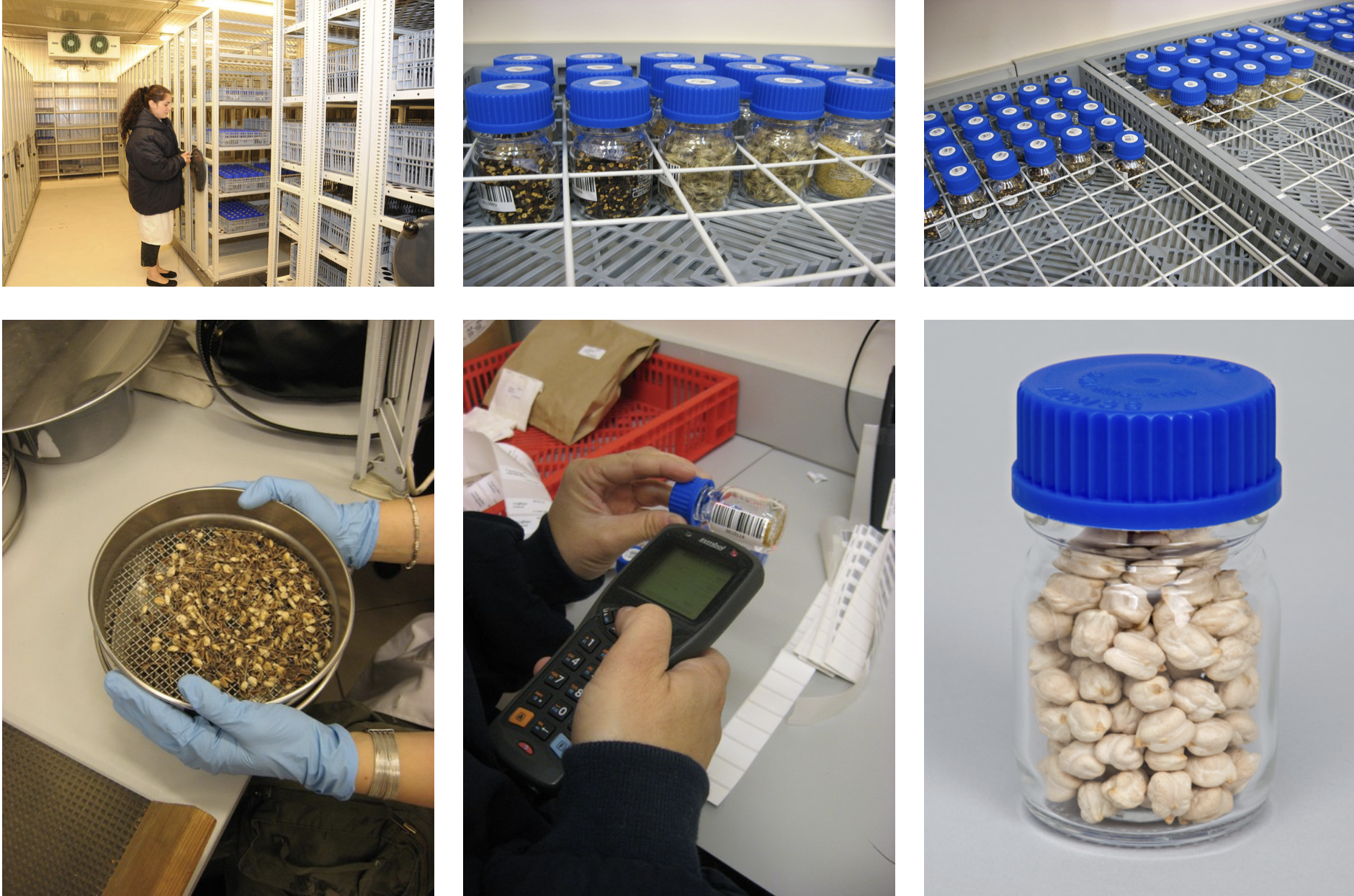
Israel is home to one of the most advanced seed banks in the Middle East. The country’s national seed bank, the Israel Plant Genebank which is located at the Agricultural Research Organization (ARO) in Beit Dagan (also known as the Volcani Center), was established in 1921 and has since become one of the world’s leading centers for plant genetic resources conservation. The center engages in traditional crop breeding as well as high-tech gene research.
The Israel Gene Bank and ARO collections include 30,000 samples from approximately 2070 different species. Around 15,000 of these samples were collected in Israel, primarily from wild populations.
The seed banks also hold cultivars and commercial varieties from 152 countries on missions when Israeli scientists look for seeds that can adapt to commercial cultivation in Israel. This kind of research started in Israel in the 1800s at Mikve Israel, a Jewish settlement and agricultural school between Jaffa and Jerusalem. The village is now home to Tel Aviv’s Waldorf School, Hinuch Aviv.
The Arava Institute in the desert also holds a seed bank.
Seed bank in Lebanon

Lebanon is home to the Lebanese Agricultural Research Institute (LARI), which is responsible for conserving and preserving the genetic resources of crops in the country. The institute has collected and conserved thousands of samples of crop seeds from across Lebanon, including varieties of wheat, barley, lentils, and chickpeas. A quick look and the website is not working, a sign of the lack of functioning in the Lebanese government experiencing major power outages daily.
But ICARDA, which opened the seed bank in Syria is headquartered in Lebanon. ICARDA’s work in Lebanon is made possible through the support of Lebanon’s LARI, the FAO, UNDP, GCDT, European Commission and in collaboration with the Lebanese University, and the American University of Beirut.
ICARDA today runs four main research stations in the Central Bekaa Valley: Tel Amara, Haush-Sneid, Kfardan and Terbol. Together these centers reflect the three different agro-climatic zones in Lebanon: Mediterranean, coastal and semi-arid climates. Scientists there run trials of winter crops, spring chickpea, and summer crops at the centers.
Terbol, the biggest of the four research stations, is an excellent site for disease screening mainly for durum wheat, bread wheat, and food legumes. Tests contributing to the development of improved production systems for barley, lentil, grasspea and faba beans.
Seed banks in Turkey
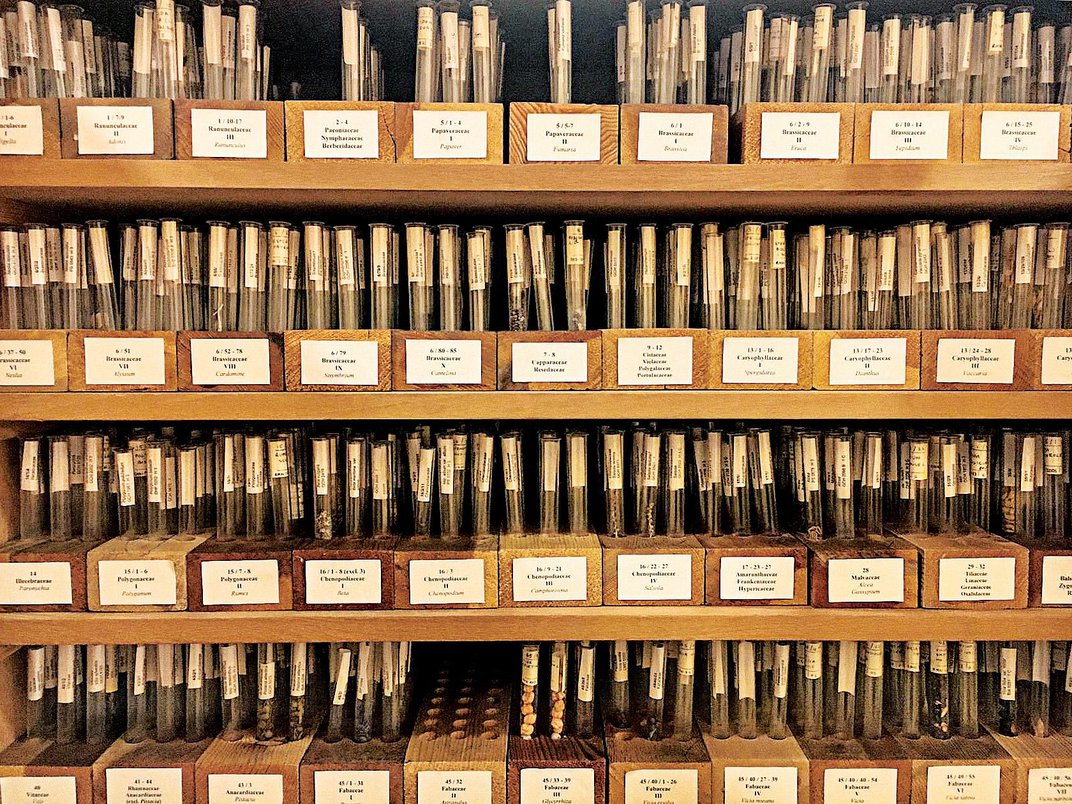
Turkey is home to several seed banks, including the Turkish Seed Gene Bank (TSGB), established in 2010 as a unit of Central Research Institute for Field Crops. Turkey is also home to the Aegean Agricultural Research Institute (AARI), which is responsible for conserving and preserving the genetic resources of crops in the Aegean region. Like all the websites in the Middle East, information is outdated and lacking so contact specific researchers for the most current research in the field.
Back in 2020 Turkey raided a British Institute in Ankara and seized a seed collection collected by a British researcher in 1969. The Turks said they don’t want their seeds plundered. There is an important debate on ownership of seed diversity. Should it belong to one culture, nationality or time? Or do these seeds belong to all humanity? Questions worth asking.
Many of the seed varieties that are stored in the Levant area seed banks are at risk of extinction due to a range of factors, including climate change, urbanization, and conflicts which seem to be never-ending. If archeologists and researchers from the past didn’t save them, would they have been saved?
For example, many varieties of emmer wheat that have been grown in the Middle East for thousands of years are at risk of disappearing due to the increasing use of high-yield modern varieties that are more resistant to pests and diseases. Should they be held for safe-guarding by other nations? Or should they stay in the Middle East?

There are local heroes starting to grow local and heirloom varieties. You will find them when you start looking. Now is the time to start the debate and actions towards saving our seeds.