
Starting a seed bank at home is a great way to preserve family traditions of food and gardening. You don’t need to be a biologist or forester: Many families have unique heirloom seeds that have been passed down from generation to generation. Look to your backyard or your old family cottage. Collecting and storing seeds of food and plants you love is a great way to ensure that these traditions continue, but it is also a way to preserve biodiversity and promote sustainability. Nothing says I love you more than a pack of seeds.
Here are 10 steps and tips to help you start a seed bank at home:
-
Determine what seeds you want to collect: The first step in starting a home seed bank is to determine which seeds you want to collect. Think about the fruits, flowers vegetables, trees, and herbs that your family enjoys eating and growing. Tomatoes are a good start. Consider collecting seeds from plants that have been grown in your family for generations or that have sentimental value. Taking a trip back to your ancestral home? Collect seeds. Just check on laws about importing them to your country if you live on a different continent. If your family are an immigrant family, think about what your grandmother loved to eat “back home”.
-
Choose the right time to collect seeds: It is important to collect seeds when they are mature and viable. Most seeds are ready to be collected when the fruits or vegetables are ripe and ready to be harvested and eaten. However, some seeds, such as tomato seeds, might need to be soaked before they can be stored.
-
Collect the seeds: Collecting seeds is easy and can be done with minimal tools. Fingers will do. Simply remove the seeds from the fruit or vegetable and let them dry on a paper towel for a few days. For small seeds, like tomato seeds, place the seeds and pulp in a jar of water and let them soak for a few days. Once the seeds have separated from the pulp, rinse them with water and dry them on a paper towel. Consider a seed savers party, with wine!

Bring out the girls for a seed exchange party in the garden. -
Label your seeds and have fun when naming them: I tell myself when I collect seeds that I will remember where they came from but so many seeds look like the same especially those in the melon family. It is important to label each type of seed to keep track of what you have collected. Use a permanent marker on a jar or label and write the name of the plant, the variety or nickname if it has one, date the seeds were collected, and any other important information, such as the location where the seeds were collected. You can also start making up nicknames for seeds that you love. Yan from Piebird sells the Purple Moustache Bean, Strange Squash from Outer Space and the Bicycling Carrot Seeds.
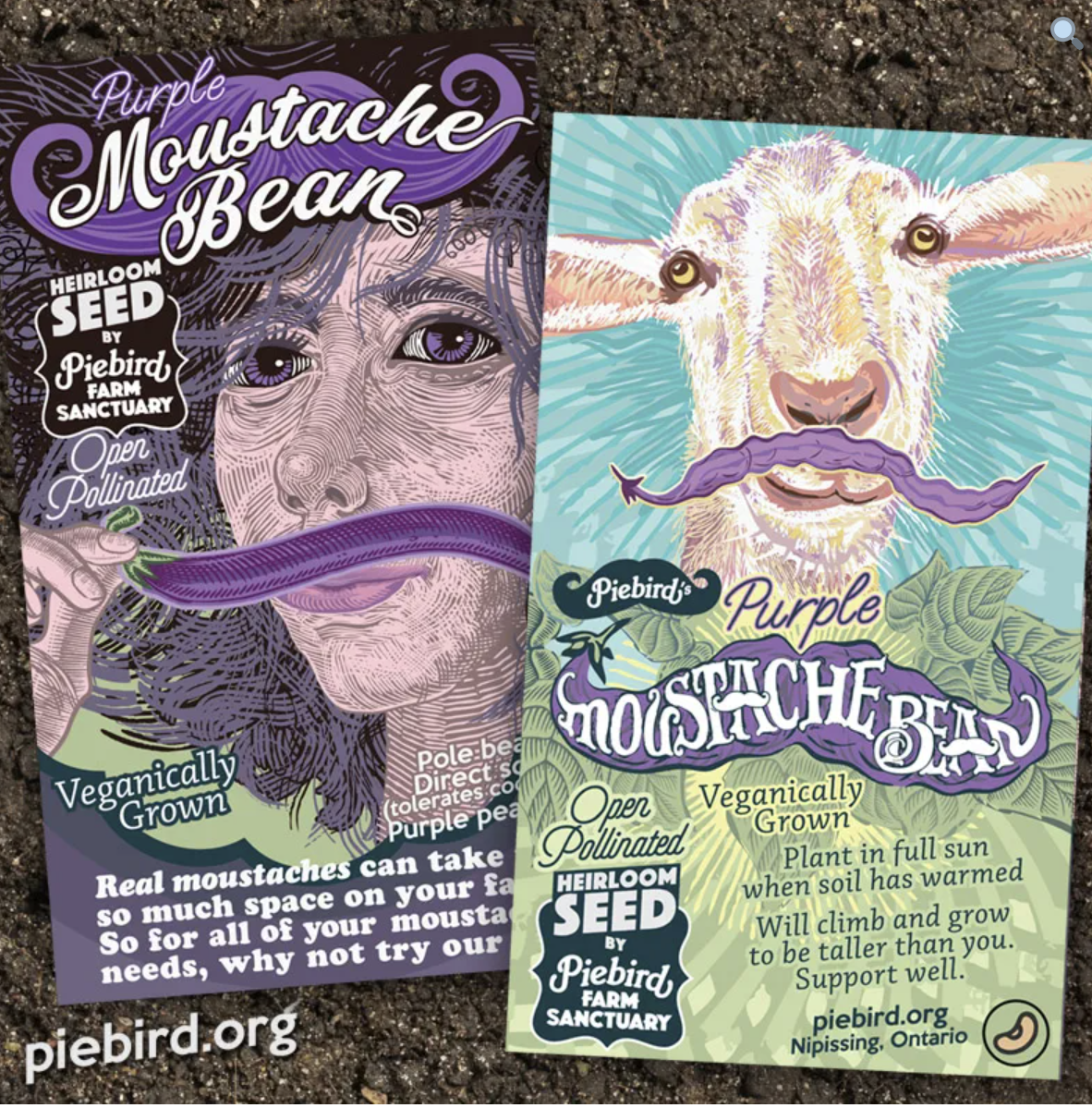
Real moustaches can take up so much space on your face. So for all your moustache needs, why not try our Purple Moustache Beans! -
Store the seeds in a cool, dry place: Once the seeds are dry and labeled, store them in a cool, dry place. A pantry, root cellar, or basement is a great location for storing seeds. If you want to store for years the freezer or fridge can work but you need to be mindful about blasts of humidity which will ruin the seeds. A friend of mine stores tomato cultivars this way but make sure the seeds are dry before you freeze.
-
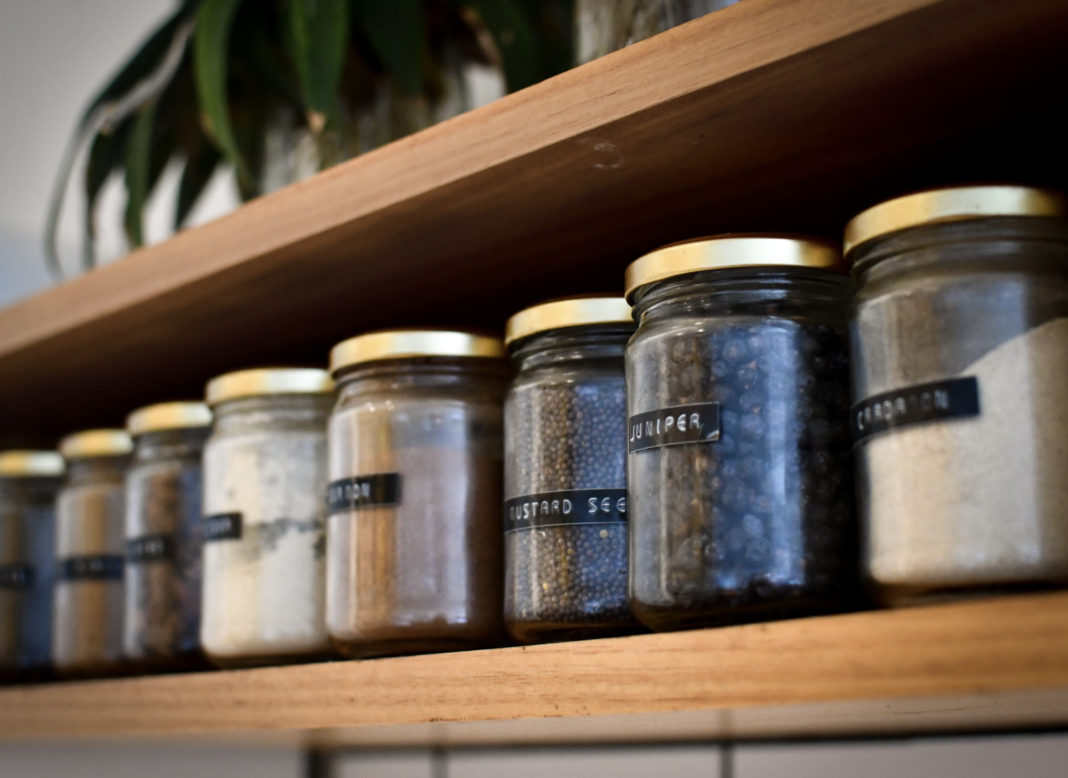
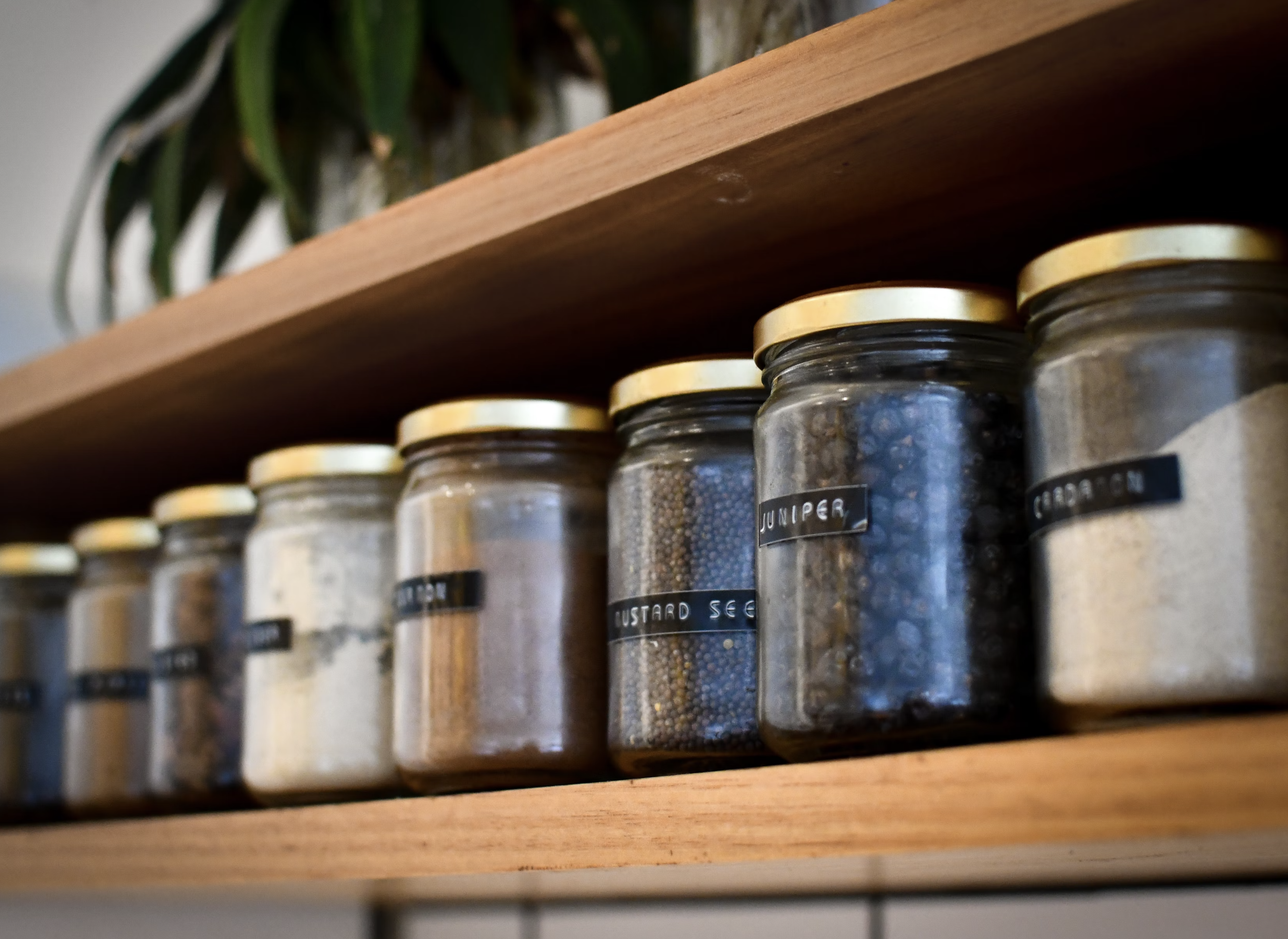
Let the seeds dry in paper bags but then store them in airtight containers: It is important to store seeds in airtight containers to prevent moisture and pests from damaging the seeds. Use glass jars or plastic containers with tight-fitting lids to store seeds.
-
Check on your seeds periodically: It is important to take a peek to ensure that they are still viable. To test the viability of seeds, place a few seeds on a damp paper towel and wait a few days to see if they sprout. If the seeds do not sprout, they may not be viable and should be thrown out. The longer seeds are stored the less the seeds will be viable.
-
Share your seeds: Seed banks are meant to be shared with others. Consider sharing your seeds with family members, garden markets, with friends, or at local gardening groups. Start up a seed share at your kid’s school. With local chefs. This not only helps to preserve biodiversity, but it also helps to promote sustainability by encouraging others to grow their own food. Some libraries like in Newmarket, Ontario have an active seed bank where you can leave and collect the seeds you don’t yet have. A win for everyone.
-
Save seeds from year to year: Once you have started a seed bank, it is important to save seeds from one year to the next. This not only ensures that you have a steady supply of seeds for planting, but it also helps to preserve biodiversity by maintaining the genetic diversity of your plants.
-
Learn about seed saving: Seed saving is a skill that can be learned and improved over time. There are many resources available, including books at your library, in online resources, and gardening groups. Learn more about seed saving and how to improve your skills. Some people might want to turn this into a little business once the skills turn expert level. Consider that cannabis seed selling has been going on for decades. Now with an ounce of tomato seeds costing more than an ounce of gold, your future career might be in seeds.
Starting a seed bank at home is a great way to preserve family traditions of food and gardening. By following these 10 steps and tips, you can collect and store seeds safely and help to promote biodiversity and sustainability. Happy seed saving! Next up: beekeeping.