January’s seasonal produce celebrates nettles and sage

nettles and sage

Rainy, muddy winter brings out the best of January produce in the Middle East.

Our hot summers seem far away right now, but Middle Eastern winters are all too short. With ever-present water problems, we treasure every drop of rain and rejoice in the sight of succulent greenery springing up everywhere.

Wild edibles are at their best now. Leafy greens like Jerusalem sage, found in Arab markets, give you green energy to get through the brief cold season. Explore the shuk with Green Prophet and see what winter brings to the Middle Eastern kitchen.

Root vegetables like white and sweet potatoes, carrots, parsley root, turnips, radishes, and celeriac are full and fat. Purple carrots may be found in Arab markets. Try our Moroccan carrot salad with these purple carrots. Fennel bulbs are full and sweet now as well.

When root vegetables are excellent, a simple cooking idea is to chop them into coarse chunks, turn them over in olive oil and your favorite spices with salt and pepper, and roast in a medium oven till done. Spices like paprika and cumin lightly accent the earthy flavor of the vegetables without detracting from their sweetness. Turnips should be peeled before cooking, as their peel is bitter.

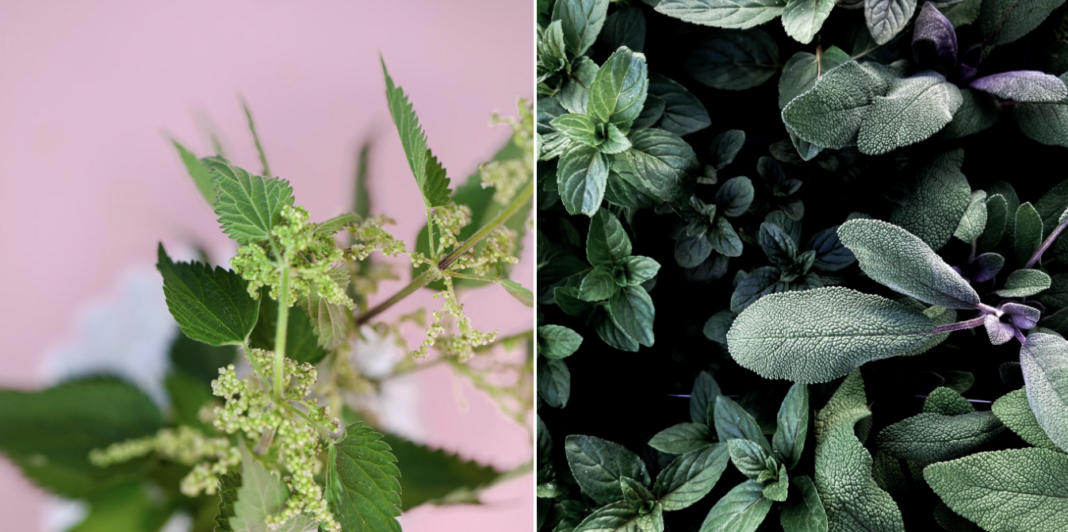
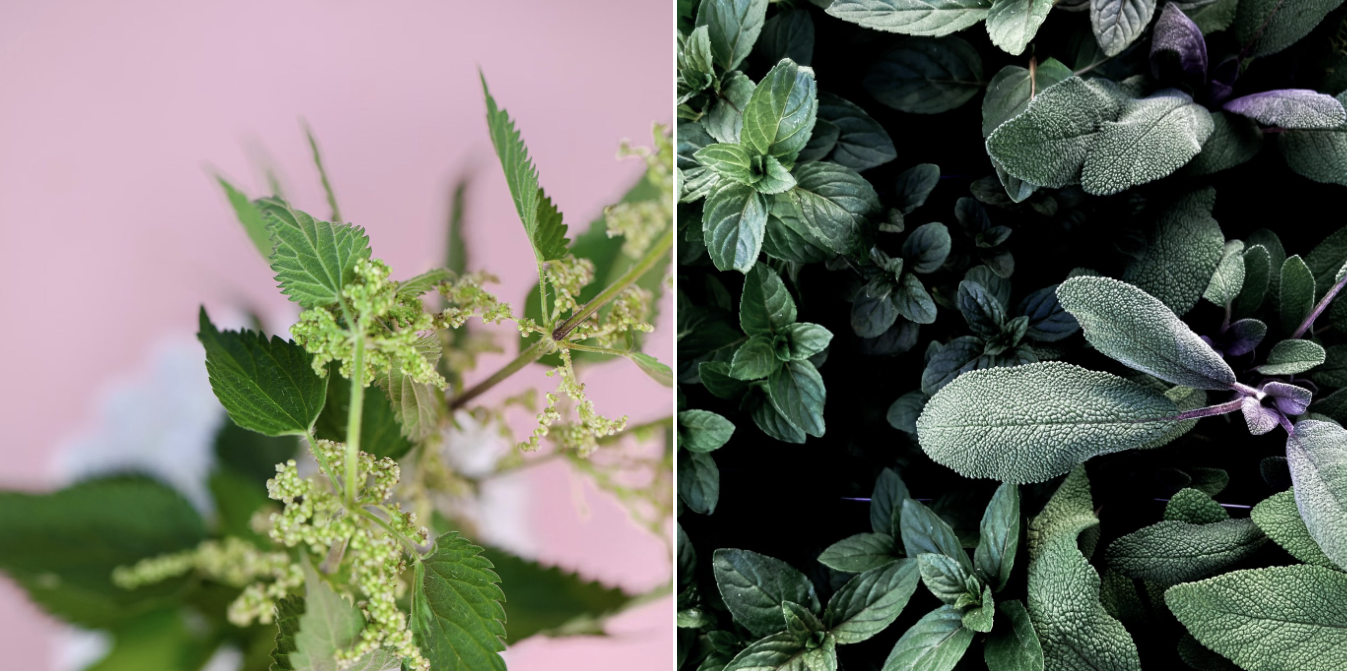
Leafy greens are beautiful and inexpensive now too; Swiss chard and lettuce for example. Notable in Arab markets is Marmia, or Jerusalem Sage, pictured below. The Middle Eastern Jerusalem Sage is not a cooking herb nor the decorative garden plant also known by that name, but Salvia hierosolymitana, an edible broad leaf suitable for stuffing. We have a Jerusalem sage recipe here.

image-jerusalem-sage

Artichokes continue to flourish and come down slightly in price. Look for the tiny wild artichokes,  Akub, in the coming few weeks – in hilly regions and Arab markets everywhere.

Vegetables. Although peppers and tomatoes are best and cheapest in hot weather, there are plenty of both in the markets now. For a foretaste of summer, make some Muhamarra pepper spread. Onions are looking a little sad, but there are plenty. Just choose each one carefully and don’t oversupply yourself, as they’re ready to sprout the minute you get them into your warm kitchen. Local garlic is sprouting freely; here in the Middle East we’re resigned to discarding some of the garlic we stored away to dry last spring.

Fleshy orange pumpkins, zucchini, and local squashes are good now, as are big purple eggplants. These big eggplants are excellent stuffed with bulgur, as in our recipe. The standard winter vegetables: broccoli, cauliflower, kohlrabi, and cabbages are dependably in good shape and with average prices.

Fruit. Strawberries have appeared, but their flavor is weak and they’re expensive. Not worth buying yet unless you can’t resist an early taste of springtime.  Citrus fruit continues strong: lemons (and now’s the time to make our salty preserved lemons), oranges, loquats, clementines. Persimmons are in the markets, as are some passiflora.

Avocados are wonderful right now, although they’re a fruit that’s most often treated as a vegetable. Apples, being an autumn fruit that stores well, continue abundant and sweet. Avoid the imported varieties currently in the markets: they are juicy but flavorless. Who needs imported when local is so much greener (and sweeter), anyway?

hamutal dotan srawberries
Hamutal Dotan goes strawberry picking and then cans her jam. Learn how.

Herbs enjoy cool weather too. Fresh za’atar, oregano, and mint are good for using fresh and for drying. Watercress, sage, thyme, sorrel, parsley, coriander leaf, rocket, arugula, and basil are prime for flavoring foods and sauces. Mint is lovely now too, great fresh in tea and for drying.

Fresh za’atar

Foragers’s Notes: Seek edible and medicinal herbs now; their best time of year has already started. Nettles are in full flush. Pick them carefully and hang upside down in small bunches to dry. Any soup or stew is improved with nettles, and a tea of 1 tsp. dried, crumbled herb per cup water, covered and left to cool for 4 hours, brings hemoglobin up (drink 1/2 cup 3x daily).

nettles with pink hipster background
Nettles make a great rinse for the hair and are replenishing in tea. Pick them before they flower like this.

Young milk thistle leaves also need care in picking as their prickly edges cut. But they’re a nutritious, valuable and free vegetable. Scissor off their edges before cooking. Mallows and chickweed are soft-leaved, abundant, and easy to eat. Cape sorrel, with its sour flowers and leaves, is still a favorite with small children (and grandmothers). Wild mustard can be seen everywhere now.

The tender young leaves and flowers are very good, if you like a sharp mustard flavor, especially with fish. Herbs with no great culinary but good medicinal value are out now too: cleavers, fumaria, shepherd’s purse, marigolds.

Edible or Toxic? Look for edible mushrooms after a rainy day, but always – always – be guided by a trustworthy and experienced mushroom hunter.

Basket of mushrooms, Ontario Canada

People sicken and die of mushroom poisoning every year. Mandrakes are beginning to push their rosettes up, but I advise admiring, rather than eating, their purple fruit when it does ripen in spring. It is toxic to a degree.

mushroom hunting and identification
Hunt for mushrooms with an expert. Only eat if you can ID them in a book and if your mushroom expert is certain they are safe. Raven Littleone is a mushroom expert we trust.

Recipes using these delicious winter vegetables on Green Prophet:
 

Miriam Kresh
Miriam Kreshhttps://www.greenprophet.com/
Miriam Kresh is an American ex-pat living in Israel. Her love of Middle Eastern food evolved from close friendships with enthusiastic Moroccan, Tunisian and Turkish home cooks. She owns too many cookbooks and is always planning the next meal. Miriam can be reached at miriam (at) greenprophet (dot) com.
2 COMMENTS

Comments are closed.

Hot this week

How Renewable Energy is Revolutionizing the Way We Power Our World

Solar has become the star of the transition thanks to modular hardware and straightforward installation. It fits dense cities and remote towns alike. Many companies are turning to rooftop arrays and carport systems - and exploring commercial solar installation as a practical way to lock in future savings.

How does one start prepping?

Faced with an extreme winter storm this year, Americans wonder how to be prepared for catastrophe. Miriam has lived through wars in the Middle East - so she's prepared on giving you a guide to prepping.

Fishermen sue tire manufacturers on behalf of the salmon

A federal trial in San Francisco has brought US tire manufacturers, fishing groups, and environmental scientists into court over a chemical most drivers have never heard of — but which scientists say may be silently reshaping aquatic ecosystems.

Listening to Water: Tarek Atoui’s Next Work for Tate Modern

Born in Beirut, Lebanon in 1980 and now living in Paris, Atoui has spent years building instruments that don’t sit comfortably in concert halls. Many of them involve water, glass, and ceramics — materials that react to sound instead of simply producing it.

Leading Through a Dual-Energy Transition: Balancing Decarbonisation with Energy Security

Experience in one area of the energy industry isn't enough to guarantee readiness across all the others. That's where a structured program like an MBA in energy can come in. Today's advanced curricula explore energy economics, finance, policy, and strategic management alongside the technical subjects. And when pursuing an energy MBA online, professionals can skill up and retrain without having to step out of the labor market -- an important perk at a time when skilled professionals are already in short supply.

Topics

How Renewable Energy is Revolutionizing the Way We Power Our World

Solar has become the star of the transition thanks to modular hardware and straightforward installation. It fits dense cities and remote towns alike. Many companies are turning to rooftop arrays and carport systems - and exploring commercial solar installation as a practical way to lock in future savings.

How does one start prepping?

Faced with an extreme winter storm this year, Americans wonder how to be prepared for catastrophe. Miriam has lived through wars in the Middle East - so she's prepared on giving you a guide to prepping.

Fishermen sue tire manufacturers on behalf of the salmon

A federal trial in San Francisco has brought US tire manufacturers, fishing groups, and environmental scientists into court over a chemical most drivers have never heard of — but which scientists say may be silently reshaping aquatic ecosystems.

Listening to Water: Tarek Atoui’s Next Work for Tate Modern

Born in Beirut, Lebanon in 1980 and now living in Paris, Atoui has spent years building instruments that don’t sit comfortably in concert halls. Many of them involve water, glass, and ceramics — materials that react to sound instead of simply producing it.

Leading Through a Dual-Energy Transition: Balancing Decarbonisation with Energy Security

Experience in one area of the energy industry isn't enough to guarantee readiness across all the others. That's where a structured program like an MBA in energy can come in. Today's advanced curricula explore energy economics, finance, policy, and strategic management alongside the technical subjects. And when pursuing an energy MBA online, professionals can skill up and retrain without having to step out of the labor market -- an important perk at a time when skilled professionals are already in short supply.

From Green Energy to Healthy Societies: Why old systems thinking is becoming relevant again

Across the Middle East and North Africa, large investments are being made in green hydrogen, renewable energy, water infrastructure and sustainability. Most of these efforts are discussed in the context of climate change, decarbonization and economic diversification. That framing is important, but it may not capture their full value.

We saw peace – an interreligious encounter deep in our eyes

They came from Israel, Palestine, Jordan, Iraq, Yemen, Morocco, Tunisia, Lebanon, Egypt… There are Sunni Muslims, Shiite Muslims, Jews (Orthodox and Reform), Orthodox Christians, Coptic Christians, Protestant Christians, Druze, Baha'is, a Scientologist.

Can biochar reduce ‘Forever Chemicals’ in food if it’s used in farms?

Biochar is produced by heating organic material in a low-oxygen environment so it does not burn. This process, known as pyrolysis, transforms plant matter into a stable, carbon-rich material.

Related Articles

Popular Categories