Leonardo DiCaprio invests in cruelty-free meatballs

Leonardo Dicaprio, meatless meat, aleph farms, mosa meat, investment

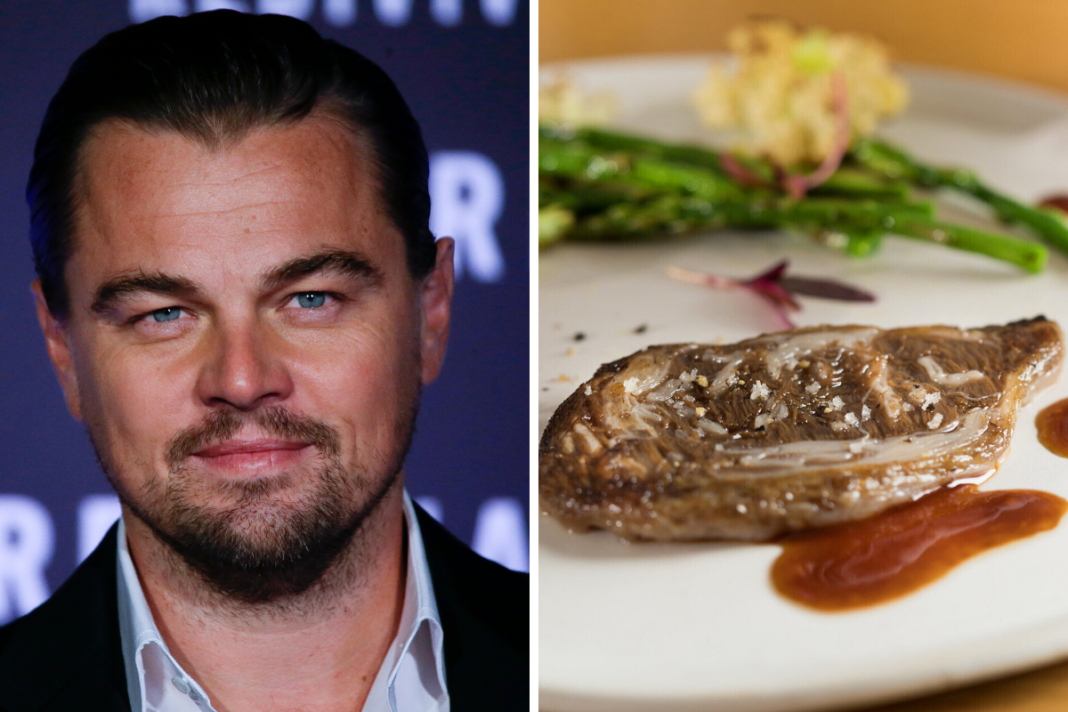
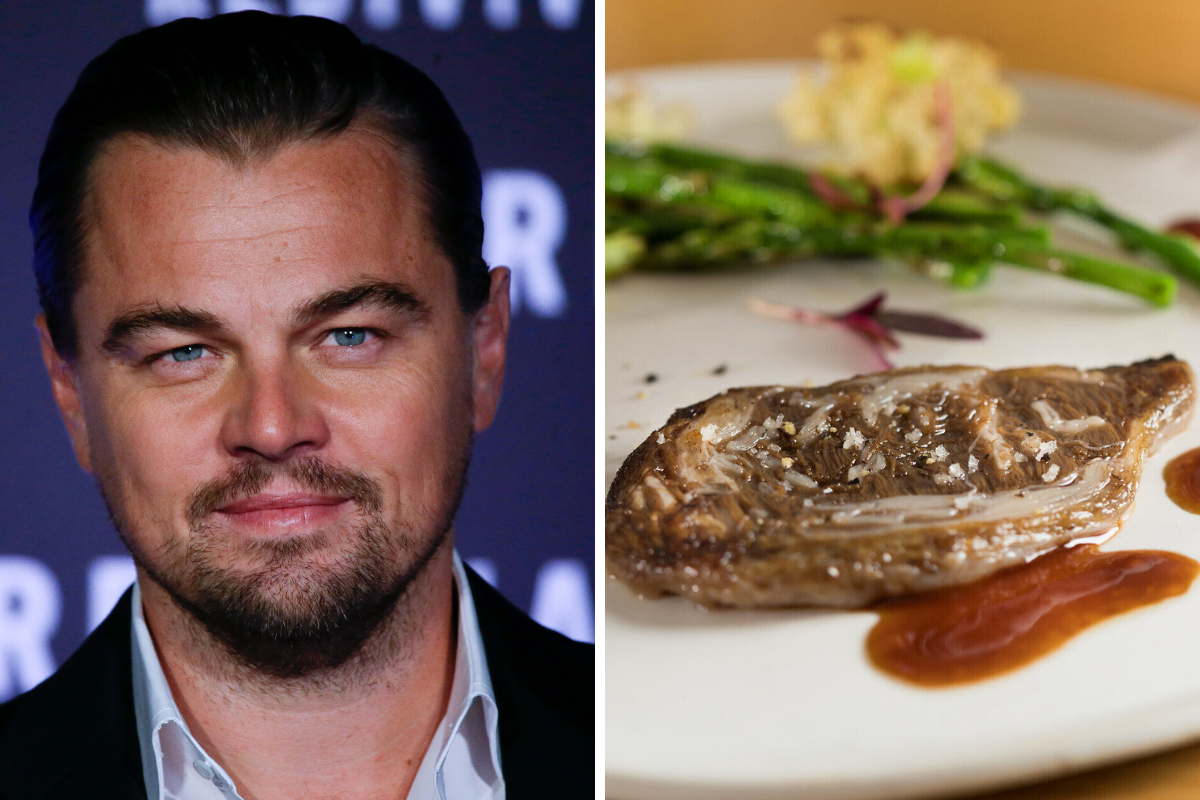
Leonardo DiCaprio, known in his movie roles for What’s Eating Gilbert Grape and Titanic –– and for dating Bar Refaeli – has invested in not one but two alternative meat companies, Aleph Farms, based in Israel, and Mosa Meat from the Netherlands. Unlike the Impossible Burger and the OSI Group which creates alternative protein from peas, which is tasty, but hard to digest, Aleph and Mosa create meat in a lab using original cells from a real animal.

The idea is to create real meat that tastes like meat, not a plant-based substitute. But lab meat is exactly like meat, removing the suffering and methane gas production, oh and antibiotic use, so the argument goes. 

meatless meat, lab meat, leonardo dicaprio, mosa meat, plate of meatballs
Mosa’s plate of meatballs invested in by Leonardo Dicaprio

One of the most impactful ways to combat the climate crisis is to transform our food system. Mosa Meat and Aleph Farms offer new ways to satisfy the world’s demand for beef, while solving some of the most pressing issues of current industrial beef production. I’m very pleased to join them as an advisor and investor, as they prepare to introduce cultivated beef to consumers,” said DiCaprio.

It’s common for celebrities to invest in startups, especially Israeli ones. Leonardo is in the footsteps of other Hollywood actors like Ashton Kutcher. 

Both Mosa and Aleph have demonstrated the ability to grow beef directly from animal cells, with the unveiling of the first cultivated hamburger by Mosa Meat in 2013 and the first cultivated steak and ribeye by Aleph Farms in 2018 and 2021 respectively. The meat made still costs a mini fortune but new investments will help the companies scale production and cut back costs.
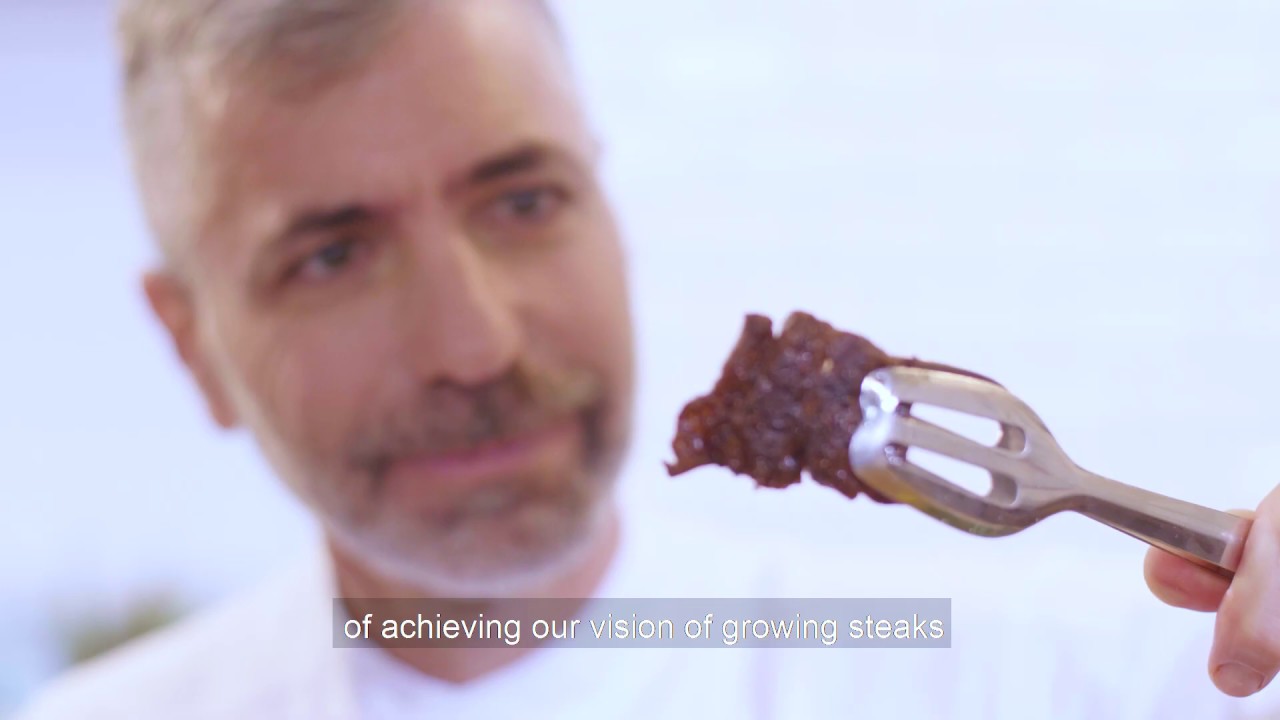
aleph farms engineered slaughter free meat, man looking at a piece of it
Aleph Farms are growing steaks in a lab. For now they might cost $2000 a pound but the goal is to grow to scale
Some of us have turned vegan or vegeaware or at least participate in Meatless Mondays. Eating meat –– until we find a better solution to satisfy meat eaters –– is here to stay. New innovations might help alleviate climate problems, as well as a growing interest to return back to the land, hunt one’s own meat, and eat less or whole animal meat eating. 

With global meat consumption projected to grow 40-70% by 2050, cultivated meat offers a solution to greatly reduce the current negative impacts of industrial beef production. Analysts project the cultivated meat market could reach $25 billion by 2030, as part of the broader protein transformation.

According to an independent Life Cycle Analysis study, cultivated beef production is projected to reduce climate impact by 92%, air pollution by 93%, use 95% less land and 78% less water when compared to industrial beef production.

The automated process through which cultivated meat is produced, and the sterile environment of its manufacturing, will eliminate the use of antibiotics and greatly reduce the risk for pathogens, contaminants, and foodborne illnesses associated with concentrated and intensive animal farming.

Cultivated beef production offers the opportunity to use the spare land for re-wilding habitats which would naturally reduce emissions or for producing more food for people. Can we finally stop cutting down more Amazon rainforest? That’s us doing it – not them.


 

Karin Kloosterman
Karin Kloostermanhttp://www.greenprophet.com
Karin Kloosterman is an award-winning journalist, innovation strategist, and founder of Green Prophet, one of the Middle East’s pioneering sustainability platforms. She has ranked in the Top 10 of Verizon innovation competitions, participated in NASA-linked challenges, and spoken worldwide on climate, food security, and future resilience. With an IoT technology patent, features in Canada’s National Post, and leadership inside teams building next-generation agricultural and planetary systems — including Mars-farming concepts — Karin operates at the intersection of storytelling, science, and systems change. She doesn’t report on the future – she helps design it. Reach out directly to [email protected]

Hot this week

Why Health Systems Are Reaching a Turning Point

Health emerges from a continuous energy and material flow from water through food to human physiology. Technical energy systems support this cycle through water treatment, agriculture, and infrastructure.

Sustainability That Sells: How Profit and Purpose Come Together in the Hive

Whether you are a commercial grower, hobbyist beekeeper or retail equipment supplier, this system opens a new income stream with minimal environmental impact.

The Fitness App Revolution: Building the Future of Wellness Through Strategic Development

In an era where smartphones are ubiquitous and health consciousness is at an all-time high, the fitness industry has undergone a radical digital transformation. Fitness applications have moved far beyond simple pedometers, evolving into comprehensive wellness platforms that serve as personal trainers, nutritionists, and community hubs right in our pockets.

A Brief History of Basil From India to Italy

Beloved, fortunate, sweet, and royal; an herb with a long and storied history in Asia and across the world. Called by many names, basil has featured in previous Green Prophet articles, so enjoy another serving, a brief history of basil.

How Renewable Energy is Revolutionizing the Way We Power Our World

Solar has become the star of the transition thanks to modular hardware and straightforward installation. It fits dense cities and remote towns alike. Many companies are turning to rooftop arrays and carport systems - and exploring commercial solar installation as a practical way to lock in future savings.

Topics

Why Health Systems Are Reaching a Turning Point

Health emerges from a continuous energy and material flow from water through food to human physiology. Technical energy systems support this cycle through water treatment, agriculture, and infrastructure.

Sustainability That Sells: How Profit and Purpose Come Together in the Hive

Whether you are a commercial grower, hobbyist beekeeper or retail equipment supplier, this system opens a new income stream with minimal environmental impact.

The Fitness App Revolution: Building the Future of Wellness Through Strategic Development

In an era where smartphones are ubiquitous and health consciousness is at an all-time high, the fitness industry has undergone a radical digital transformation. Fitness applications have moved far beyond simple pedometers, evolving into comprehensive wellness platforms that serve as personal trainers, nutritionists, and community hubs right in our pockets.

A Brief History of Basil From India to Italy

Beloved, fortunate, sweet, and royal; an herb with a long and storied history in Asia and across the world. Called by many names, basil has featured in previous Green Prophet articles, so enjoy another serving, a brief history of basil.

How Renewable Energy is Revolutionizing the Way We Power Our World

Solar has become the star of the transition thanks to modular hardware and straightforward installation. It fits dense cities and remote towns alike. Many companies are turning to rooftop arrays and carport systems - and exploring commercial solar installation as a practical way to lock in future savings.

How does one start prepping?

Faced with an extreme winter storm this year, Americans wonder how to be prepared for catastrophe. Miriam has lived through wars in the Middle East - so she's prepared on giving you a guide to prepping.

Fishermen sue tire manufacturers on behalf of the salmon

A federal trial in San Francisco has brought US tire manufacturers, fishing groups, and environmental scientists into court over a chemical most drivers have never heard of — but which scientists say may be silently reshaping aquatic ecosystems.

Listening to Water: Tarek Atoui’s Next Work for Tate Modern

Born in Beirut, Lebanon in 1980 and now living in Paris, Atoui has spent years building instruments that don’t sit comfortably in concert halls. Many of them involve water, glass, and ceramics — materials that react to sound instead of simply producing it.

Related Articles

Popular Categories