

The United Arab Emirates (UAE, or the Emirates) and Israel signed an historic peace deal last month. For decades Muslim nations have boycotted and snubbed Israel in trade and tourism. It was so bad in the 70s with an oil embargo that Israel had only a handful of allies to help them buy energy. The strain caused Israel to develop in new ways, in solar energy and natural gas exploration.
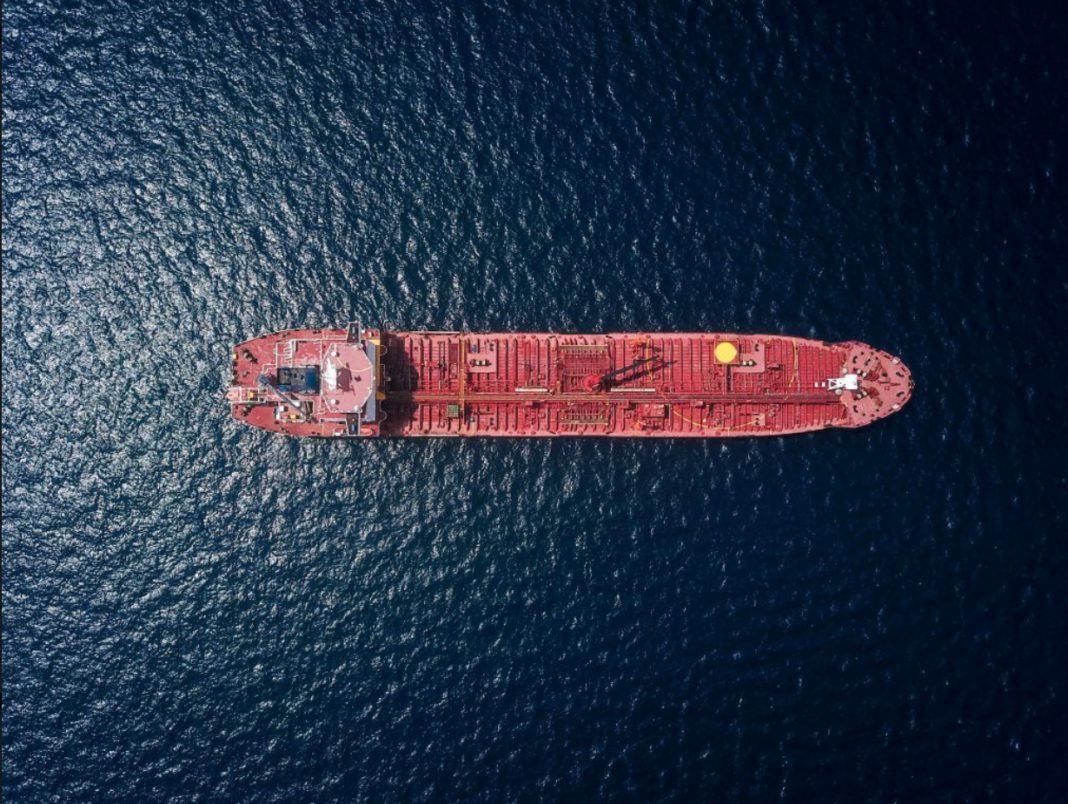
A new deal in the wake of a blooming love story between Israel and the Emirates has led to a landmark oil deal between Israel and the Emriates. In the deal, Emirate crude oil will be transported through the Indian Ocean and Red Sea by tanker, then shipped by pipeline through existing pipelines in Israel.
From there the oil will be shipped to Europe and other nearby locations, hopefully avoiding the Taliban and the Houthis in Yemen along the way, because piracy is still an issue. Read about the sinking oil tanker off the coast of Yemen which could cause an oil spill 5 times the size of the Exxon Valdez.
The new deal will be managed through a company called the Red-Med Land Bridge based in the Emirates and it is actually a joint venture between several companies: Petromal, the oil and gas arm of Abu Dhabi’s National Holding and AF Entrepreneurship, an Israeli company.
The Red Med Land Bridge will work with Israel’s Europe-Asia Pipeline Co. (EAPC) to transport Emirati oil through Israel starting at its Red Sea port up to Haifa, which is an important energy transport hub to Israel and the rest of Europe.
In the deal, the Red Med Land Bridge will transport oil from the Gulf state and Eastern markets to the West via pipelines linking the Mediterranean to the Red Sea, as part of new commercial agreements between the two countries.
The agreement “offers oil producers and refiners the shortest most efficient and cost-effective route to transport oil and oil products from the Arabian Gulf to the consumption centers in the West, and provides access for consumers in the Far East to oil produced in the Mediterranean and Black Sea regions,” EAPC offered in a statement.
Storing and processing crude oil in Israel?

The Emirates is one of OPEC‘s third-largest oil producers and they struck a peace deal with Israel in Washington on Sept. 15, 2020. The prime minister of the Emirates arrived in Israel on Oct. 20 to consolidate trade deals and tourism, which will include visa-free entry to both countries.
A high level Emirati delegation arrived in Israel on Oct. 20 to sign commercial agreements in agriculture, tourism energy projects that hopefully also include renewable energy. Critics say that at 30% renewables Israel has set a low bar.
The world is still addicted to oil, well we depend on it, but we can bank on the progressive Emirates to lead the way in renewable energy, with Israel as an innovation partner. Israel still only produces a small amount of its energy needs using solar energy, about 5% of its energy needs, but its intentions are there to increase this number.
Some challenges in Israel: Just recently a large wind farm project slated to be built on a UNESCO bioreserve was axed. They said the noise pollution and damage to birds would be too great. Nature lovers and activists are well educated in Israel and it will be interesting to see how they react to an oil pipeline deal, given oil spills do happen in Israel. There was one at the end of October out of Ashkelon, some 2 miles out at sea. Beachgoers in Tel Aviv got their feet covered in sticky tar.
Israel has oil spills in nature reserves to deal with. And an oil spill in the Red Sea port Gulf of Eilat almost destroyed the dying coral reef.
The environment minister Dov Henan had said about the oil spill in Eilat: “During the deliberations of the subcommittee on oil dangers in the Gulf of Eilat, we discovered an alarming picture of neglect and an inability to cope. Unless the laws are changed to better regulate the petroleum industry an oil disaster in Israel is only a matter of time.”
The oil pipeline plan and potential for Israel
The Israeli pipeline company EAPC already has about 200 miles of bi-directional oil pipelines installed with a capacity to carry 30 million mt of crude/year from Eilat to Ashkelon.
Israel consumes 10.5 million mt/year of oil, according to its energy ministry. Meanwhile the Emirates with a production capacity of 4 million b/d, sells most of its oil to Asia, according to S&P. The country sells mainly refined oil products over to Europe, and these are transported via tankers that travel up the Red Sea through to the Suez Canal and then onto Europe through the Mediterranean.
Reviving a lost oil dream with Iran
The Israeli pipeline was built in a joint venture with Iran in 1968, but after the Islamic Revolution in 1979 Israel lost its energy partner. The company changed its name from the Eilat-Ashkelon Pipeline Co. to EAPC last year in 2019.
The EAPC will help Gulf oil companies bypass the Suez Canal, the manmade canal built by Egypt in the 1960s to link the Red Sea to the Mediterranean Sea, expanding trade from the east to the west. This canal also allowed damaging invasive species like these jellyfish to proliferate.
We can assume that since Israel has struck a deal with Chevron in natural gas that the EAPC may be able to provide infrastructure services in those areas to Europe.
The EAPC route through Israel is a good alternative to the Suez Canal in that the Suez it is limited by tanker size, and the pipeline that exists in Egypt, the SUMED, only carries oil products in one direction from the Red Sea to Sidi Kerir on the Mediterranean Coast. Sending a tanker to ship oil around the Cape of Good Hope is more expensive and slower.
Israel is also proposing an oil pipeline deal with Saudi Arabia. Every OPEC nation is looking to shorten its distance to market and Israel is a good shortcut to take. Especially given its experience in security.
Want to take action in cleaning up the sea? The UN has a new investment guide for bankers. We learned that banks are supporting the burning of the Amazon, whether or not investors at the bank are aware. Be one step ahead and invest in the sea, with this handy toolkit and guide you can download here.