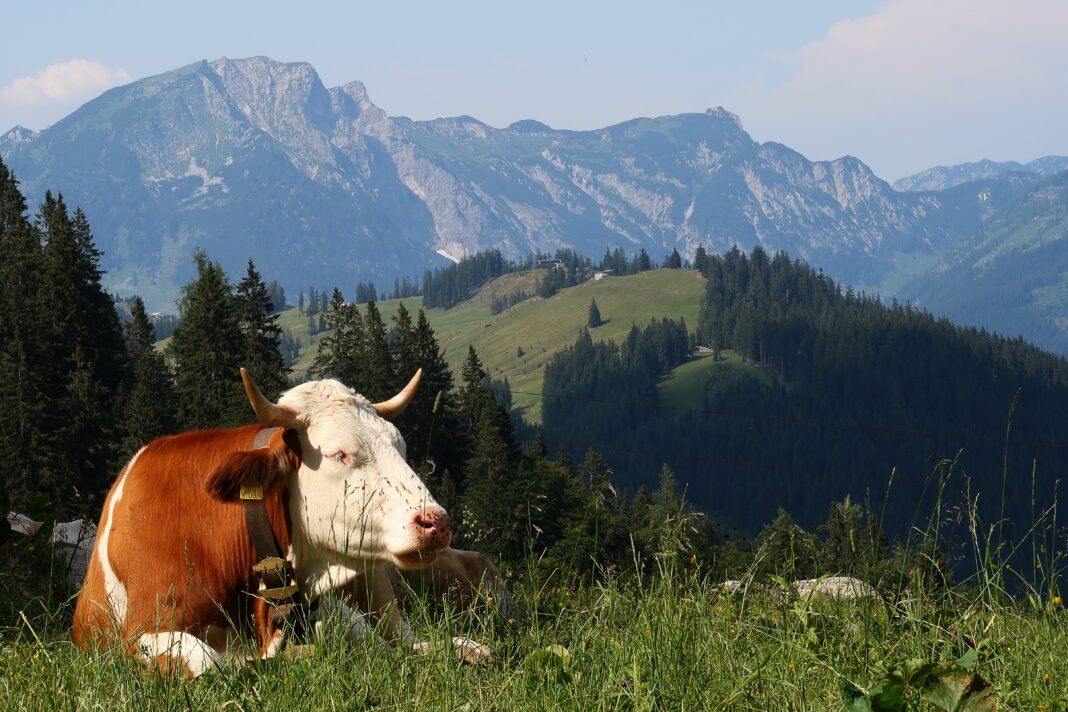
The Slow Food Movement defines Slow Meat

Slow Meat buffalo wild
Meat the Change – What is slow meat? Wild pastured? Whole animal meat. Organic. Raised with spirit? Bought at ethical prices? Slaughtered ethically? All of the above.

The Slow Food movement isn’t against eating meat. It’s for eating whole animal, better quality meat, less often. It is organic meat. Free meat. Happy meat. Are you slow? Take the quiz.

Today Slow Food launched the Meat the Change campaign, with the aim of reaching people all over the world.  The campaign aims to encourage people to reflect on the consequences of their food choices. 

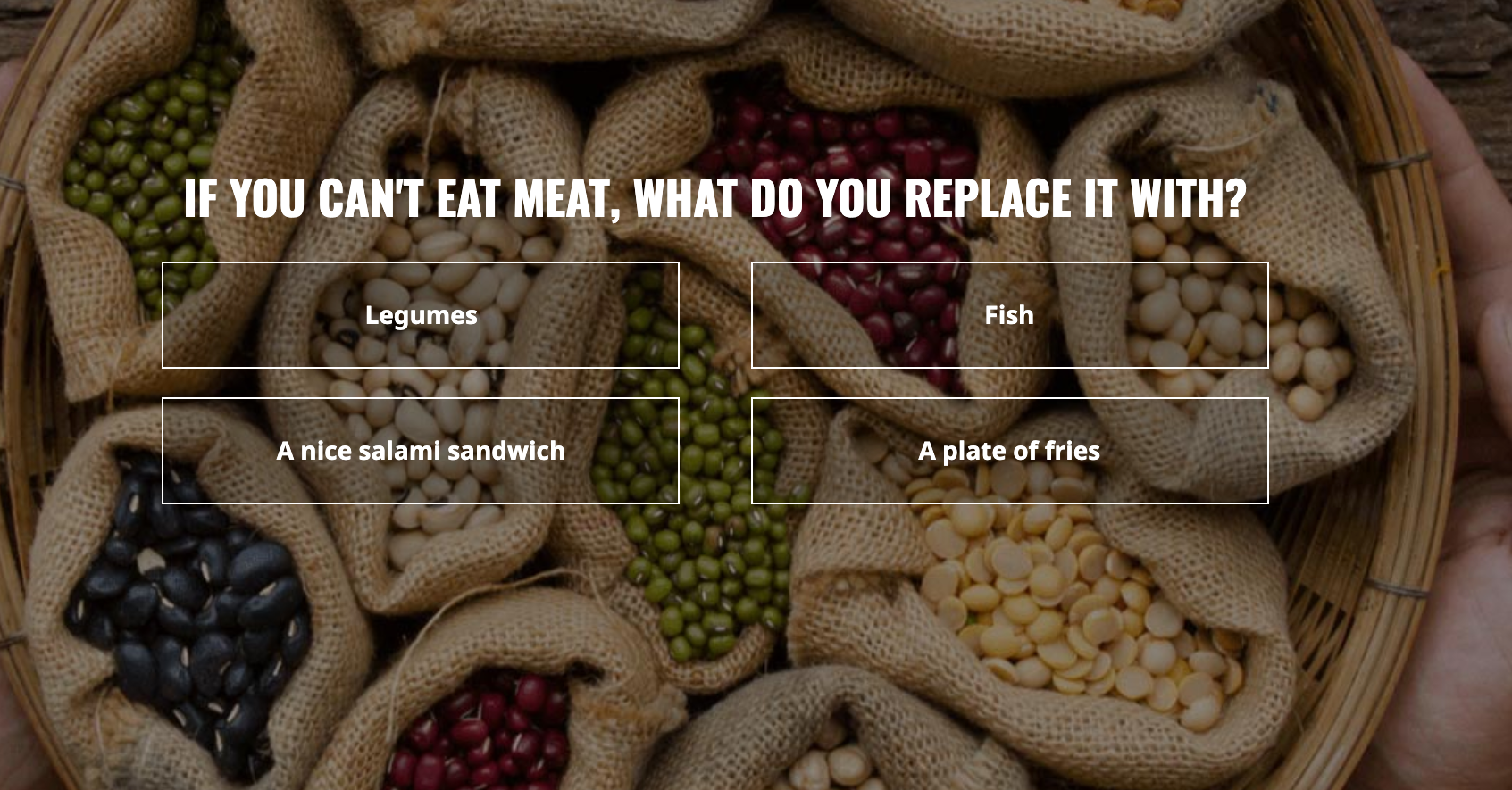
How Slow Are You? is the title of a quiz on eating habits, which asks social networks users to answer multiple choices questions like “How much meat do you eat each week?” and “What criteria do you use for choosing meat when you shop?”.

Based on the final score, the users are judged to be more or less “slow” and receive advice to improve their consumption habits.

What is Slow Meat?
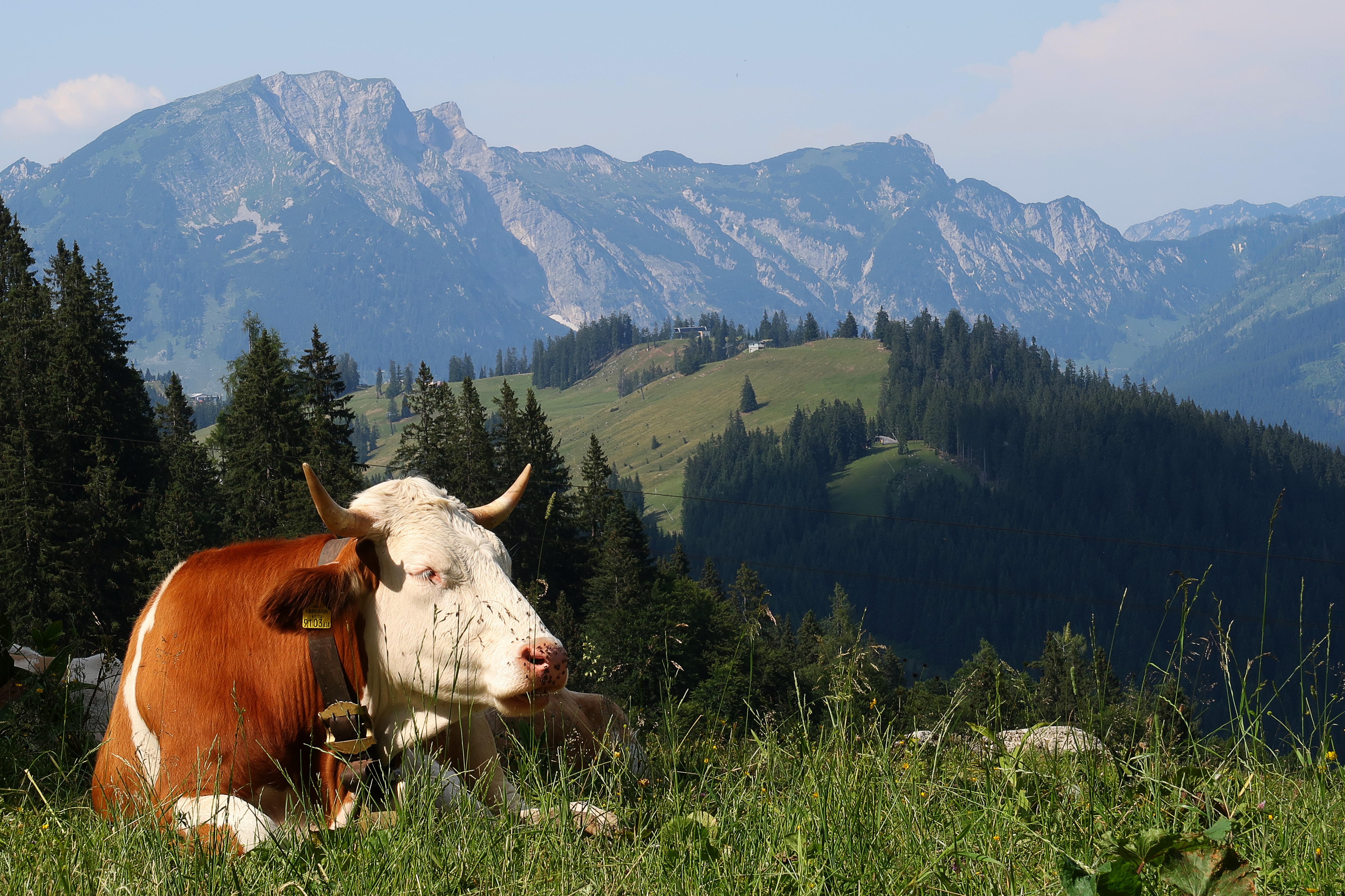
slow meat movement

But what exactly does “being Slow” mean?

It means eating less meat, of better quality. Sustainable farming guarantees quality meat because it puts the welfare of the animals first, leaving them free to move around in open pastures and feeding them with organic feed.

“Being Slow” also means having a lower environmental impact: sustainable farming contributes to the reduction of deforestation, land use, desertification. It can help to save biodiversity and improve soil fertility. A lower number of animals, when raised on pastures, has less impact on the climate. In this sense, the campaign promotes an environmentally- and climate-friendly lifestyle, starting with a lower consumption of meat, and of better, slower meat. It is not, let’s say, meat made with meat glue

Meat Glue (Transglutaminase): The Meat Industry’s Dirty Secret

You are what you eat, eats

The over-consumption of meat from intensive, industrial livestock farming is a serious problem, as demonstrated by numerous studies and surveys. According to the FAO, the livestock sector is responsible for 14.5% of total greenhouse gas emissions, while one third of the world’s cultivated land is used to produce the billion tonnes of feed required to feed these animals: mainly soy and maize monocultures.

Then there are the water resources required: 23% of our globally-available fresh water is used for livestock farming. The intensive farms have also a strong impact on ecosystems in terms of pollution from livestock manure and methane emissions. The animals that live and die in this system are considered as nothing more than simple meat machines, with no regard for their welfare or the distressing conditions in which they live.
The ultimate result is the production of cheap, poor quality meat that has a negative impact on public health, which contributes to antimicrobial resistance and to an increase in cancer and heart diseases.

If global annual meat consumption doubles between now and 2050 (as the FAO has predicted), from over 250 million tonnes of meat to 500 million tonnes, the system will collapse.

“The global industrial farming model forces us to deal with unsustainable environmental and social costs. We need to rethink our consumption in order to imagine a better future and consumer choices are crucial to influence and direct the market supply. However, the solution is not to remove meat from our diet, because a good way of breeding—good for the environment and good with animals—is  essential for good agriculture and quality meat. This is why we need to support those who practice sustainable animal husbandry, often taking care of marginal areas and saving biodiversity, like the many farmers who keep local breeds,” comments Ursula Hudson, member of the International Executive Committee of Slow Food. 

“The campaign is called Meat the Change, with a play on words that invites us to change the meat in our diet while at the same time inviting us to embrace the change. Through more careful consumption choices, we can indeed become protagonists.”

The Meat the Change campaign has been developed in collaboration with Meatless Monday, a non-profit initiative whose goal is to reduce meat consumption by 15% both for our health and the health of the planet.


Karin Kloosterman
Karin Kloostermanhttp://www.greenprophet.com
Karin Kloosterman is an award-winning journalist, innovation strategist, and founder of Green Prophet, one of the Middle East’s pioneering sustainability platforms. She has ranked in the Top 10 of Verizon innovation competitions, participated in NASA-linked challenges, and spoken worldwide on climate, food security, and future resilience. With an IoT technology patent, features in Canada’s National Post, and leadership inside teams building next-generation agricultural and planetary systems — including Mars-farming concepts — Karin operates at the intersection of storytelling, science, and systems change. She doesn’t report on the future – she helps design it. Reach out directly to [email protected]

LEAVE A REPLY

Please enter your comment!
Please enter your name here

TRENDING

Farm To Table Israel Connects People To The Land

Farm To Table Israel is transforming the traditional dining experience into a hands-on journey.

Lion’s Mane Mushroom Recipe

Eyeing the mushrooms for sale in the local supermarket,...

Slow food market Souk el Tayeb in Lebanon celebrates food and Eid El Barbara

What makes Souk El Tayeb in Lebanon remarkable is not only its insistence on local, seasonal produce, but its belief that dignity and sustainability must go hand in hand. Farmers are paid fairly. Villages are uplifted. Traditional recipes are kept alive not as nostalgia but as knowledge systems: real food is carbon-light, waste-free, and is adapted to the land.

Best cheese made without cow milk

Sheep, goat, and buffalo milk create some of the world’s most flavorful cheeses. And if you are going an extra step and can find it, camel milk cheese might be one to try.

Qatar’s climate hypocrisy rides the London Underground

Qatar remains a master of doublethink—burning gas by the megaton while selling “sustainability” to a world desperate for clean air. Wake up from your slumber people.

How Quality of Hire Shapes Modern Recruitment

A 2024 survey by Deloitte found that 76% of talent leaders now consider long-term retention and workforce contribution among their most important hiring success metrics—far surpassing time-to-fill or cost-per-hire. As the expectations for new hires deepen, companies must also confront the inherent challenges in redefining and accurately measuring hiring quality.

8 Team-Building Exercises to Start the Week Off 

Team building to change the world! The best renewable energy companies are ones that function.

Thank you, LinkedIn — and what your Jobs on the Rise report means for sustainable careers

While “green jobs” aren’t always labeled as such, many of the fastest-growing roles are directly enabling the energy transition, climate resilience, and lower-carbon systems: Number one on their list is Artificial Intelligence engineers. But what does that mean? Vibe coding Claude? 

Somali pirates steal oil tankers

The pirates often stage their heists out of Somalia, a lawless country, with a weak central government that is grappling with a violent Islamist insurgency. Using speedboats that swarm the targets, the machine-gun-toting pirates take control of merchant ships and then hold the vessels, crew and cargo for ransom.

Leopoldo Alejandro Betancourt López Turned Ocean Plastic Into Profitable Sunglasses

Few fashion accessories carry the environmental burden of sunglasses. Most frames are constructed from petroleum-based plastics and acrylic polymers that linger in landfills for centuries, shedding microplastics into soil and waterways long after they've been discarded. Leopoldo Alejandro Betancourt López, president of the Spanish eyewear brand Hawkers, saw this problem differently than most industry executives.

Why Dr. Tony Jacob Sees Texas Business Egos as Warning Signs

Everything's bigger in Texas. Except business egos.  Dr. Tony Jacob figured...

Israel and America Sign Renewable Energy Cooperation Deal

Other announcements made at the conference include the Timna Renewable Energy Park, which will be a center for R&D, and the AORA Solar Thermal Module at Kibbutz Samar, the world's first commercial hybrid solar gas-turbine power plant that is already nearing completion. Solel Solar Systems announced it was beginning construction of a 50 MW solar field in Lebrija, Spain, and Brightsource Energy made a pre-conference announcement that it had inked the world's largest solar deal to date with Southern California Edison (SCE).

Related Articles

Popular Categories