Ancient urban gardens in Istanbul threatened to be wiped out

Urban farming and gardening is as old as civilization itself. The ancient hanging gardens of Babylon helped inspire the water farming known as hydroponics (see how it’s evolved into artificial intelligence). Historic major cities, such as the Byzantine city of Constantinople, which later became Istanbul, were planting urban gardens to help feed inhabitants during times of famine and warfare.

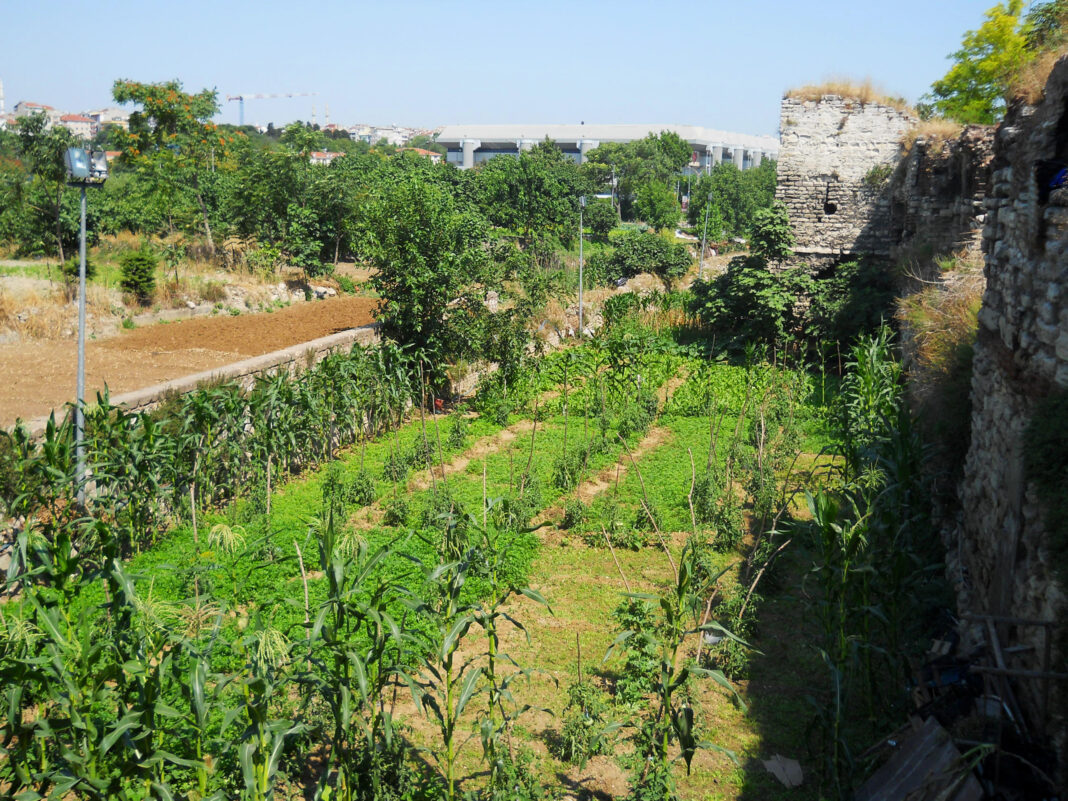
Istanbul’s historical market gardens, known as bostan, were known for providing fresh garden produce for Turkey’s largest city for hundreds of years. These market gardens were located inside city walls, and the produce grown there helped feed hundreds of thousands of people.

Modern construction and population growth has resulted in most of these gardens being doomed for destruction to make way for planned building projects.

The bostan gardens in the Yedikule quarter have more recently been rented by immigrants and others to provide an income for themselves and their families. Istanbul’s metro population, which now is more than 15 million, is simply running out of space.
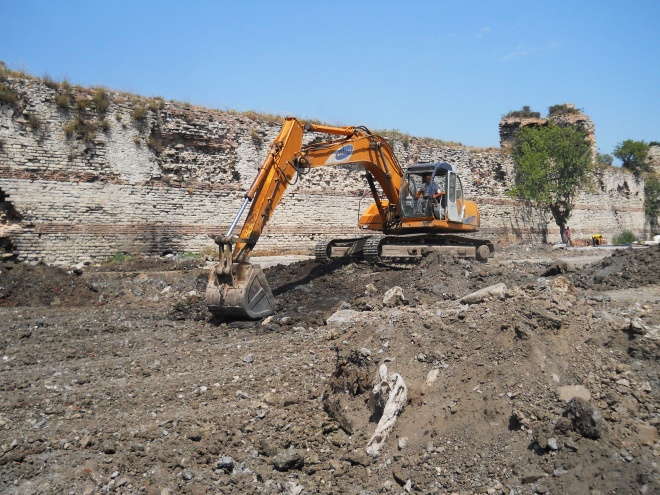
“The bostan in Yedikule are one of the first forerunners to what we today term urban farming,” says Aslihan Demirtas, an Istanbul-based architect. The Istanbul municipality wants to remove these garden plots in order to provide room to construct a large 90,000 square meter park. Doing so will destroy the incomes of people who came from rural locations and have no other means of making a living. “If you throw me out onto the street, what am I going to do to make a living,” says a 53-year-old bostan farmer.

Police recently entered some of last garden plot areas and told the people renting them that they only have until the “next harvest” to continue farming there. This will end a farming tradition that goes back more than 1,500 years. The gardens which lay along the ancient city walls, until recently have been a UNESCO protected site.

The approaching end of Istanbul’s bostan urban farming does not mean that urban farming is doomed, however. Inhabitants on other major urban locations, ranging from New York City’s Brooklyn based Gotham Greens to urban agriculture movements in Cairo Egypt, indicate that urban farming projects are alive and well.

Read more on urban farming movements and projects:
Join the urban farming movement
Brooklyn’s Gotham Greens builds world’s larget urban rooftop farm
Hanging gardens of Babylon inspire water farming called hydroponics
Egypt’s urban agriculture movement is growing

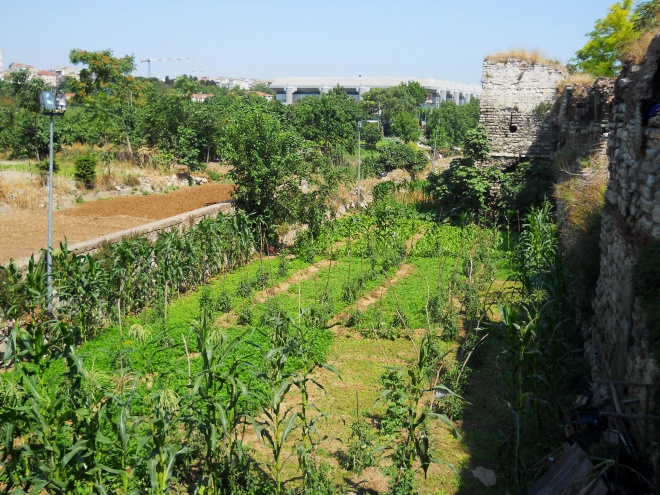
Photos of Yedikule garden plots Jennifer Hattam 

Maurice Picow
Maurice Picowhttps://www.greenprophet.com/
Maurice Picow grew up in Oklahoma City, U.S.A., where he received a B.S. Degree in Business Administration. Following graduation, Maurice embarked on a career as a real estate broker before making the decision to move to Israel. After arriving in Israel, he came involved in the insurance agency business and later in the moving and international relocation fields. Maurice became interested in writing news and commentary articles in the late 1990’s, and now writes feature articles for the The Jerusalem Post as well as being a regular contributor to Green Prophet. He has also written a non-fiction study on Islam, a two volume adventure novel, and is completing a romance novel about a forbidden love affair. Writing topics of particular interest for Green Prophet are those dealing with global warming and climate change, as well as clean technology - particularly electric cars.

LEAVE A REPLY

Please enter your comment!
Please enter your name here

TRENDING

Farm To Table Israel Connects People To The Land

Farm To Table Israel is transforming the traditional dining experience into a hands-on journey.

Iran’s holiest city about to run dry as terror chosen over water management

Iran’s second-largest city, Mashhad, is facing an acute water emergency after dam reservoirs feeding the city fell below three percent capacity, according to Iranian state and local media. Officials warn that without rainfall or improved inflows from neighboring Afghanistan, the city’s supply could soon collapse.

Arab agricultural land is on the brink

Across the Arab world, croplands face a perfect storm of stressors. Excessive fertilizers and pesticides erode soil ecology. Poor drainage and over-irrigation drive salinization, leaving fields crusted with salt. Rising temperatures, dwindling groundwater, and more frequent sand-and-dust storms—all amplified by climate change—compound the crisis.

Jordan turns to ancient fire and mines volcanic soil to solve water crisis

In the volcanic highlands of northern Jordan, north of Amman engineers are mining a natural resource not for energy, but for agriculture. The material: crushed volcanic rock, now processed into a mineral-rich soil that may hold the key to reducing water and fertilizer demand in arid regions.

Will the Common Agricultural Policy see reform under the new Commission?

This growing momentum for change reflects Brussels’s broader recognition that economic viability must underpin sustainable agricultural practices.

Qatar’s climate hypocrisy rides the London Underground

Qatar remains a master of doublethink—burning gas by the megaton while selling “sustainability” to a world desperate for clean air. Wake up from your slumber people.

How Quality of Hire Shapes Modern Recruitment

A 2024 survey by Deloitte found that 76% of talent leaders now consider long-term retention and workforce contribution among their most important hiring success metrics—far surpassing time-to-fill or cost-per-hire. As the expectations for new hires deepen, companies must also confront the inherent challenges in redefining and accurately measuring hiring quality.

8 Team-Building Exercises to Start the Week Off 

Team building to change the world! The best renewable energy companies are ones that function.

Thank you, LinkedIn — and what your Jobs on the Rise report means for sustainable careers

While “green jobs” aren’t always labeled as such, many of the fastest-growing roles are directly enabling the energy transition, climate resilience, and lower-carbon systems: Number one on their list is Artificial Intelligence engineers. But what does that mean? Vibe coding Claude? 

Somali pirates steal oil tankers

The pirates often stage their heists out of Somalia, a lawless country, with a weak central government that is grappling with a violent Islamist insurgency. Using speedboats that swarm the targets, the machine-gun-toting pirates take control of merchant ships and then hold the vessels, crew and cargo for ransom.

Leopoldo Alejandro Betancourt López Turned Ocean Plastic Into Profitable Sunglasses

Few fashion accessories carry the environmental burden of sunglasses. Most frames are constructed from petroleum-based plastics and acrylic polymers that linger in landfills for centuries, shedding microplastics into soil and waterways long after they've been discarded. Leopoldo Alejandro Betancourt López, president of the Spanish eyewear brand Hawkers, saw this problem differently than most industry executives.

Why Dr. Tony Jacob Sees Texas Business Egos as Warning Signs

Everything's bigger in Texas. Except business egos.  Dr. Tony Jacob figured...

Israel and America Sign Renewable Energy Cooperation Deal

Other announcements made at the conference include the Timna Renewable Energy Park, which will be a center for R&D, and the AORA Solar Thermal Module at Kibbutz Samar, the world's first commercial hybrid solar gas-turbine power plant that is already nearing completion. Solel Solar Systems announced it was beginning construction of a 50 MW solar field in Lebrija, Spain, and Brightsource Energy made a pre-conference announcement that it had inked the world's largest solar deal to date with Southern California Edison (SCE).

Related Articles

Popular Categories